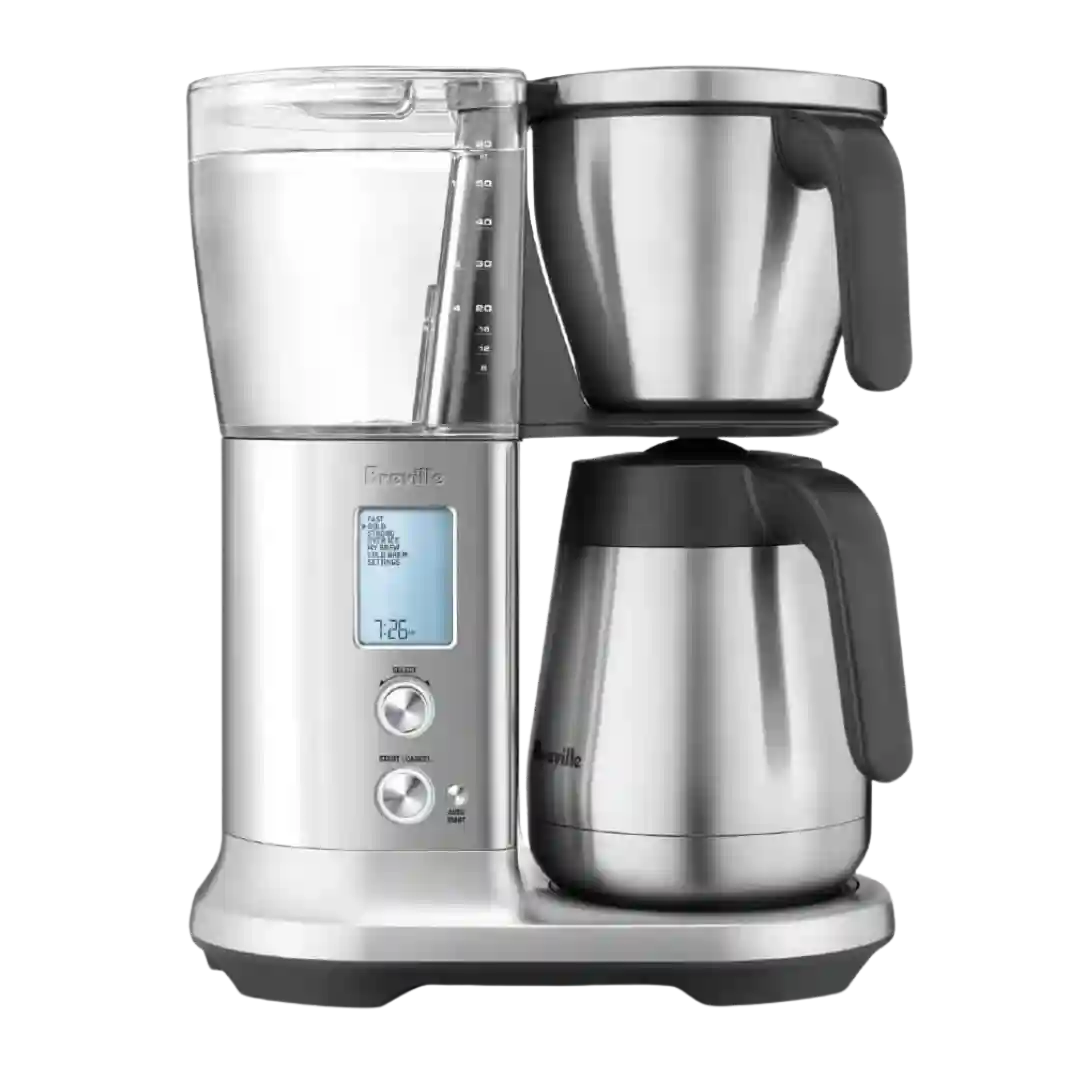
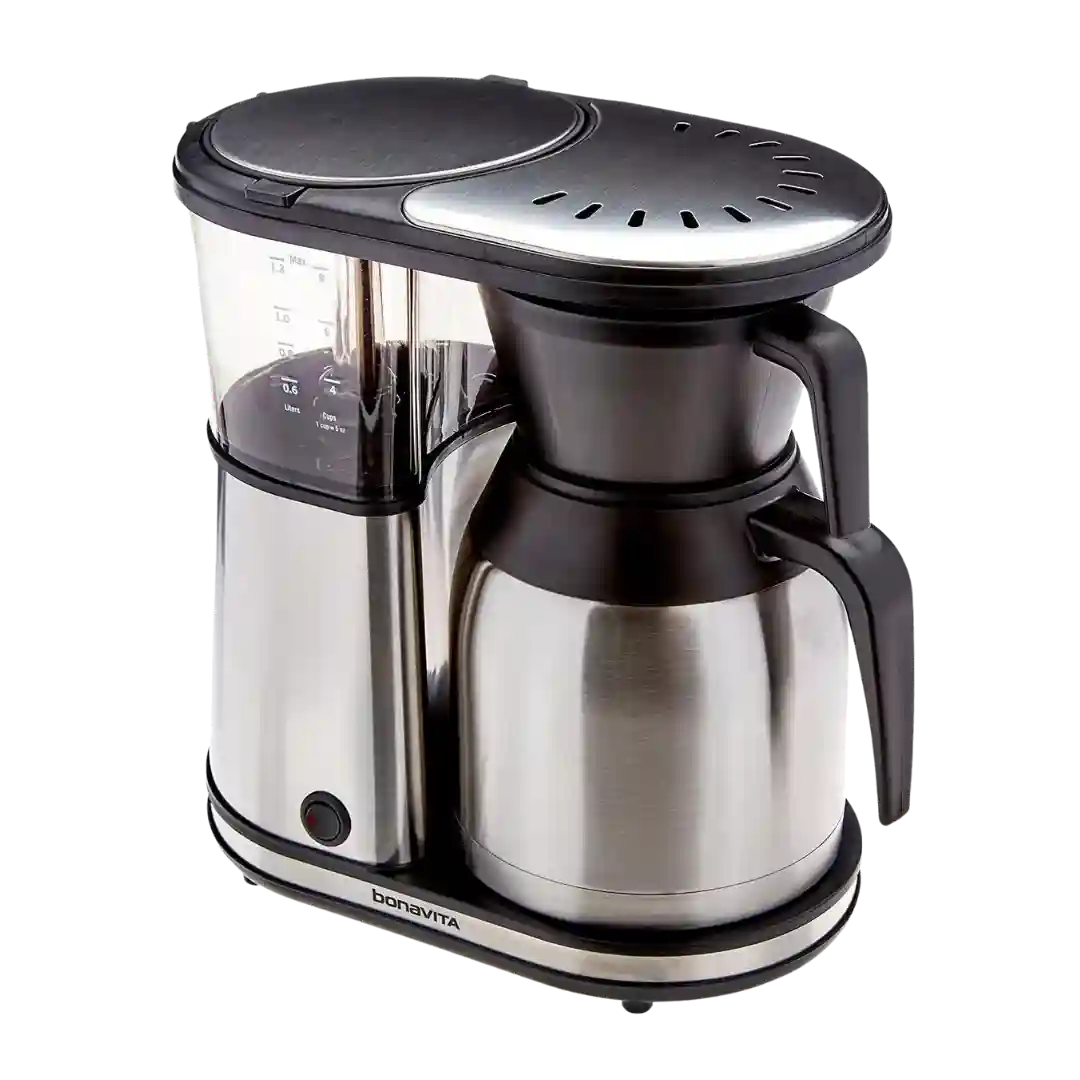
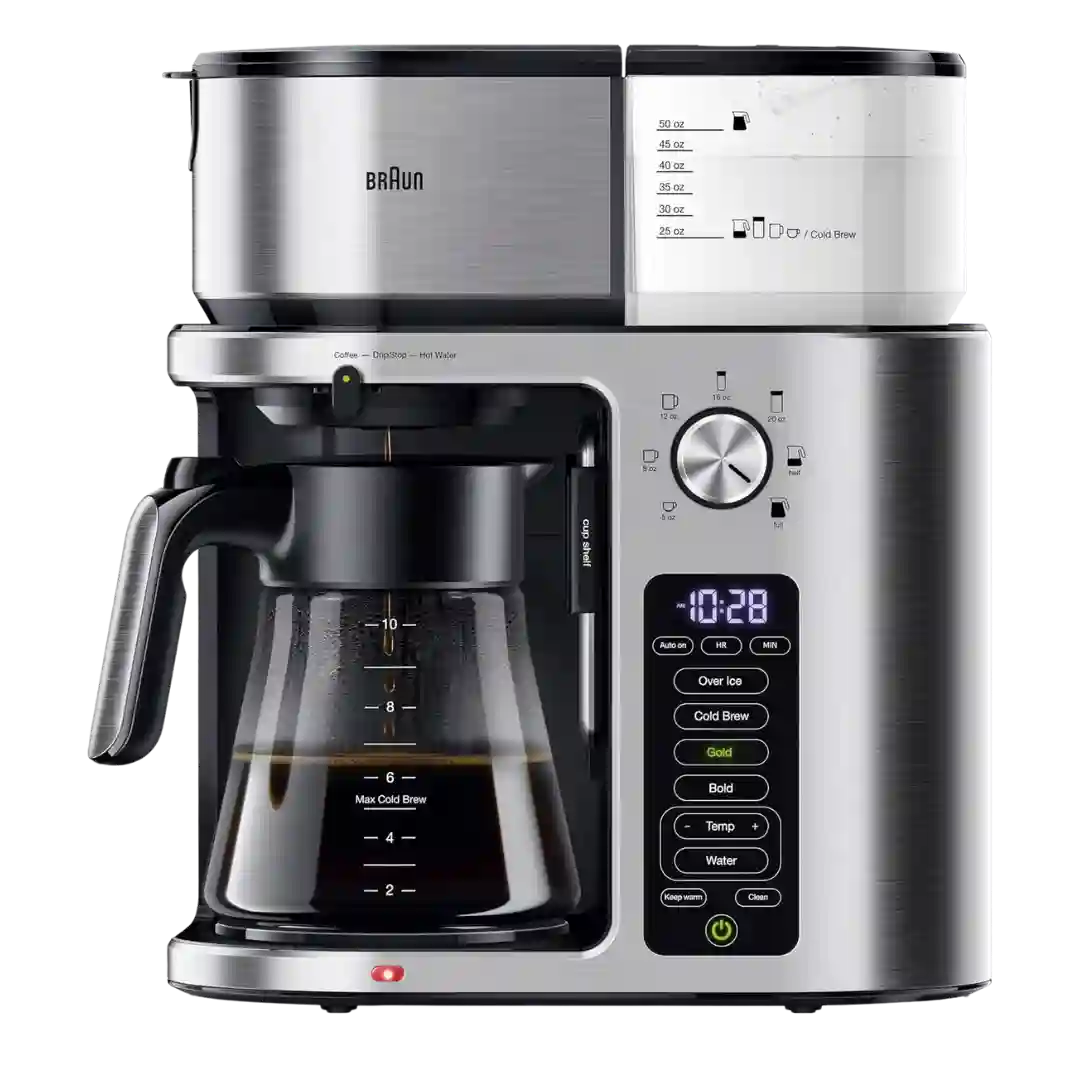
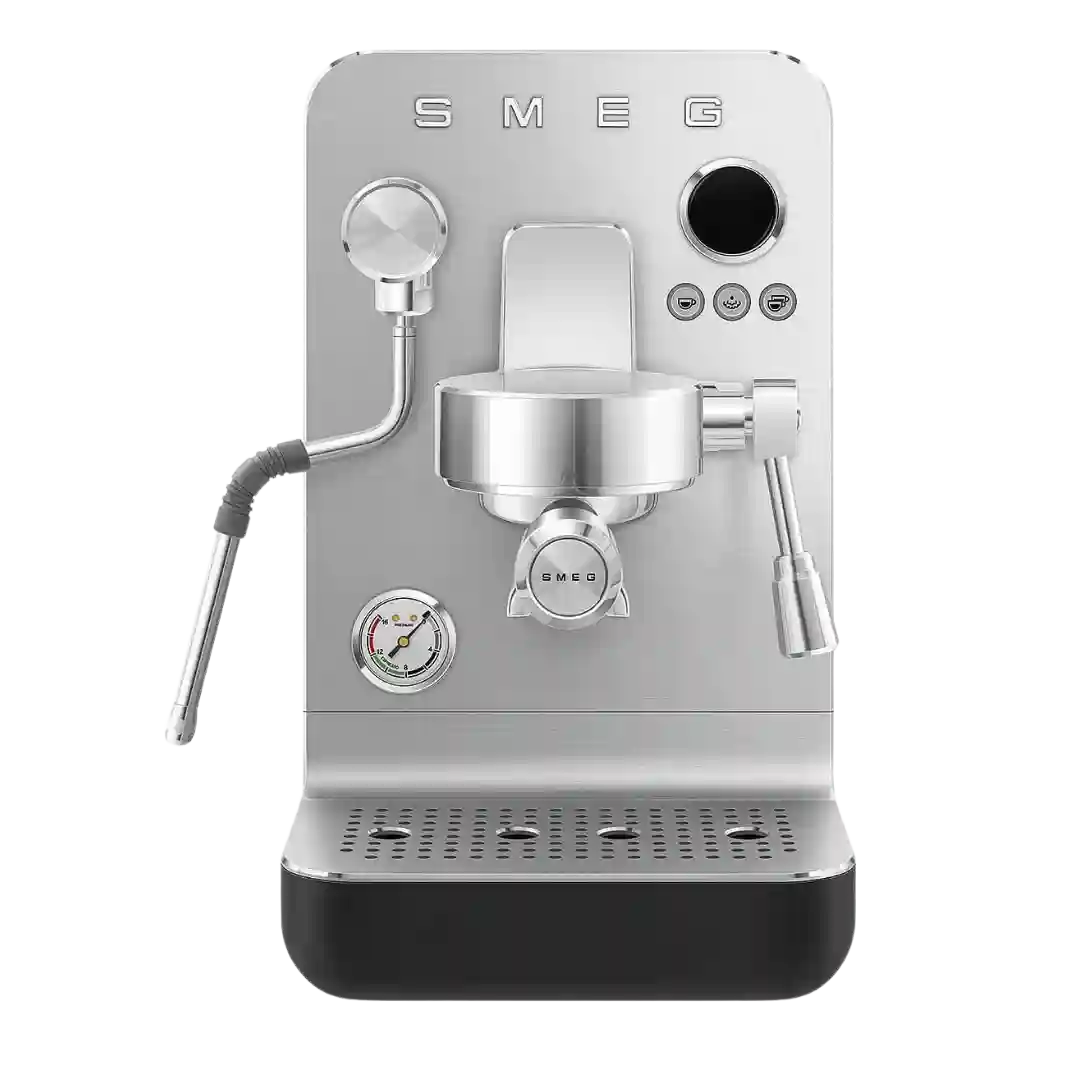
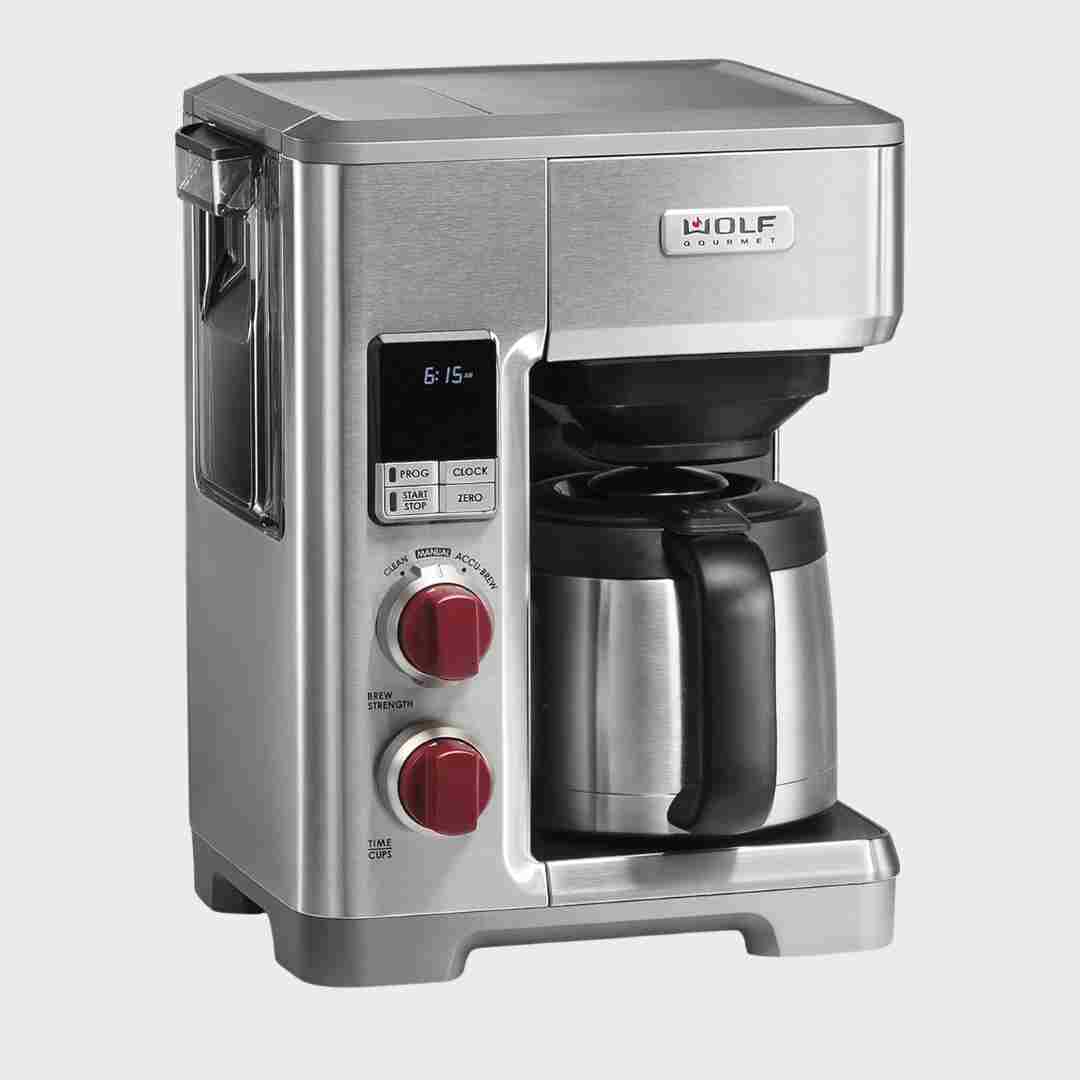
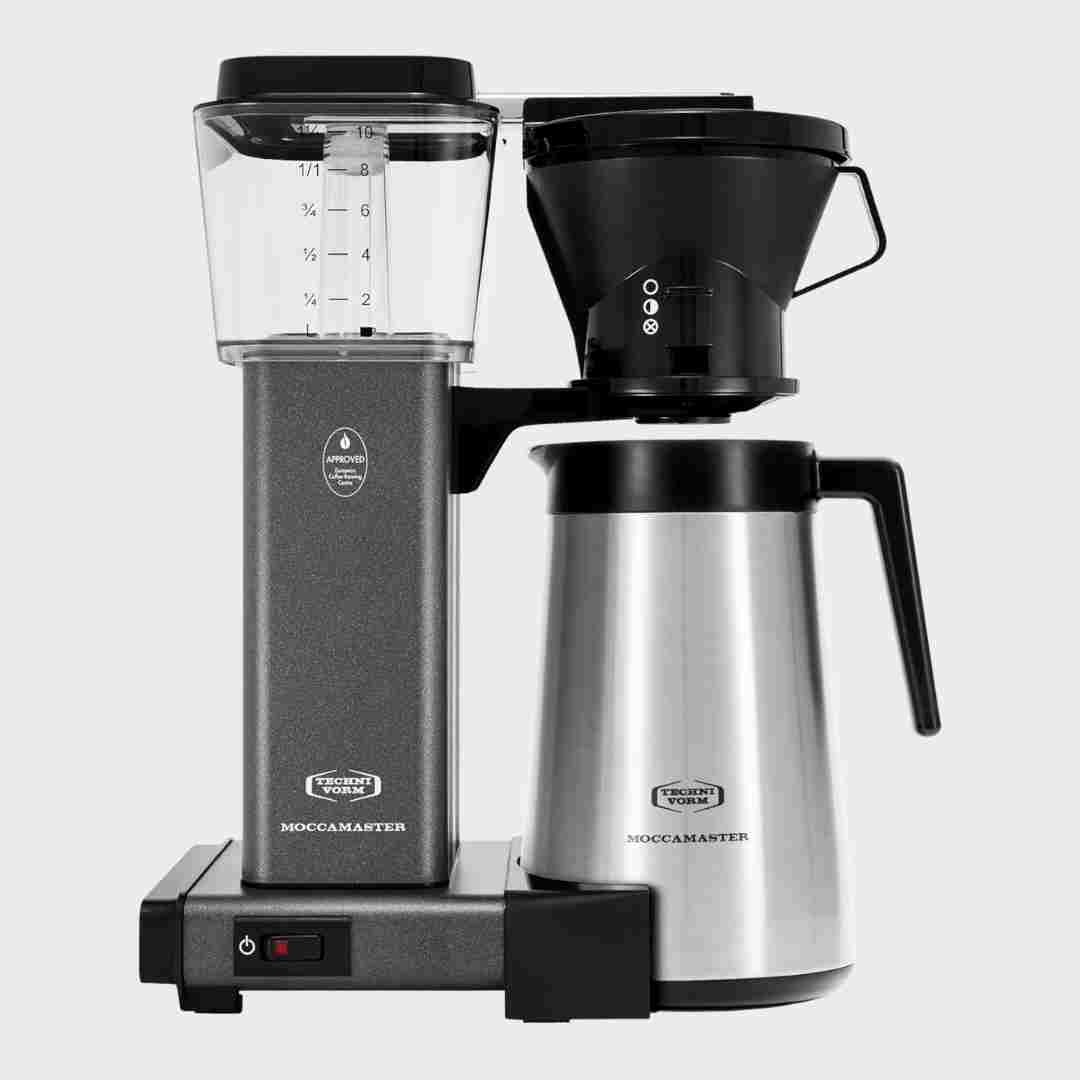
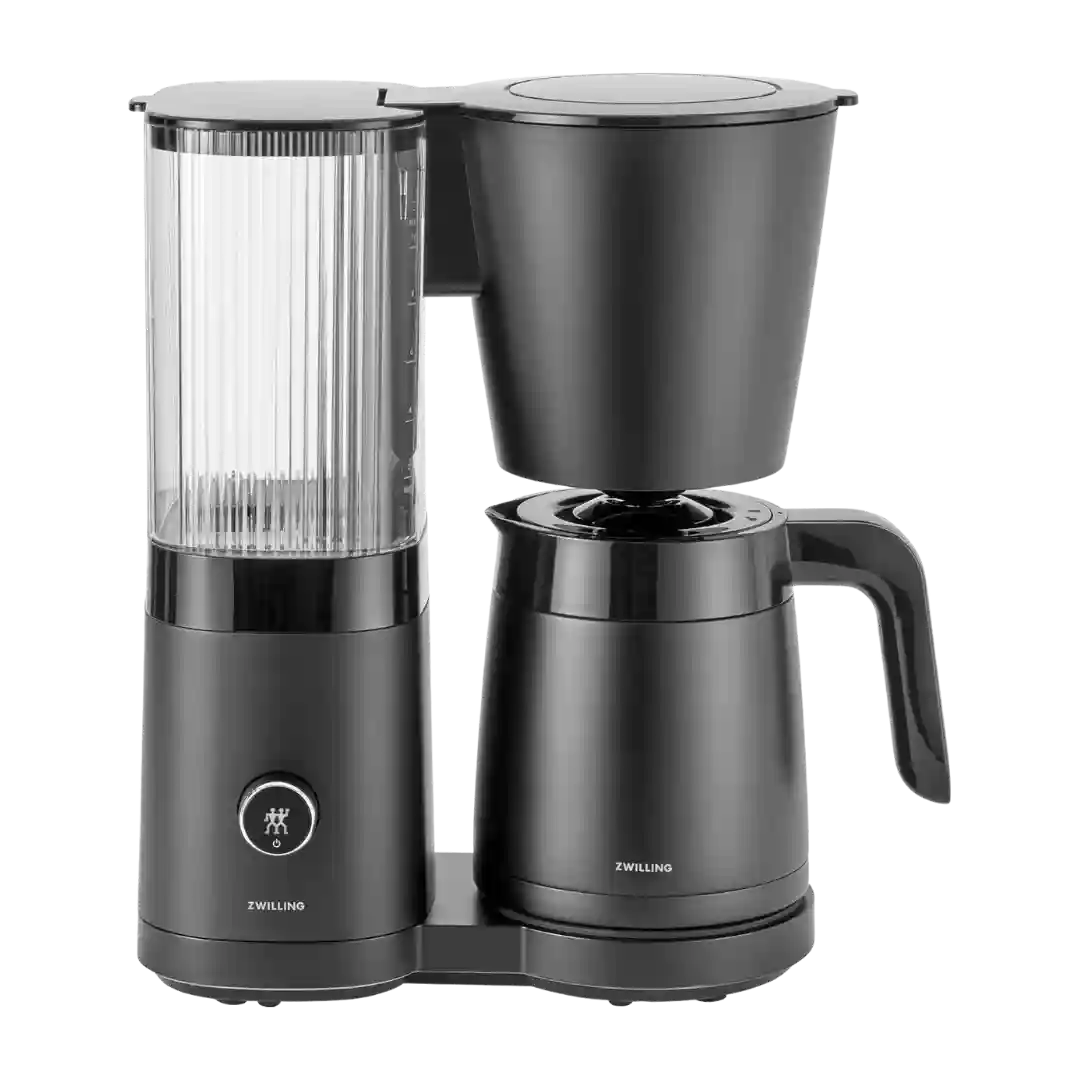
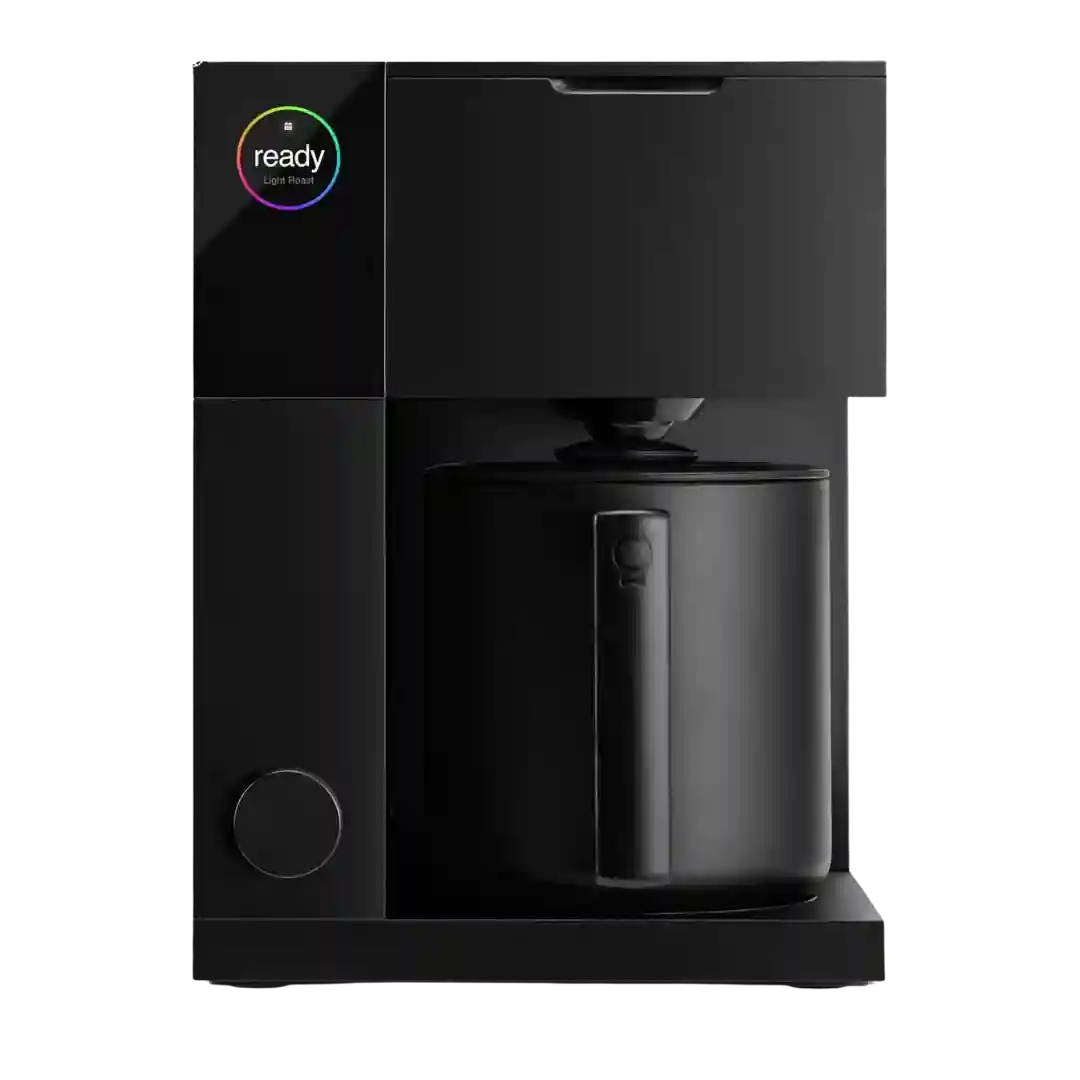
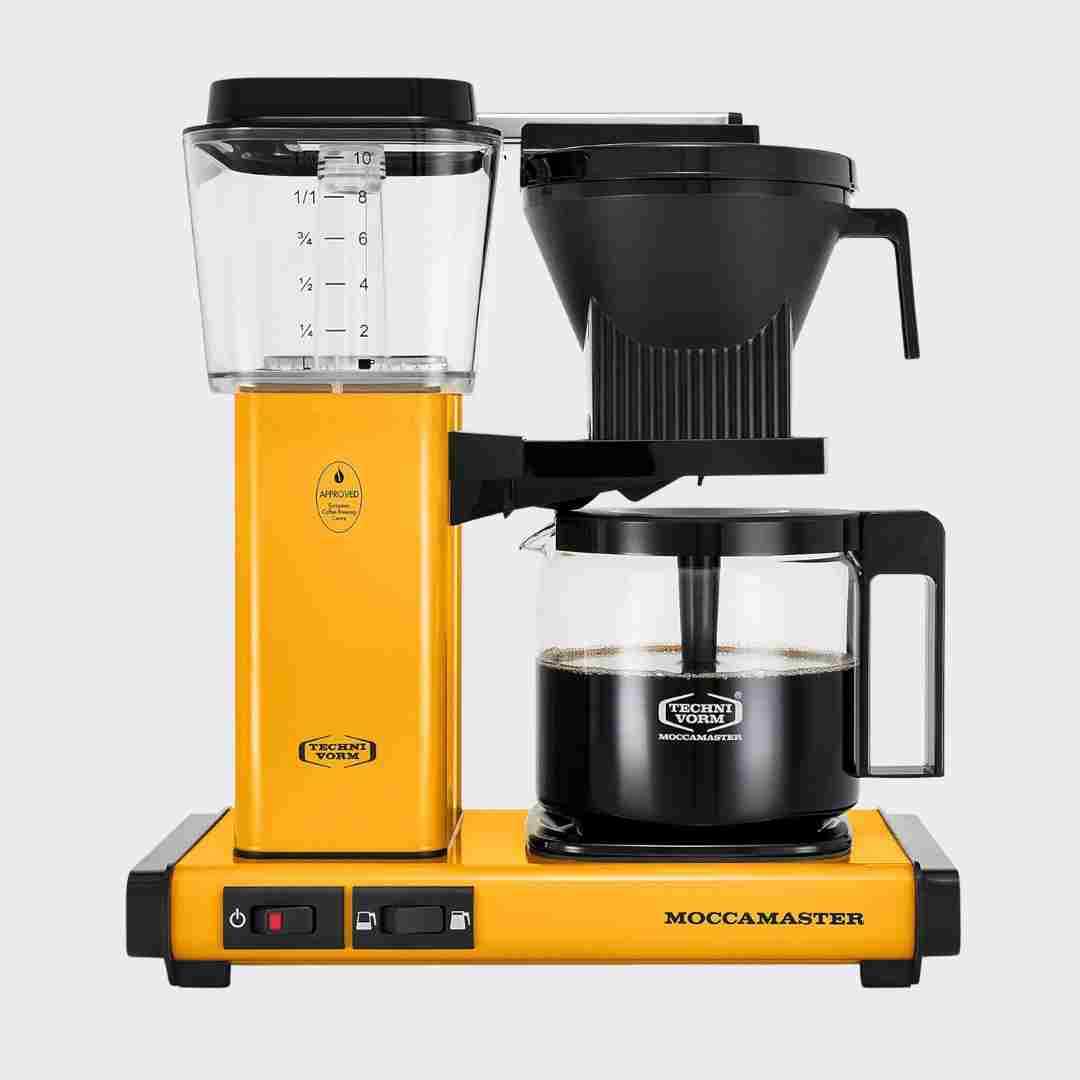
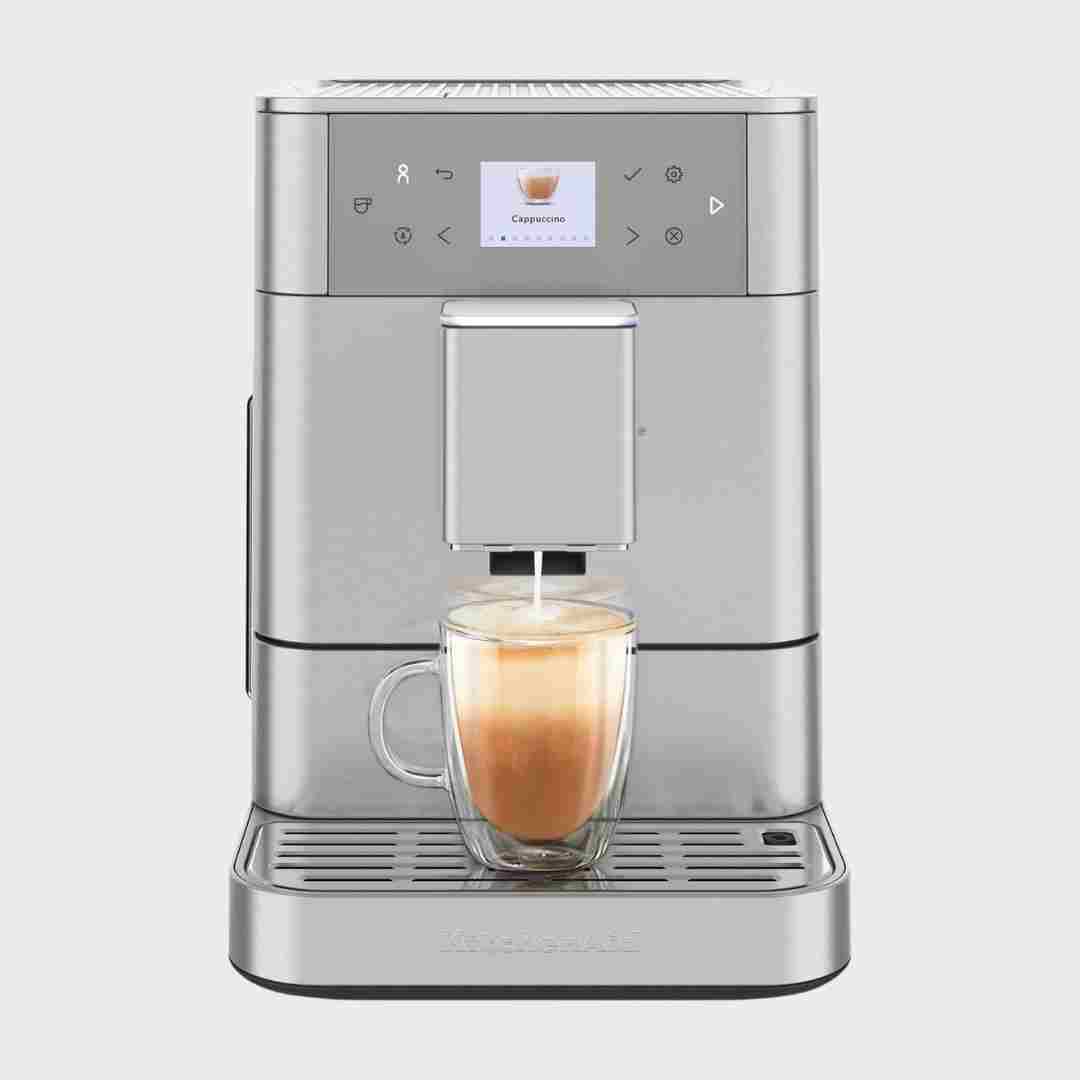
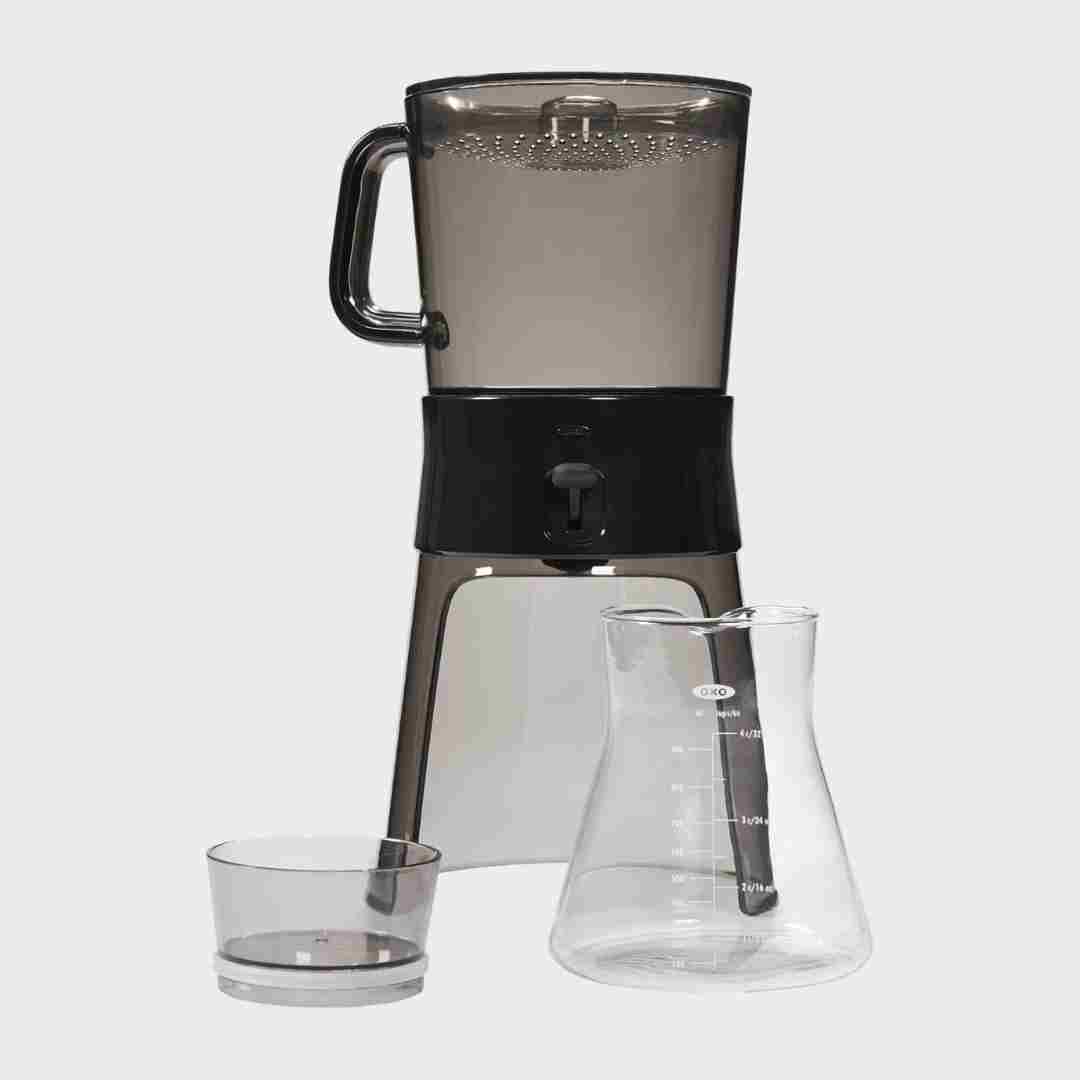
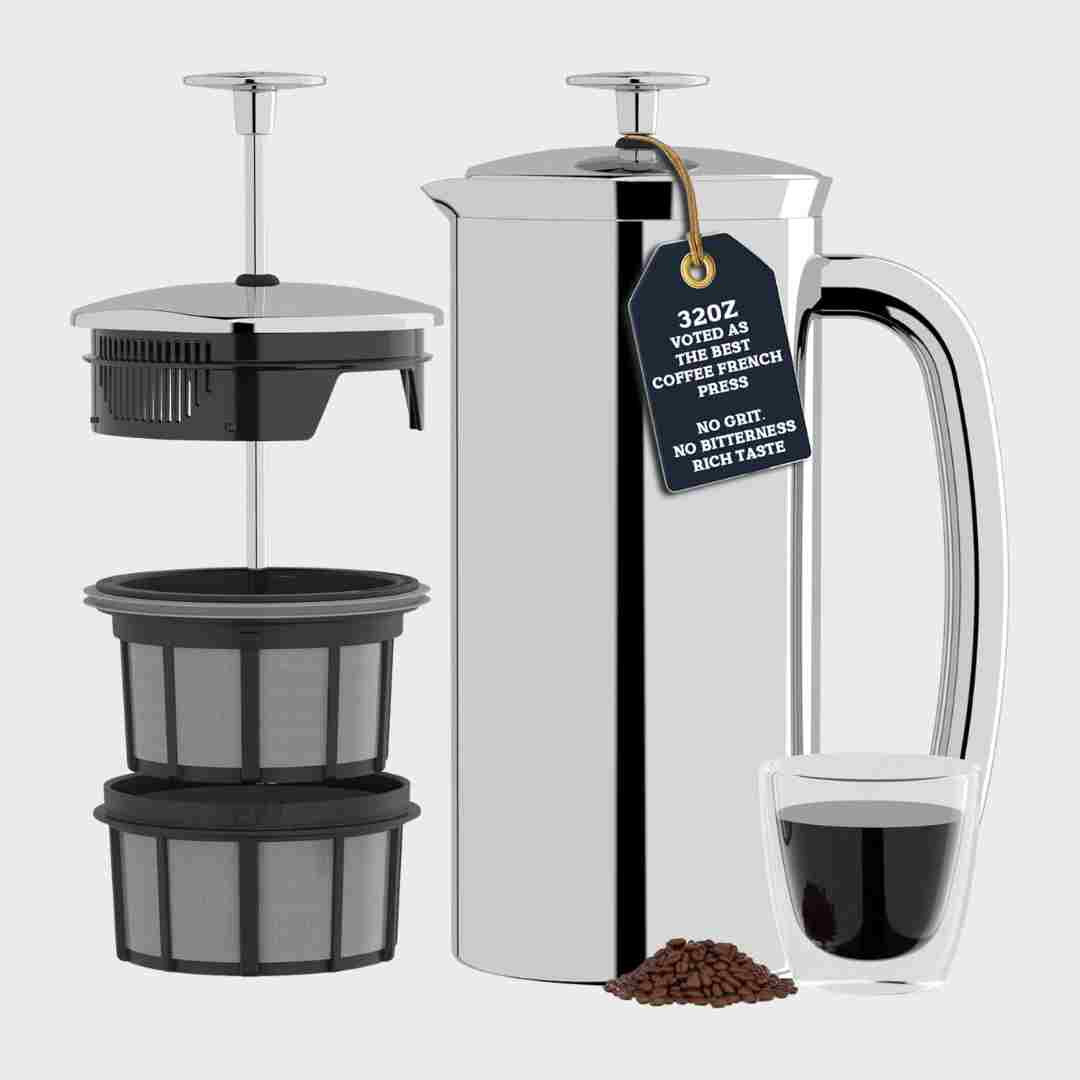
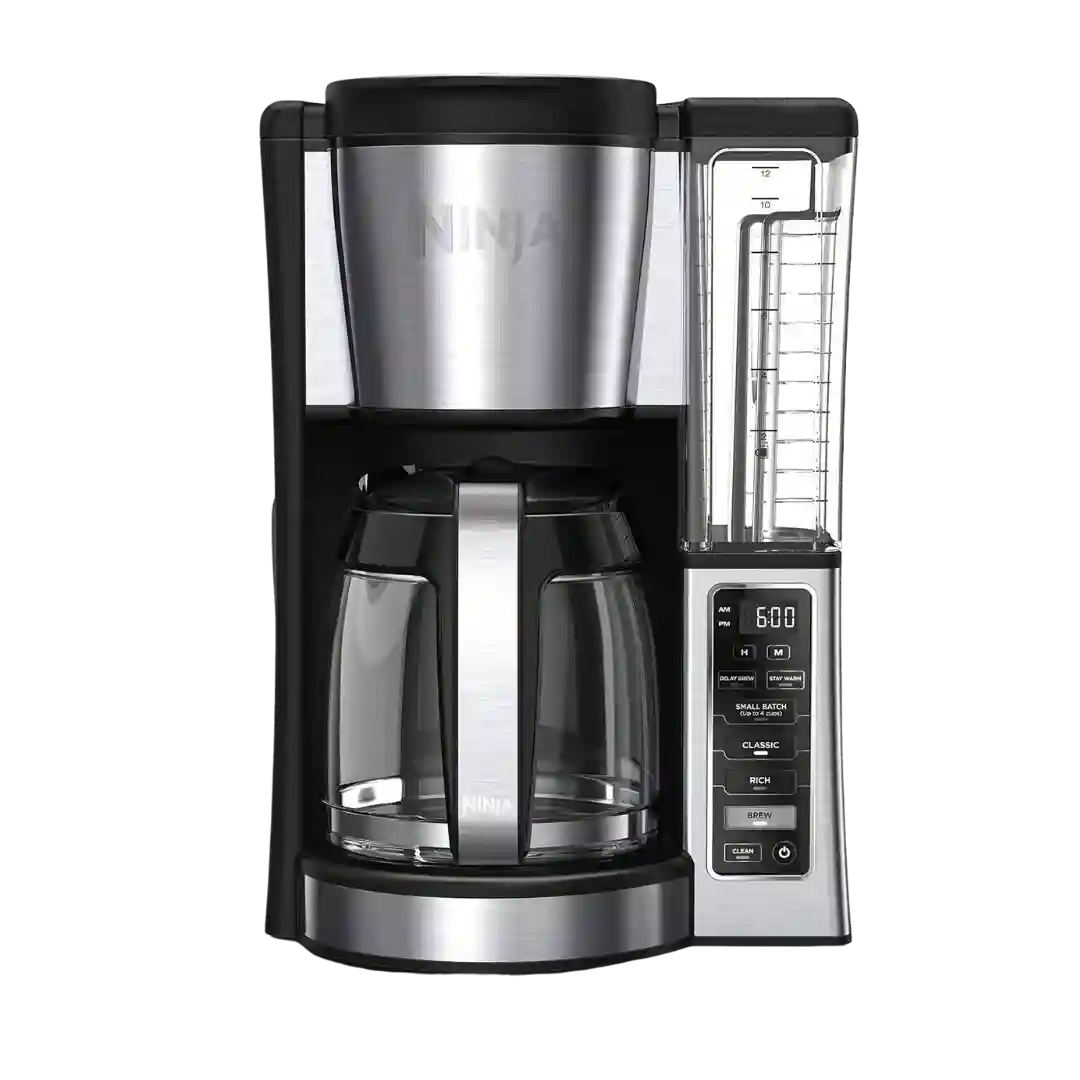
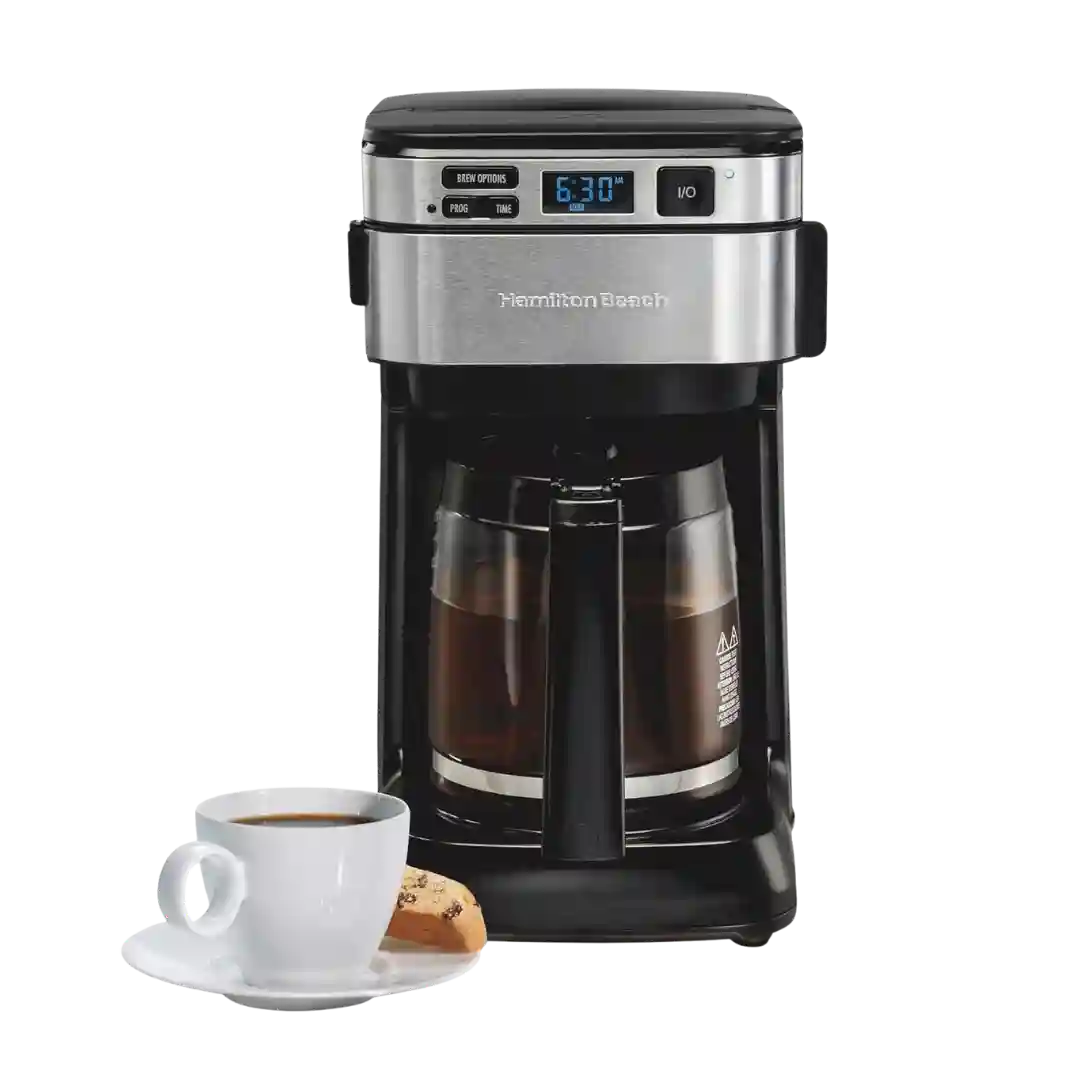
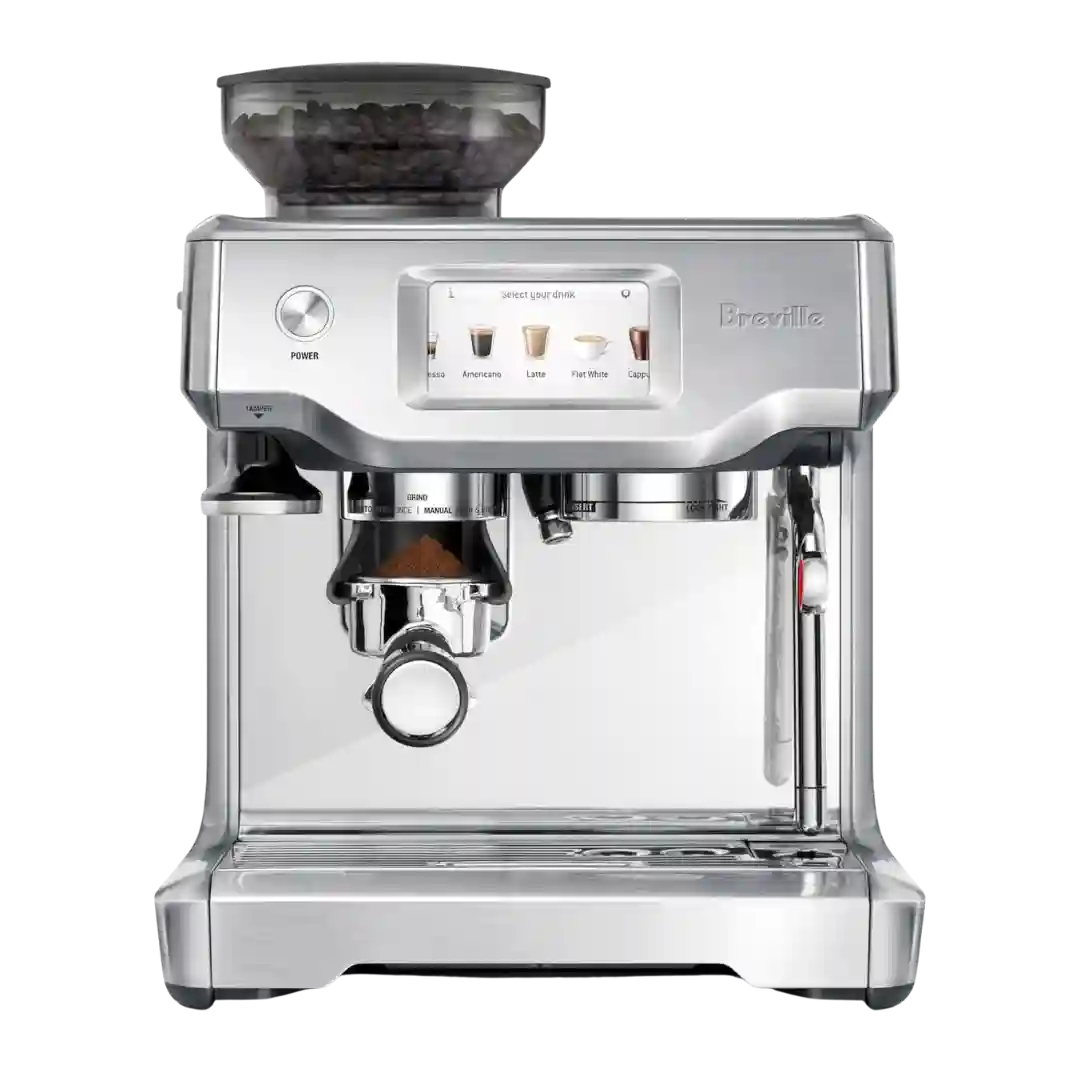
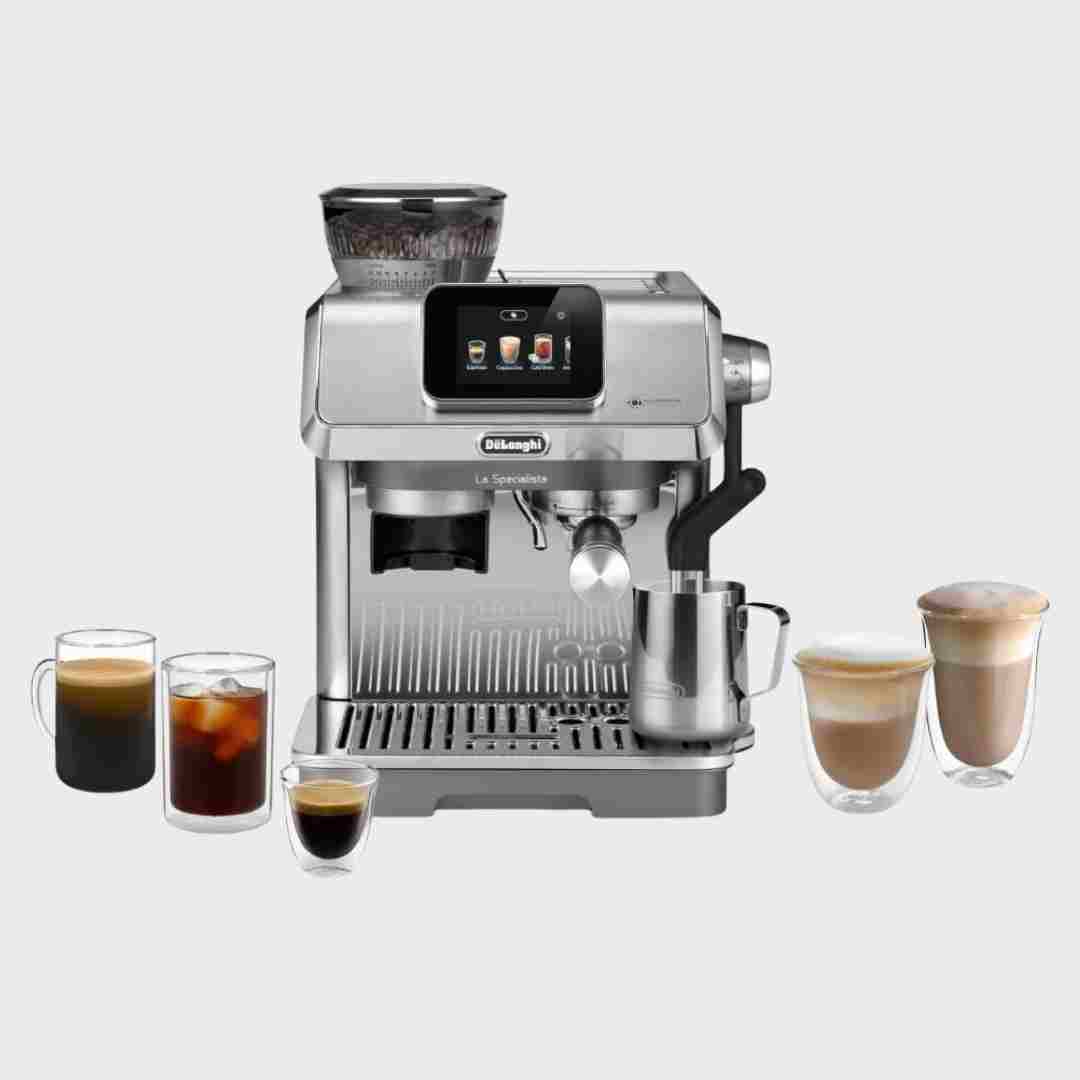
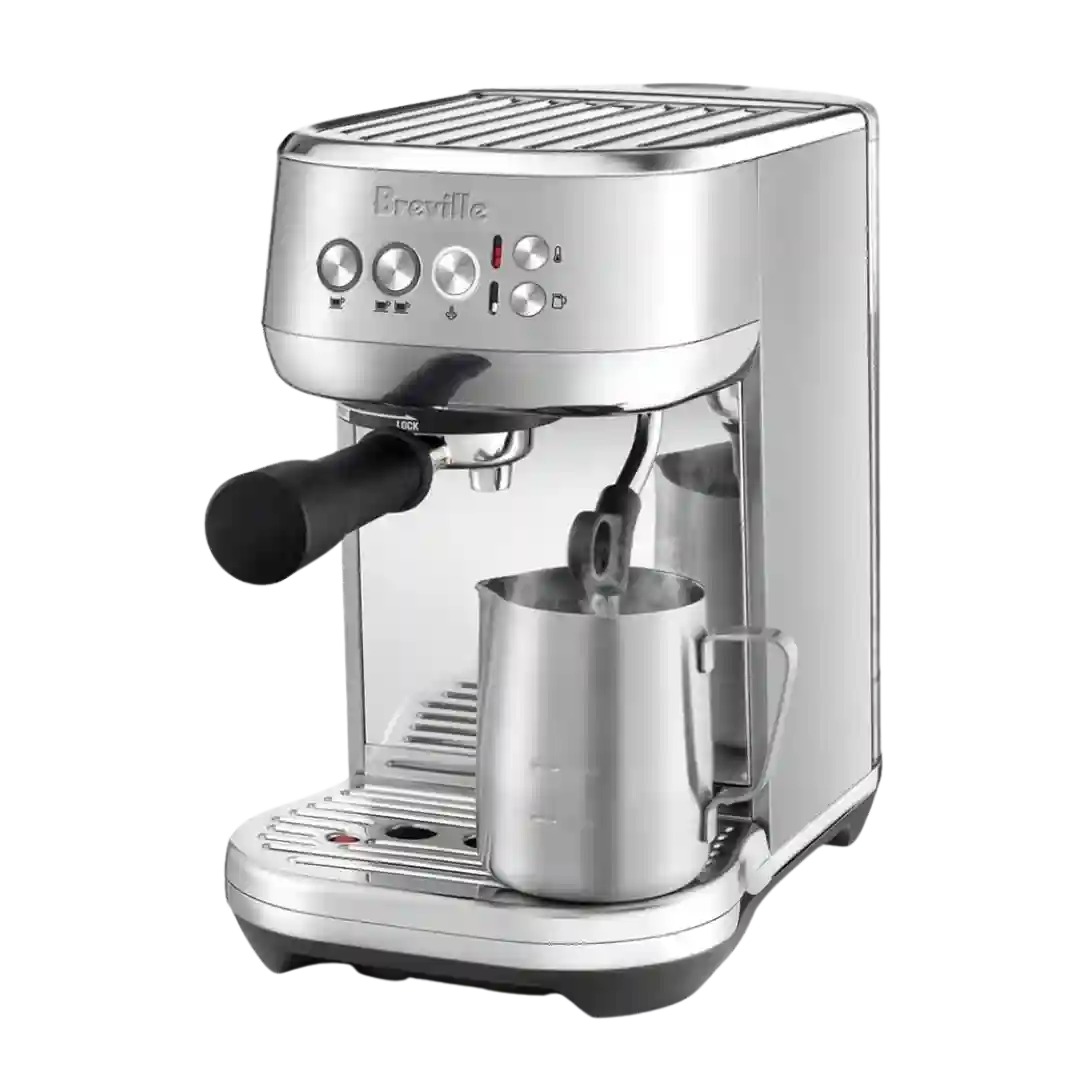
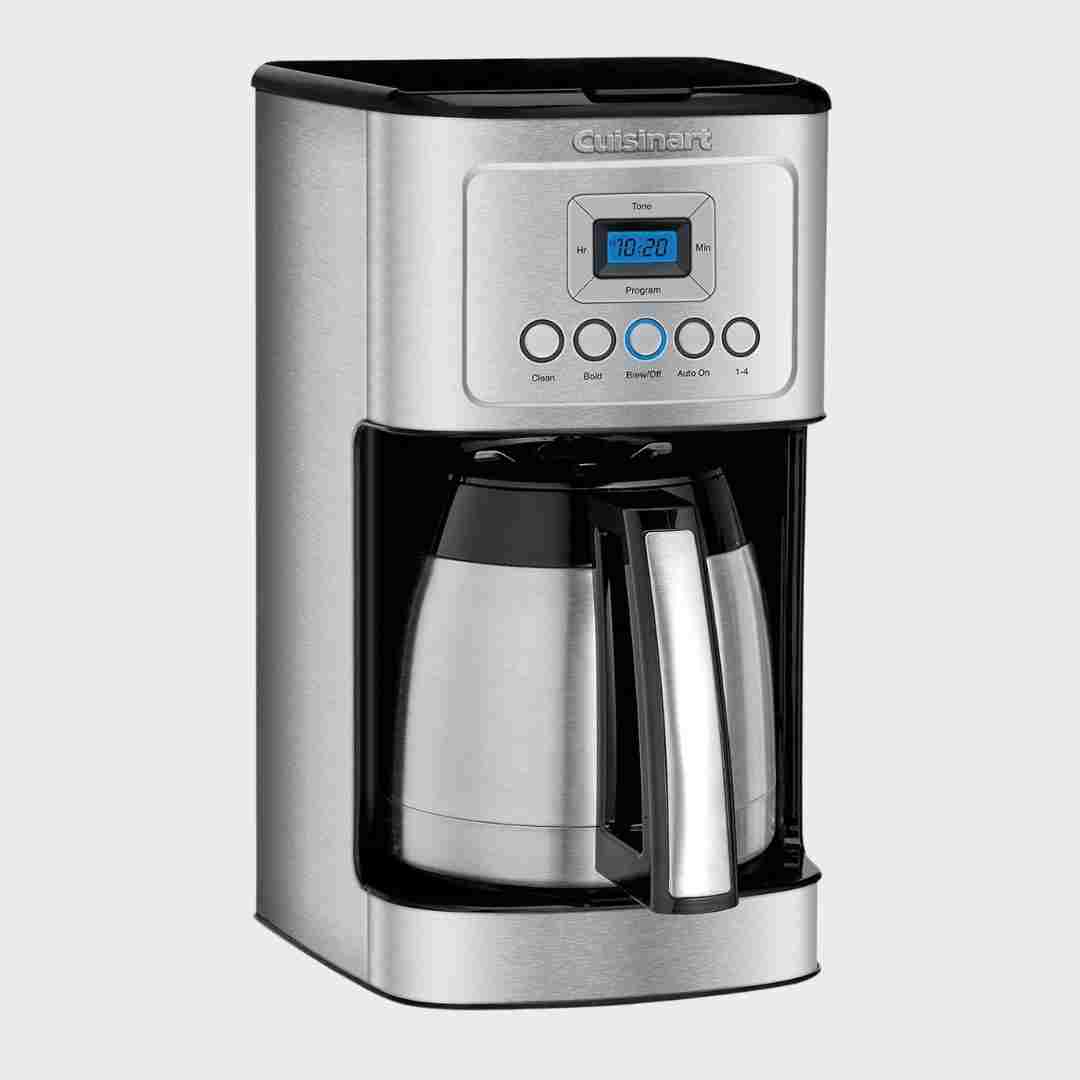
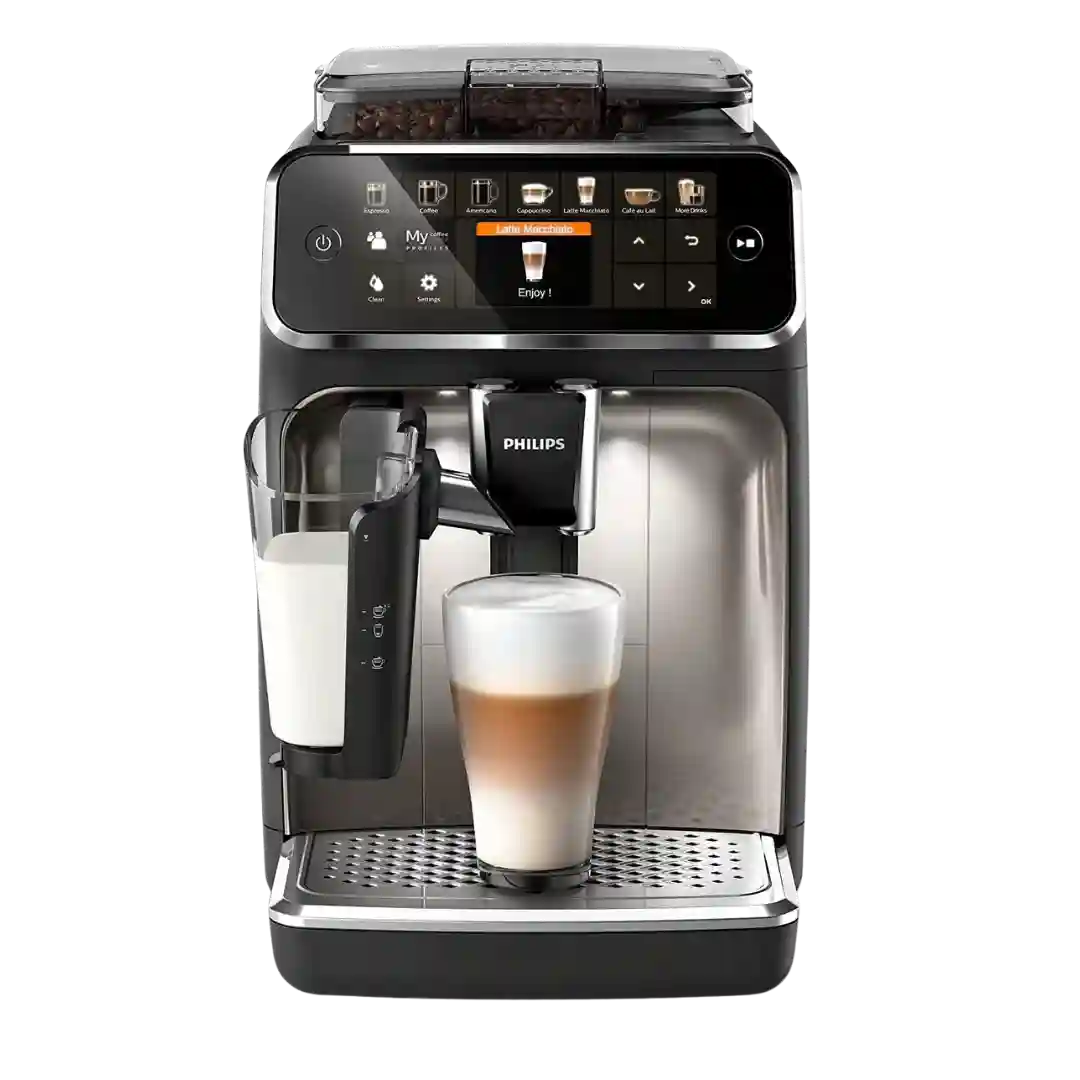
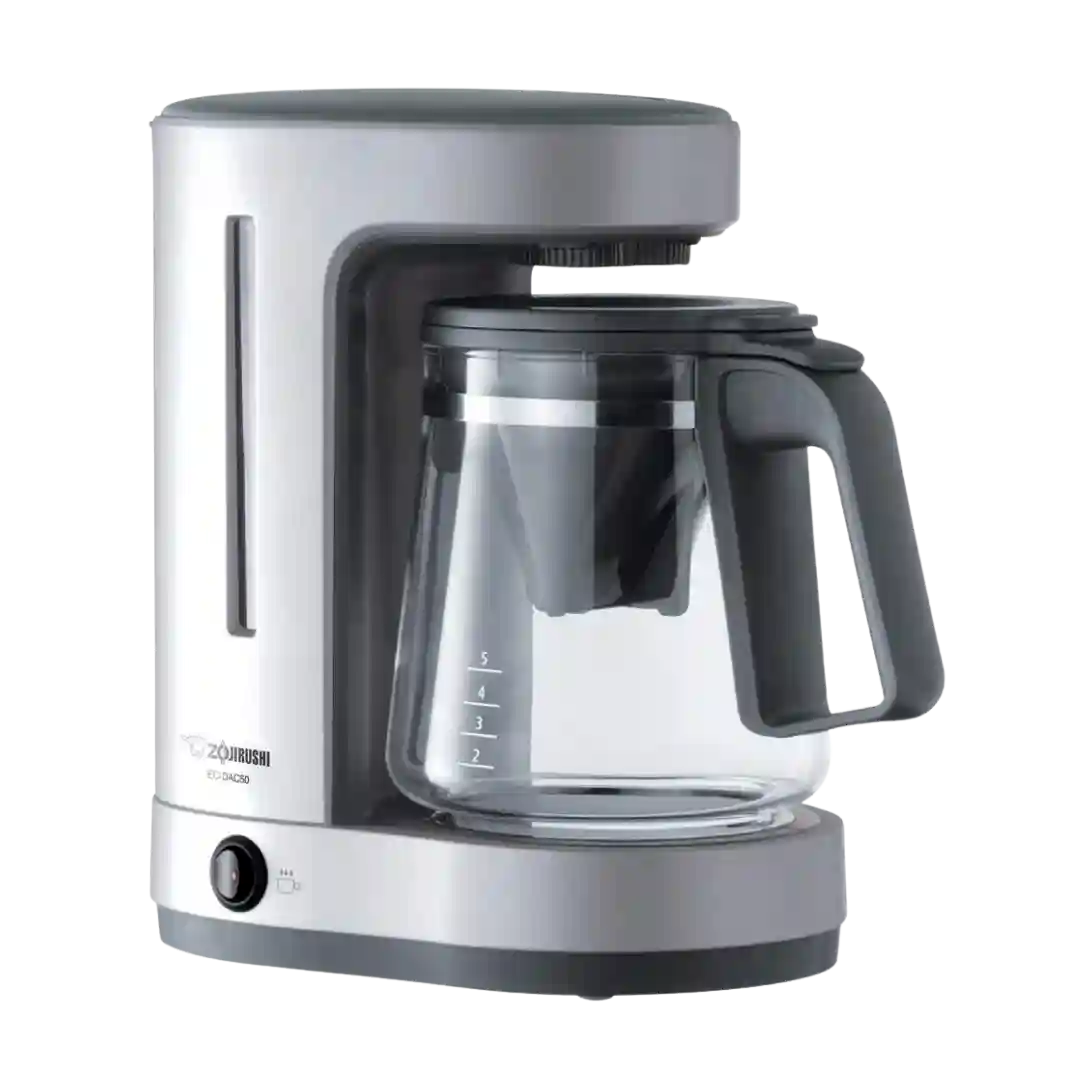
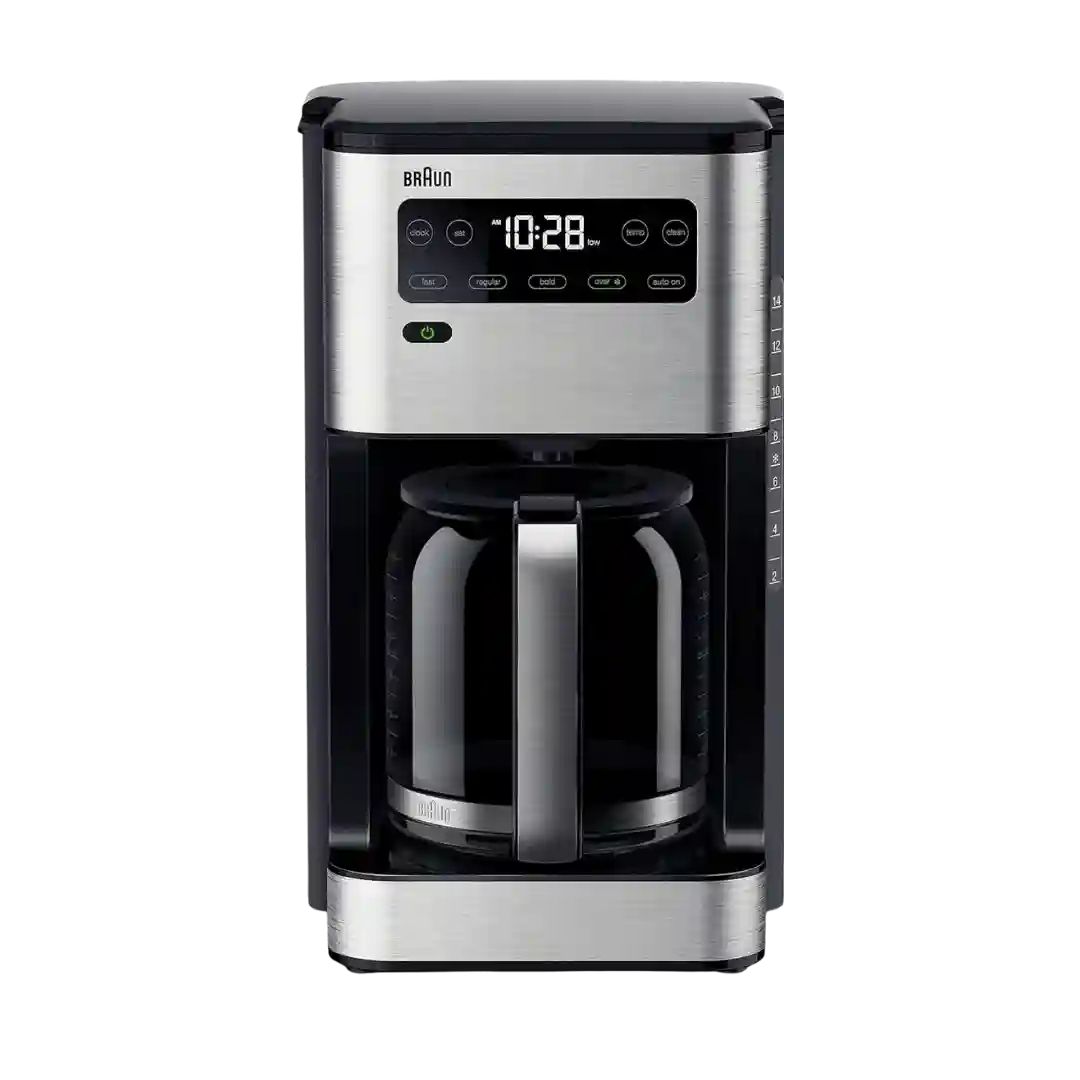
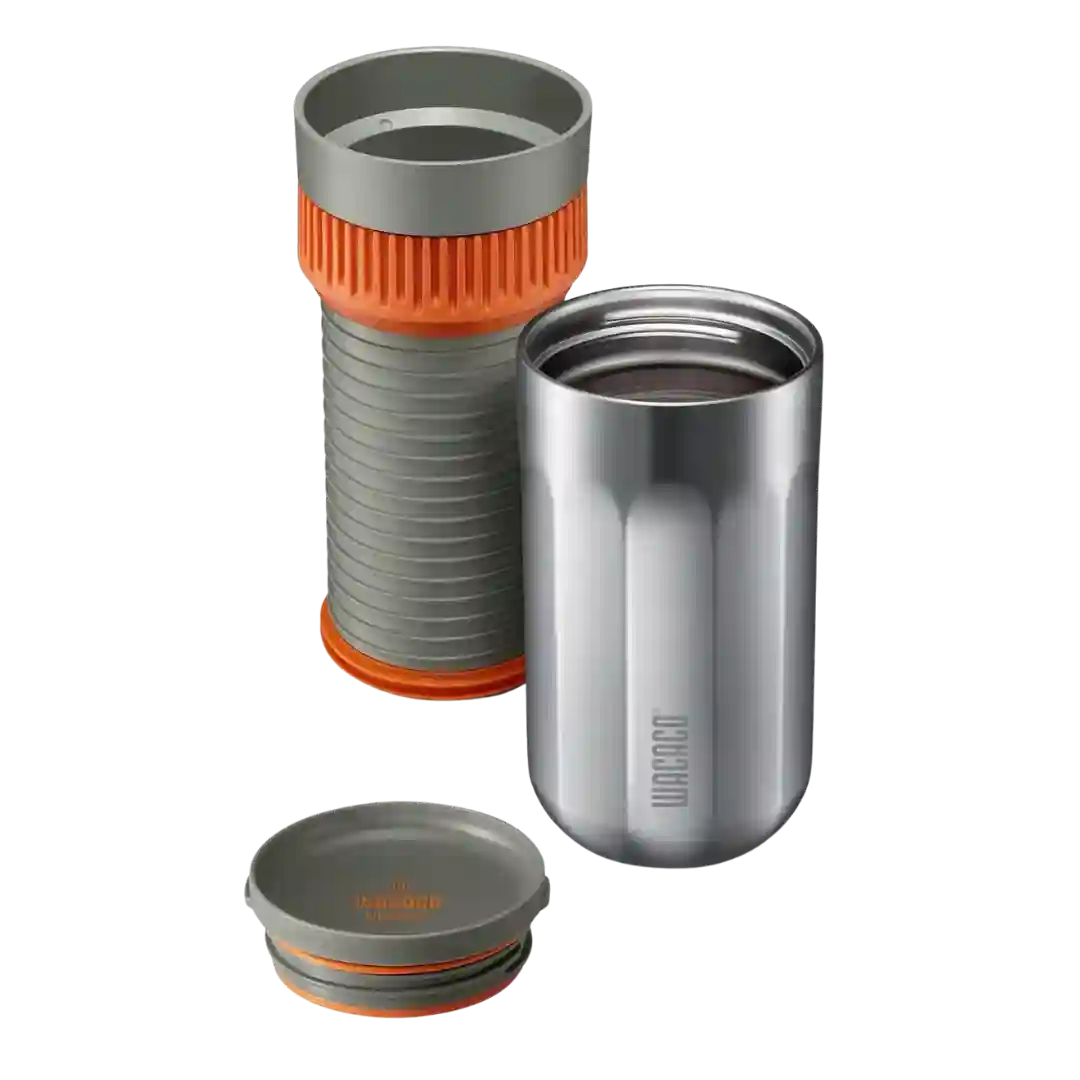
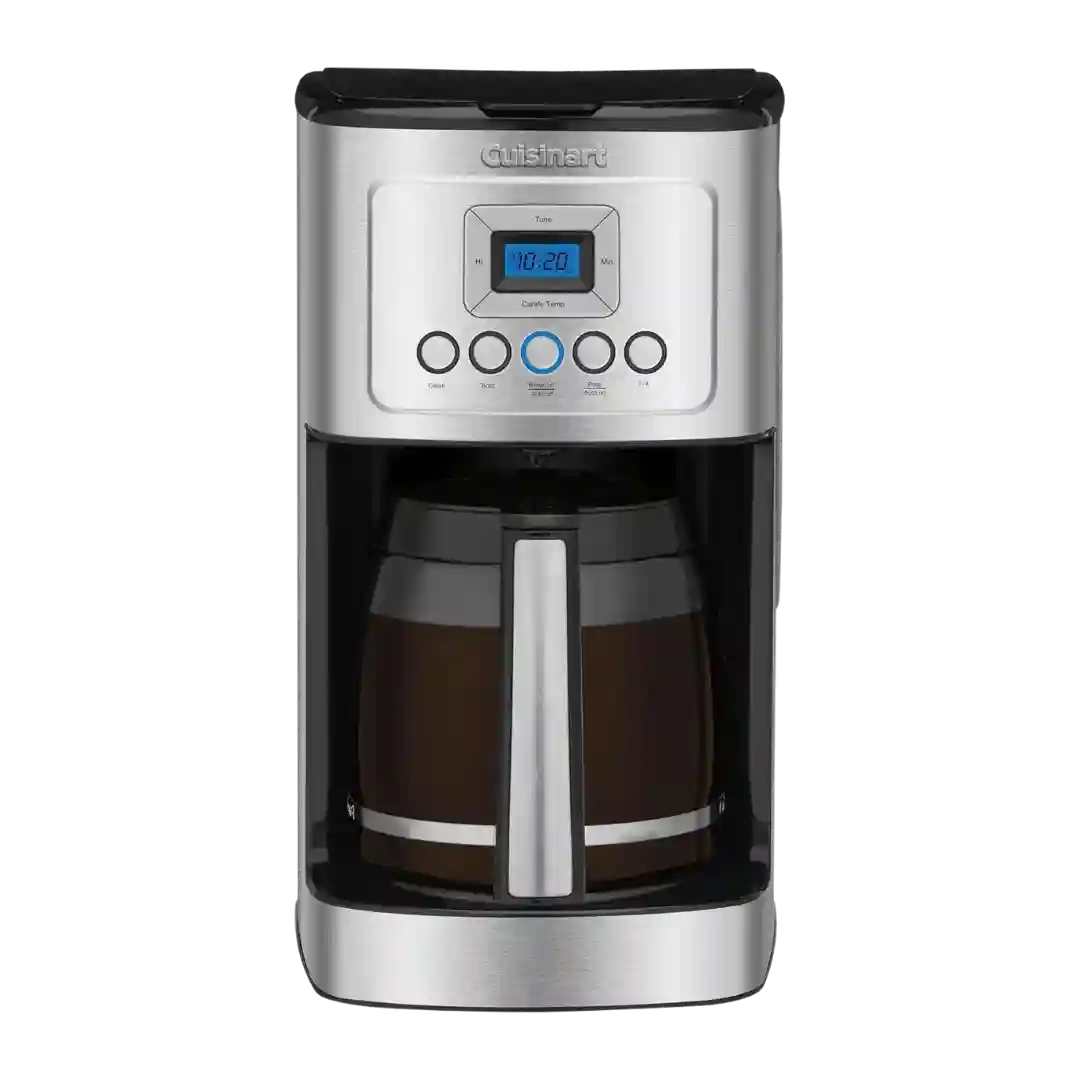
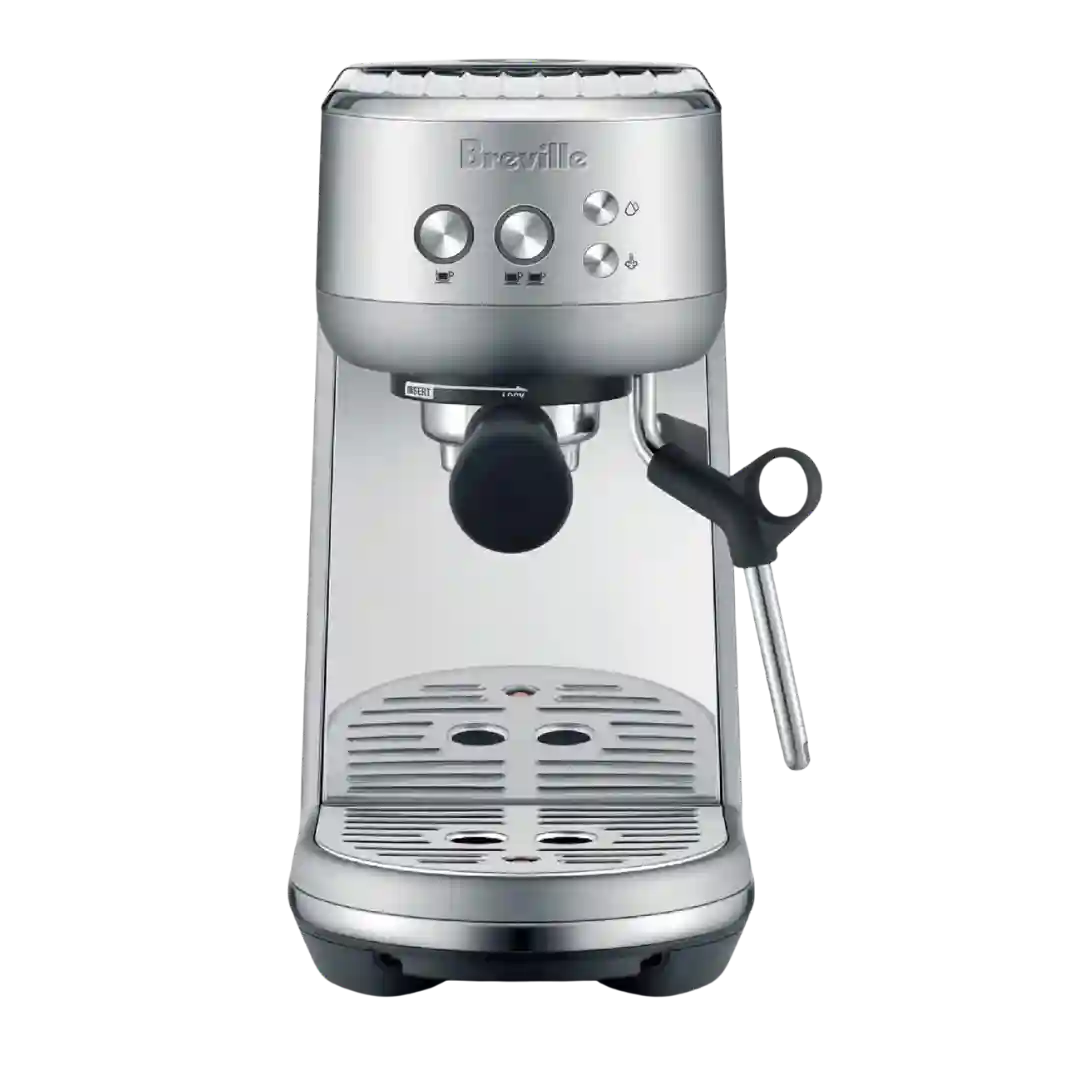
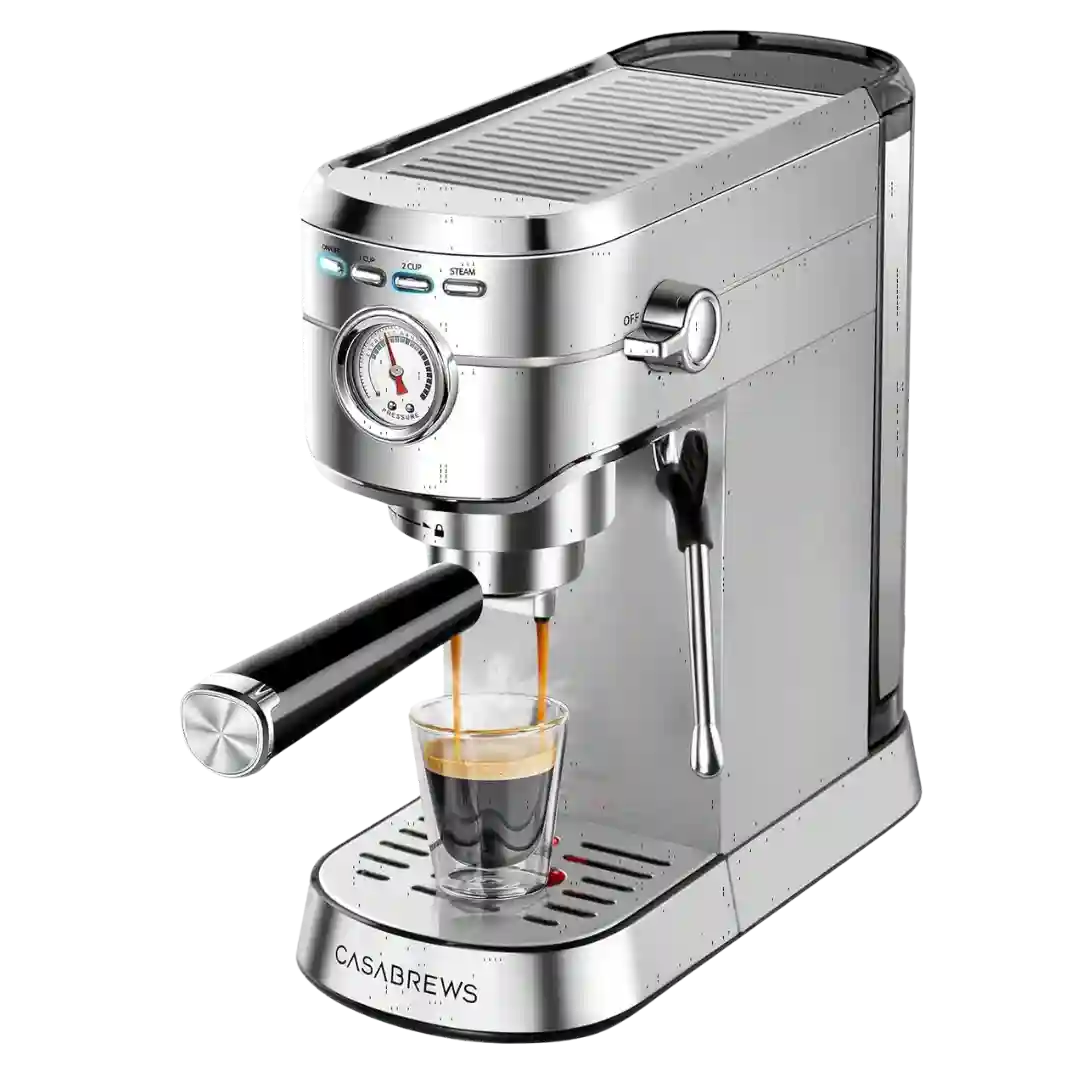
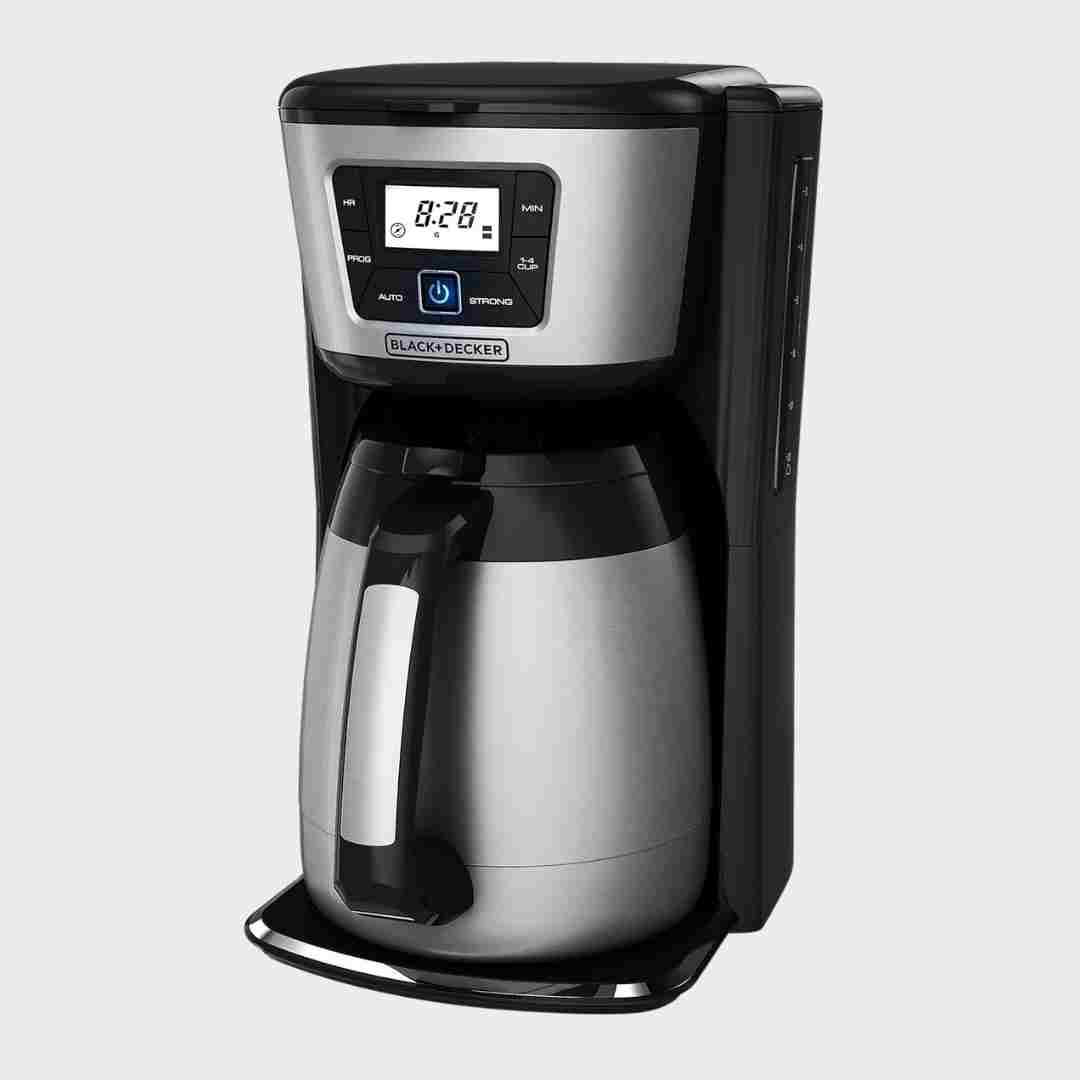
Brewing performance is consistently excellent. Reviewers repeatedly praised stable brew temperatures, even extraction, and the ability to produce high-quality coffee across both preset and custom modes.
Consistently praised for smooth, well-extracted, flavorful coffee with proper 195–205°F brewing temperatures and even showerhead saturation. Frequently ranked at or near the top in taste comparisons.
Brewing performance is a core strength. Tom’s Guide found consistent results across paper and gold-tone filters, and Braun/SCA materials describe consistent optimal brewing in every cup.
Across reviews, brewing quality is the main strength: consistently hot drip coffee with rich flavor, even extraction, and strong repeatability from batch to batch. Multiple sources attribute the consistency to even water distribution and the scale-guided dosing process.
Across reviews, brew quality is the headline: tasters describe balanced, nuanced, flavorful coffee with strong extraction fundamentals, often comparing results favorably to other premium drip machines and even pour-over style flavor. A few note the spray or brew head is not perfectly even, but the cup quality remains consistently praised.
Across reviews, it brews notably clean, flavorful drip coffee with good extraction, especially when the bloom feature is used. Small and larger batches are generally consistent, with taste described as fruity or nutty and free of burnt bitterness.
Across reviews, Aiden consistently produces clean, flavorful coffee that many compare to cafe-style pour-over. Single-serve cups are the standout; larger batches are still good but can be more dependent on dialing in grind and profiles.
Most reviewers describe the cup as smooth, balanced, and close to pour-over when paired with good coffee and an appropriate grind, with strong repeatability day to day. A minority critique centers on spray head water distribution that can concentrate flow and reduce extraction uniformity.
Brewing performance is one of the machine's strongest themes: reviewers repeatedly describe espresso extraction as rich, repeatable, and clearly above average for this class once settings are dialed in.
Reviewers generally report reliable extraction and consistently good flavor; the rainmaker-style water distribution is frequently credited with helping evenly saturate grounds for repeatable results.
Reviews consistently describe a richer, sweeter, more balanced French press cup with fewer muddy notes than standard presses. Multiple sources highlight repeatable results and a forgiving brew process, with less bitterness than typical immersion when using the filter system and brew cut-off approach.
Brewing performance is consistently praised. Reviews describe repeatable shots, strong temperature stability, and good results with limited fiddling once the machine is dialed in.
Performance is driven by Jura’s PRG grinder and modern brew unit design; reviewers highlight repeatability, fewer spiky cups, and strong results across recipes once settings are dialed (3903, 4050, 4057, 14546). A recurring theme is consistency over tinkering, with customization available when you want to fine-tune.
Across sources, the brewer is repeatedly described as producing smooth, well-extracted, consistently good drip coffee, including better-than-average small batches using the insert. A minority note small caveats like occasional brew-bed quirks or needing minor technique tweaks for peak results.
Shot-to-shot consistency is a recurring strength, with stable results across repeated drinks and solid performance for both espresso and longer coffees. Some sources highlight larger dose options (such as Doppio+) and pre-infusion style behavior for more intensity.
Across reviews, brewing is described as consistently strong for a bean-to-cup machine, with good temperature stability and repeatable results once grind and strength are set.
Across reviews, drinks come out consistently smooth with dependable crema, and the guided dialing-in helps repeatability. A few reviewers note you can still over-extract or need a couple of tries to land the ideal grind for a specific bean.
Most reviewers highlight stable extractions and repeatable results, helped by real-time guidance and fast thermal recovery. Some mention early-unit quirks, splatter, or first-shot inconsistency, but overall consistency is a standout for a guided, built-in-grinder machine.
Once grind and aroma are set, most reviewers report repeatable shots and dependable results across drinks; several call it unusually consistent for a super-automatic.
Across written and video reviews, espresso is described as repeatable and reliably full-bodied, with consistent results once dialed in. A minority view is that it will not satisfy users chasing true barista-level nuance, especially compared with hands-on machines.
Reviews say it can produce coffee comparable to a V60 and clean tasting notes, but it may need controlled pouring or grind adjustments to avoid weaker or uneven results.
Brewing performance is impressive for the size, but consistency depends on technique. Reviews say it can pull excellent shots once dialed in, yet grind, dose, water temperature, and pump rhythm all have a major effect on repeatability.
Across reviews, coffee quality is consistently described as strong, flavorful, and clean-tasting once dialed in. A few note early trial-and-error (grind/strength calibration) and that it won't beat a dedicated pour-over setup, but it performs very well for drip.
Across reviews, extraction is described as reliable and customizable (strength, temperature, volume, and pre-infusion in some coverage). The machine is repeatedly framed as delivering consistent, repeatable results with minimal effort.
Across sources, it produces consistently strong drip coffee with generally even saturation and good temperature management. A common nuance is that top-tier competitors may produce more complexity, and small batches can be less impressive than the best single-serve-focused designs.
Most reviews praise the brewer for SCA-style brewing temperatures and even saturation that pull out flavor, especially for lighter roasts. A notable dissent reports batch-size sensitivity, saying small batches taste exceptional while larger batches lose nuance due to limited control.
Most reviews describe the coffee as hot, smooth, and well-extracted, with bloom-style pauses and good water distribution helping consistency. A minority call the results average or note the coffee can run too hot for immediate drinking.
Brewing performance is consistently described as good, with hot output around the ~178–180F range in demos and an even brew bed in at least one hands-on check. A comparative test measured notably strong extraction versus other budget machines.
Reviewers generally report repeatable shots after dial-in, helped by the guided touchscreen workflow and consistent brewing behavior. The main consistency complaints tend to revolve around the built-in grinder being stepped and the usual learning curve of espresso, not wild temperature swings.
Guided prompts and on-screen feedback help users hit repeatable shot times and generally consistent extractions. Consistency can be harder at the edges (very light roasts or very oily dark roasts), where the grind range and pressure approach draw criticism.
The PID-driven brew temperature, low-pressure pre-infusion, and 9-bar style setup help make extractions repeatable after dialing in. Consistency is strong for a compact machine, but there is limited fine-tuning compared with higher-end gear.
Most reviewers describe the coffee as tasty and consistent, helped by a showerhead-style water dispersion and brew-strength options like Bold and 1-4 Cup for small batches. However, at least one tester measured cooler finished coffee temperatures than expected, suggesting results can vary by method and batch.
Across outlets and hands-on videos, the Zutto is repeatedly described as making surprisingly good drip coffee for its size and price, with even wetting/extraction helped by the cone-in-carafe layout. A few notes suggest strength depends on dosing, so under-measuring grounds can taste watery.
Across reviewers and lab-style testing, the Braun generally brews flavorful coffee with good extraction and a bloom-style pause, though one comparison test measured lower brew strength than some competitors.
Brewing results are generally good once the process is dialed in. Reviewers describe tasty, balanced, and repeatable coffee, but some early brews came out weak and technique still matters.
Many reviews describe the coffee as hot, aromatic, and reliably good, helped by showerhead-style water distribution and brew-strength controls. Test-driven reviews are more critical, citing slightly-low brew temperatures and occasional bitterness or uneven extraction, especially with darker roasts.
Across long and short reviews, extraction quality is described as surprisingly consistent once we use a good grinder and repeatable puck prep. Several reviewers mention that flushing or warming the portafilter and group area helps improve first-shot consistency.
Most reviews describe consistently good output with reliable volumes and a thick crema, though a few note airy crema, occasional bitterness depending on capsule, or rare overflow when the head is not fully locked.
Reviewers consistently report repeatable extraction and cup-to-cup consistency, with only minor notes about slower brew timing compared with some manual competitors.
Across reviews, performance is consistently 'good once dialed in'—shots and long coffees are repeatable with the limited settings, and the shared brew group design is seen as dependable.
Assisted dosing, tamping guidance, and on-screen prompts help keep shots repeatable, especially for newer users. A few reviewers note that consistency improves once the group and portafilter are properly heated.
After initial seasoning, drinks come out repeatably with stable extraction for a super-automatic, though early cups can be watery or inconsistent until calibration settles.
Shot pulling is described as repeatable once grind and tamp are dialed, helped by the pressure gauge and quick heating. Consistency is strong for the price, but pressurized baskets and entry-level components cap the ceiling for nuanced extraction.
The pressurized system is repeatedly described as forgiving and capable of good extractions, but some reviewers say it takes experimentation or careful dialing-in for the best results.
One-touch brewing is generally consistent and convenient, but multiple reviews say extraction is limited by low temperature and minimal adjustability; a few note output improves after several drinks.
Reviewers generally report repeatable shots once you learn dose and ratio, helped by pressurized baskets and basic pre-infusion. Consistency can dip if you skip preheating, and post-shot dripping means your workflow affects results.
Reviews describe the coffee as smooth, balanced, and easy-drinking, with even wetting of grounds credited to the showerhead-style dispersion. One lab test reported brew-water temperature averaging about 177.4°F, below the Specialty Coffee Association ideal extraction range, which can reduce strength and clarity versus higher-end brewers.