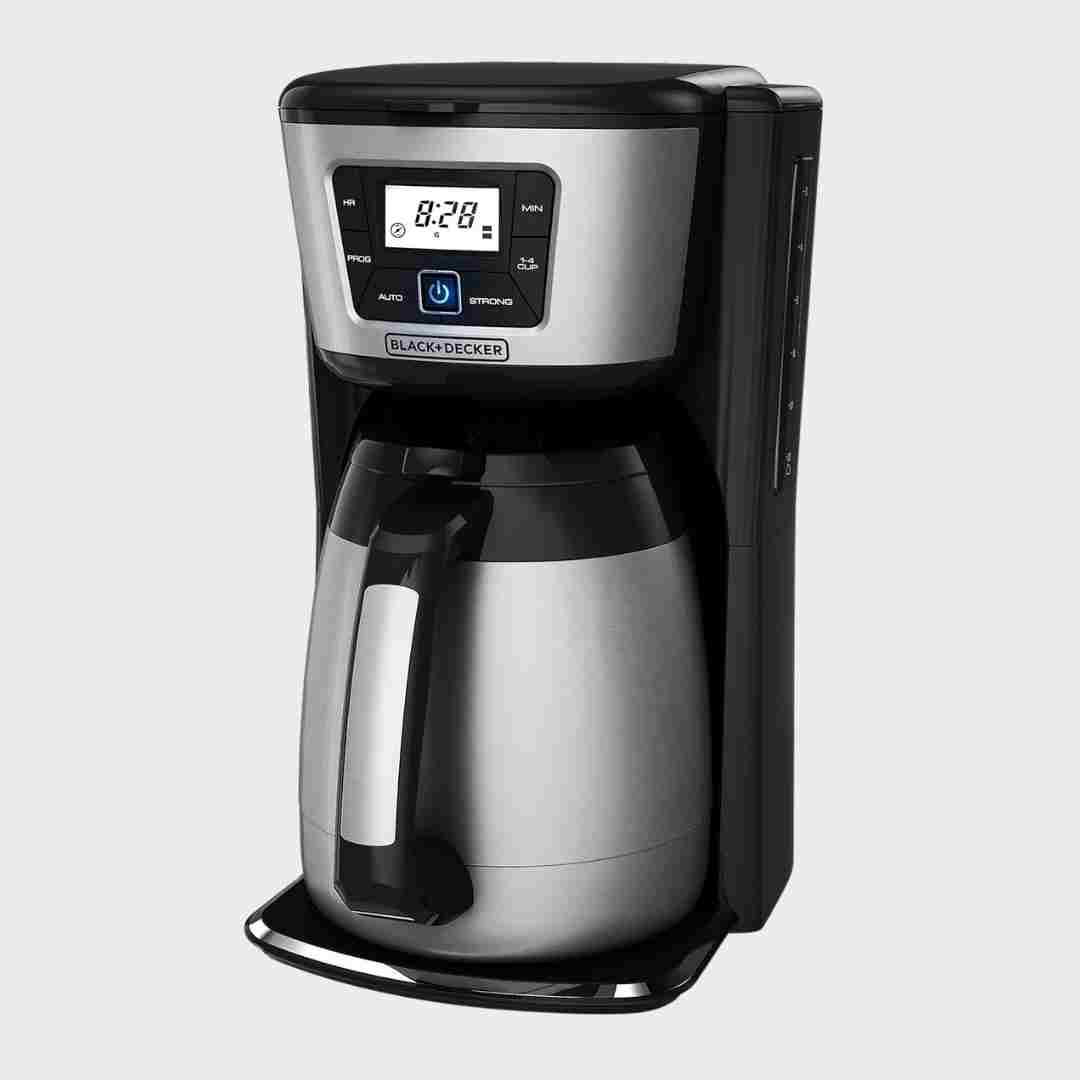
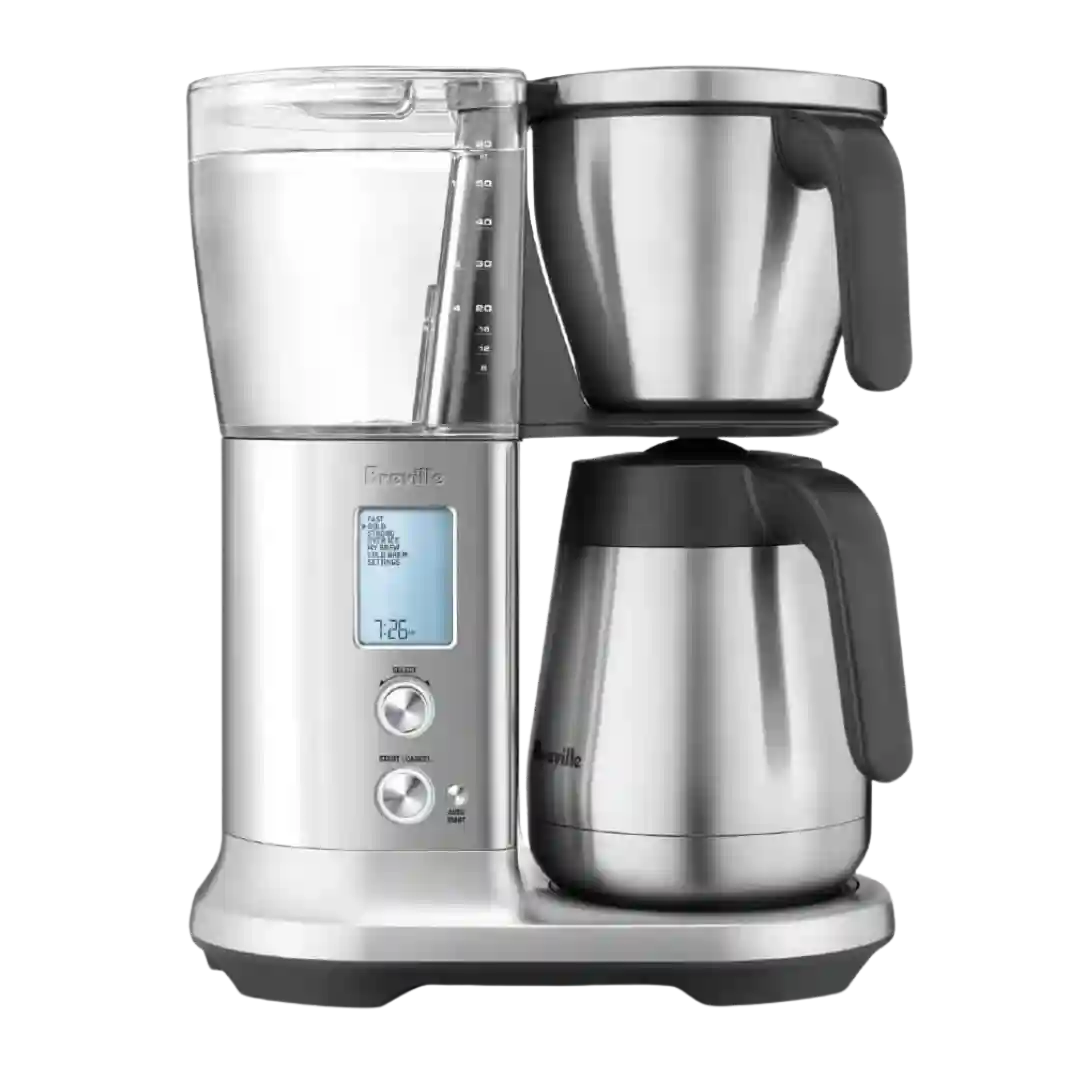
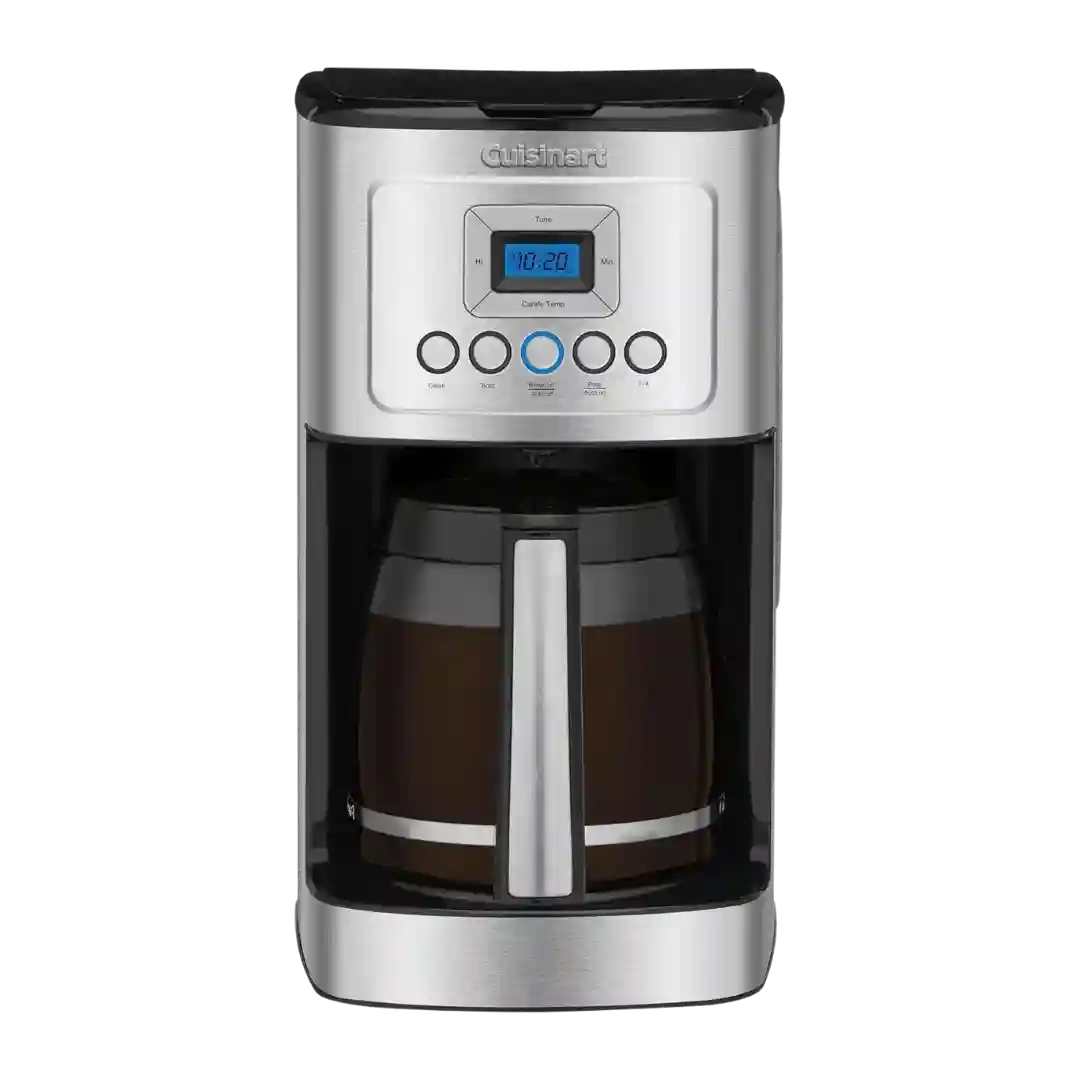
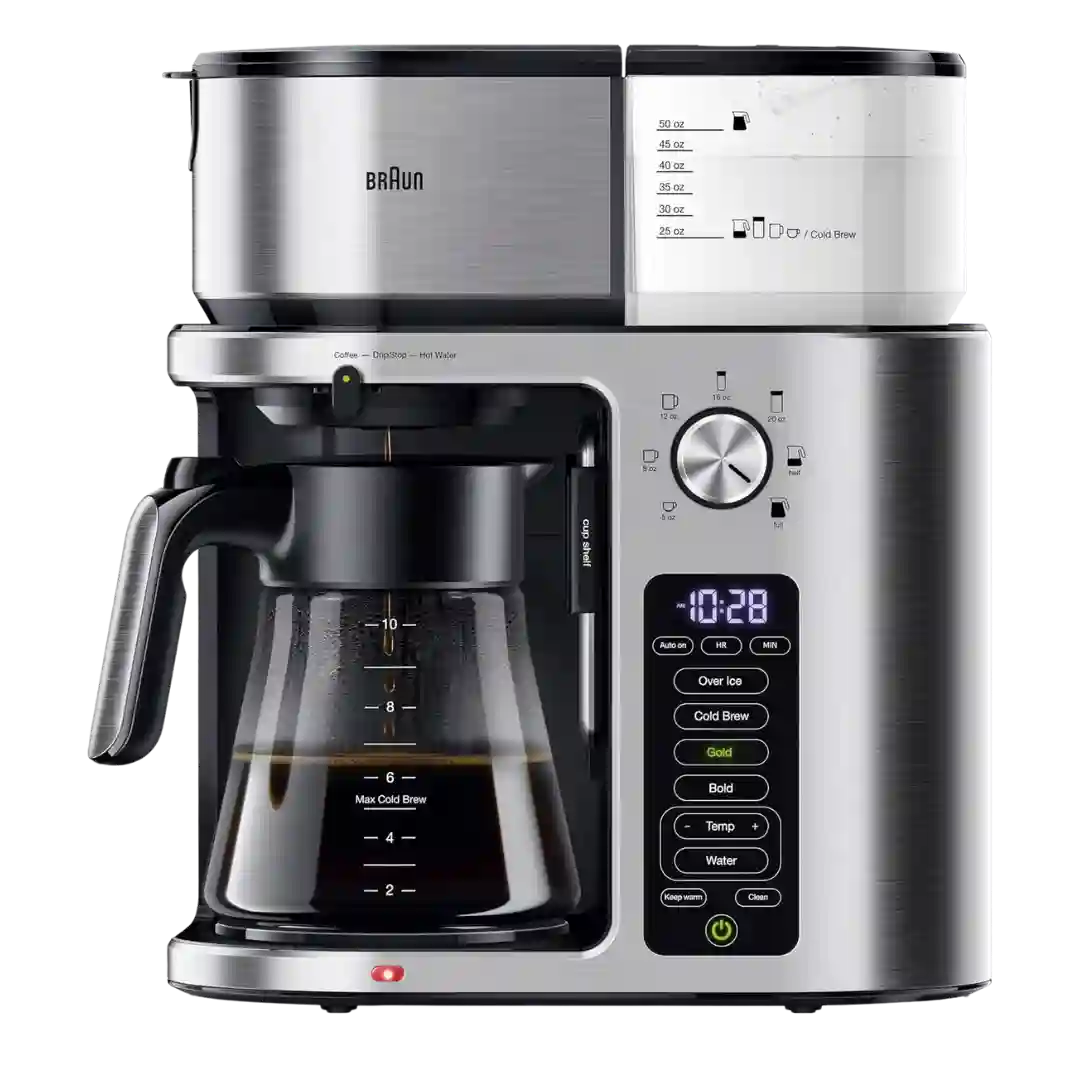
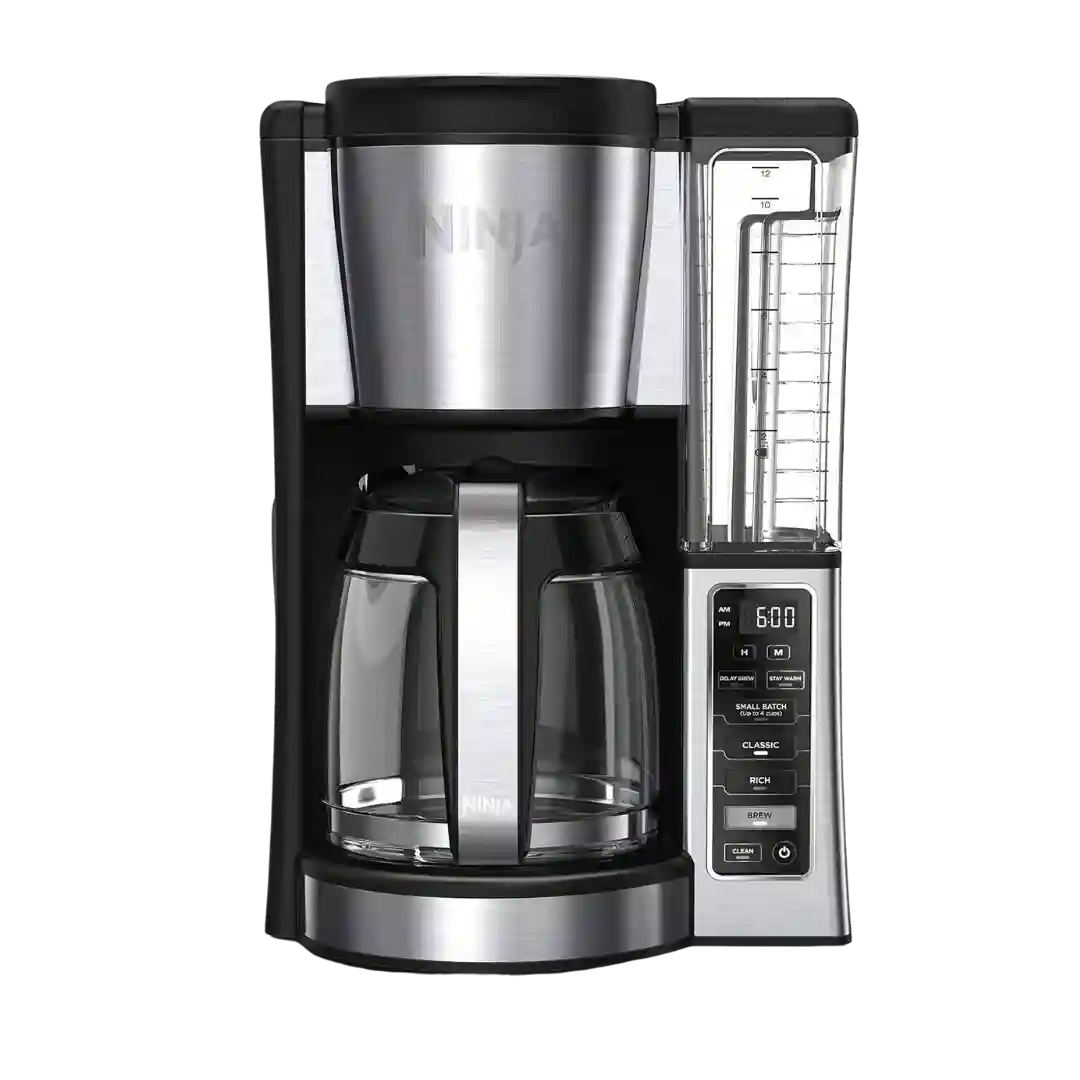
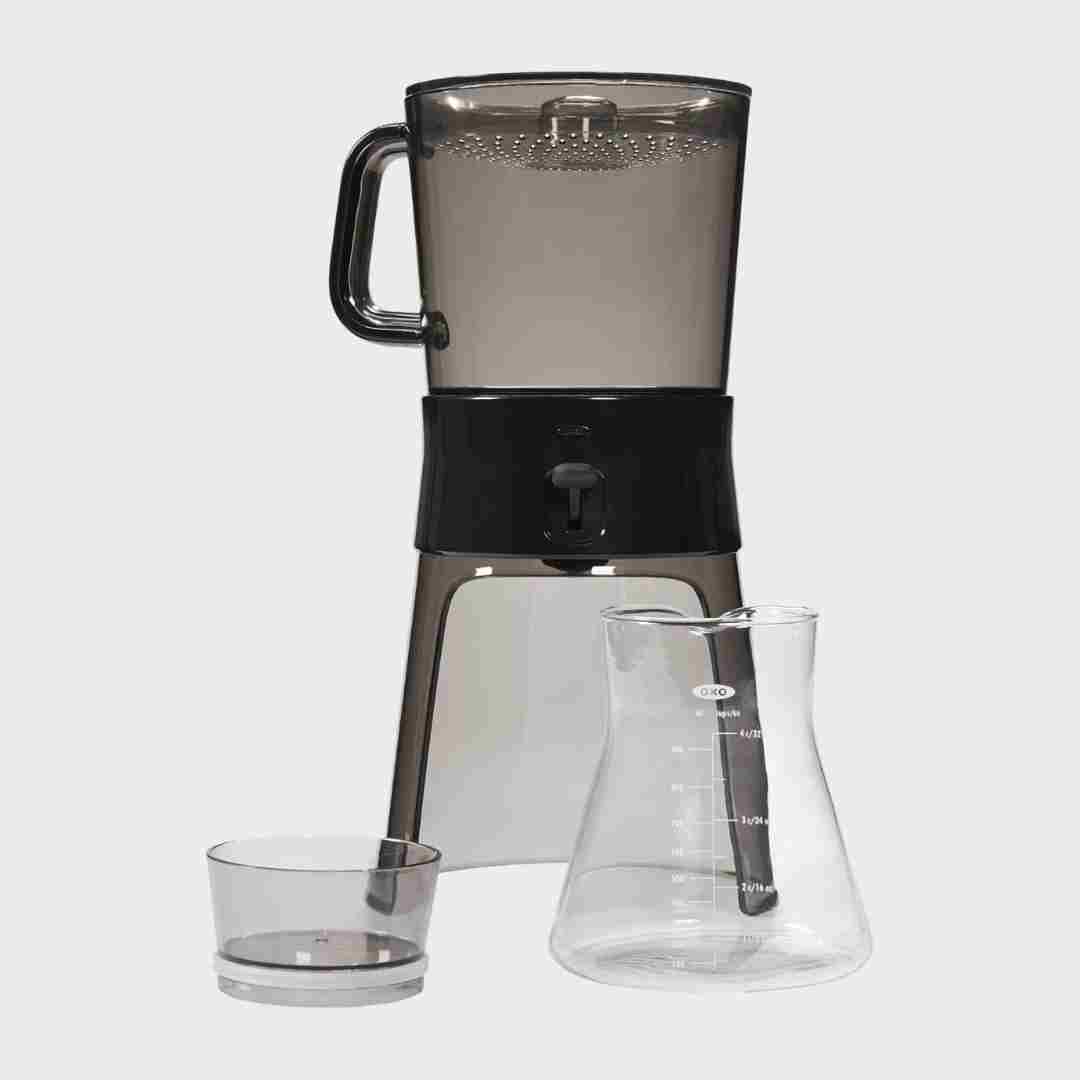
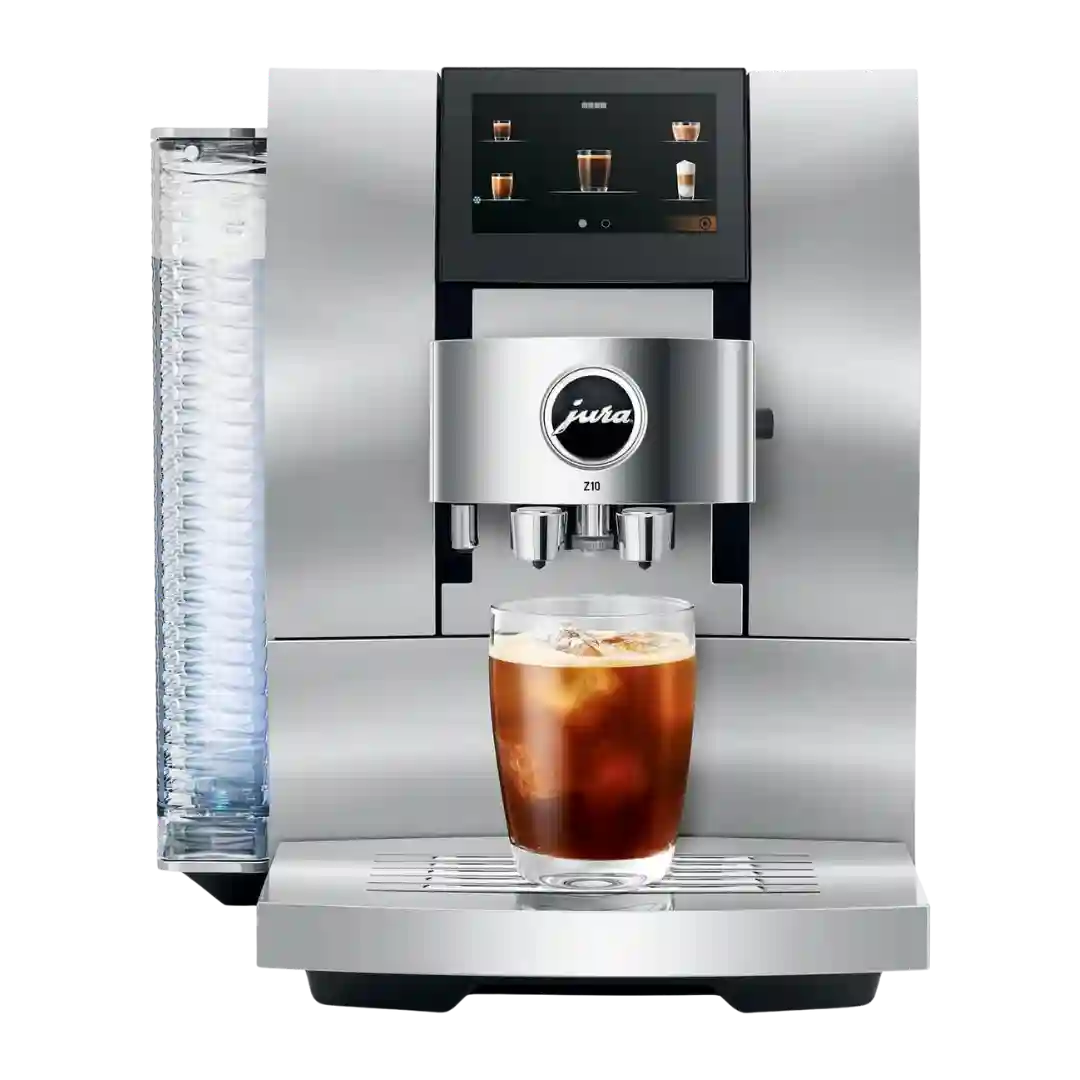
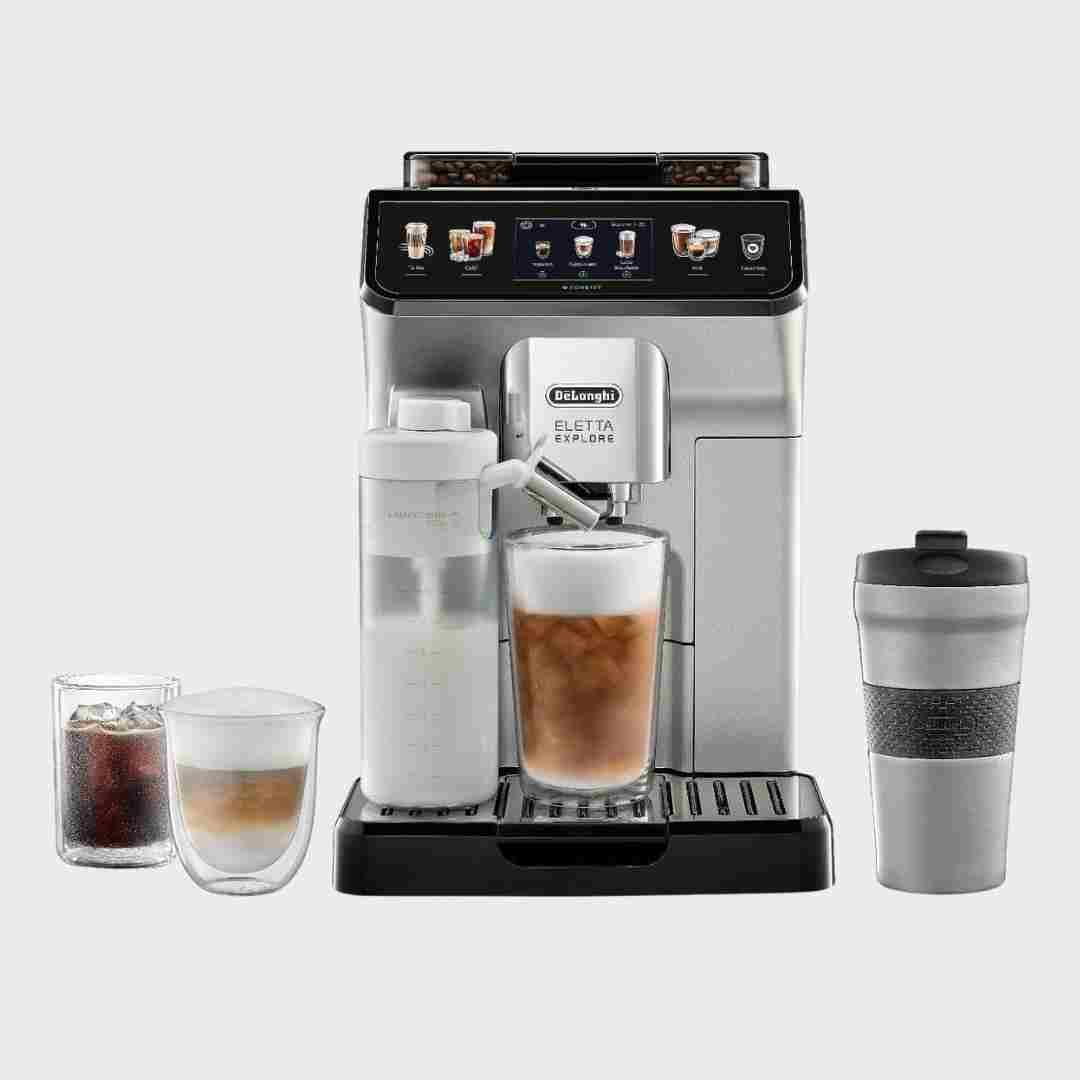
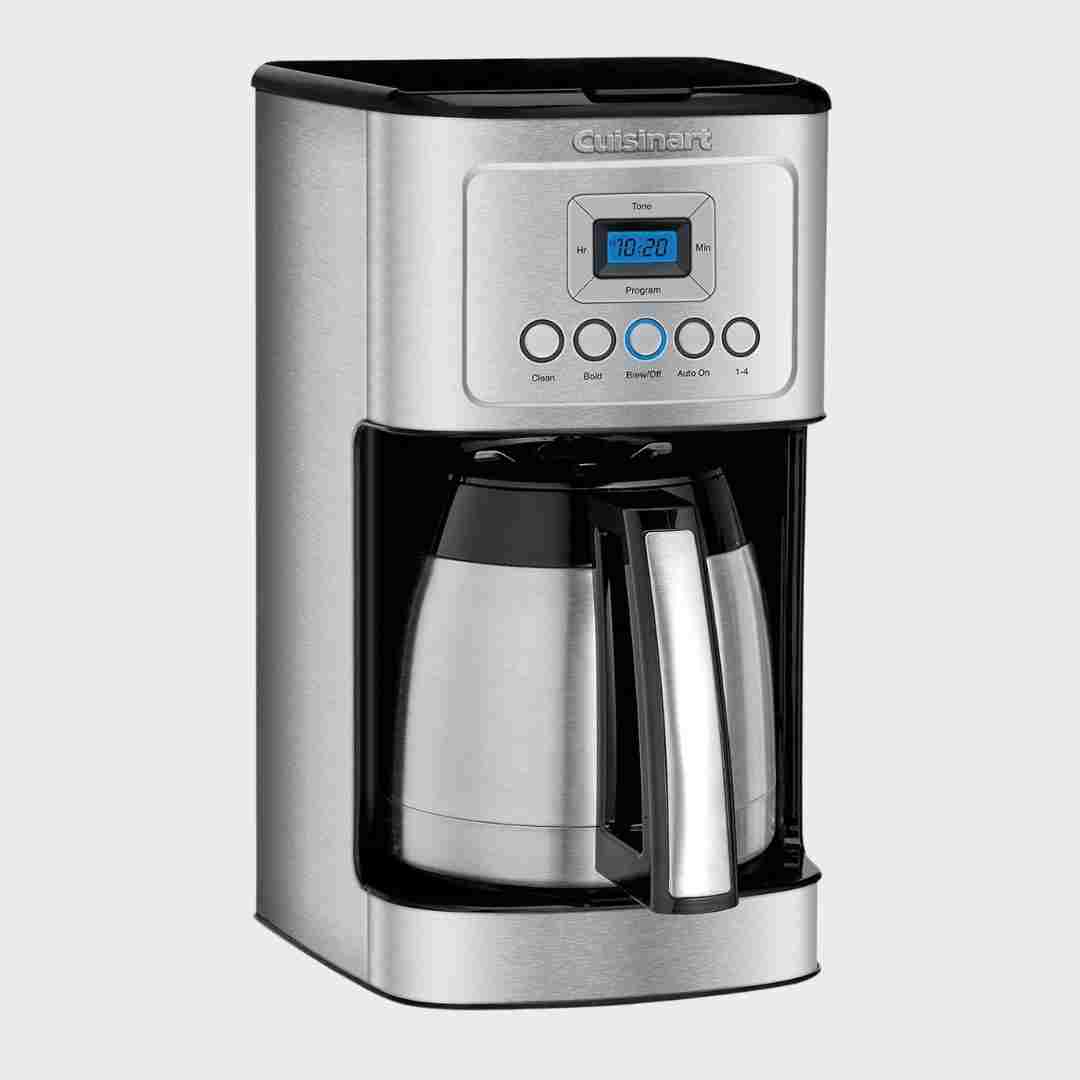
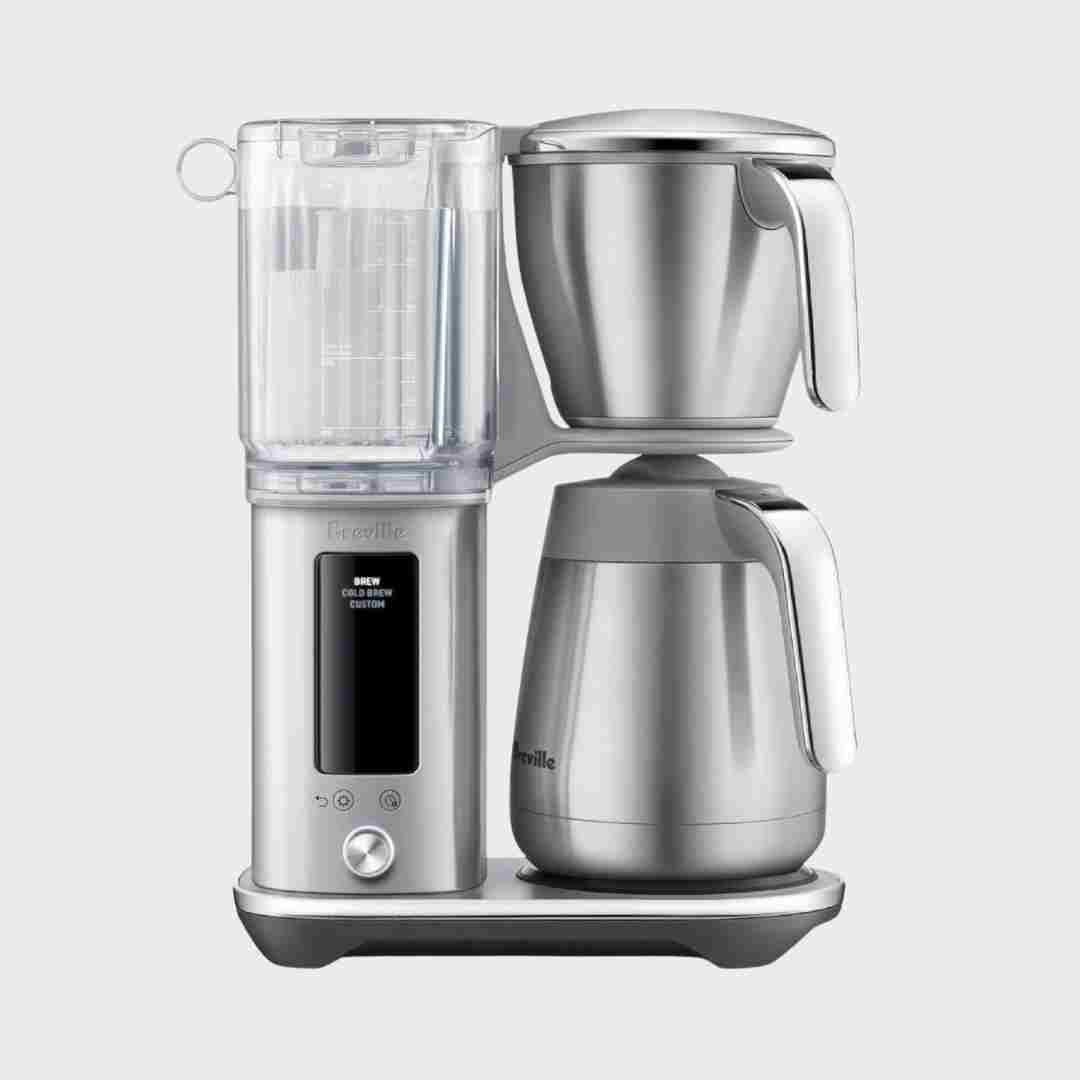
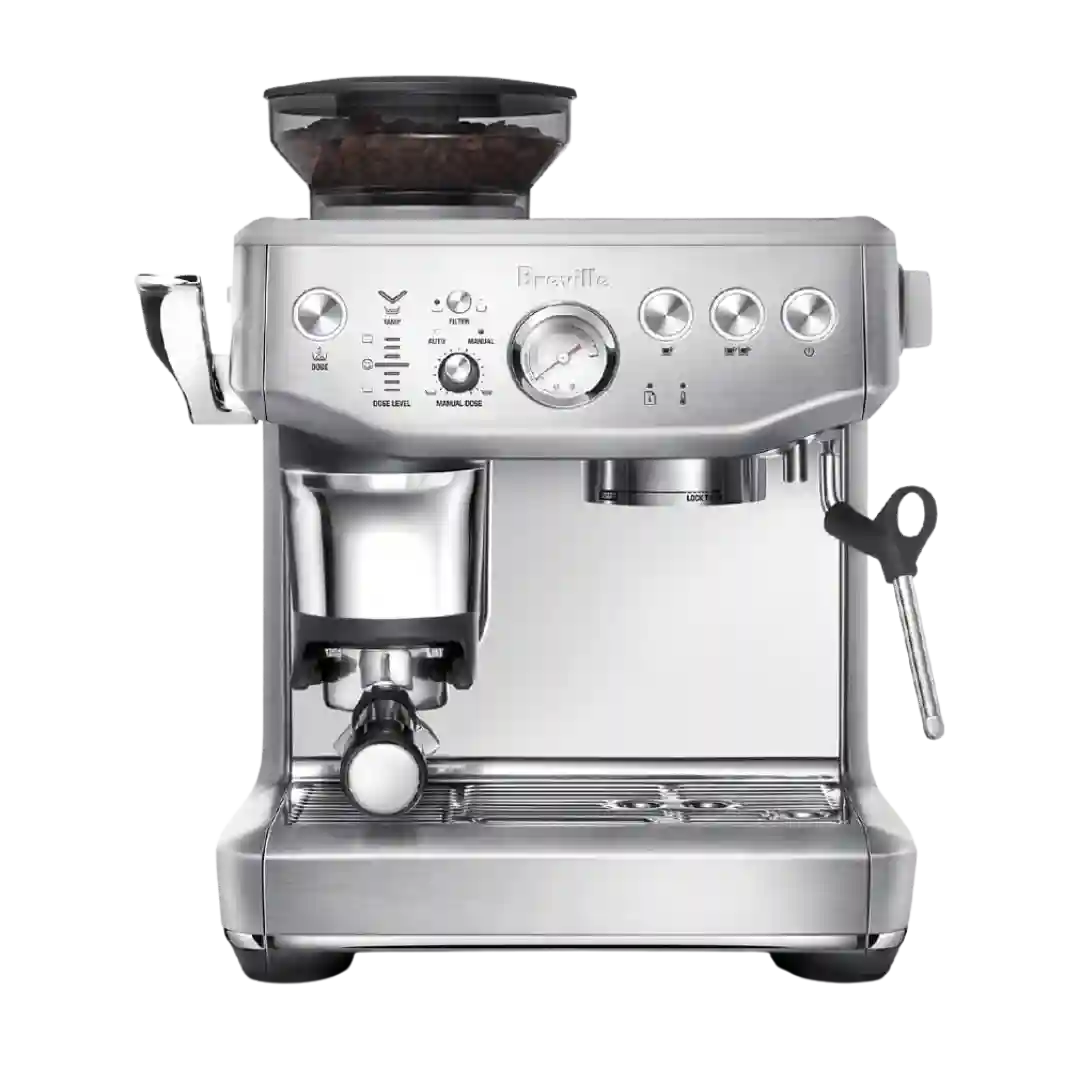
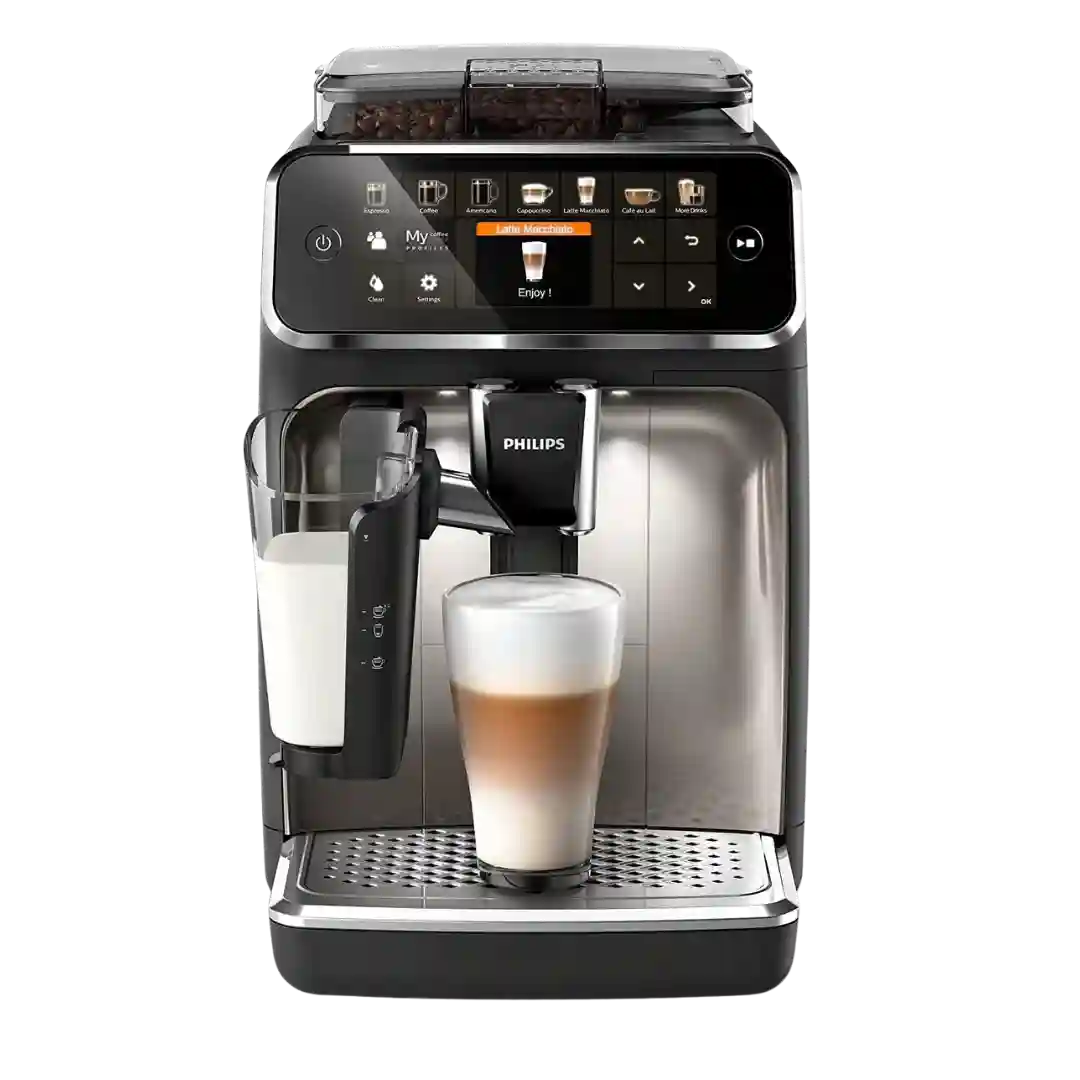
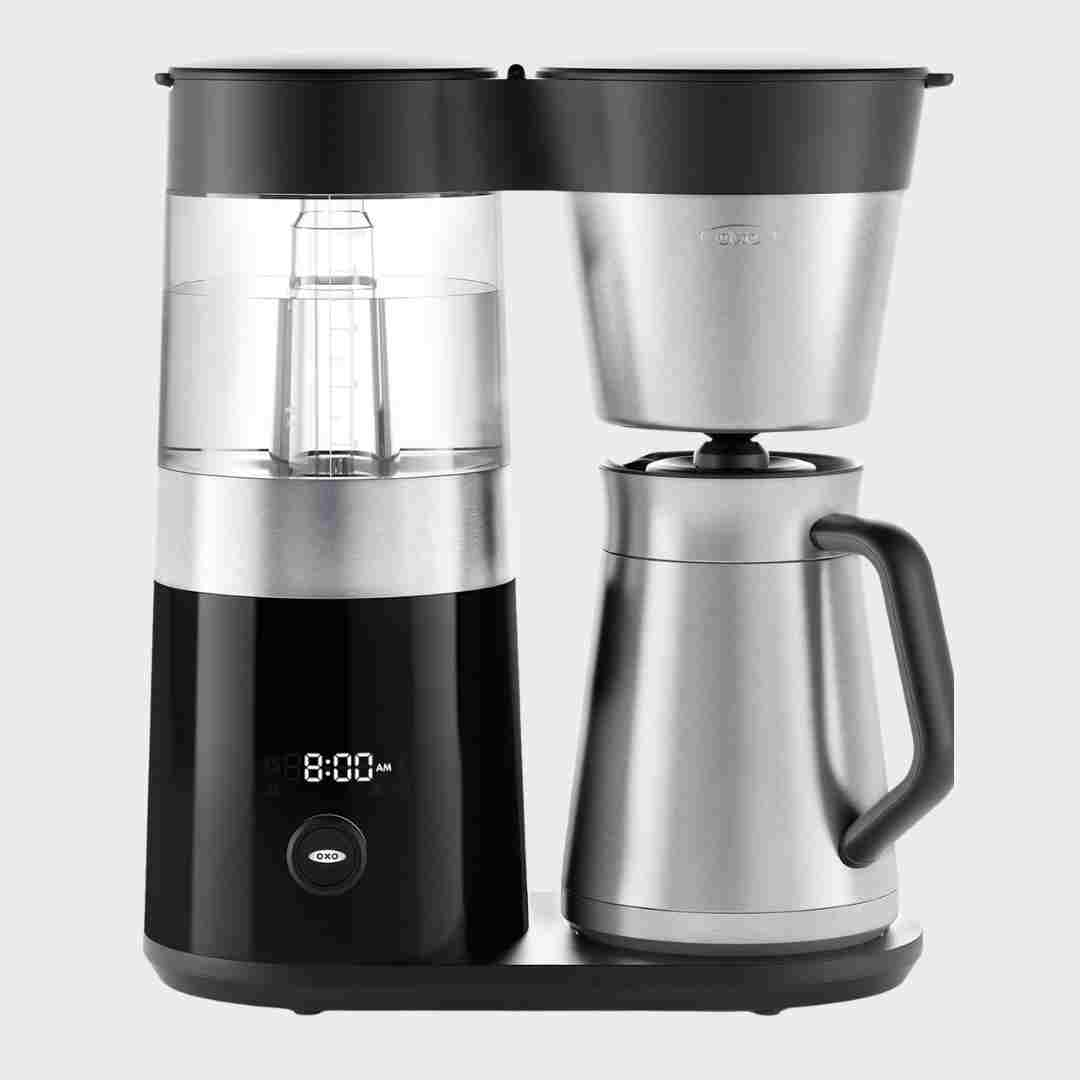
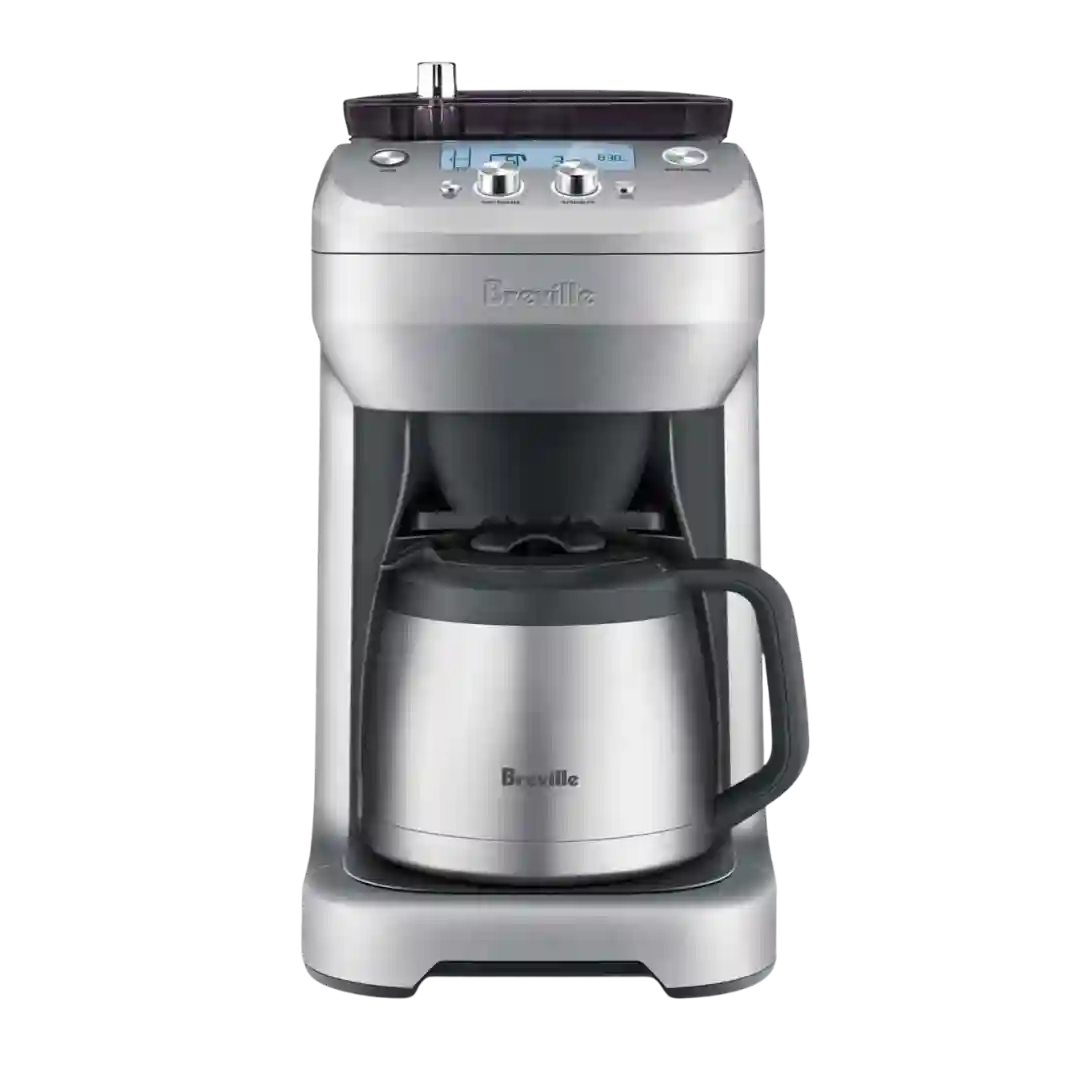
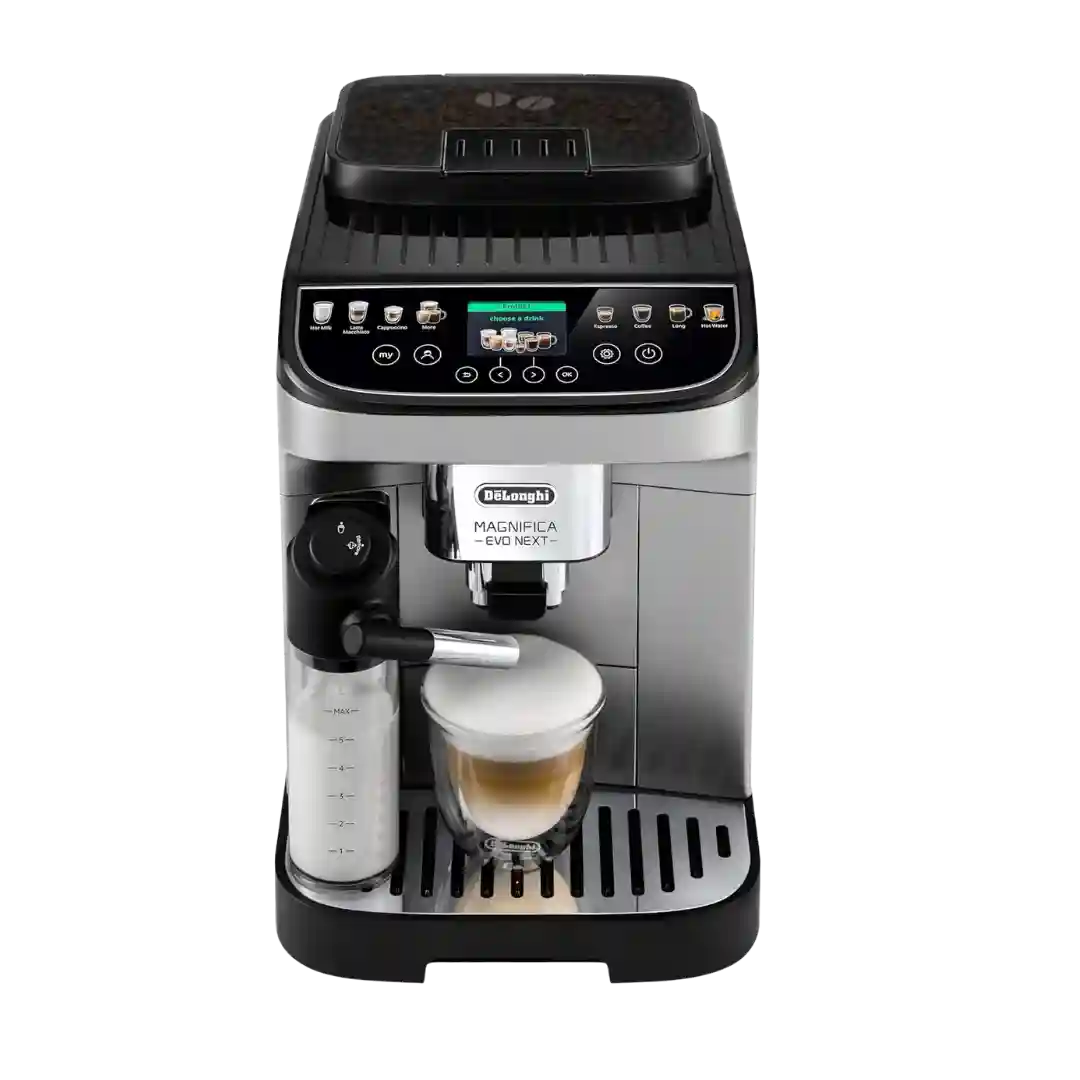
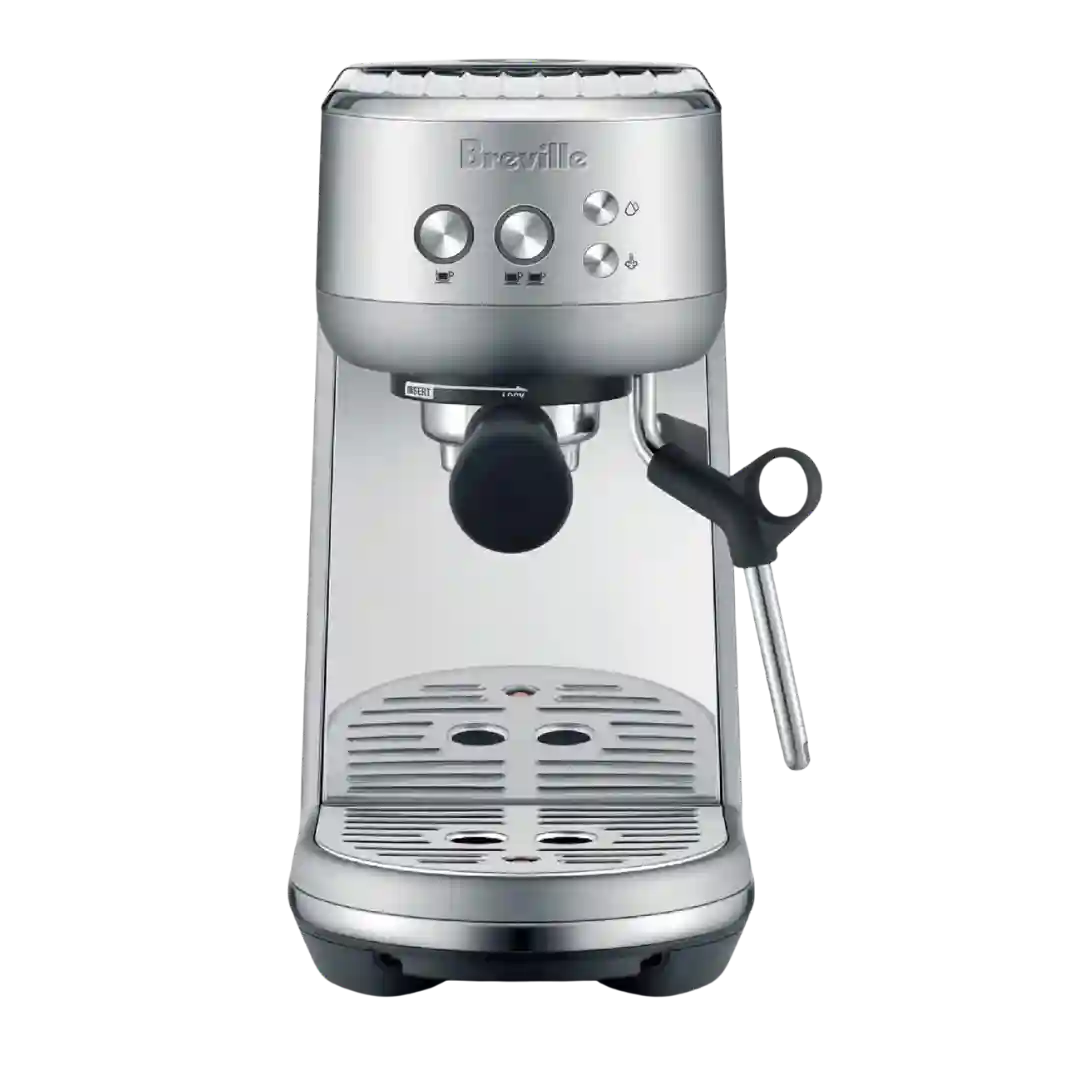
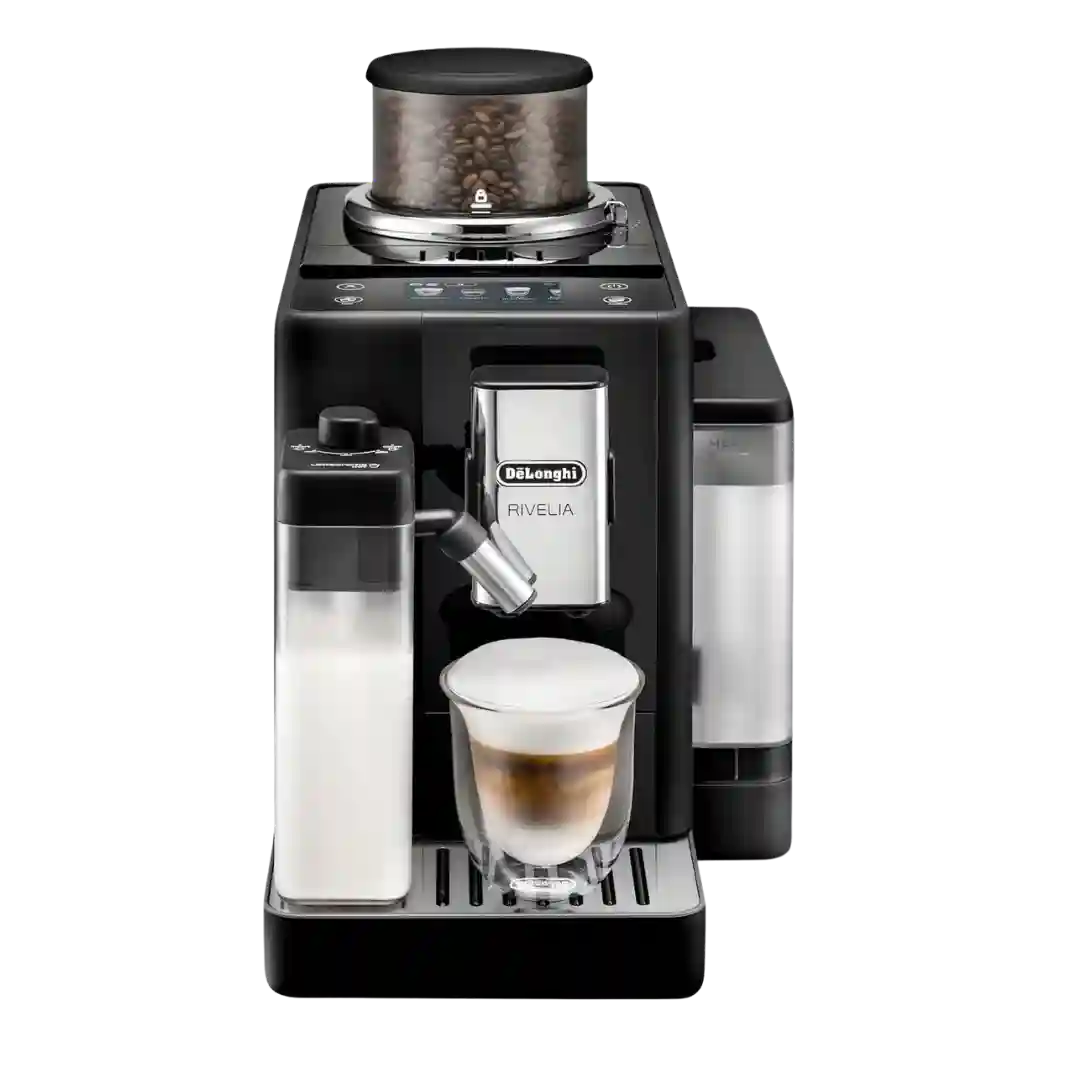
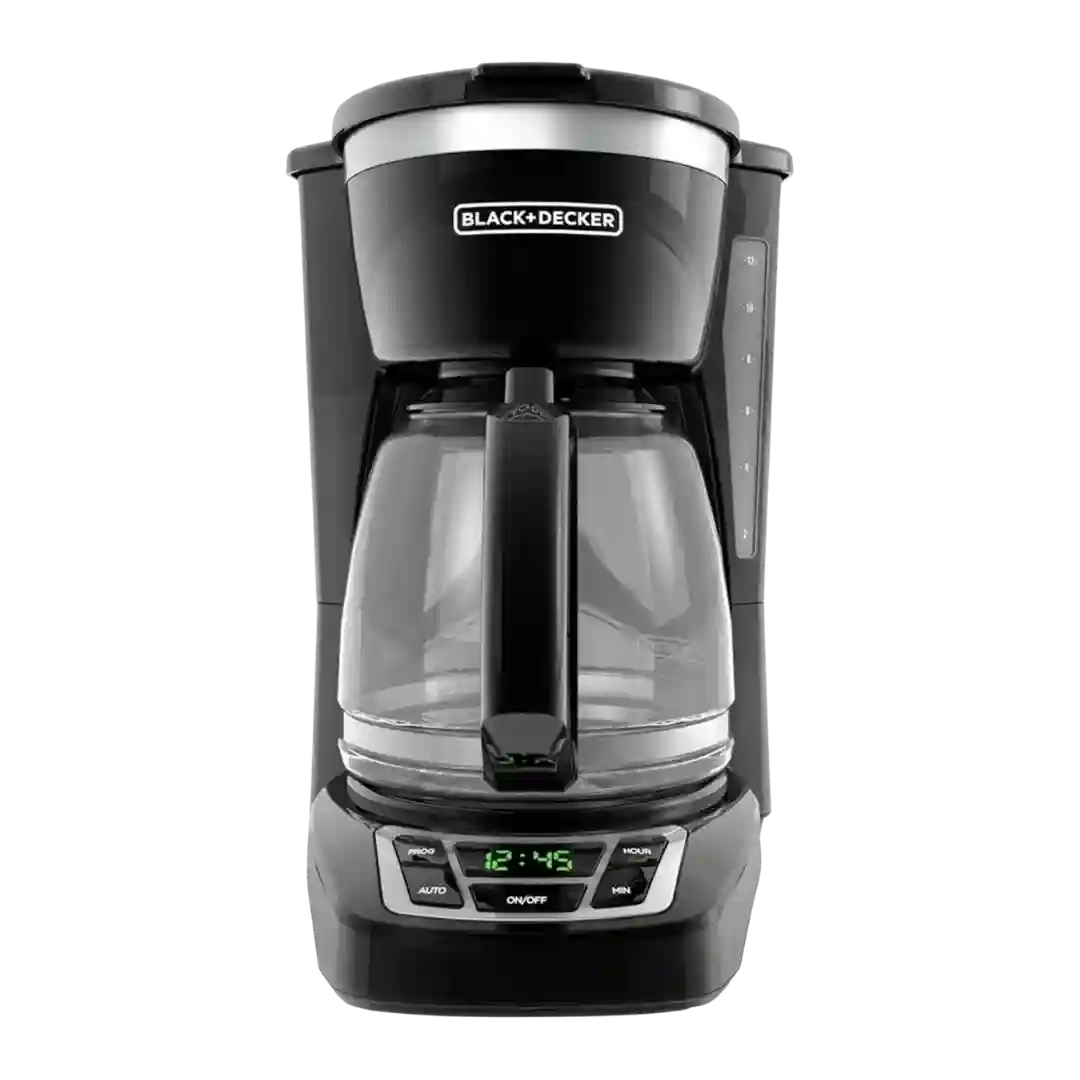
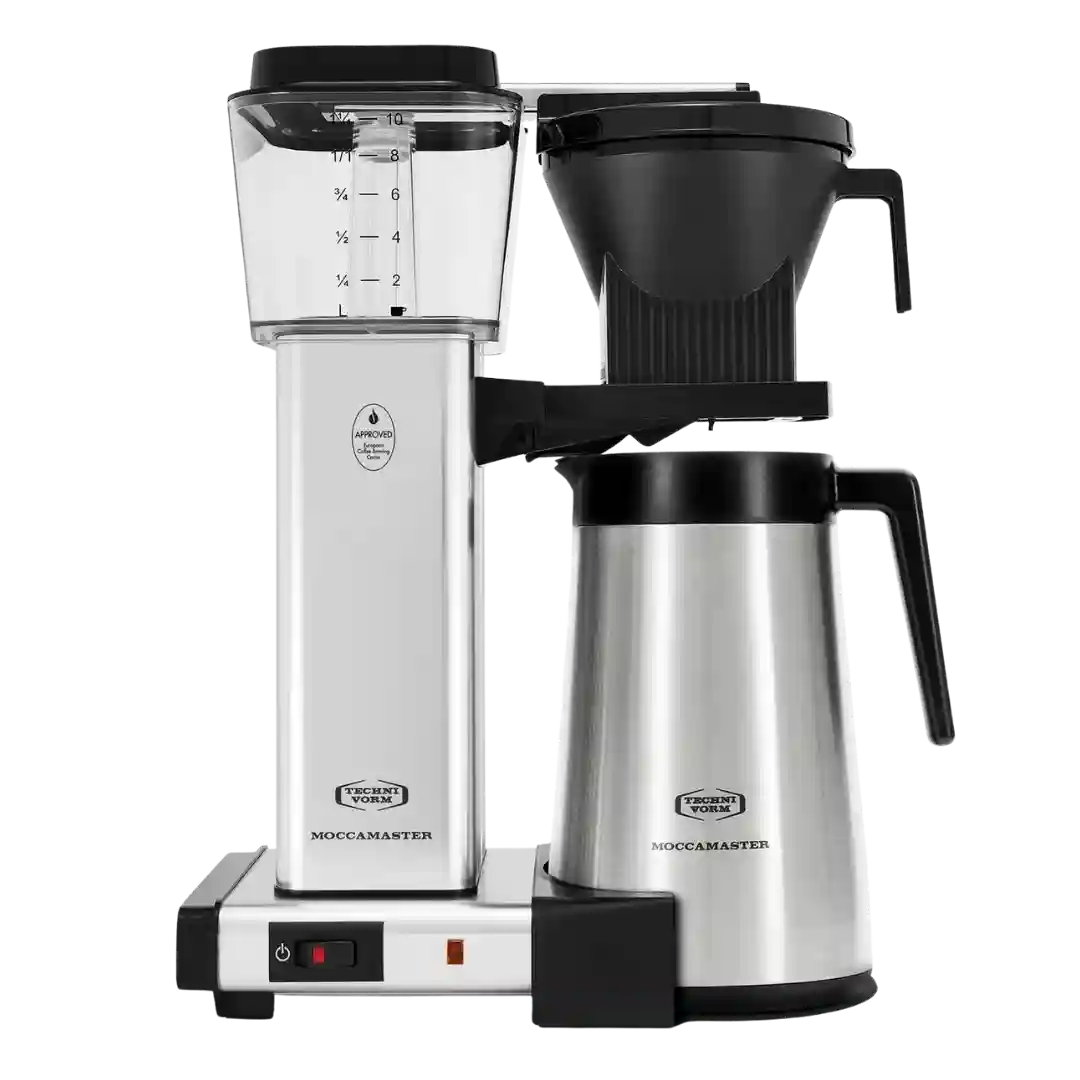
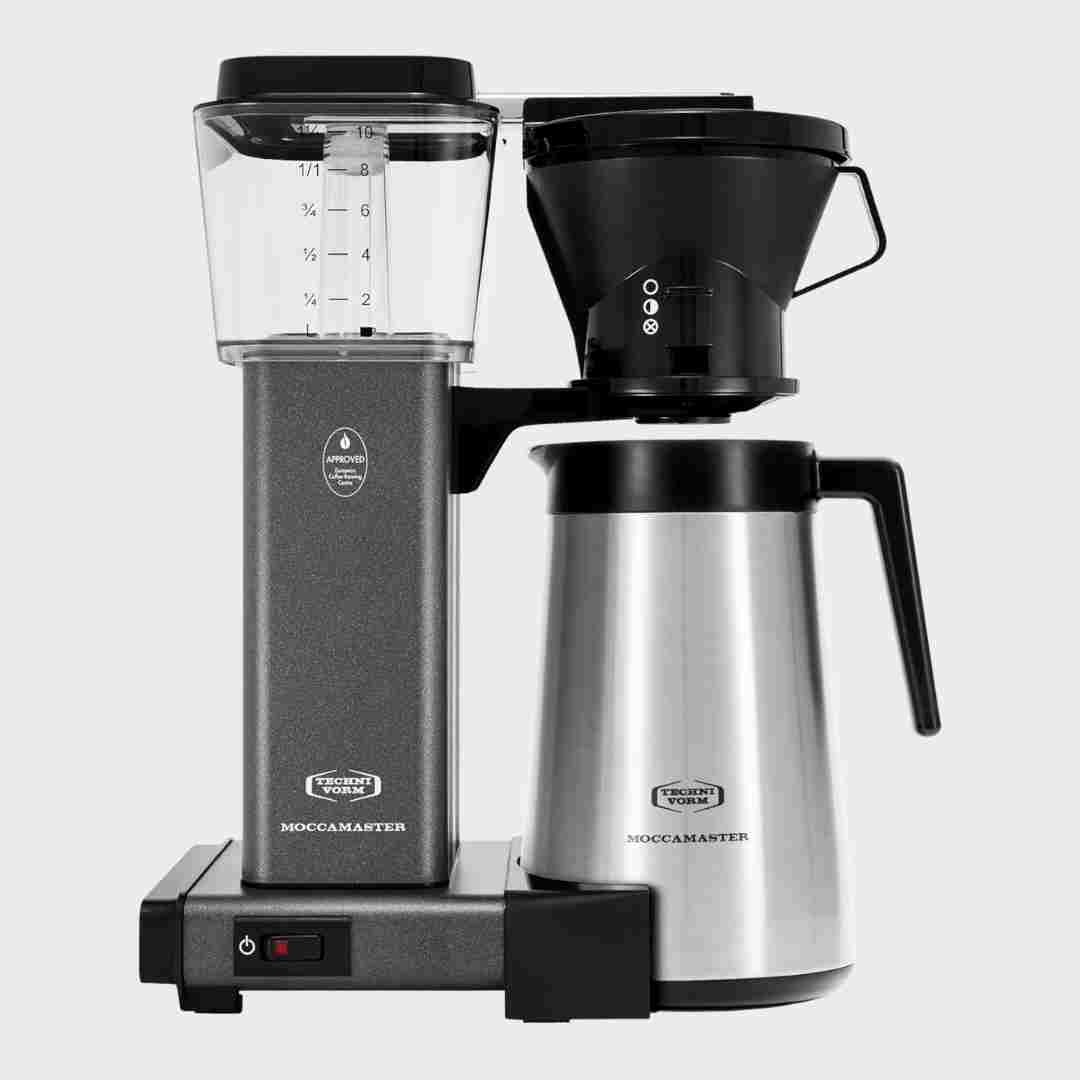
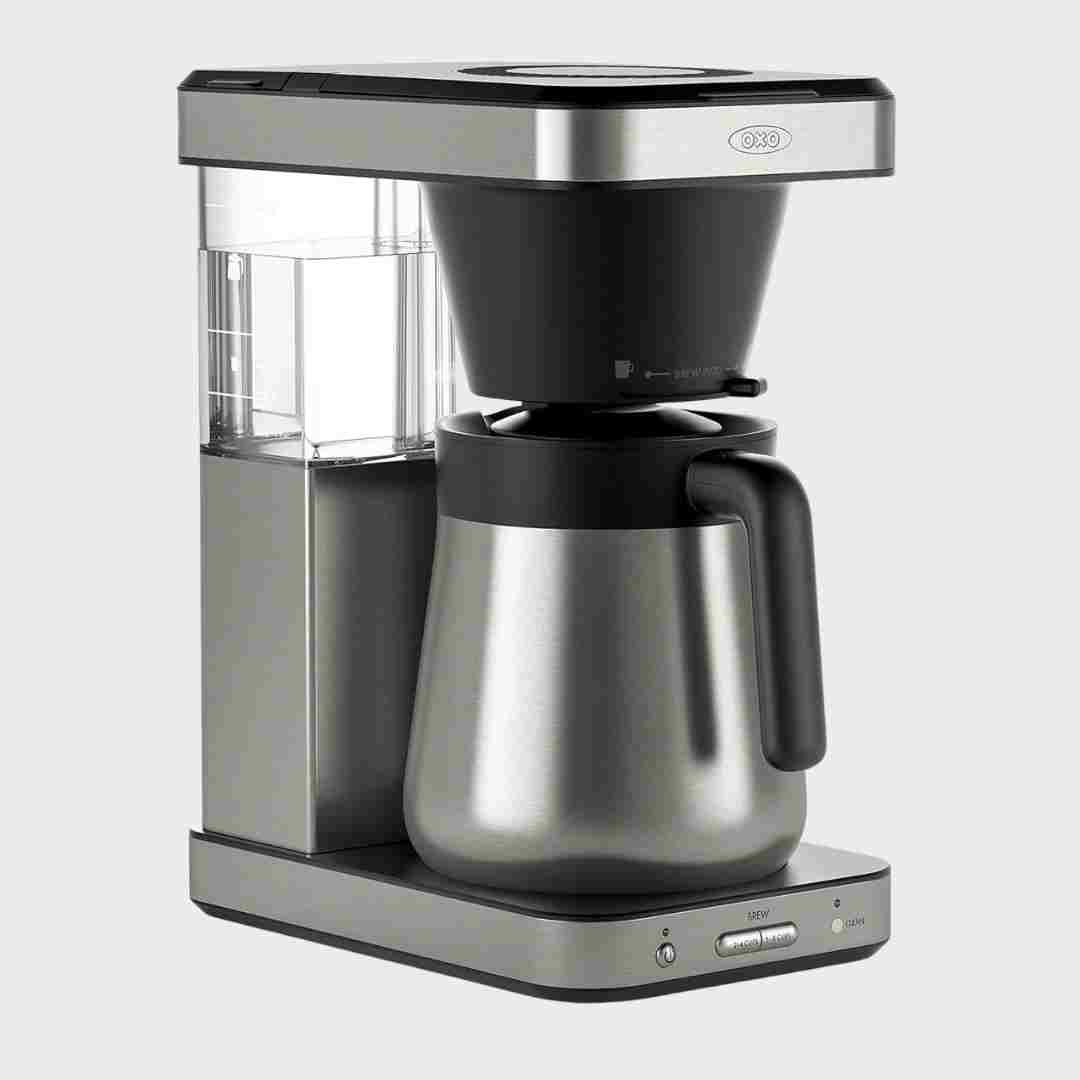
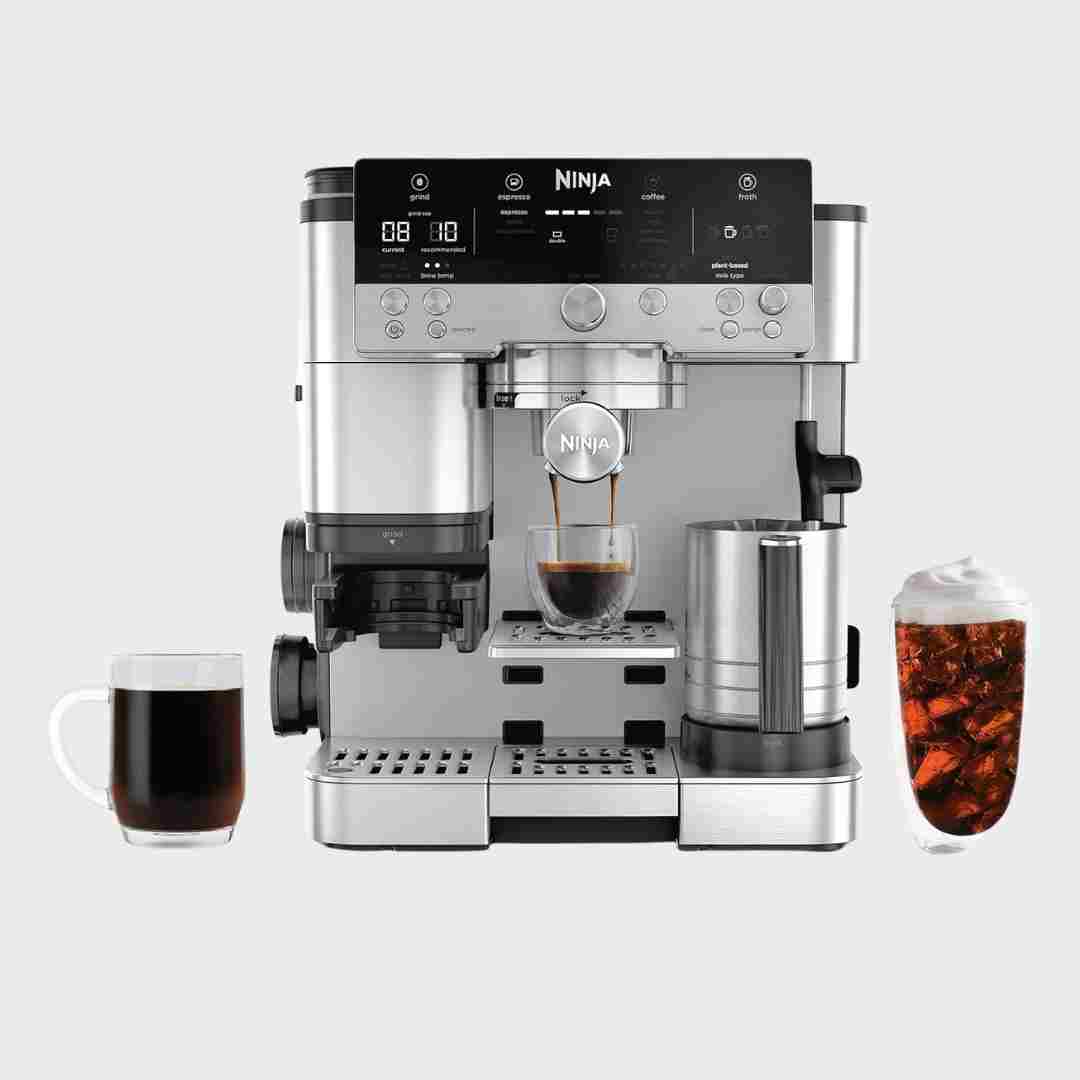
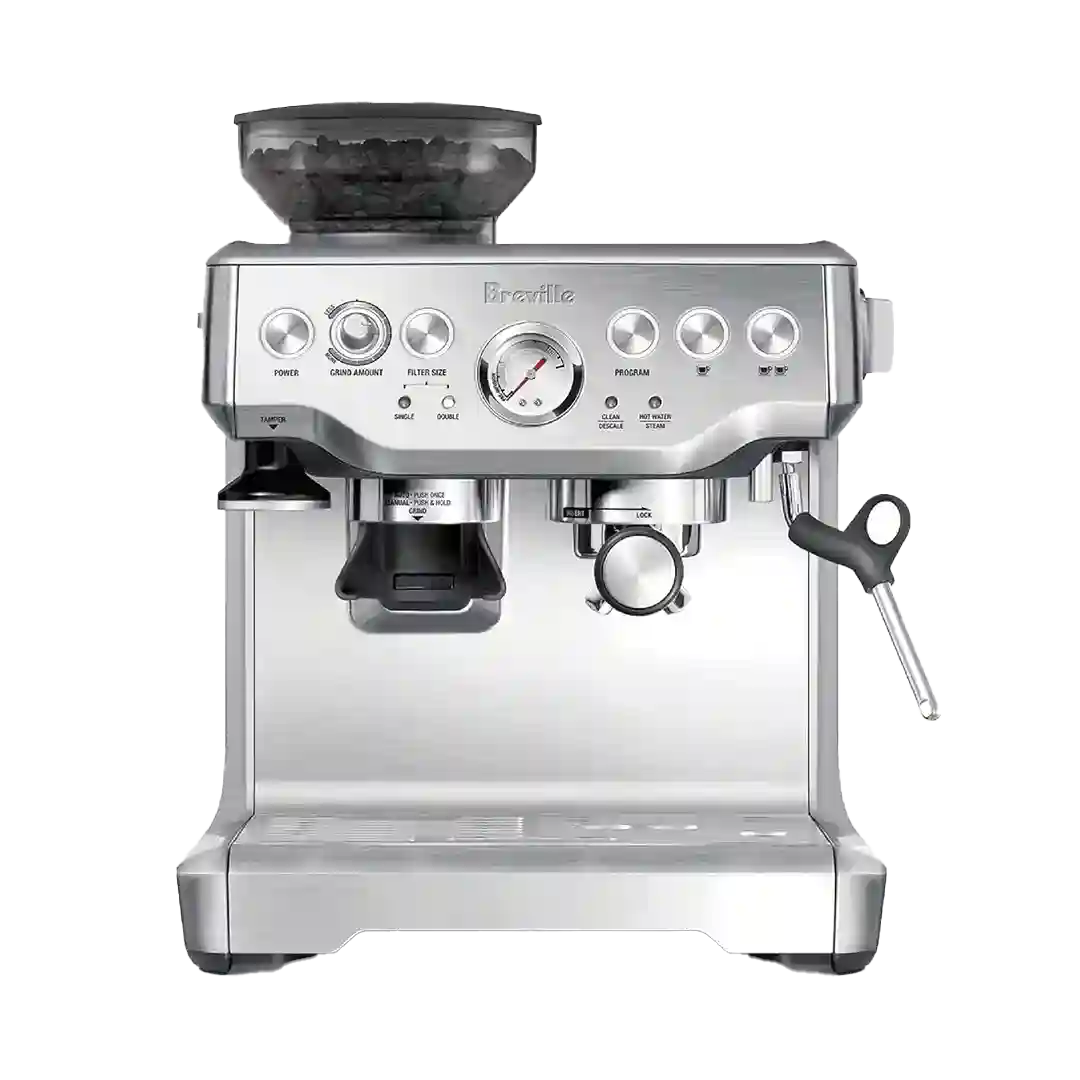
Capacity is consistently positioned as a full 12-cup brewer with a 60-ounce thermal carafe, highlighted as a benefit compared with smaller thermal models.
Its large 12-cup or roughly 60-ounce capacity is a major advantage, especially for families, entertaining, and small office use, while still remaining capable of smaller brews.
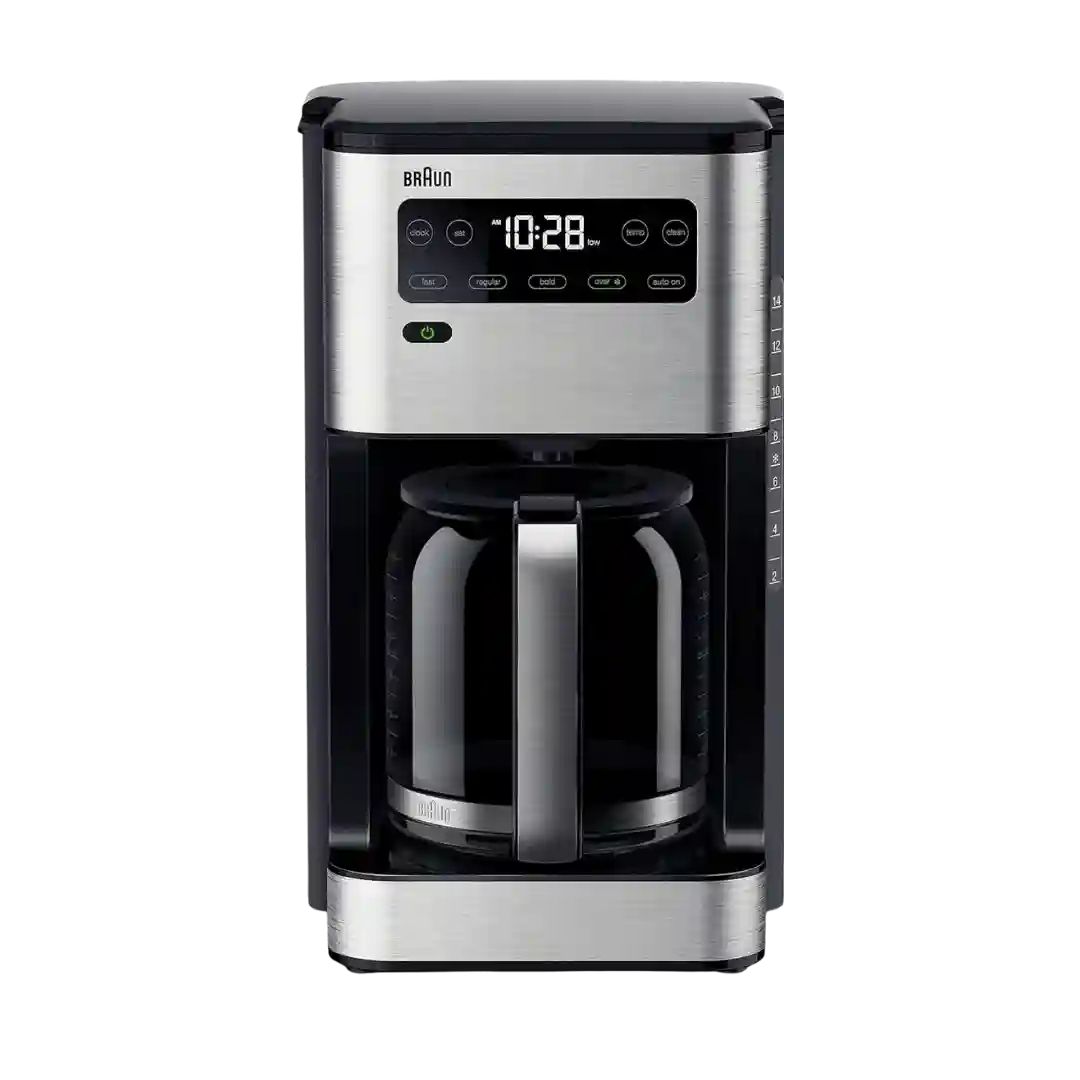
Reviews consistently highlight the oversized 14-cup capacity for households or offices, with a 1-4 cup mode for smaller batches. A few reviewers note that coffee-maker cups are about 5 oz, so the real-world number of mugs is lower than 14.
Capacity is one of the Braun’s biggest advantages, with a 50-ounce reservoir, multiple single-serve sizes, and coverage from small cups up to a full carafe.
Capacity is a strong point, with reliable full 12-cup output and a small-batch option for 1–4 cups. A recurring note is that the machine tends to brew whatever water we add to the reservoir, so filling accurately matters.
Capacity is commonly cited as a strength: reviews reference a 40 oz water fill with a lower concentrate yield (often around the mid-20s to low-30s ounces), enough for many drinks once diluted.
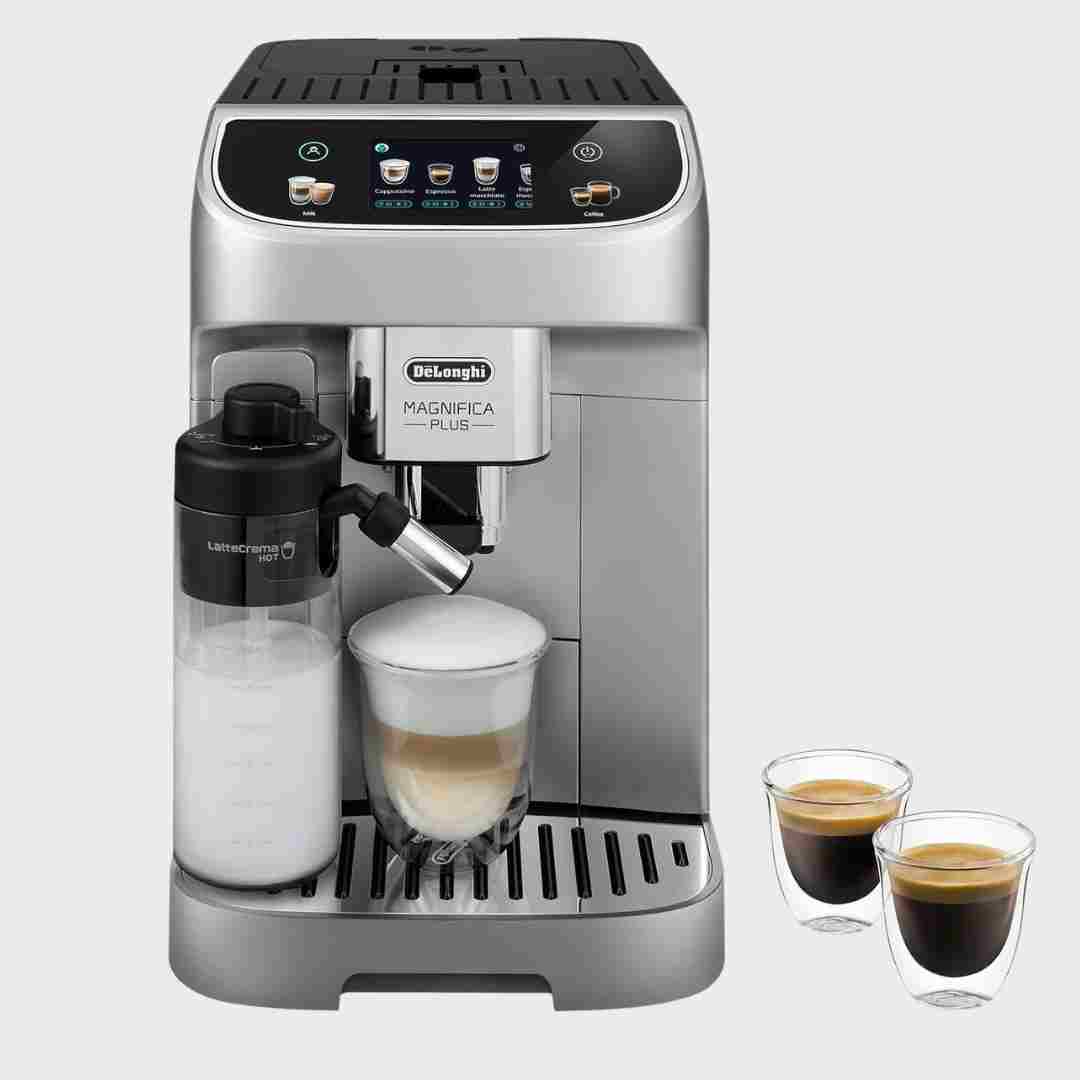
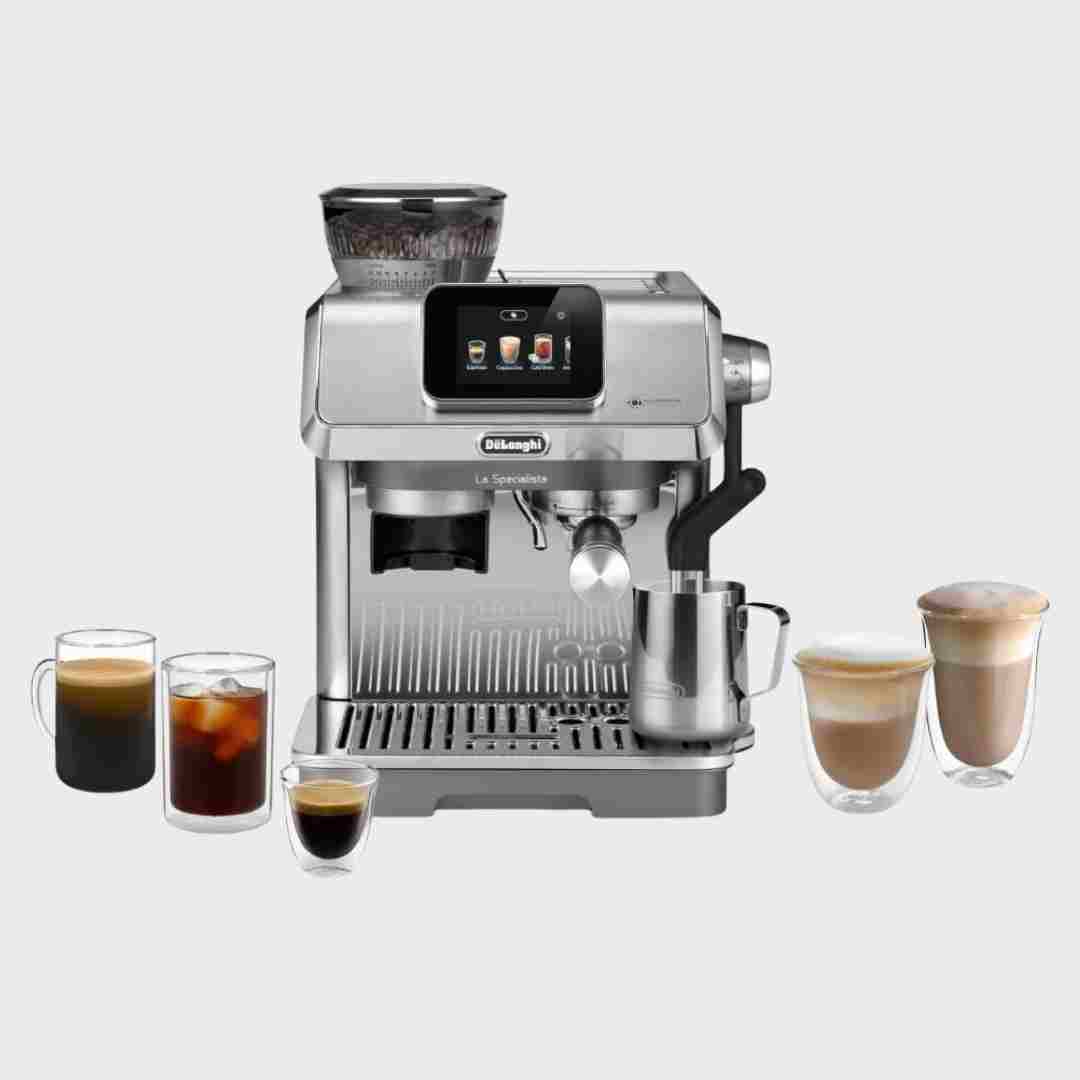
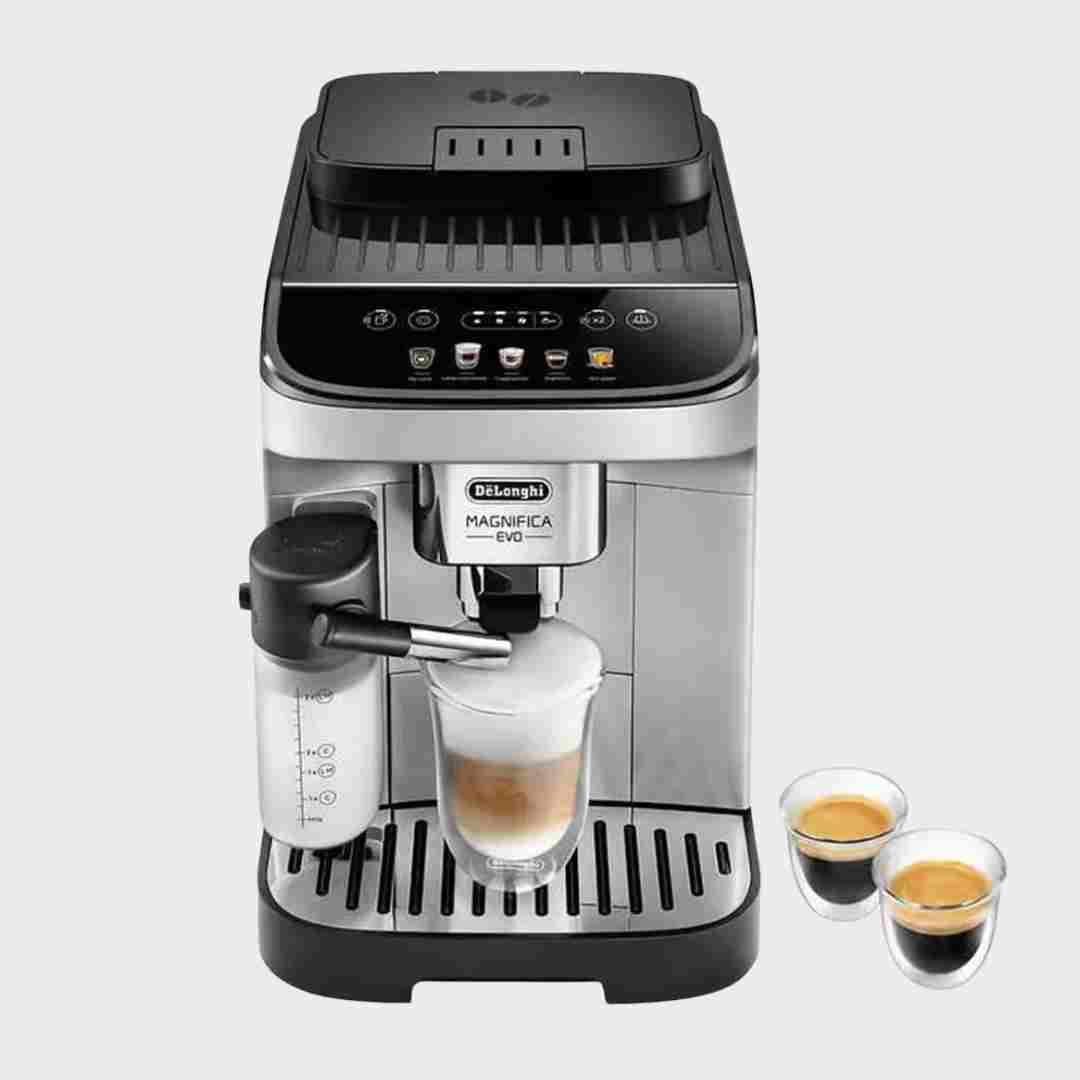
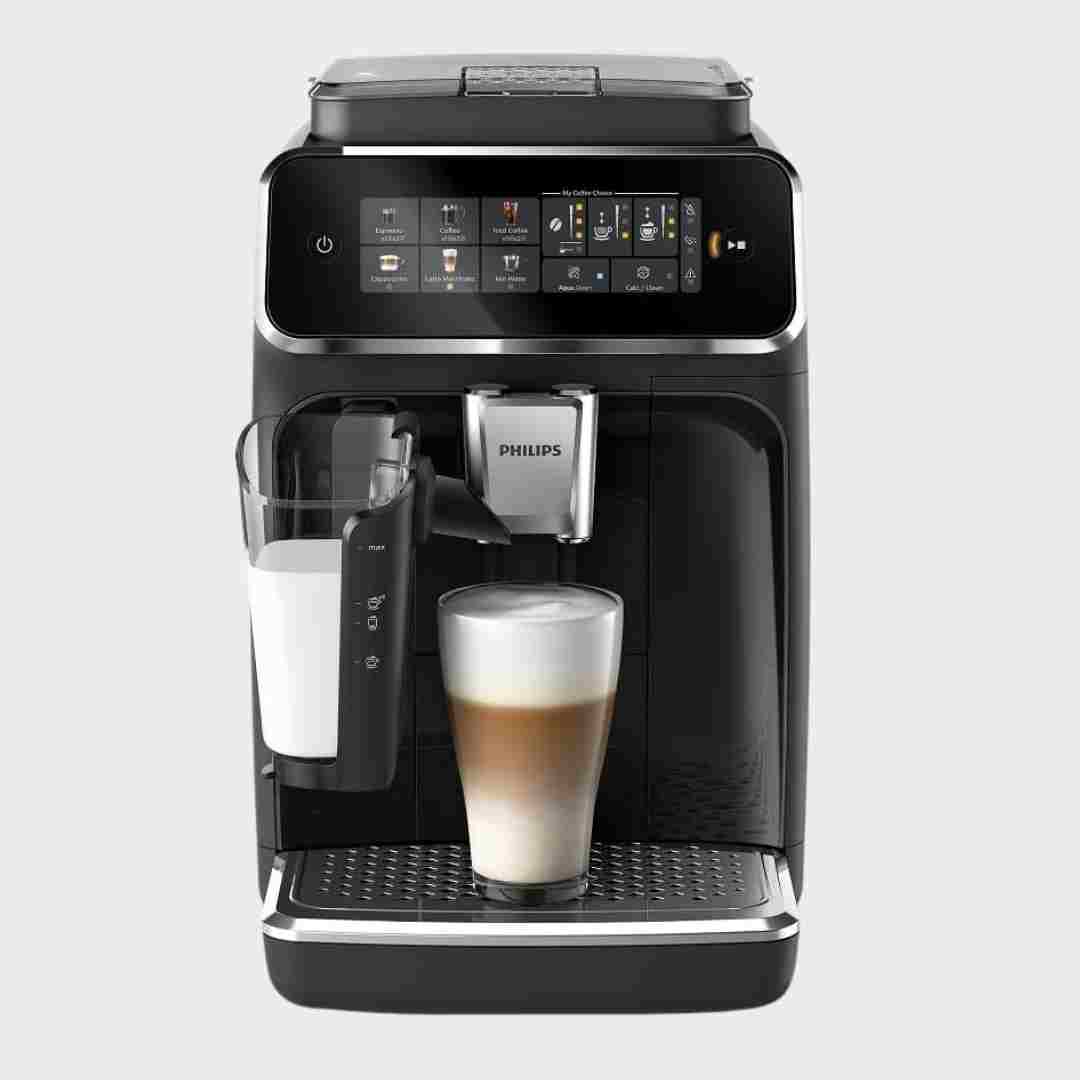
Capacity is consistently described as generous for home use, commonly cited around a 2.4L class water tank, 280g hopper, and a roughly 20-puck dregs drawer (4055, 14546, 14554). This supports multiple milk drinks in a row and small-group entertaining without constant refills.
Capacity is repeatedly cited as convenient: roughly 1.8–2.0 L water, about a 300 g bean hopper, and a used-grounds bin around 14 pucks means fewer refills for multi-drink households.
Capacity is a consistent positive: a roughly 250 g bean hopper and about 1.8 to 2.0 L water tank are cited as household-friendly sizes, and the grounds bin supports multiple drinks before emptying. The tradeoff is no dual-bean hopper for quick switching between bean types.
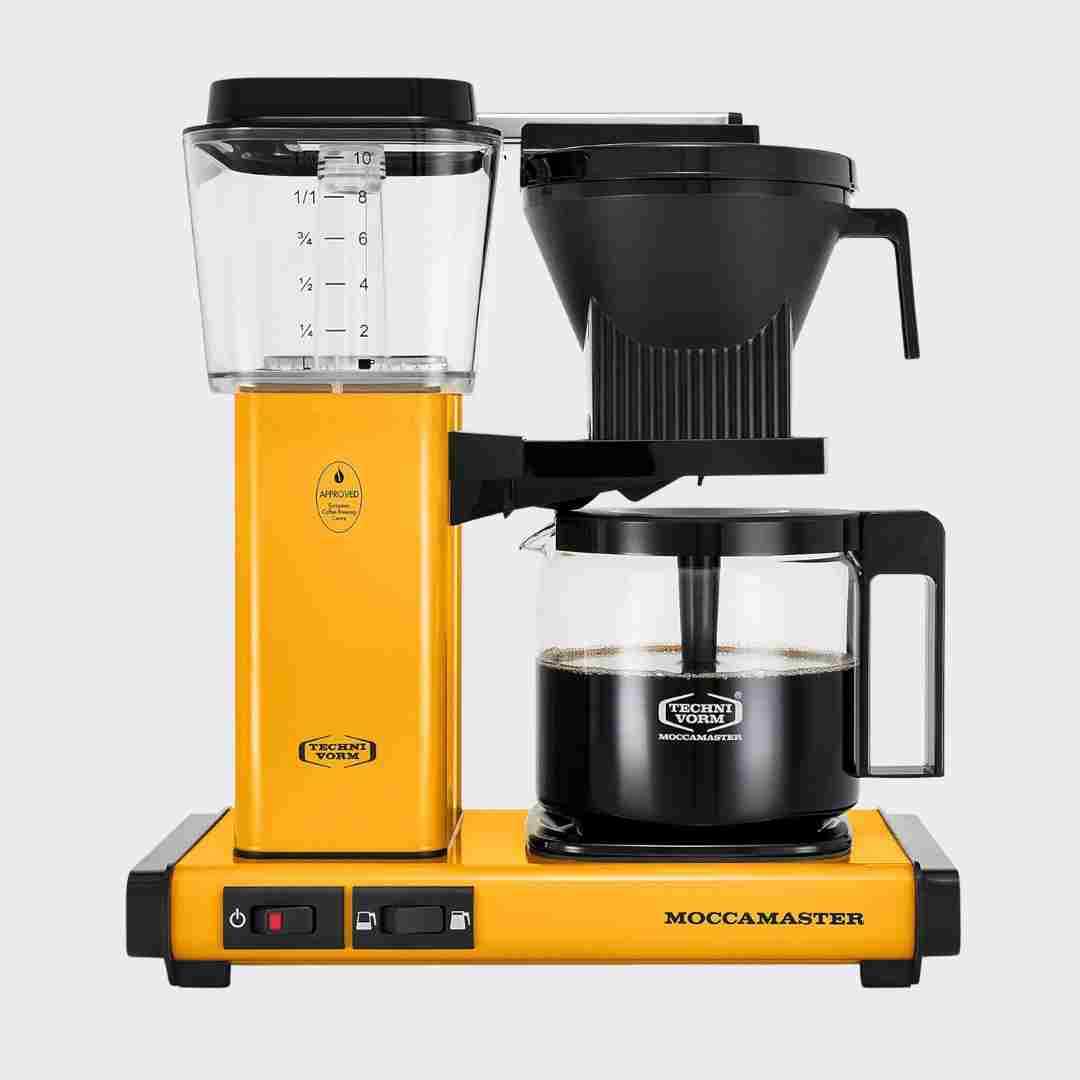
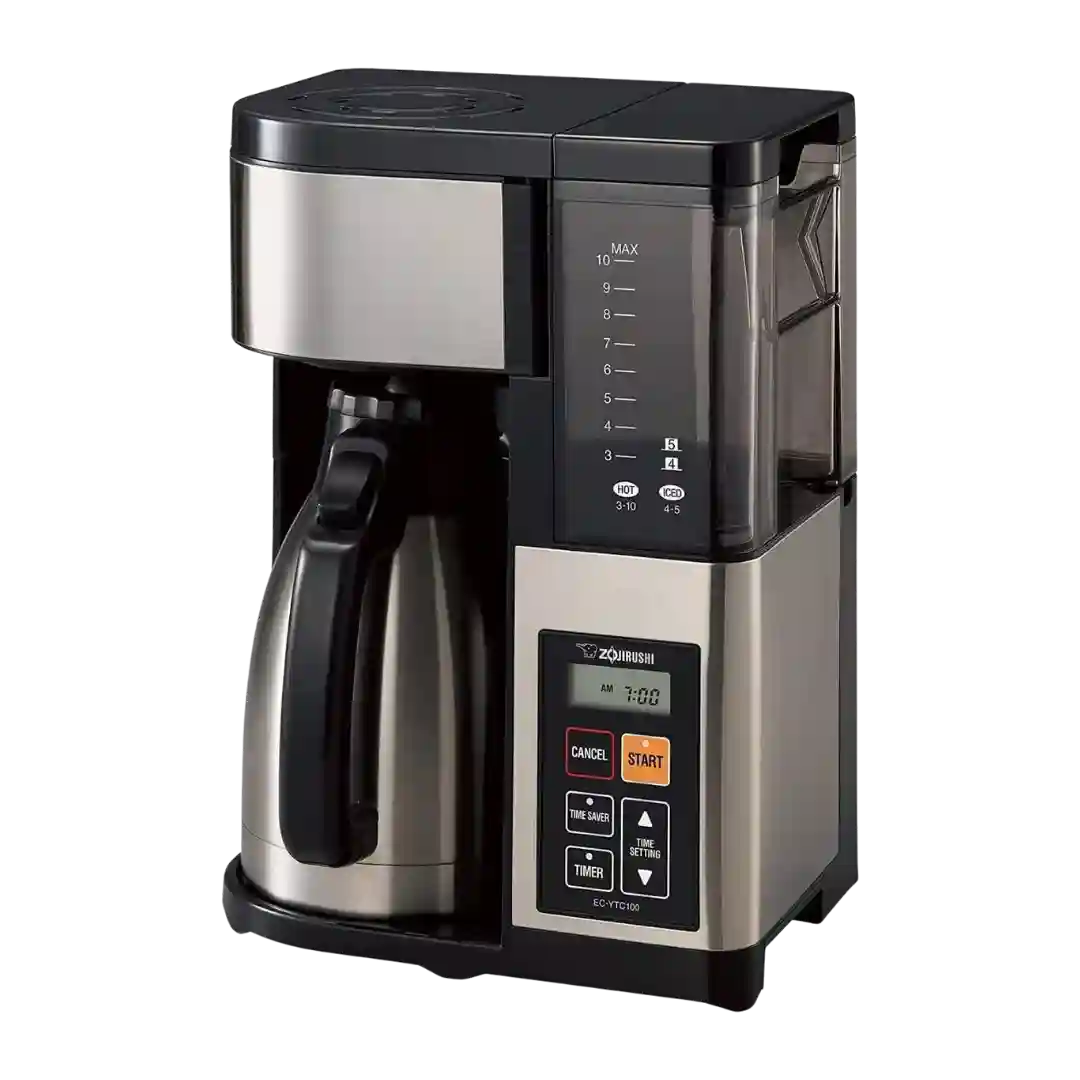
Capacity is commonly cited as 10 cups or about 40 ounces (around 1.25 liters), which suits households and batch brewing. Some reviewers note it is still too much for true single-cup needs and can feel smaller than competing large-capacity brewers.
Reviews consistently describe it as a 12-cup machine using the industry 5-ounce cup standard, and several highlight the 1-4 Cup mode for smaller batches. Capacity may feel smaller if you use large 10 to 12-ounce mugs.
Capacity is generally praised for the footprint, with 1.7 L tanks and 250 g hoppers cited in several reviews, though a few sources claim larger tanks. The hopper size is the most common constraint for heavy daily use.
Capacity is positioned as full-pot friendly. Multiple reviews reference roughly 10 cups / about 1.5 liters (around 50–51 ounces), fitting households that brew batches rather than single mugs.
The water tank capacity is commonly described as generous for the footprint (often around 1.9 L or about 64 oz). That supports multiple drinks before refills, which is especially helpful for milk-drink routines.
Capacity is commonly described as a 12-cup class machine that works well for households and entertaining. Reviewers also reference flexibility for smaller brews, though a couple note that very small batches may not taste as rich when optimized for speed.
Capacity is typically described as practical for daily use, with a roughly 2-liter water tank and a hopper around 250 grams. For most households, that means fewer refills and less frequent bean topping.
Capacity feedback is positive overall, with the water tank, bean hopper, and waste containers viewed as workable for multi-drink households before frequent refills.
Nominal 9-cup capacity is commonly framed as around 45 ounces of brewed coffee, which aligns more with about 4 to 5 large mugs. Reviews also highlight workable brewing from roughly 2 cups up through a full carafe.
Tank capacity is reported around 1.0 to 1.3 liters (roughly 32 to 34 ounces), which reviewers consider plenty for a small home machine. The reservoir is described as easy to remove and carry.
Capacity and adjustability are frequently praised: up to a 12-cup carafe with a large water reservoir, plus smaller selectable batch sizes (including travel-mug/single-serve options) for daily flexibility.
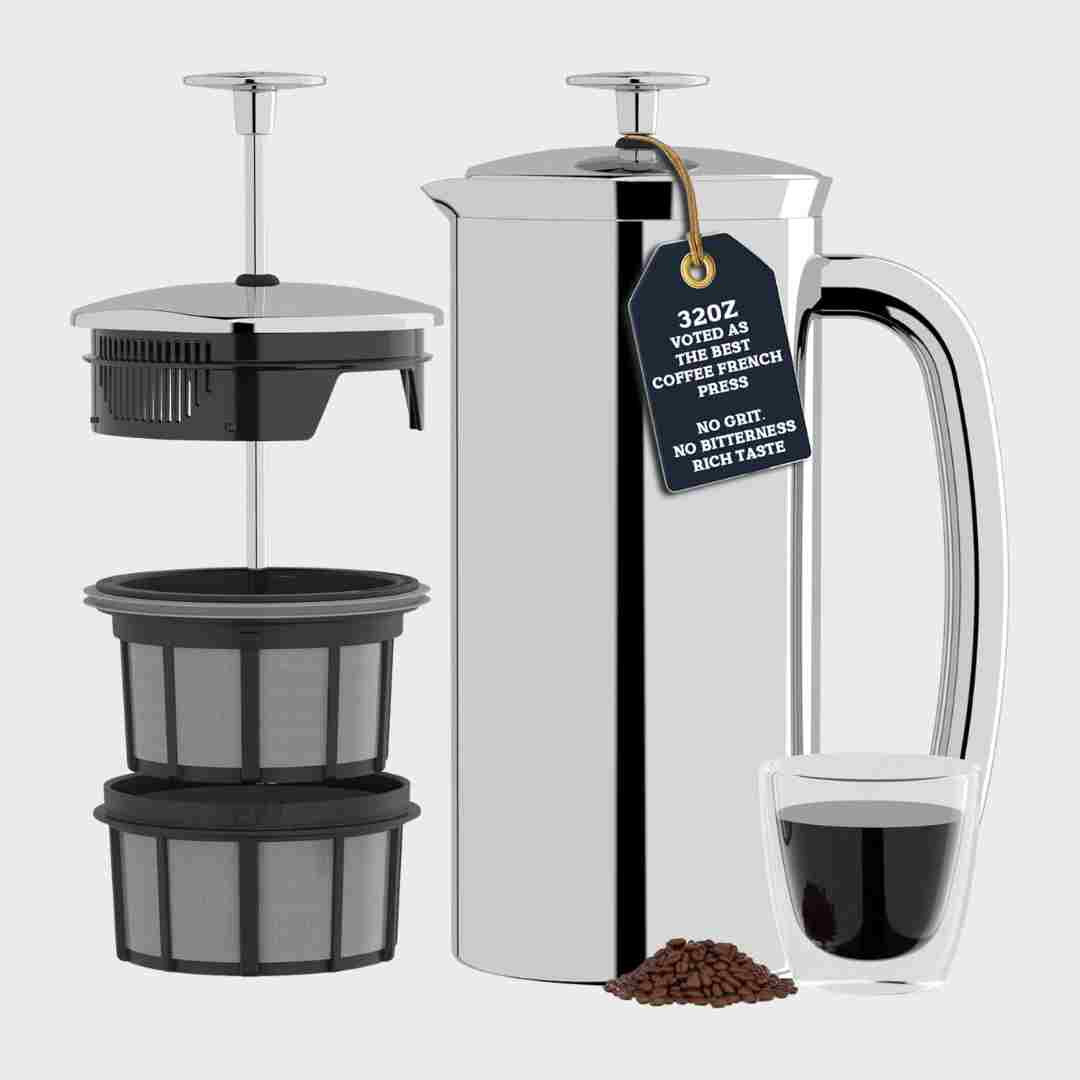
Two primary sizes are repeatedly mentioned (18 oz and 32 oz). The 32 oz model is often described as producing roughly four mugs, while the 18 oz suits smaller single-serve needs; overall capacity is best for small households rather than large groups.
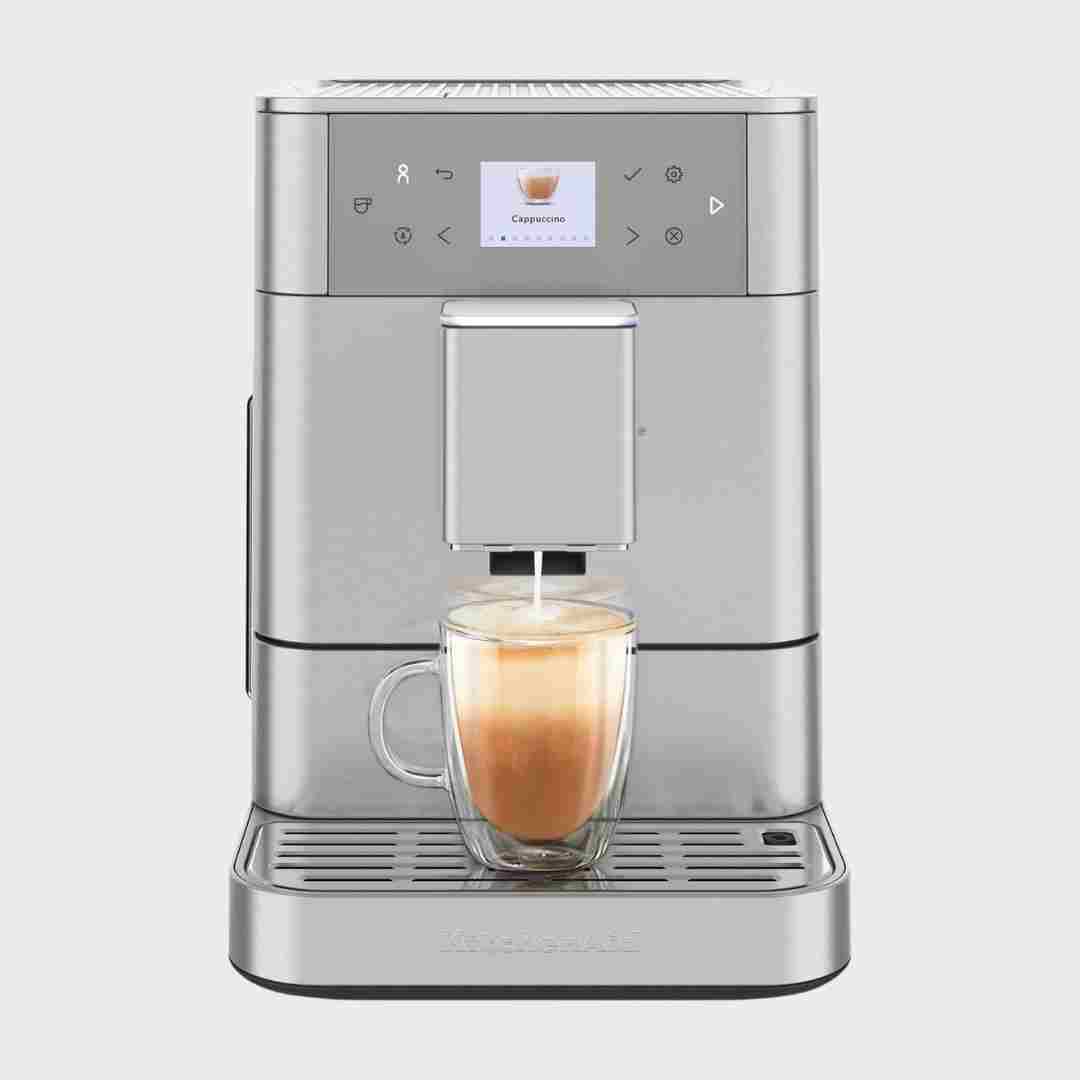
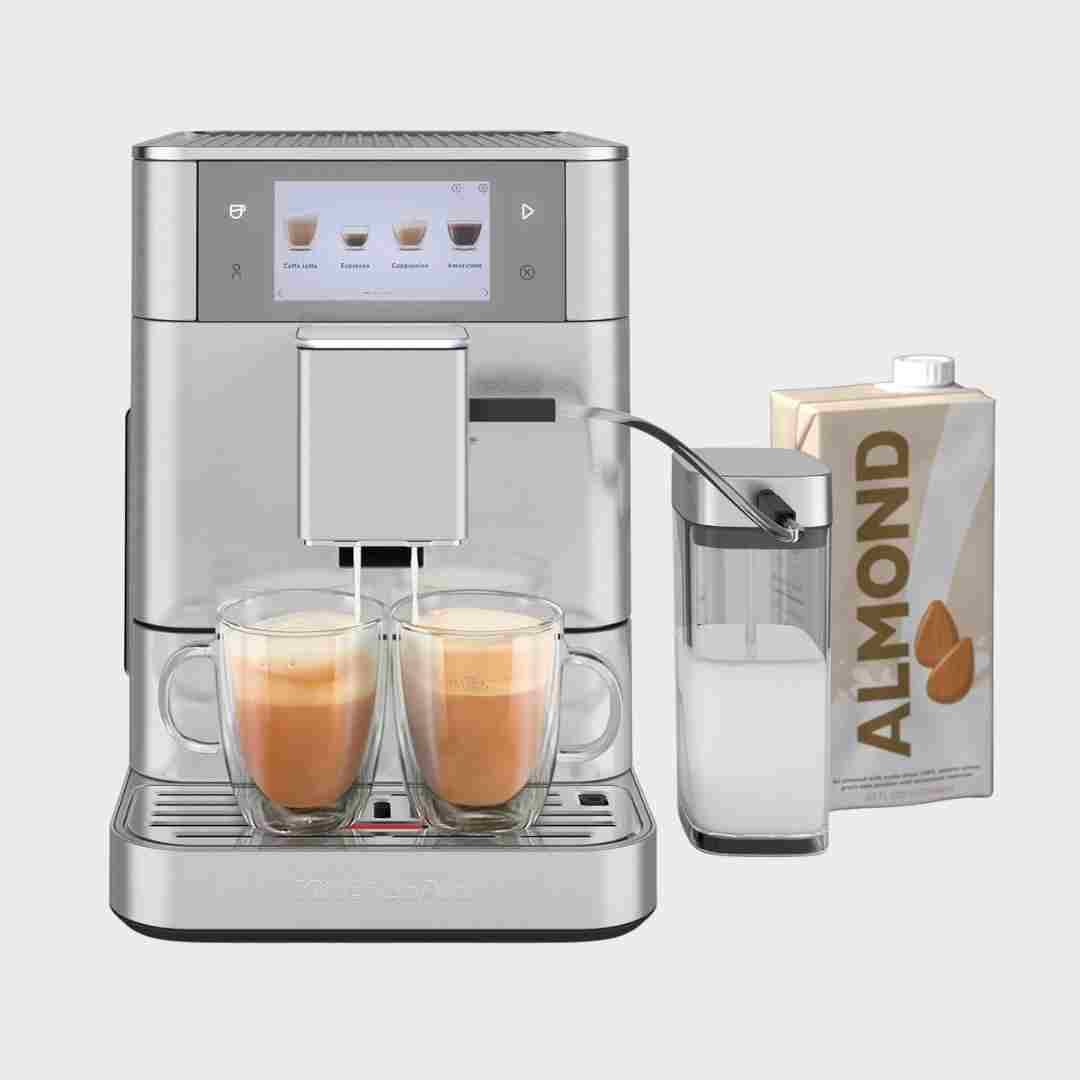
Capacity is generally seen as strong, with a large water tank and a sizable milk container, plus the removable bean hopper for easy refills or bean swaps. Some reviewers note that maximum milk volumes or default drink sizes (especially cappuccino-style drinks) can feel smaller than expected.
Capacity is repeatedly described as flexible, covering true single cups through full batch brewing around 1.5 liters. The separate baskets help the brewer handle both small and large volumes without forcing a one-size-fits-all approach.
Capacity is usually cited as a ~1.8L water tank and ~300g hopper with a practical grounds bin and drip tray; good for households, though heavy users will still refill/empty regularly.
The water reservoir is commonly described as generous and convenient to access (including front-fill designs in several reviews). Despite that, some users report high water usage and frequent tray/tank attention, so day-to-day capacity feels good but not hands-off.
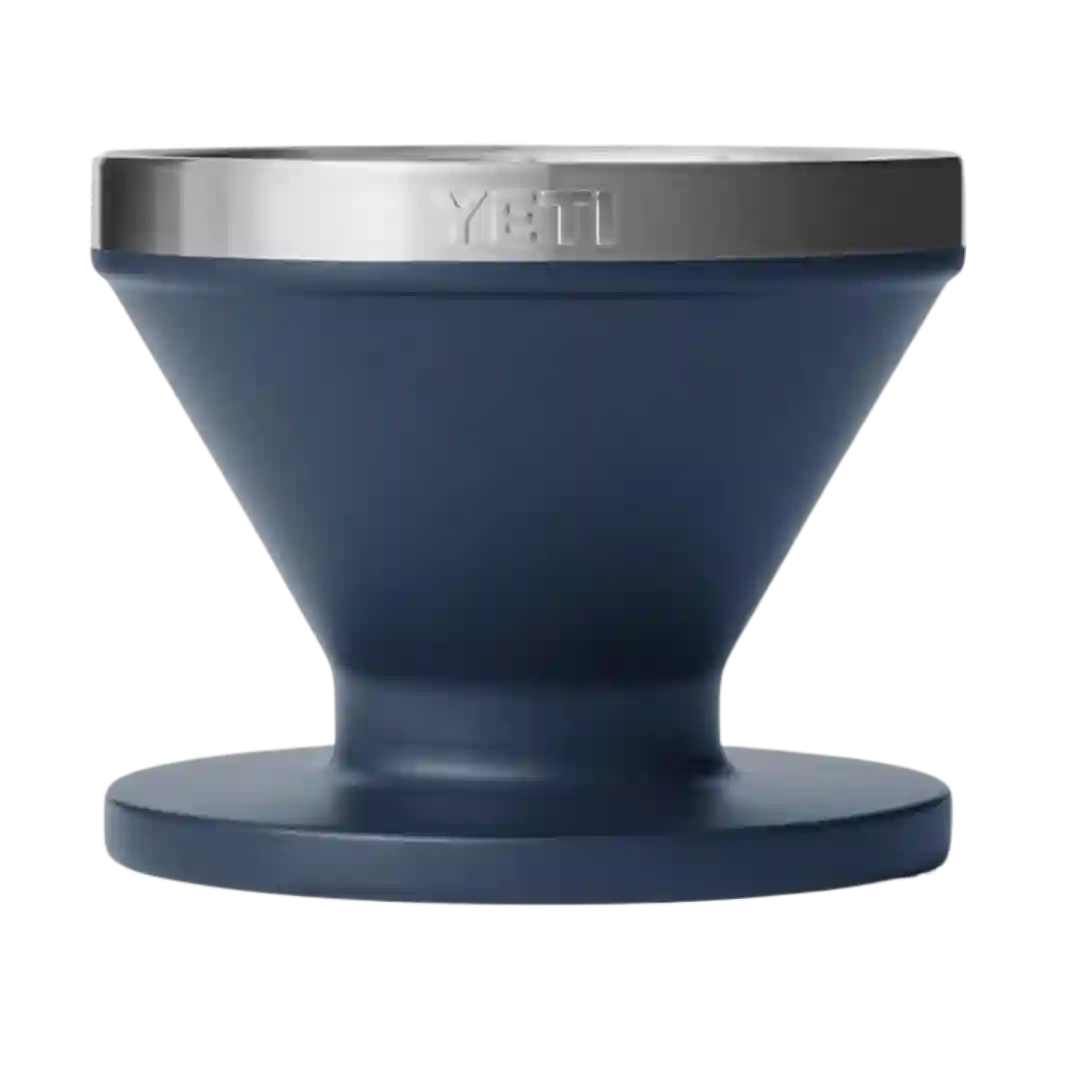
Capacity is strong for such a small manual brewer. Reviews repeatedly highlight the 18-gram basket and double-shot output, but it is still a single-serve device with limited water volume and no real batch capability.
Capacity feedback is favorable: reviewers cite a larger removable water tank (often described around 1.3 L/47 oz) and a removable milk reservoir (around 700 ml) that can be stored in the fridge. For most homes, tanks last multiple days depending on drink volume.
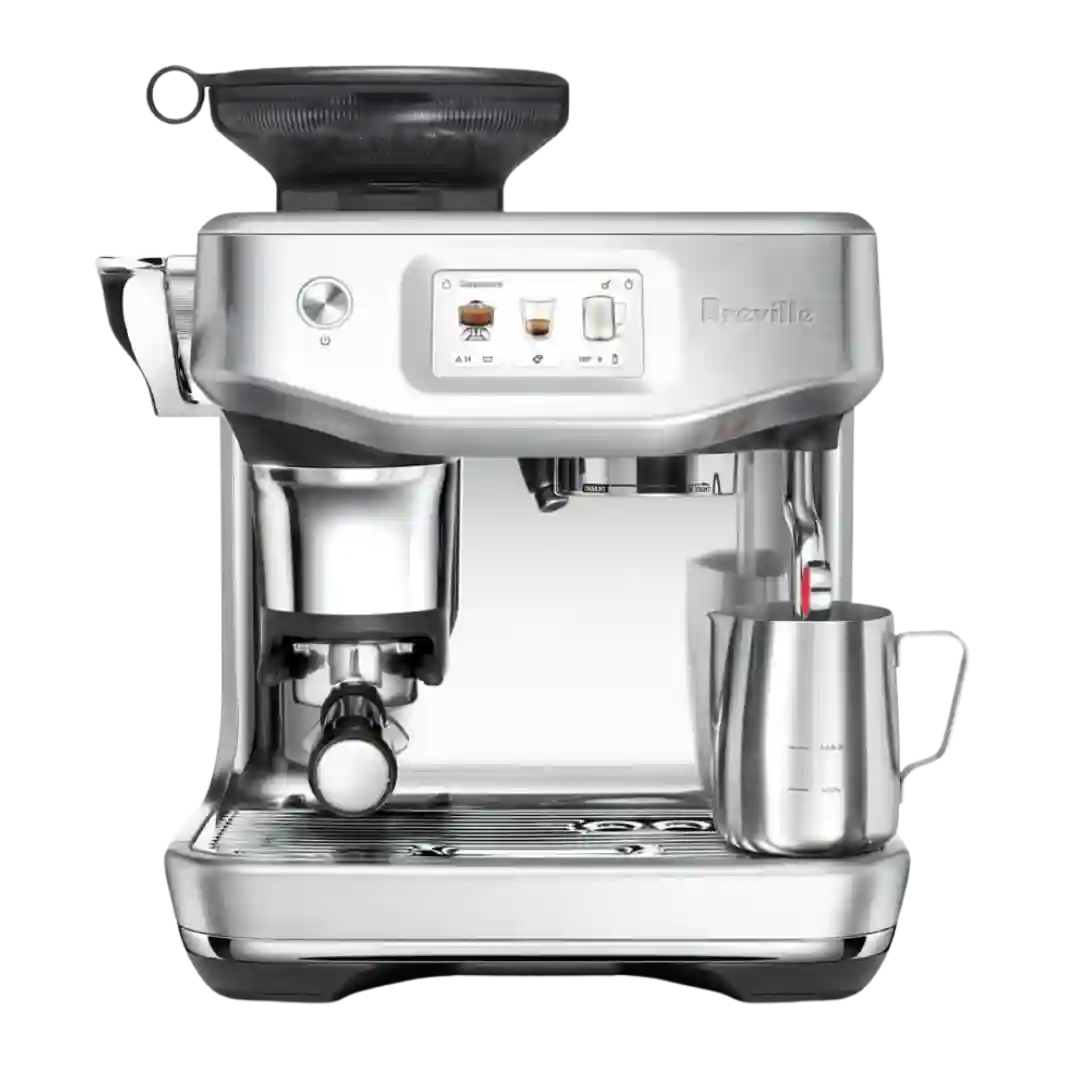
Capacity is usually portrayed as adequate for households, with reviewers mentioning a sizable rear water tank and a decent bean hopper typical of Breville all-in-ones. It supports multiple drinks without constant refills, though heavy users still refill water and empty trays regularly.
It is positioned as a 10-cup brewer with a roughly 1.5 L reservoir/carafe capacity, suitable for households and entertaining. A common nuance is that coffee-maker cup sizes are smaller than mug servings, so the smaller-cup settings may not stretch as far as buyers expect.
Capacity details are frequently cited: the water tank is typically listed around 1.8 L, and the bean hopper is described as holding roughly 200–300 g depending on beans. The main capacity complaint is the grounds bin, which can fill quickly (often estimated around the low-teens in pucks) in heavier-use homes.
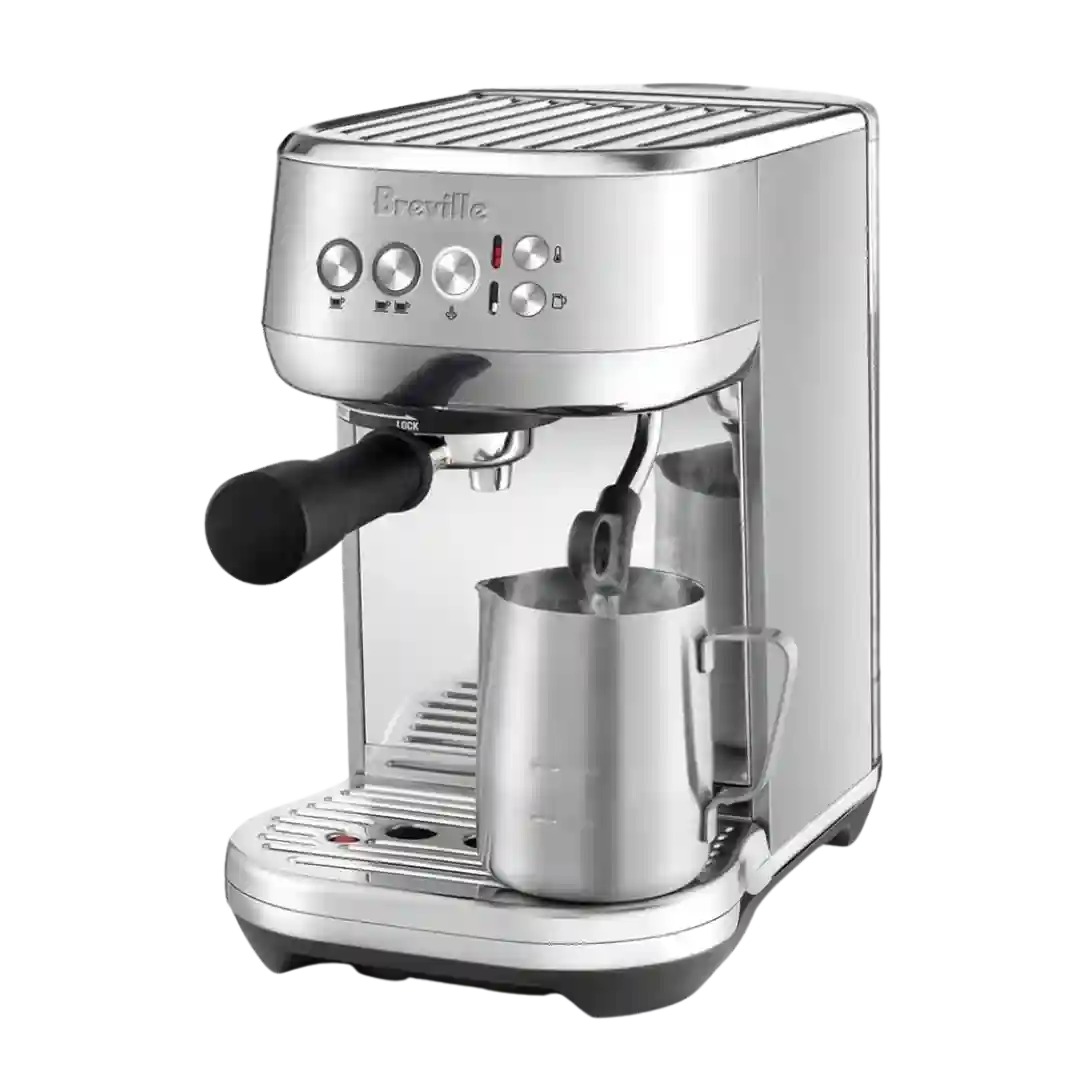
For a compact machine, the rear reservoir capacity is repeatedly called generous at about 1.4 liters. The drip tray, however, is described as small and more likely to need frequent emptying than the water tank needs refilling.
Capacity is compact-friendly but not huge: multiple sources cite a 1.4L water tank, two 250g/8.8oz bean hoppers, and a grounds bin that fills around every 10 coffees. Heavy black-coffee households may refill the tank more often.
Marketed and used as a 12-cup class machine with clear water markings. Some testing suggests cup markings can be confusing versus 6-ounce cup conventions and that real-world fills may not match expectations perfectly; user guidance also cautions against brewing very small batches (often not below about 4 cups).
Capacity is a plus in many reviews: about a 1.8-1.85L water tank, ~250g bean hopper, and a grounds bin around 14 pucks, though some still wish the hopper held a full retail bag.
Marketed as a 10-cup brewer with about a 1.25 L tank, though multiple sources point out the cups are European-sized and the usable output can feel like fewer standard mugs.
The labeled 14-cup capacity is convenient for large batches, but one tester measured the full carafe as closer to about 12-plus 6-ounce cups, so real-world cup counts may feel smaller than the headline number.
Capacity is a plus: the front-access water tank is often cited as around 2L for fewer refills; other bins are adequate, with the drip tray sometimes filling quickly due to rinses.
Capacity is consistently stated as 8 cups/40 oz (with 5 oz per cup), which works well for small-to-medium households and still supports single-serve style brewing. Some reviewers consider it small if you routinely want larger pots for groups.
Capacity is generally considered practical for home use, with a roughly 12-ounce bean hopper and a large rear water reservoir. Some reviews note that preset volumes and drink sizes can feel odd, so customization matters for certain recipes.
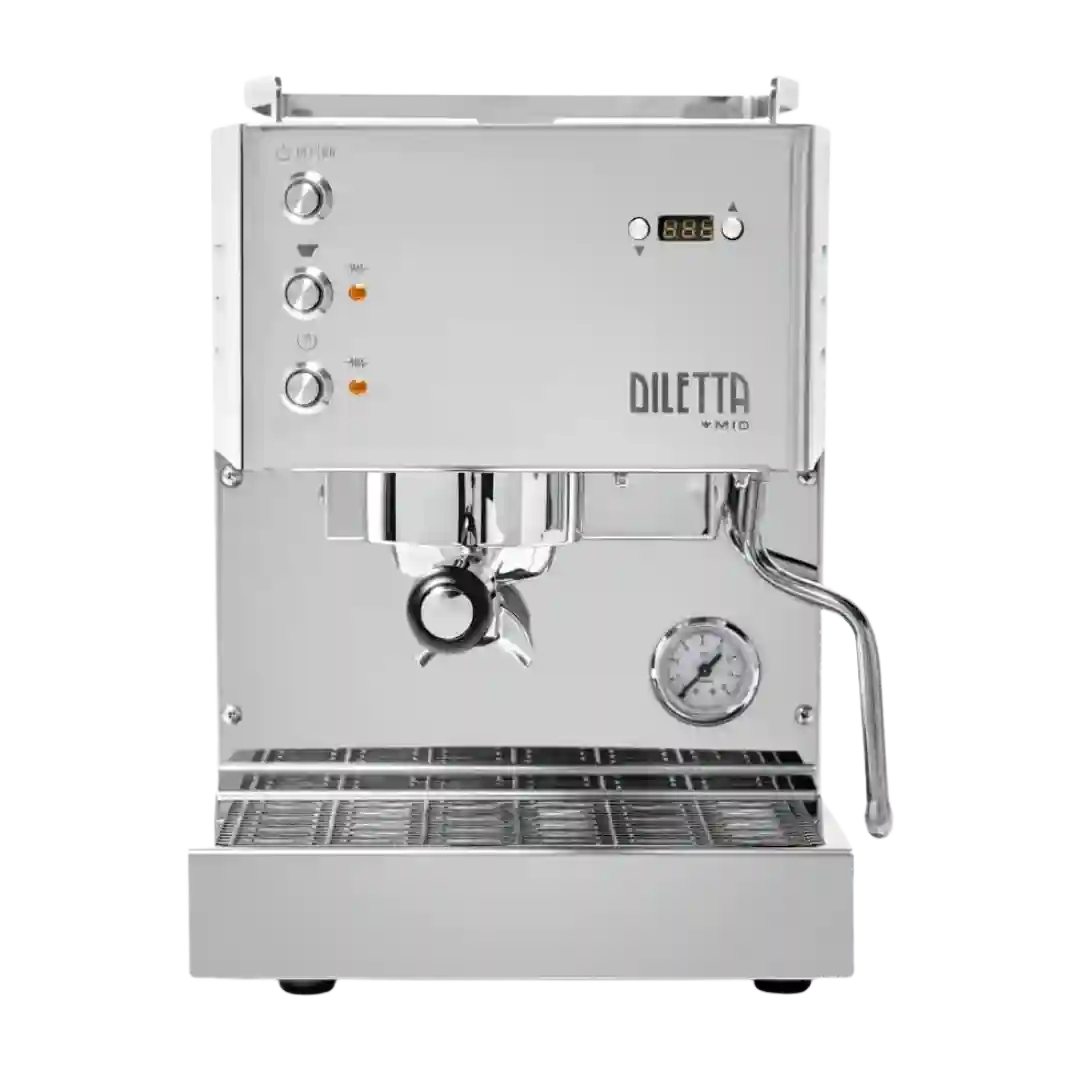
The 2-liter side-access reservoir is usually seen as generous and convenient for home use, but one review still calls the tank small when making several drinks in succession. Reviews also mention a relatively small brew boiler.
Capacity is described as moderate: water tanks around the mid-40 to ~60 oz range and bean hoppers around ~8-10 oz, which is fine for 1-2 people but can require frequent refills in group settings.
Capacity is positioned as a standard 12-cup brewer, but at least one measurement review suggests real-world fill marks/cup equivalence can feel short depending on how cups are defined.
The water tank is commonly listed around one liter, enough for several drinks, though at least one review calls it small and awkward to fill. It suits single users or couples better than frequent entertaining.
Capacity is usually framed as a 10-cup machine with a smaller 4-cup option, but multiple reviewers note the real-world cup measure feels smaller than average and is best for small households rather than big groups.
Capacity is usually framed as generous, with several sources citing a large water tank around 2 liters and a practical hopper size. The drip tray can fill quickly due to purge routines, which affects how often you empty it.
Water tank and bean hopper capacity are described as adequate for daily use, but frequent drinks can mean refilling water and emptying the drip tray more often.