Crevice and groove pickup on hard floors is a standout strength in test-driven reviews, with near-complete debris removal reported in structured crevice lanes.
Crevice/groove pickup on hard floors is reported as excellent in test-style content, with at least one source describing near-perfect results in crevice-focused trials.
Crevice and groove pickup is frequently cited as best-in-class in test-driven coverage, with perfect or near-perfect crevice performance reported and strong ability to pull debris from tight gaps and channels.
Crevice performance is repeatedly praised, with strong suction at the head and good results in crevice-style pickup tests. It is commonly described as effective for tight gaps and grooves when used with the right setting or tool.
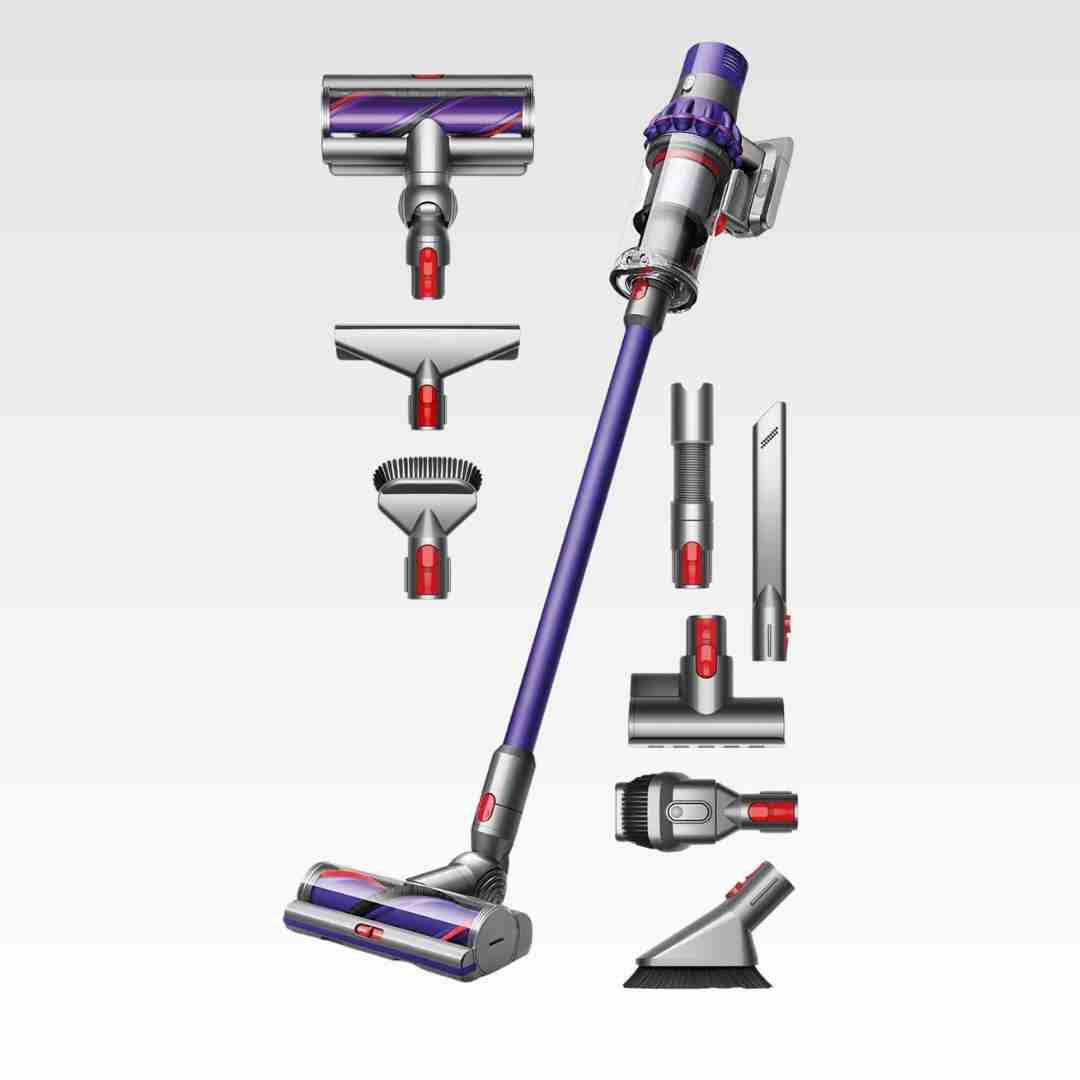
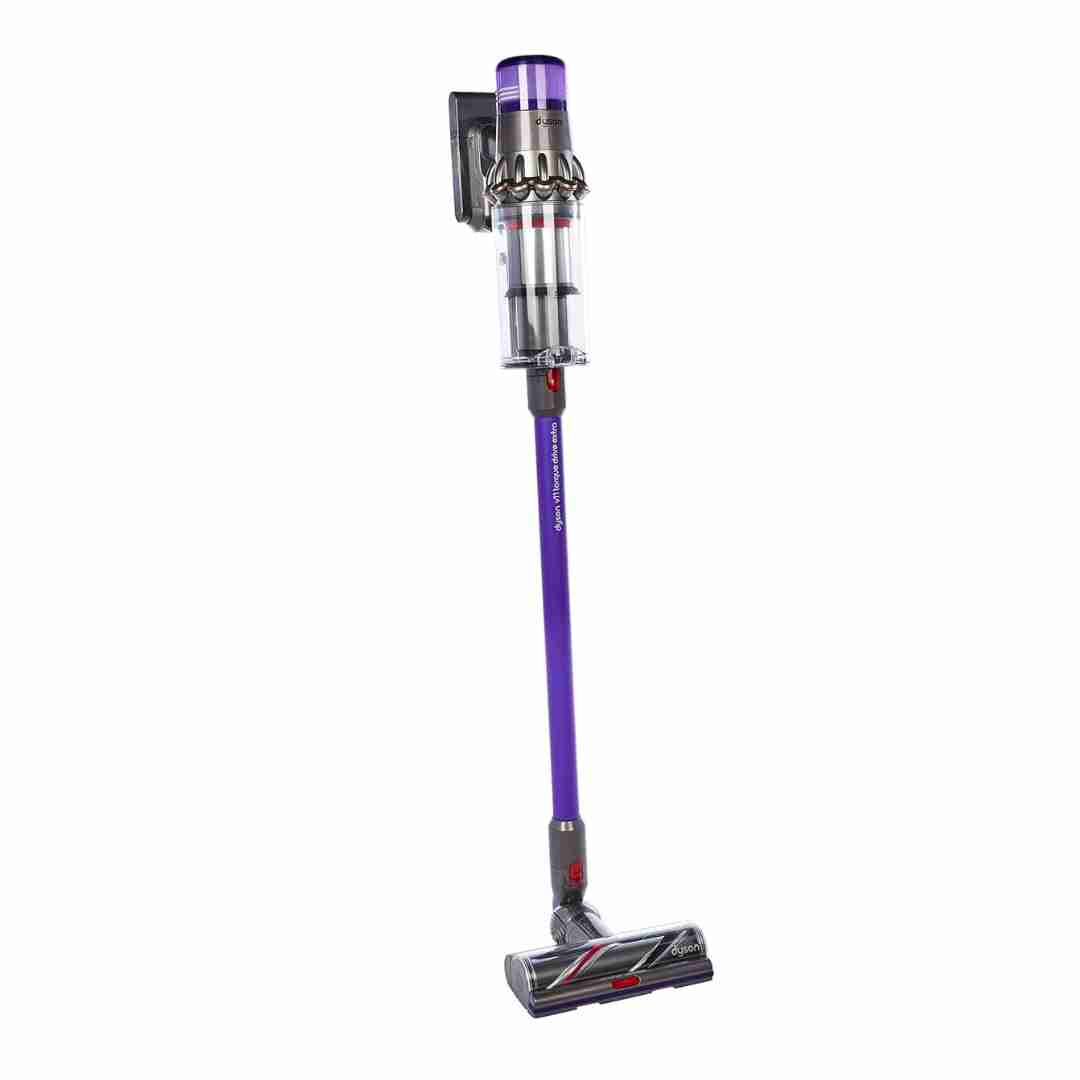
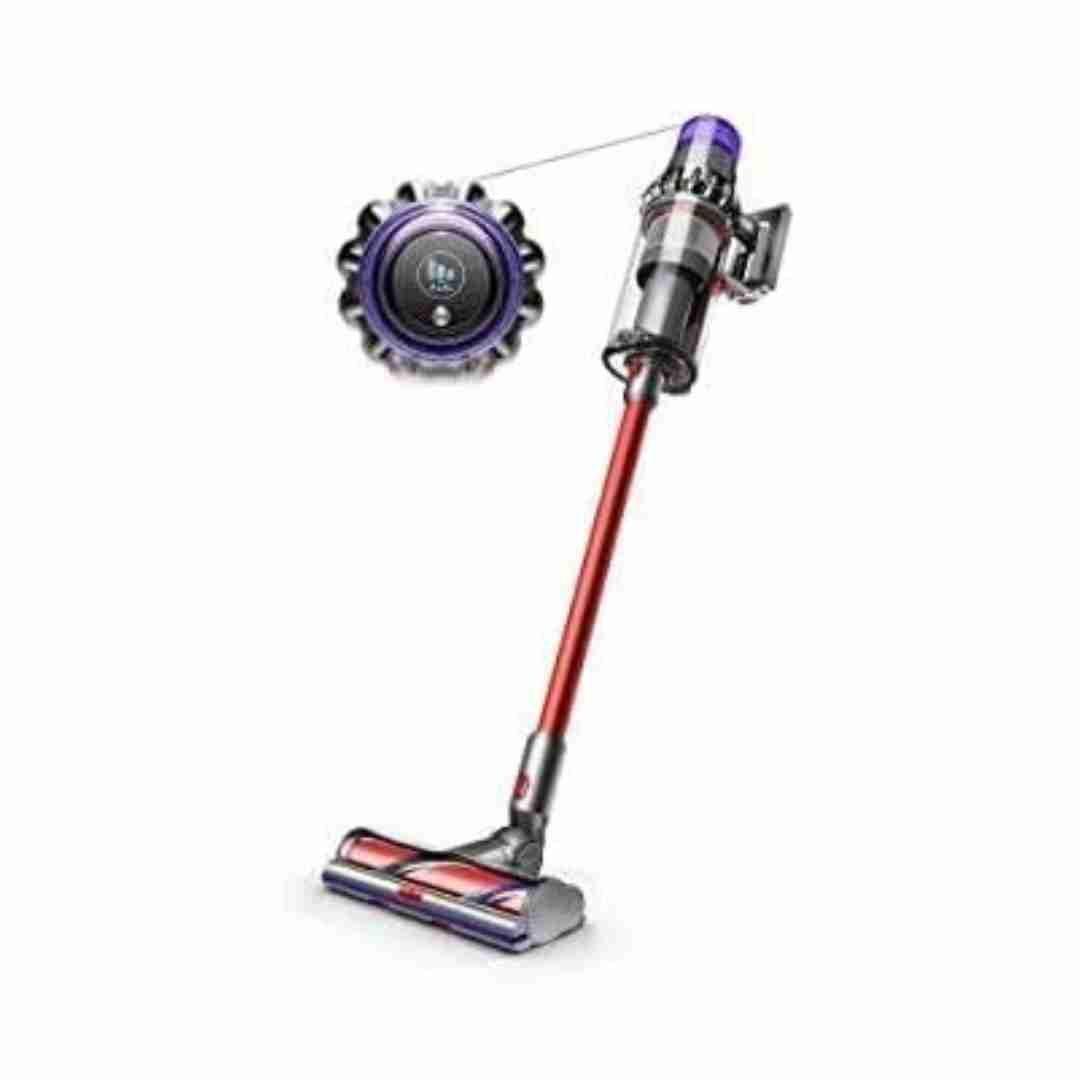
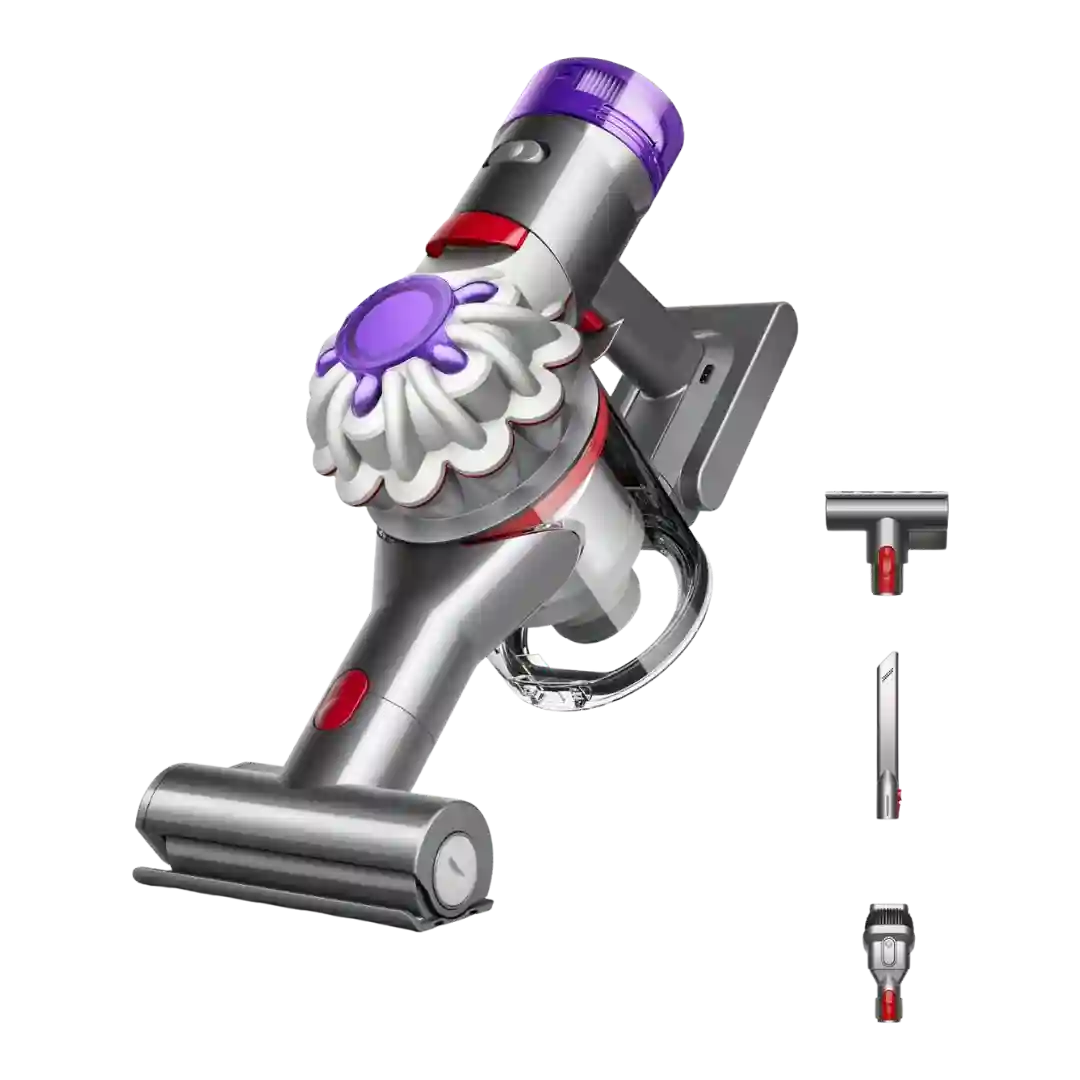
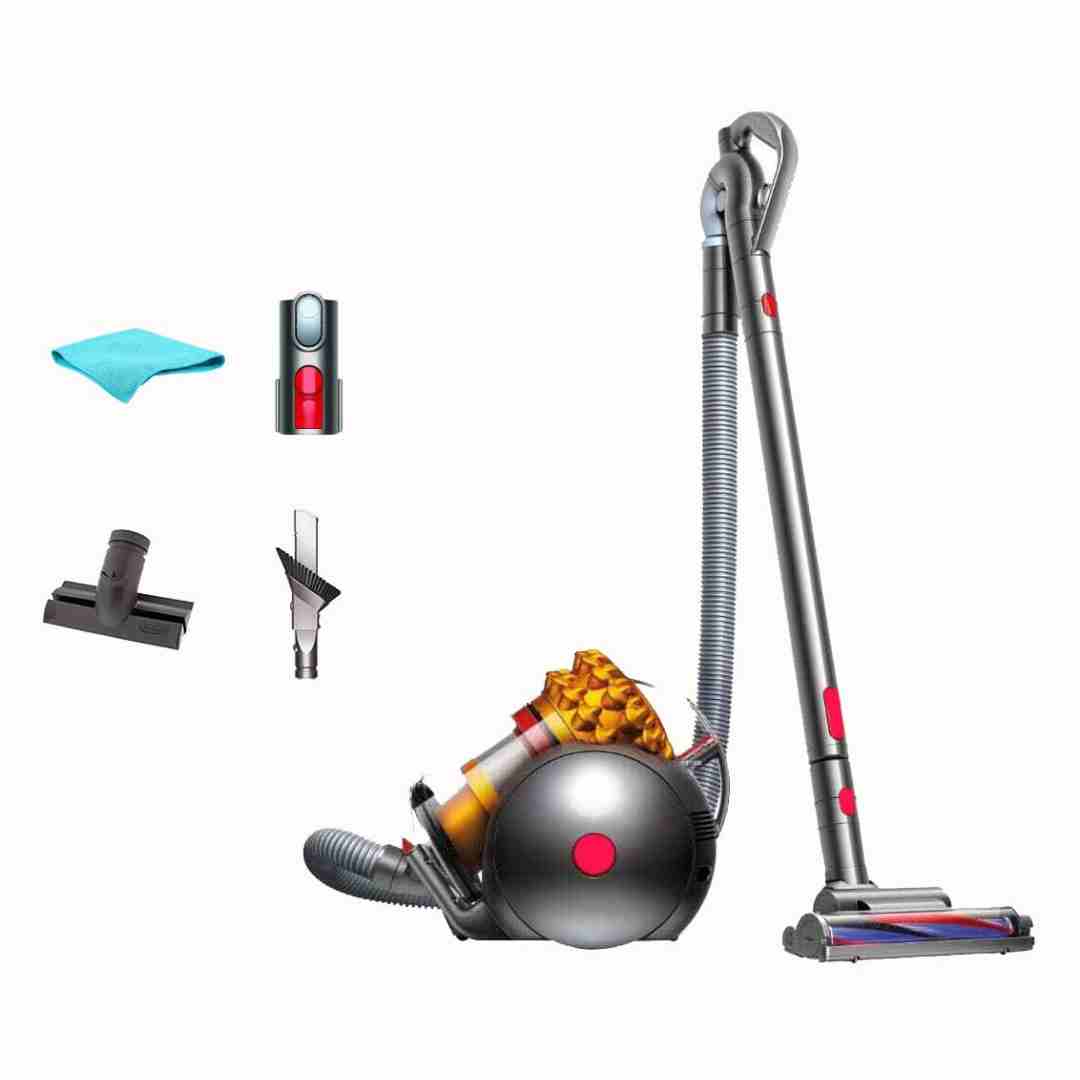
Crevice testing and reviewer feedback indicate excellent groove pickup, with the Dyson scoring at or near the top for lifting sand from a deep crevice. This aligns with its high sealed suction.
Crevice and groove pickup is described as excellent in lab-style testing, ranking near the top of large comparison pools, suggesting strong edge-adjacent intake capability when it reaches the area.
Crevice and groove pickup is a standout, with one review calling it among the best they have measured. Some also like that the hose design can act as an emergency crevice tool, and the power helps pull debris out of cracks.
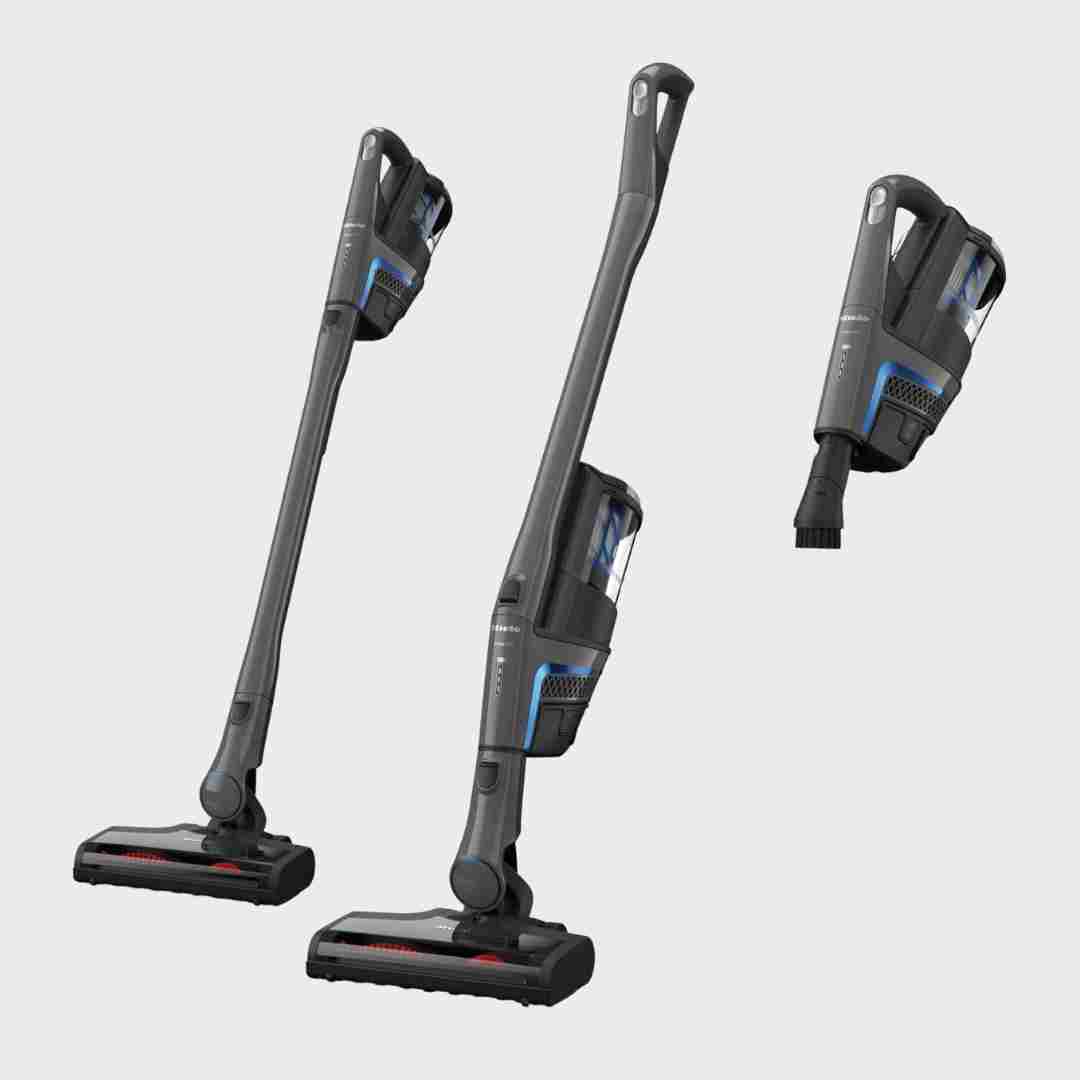
On hard floors, the C2 is repeatedly described as strong at pulling debris out of cracks, grout lines, and along cupboard edges where other vacuums can struggle.
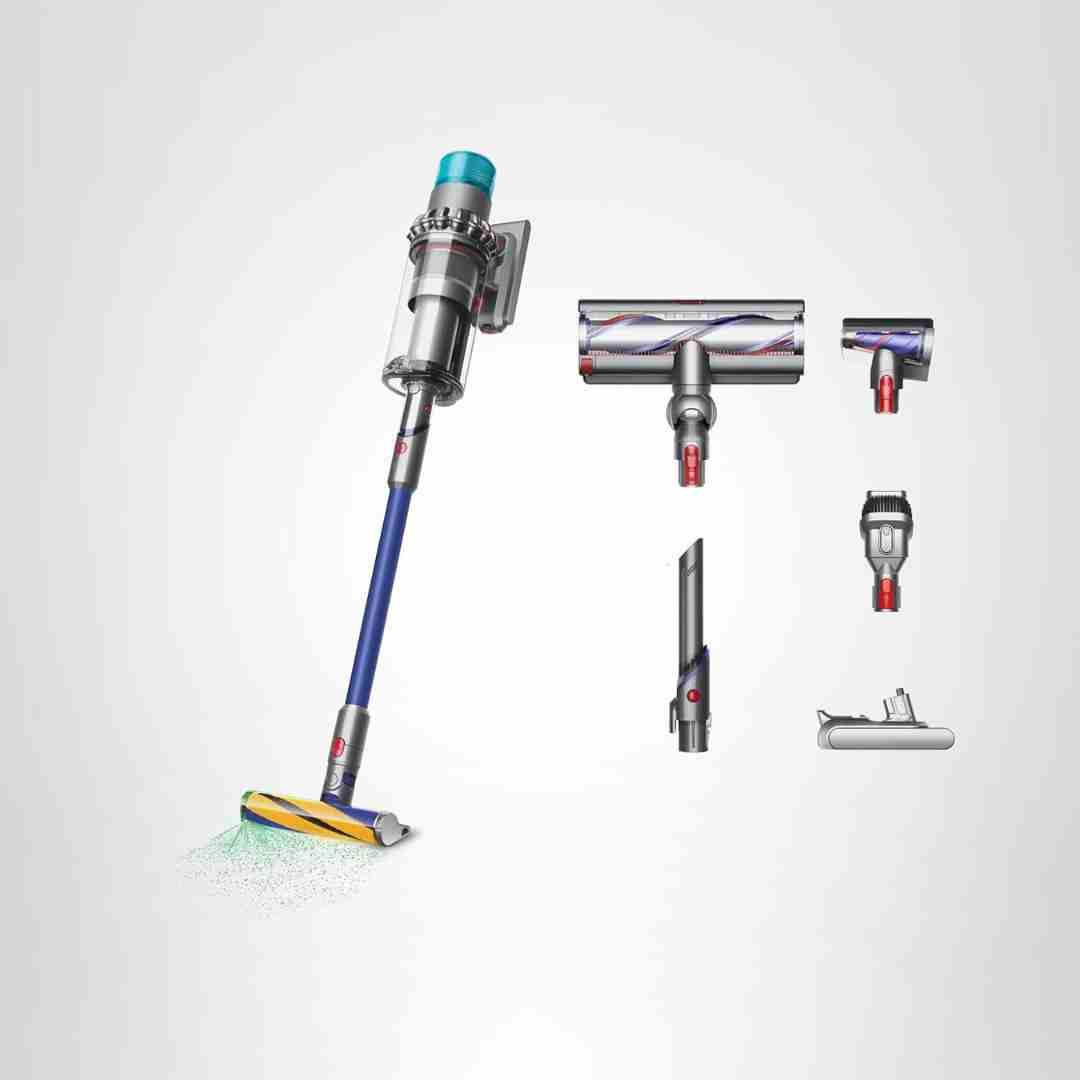
Crevice tools (including extendible options) are frequently used for gaps beside appliances and other tight areas. A noted downside is that extendible designs can feel wobbly when fully extended.
Crevice and groove pickup on hard floors is consistently reported as a strength, supported by strong airflow and good sealing, especially on higher power modes or with the appropriate tool.
Crevice/groove pickup is reported as unusually strong in at least one lab test (often finishing in a single forward pass). Tiny residue may remain in gaps depending on direction and debris type.
Crevice performance is frequently highlighted as a strength for corners, stair edges, skirting gaps, and car-seat seams, with focused suction making detailing faster.
Crevices and grooves are a strength: multiple reviews report strong pickup from floor seams and tight cracks. The included crevice tool is also described as effective for car detailing and hard-to-reach edges.
At least one detailed tester reports strong pickup from deep cracks/crevices, consistent with the high suction narrative. Results may still depend on floor type, seal, and cleaning mode.
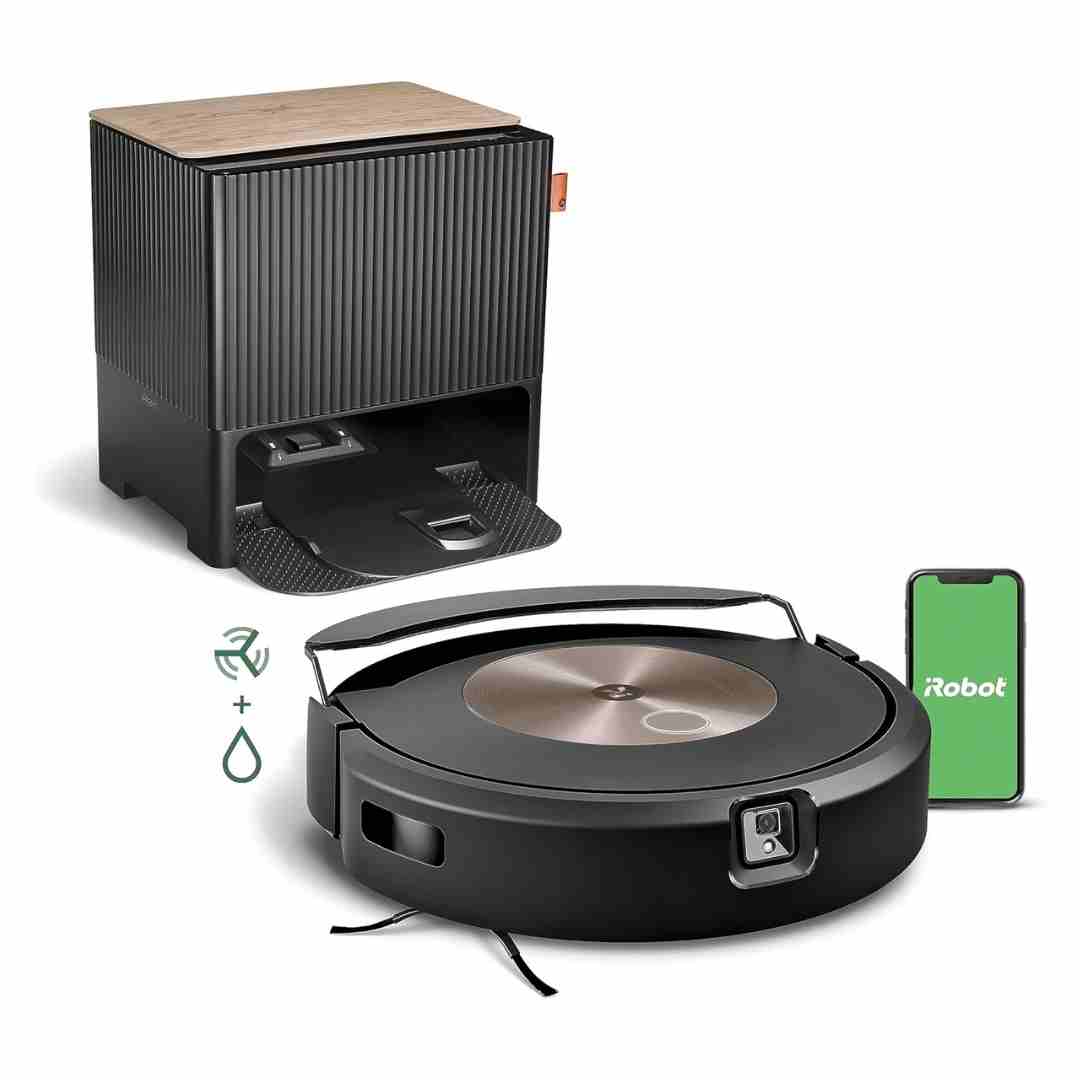
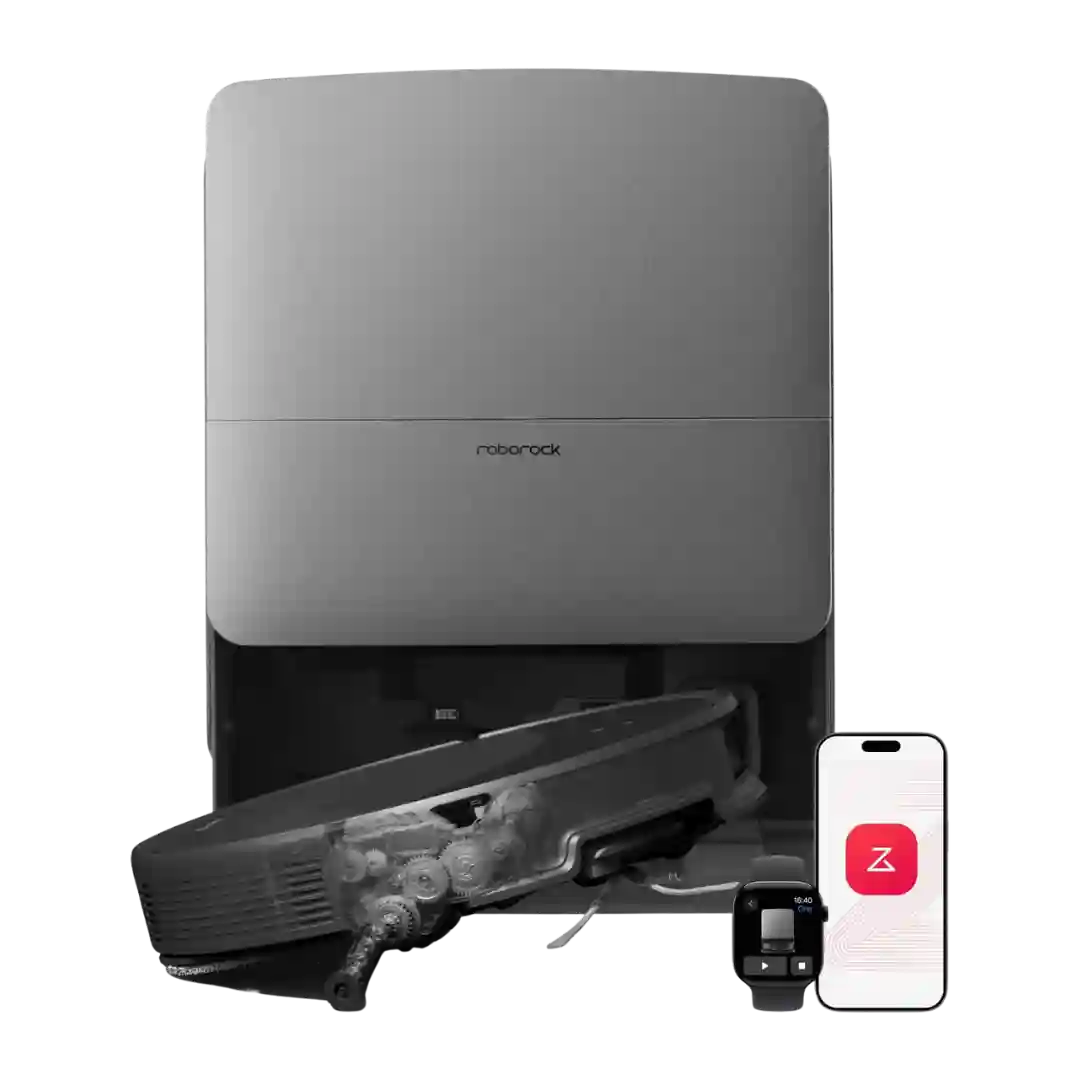
Crevice and groove pickup is repeatedly called out as improved versus older Roombas, aided by stronger suction and the dual rubber rollers. It performs well on seams and along transitions in testing.
Crevice/gap cleaning is repeatedly described as excellent, with strong suction making edge work and tight spaces effective (especially with the crevice tool and proper wand technique).
Performance in grooves and tight gaps is rated highly, both via floorhead design and with crevice tools. Reviewers cite effective pickup from cracks and gaps, helping with baseboards, corners, and hard-to-reach areas.
Crevice/groove pickup is frequently highlighted as a strength relative to some competitors, supported by test commentary and the usefulness of the integrated wand for hard-to-reach debris.
The crevice tool is repeatedly described as effective for tight gaps and grooves, such as along edges where carpet meets trim or in detailed cleanup projects.
Crevice performance is a highlight for cupholders, between seats/console, and other tight grooves; the crevice mode and brush help reach and agitate debris.
Crevice and groove pickup is frequently praised, especially for cars, couch cushions, vents, and edges where fur and crumbs collect. In testing, it outperformed older versions and many cordless rivals.
Crevice cleaning is generally strong, helped by the included crevice tool and high suction. Some review testing reports only minor issues in crevice-specific trials, suggesting it performs reliably for gaps and grooves on hard floors.
Crevice and groove cleaning is a high point in data-driven tests, with one review reporting a perfect crevice score. This suggests strong extraction in floor cracks and along grout lines.
Crevice/groove cleaning is a bright spot. One test reports a perfect crevice-pickup score, and multiple reviewers note the crevice tool works well for tight areas and car interiors.
Where reviewers used narrow hard-floor tools, crevice and groove cleaning is described as excellent, including pulling debris from floorboard gaps and tile grout lines. Concentrated airflow and good sealing are credited for the results.
One long-term tester specifically praised its ability to pull dirt from grooves and cracks in vinyl flooring. This suggests good hard-floor crevice performance when it can physically reach the area.
Crevice performance is a highlight when using the crevice tool and concentrated suction, helping reach nooks, grooves, and furniture gaps. Reviewers specifically praise corner and crevice reach compared with older vacuums.
A groove/crevice scenario is explicitly tested by placing debris into small grooves and showing pickup success, reinforcing edge/crevice effectiveness on hard surfaces.
At least two reviews specifically note good crack and crevice extraction on hard floors, including pulling fine flour from between boards. This suggests above-average suction geometry for grooves compared with many stick vacs.