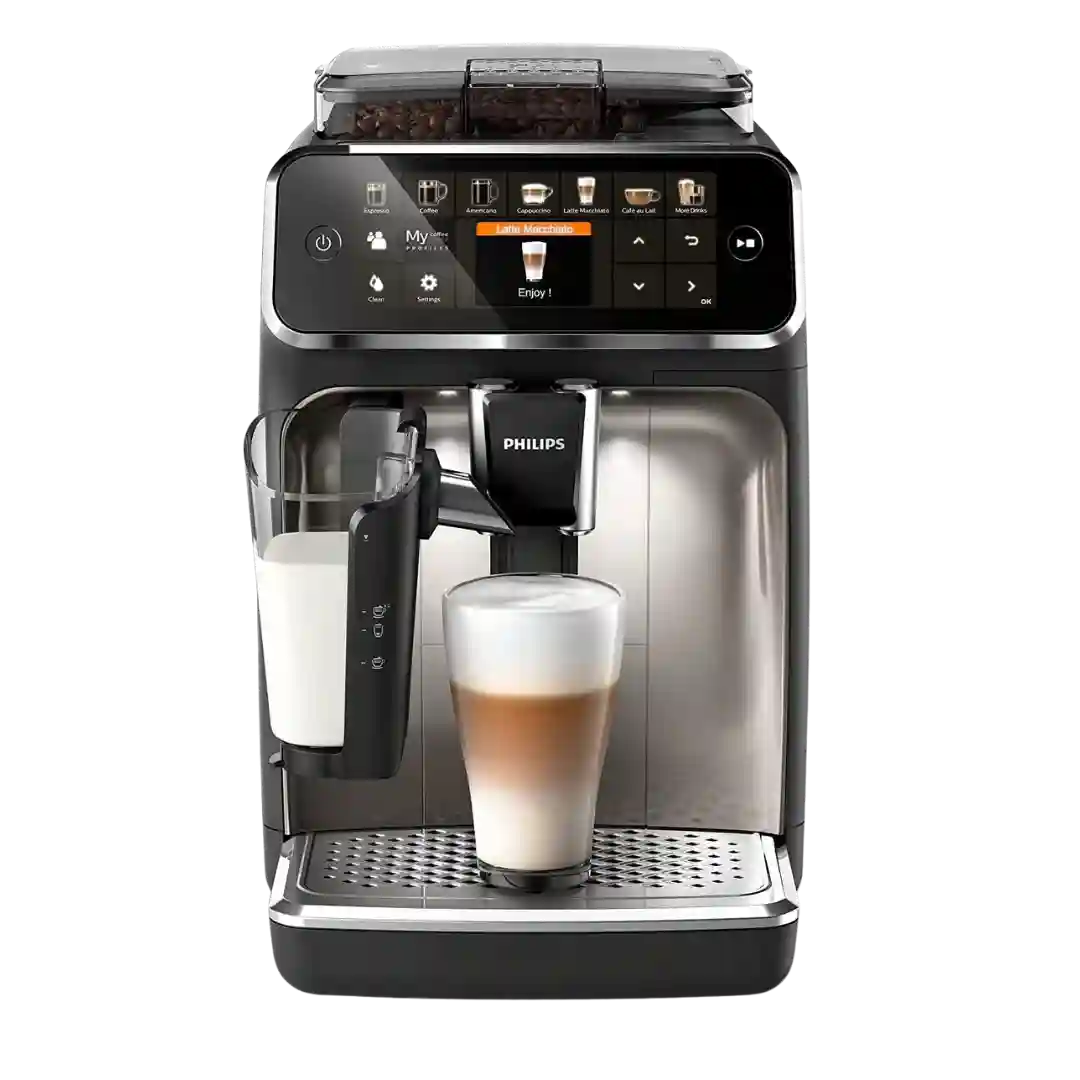
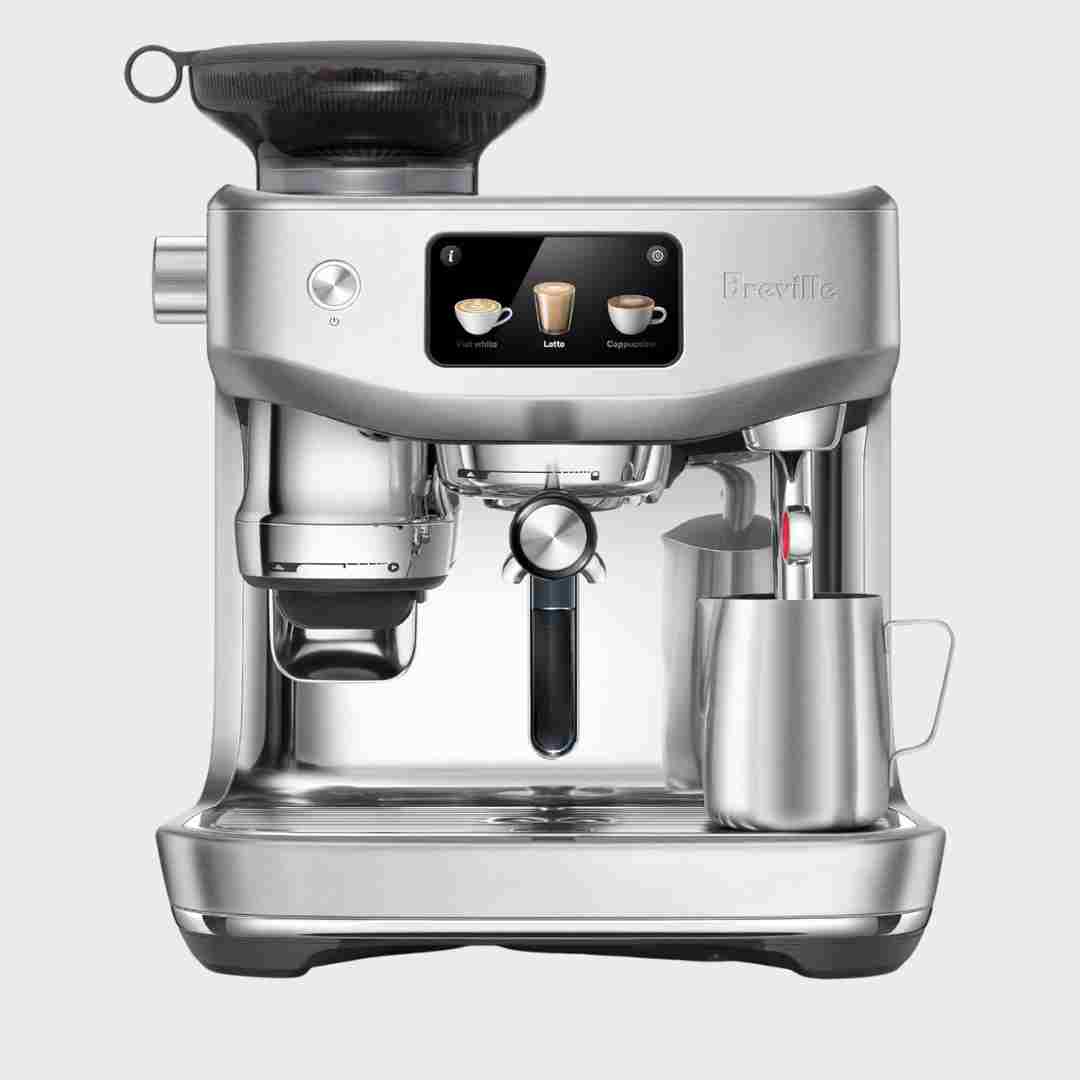
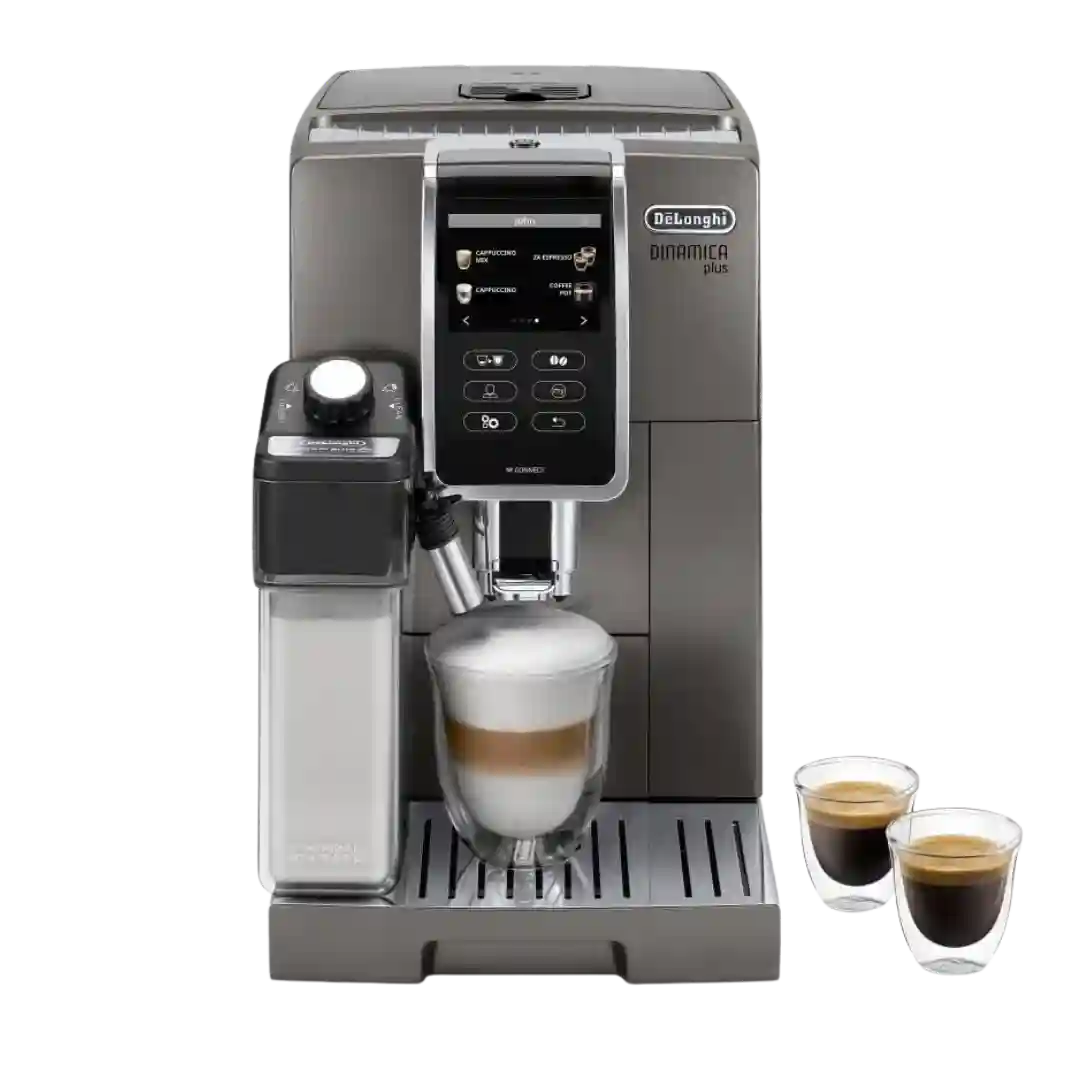
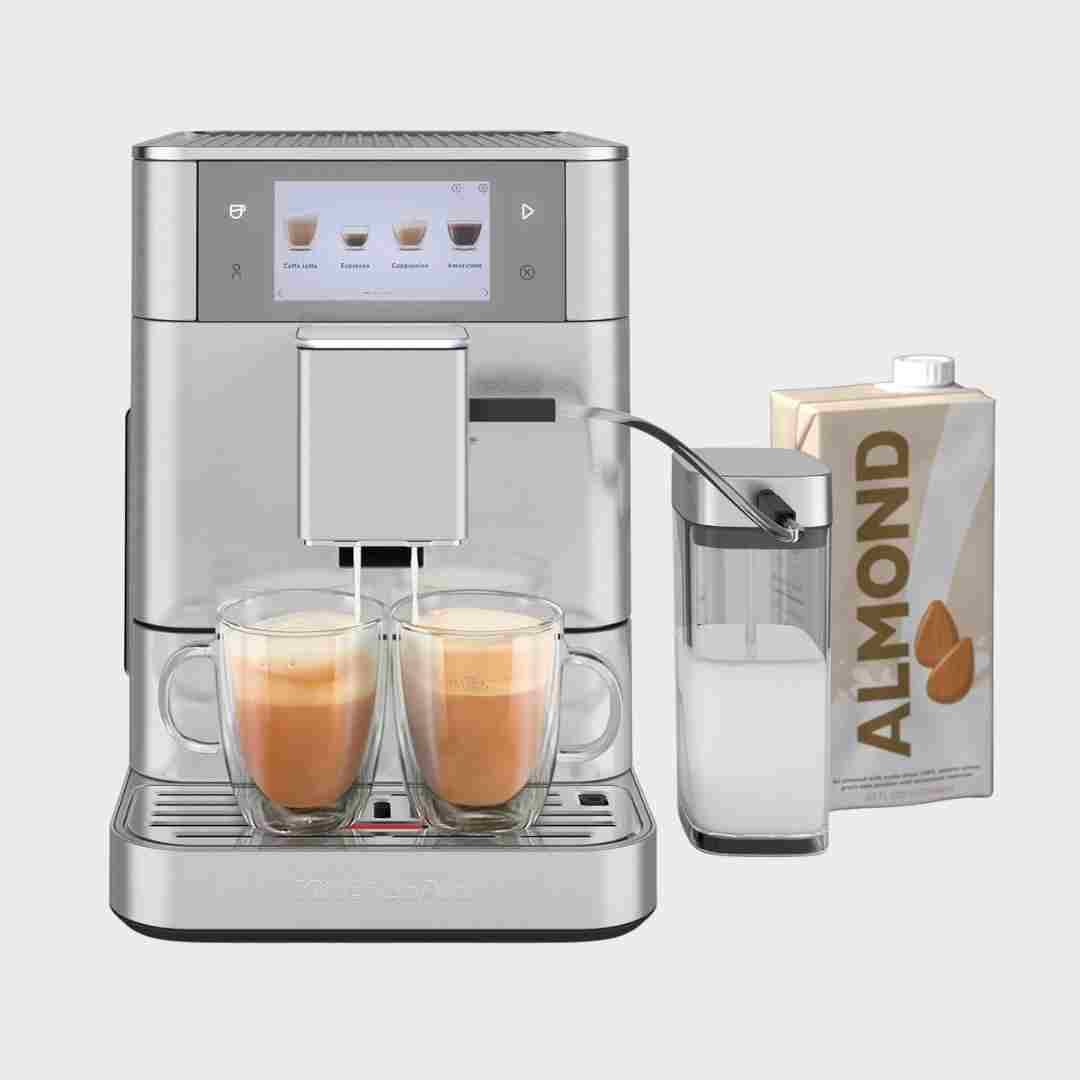
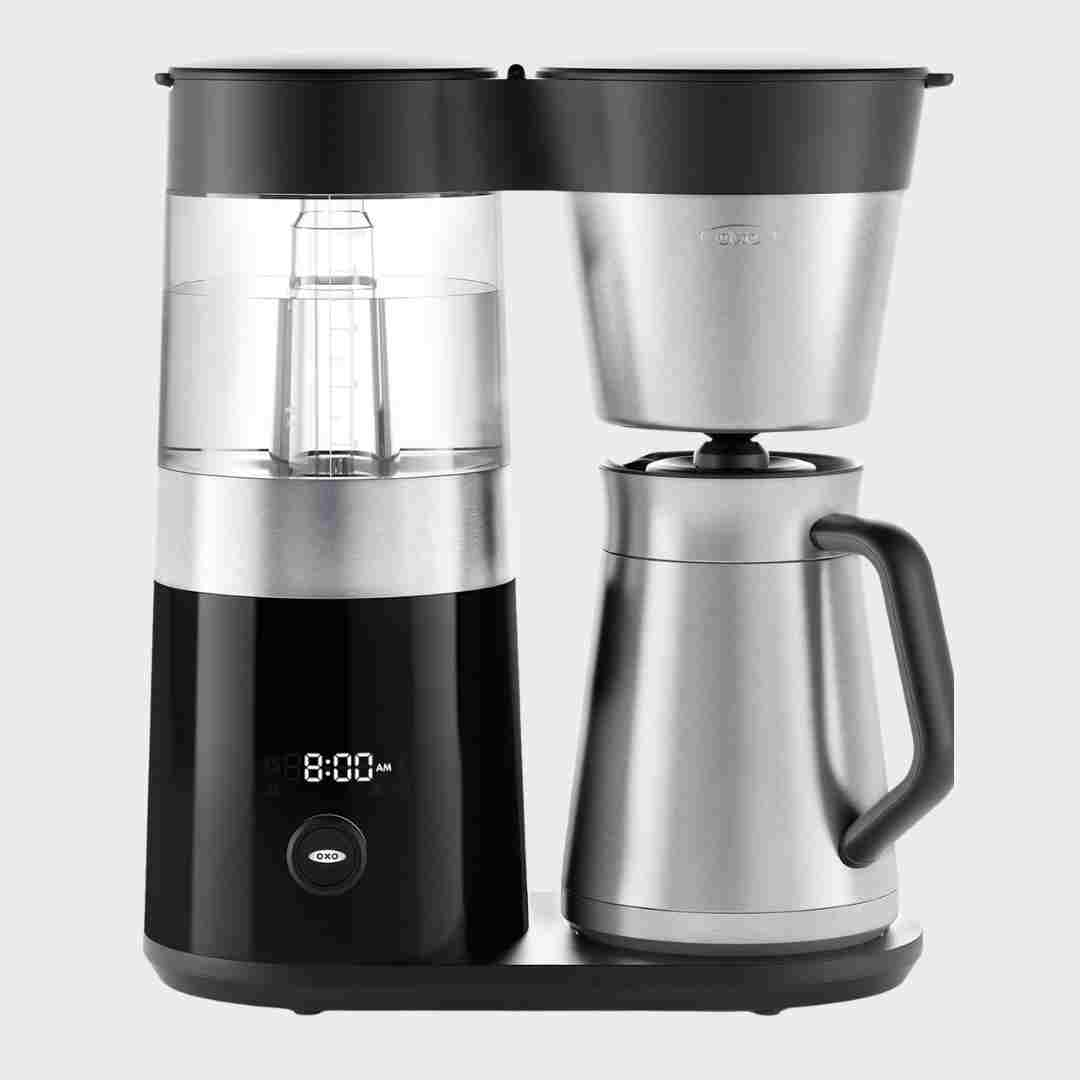
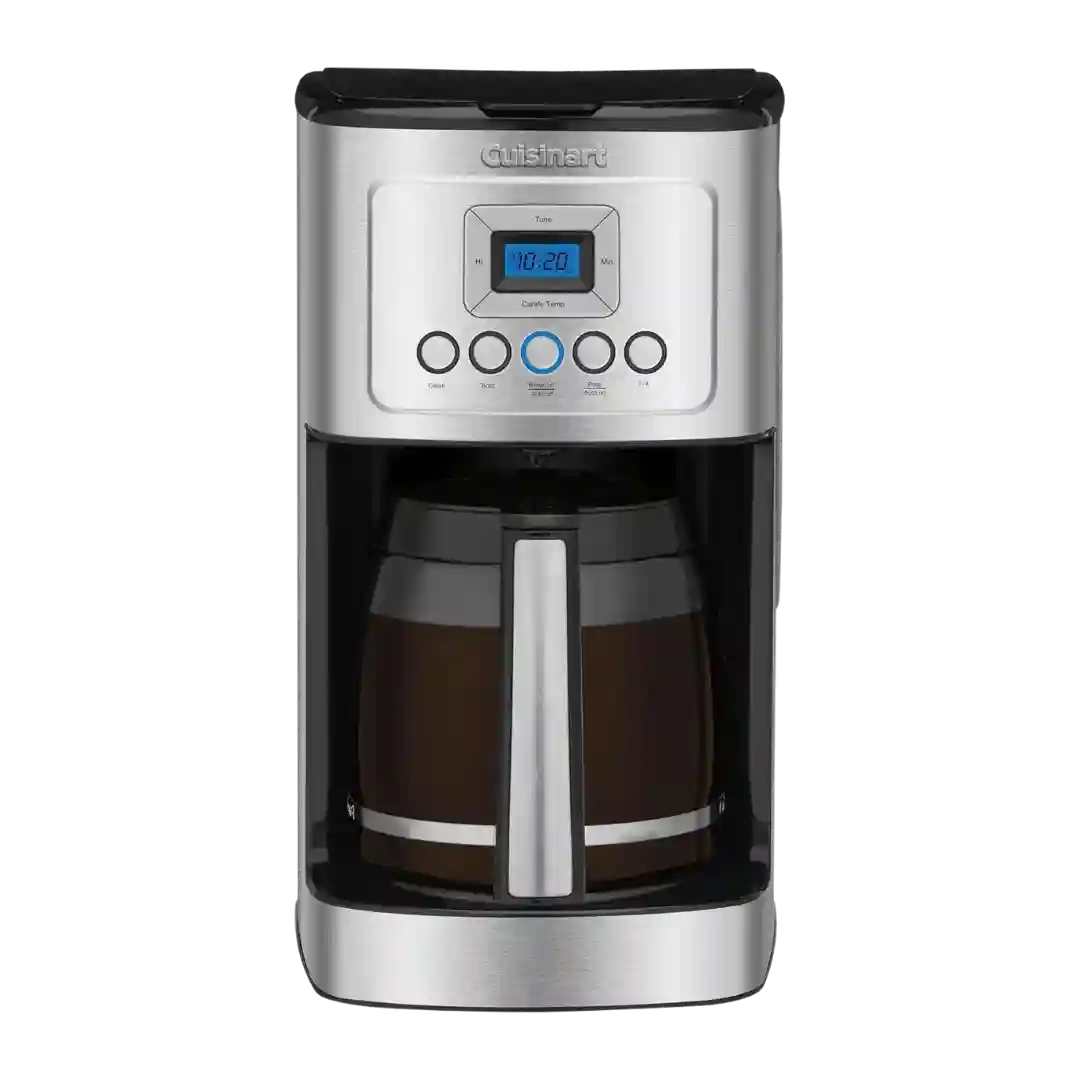
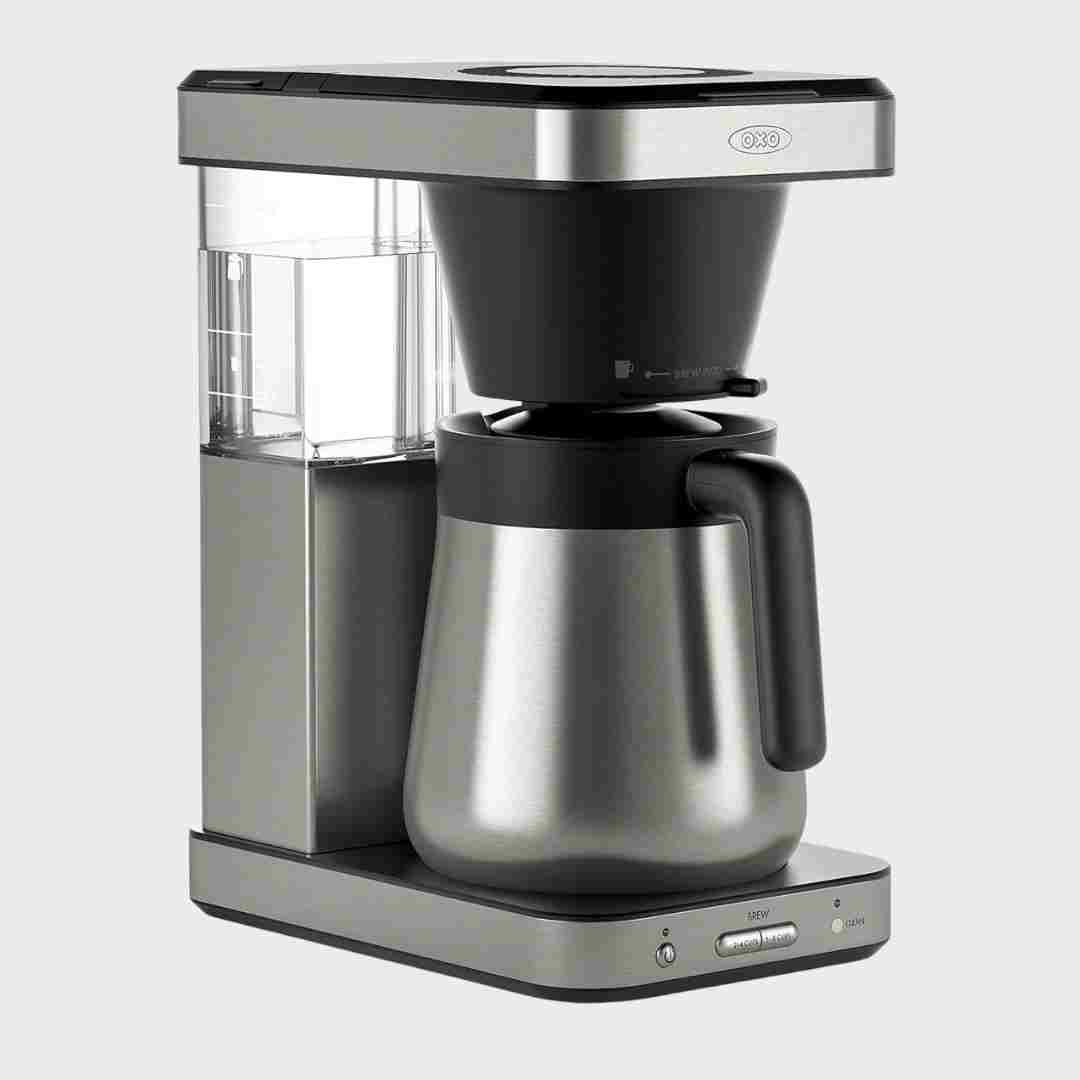
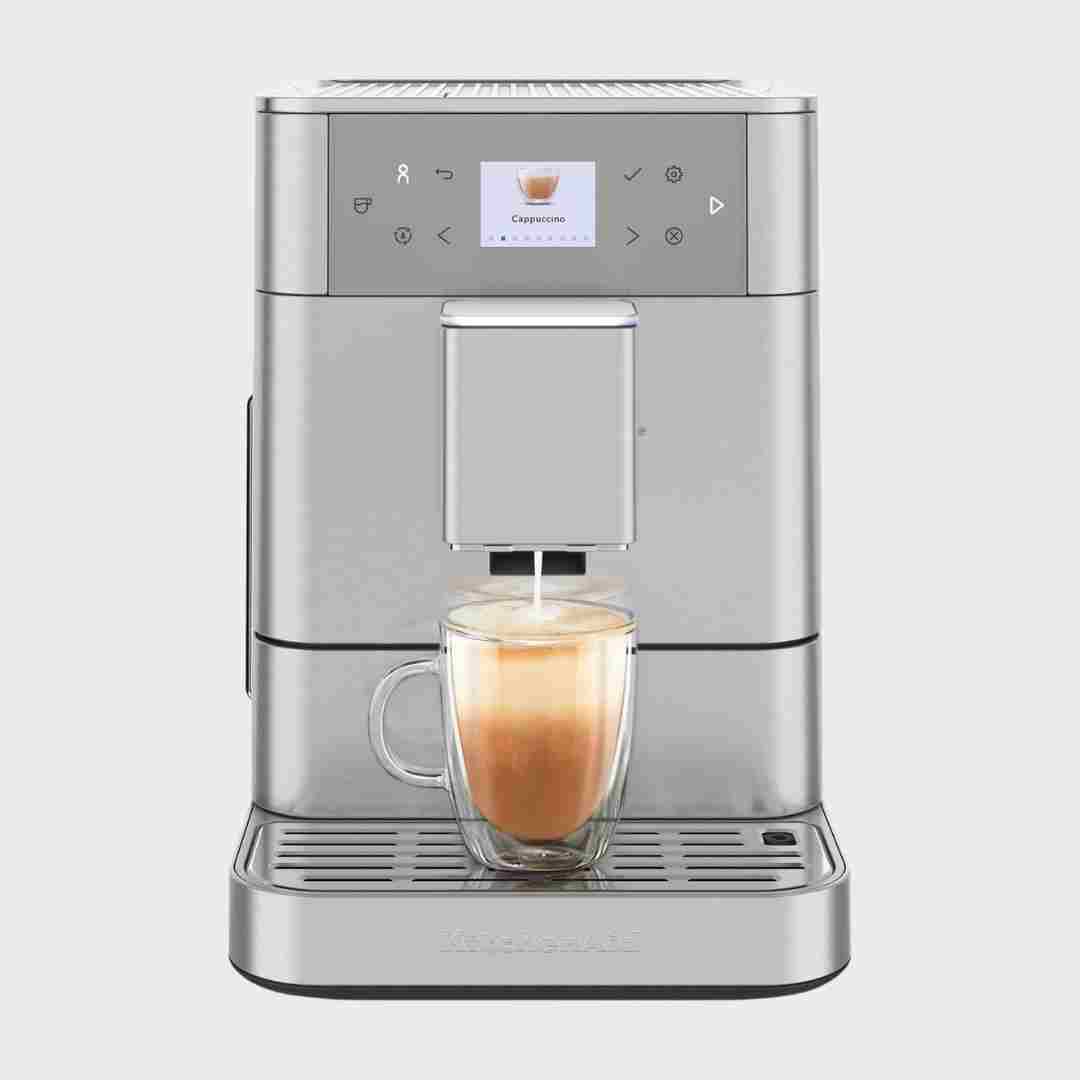
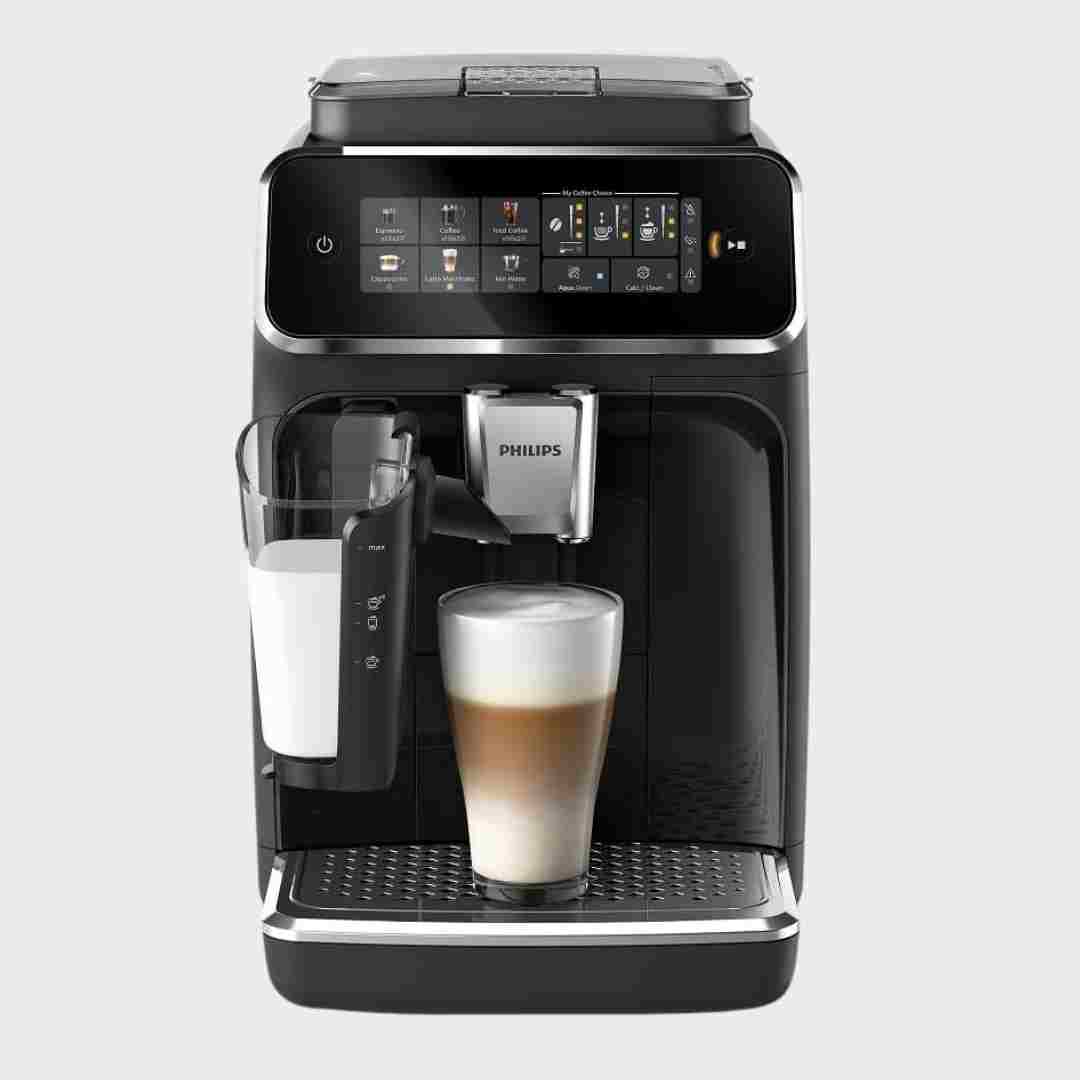
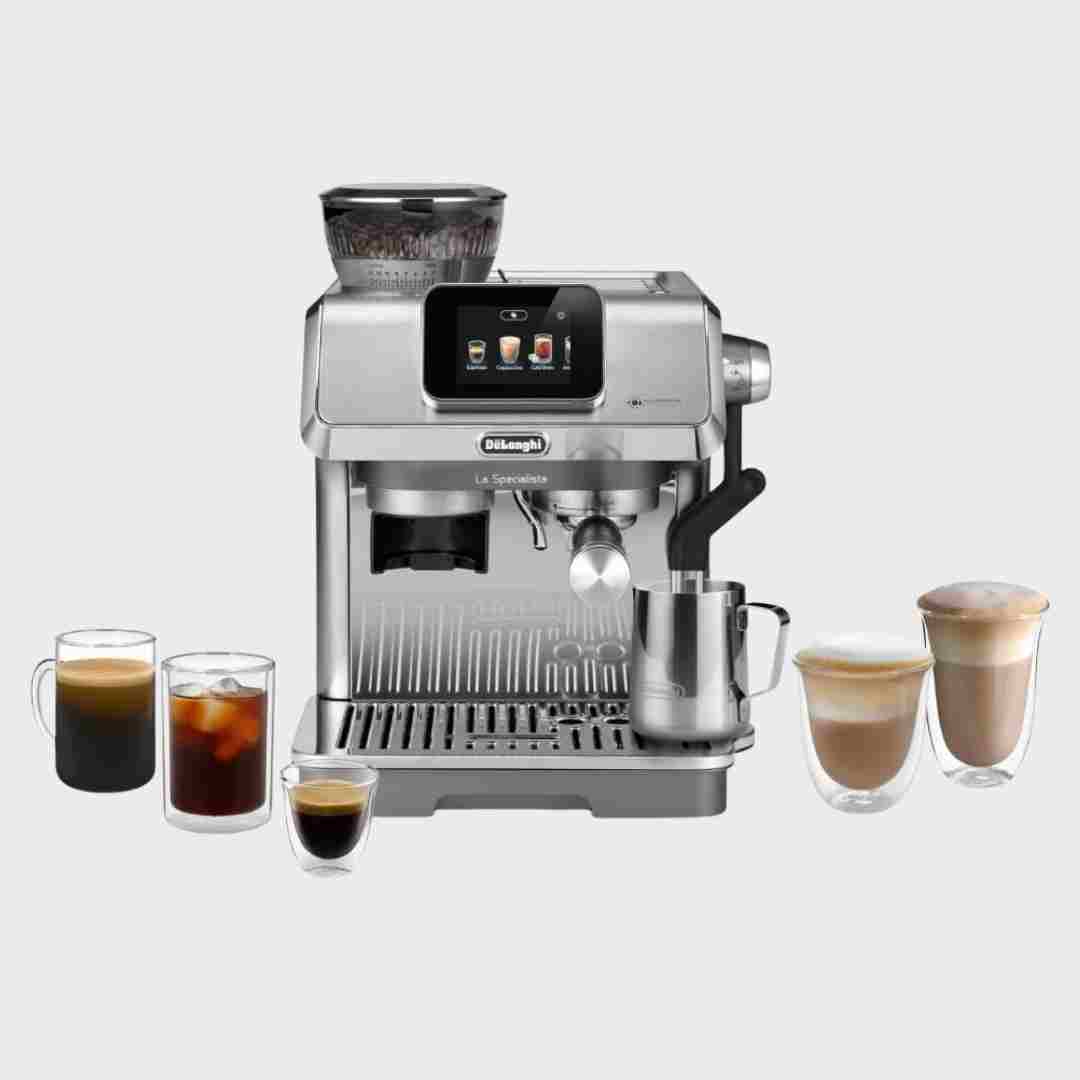
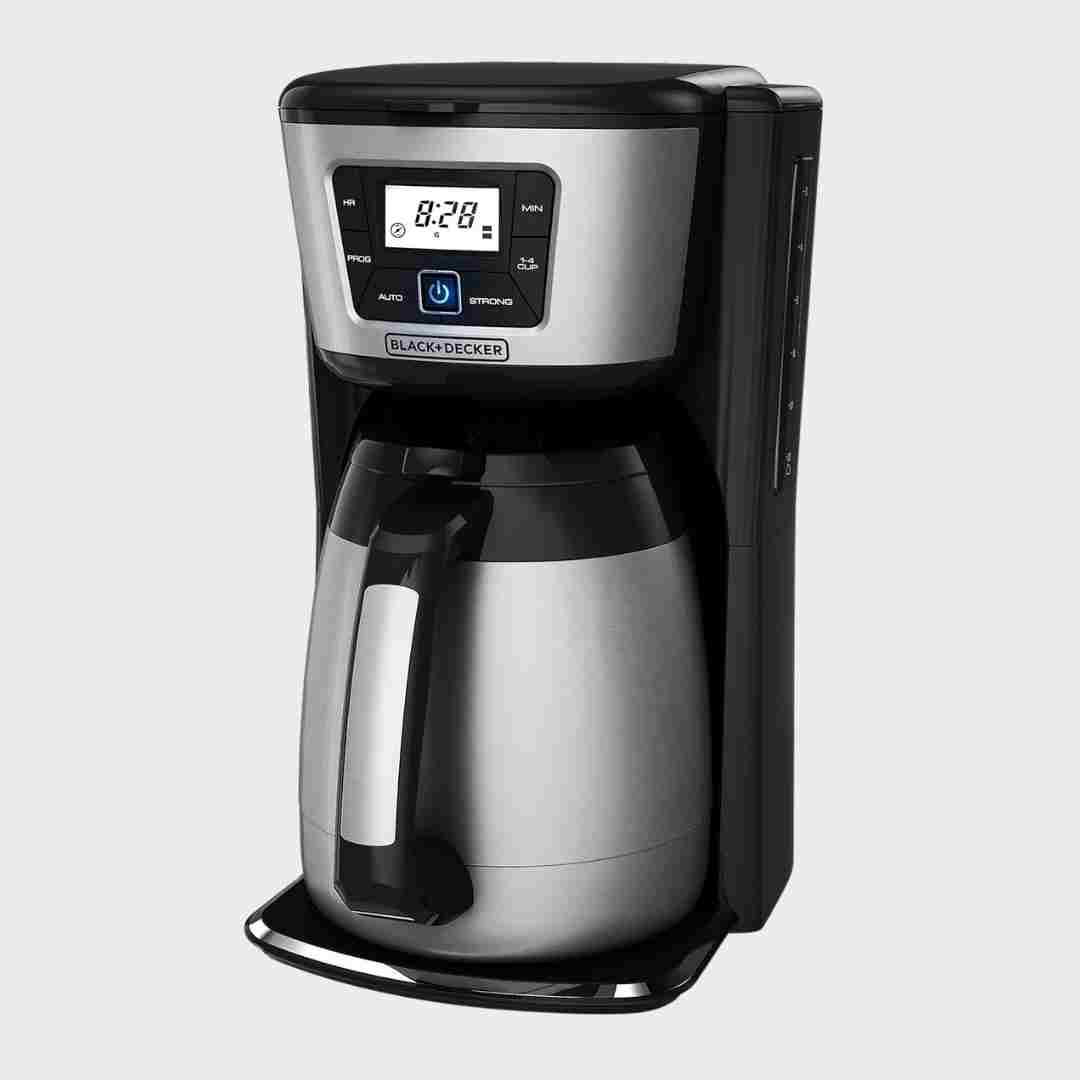
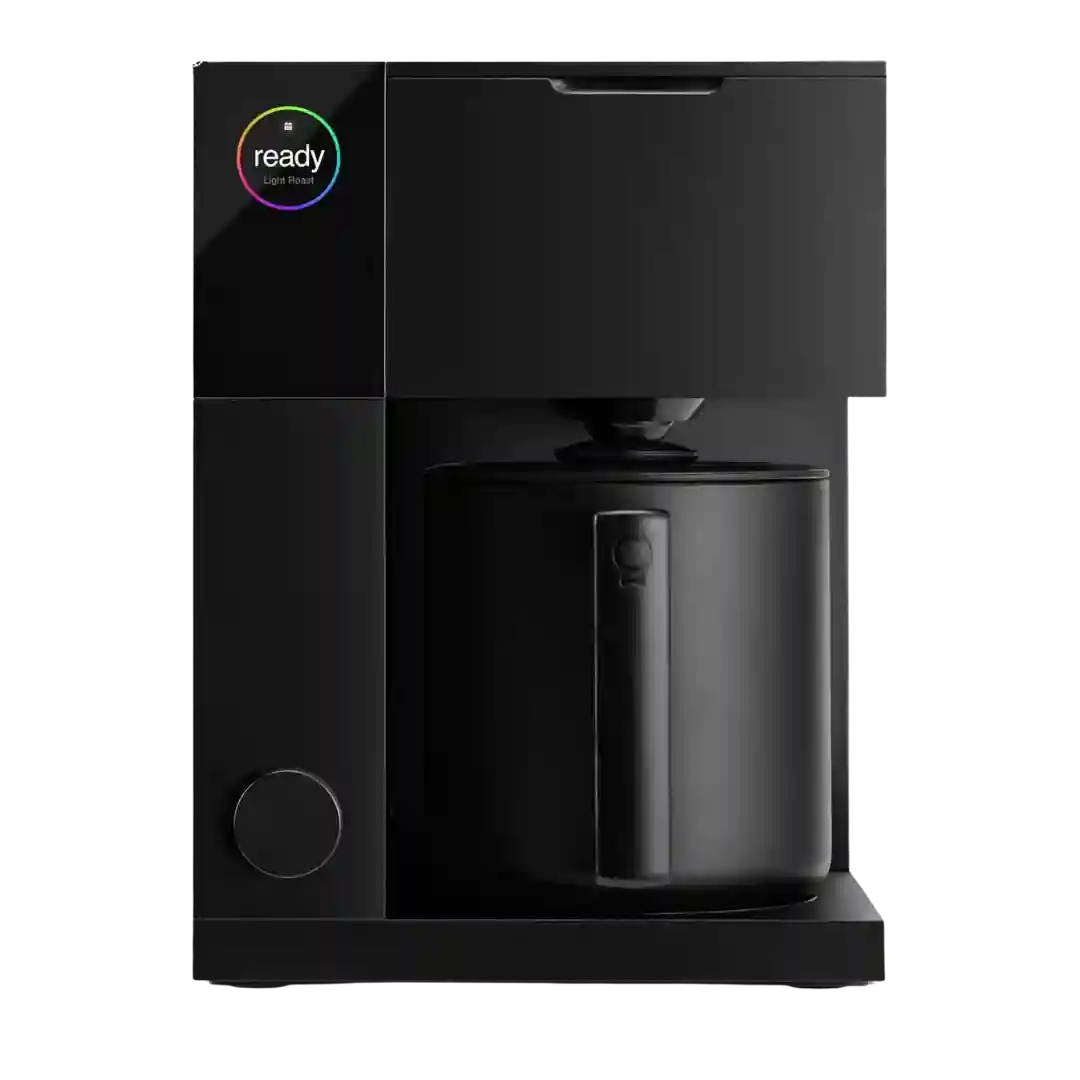
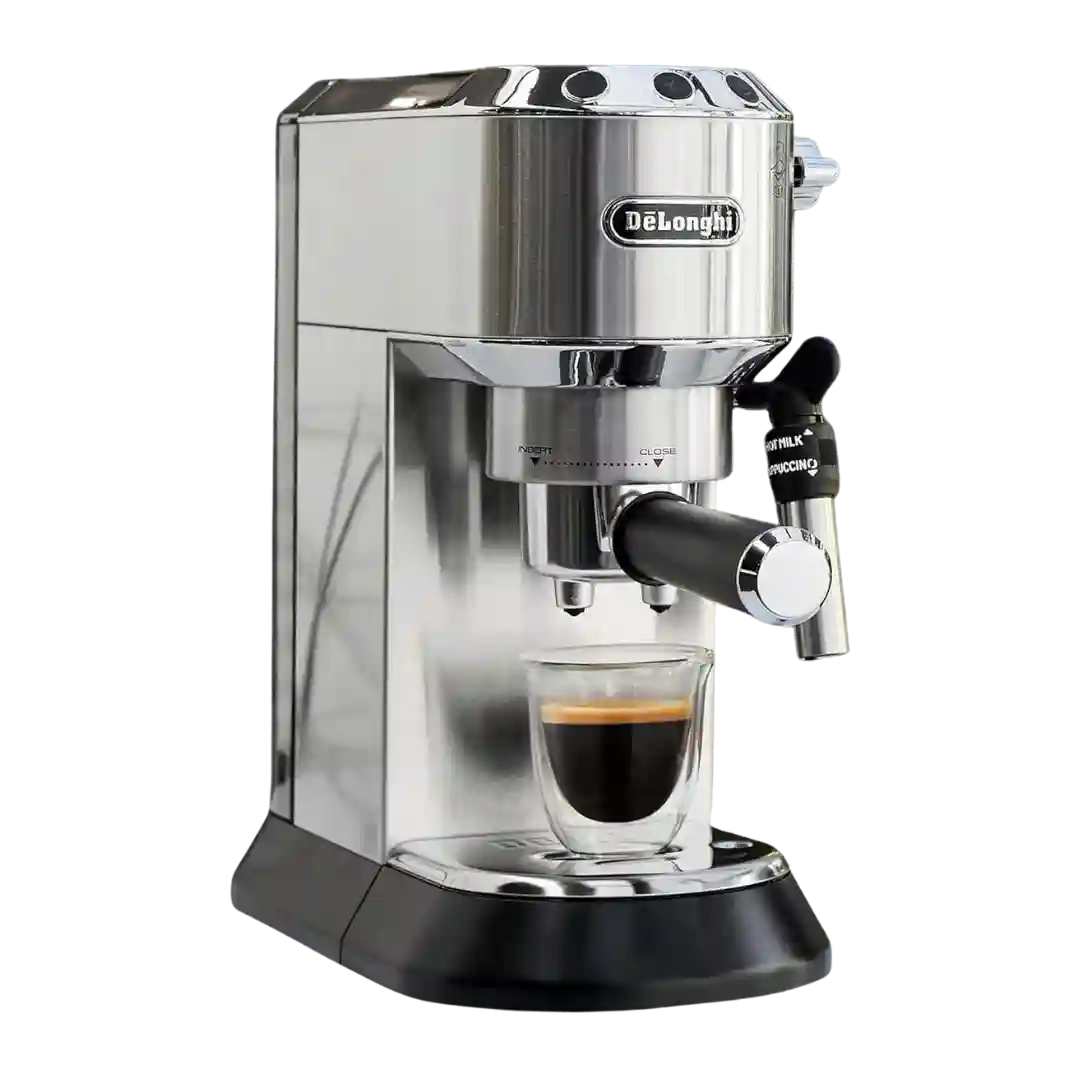
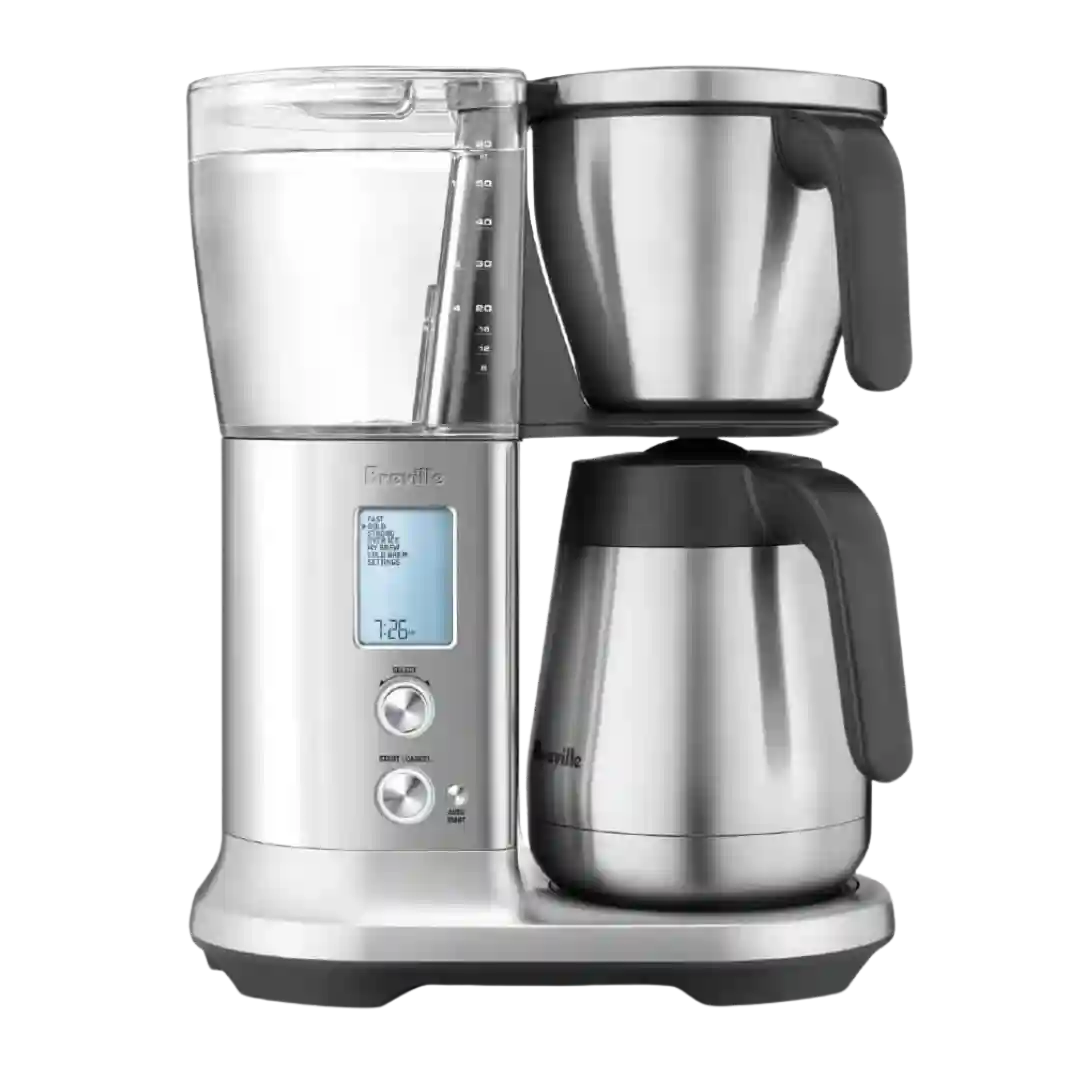
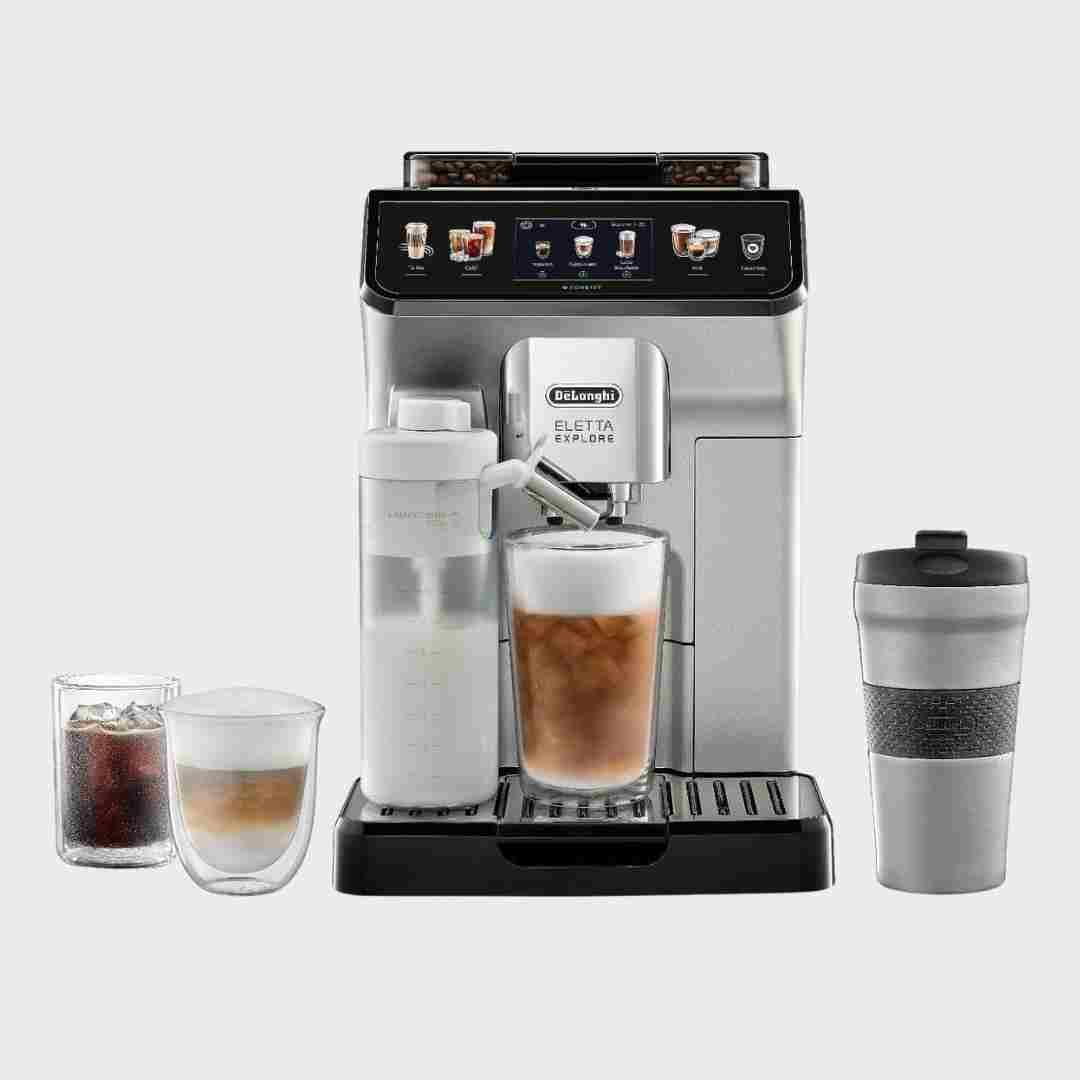
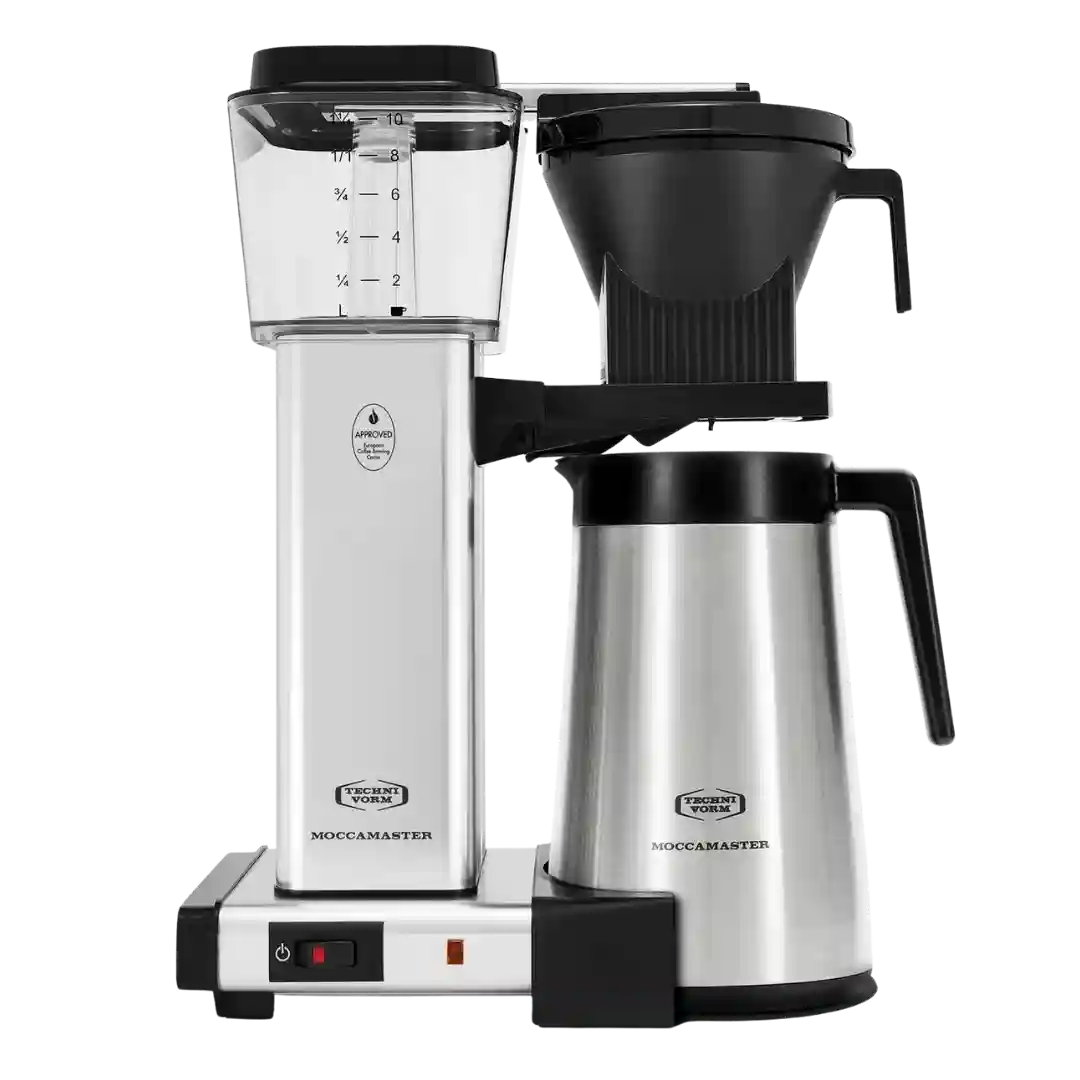
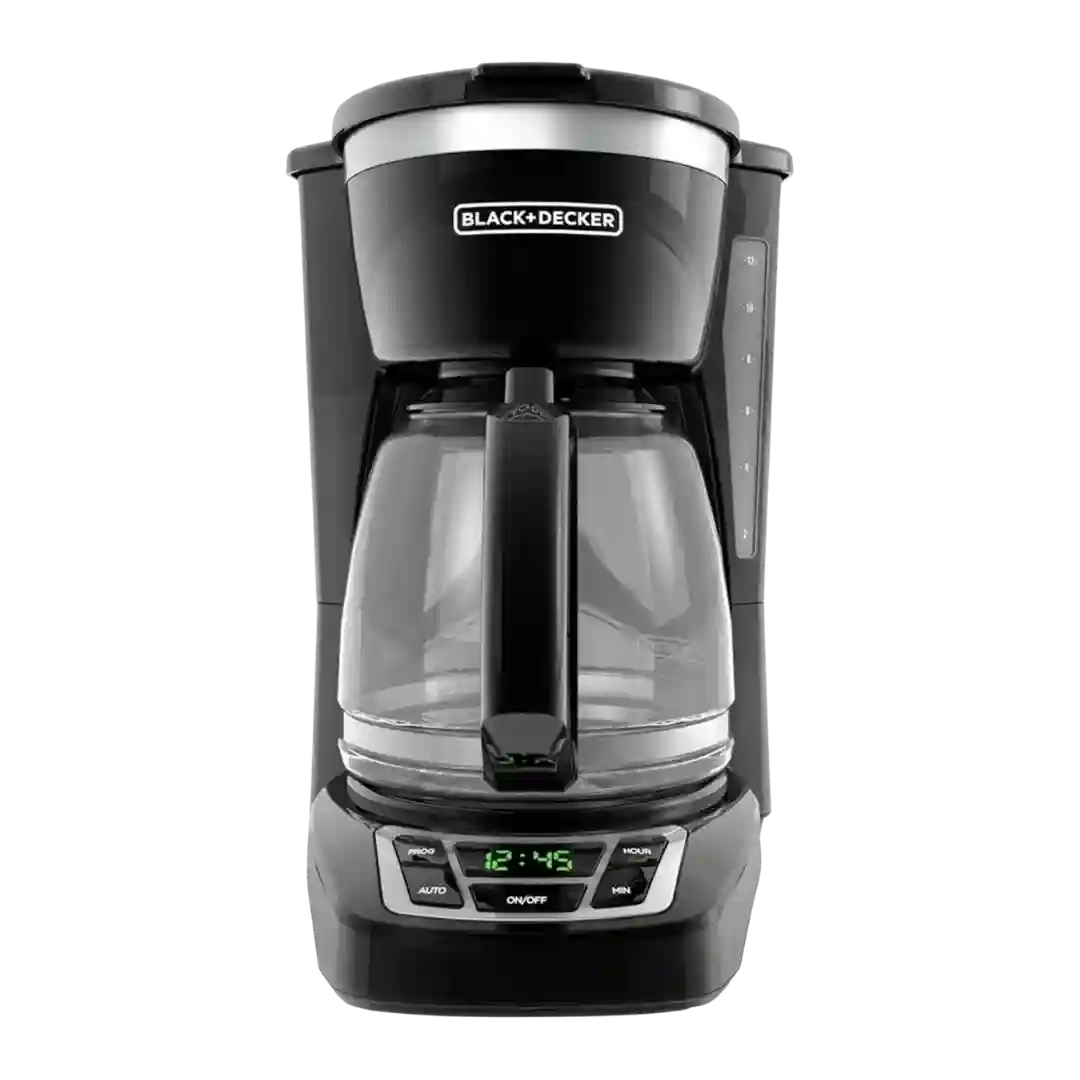
Common gripes cluster around small annoyances such as drip-tray frequency, noise, and milk-drink temperature or foam texture, rather than outright functional failures.
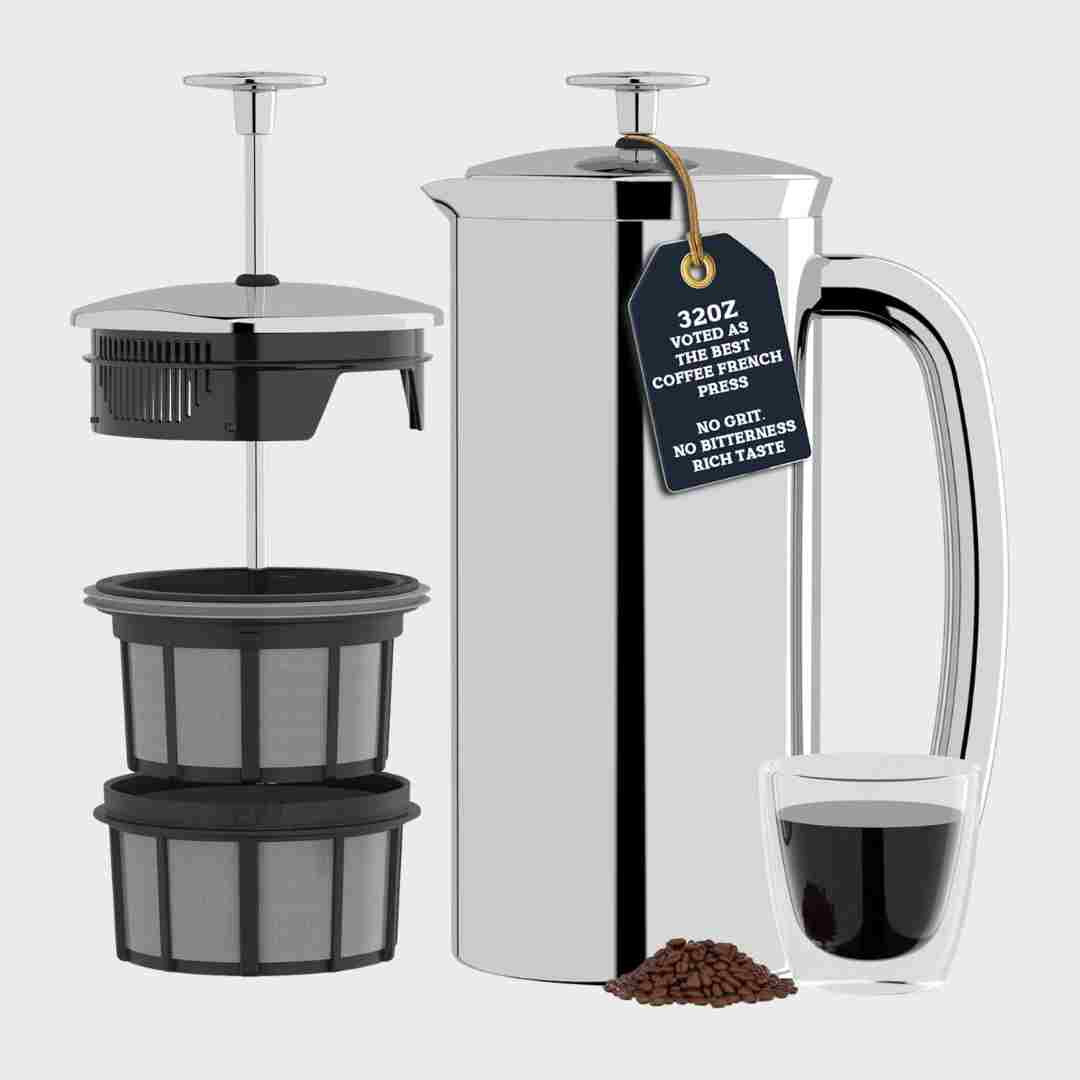
Common knocks include premium pricing, occasional fines/chaff getting through, and the multi-part filter cleanup feeling tedious to some. Mixed notes also appear about exterior heat and plunge force, plus at least one report of latching/assembly issues if overfilled with grounds.
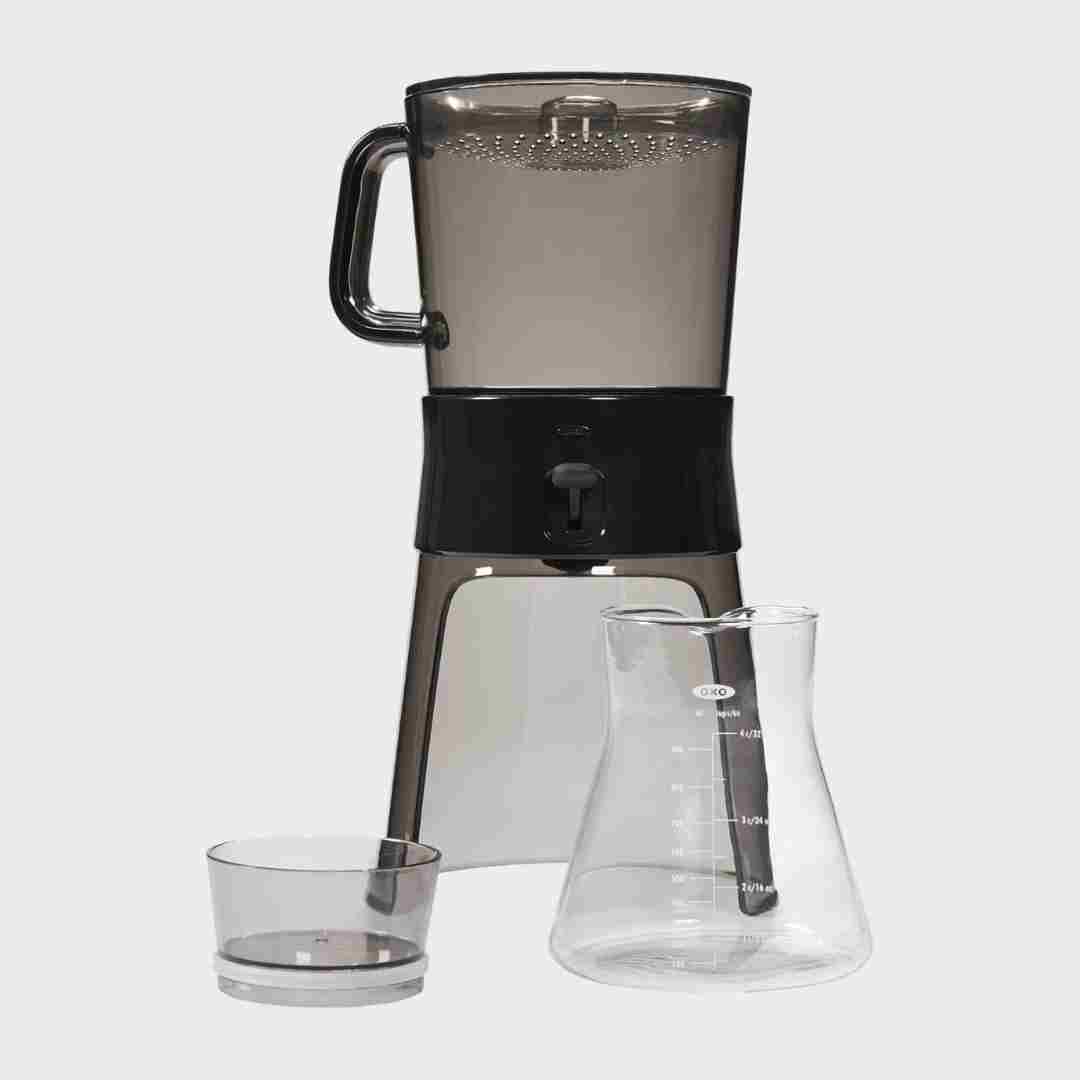
Common critiques include the large footprint, the need to buy paper filters if you insist on ultra-clear brew, occasional annoyance with instructions or technique guidance, and small usability nits like water pooling on the rainmaker or minor dripping.
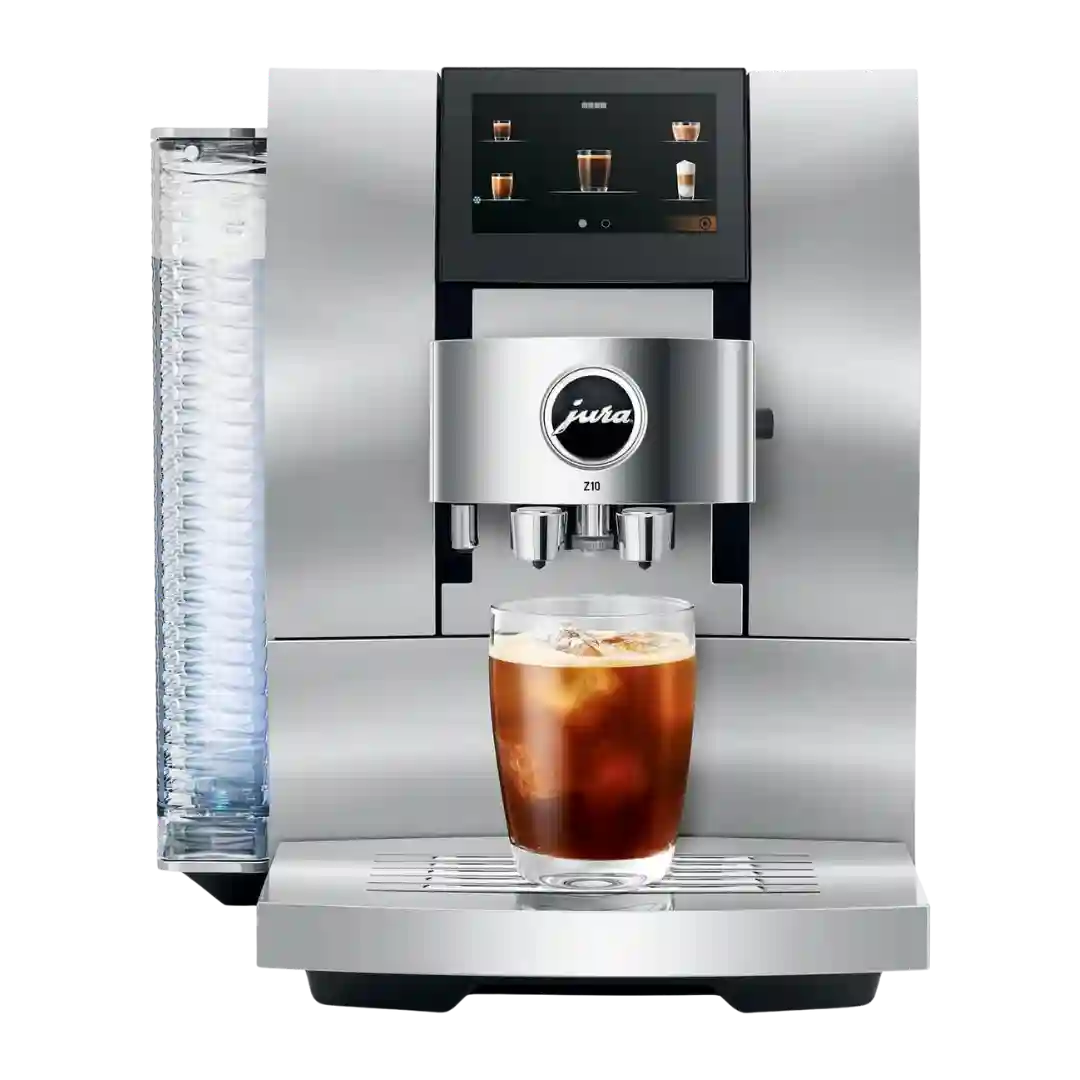
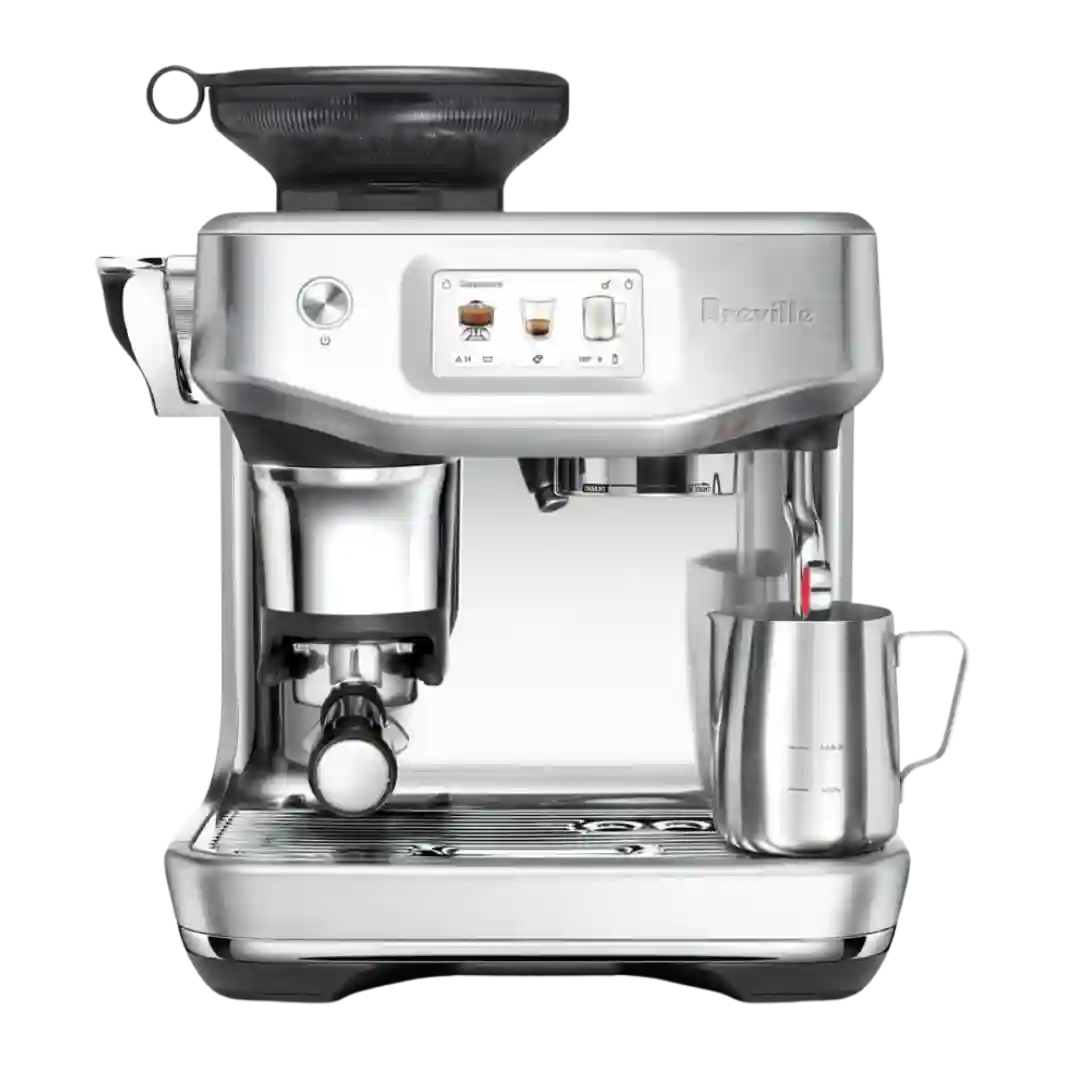
The most common complaints are not about drink quality but about ownership friction: high maintenance prompts, missing or extra-cost milk accessories, occasional app reconnecting, and polarizing touchscreen behavior (3949, 4052, 4055, 4057). Most reviewers still rate the overall package highly despite these annoyances.
Commonly cited flaws include grinder mess/static, occasional splatter or splash, frequent drip-tray emptying, and the lack of brew-and-steam-at-once operation. These issues rarely stop reviewers from enjoying the machine, but they come up often enough to be worth planning around.
Recurring negatives include a weak pot mode, limited profiles, Bluetooth app lag/bugs, and occasional milk-carafe mess or start-up noise; none are dealbreakers for espresso-first buyers, but they show up repeatedly.
Recurring pain points include the high price, occasional dissatisfaction with cappuccino-style foam density, and limits on default or maximum drink volumes. Several reviewers also flag housekeeping annoyances like frequent drip-tray emptying and, for some, non-optional cleaning routines.
Recurring pain points: larger or taller footprint, no end-of-brew beep, programming not instantly intuitive, and carafe-lid or mixing-tube drips. A few reports mention dribbling that may resolve with cleaning the stop valve area.
Common complaints include inconsistent or slower brew times, plastic taste on early use, and occasional drips or sediment depending on filter choice. A few mention usability annoyances like beeps or a hot plate that can collect burnt drips.
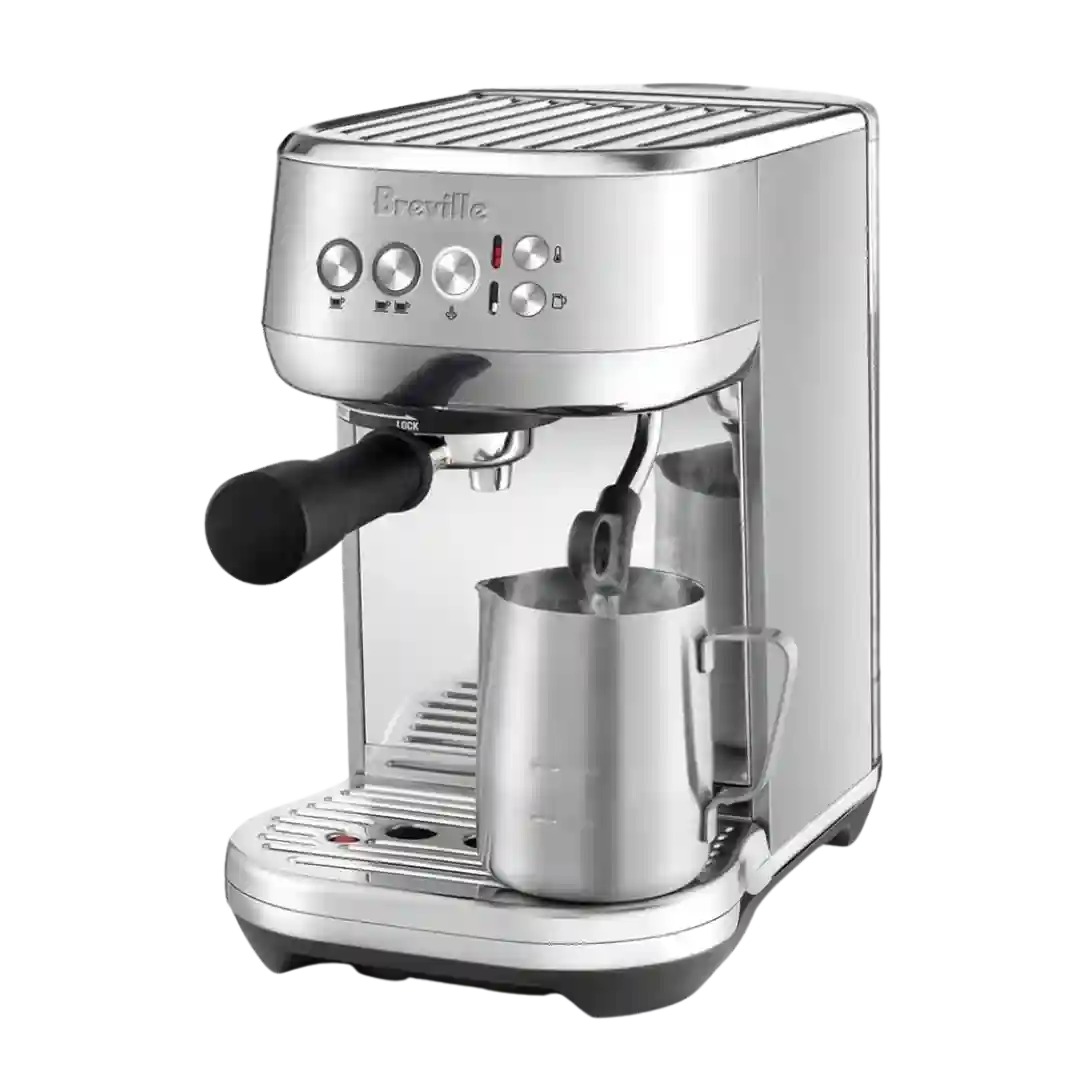
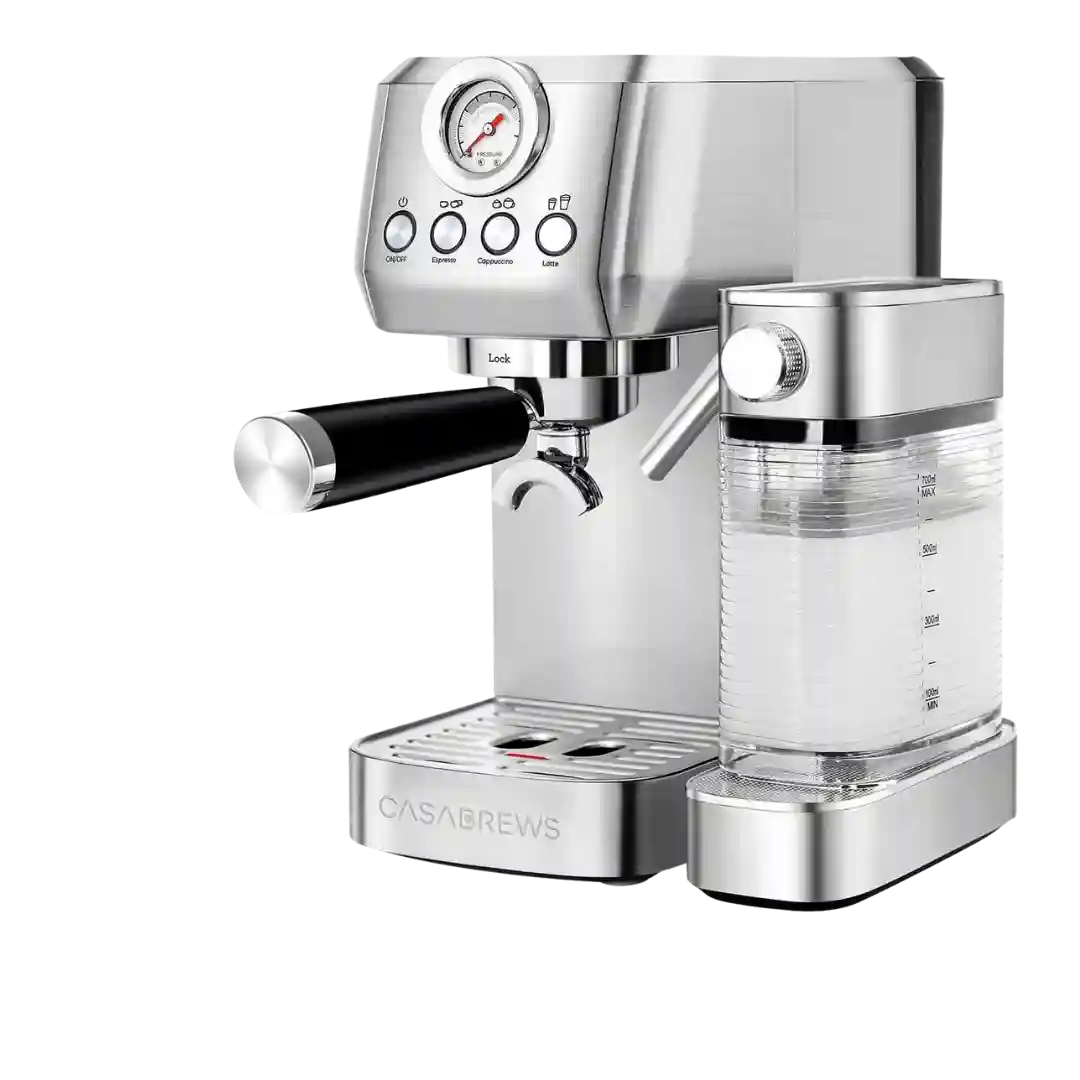
The most repeated design complaints are the missing 3-way solenoid (leading to wetter pucks and occasional mess), a small drip tray, and a lightweight chassis that can slide when locking in the portafilter. Some reviewers also mention small usability quirks like no dedicated power button or a short wand reach.
Most cited design drawbacks are the fixed (non-removable) reservoir, hand-wash-only parts, limited settings, and the inherent downsides of a hotplate if coffee sits too long. A repeated performance-specific concern is uneven spray distribution creating localized extraction.
Common complaints include limited drink presets, no user profiles, no true milk-on-demand, and interface quirks (over-sensitive touch buttons or confusing adjustment steps). A minority also report occasional milk-system misbehavior (splatter or weak froth).
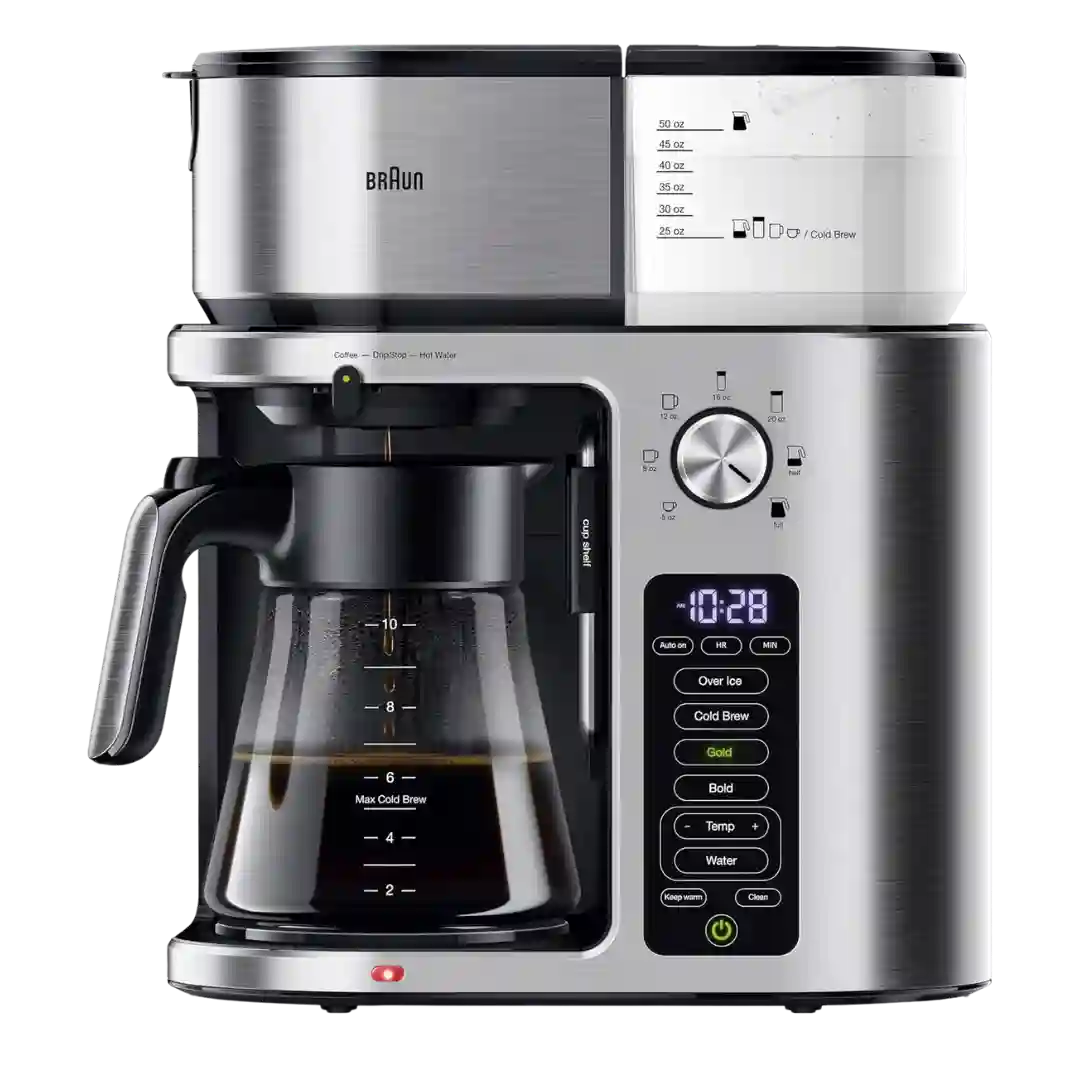
Common complaints include an initially confusing interface, awkward water-tank refills for some kitchens, and the limitations of a glass carafe on a hot plate. A few reviews also call the Bold mode a minor difference or gimmick, and one lab-style review reports uneven spray coverage.
Recurring design complaints include the rear, non-removable reservoir, the lack of programmability, and minor annoyances such as loud beeps or small-batch splatter in certain setups. A few sources mention edge-case batch-size switching can be tricky without minor dialing-in.
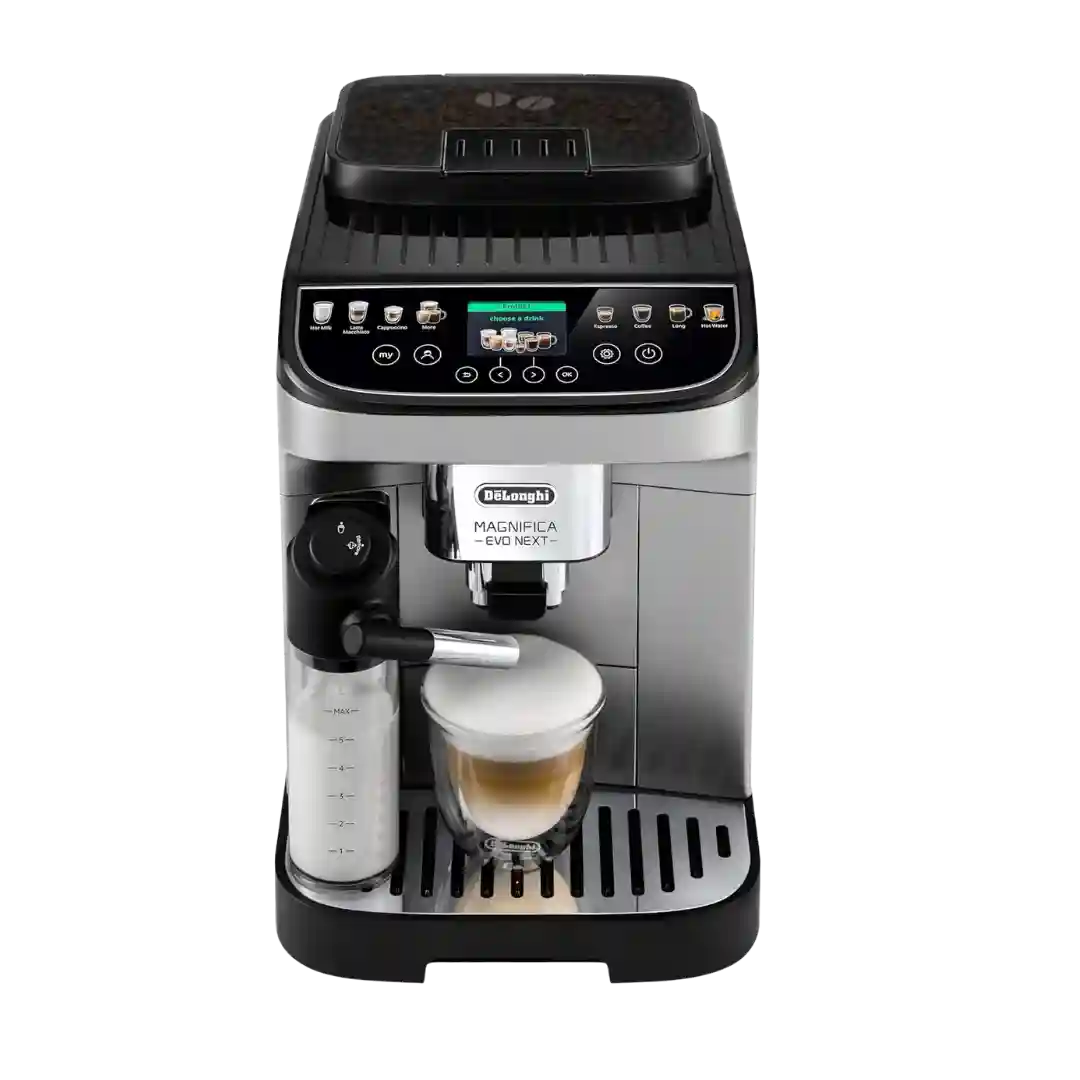
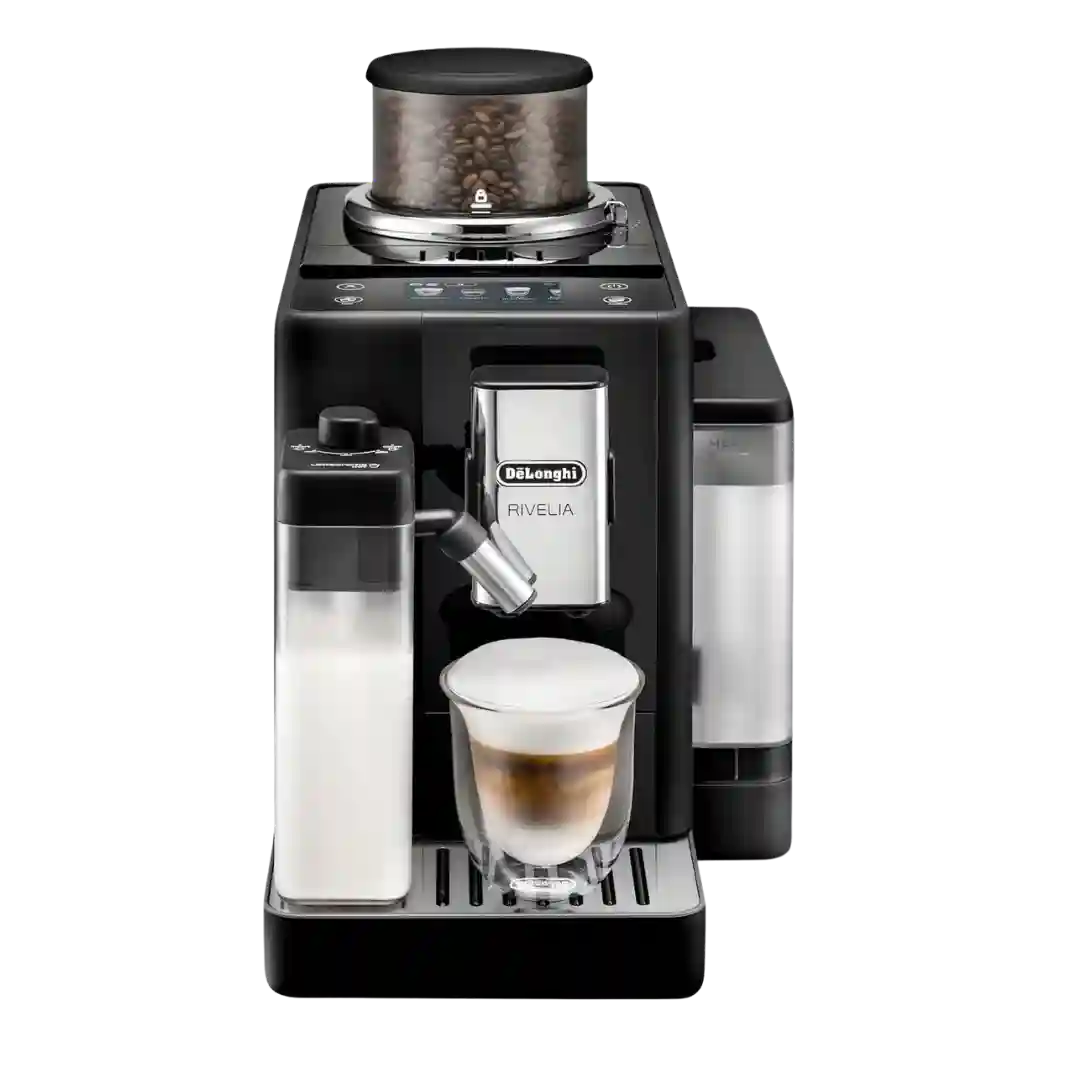
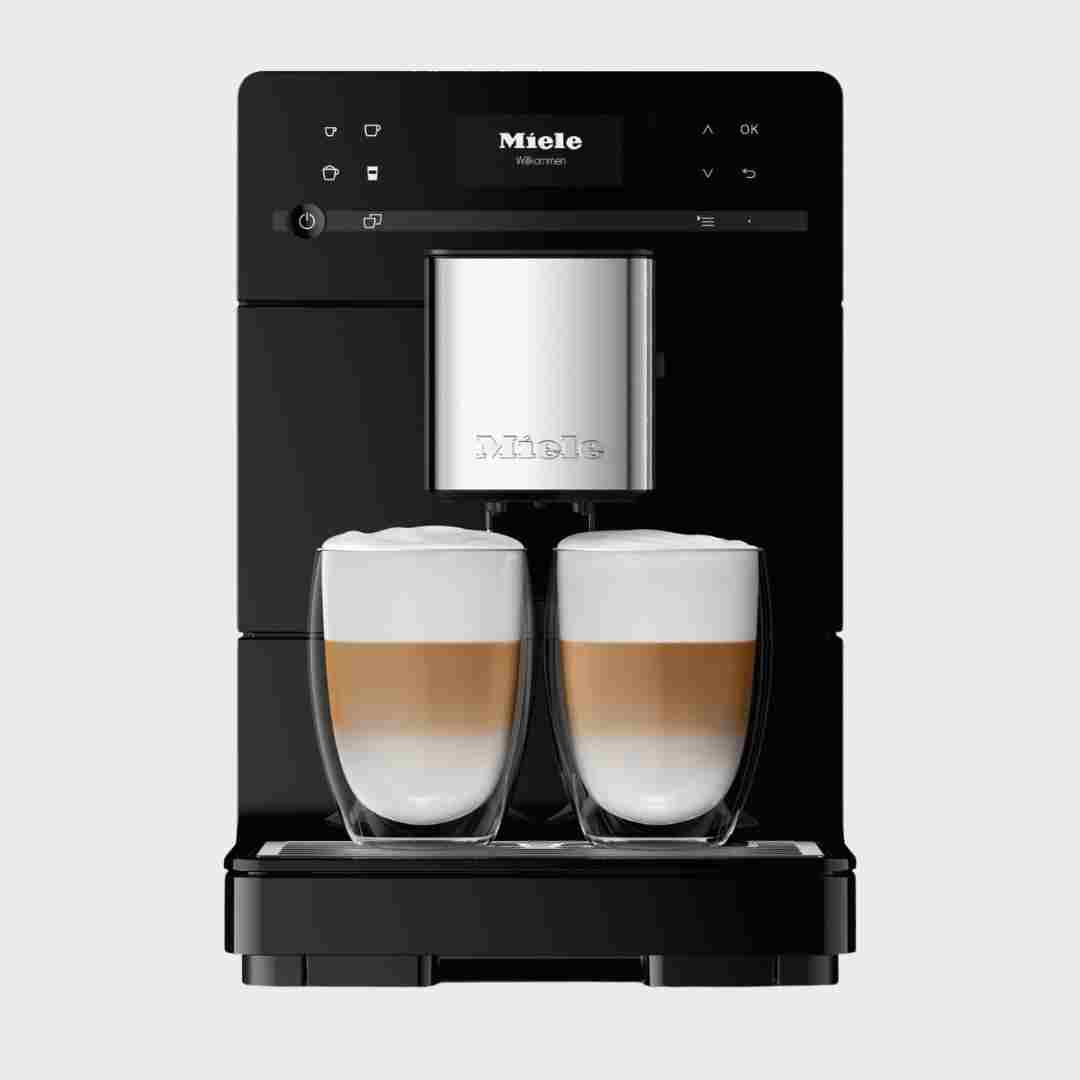
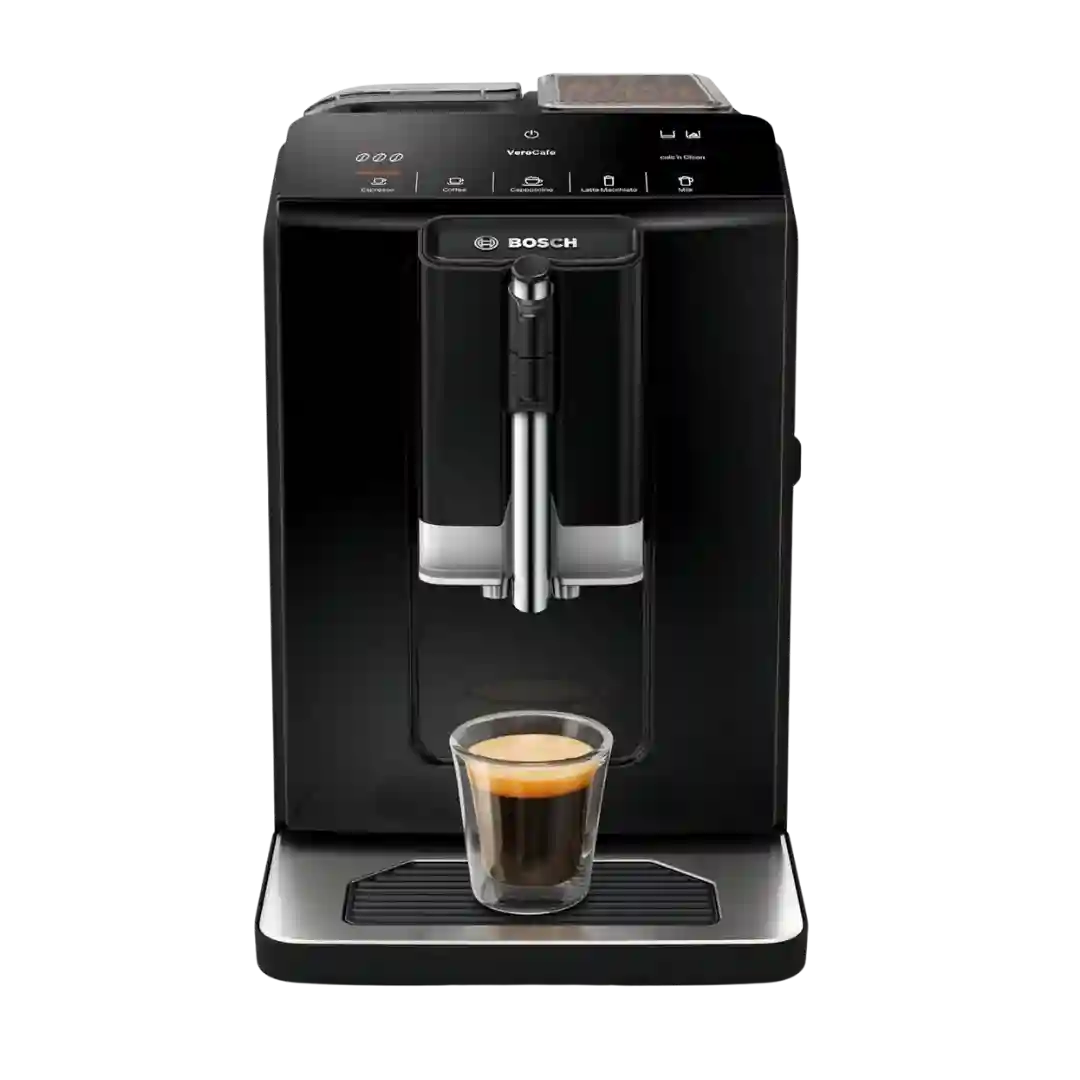
Recurring drawbacks include the non-touch display, limited drink menu versus some rivals, lighter cappuccino foam, missing milk container, and a few minor finishing compromises.
Recurring drawbacks include limited drink variety, lack of true user profiles, and occasional marketing confusion around touch or app claims, plus a break-in period before results peak.
Commonly cited drawbacks include loud grinder bursts, limited milk customization, and navigation quirks such as non-touch screens or over-sensitive capacitive buttons. A few reviews also mention counter-depth needs and occasional frustrations like drink-order logic or slower dispensing.
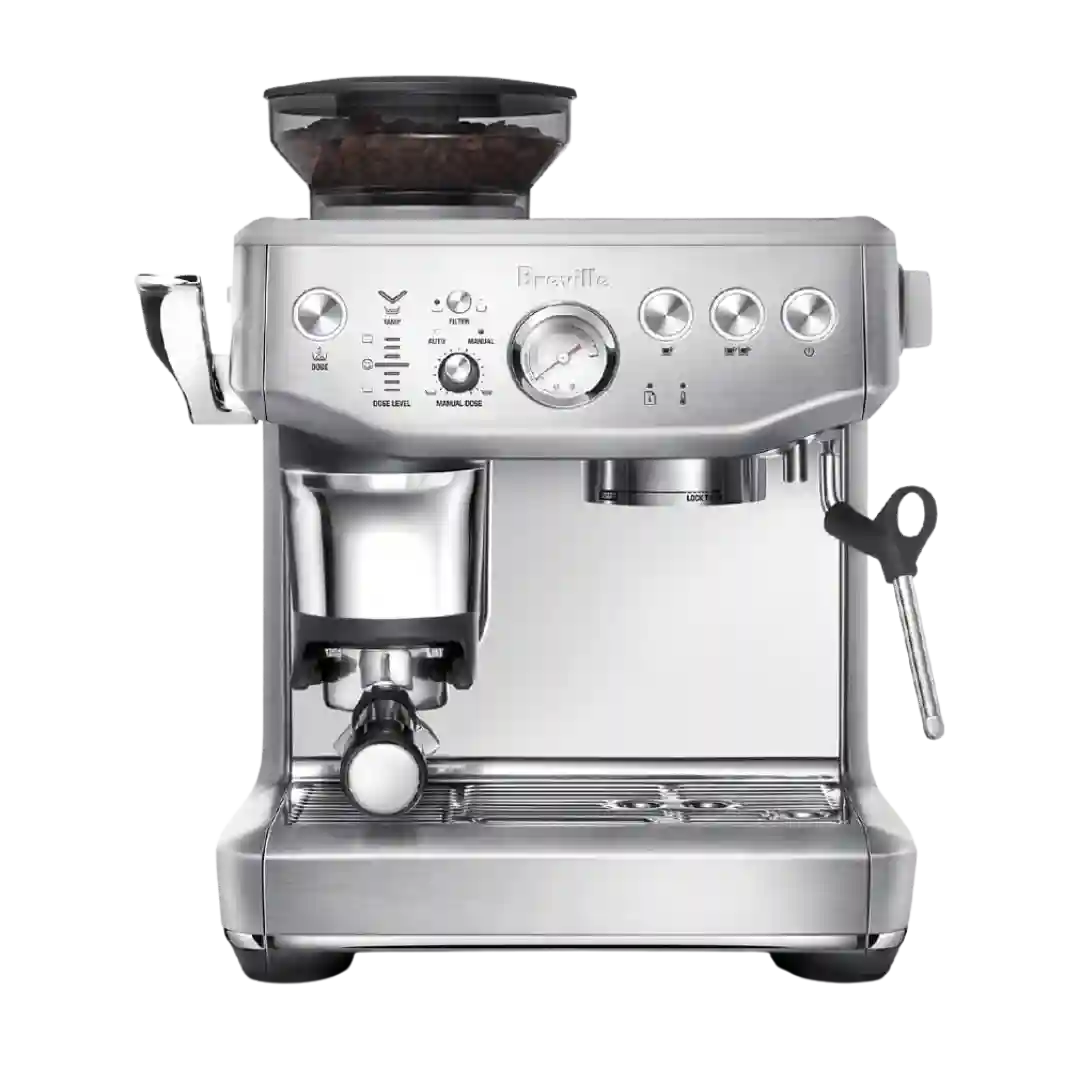
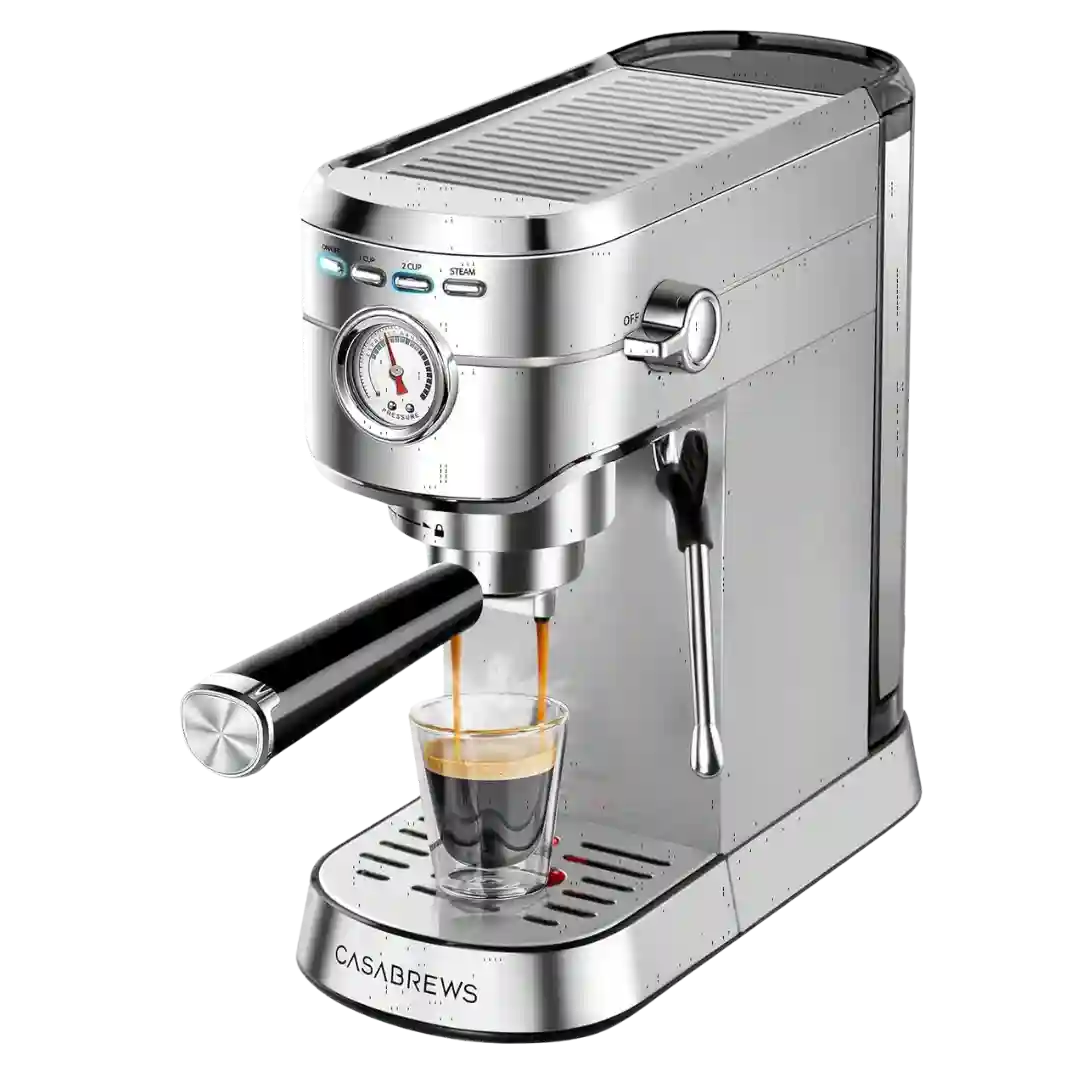
Common complaints include a very small drip tray, a lightweight feel, and a 54 mm ecosystem that may limit accessory choices compared with 58 mm setups. Some users mention minor workflow quirks such as foam preferences, tray mess, or control/power behavior.
Common complaints center on height and cabinet clearance, the potential fragility or longevity concerns of a touchscreen at this price, and occasional messiness from the pour spout or steam near the end of brewing.
Commonly cited quirks include needing to preheat the portafilter/group for best shots and some accessory-fit annoyances. The absence of Wi-Fi/OTA updates on earlier versions is also framed as a practical limitation when new features roll out.
Common annoyances include a small purge/waste when switching hoppers, occasional extra water purges into the tray, and design quirks like screen angle or fiddly milk parts. A few reviews also call out grinder noise and the not-quite-cold-brew style cool drinks.
Common knocks include the bulky footprint, the smaller 54 mm portafilter ecosystem, and workflow quirks like not being able to freely pull the portafilter mid-dose without making a mess. A few reviews also flag temperature/consistency quirks and a hot-water output that can be messy.
Recurring critiques include the lack of programmability, tall fit under cabinets, and cleaning annoyances (narrow carafe openings, hand-wash requirements). Some reviewers also mention smaller build quirks like flimsy bases, drip risks if the manual basket is left closed too long, or occasional messy pouring behavior.
Common pain points include limited cup clearance, some fiddly basket/portafilter behavior (including messy puck knock-out in one review), and workflow quirks like needing flush/cooldown steps after steaming. Early vibration or shaking is also mentioned, though it is described as settling down.
Common critiques include the external milk hose, a button-and-text interface that can feel dated, and small tank capacity. A few reviews also mention drip-tray mess/leaks (notably in some CM5300-focused coverage).
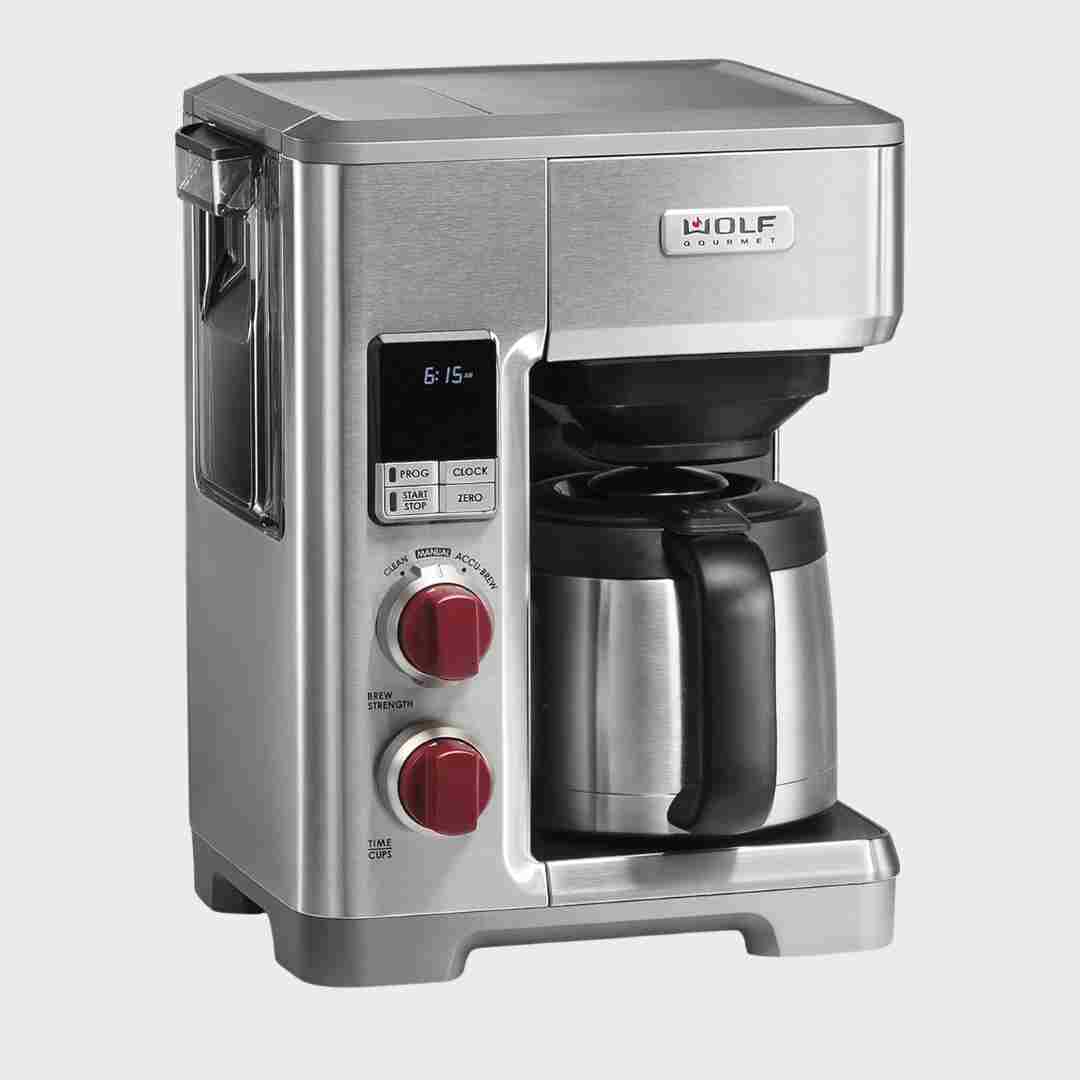
Recurring complaints center on the bulky footprint, the learning curve for AccuBrew, and carafe pouring behavior. Some reviews also mention small UX irritations like limited strength-step usefulness and audible beeps you cannot easily disable.
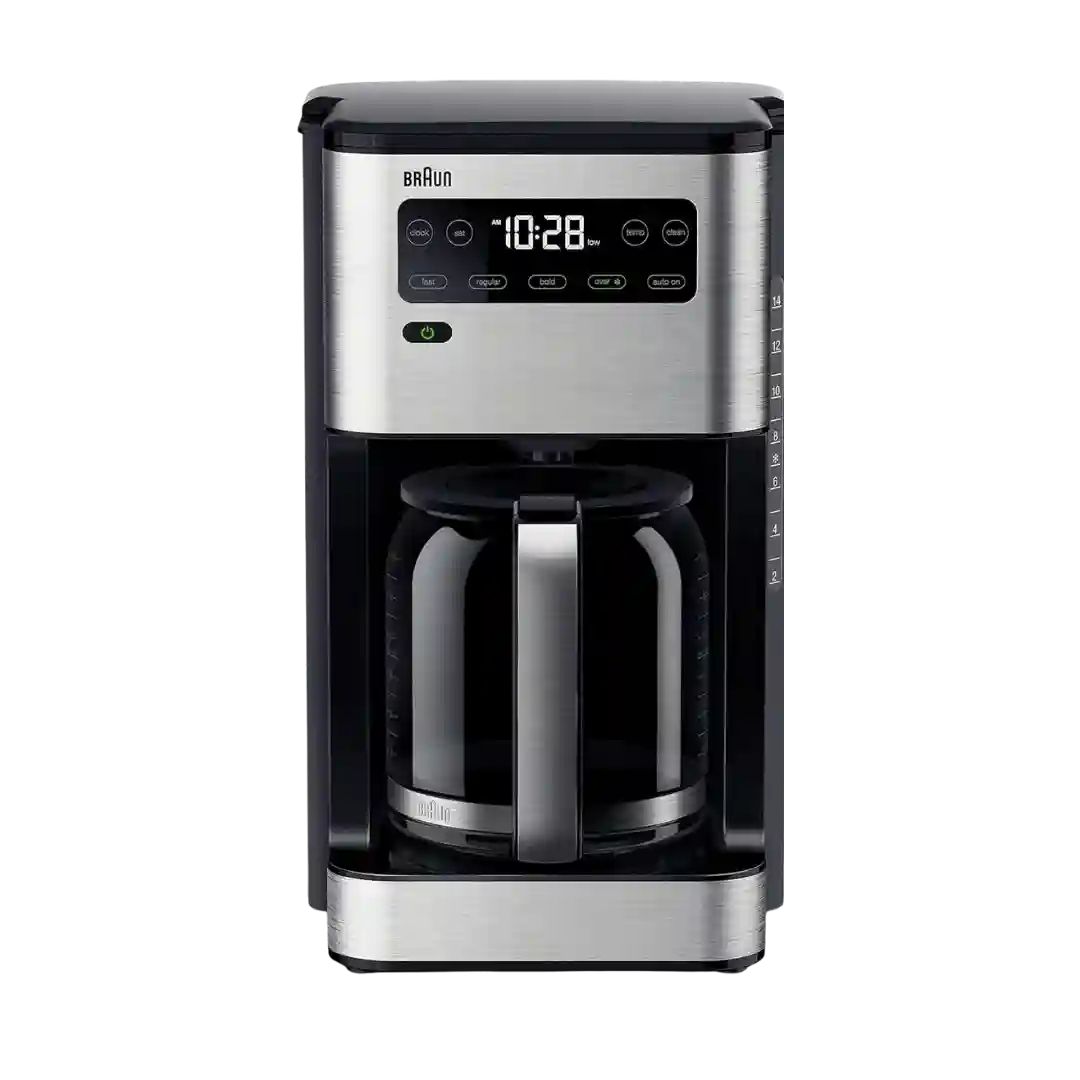
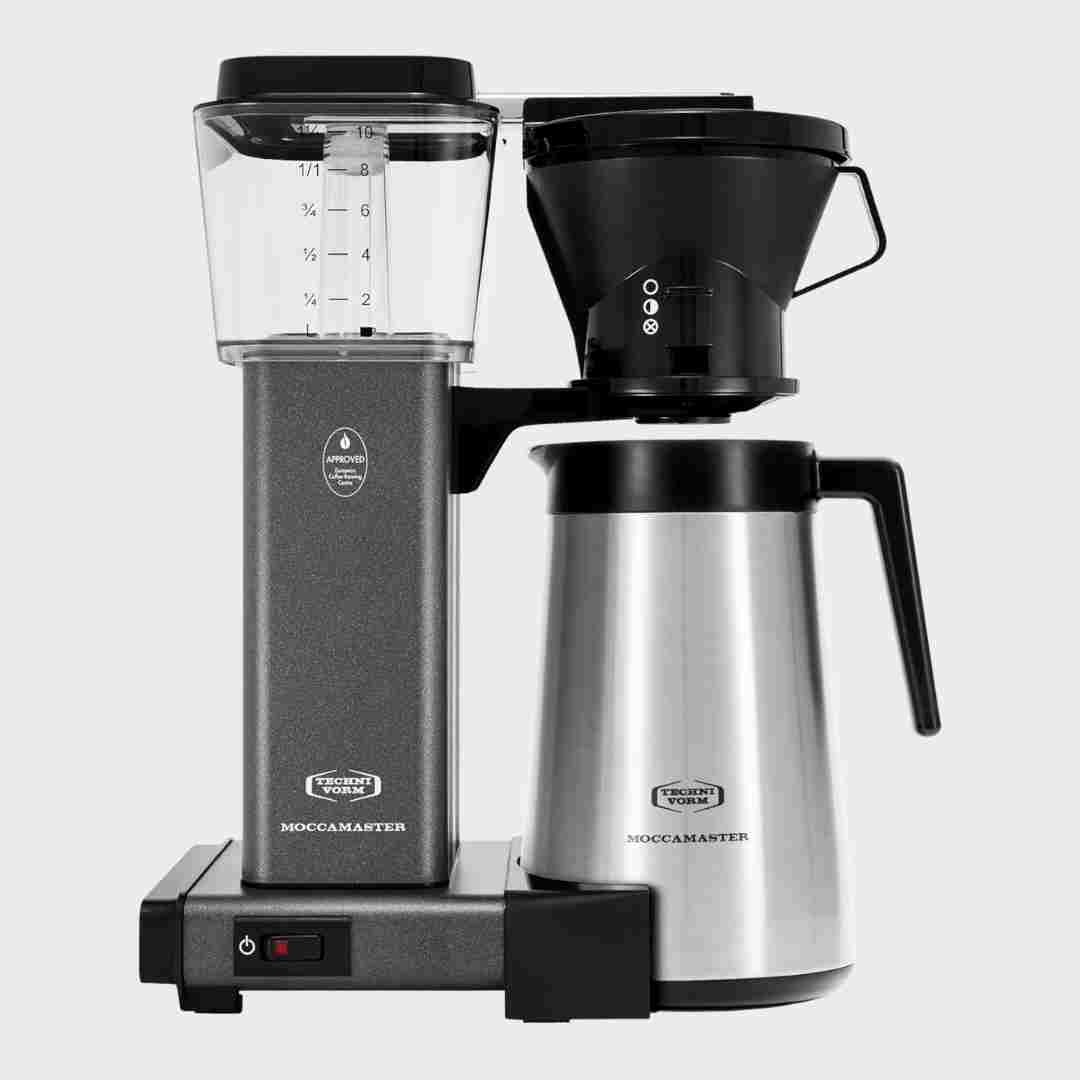
Common nitpicks include no pause-and-pour, no end-of-brew alert, and the need to manually switch off the warmer. A few users mention initial plastic odor, dense instructions, and the lid handling cautions as minor but real annoyances.
Recurring complaints include the small tank, limited mug clearance, the single-button multifunction controls being harder for advanced options, and noticeable brew noise; a few mention a stiff lock or occasional mis-pour if not fully closed.
The most repeated drawbacks are limited grinder access for cleaning, occasional touchscreen timeouts or resets, and constraints like limited profiles. A critical review also argues missing pressure-control hardware is a core design compromise for enthusiasts.
Common drawbacks across reviews include below-ideal brew-water temperature for stronger extraction, a press-to-pour carafe that can be awkward, a fixed reservoir, and notes that brew time can feel long for some users.
Commonly cited pain points include app connectivity or syncing issues, finicky scroll-wheel or dial behavior, and small-screen text entry. A few reviews also mention condensation management and carafe-related quirks for batch brewing.
Commonly cited drawbacks include pressurized-only limitations out of the box, 51mm sizing quirks, small drip tray, lack of a three-way solenoid (mess/pressure wait), and limitations with very light roasts. A few also mention clogging risk with extra-fine grinds and mixed internal material quality.
The most common flaws are the fixed water tank, large size, accessory gaps, some cleanup nuisance around the basket area, occasional noise, and a few interface or program quirks.
Recurring complaints include app instability, noise during grinding, and a few ergonomic quirks (water tank/drip tray details, capacitive buttons, or carafe parts). Cold recipes can also be temperature-sensitive, depending on drink and ice use.
Recurring complaints include awkward or clunky basket/carafe interactions, a base that can shift when moving the unit, fiddly covers, and a few parts that feel cheap for the premium price.
Recurring flaws include a mostly plastic feel, a hot plate that can stain or collect a calcified ring, and exterior nooks/crevices where grounds and splatter accumulate. Some users also note the filter basket is awkward to fill (does not sit flat), plus minor quirks like no brew-finished alert and occasional brew-head warping reports.
Commonly cited drawbacks include a bulky/tall footprint, awkward water filling, limited adjustable settings beyond intensity, and in some reviews a short keep-warm window or missing convenience features like brew pause.
Common pain points include the 30-minute hotplate limit, limited adjustability, non-removable reservoir, and occasional usability quirks (icon learning curve, lid behavior while pouring, display brightness).
Commonly cited downsides include the lack of WiFi/app-style updates in touchscreen models, the manual tamp step, and typical quirks like drip tray management or keeping sensors clean. Most reviews frame these as livable tradeoffs rather than fatal flaws.
The most common complaints center on grinder-chute mess (static, grounds getting everywhere), occasional clogging/jamming, and carafe pouring ergonomics. A few reviewers also flag potential long-term grinder reliability issues and the need for routine upkeep.
Reported design issues include slow brewing and, in some sources, leaks or overflowing baskets; one reviewer also dislikes the loud end-of-brew alarm. These concerns are not universal but show up repeatedly enough to flag.
Common design drawbacks include post-shot dribbling, wet pucks, and workflow quirks tied to the lack of a three-way solenoid valve. Some also dislike the basket-retention approach on the portafilter and note other small budget signals like tinny beeps or needing to manually exit steam mode.
The most repeated flaw is missing hot-water/Americano functionality on some regional models and inconsistent feature sets across regions. Reviewers also flag nuisance issues like loud alerts and drip-tray filling from automatic purging.
Recurring design complaints include heavy/awkward pouring (sometimes splashy), reservoir filling that can spill depending on the angle, and limited advanced brew controls like blooming or adjustable brew temperature. Some reviewers also note constraints around pausing mid-brew or brewing into a mug.
The clearest design issues are the narrow carafe opening that makes cleaning harder and the limited choice of only half-carafe or full-carafe multi-serve sizes.
A few recurring quirks show up, including reservoir handling complaints and the idea that some modes prioritize speed over flavor. Still, several reviews highlight reduced mess and an overall polished design, so flaws are present but not deal-breaking for most.
Recurring drawbacks include a limited drink menu, unclear or sparse grind adjustment, rear water-tank access, lack of a dedicated hot-water spout in some accounts, manual milk-wand care, and occasional frother-connection reliability complaints.
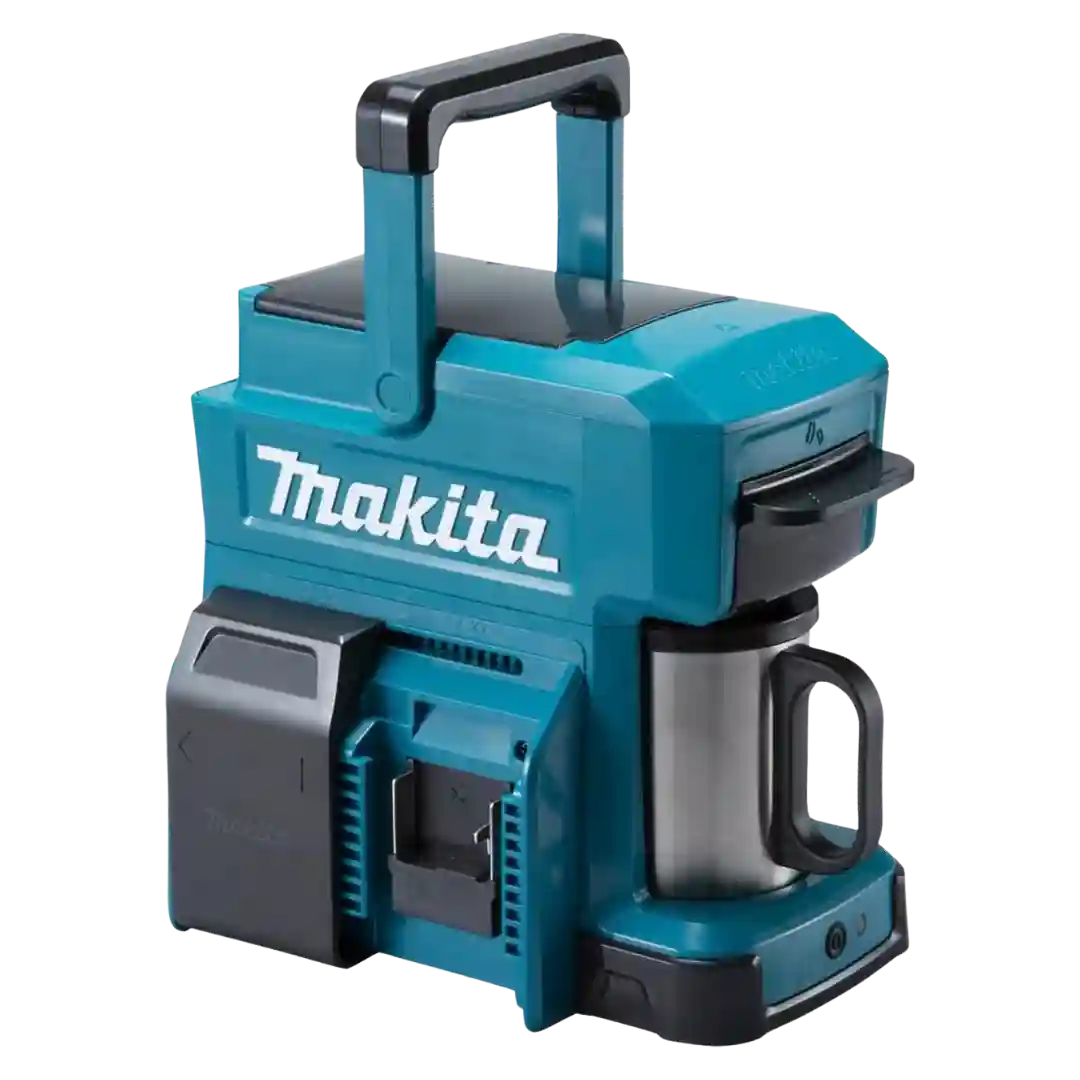
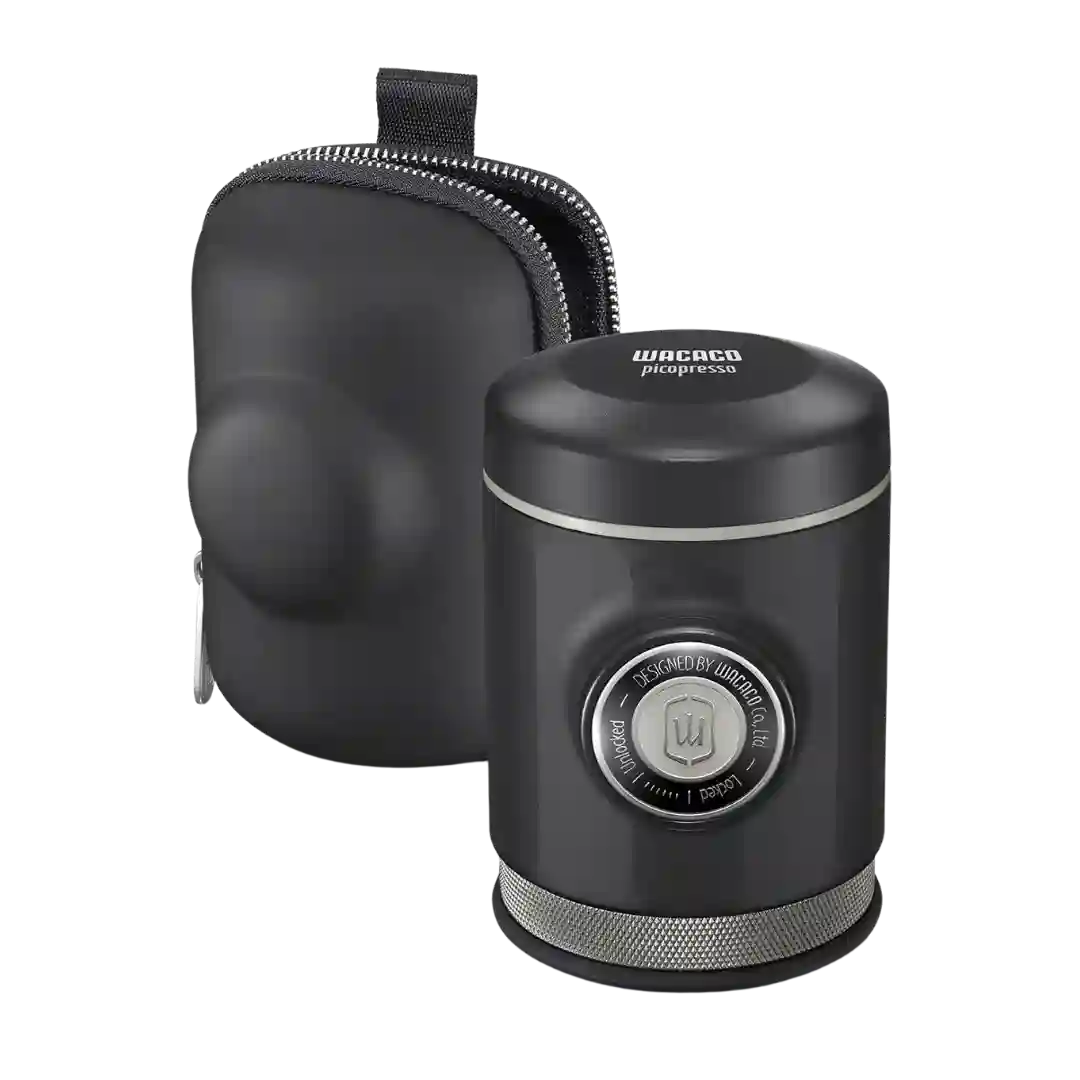
Common complaints include heavy battery draw for a small drink, battery heat, occasional dripping, potential clogging/leaks with fine grinds or overfilling, condensation/mold-risk areas that require cleaning, and a frequent wish for AC power support.
Common complaints center on heat and fiddliness rather than structural failure. Reviewers mention a hot exterior after preheating, a top lid that can be finicky, many small parts to manage, and a workflow that can get messy if anything is misaligned.
Recurring complaints include vibration, post-shot dripping due to no 3-way solenoid, and occasional leaks or cosmetic wear. Lack of temperature adjustability and pressurized-only baskets are also cited as limitations for dialing-in.