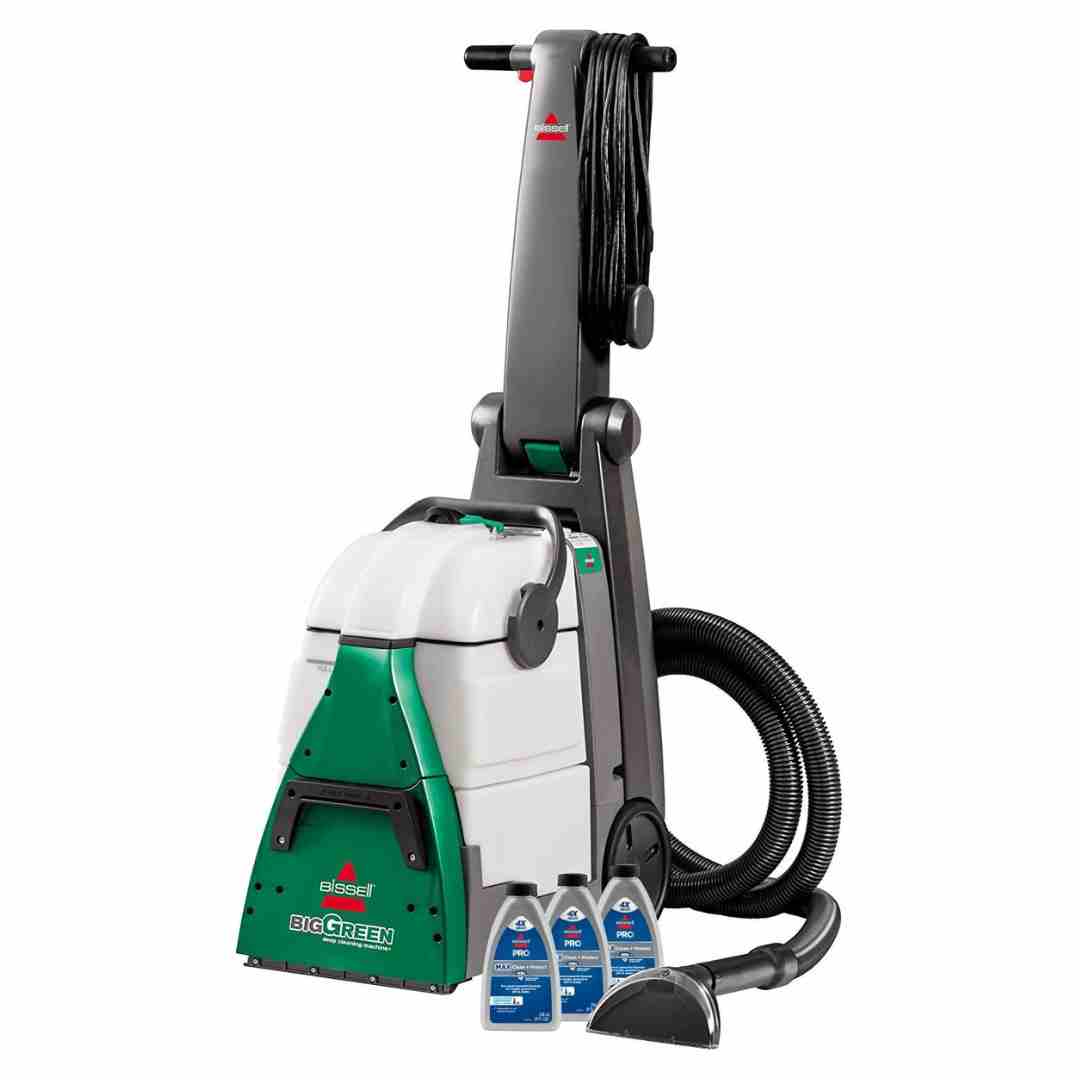
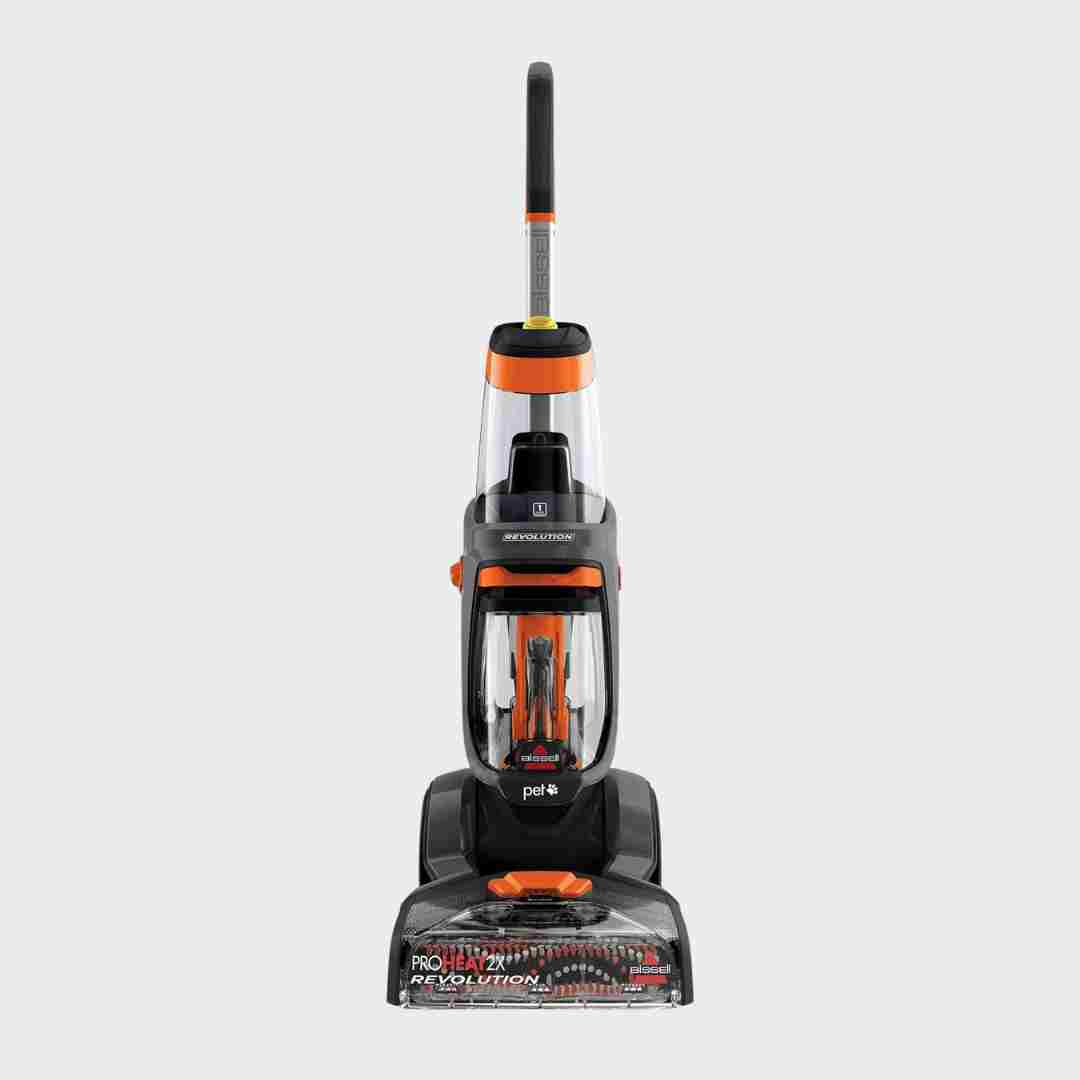
Several testing sources say it leaves carpet drier than competing upright cleaners, attributed to strong extraction and relatively low water usage; one user also notes warm exhaust airflow that may aid drying.
On hard floors, drying time after mopping is often described as quick, with floors left slightly damp but drying within minutes under typical conditions.
Floor drying time is often described as fast, helped by controlled water use and hot-air pad drying. Some users report floors drying in minutes in open spaces, though this depends on flow settings and room conditions.
Floors are often described as drying quickly because the machine suctions up excess water, which is especially appreciated on laminate and sealed wood.
Testing references indicate it can achieve strong mopping results without leaving excessive residual water, supporting faster dry-down. At the same time, a few users report occasional dry mopping, suggesting water delivery can vary by settings and floor type.
Lower water left behind and hot-air drying are commonly noted, which can help floors dry faster and reduce lingering dampness. Some owners still mention long deep-clean cycles that may include recharge breaks, but drying performance is generally praised.
Drying time is generally praised, with multiple reviewers describing floors drying quickly (sometimes “instantly”) after mopping. This is credited to controlled water application and the roller system that pulls dirty water away rather than spreading it.
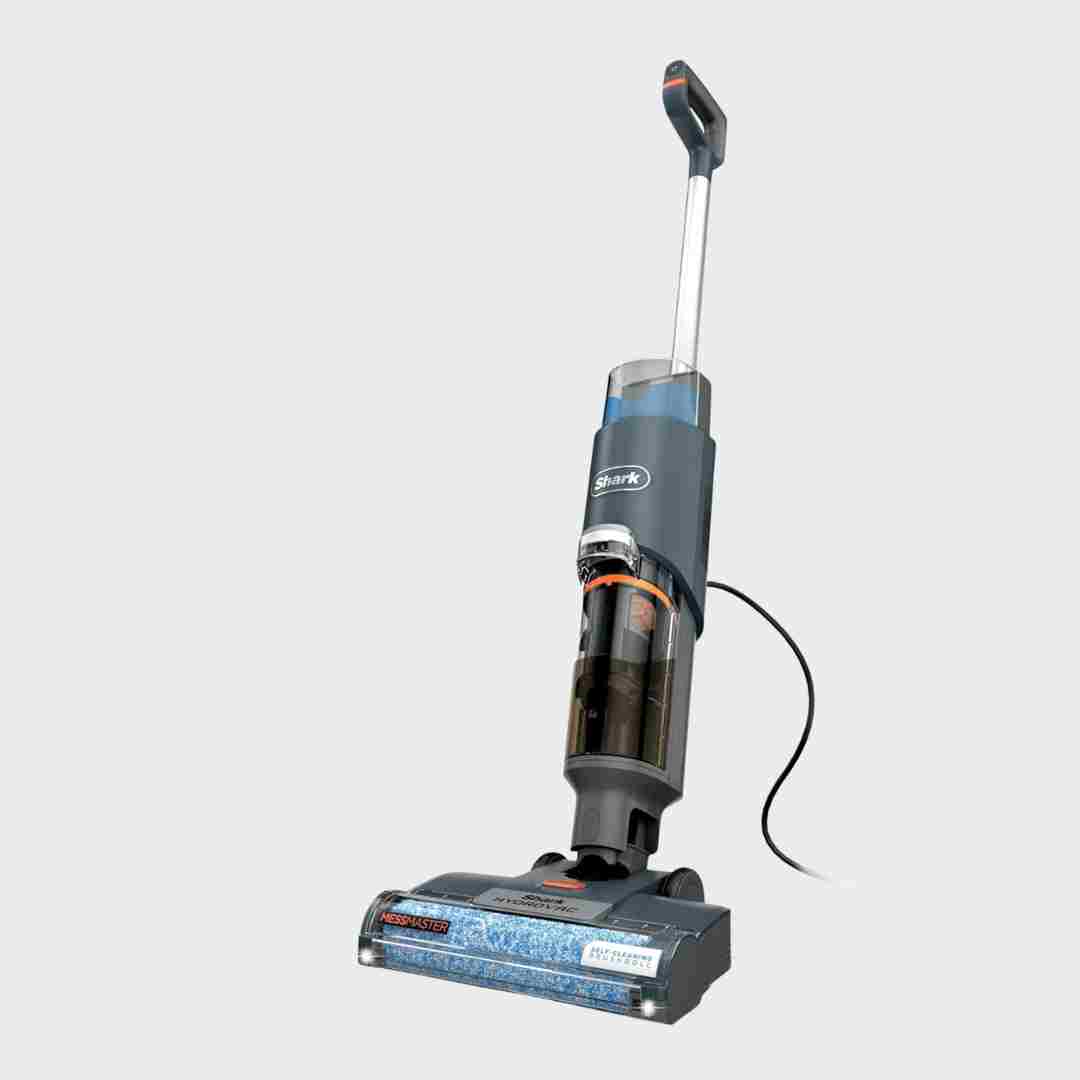
Hard floors typically dry within minutes. The HydroVac often leaves a visible moisture trail while cleaning, which helps you track coverage but doesn't usually linger.
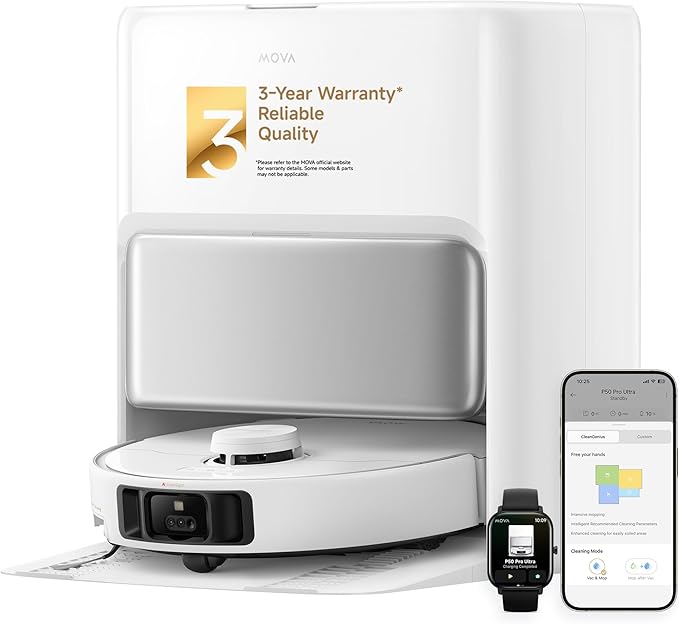
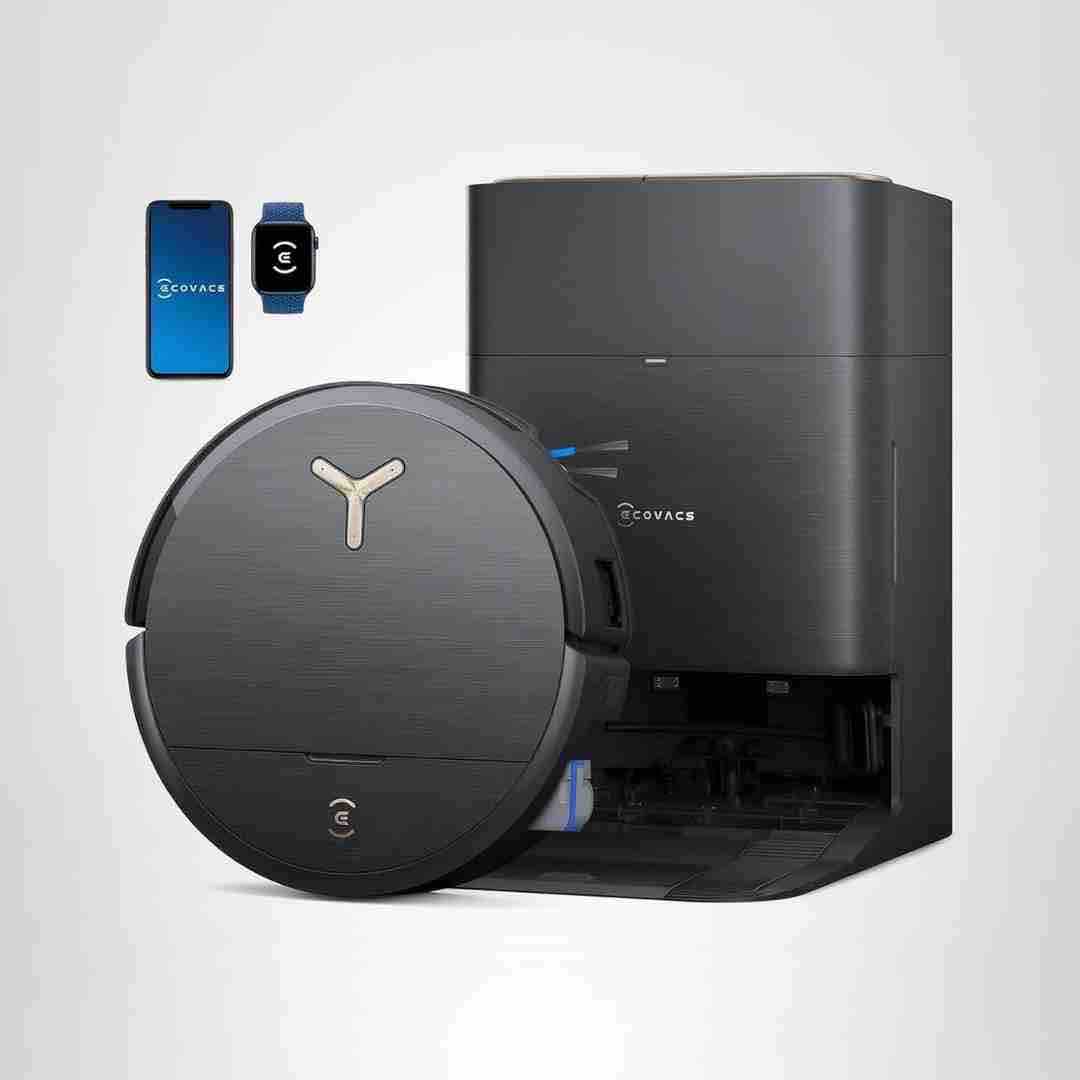
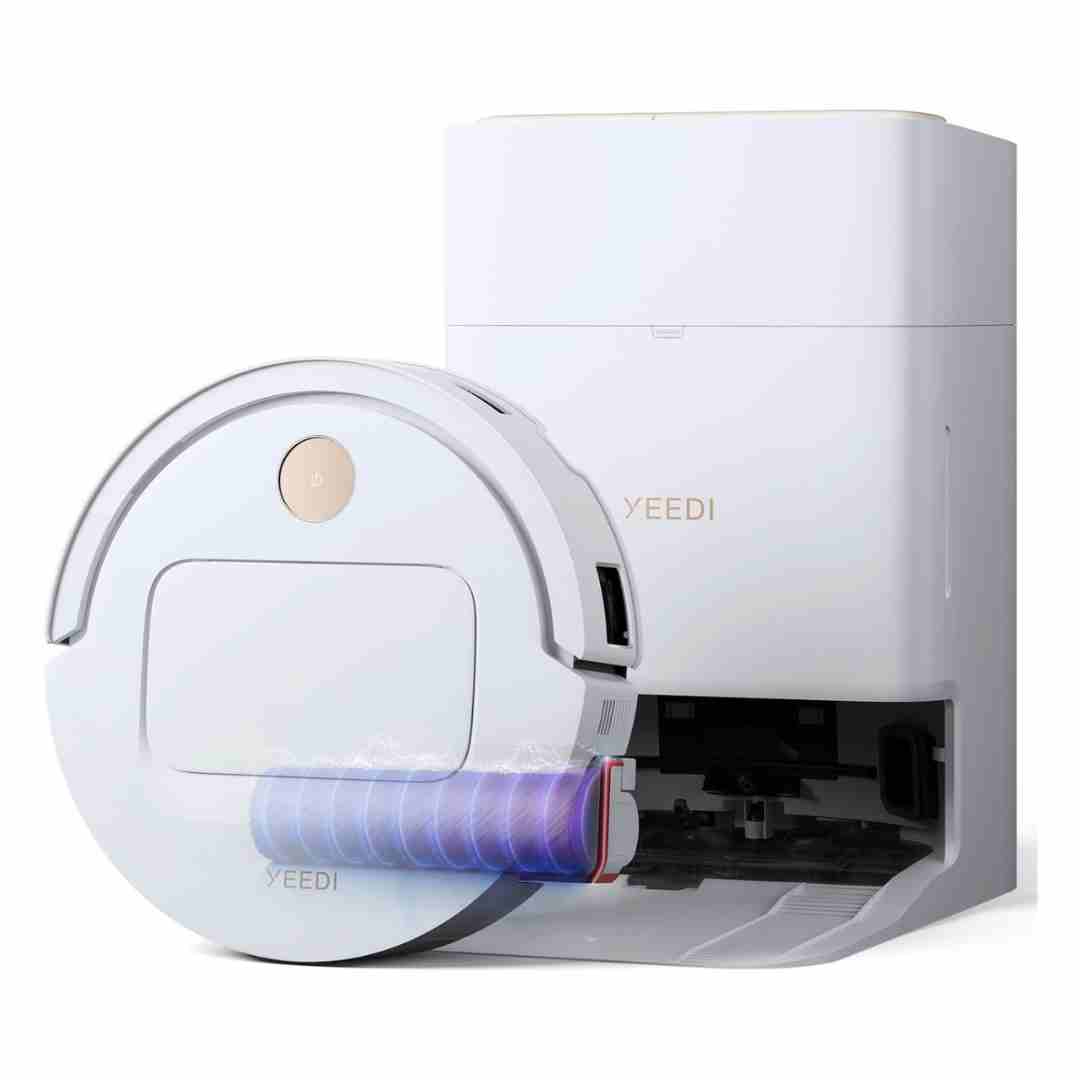
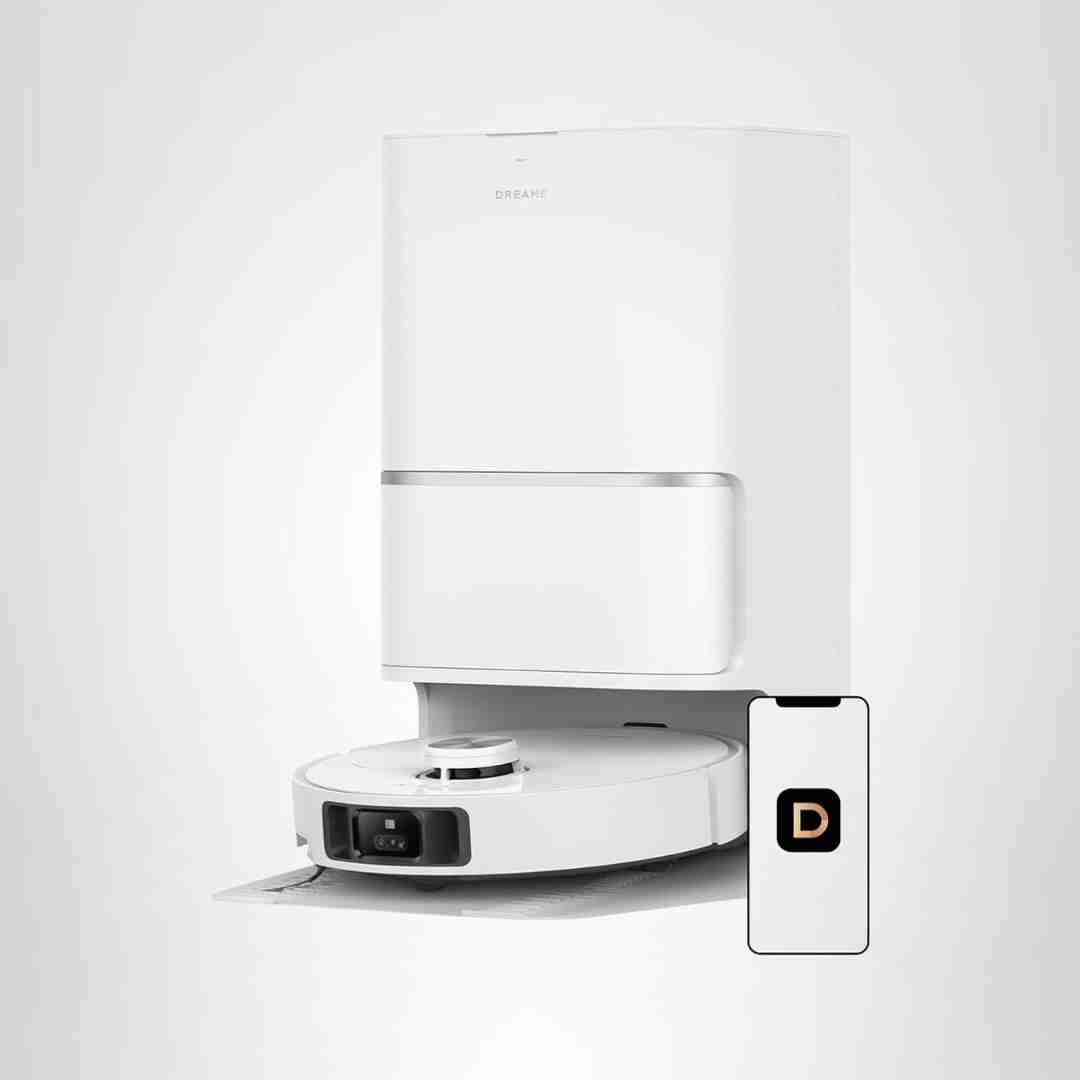
Floor drying time is generally reported as fast, with only a light amount of water left behind in typical mopping, and the dock’s drying system helps keep the mop pad dry between runs.
Floor drying is a strong point in many reviews because the system limits standing water and the dock can hot-air dry the mop, leaving it fluffy and dry after a cycle.
Floor drying time is generally described as reasonable for day-to-day mopping, with fewer complaints when water flow and scheduling are tuned for the home.
Drying time is commonly praised: floors are often described as drying quickly with minimal standing water, making it practical for homes with kids and pets.
Most reviewers say it avoids leaving pools of water and floors dry reasonably quickly for the category, though some caution that drying depends on mode and how wet the pass is.
Floor drying time is generally favorable when mopping, with at least one reviewer calling results quick-drying; actual dryness varies with settings and floor type.
One test-focused review notes that after cleaning wet spills the floor was not left overly damp, suggesting good water control. In general, the spinning mop system aims to clean effectively without soaking floors.
Heated drying is considered effective for preventing musty mop smells, but several reviewers note the drying noise is noticeable during its multi-hour cycle.
Floors are commonly described as slightly damp after mopping and drying relatively quickly under normal settings. Wettest settings or heavy soil can extend drying time and may warrant room-by-room tuning.
Drying is generally fast, especially when doing backward ‘dry’ passes or using low water mode; several reviewers mention no puddles and floors feeling dry quickly.
Dry times are often reported as relatively fast for a home unit when users do extra dry passes and use heated airflow; some accounts describe carpet nearing dry-to-the-touch in a couple of hours. A separate comparison-style review found drying to be good but not always the very best depending on the competing model and test method.
Strong extraction is repeatedly linked to quicker drying: reviewers say treated areas dry fast and feel damp rather than soaked after passes without spraying. Drying time still depends on how much solution you apply and how many extraction passes you do.
Multiple reviewers note it leaves only light moisture and floors dry quickly after a pass; water-output adjustment helps balance cleaning strength versus dry time.
Quick Dry/Express and Dry-Only style passes are repeatedly mentioned as useful for reducing dry time. Reported results range from about an hour for lighter cleanings with airflow to several hours after deeper, wetter sessions; dryness depends heavily on technique and saturation.
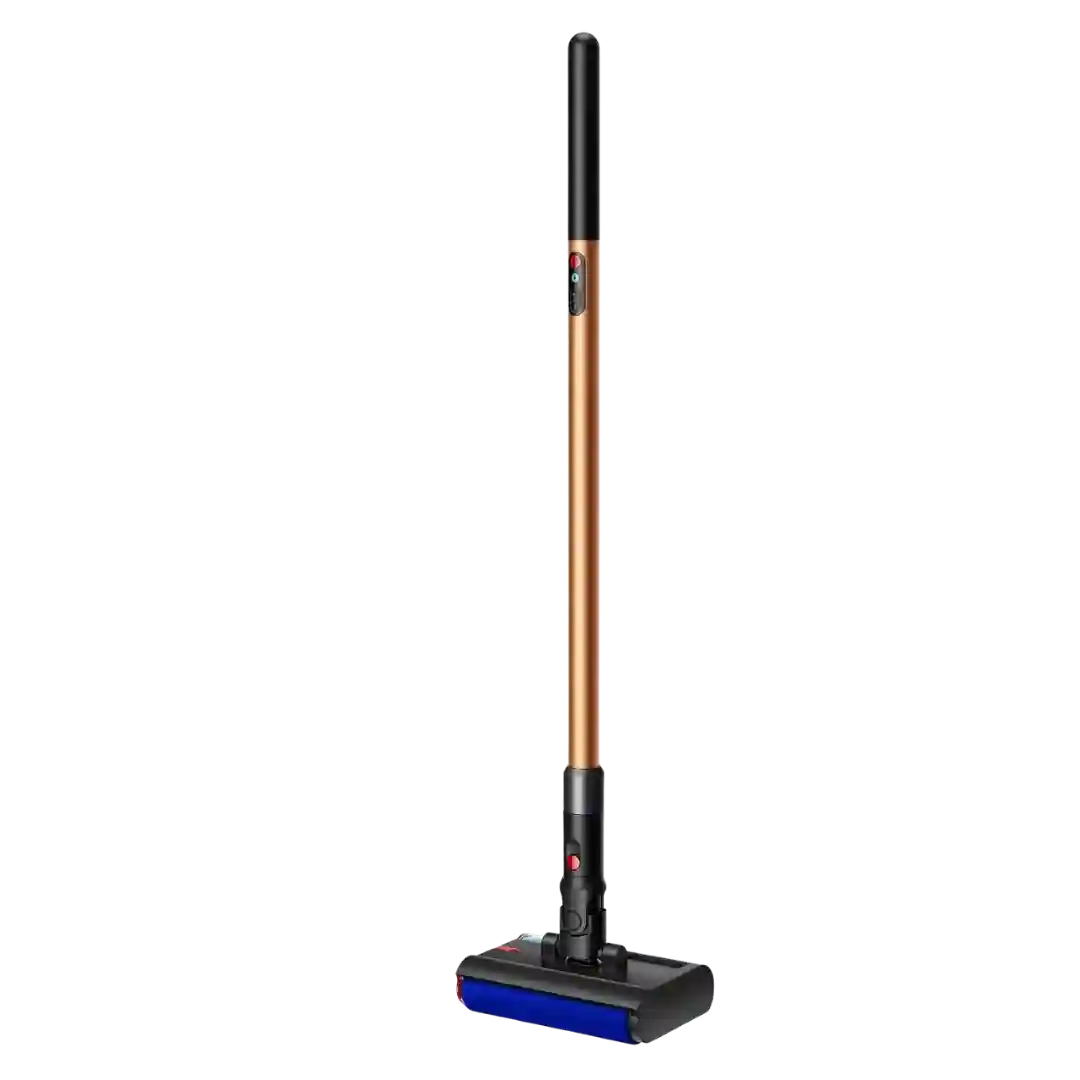
Dock-based air drying is frequently highlighted: the base blows air onto the brushroll for hours after cleaning, and one tester reported the mop head was dry by the next morning.
Drying performance is frequently praised, especially when using Dry Only and HeatForce; one test found it among the best for moisture removal, while another found average wetness unless you finish with the dedicated dry step.
Drying performance depends on mode: Quick Dry is repeatedly claimed to leave carpets dry in about 30 minutes or less, but at least one measured test found the max/steam-wash mode left carpets wetter than average even after extra dry passes. Plan to use Quick Dry when fast turnaround matters.
Floors are often left only slightly damp after passes, but drying still takes time and varies by mode and how wet the roller is. Some users rely on suction-only passes to reduce moisture.
Floor drying feedback is mixed: some testers report wetter/slipperier floors for longer than competitors, while others say it dries quickly enough to walk on soon after, suggesting surface and settings matter.
Floor drying outcomes range from very good (low water left behind in tests) to merely acceptable (visible droplets that evaporate), depending on settings, surfaces, and individual unit behavior.
Drying outcomes range from average to very good depending on technique. Several tests note good water extraction and improved dryness after extra dry passes, but heavy saturation or repeated tank usage in a small area can stay wet for over 24 hours.
Express mode is widely credited for quicker dry times, while Deep/Max modes can leave carpets damp for hours or even overnight. Reviewers often recommend extra ‘dry’ passes to speed up drying and reduce wet spots.
Floors are often left reasonably dry after a pass, especially compared with older wet mops, and the heated roller drying helps after-use drying. One reviewer still observed dripping and wet roller marks when the unit was set down, so drying outcomes can depend on handling and mess type.
Floor drying is often described as quick after mopping, yet some tests say it can leave floors wetter than preferred and the dock drying cycle can run for hours.
One controlled comparison found it leaves an average amount of water behind after mopping. Other reviews focus more on pad drying at the dock than on how quickly floors dry after a run.
Drying is a known compromise: the dock uses room-temperature air rather than hot air, so pad drying can take many hours (often cited in the 4–8 hour range, with longer options available). This is acceptable to some reviewers but a dealbreaker for others wanting faster hygiene.
Floor drying is commonly described as leaving floors mildly damp rather than soaked, but a few reviews mention extra water left behind and occasional dampening near rugs or around the base area after mop activity.
Higher wetness settings and repeated passes can leave noticeable moisture, and some reviewers mention slight dampness on deep-pile carpets when crossing with lifted mops rather than detaching them.