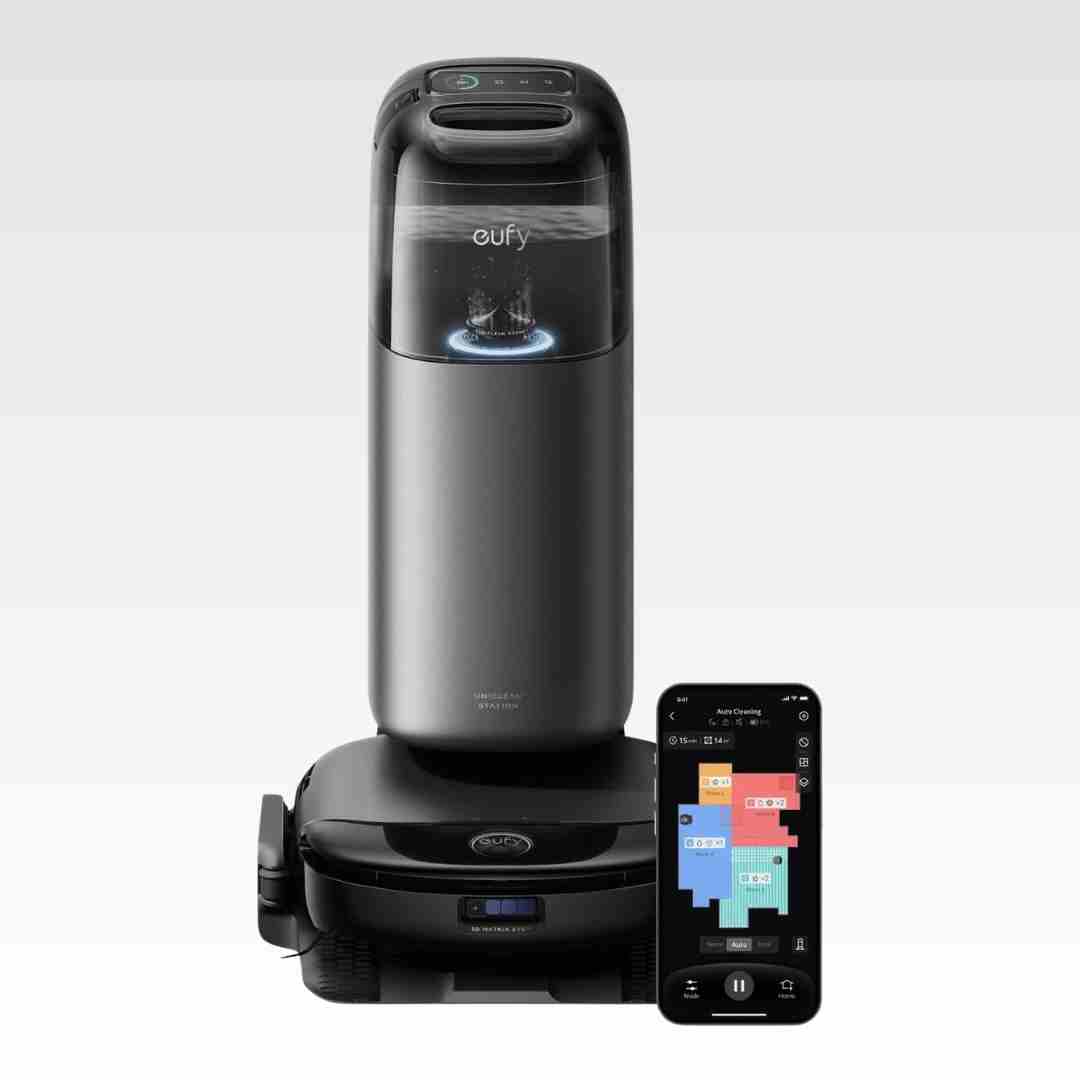
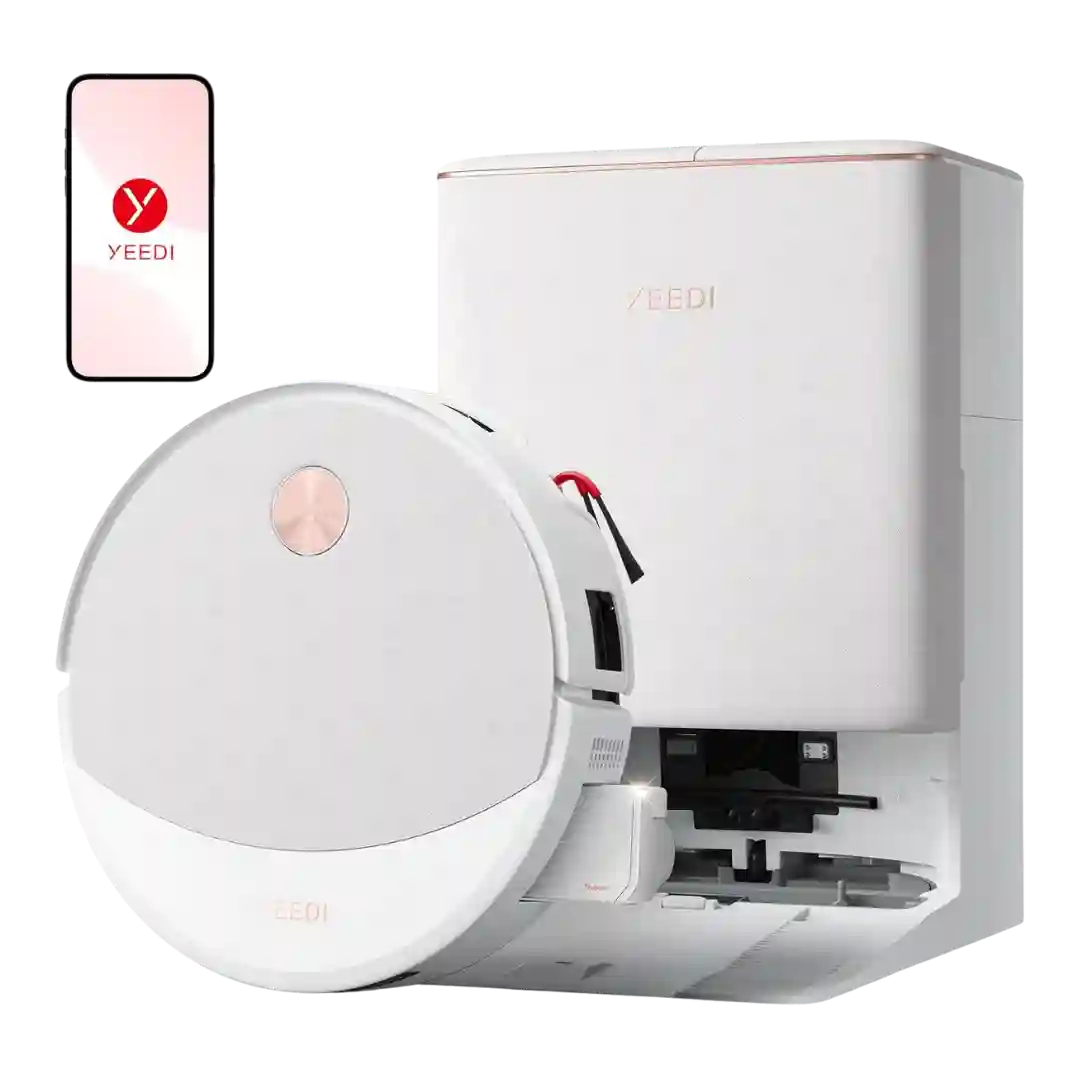
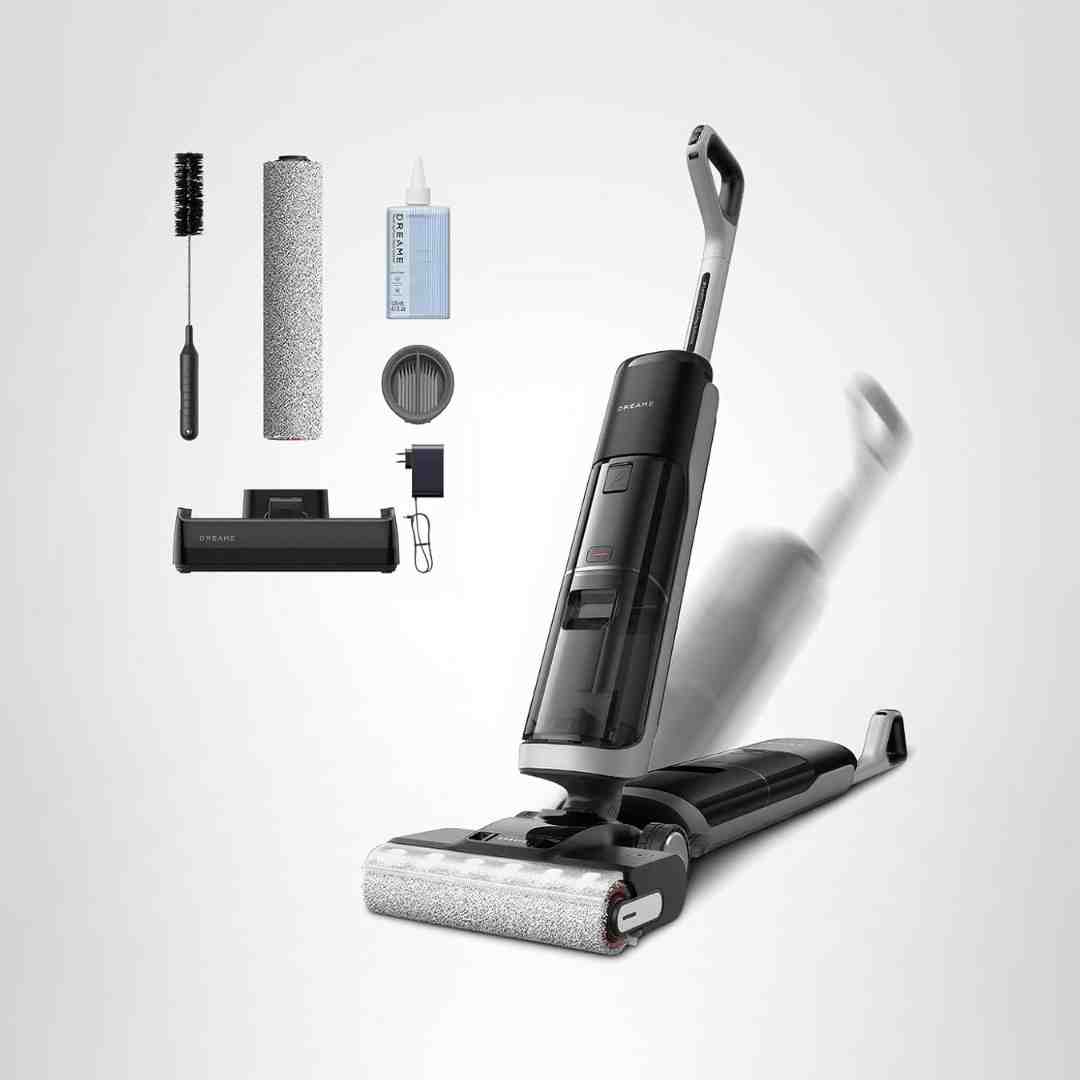
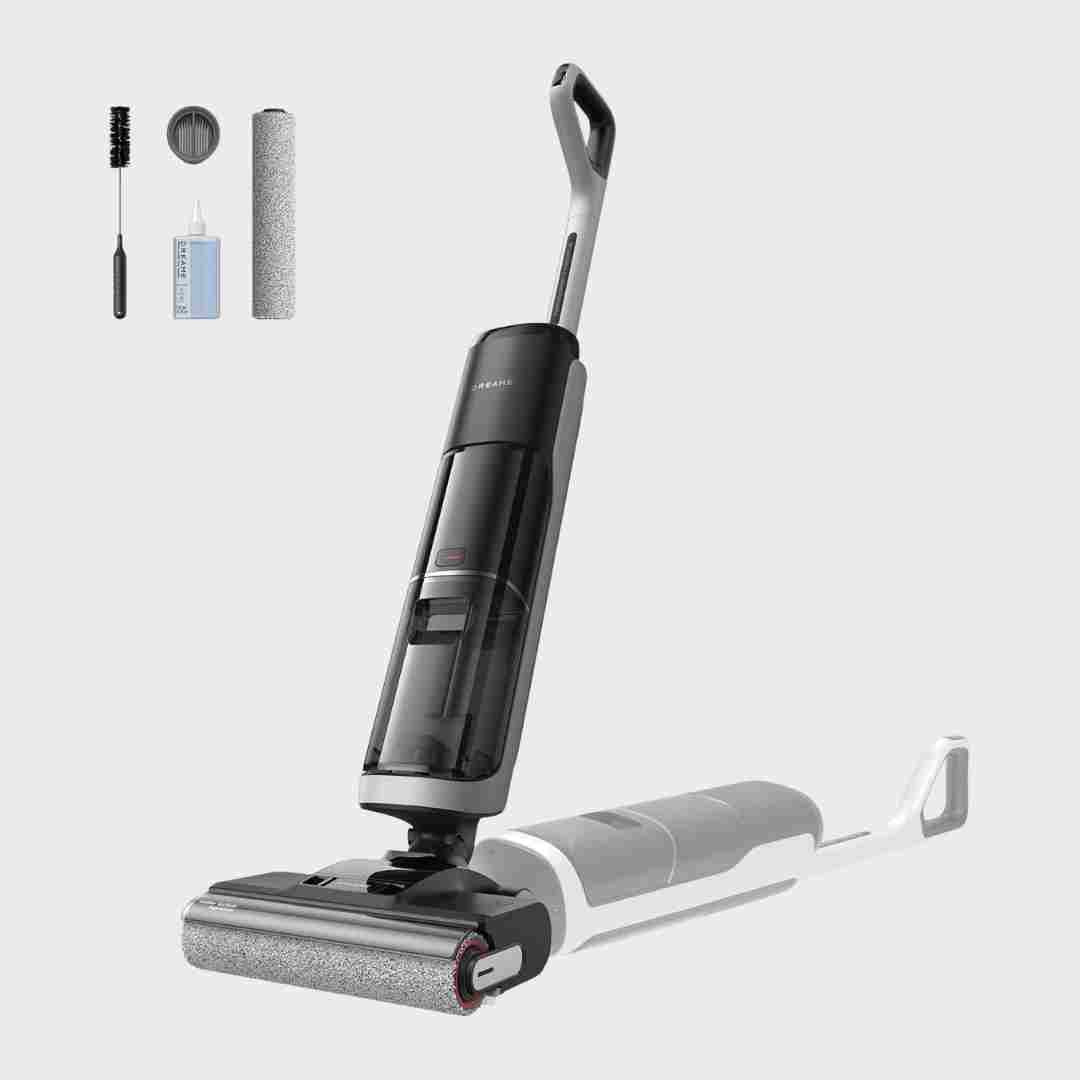
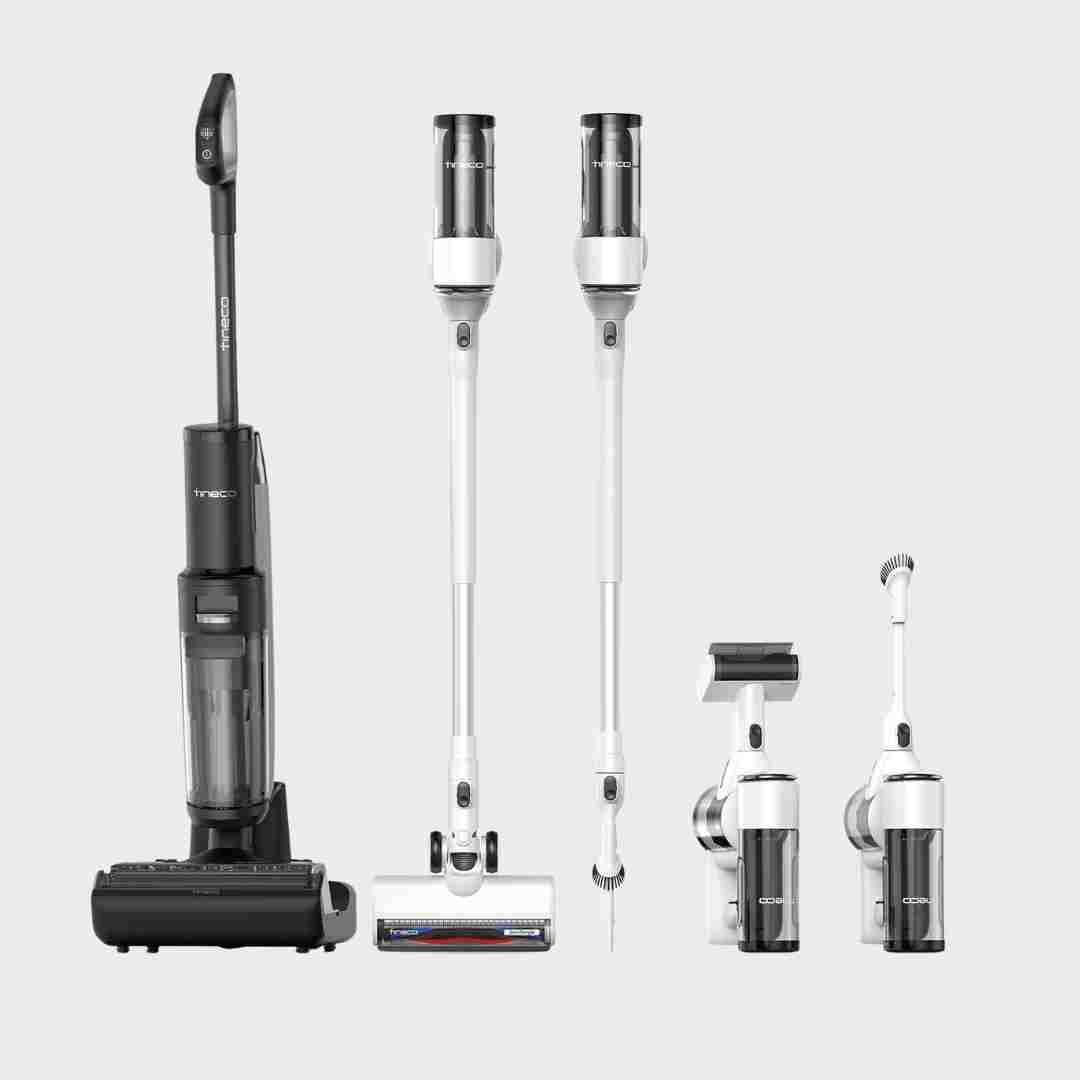
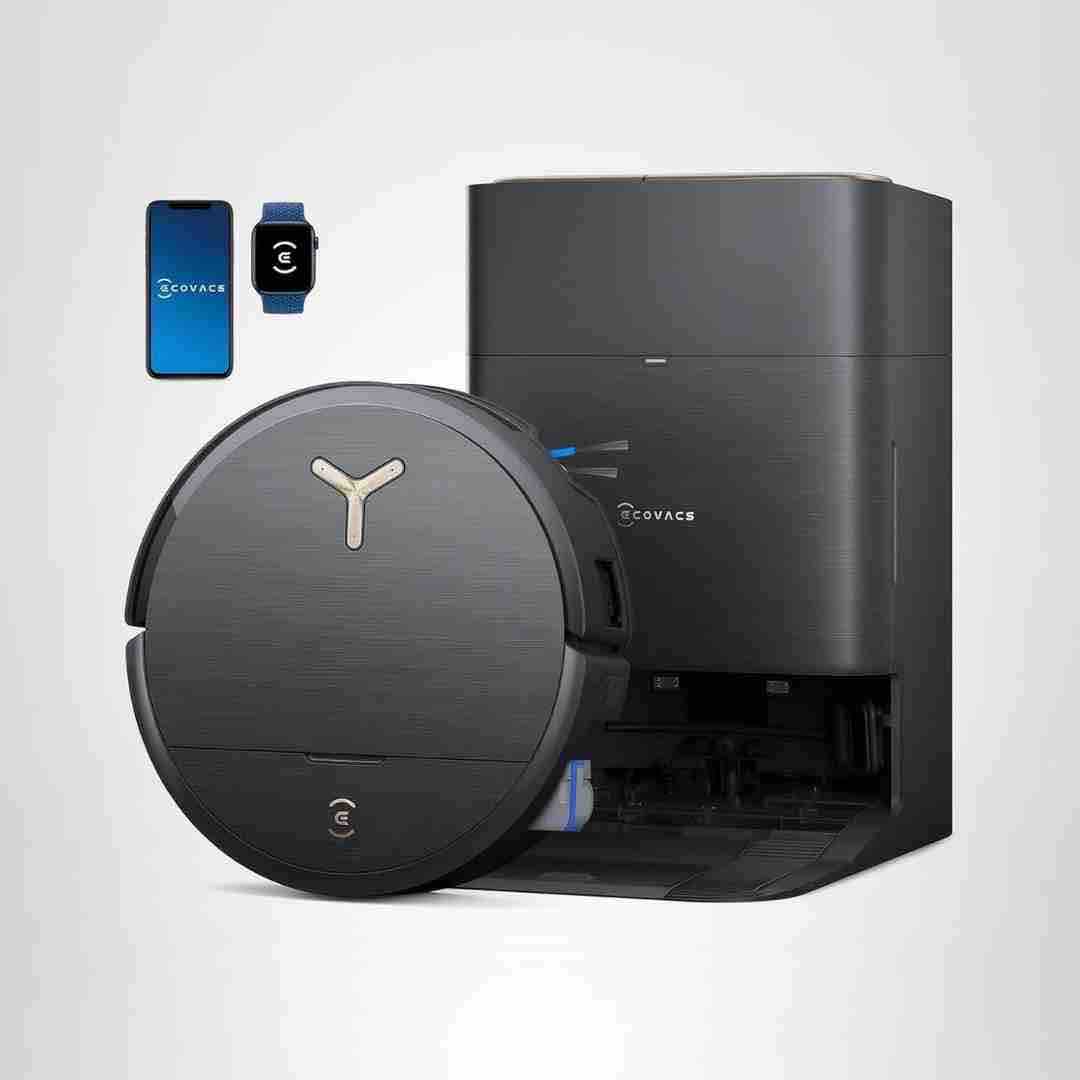
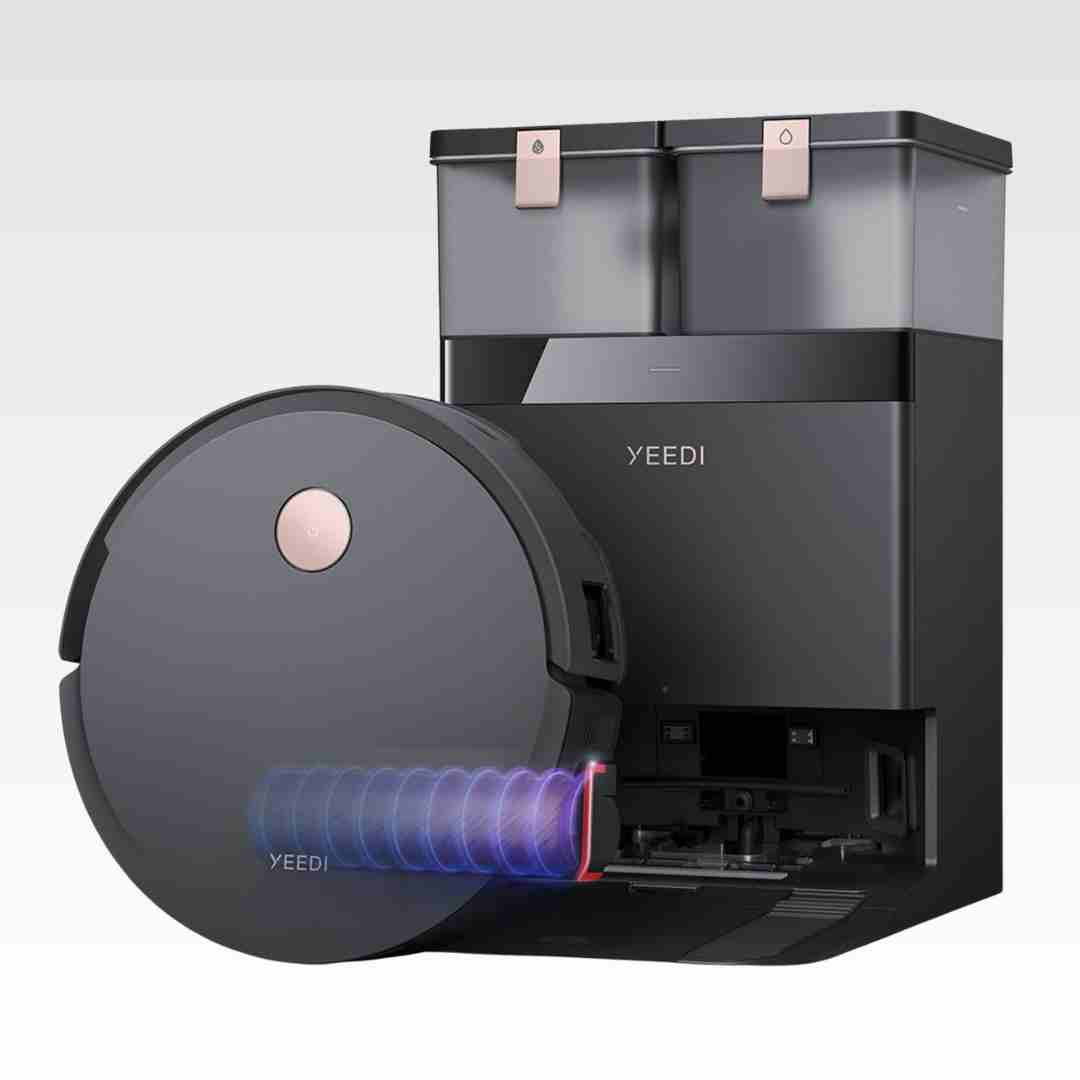
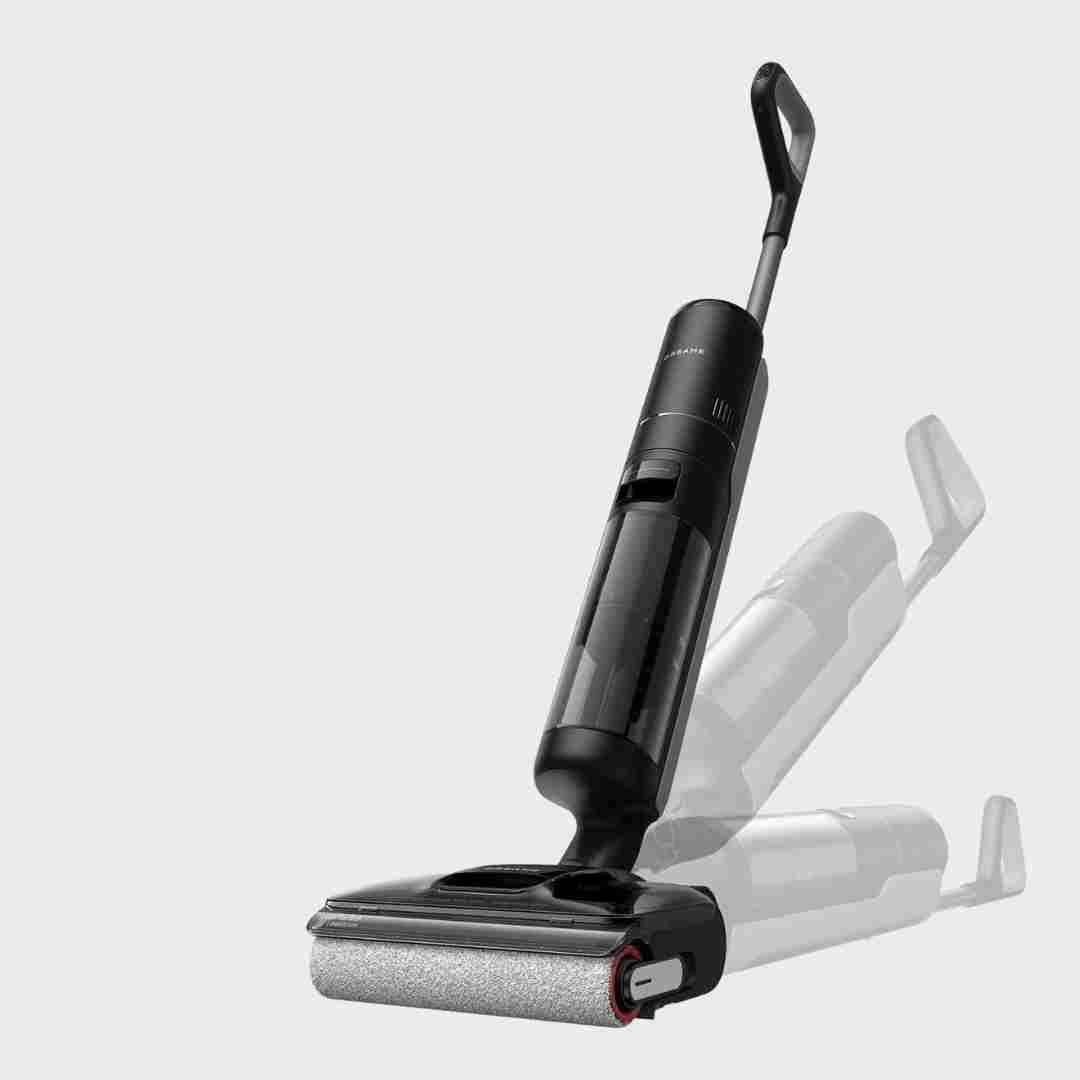
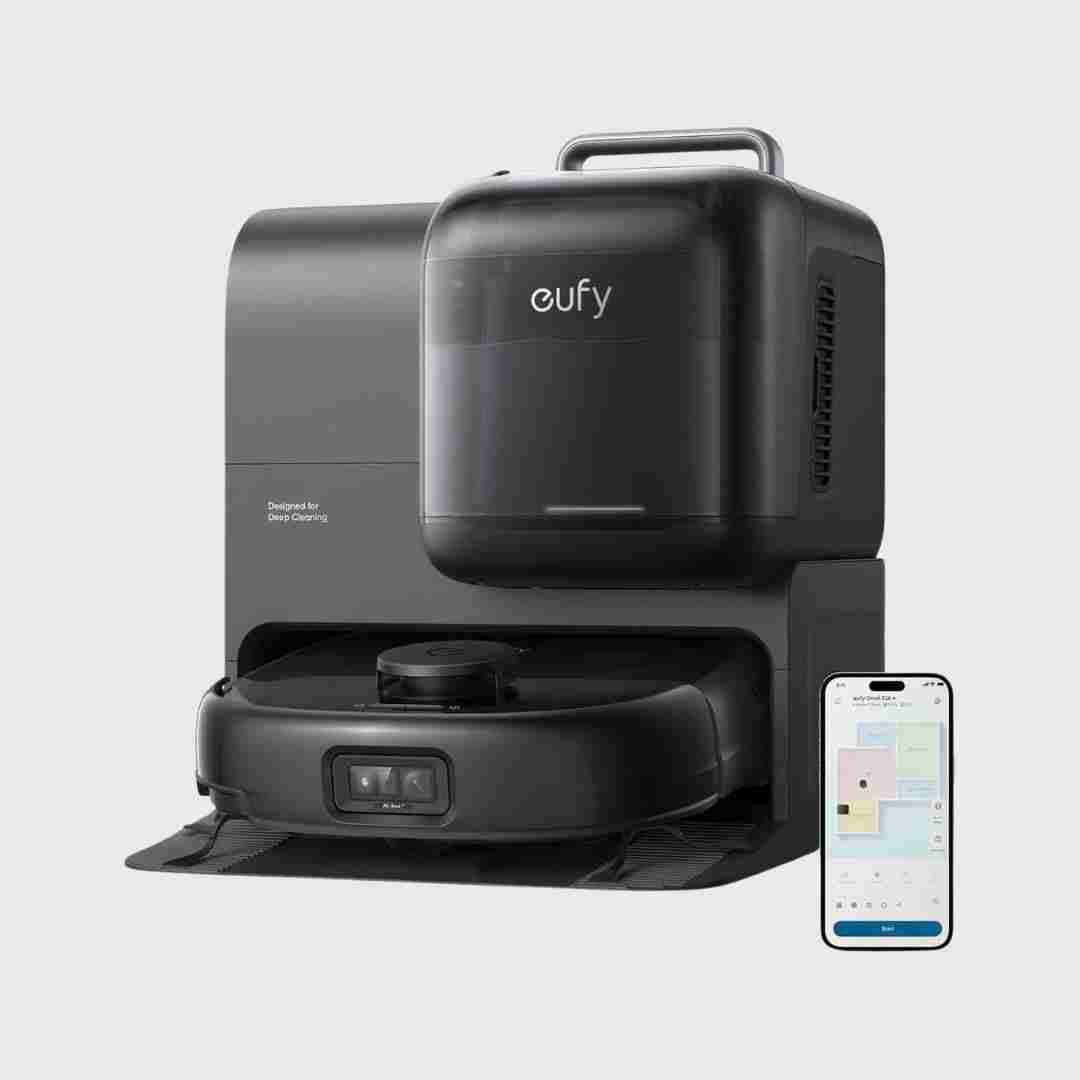
Fresh liquid pickup speed and wet-mess handling are described as unusually strong for a robot mop because it actively processes dirty water instead of saturating pads and streaking.
Fresh liquid pickup is consistently described as fast and effective, with spill tests showing quick recovery into the dirty tank and less need for manual towels.
Wet-spill extraction is described as very fast, with multiple reviewers showing or stating near-immediate removal of fresh messes (for example vomit and wet wine-style tests) when used with proper passes.
Wet pickup is described as fast and satisfying, with strong extraction pulling up visible liquid and grime on backstrokes. Reviewers show it can lift fresh spills and pet messes quickly, often with fewer passes than expected.
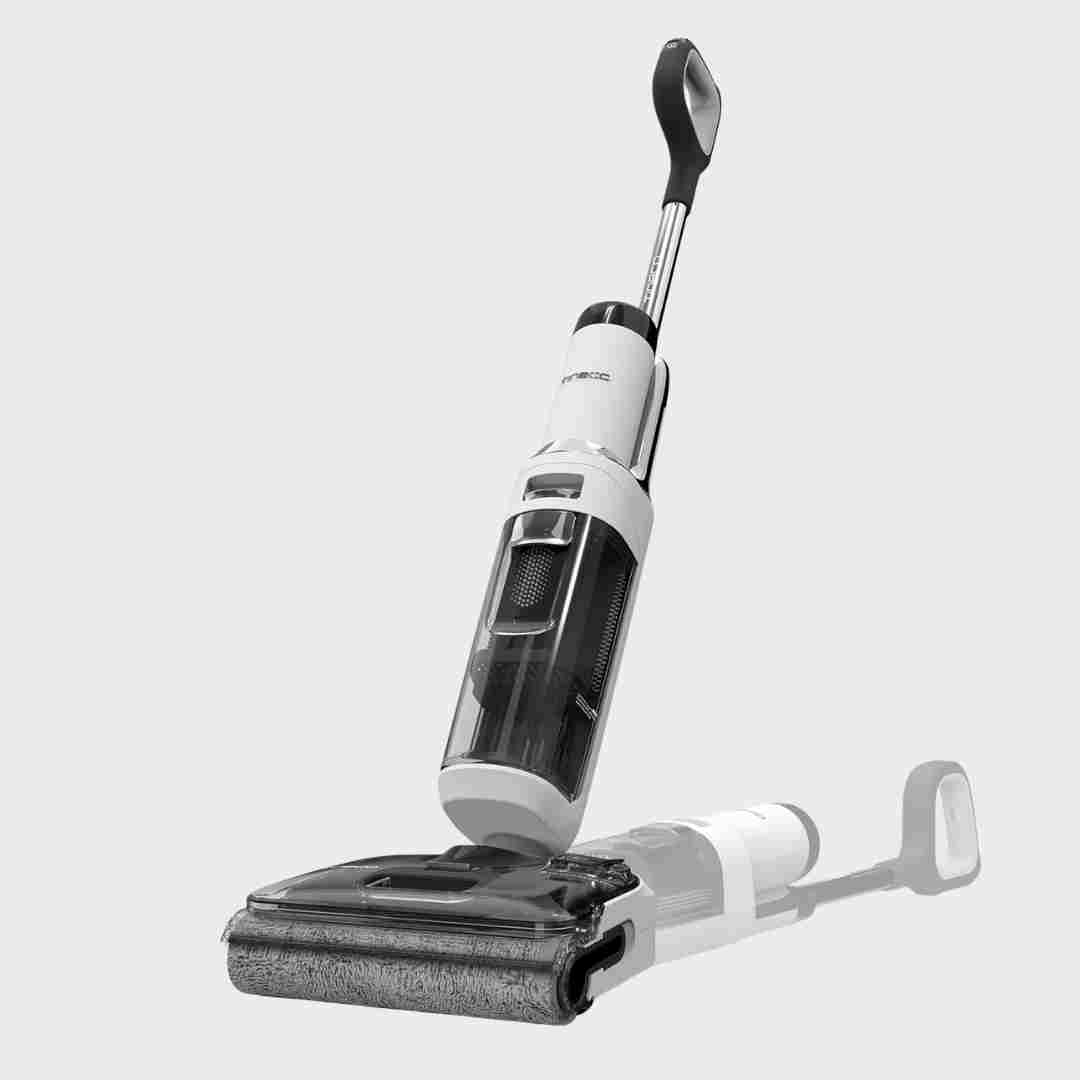
Fresh spill pickup is frequently praised: the roller mop can absorb liquid messes like coffee without pushing dirty water around. Several reviewers emphasize that it cleans while keeping the roller refreshed with clean water to avoid smearing.
Wet-stain pickup is repeatedly described as a strong point, including reports of removing wet grape juice and quickly extracting liquid-type stains with only a couple of back-and-forth passes in testing.
Several sources emphasize that the roller design can handle small wet spills by separating dirty water rather than dragging a damp pad across the floor. Demo-style testing (e.g., spilled milk) suggests it can clean quickly with minimal smearing compared with traditional pad mops.
The roller system is repeatedly credited with better handling of wet messes because it can scrub while reclaiming dirty liquid rather than spreading it around.
Liquid pickup is repeatedly praised: milk, dressing, and other spills are absorbed quickly without pushing liquid around, making it useful for kitchens and pet areas.
Fresh liquid pickup is reported as effective when mopping up spills like a glass of water, with the spinning pads absorbing and clearing liquid without leaving notable residue.
For fresh liquid spills (coffee, milk, syrup, wet messes), reviews consistently report fast pickup and effective one-pass results on common household spills.
Fresh liquid pickup is consistently strong in demos, including water and milk, with reviewers noting the area can feel relatively dry afterward compared to what they expected from adding solution and water.
Fresh spills (water, coffee, milk) are often shown being removed in one or two passes in demos/tests, with the unit automatically increasing effort in Smart mode on wetter areas.
Wet pickup is a highlight: multiple demos show it swallowing milk/cereal-type spills effectively when you move slowly enough for the roller and suction to recover liquid.
Fresh spills and wet messes are commonly cleaned in a single forward pass, including coffee, soda, cereal milk, and yogurt-like messes. Reverse-pass pickup is reported as weaker in at least one test, so best results come from forward cleaning.
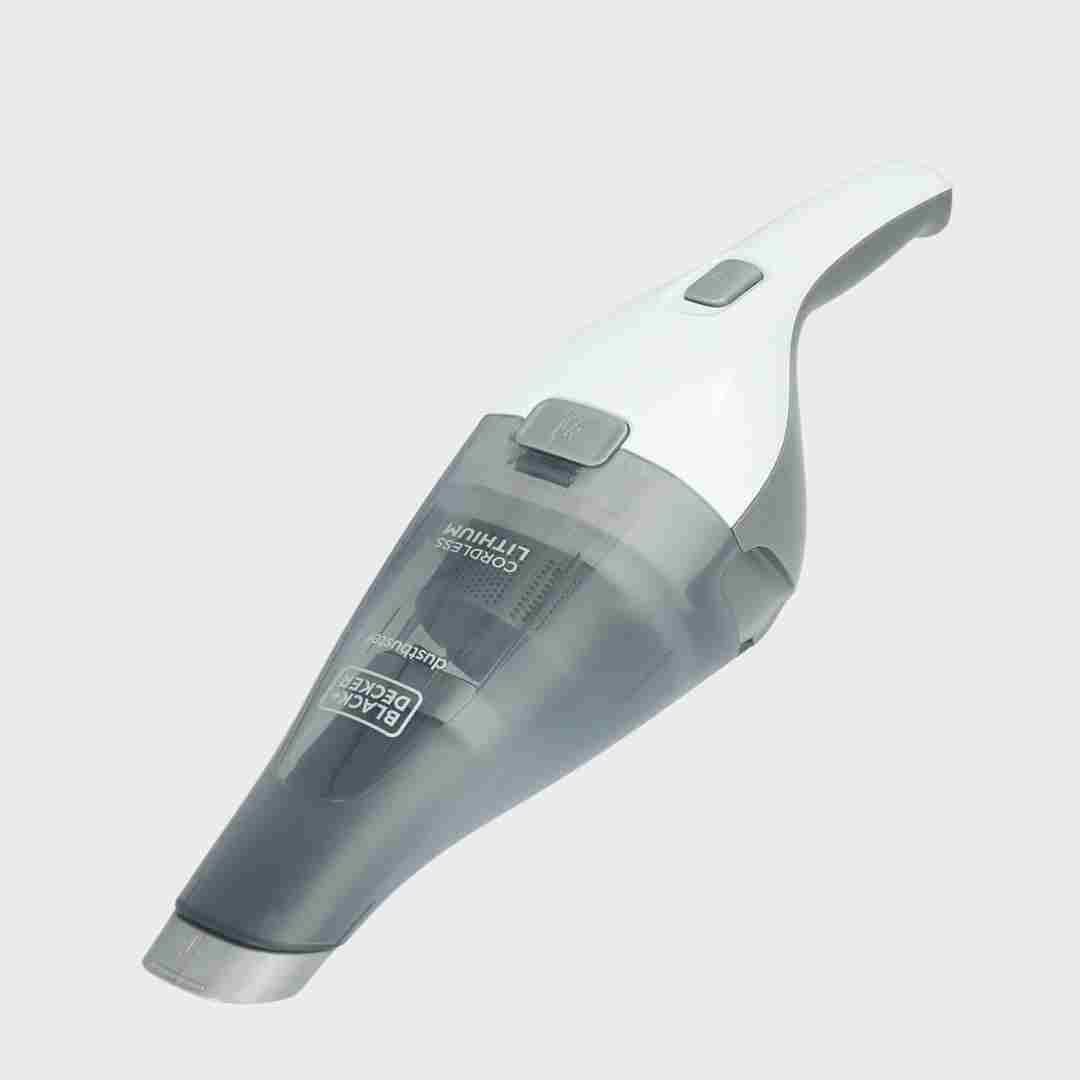
For small liquid spills, reviewers describe it as a convenient, fast solution compared with towels or larger vacs. There is limited evidence on large-volume liquid pickup, and users caution against expecting flood-level capability.
The roller-style mop and onboard dirty-water handling are repeatedly cited as enabling wet spill pickup that many pad-based robots struggle with. Users still note that very messy liquid events can require extra cleanup or post-run maintenance.
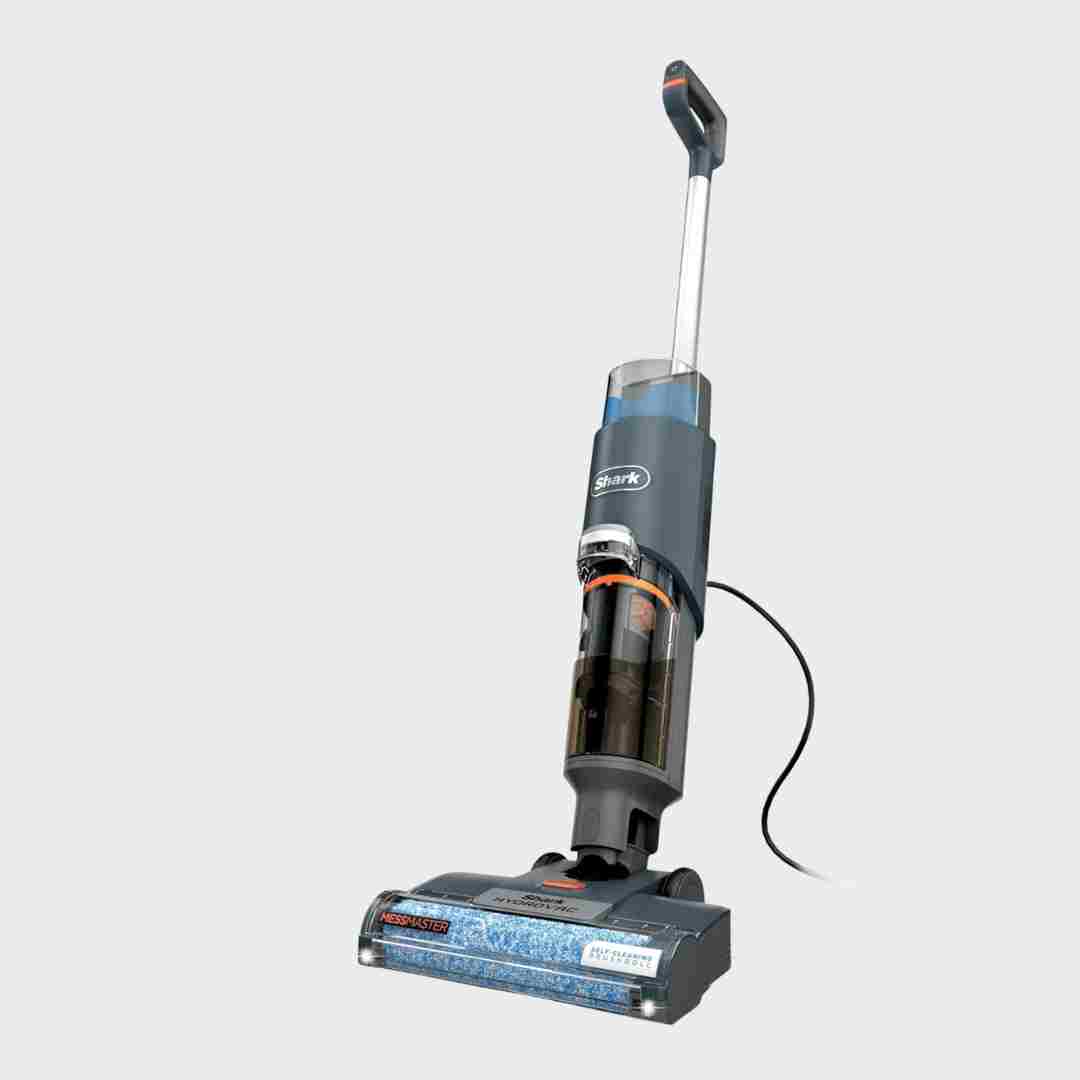
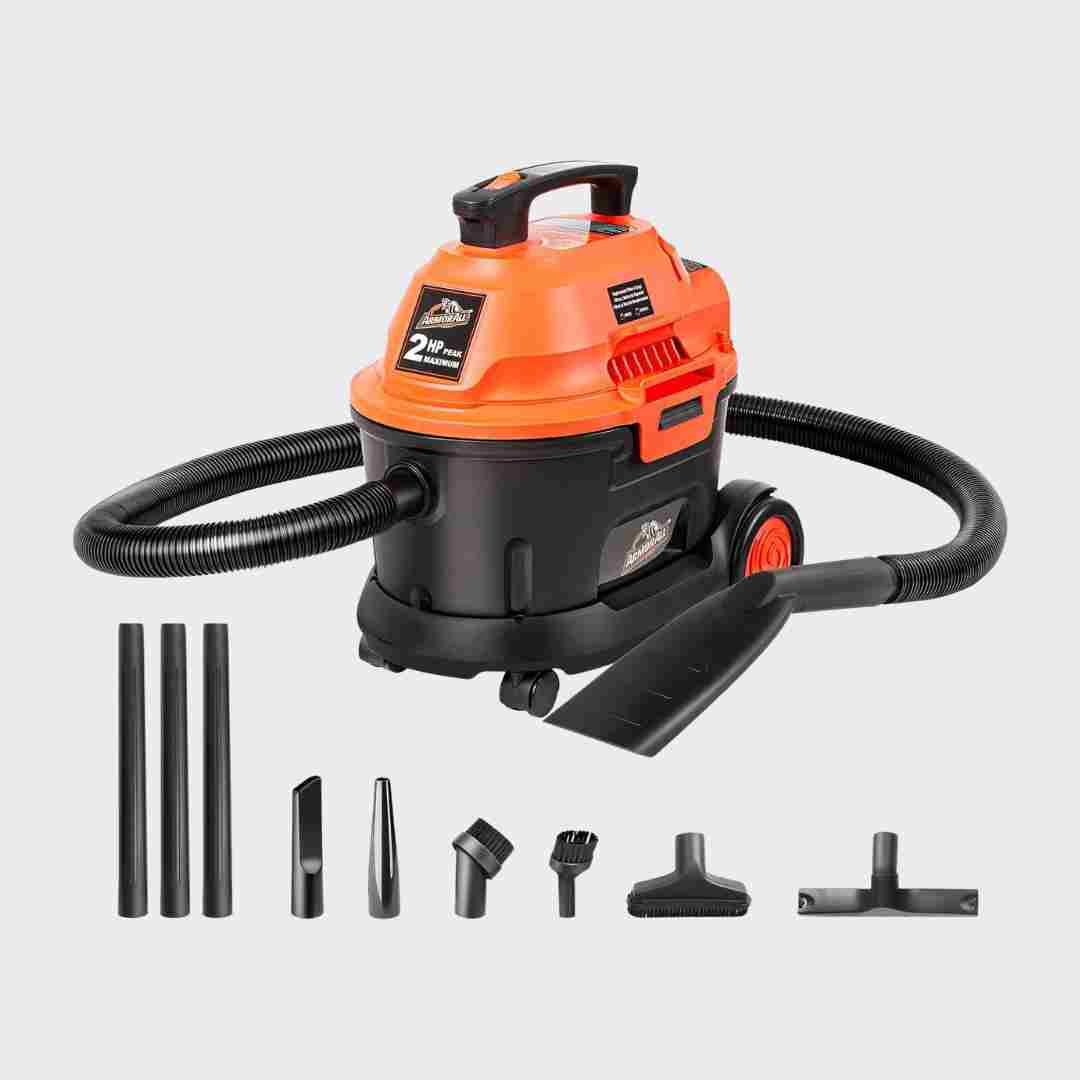
Thin liquid pickup is a strong point when using the wet/dry accessory, quickly removing puddles and many mixed spills. Very viscous messes like ketchup or honey may smear and need follow-up wiping.
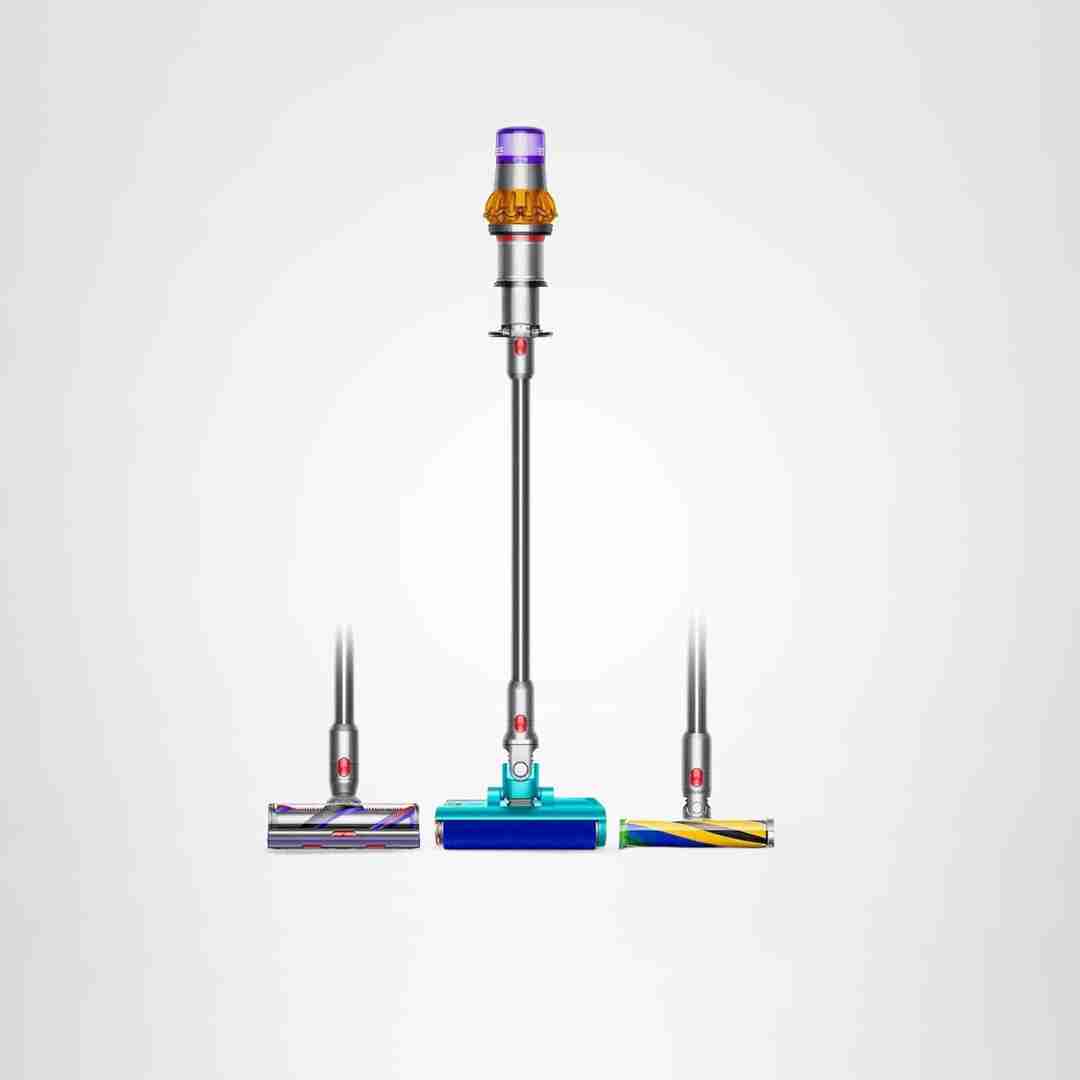
Fresh liquid pickup is generally efficient, with at least one test describing it as best-in-class among cordless units for handling lots of liquid in fewer passes. A separate comparison suggests a rival can outperform it when overloading with large volumes of wet material.
Reviewers report quick handling of fresh spills (like drinks or wet pet messes), especially in auto mode, with best results when you move slowly over heavier liquid.
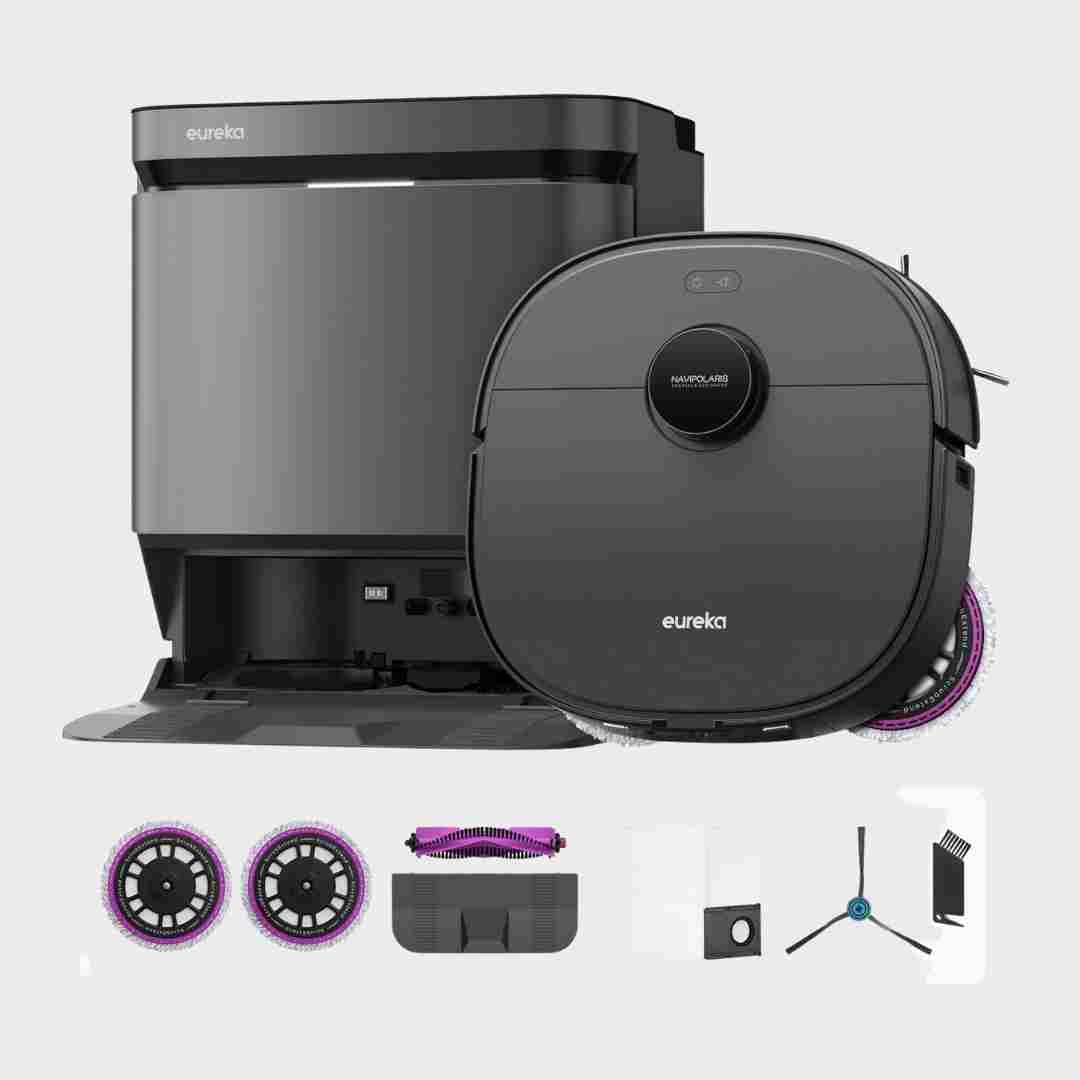
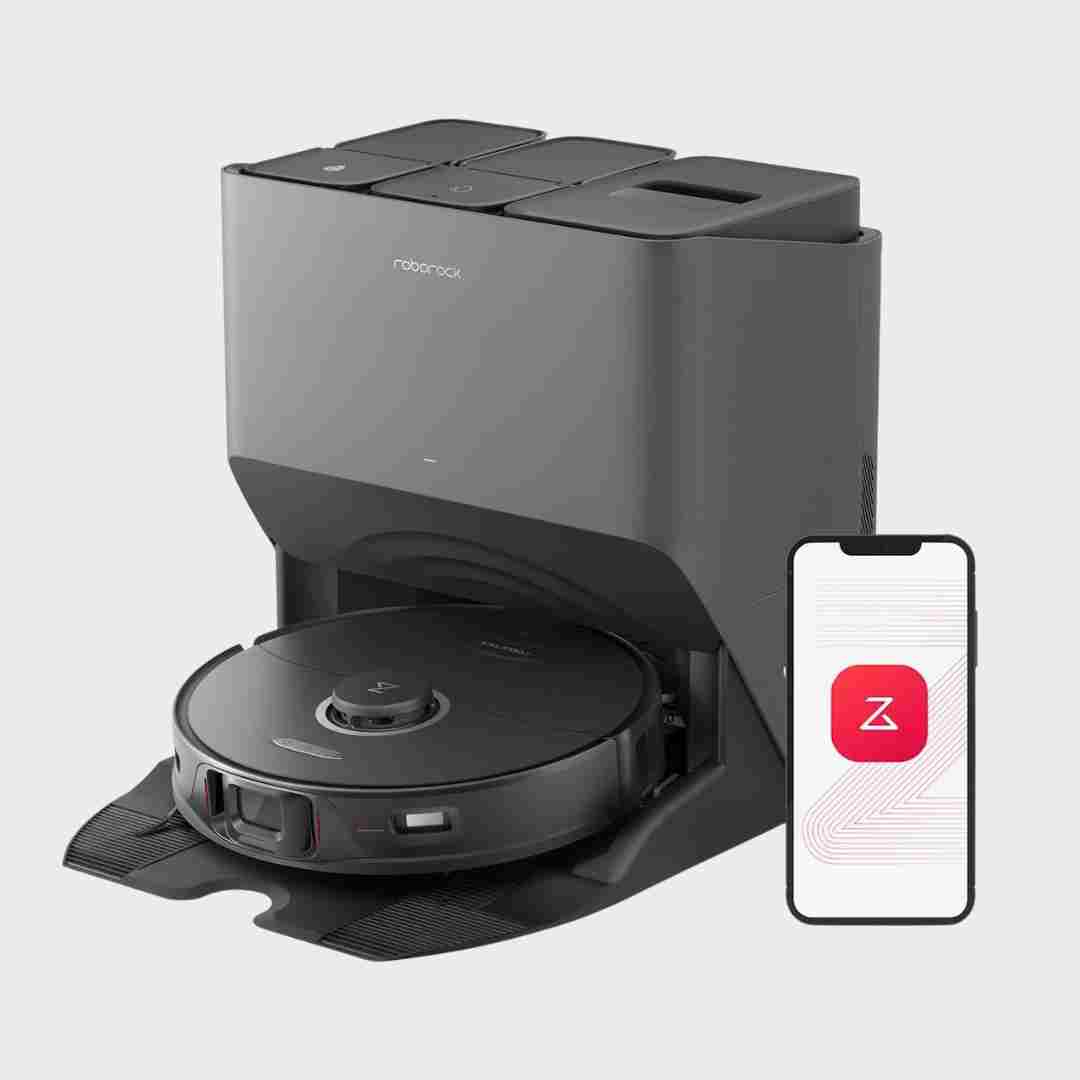
Fresh spills are handled well in spot-cleaning, but speed can vary because the robot may return to the dock multiple times to wash pads mid-job. That keeps pads cleaner but can extend total cleanup time.
Fresh liquid pickup speed is not a standout: multiple reviews note larger wet spills or sticky liquids can be spread rather than quickly lifted/contained, which is typical for many robot mop systems.