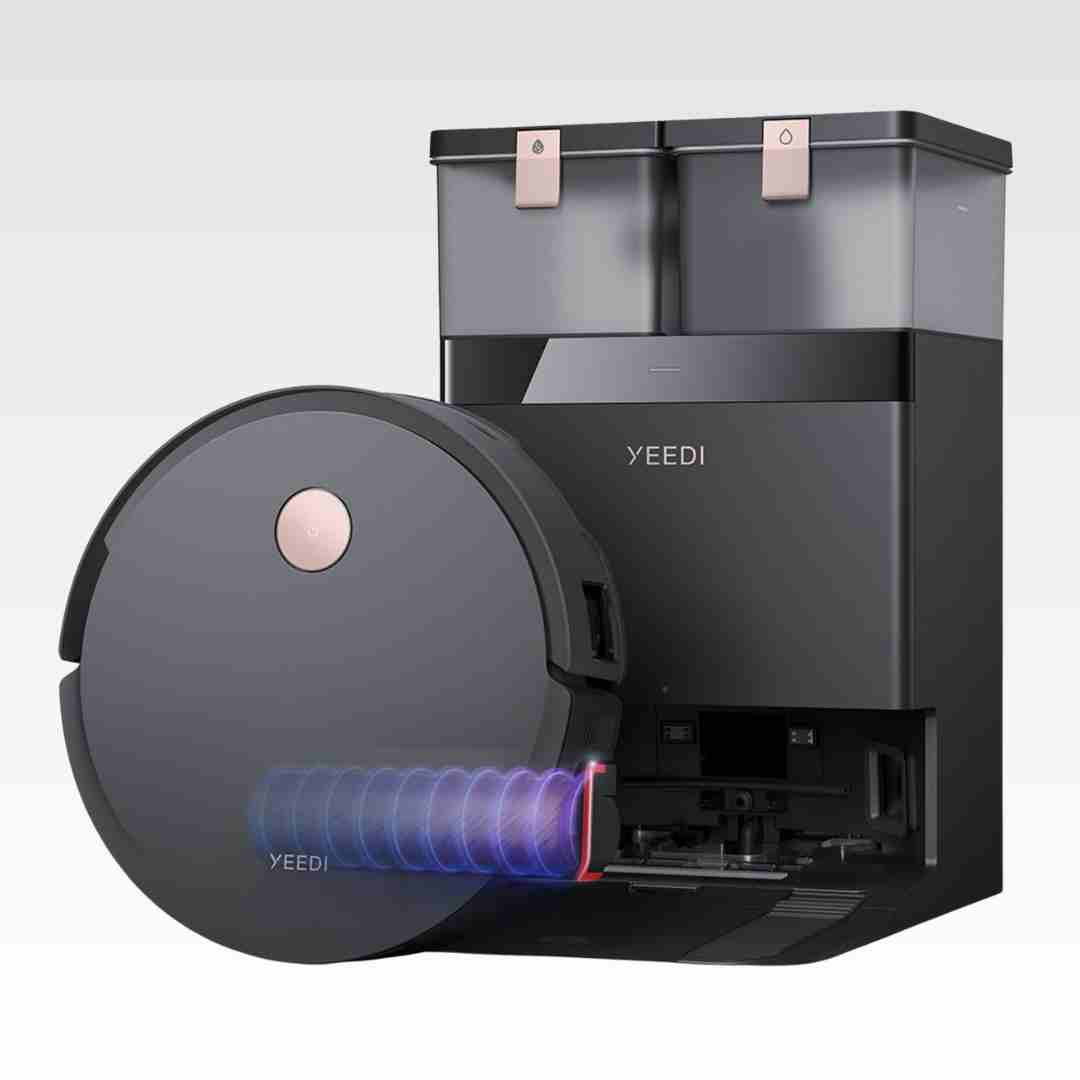
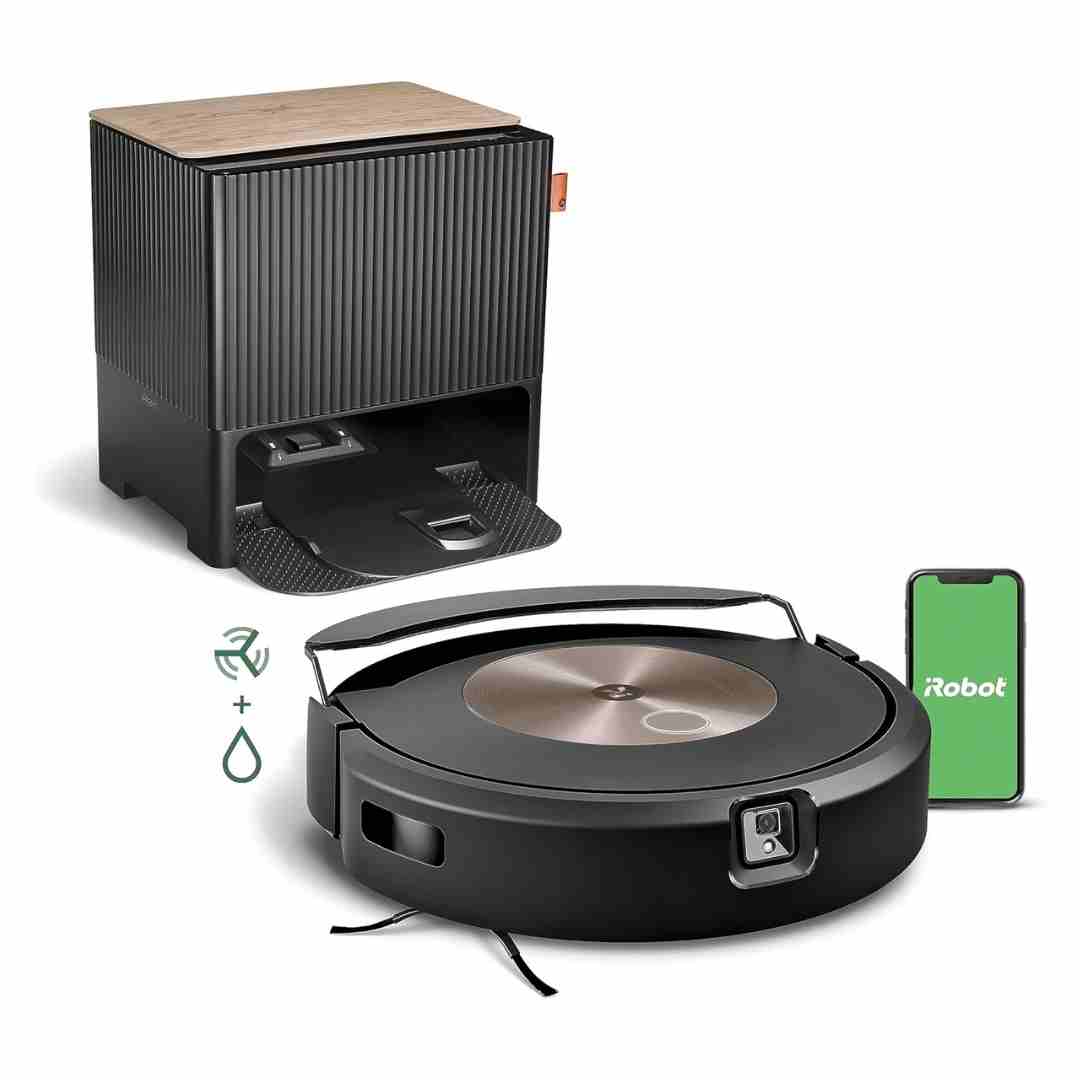
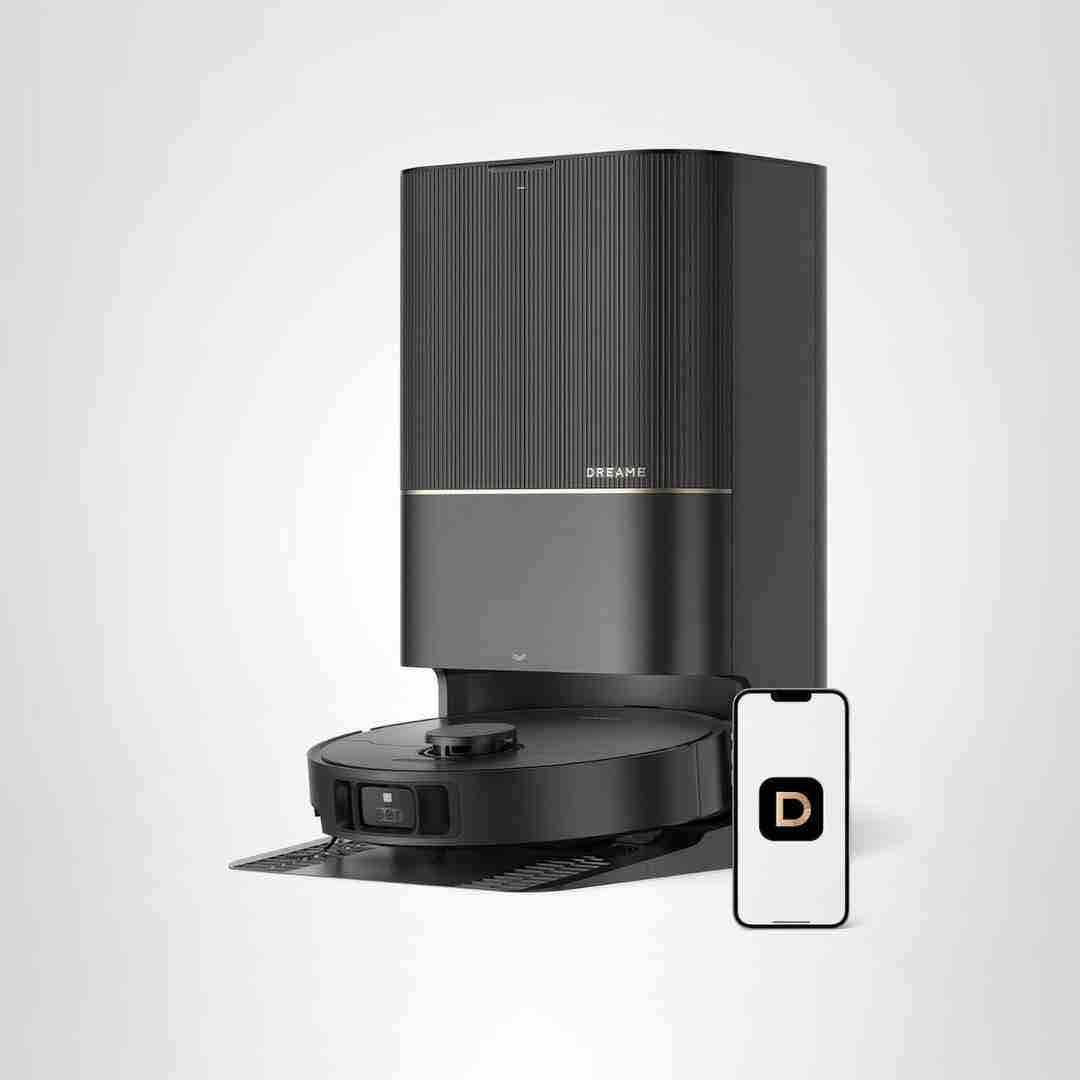
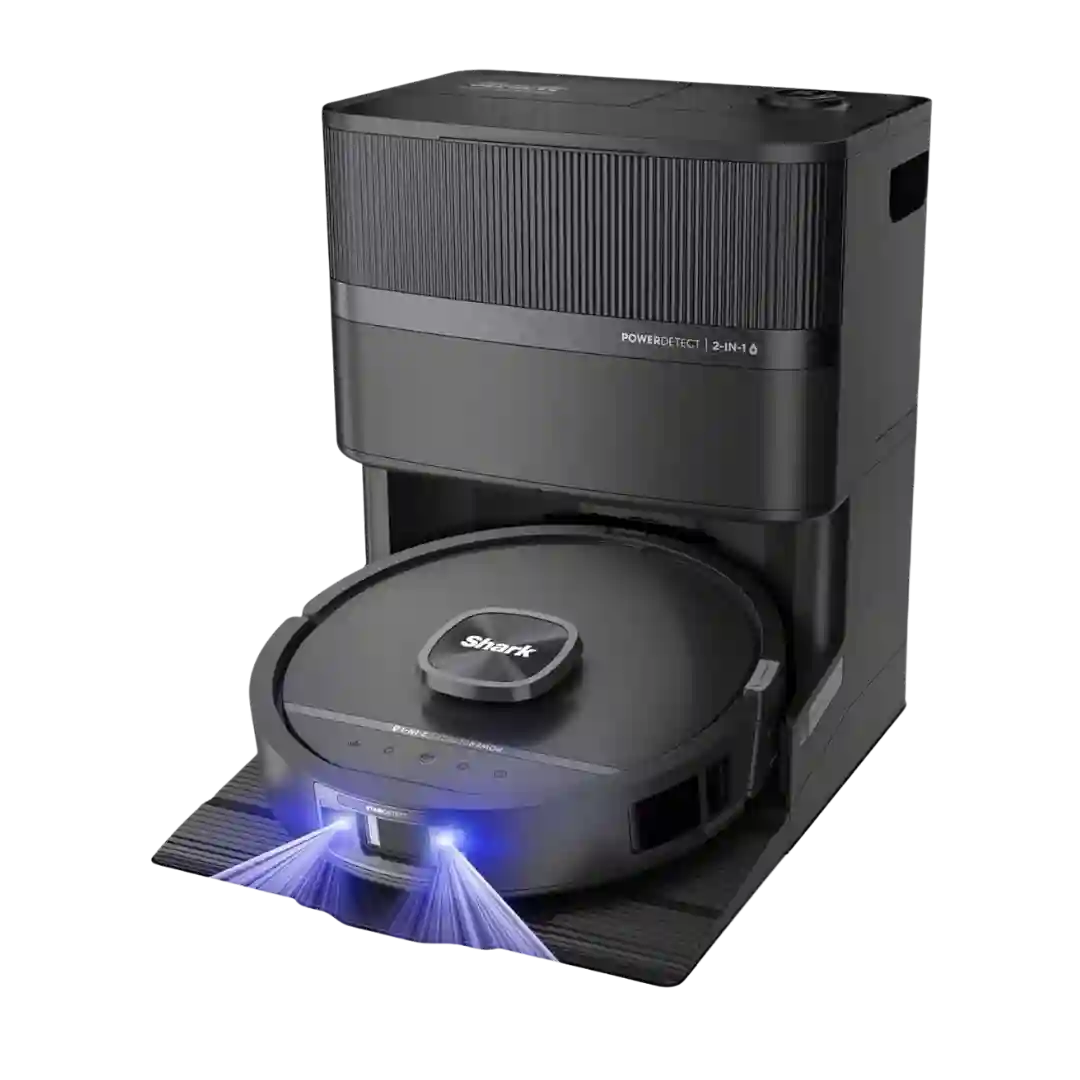
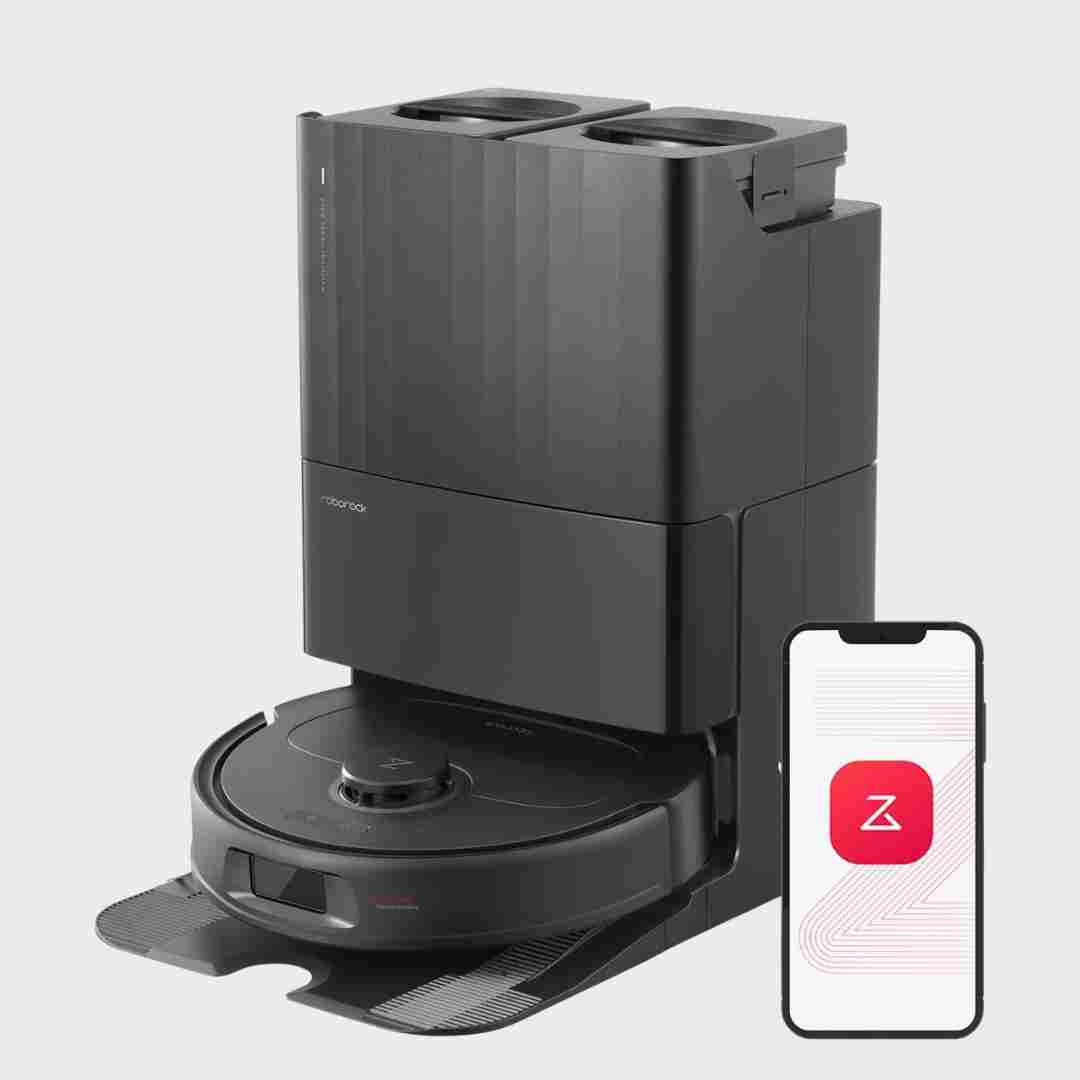
Innovation is a standout theme, driven by the bagless auto-empty dock that also cleans the vacuum, brush roll, and internal path, earning it explicit innovation award recognition in Vacuum Wars coverage.
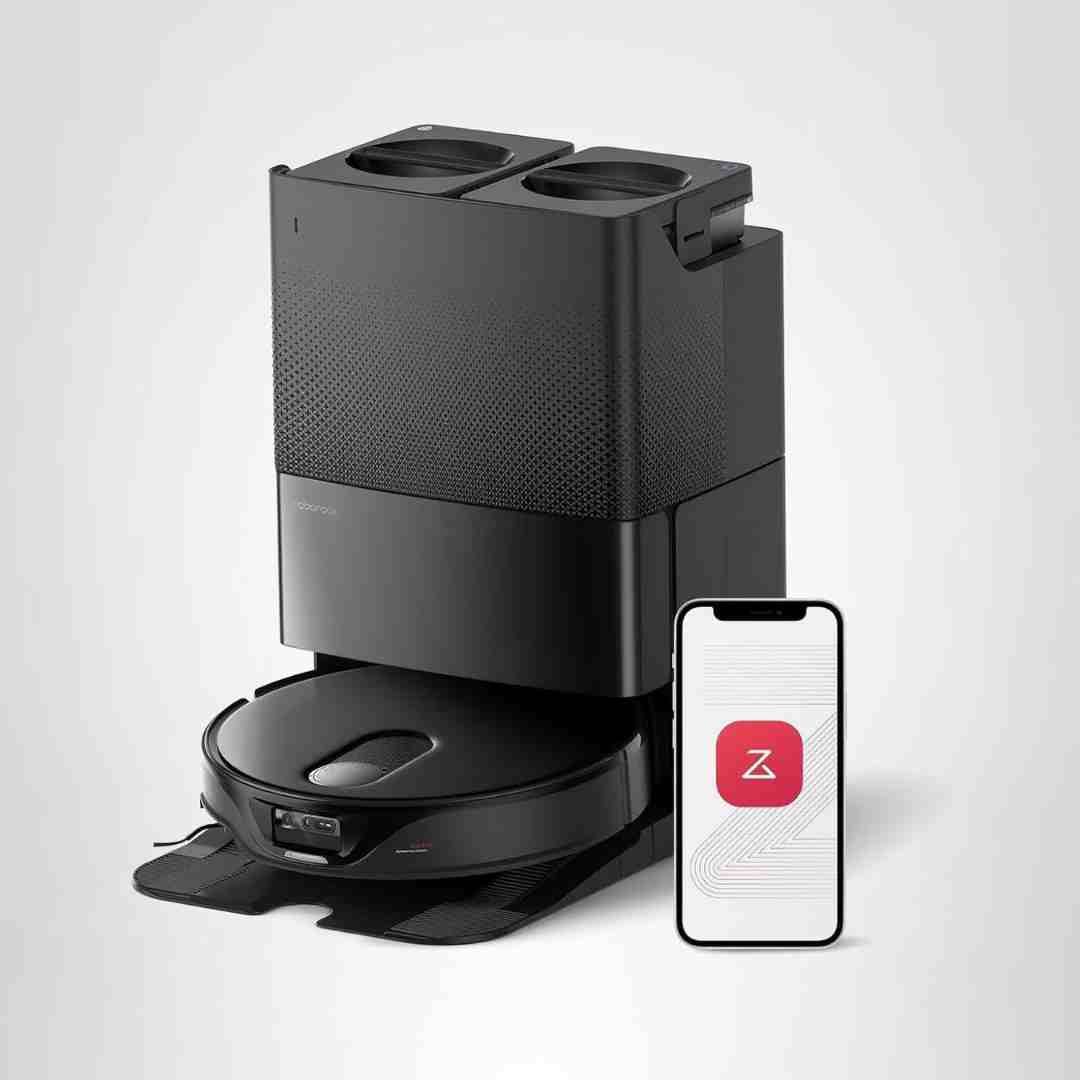
WaterRecycle is the clear innovation: capturing humidity and distilling dirty water removes a major pain point of mop docks and is repeatedly cited as the reason to buy this model.
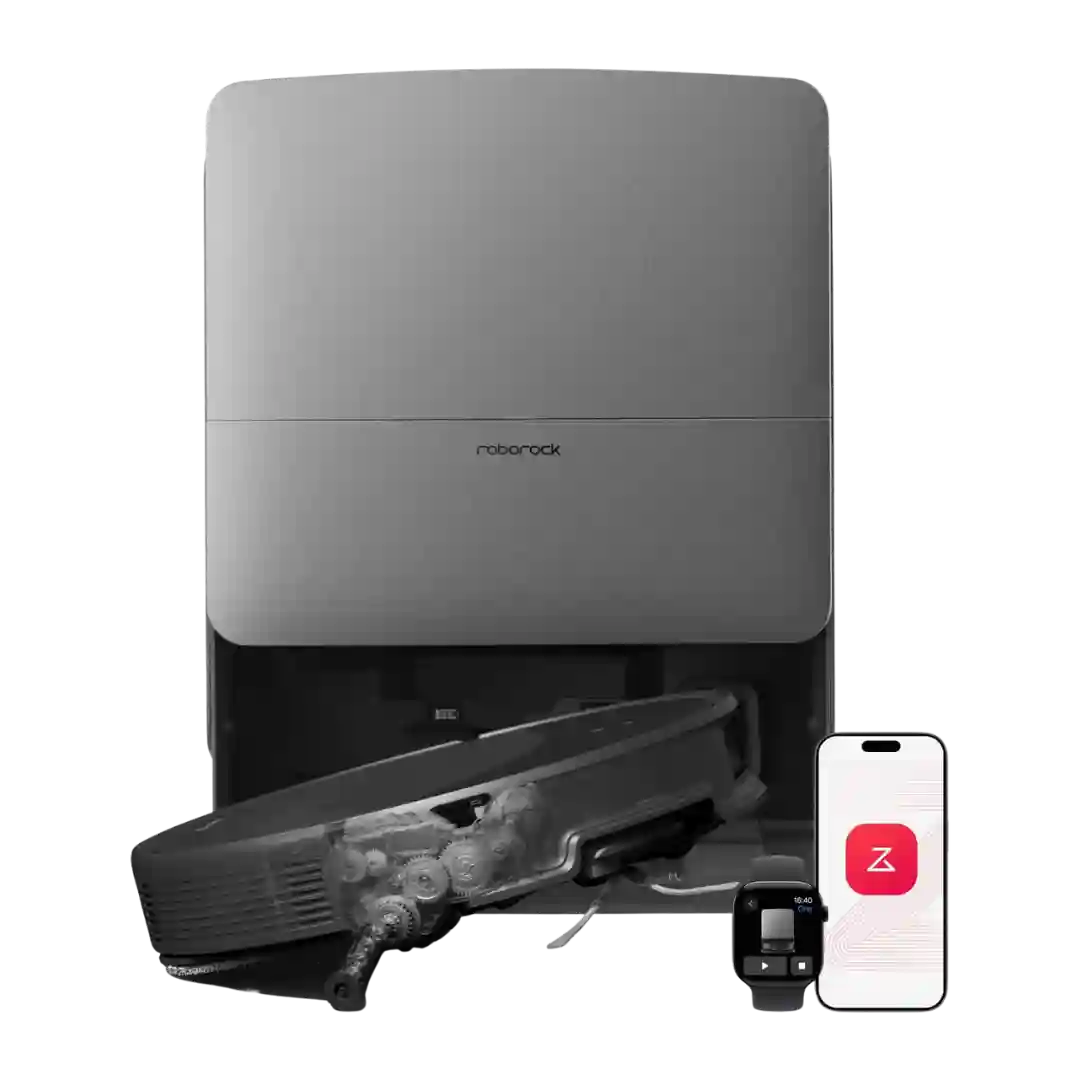
Reviewers consistently frame the X50’s climbing system and retracting sensor tower as genuinely differentiating innovations versus typical robot vacs. The consensus is that these features expand where it can clean, even if they don’t guarantee perfect edges.
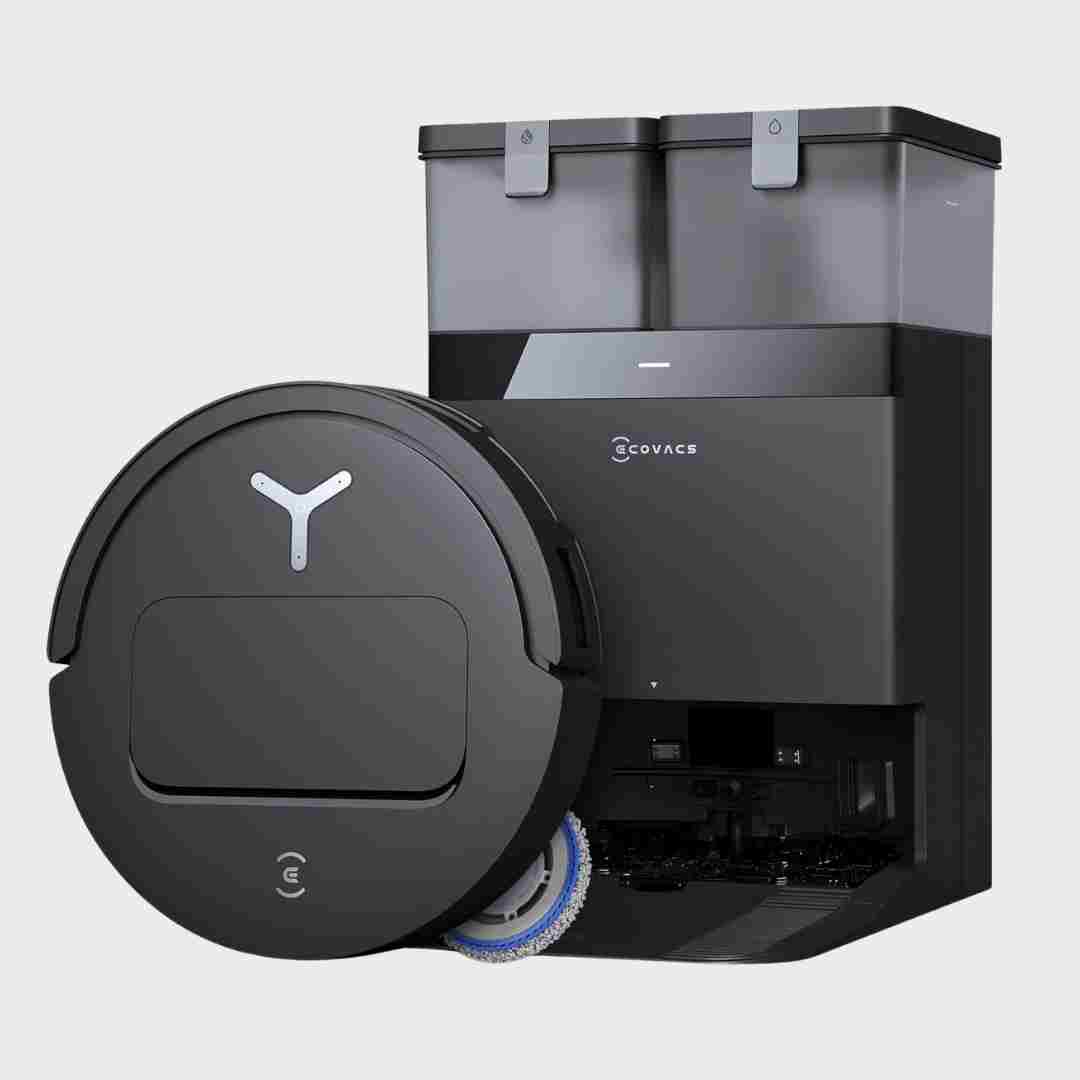
The X60 is portrayed as technically ambitious, with at least one review calling its slim body plus strong threshold climbing a major engineering achievement.
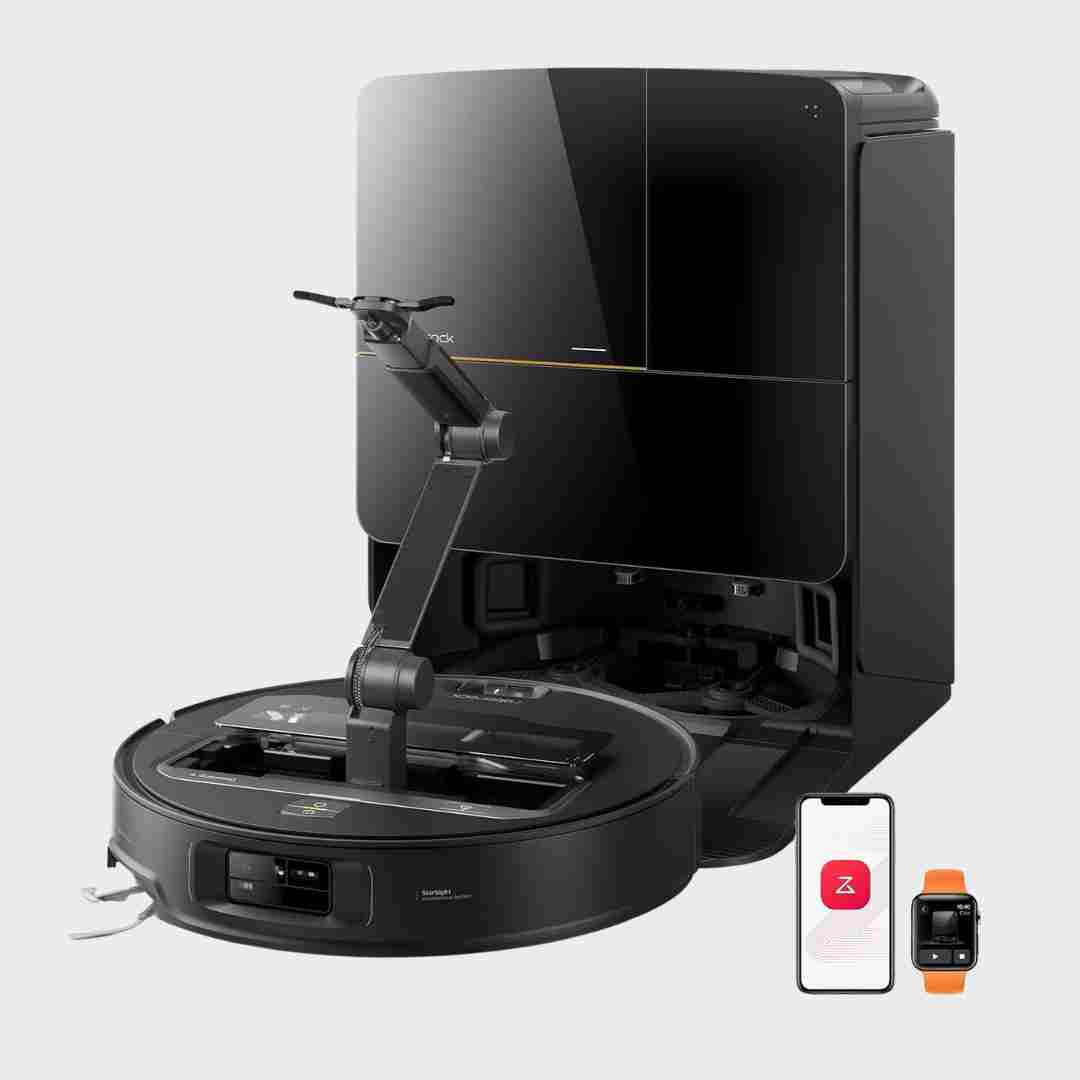
The Z70 is widely framed as one of the most innovative robot vacuums, mainly due to the arm concept and advanced dock, even by reviewers who do not recommend buying it yet.
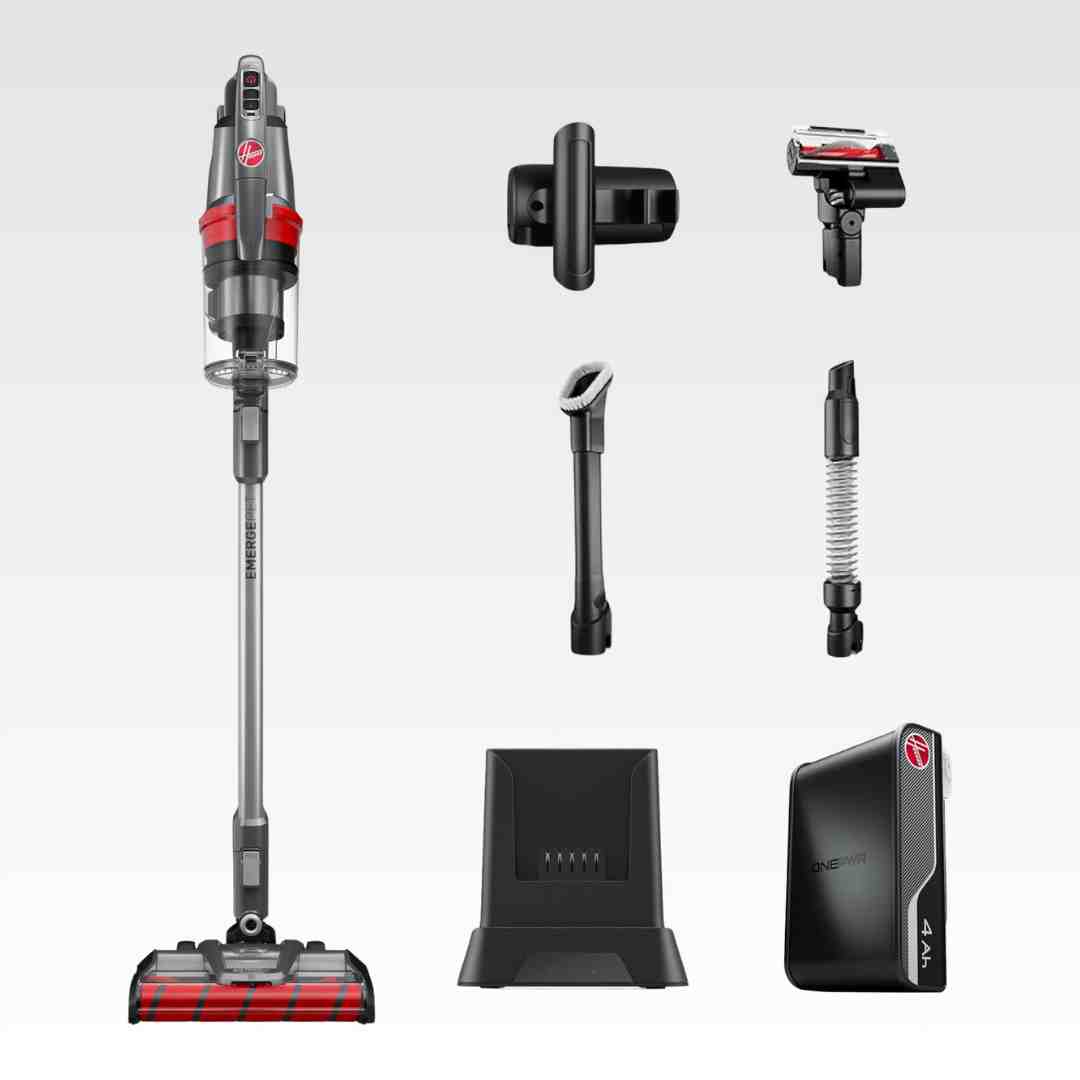
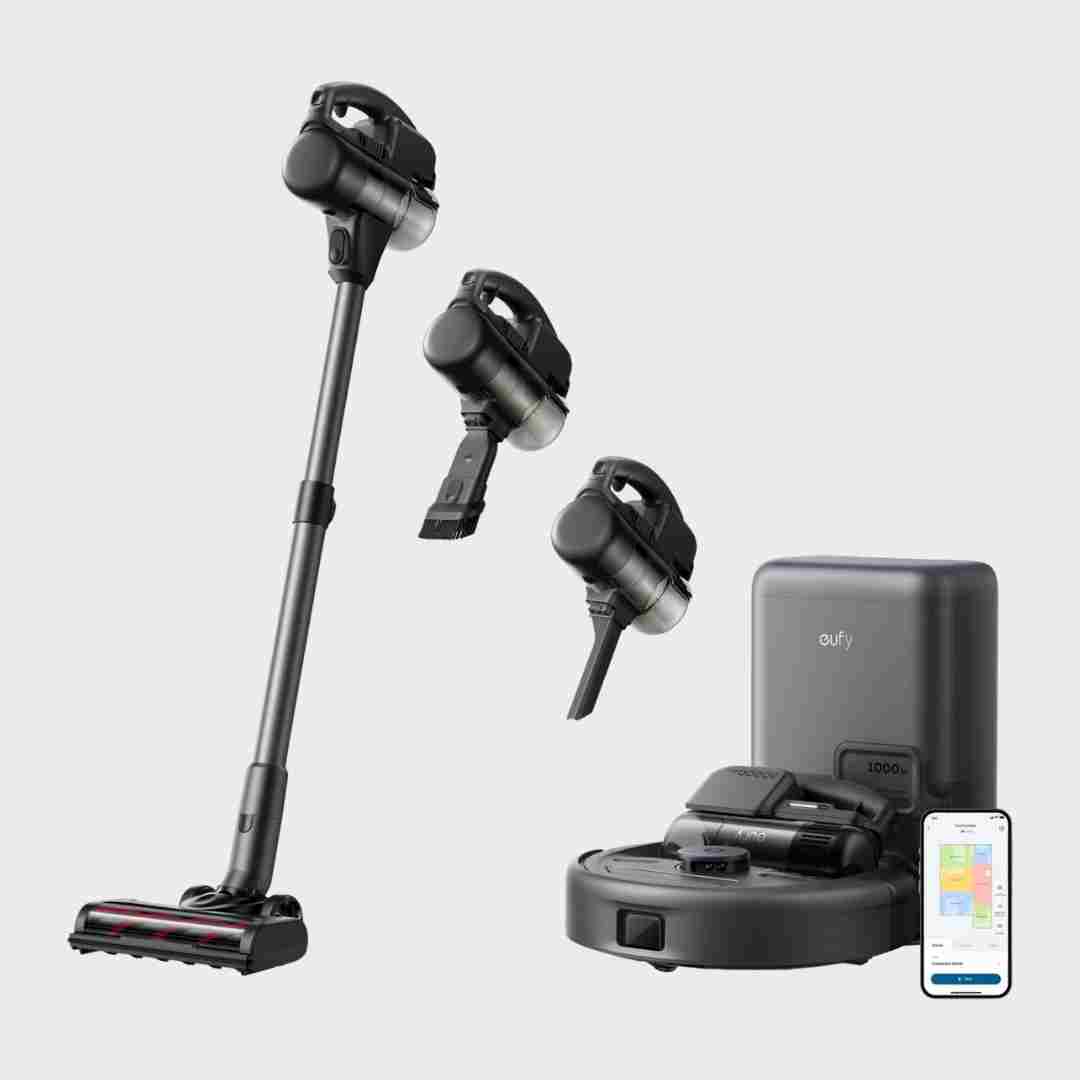
A recurring innovation callout is the powered extension hose approach, which improves above-floor ergonomics by letting users clean with a lighter tool while the main unit rests. The dual-roller floorhead is also viewed as a meaningful step up for multi-surface pickup.
Reviewers frequently call out the roller self-washing concept and BLAST airflow path as meaningful advances over older hybrids. It’s still in a competitive field (other brands have strong threshold handling or alternative mop designs), but the X9’s implementation is often viewed as one of the more complete packages.
Noted innovations versus peers include push-in docking, a fully washable/waterproof motor/chassis, electrolyzed-water cleaning claims, a combined dual-compartment tank, and an adjustable/swiveling handle.
Innovation is repeatedly praised: the detachable 3-in-1 architecture is viewed as genuinely different from typical robot vacuums and a strong space-saving idea.
Reviewers often describe it as one of the most innovative, feature-rich uprights, driven by sensor-based automation and upgraded hair management. The smart behaviors are frequently cited as more than gimmicks.
Innovation is most often credited to the extendable roller-mop approach and the dock’s hot-wash/hot-dry automation, which differentiate it from many spinning-pad designs.
The combo design is seen as meaningfully innovative: the fully retracting mop arm reduces carpet-wetting risk, and the auto-fill dock adds true hands-free mopping convenience. It’s less novel on pad washing, where competitors often do more.
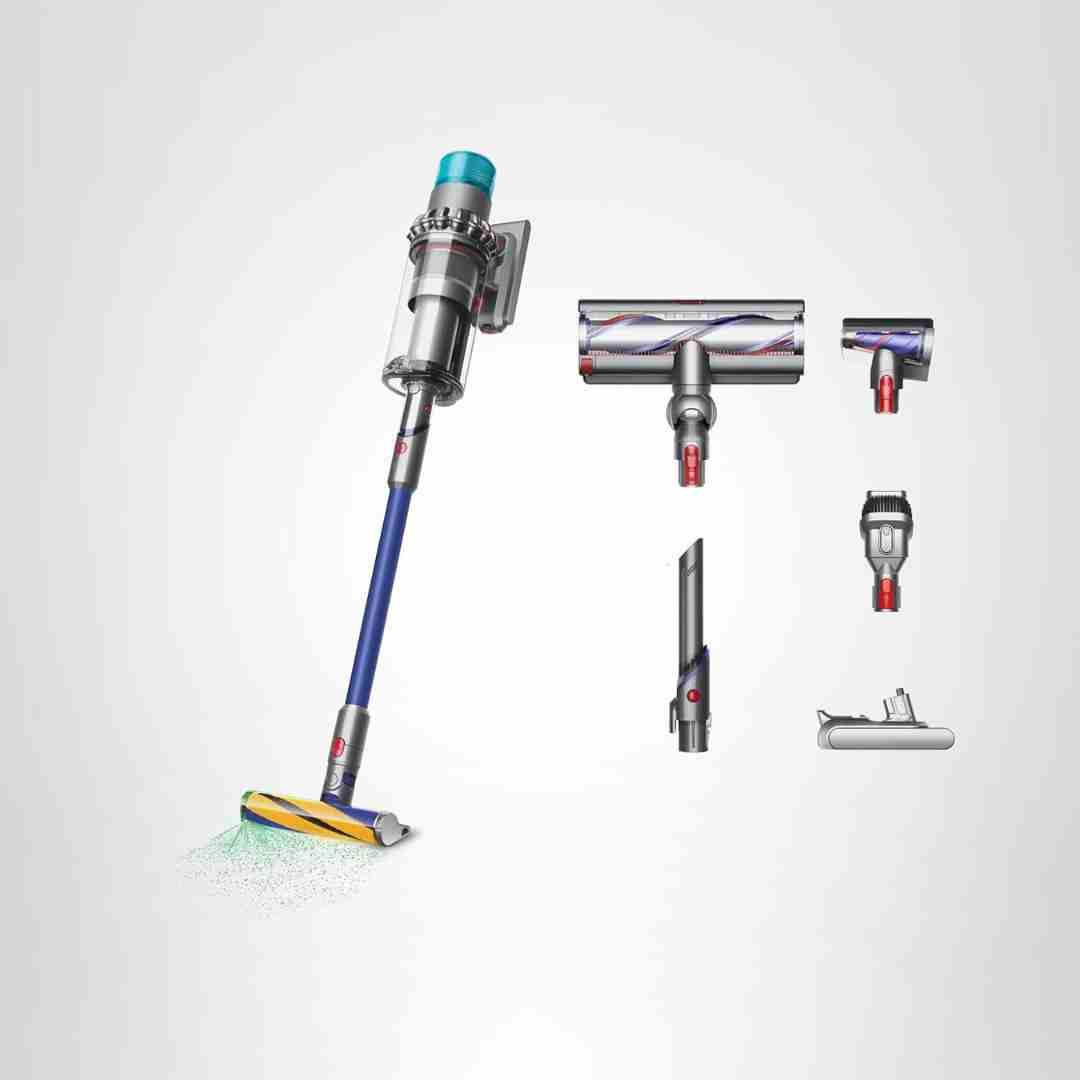
Multiple sources describe the Gen5 series as state-of-the-art cordless vacuum tech, highlighting the laser illumination, sensors, improved filtration, and strong power specs. Innovation is framed more as a premium refinement than a necessity for every buyer.
Roborock’s first roller-mop design is seen as a meaningful step forward for the brand, even if some reviewers felt competitors are already further along on mopping refinement.
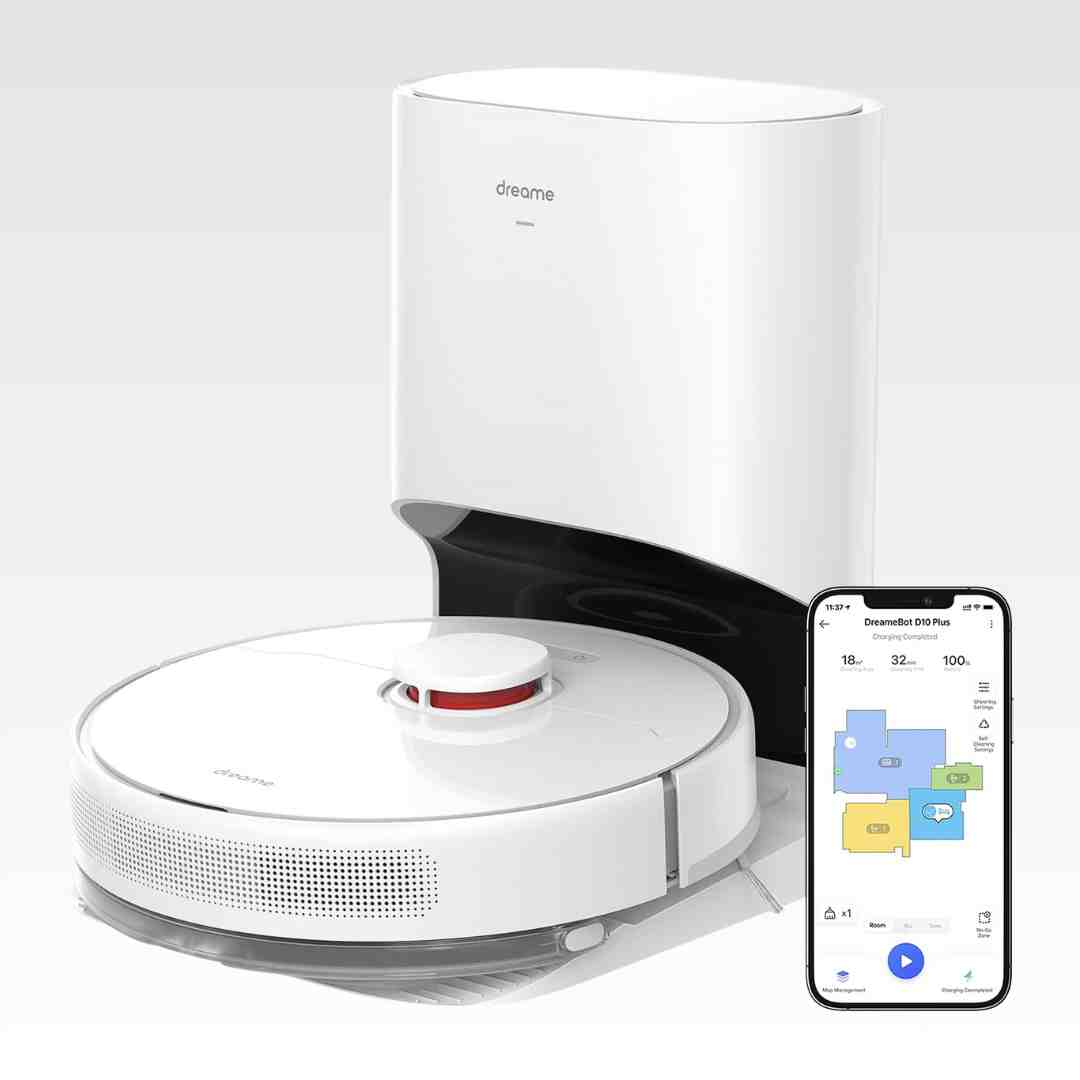
For its price tier, reviewers highlight a rare combination of LiDAR mapping, auto-emptying, and granular app control; the main missing innovation versus flagships is consistent AI object recognition (except in the D10s Plus variant review).
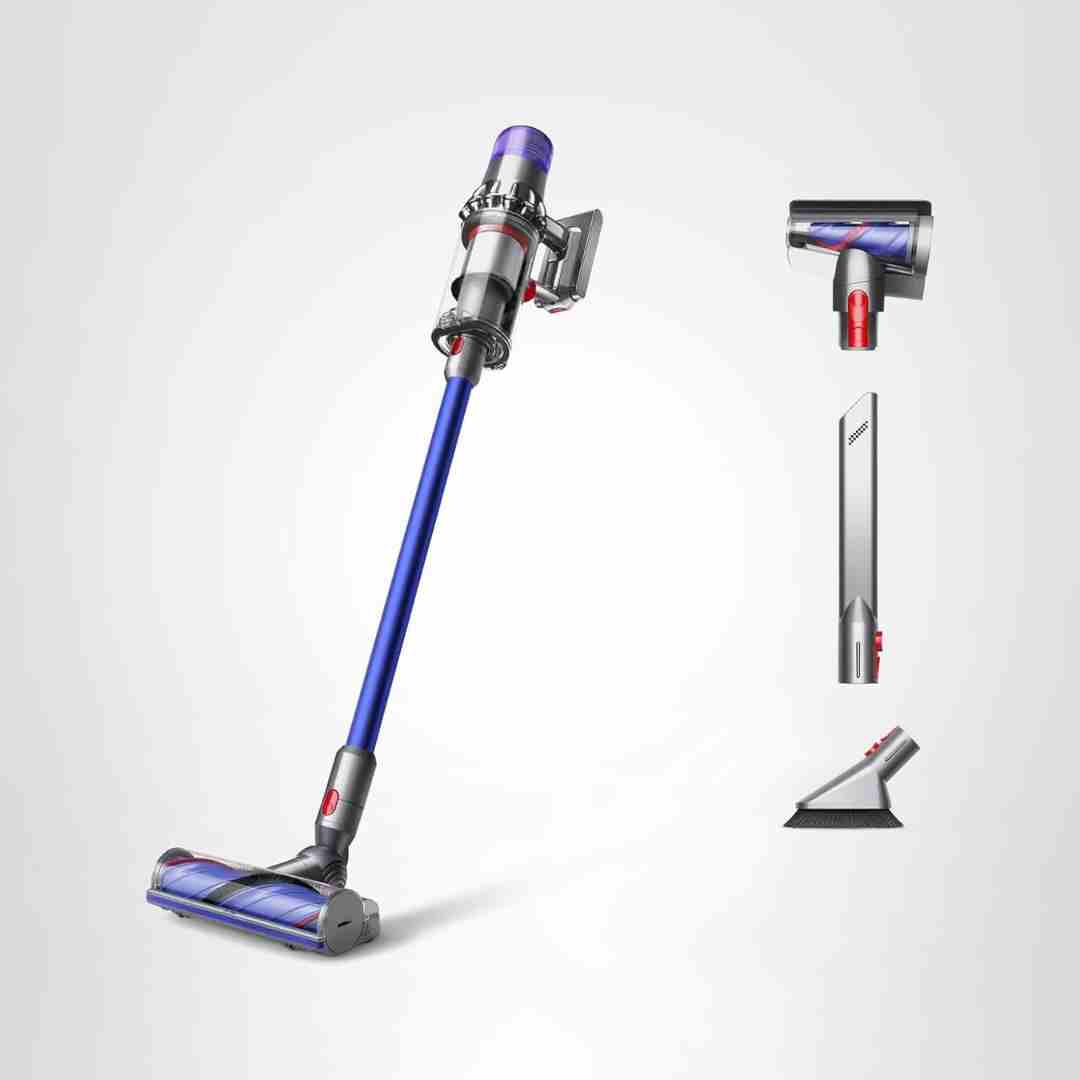
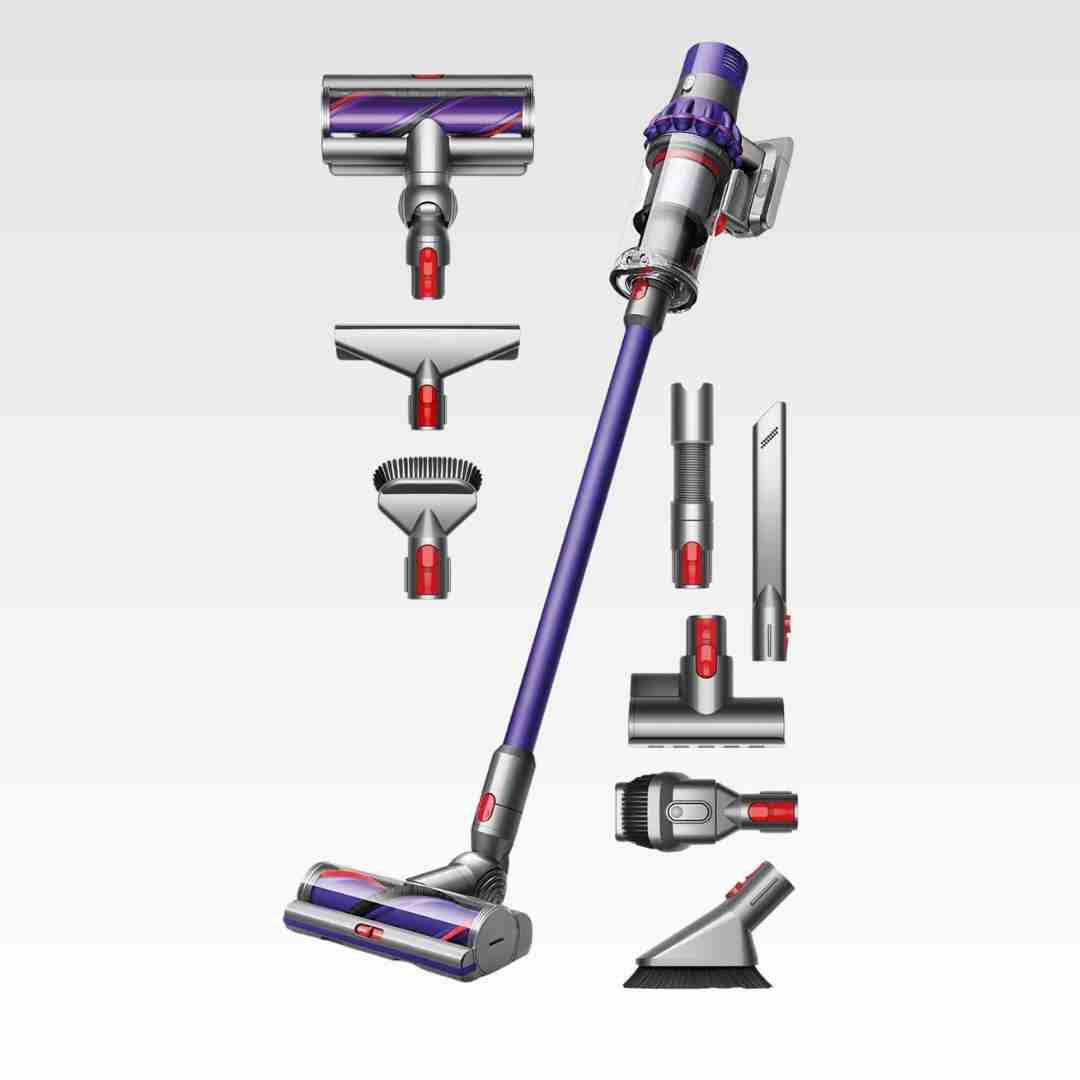
Reviewers call the V11 a smart, premium-feeling cordless, but also note Dysons year-to-year improvements can be incremental. The V11 is often framed as the sweet spot where you get most of the innovation without paying for every newest feature.
Innovation callouts center on the chassis-lift capability and the split anti-tangle brush, plus the edge-reaching mop/brush hardware that targets common robot-cleaning weak spots.
Innovation shows up in features like leaving mop pads at the dock, lifting brushes when sensing liquid, edge-extending mops and brushes, camera-assisted stain attention, and sensor-driven re-cleaning. Reviewers frequently call these capabilities differentiators versus simpler robot vacuum-mops.
Compared with competing robot mops, the UV-guided stain targeting and deliberate re-scrubbing feel more distinctive and more useful than most novelty features.
QuickShift is often described as a genuinely new or unusually useful approach to under‑furniture access and lift‑off flexibility. That said, some testers found the mechanism less smooth or more finicky than premium lift‑away implementations.
Standout innovations include automatic mop-pad detachment, extendable edge mopping, hot-water pad washing, and camera-based features. These features collectively push the product toward a more hands-off experience than many mainstream hybrids.
Reviewers call out practical innovations like separating solids from liquid waste and including roller-cleaning tools/self-clean routines, even if the core vac-mop concept is not new.
Several features are framed as unusually premium for the price, including self-standing storage, HEPA-style filtration, and anti-hair elements. The overall package is repeatedly described as punching above its budget category, even if it is not as refined as high-end models.
Innovation is repeatedly highlighted around the move to a self-rinsing roller mop and newer sensing/edge-mapping approaches, positioning it as a notable step forward for the brand.
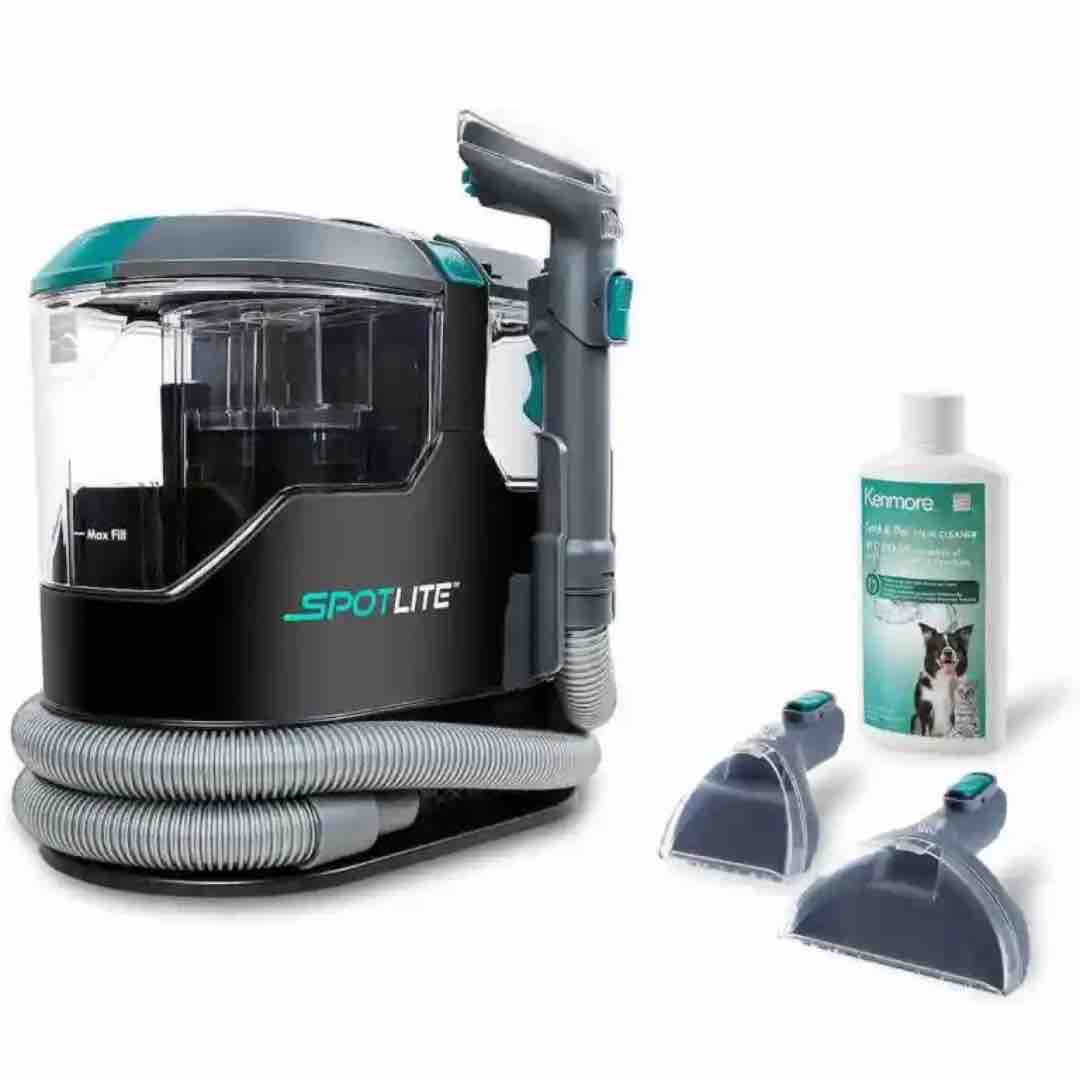
Innovation callouts are mostly tied to the cordless variant: a dedicated hose-cleaning tool and battery-powered freedom are described as standout conveniences versus typical corded spot cleaners. For the standard corded unit, innovation is more about strong basics than smart features.
Extending edge mop, hair-cutting detangling, and a wash/dry dock are cited as “flagship” innovations at a lower price tier. Missing features like detergent auto-dosing, extending side brush reach, or certain brush-lift systems keep it from being the most advanced option.
Its side brushes, floor-level architecture, self-cleaning filter concept, and unusual upright format make it feel genuinely different from typical cordless sticks.
Several reviews highlight that offering LiDAR mapping and robust app controls at a budget price was unusually competitive when launched and remains a key differentiator.
Noted differentiators include the DuoClean dual‑roller system, MultiFLEX folding wand, and anti‑hair‑wrap features; the main missing ‘innovation’ versus newer rivals is automatic dirt sensing and auto-suction adjustment.
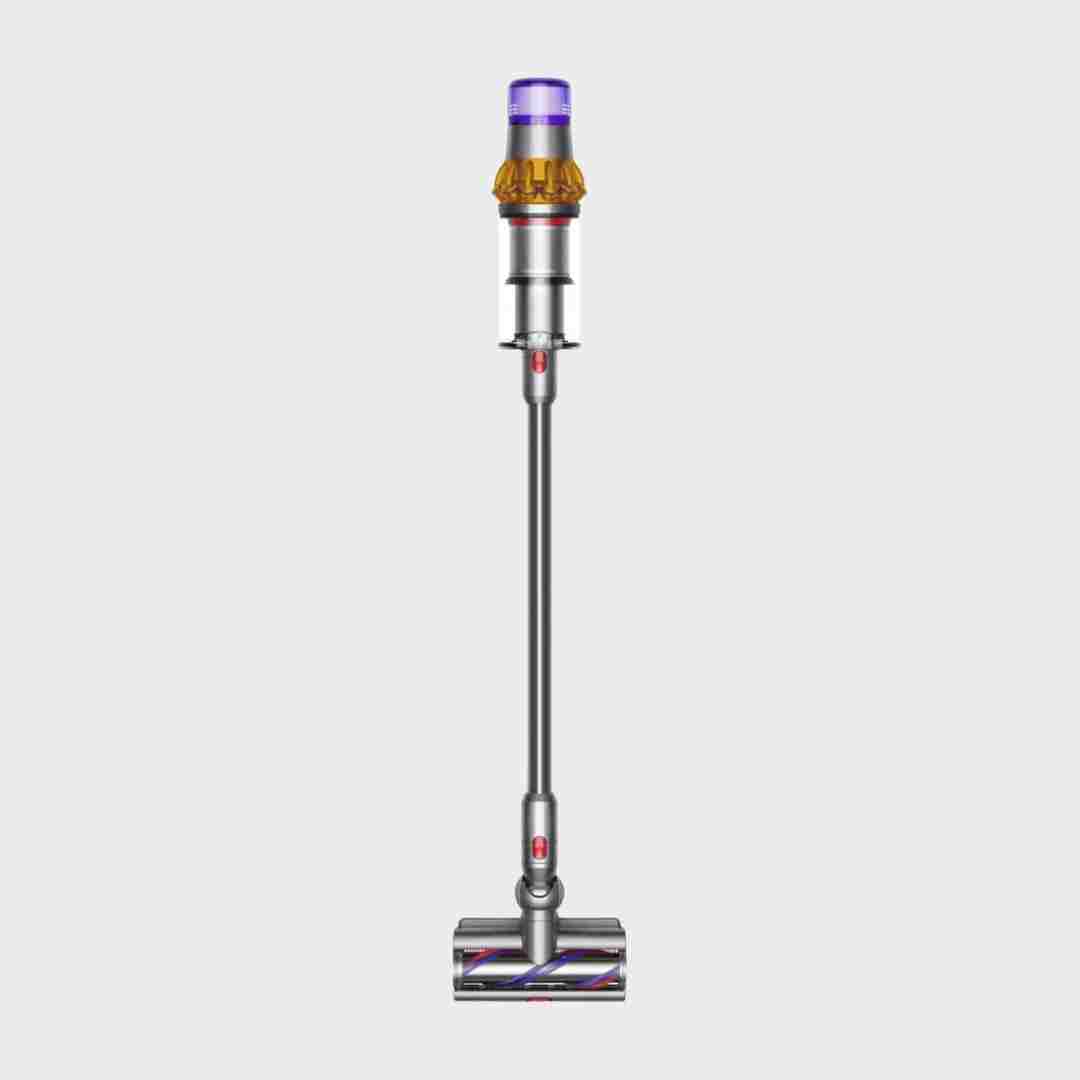
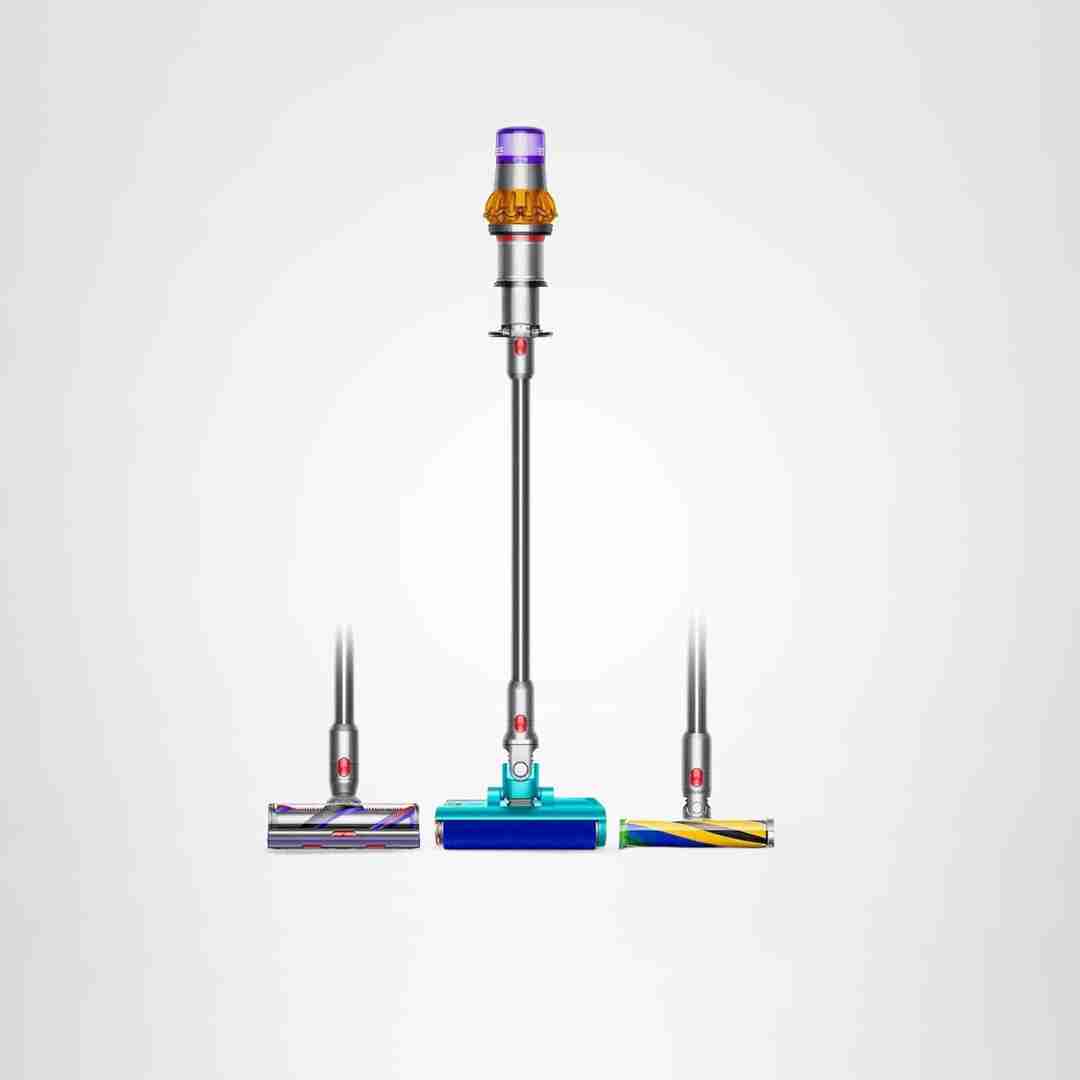
The laser and particle-feedback style features are repeatedly framed as differentiators that help the V15 stand out from many competitors beyond raw suction alone.
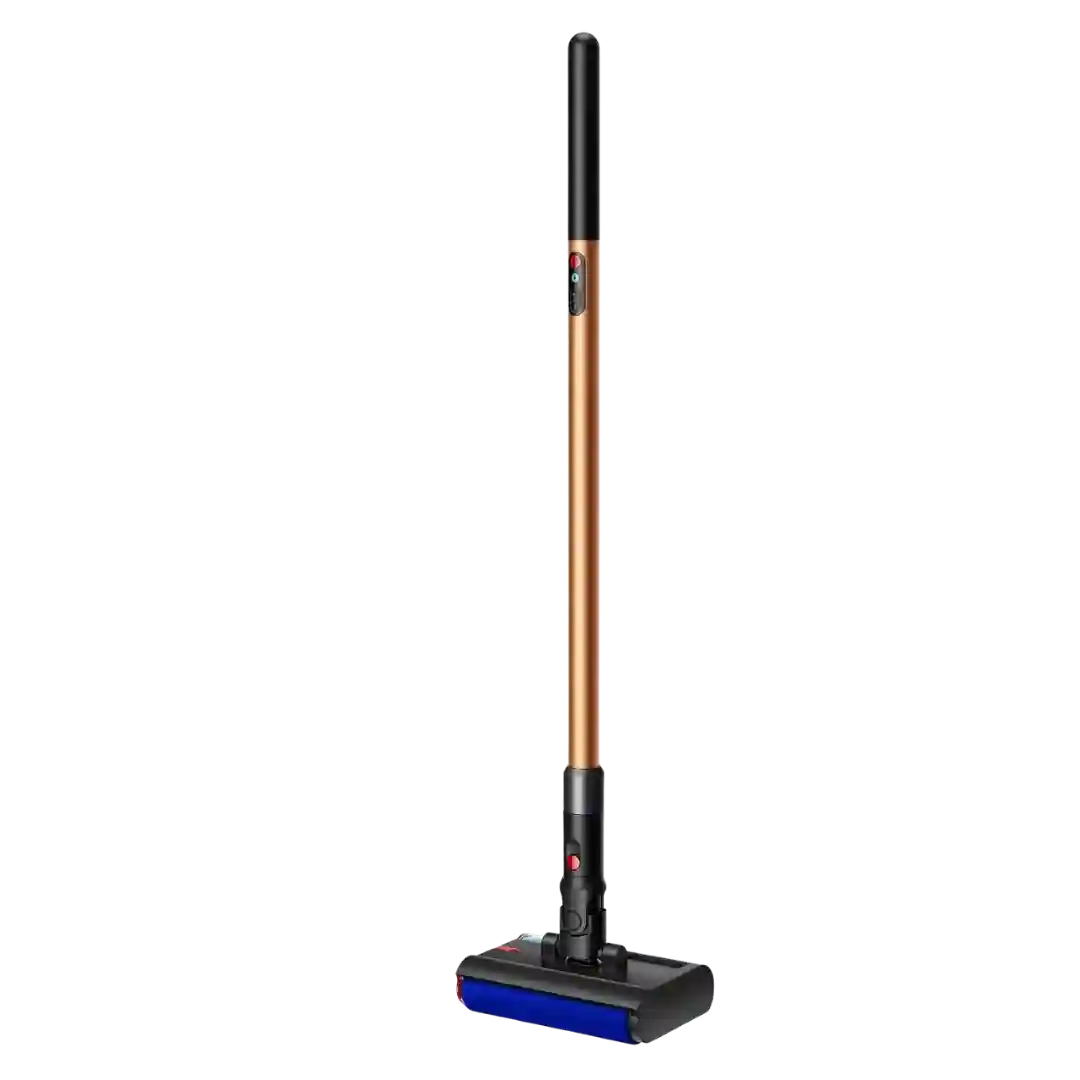
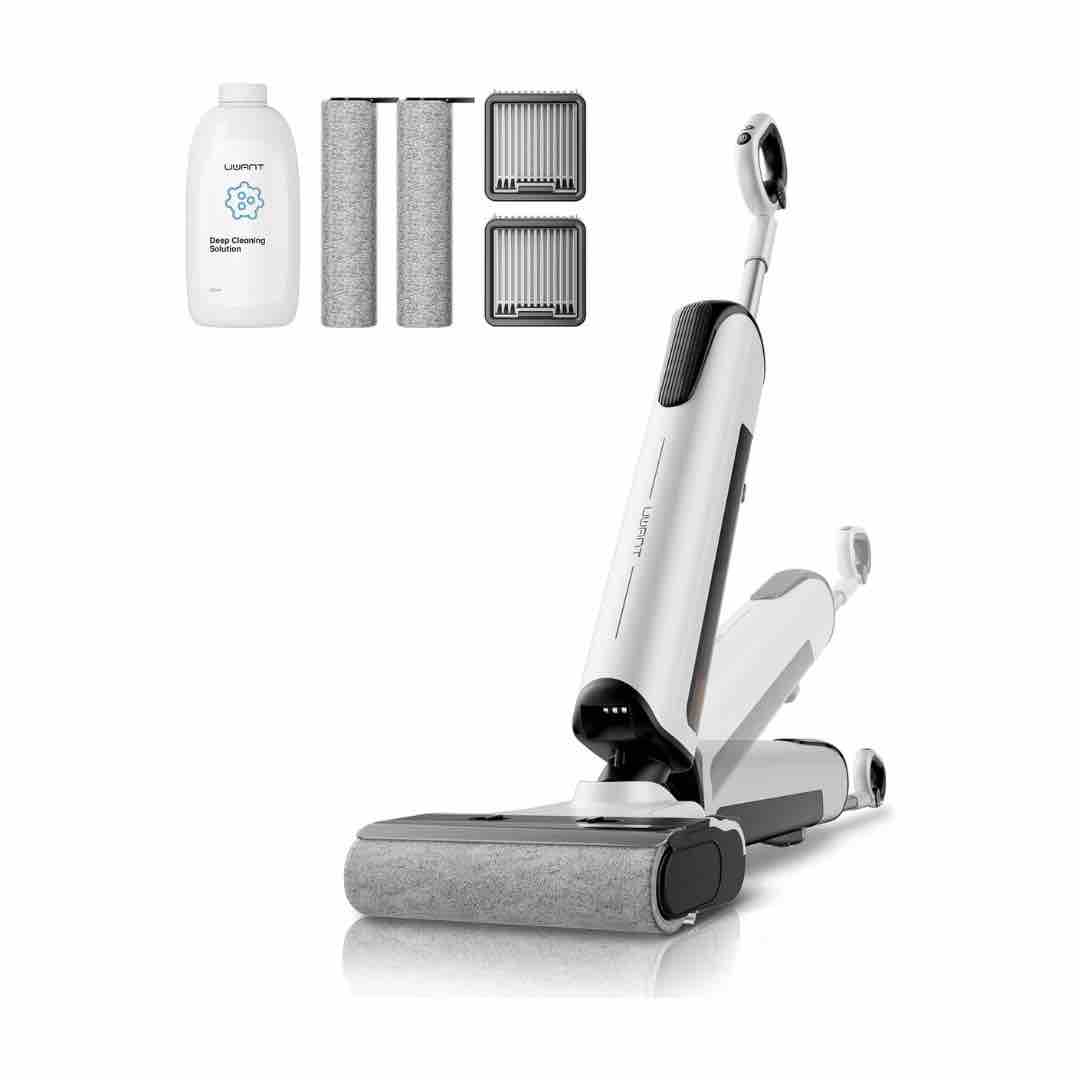
Reviewers view the concept as innovative: a flagship stick vacuum paired with a wet roller head, though several also describe the wet system as first-generation with compromises.
Innovation is credited where it matters (extendable mop, strong dock automation), but reviewers also highlight missing flagship features (dual rollers, advanced avoidance, certain lift/reach behaviors).
Innovation is strongest in its combination of slim design, strong mopping outcomes, and edge-extension systems; some analysis suggests internal LiDAR trends can trade mapping precision for low-profile access.
The V10 is recognized as an important step in Dyson’s cordless evolution (in-line redesign and debris-handling improvements), but reviewers also note that later models advanced further with lasers, anti-tangle tools, and smarter modes.
Innovation is framed as practical rather than flashy: sealed filtration, auto/handle controls on select models and refined powerhead options. Reviewers don’t present the C3 as “smart,” but as a mature platform with thoughtful usability upgrades.
Some reviewers see the dirt-detection approach and floor transitions as genuinely distinctive, while another says it still does not out-innovate the field.
Innovation is mainly tied to the retracting navigation module plus an adaptive lifting chassis and upgraded sonic mopping. Reviews frame these as practical innovations that expand where the robot can go and how hands-off the cleaning loop can be.
Innovation is framed as value-focused rather than cutting-edge: reviewers highlight that it skips premium extras like AI camera object recognition, mechanical arms, hot-water washing, hot-air drying, and extendable edge tools. The upside is getting many flagship-like fundamentals at a lower price.
The roller-mop approach is repeatedly framed as the product’s most innovative advantage, with edge-reaching behavior and self-washing called out as differentiators. Some reviewers temper this by noting it’s very similar to a recently released sibling model and still misses a few “premium” touches.