Best for Maintenance requirements
Belife BVC11 Cordless Stick Vacuum Cleaner
5.0 feature score
Highest scored product for this feature based on supporting review evidence.
Highest scored product for this feature based on supporting review evidence.
Balances feature score, supporting reviews, and overall product strength.
Has the broadest review evidence for this feature.
Strongest overall product among items with scored evidence for this feature.
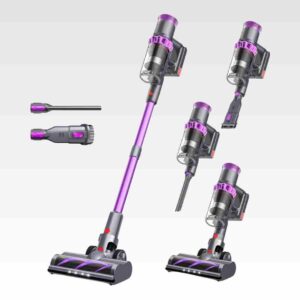
Maintenance is praised as easy for the dust chamber, roller, and filter.
Pros: Tool-change simplicity, Aesthetic design and finish
Cons: Support and Reliability, Overall durability/longevity
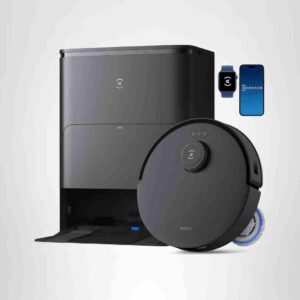
Maintenance burden was praised as extremely low after weeks of near-daily use.
Pros: Clogging and debris prevention, Battery and Charging
Cons: Suitability for heavy-duty use, Suitability for small spaces
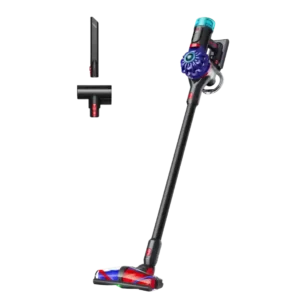
Routine maintenance is unusually approachable: the head opens easily, filters wash cleanly, and the anti-wrap rollers reduce cutting chores. Dust still accumulates inside the cones and center channel.
Pros: Pet-Ready Features, Tool-change simplicity
Cons: Noise level, Product availability
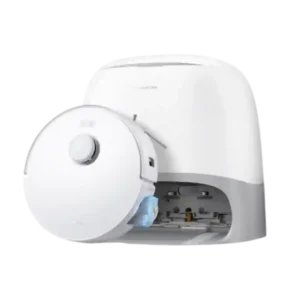
Maintenance was generally easy thanks to removable rollers, trays, tanks, and simple cleaning access.
Pros: Maneuverability and Handling, Versatility
Cons: Under-Furniture Pickup, Low-profile design
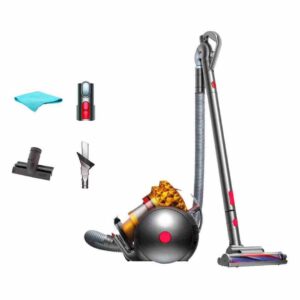
Maintenance is generally light and straightforward, helped by washable filters and removable components.
Pros: Pet-Ready Features, Noise level
Cons: Hard Floor — Large Debris Intake, Area Rug Handling
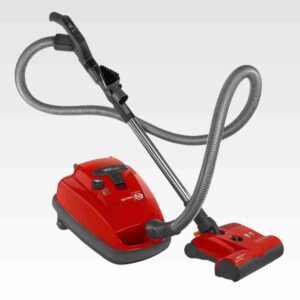
Maintenance was a strength thanks to easy bag changes, no-tool brush removal, and accessible cleanout features.
Pros: Versatility, Overall durability/longevity
Cons: Suitability for heavy-duty use, Hair-removal channel issues
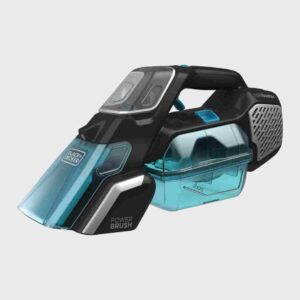
Maintenance was one of the strongest areas, with all four reviews praising easy takedown, dishwasher-safe parts, or simple cleaning.
Pros: Pet-Ready Features, Assembly and Setup
Cons: Accessories and Tools, Comparative performance

Maintenance is generally easy, with washable filters, easy brush access, and simple bag or dust-bin handling.
Pros: Innovation compared to competitors, Under-Furniture Pickup
Cons: Suitability for heavy-duty use, Dock noise
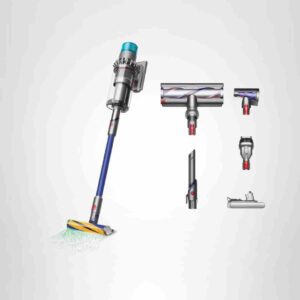
Maintenance requirements were favorable because routine upkeep was simple and hair systems reduce regular detangling.
Pros: Pet-Ready Features, Tool-change simplicity
Cons: Airflow blowback, Suitability for small spaces
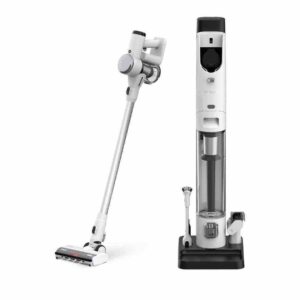
Maintenance requirements were a strength because the OmniHub reduced filter, tube, brush, and bin work, though periodic manual care remains.
Pros: Innovation compared to competitors, Hair Pickup — Hard Floors
Cons: Edge and Baseboard Cleaning (Hard Floors), Dock noise
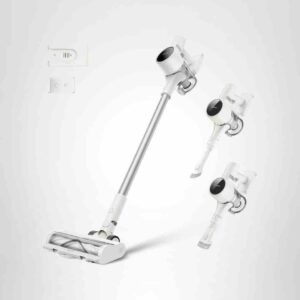
Maintenance was consistently described as easy, with washable parts, simple bin/filter access, and attachments that did not trap much debris.
Pros: Pet-Ready Features, Assembly and Setup
Cons: AI, Smart
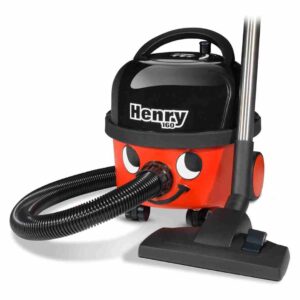
Maintenance was considered easy, with simple bag/filter access, few finicky parts, and straightforward blockage disassembly.
Pros: Low-profile design, Overall durability/longevity
Cons: Bag-full indicator, Cordless convenience
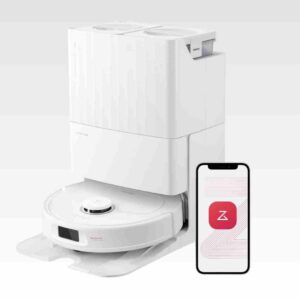
Maintenance requirements were low overall due to self-maintenance, mop washing/drying, and limited recurring purchases.
Pros: Build quality and durability, Dirty water sensor
Cons: Edge‑Following Accuracy (Robot), Emptying and Mess Control
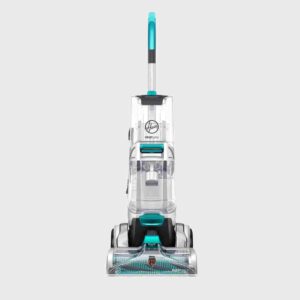
Maintenance was a major strength: reviewers repeatedly praised removable brushes, removable covers, easy tank cleaning, and easy cleanup.
Pros: Pet-Ready Features, Tool-change simplicity
Cons: Support and Reliability, Overall durability/longevity

Maintenance was one of the strongest themes, with reviewers praising long hands-free periods and easy tray cleaning.
Pros: Kid-friendliness, Reverse cleaning performance
Cons: Solution / Liquid system, Low-profile design
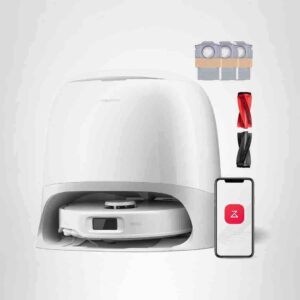
Maintenance is one of the strongest areas because auto-emptying, mop washing, easy cleaning, and app reminders reduce effort.
Pros: Mopping performance, Controls and UI
Cons: Area Rug Handling, Accessories and Tools
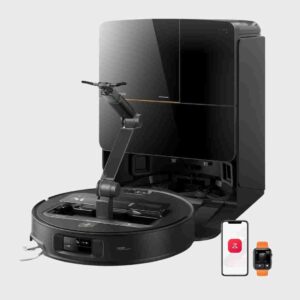
Maintenance is a strength overall because the dock handles many routine chores, although hair removal still requires occasional intervention.
Pros: Noise level, Maneuverability and Handling
Cons: Clogging and debris prevention, Bin and Bag
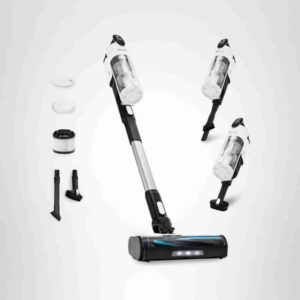
Maintenance was generally easy, with washable filters, removable rollers, and simple dustbin access, though care is still needed.
Pros: Support and Reliability, Cordless convenience
Cons: Airflow blowback, Carpet — High-Pile Pickup
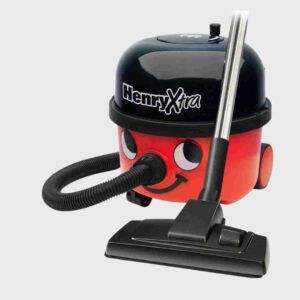
Maintenance was considered easy, with simple bag/filter access and minimal regular jobs beyond occasional hair cutting.
Pros: Crevice / Groove Pickup (Hard Floors), Ease of use
Cons: Odor control, Cordless convenience
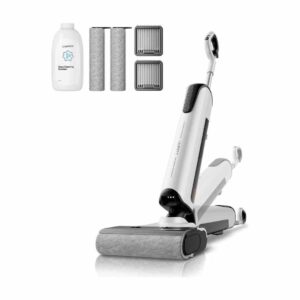
Maintenance was considered easier than many wet vacs thanks to self-cleaning and washable parts, but reviewers stressed that tanks, filters, and debris still need manual care.
Pros: Pet-Ready Features, Assembly and Setup
Cons: Dock noise, Reverse cleaning performance
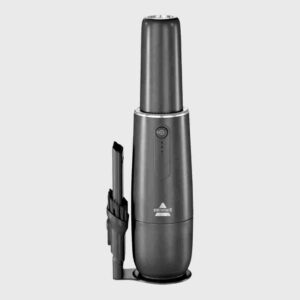
Maintenance was praised for easy disassembly, washable/reusable filter use, and the convenience of having another filter available.
Pros: Kid-friendliness, Surface safety with attachments
Cons: Bin and Bag, Suitability for heavy-duty use
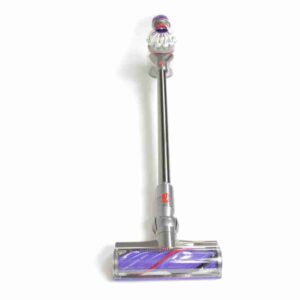
Maintenance was generally viewed as easy or low, with washable filters, simple cleaning, and manageable brush-roll hair removal.
Pros: Suction and Airflow, Noise level
Cons: Hard Floor — Large Debris Intake, Suitability for heavy-duty use
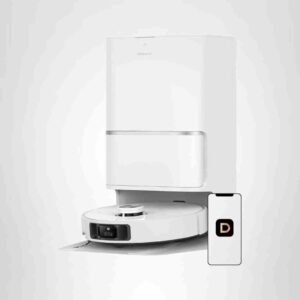
Maintenance burden was consistently low thanks to large tanks, auto-emptying, mop washing, and drying.
Pros: Energy efficiency (kWh), Stuck resistance
Cons: Support and Reliability, Streaking / Residue
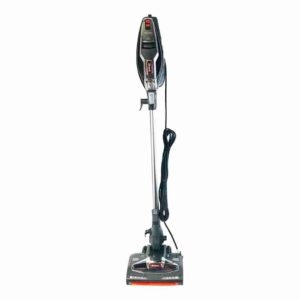
Maintenance is praised, especially easy roller access, washable filters, and quick brush cleaning.
Pros: Stair Cleaning, Clogging and debris prevention
Cons: Cordless convenience, Bin and Bag
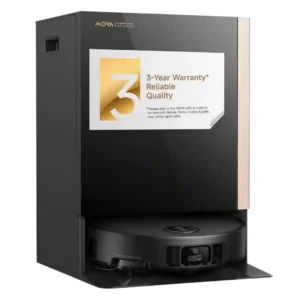
Maintenance requirements were strongly positive for low maintenance, self-washing, and reduced babysitting.
Pros: Obstacle Avoidance (Robot), Carpet — Medium-Pile Pickup
Cons: Dirty water sensor, Runtime
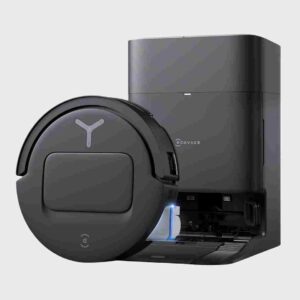
Maintenance requirements are strongly positive overall because the dock, accessible parts and self-cleaning functions reduce hands-on upkeep.
Pros: Innovation compared to competitors, Hard Floor — Large Debris Intake
Cons: Emptying and Mess Control, Cord management
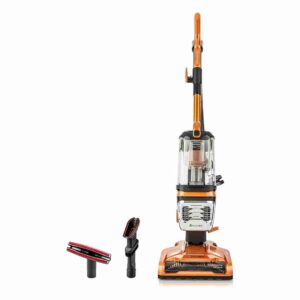
Maintenance evidence was positive where reviewers discussed easy filter changes and simple cleaning.
Pros: Edge and Baseboard Cleaning (Hard Floors), Pet-Ready Features
Cons: Hose length, Crevice / Groove Pickup (Hard Floors)
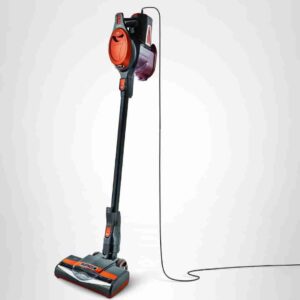
Maintenance was considered manageable with washable filters and brush access, but neglect can reduce suction.
Pros: Battery and Charging, Runtime
Cons: Onboard tool storage, Stuck resistance
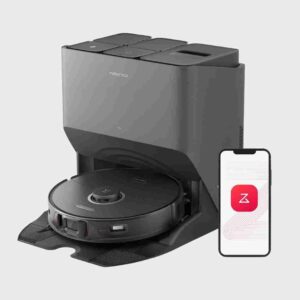
Maintenance was a standout strength because the dock handles frequent tasks, though reviewers still noted occasional part cleaning and consumables.
Pros: Ease of use, Overall cleaning convenience
Cons: Scratch resistance, Fresh Liquid Pickup Speed
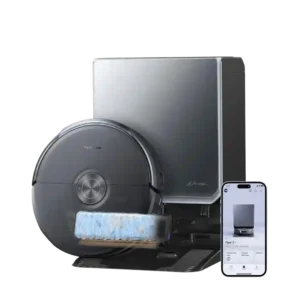
Daily upkeep is minimal because the dock empties, washes, dries, and tracks consumables. Water tanks, the dock tray, filters, and occasional trapped debris still need periodic attention.
Pros: Pet-Ready Features, Accessories and Tools
Cons: Automatic shutoff for obstructions, Crevice / Groove Pickup (Hard Floors)
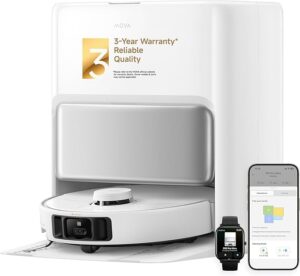
Maintenance requirements were viewed positively overall because auto-emptying, mop washing, drying, alerts, and hair control reduced manual work.
Pros: Hair Pickup — Hard Floors, Corner Cleaning (Robot)
Cons: Carpet — High-Pile Pickup, Support and Reliability
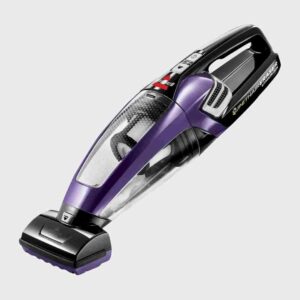
Maintenance was generally considered easy, with simple bin/filter cleaning, though it still requires filter care.
Pros: Controls and UI, Stair Cleaning
Cons: Airflow blowback, Hard Floor — Large Debris Intake
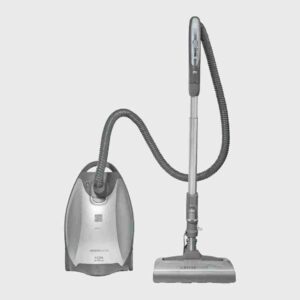
Maintenance is generally straightforward, though it includes normal bag, filter, and brush-roll upkeep.
Pros: Crevice / Groove Pickup (Hard Floors), Hard Floor — Large Debris Intake
Cons: Comparative performance, Odor control
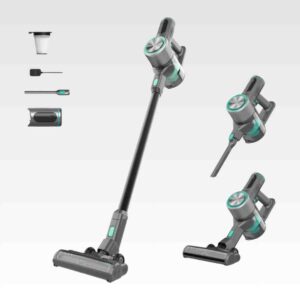
Maintenance was praised because the dust cup, filters, roller, and declogging system were easy to access or clean.
Pros: Noise level, Storage footprint and upright-stand stability
Cons: Odor control, Suitability for heavy-duty use
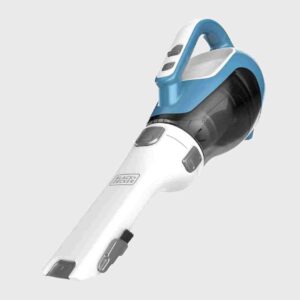
Maintenance is mostly positive because reviewers found the washable filter and routine cleaning manageable.
Pros: Bin and Bag, Assembly and Setup
Cons: Ongoing ownership costs (bags, filters
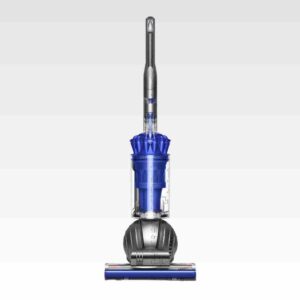
Maintenance was considered straightforward, especially because filters can be washed and routine cleaning tasks are easy to access.
Pros: Suction and Airflow, Cyclone performance
Cons: Convertible handheld design, Headlight and LED lights
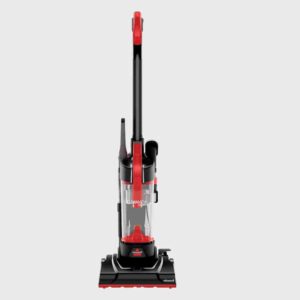
Maintenance is a strength because reviewers liked the washable filters, easy cleaning access, and low-effort upkeep.
Pros: Storage footprint and upright-stand stability, Weight
Cons: Noise level, Crevice / Groove Pickup (Hard Floors)

Maintenance feedback was favorable, with easy cleaning, washable filter benefits, and simple reassembly after emptying.
Pros: Overall durability/longevity, Storage footprint and upright-stand stability
Cons: Battery and Charging, Suitability for heavy-duty use
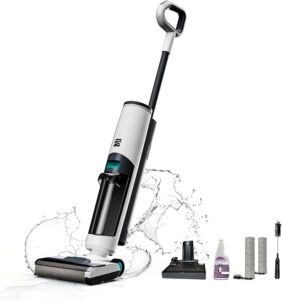
Maintenance was positive overall because reviewers found it easy to work on and valued the self-cleaning odor-reduction system.
Pros: Suction and Airflow, Noise level
Cons: Heating element, Area Rug Handling
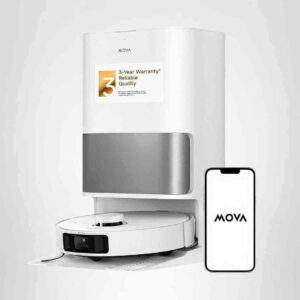
Maintenance was considered relatively hands-off because of auto-emptying, self-cleaning, notifications and removable cleaning parts.
Pros: Assembly and Setup, Price and Value
Cons: Dried-On Stain Removal, Overall durability/longevity
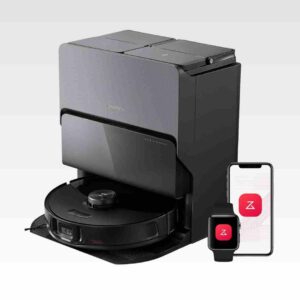
Maintenance requirements were favorable overall, with long water-change intervals and less intervention than many robots.
Pros: Filtration / Dust Containment, Bin and Bag
Cons: Price and Value, Tool-change simplicity
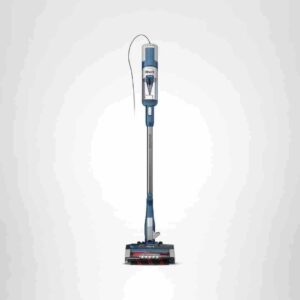
Maintenance is described as easy in Modern Castle and hands-on YouTube evidence, with few items to track.
Pros: Carpet — High-Pile Pickup, Hair Pickup — Carpets
Cons: Cord management, Bin and Bag
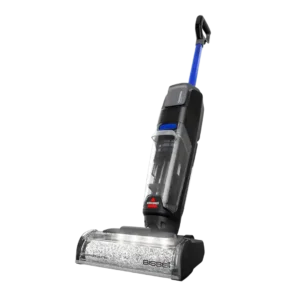
Maintenance was considered easier than similar machines, though users still need to empty, rinse, and dry parts.
Pros: Pet-Ready Features, Assembly and Setup
Cons: Convertible handheld design, Stair Cleaning
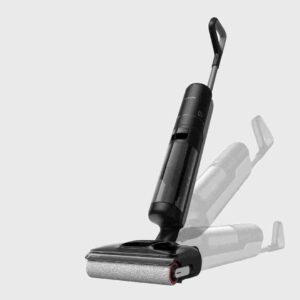
Maintenance was described as straightforward and limited, with most work reduced to tank cleaning and routine upkeep.
Pros: Accessories and Tools, Streaking / Residue
Cons: Convertible handheld design, Clogging and debris prevention
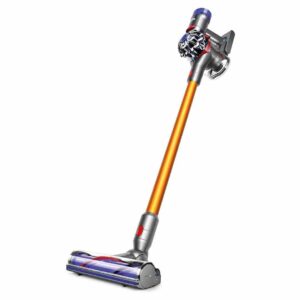
Maintenance requirements were favorable where reviewed, with low maintenance and easy filter removal cited.
Pros: Assembly and Setup, Packaging quality
Cons: AI, Smart
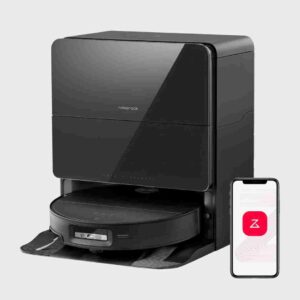
Maintenance requirements were viewed favorably because the dock and self-maintenance features handled most routine tasks.
Pros: Noise level, Tool-change simplicity
Cons: Ongoing ownership costs (bags, filters
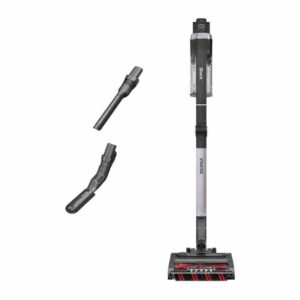
Maintenance is generally easy and low, with one reviewer calling it the easiest vacuum they had maintained, though dustbin cleaning was less ideal elsewhere.
Pros: Filtration / Dust Containment, Build quality and durability
Cons: Support and Reliability, Suitability for heavy-duty use
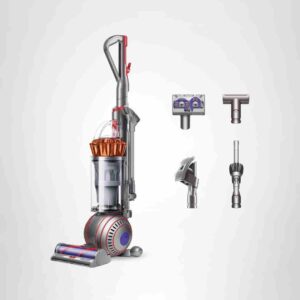
Maintenance is viewed positively overall, with a reviewer explicitly calling it very easy.
Pros: Clogging and debris prevention, Carpet — Medium-Pile Pickup
Cons: Stair Cleaning, Surface safety with attachments
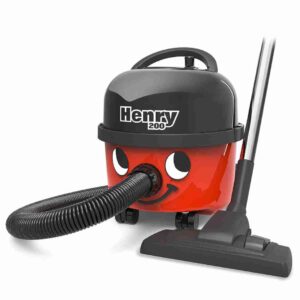
Maintenance requirements were viewed positively where discussed, especially because hair-related wheel service and bag handling were described as easy.
Pros: Overall durability/longevity, Price and Value
Cons: Pet-Ready Features, Stair Cleaning
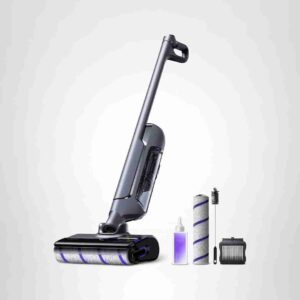
Maintenance requirements were viewed positively overall because self-cleaning/self-drying made it easy to keep clean and maintain.
Pros: Pet-Ready Features, Noise level
Cons: Reverse cleaning performance, Suitability for heavy-duty use