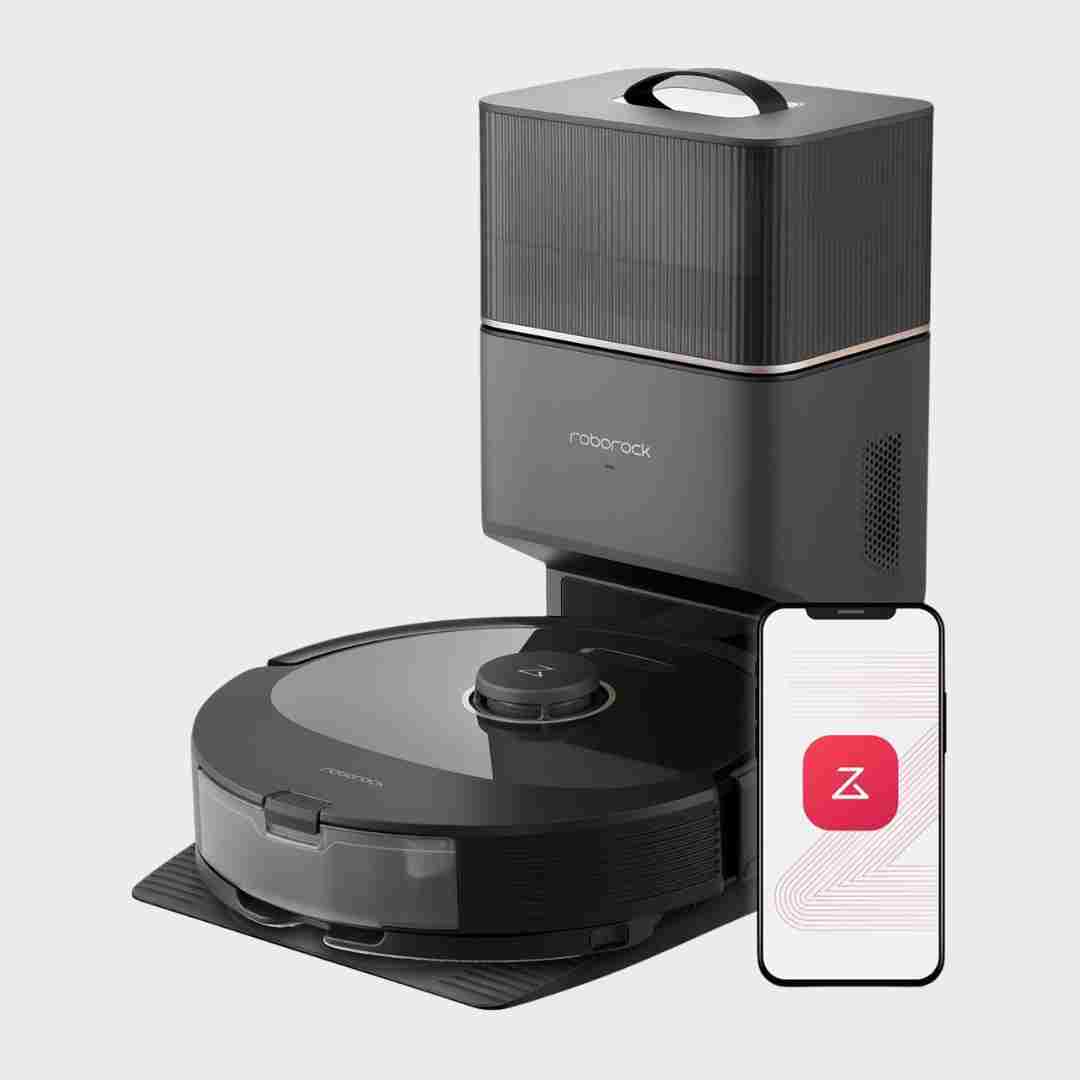
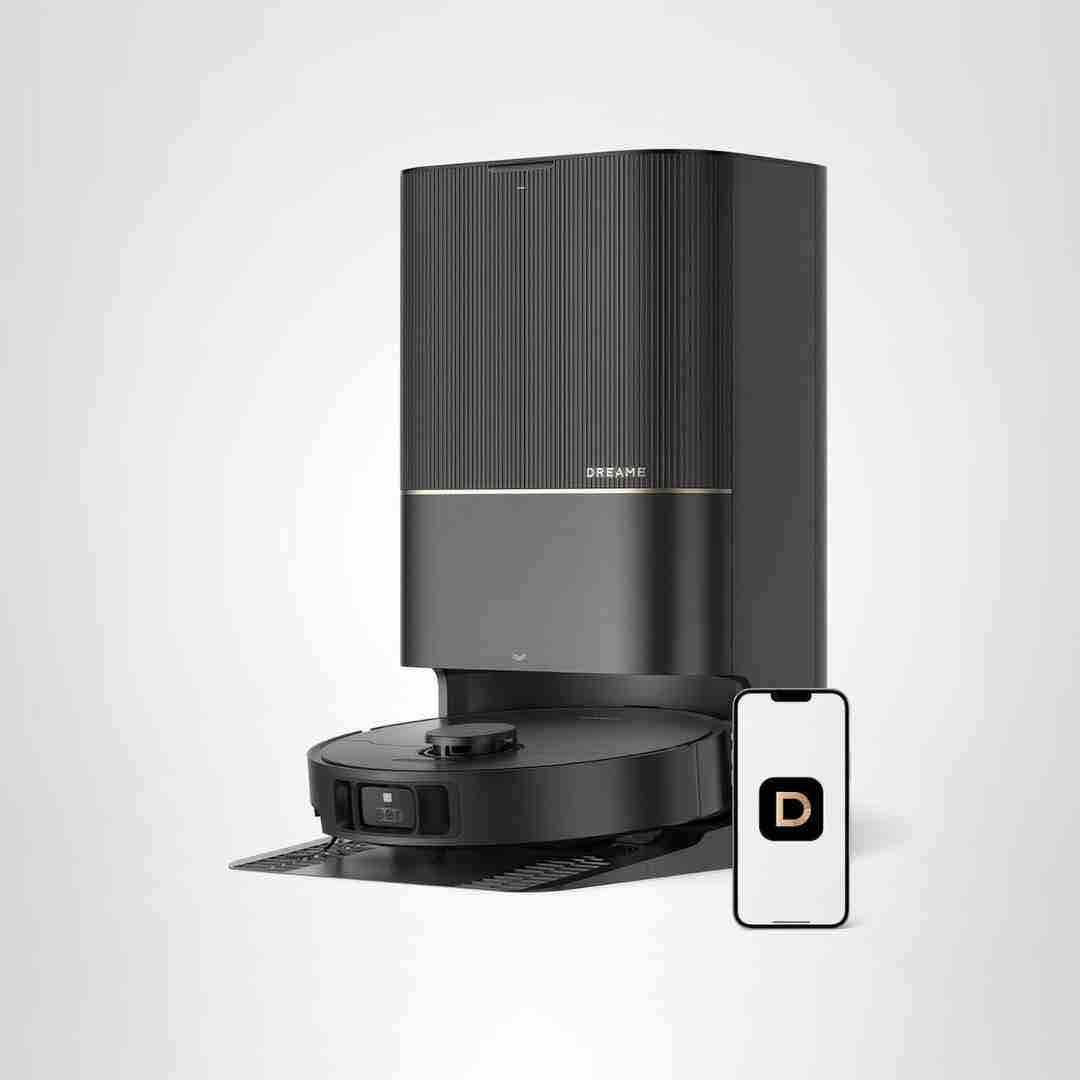
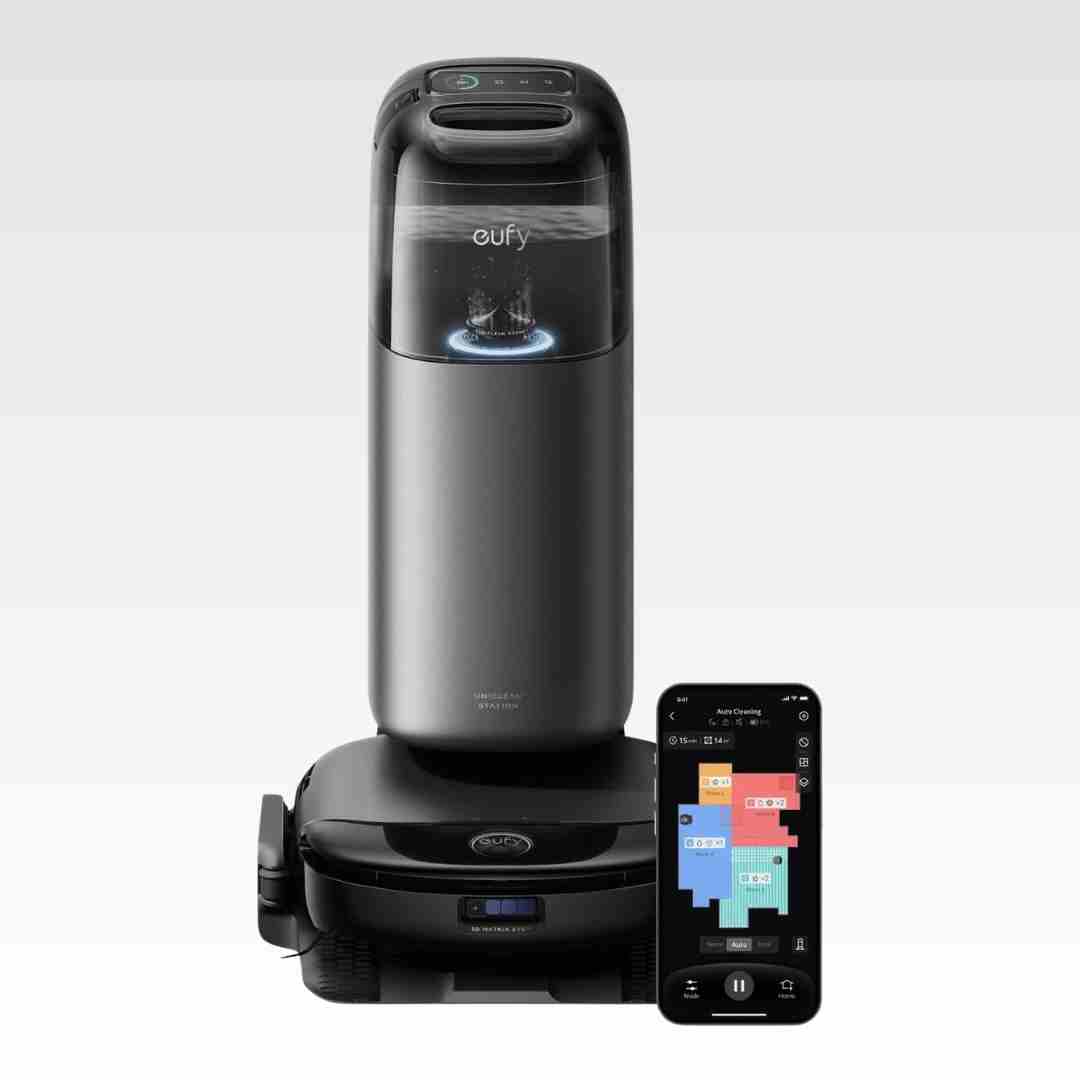
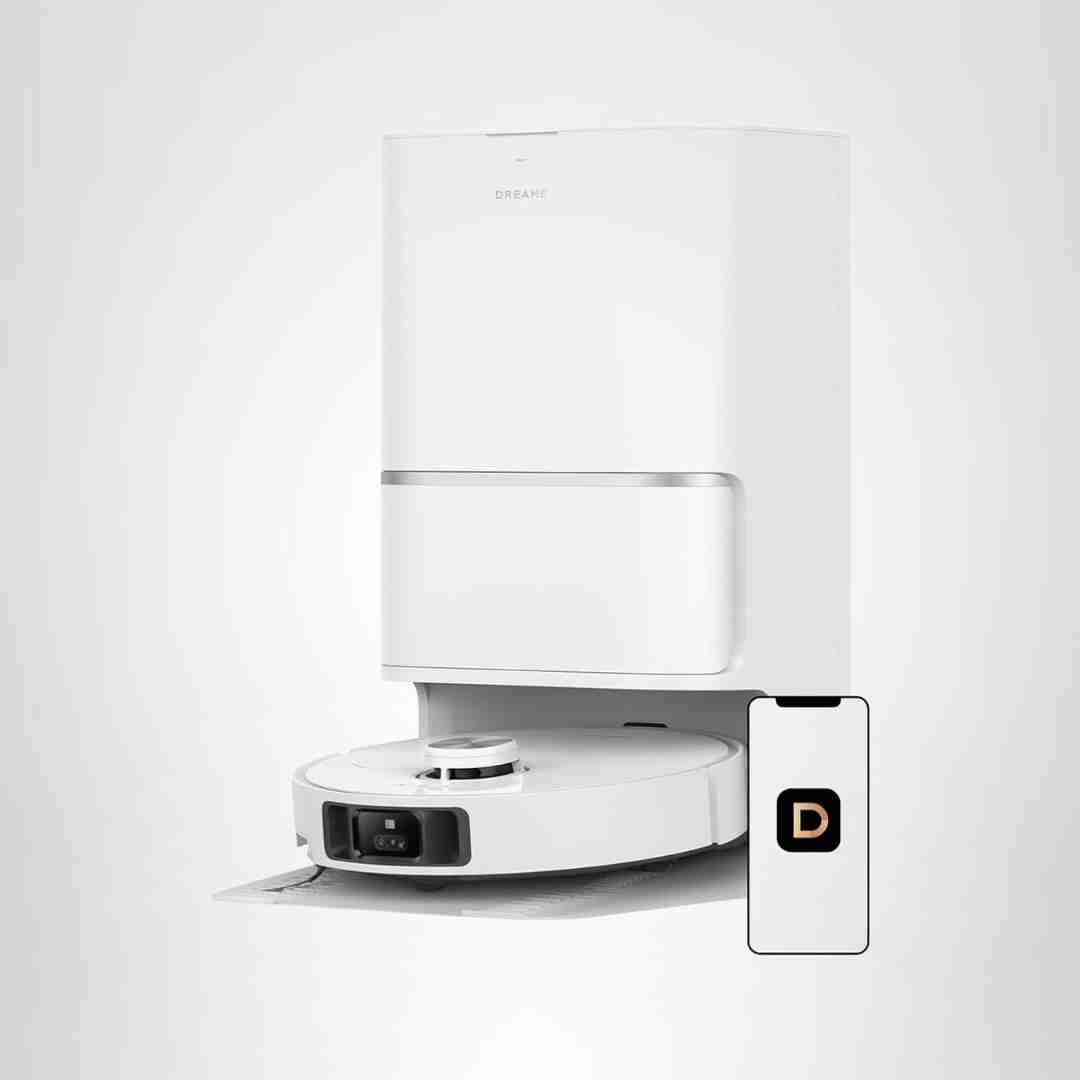
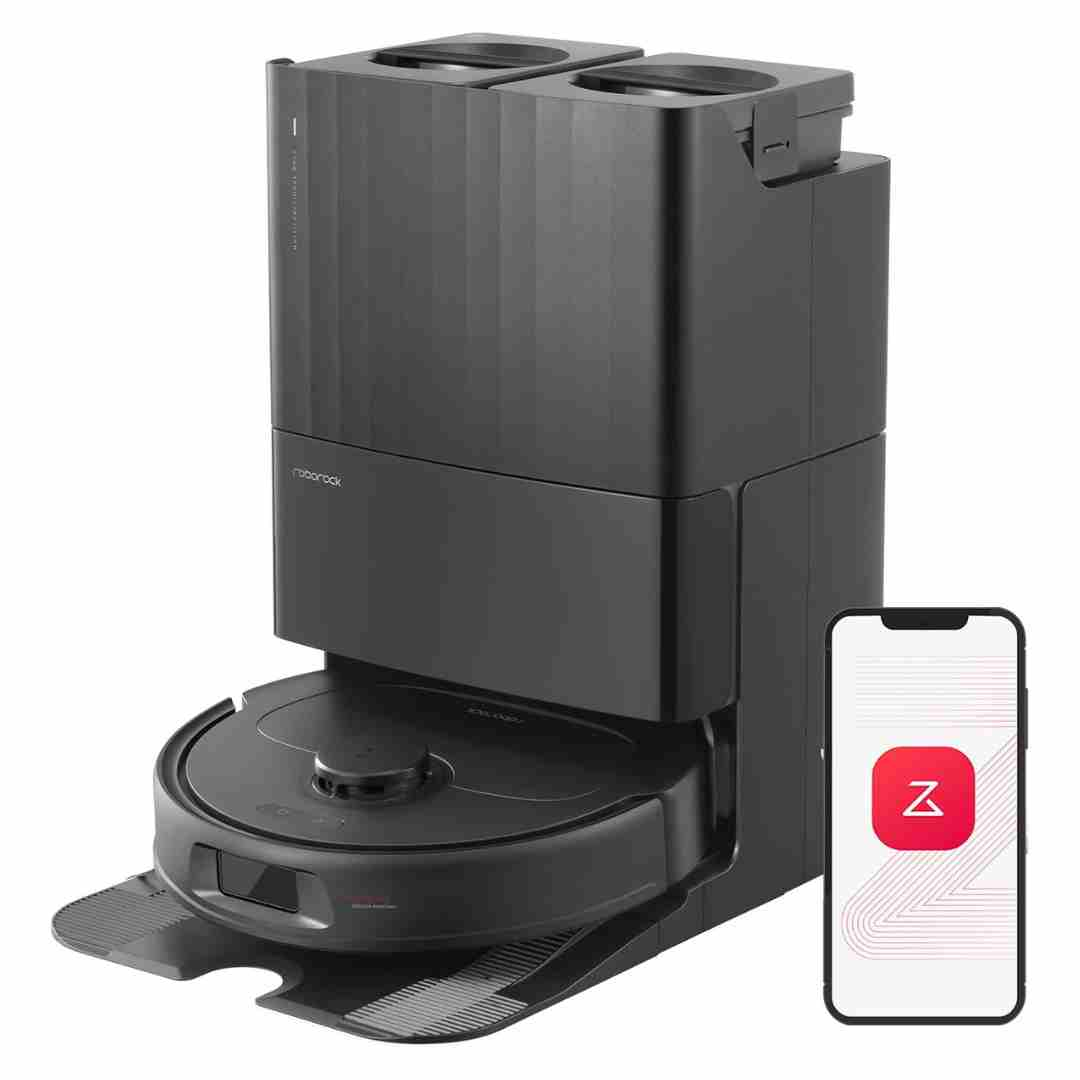
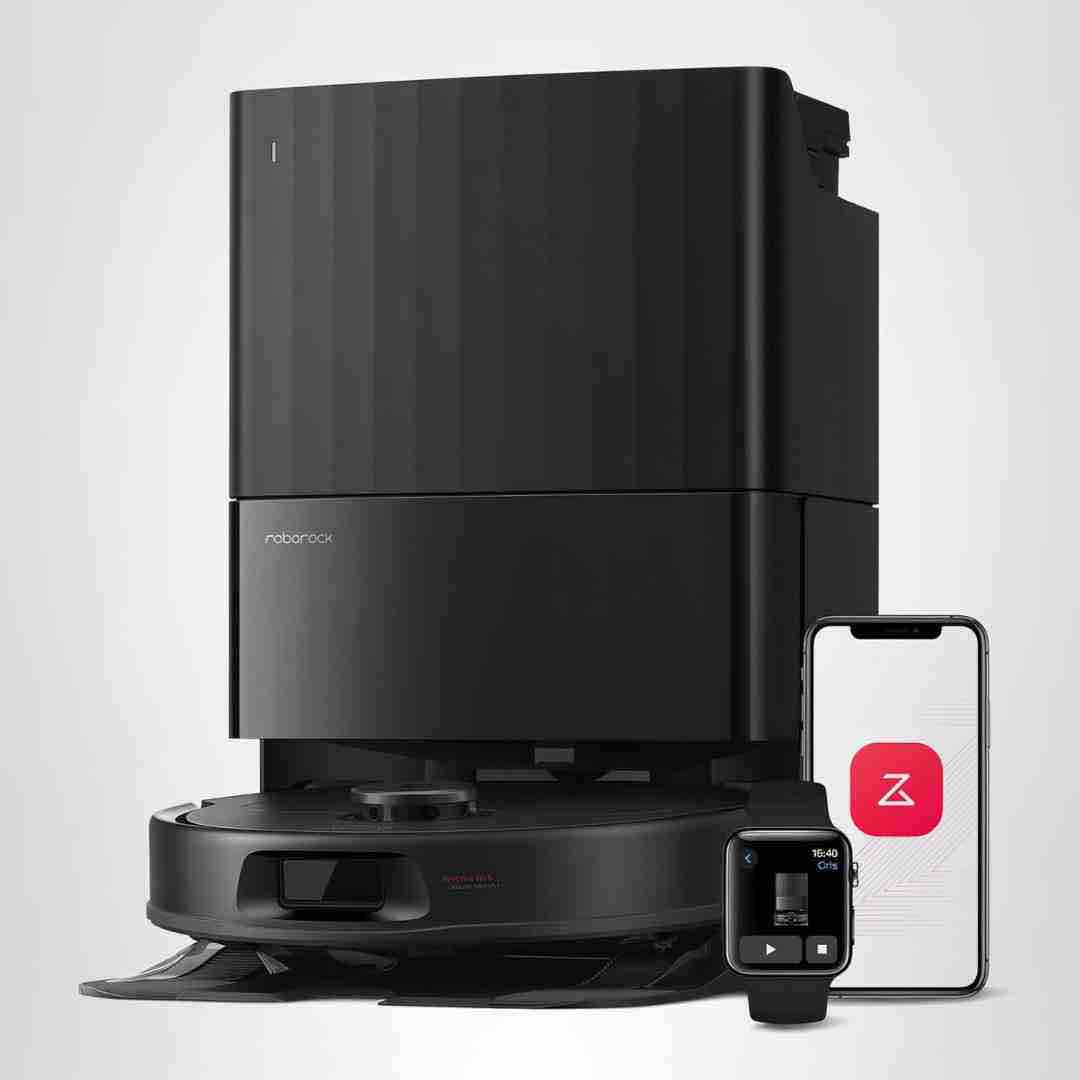
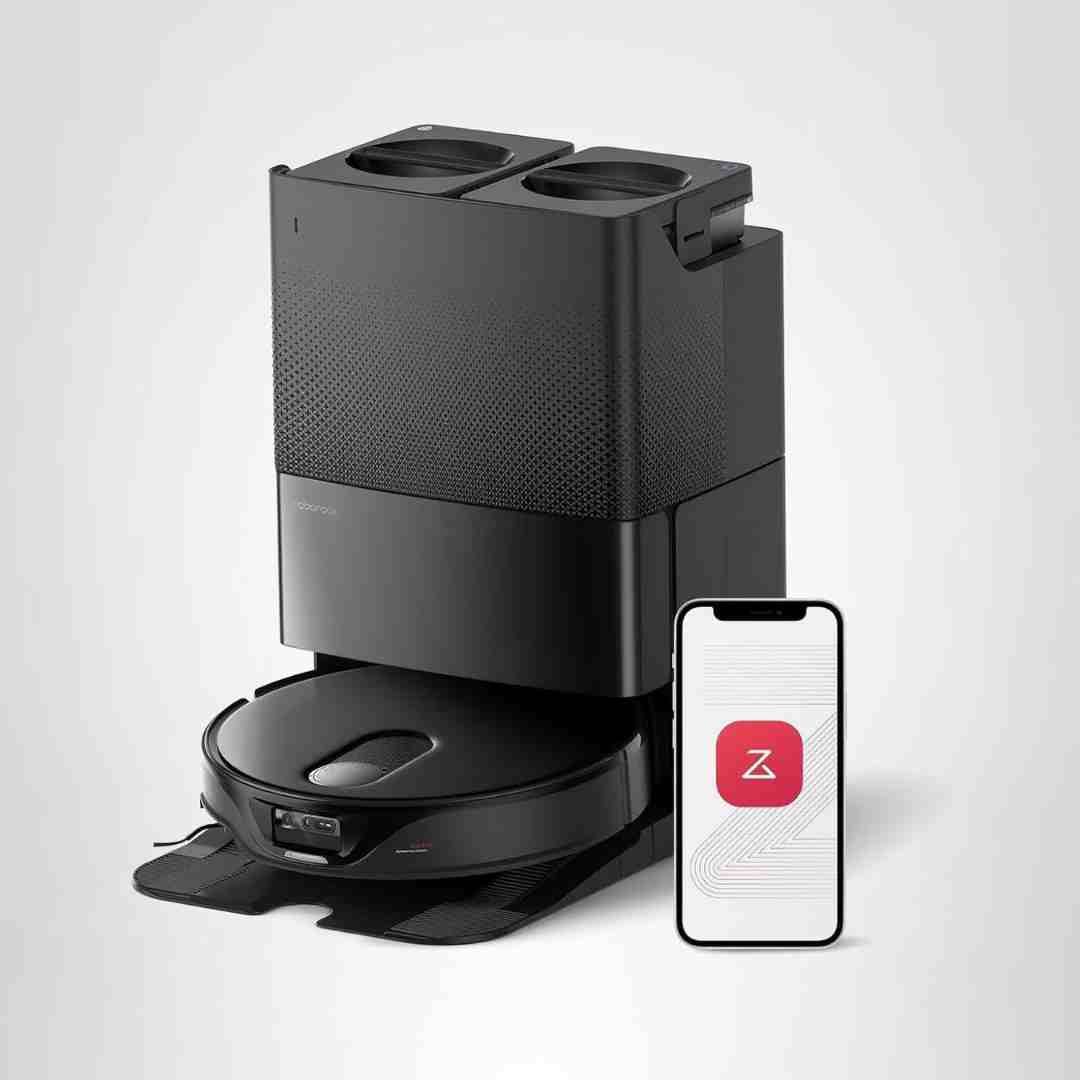
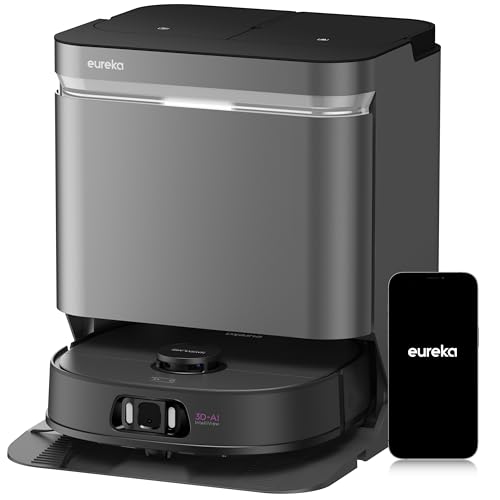
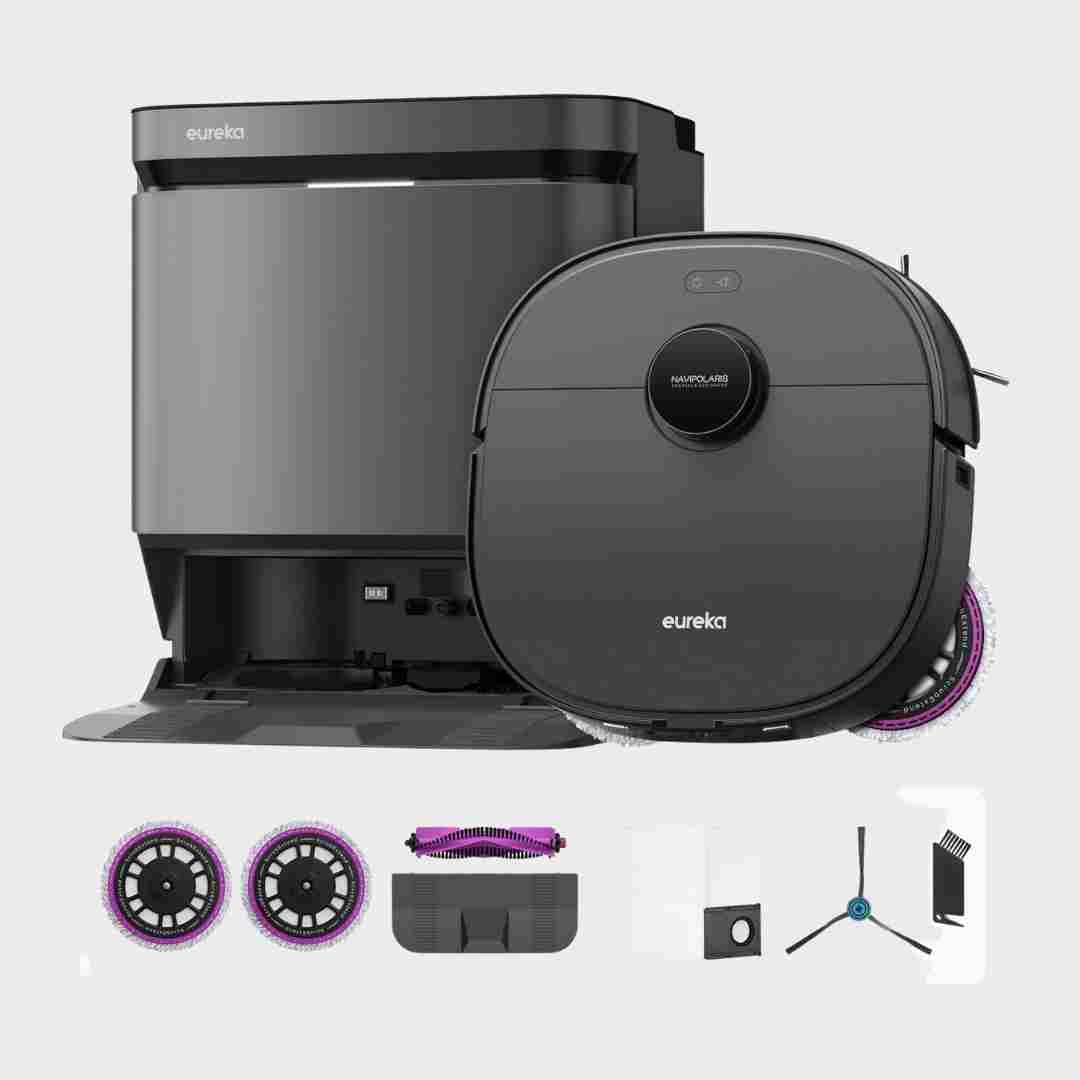
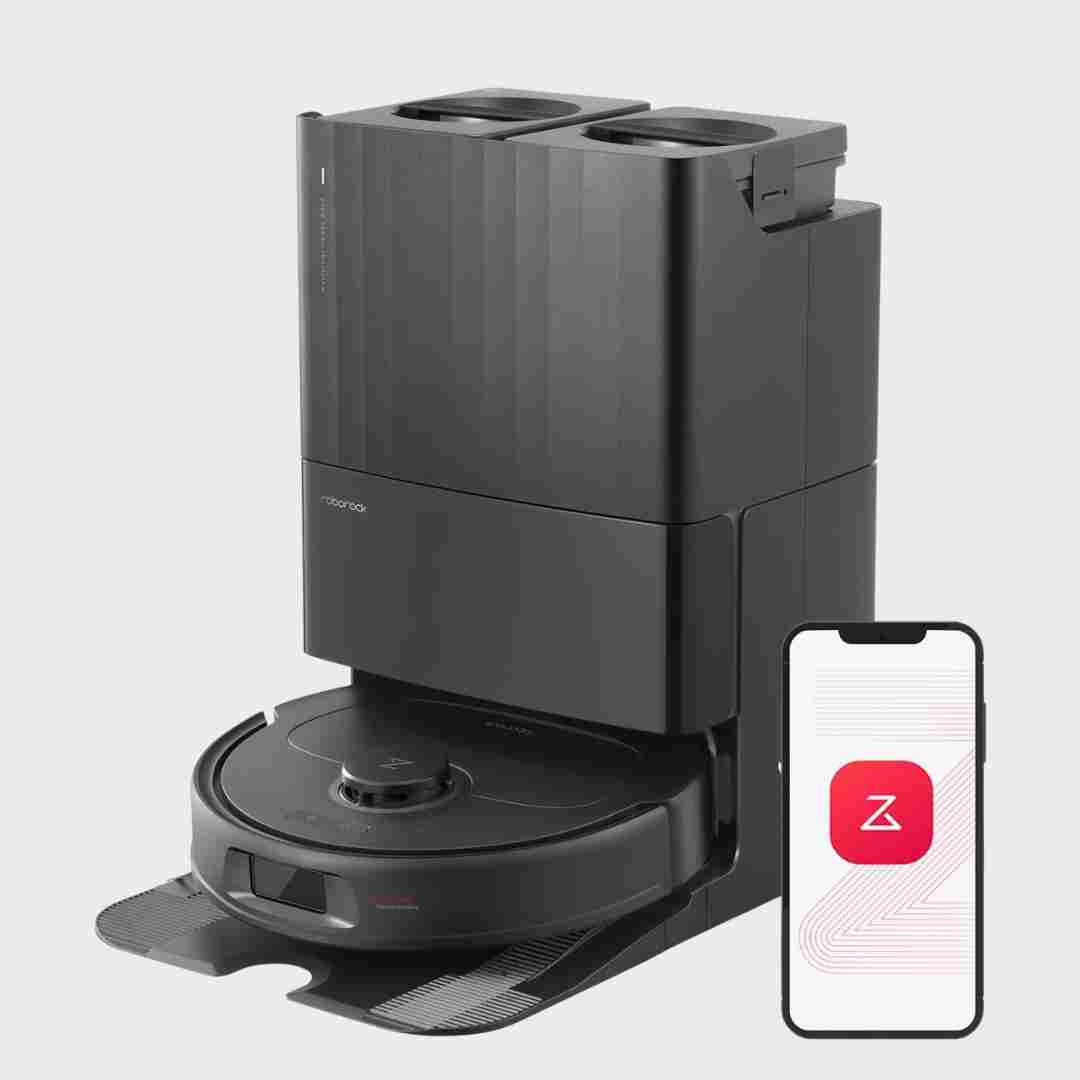
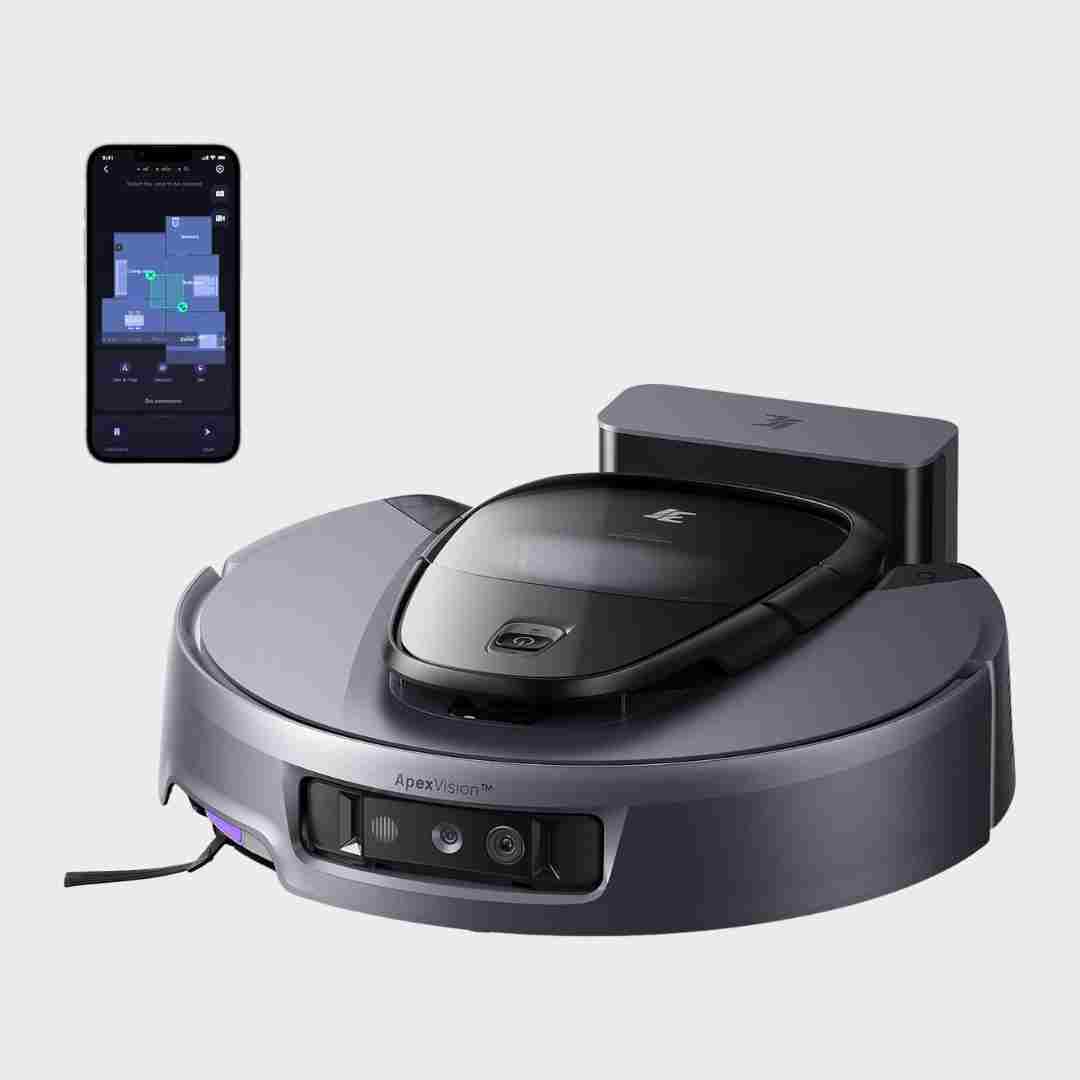
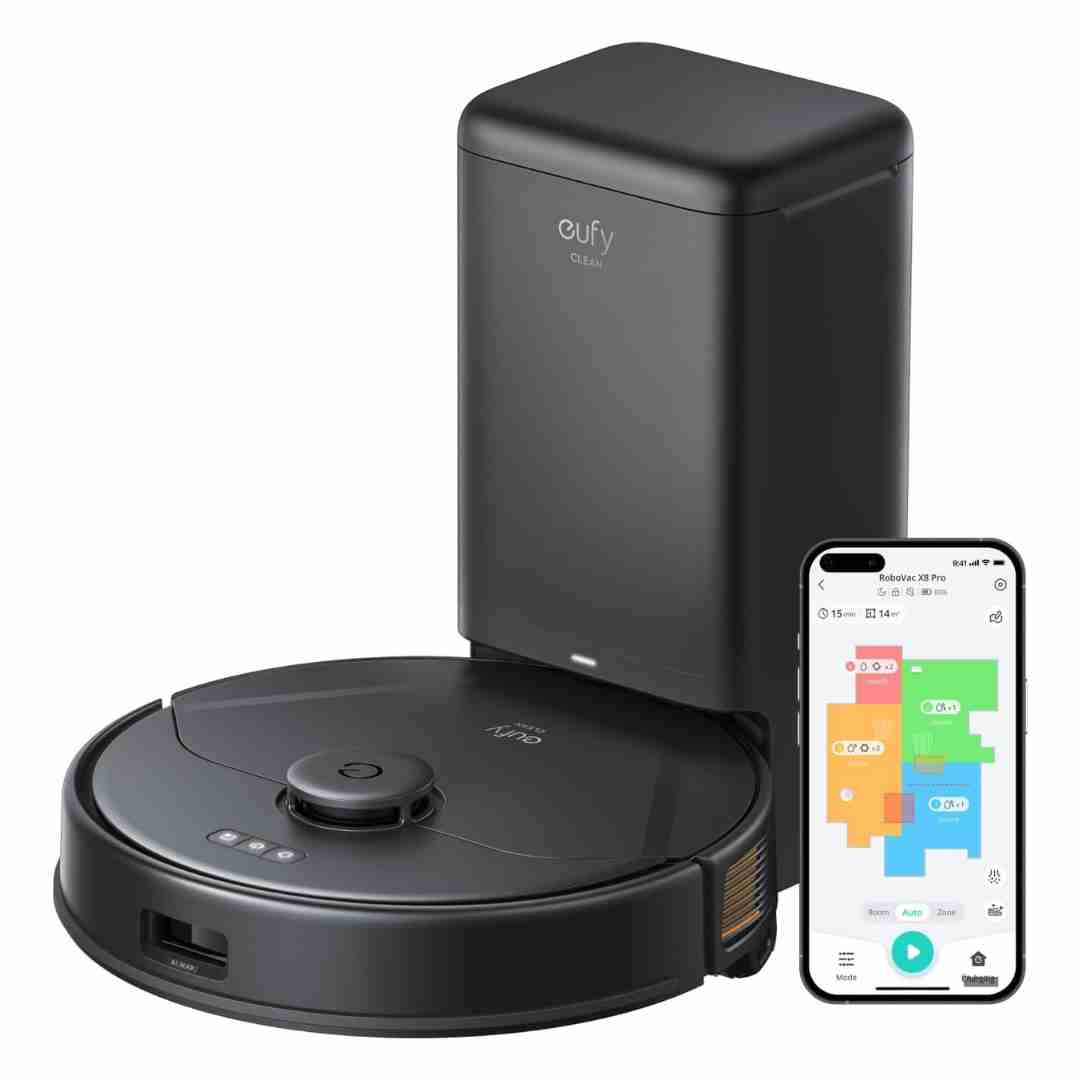
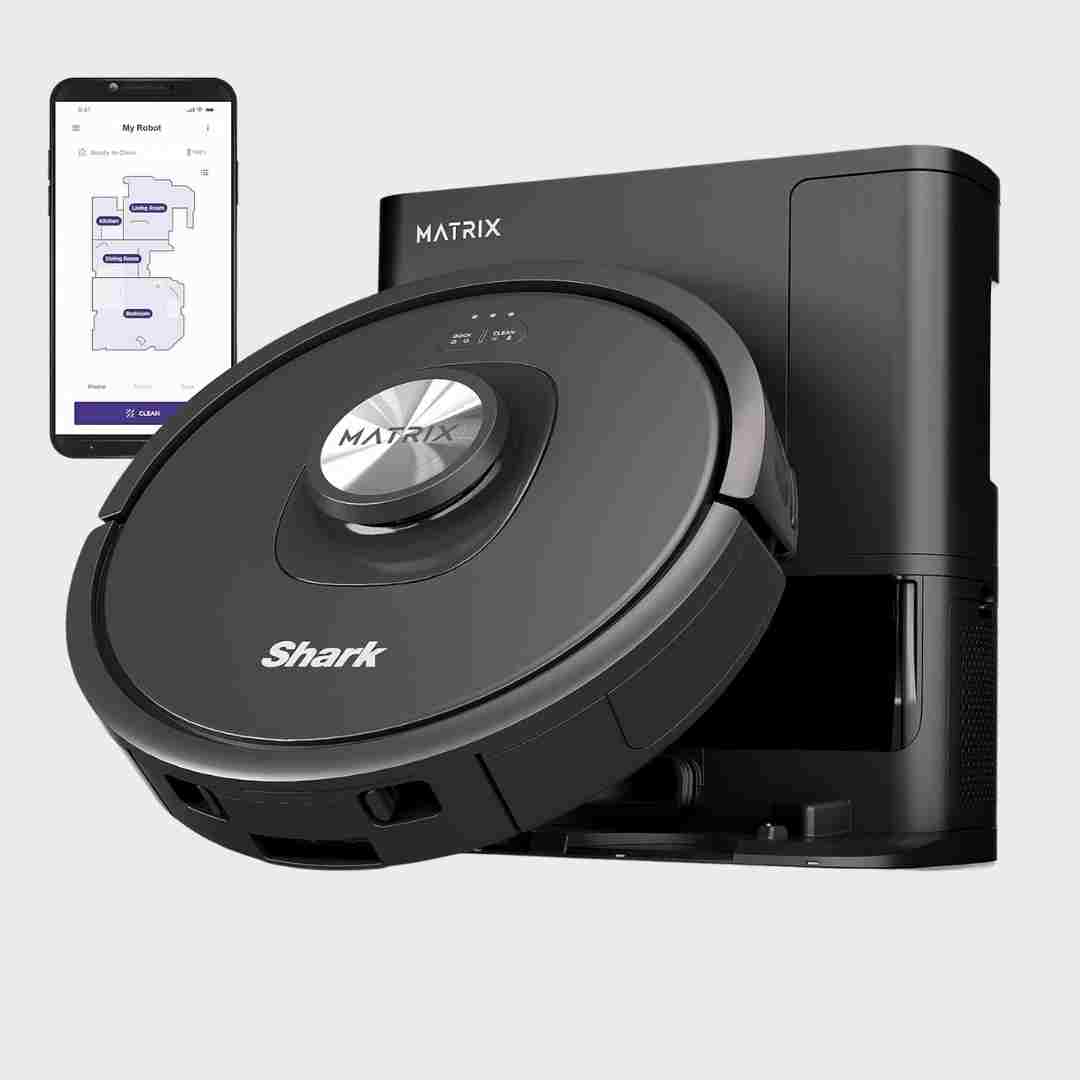
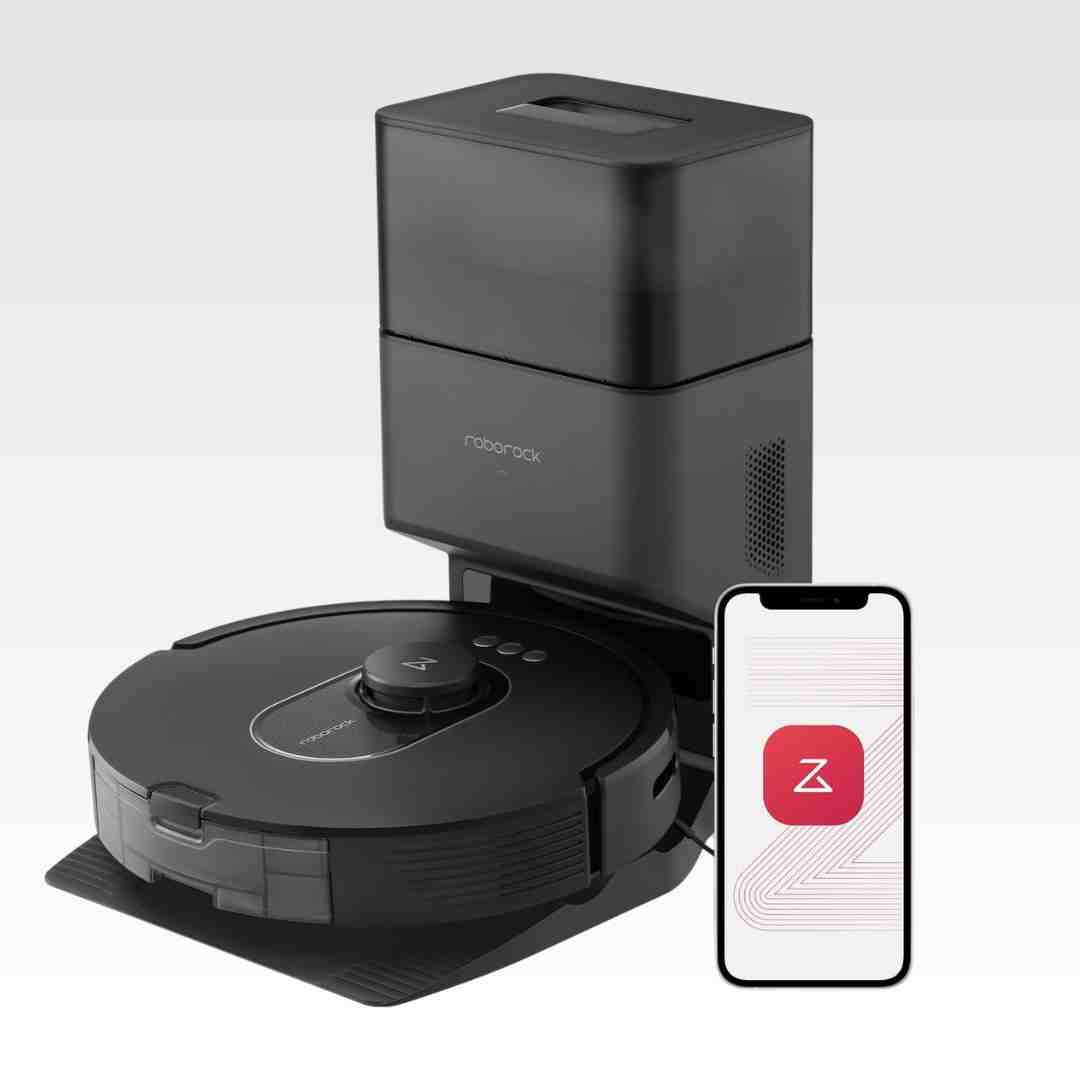
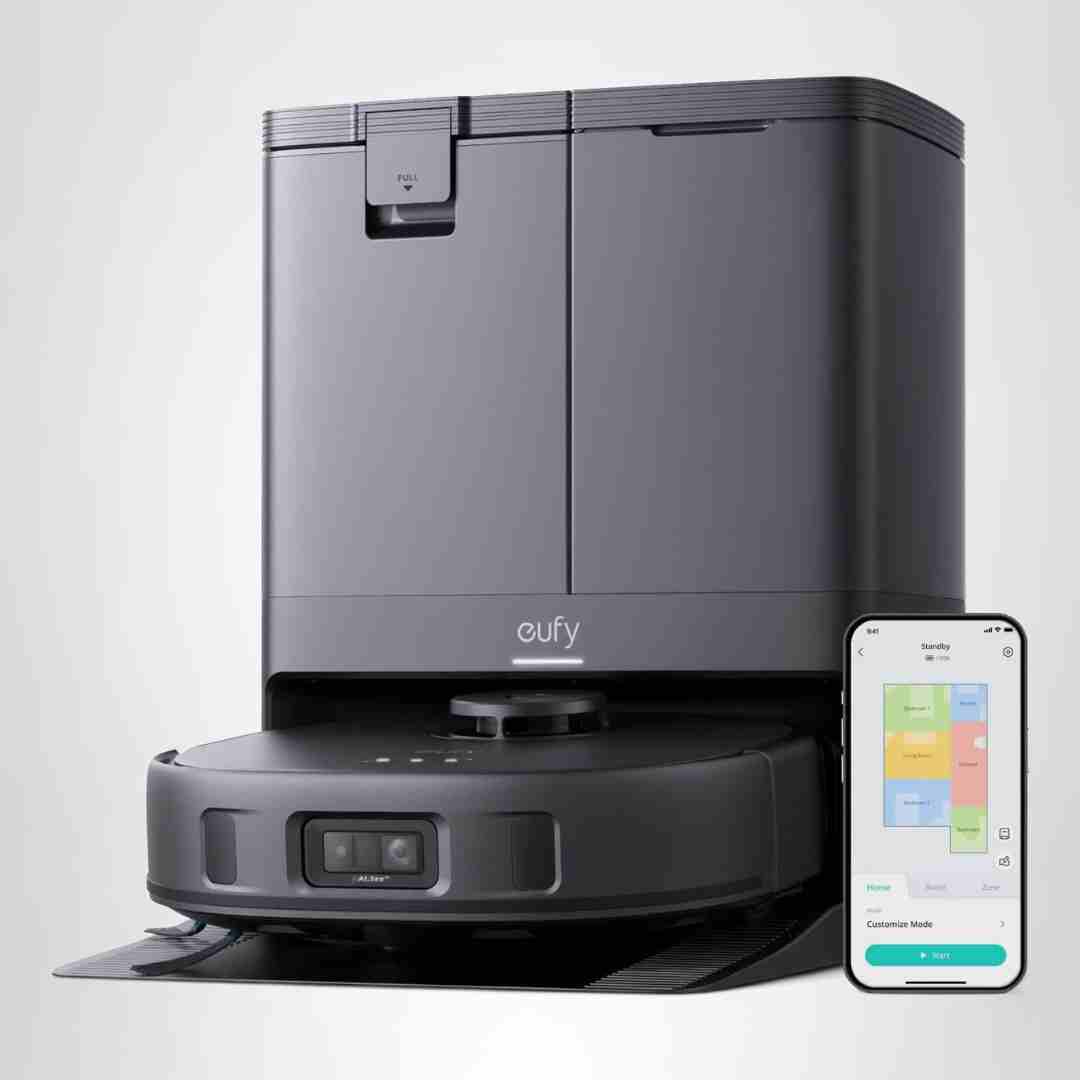
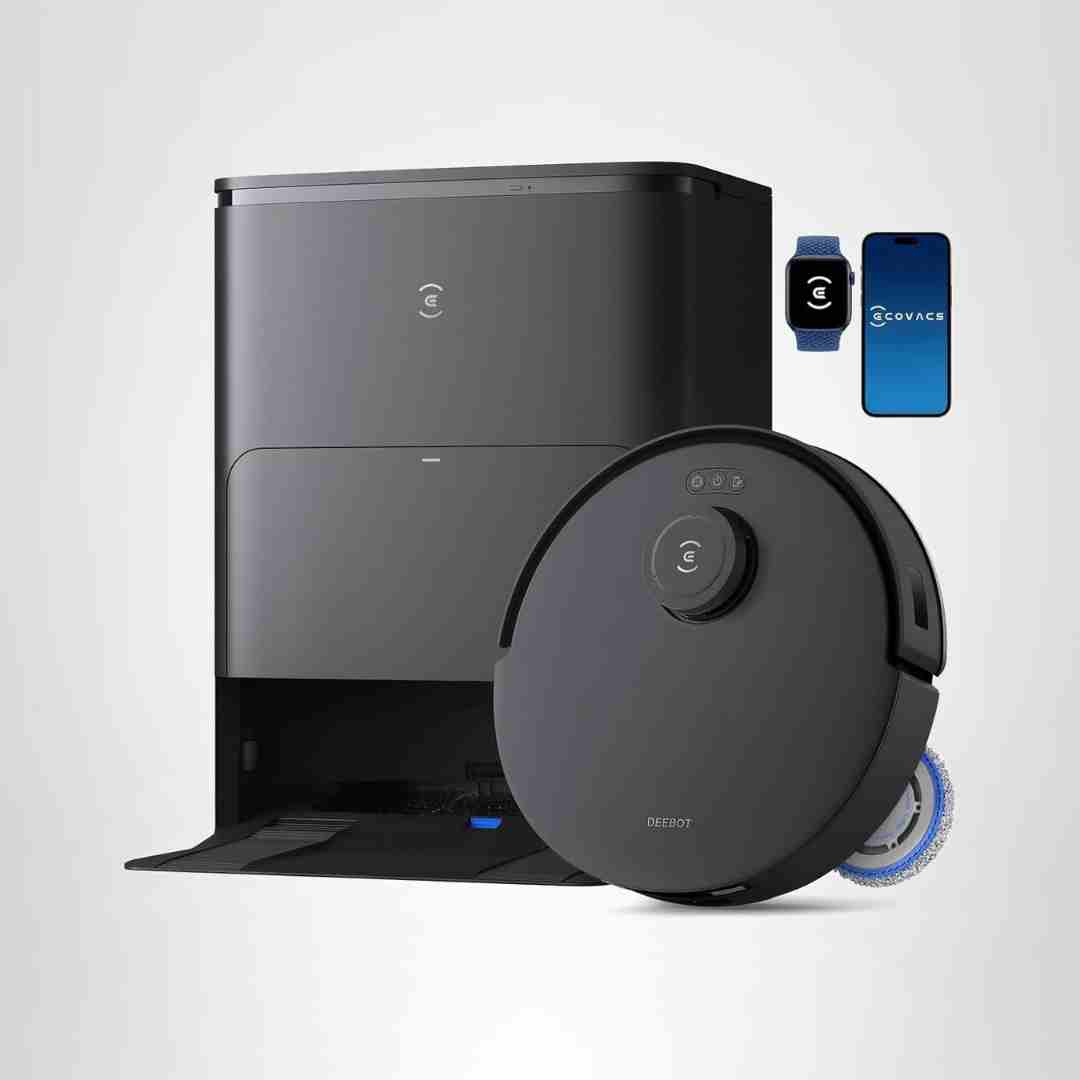
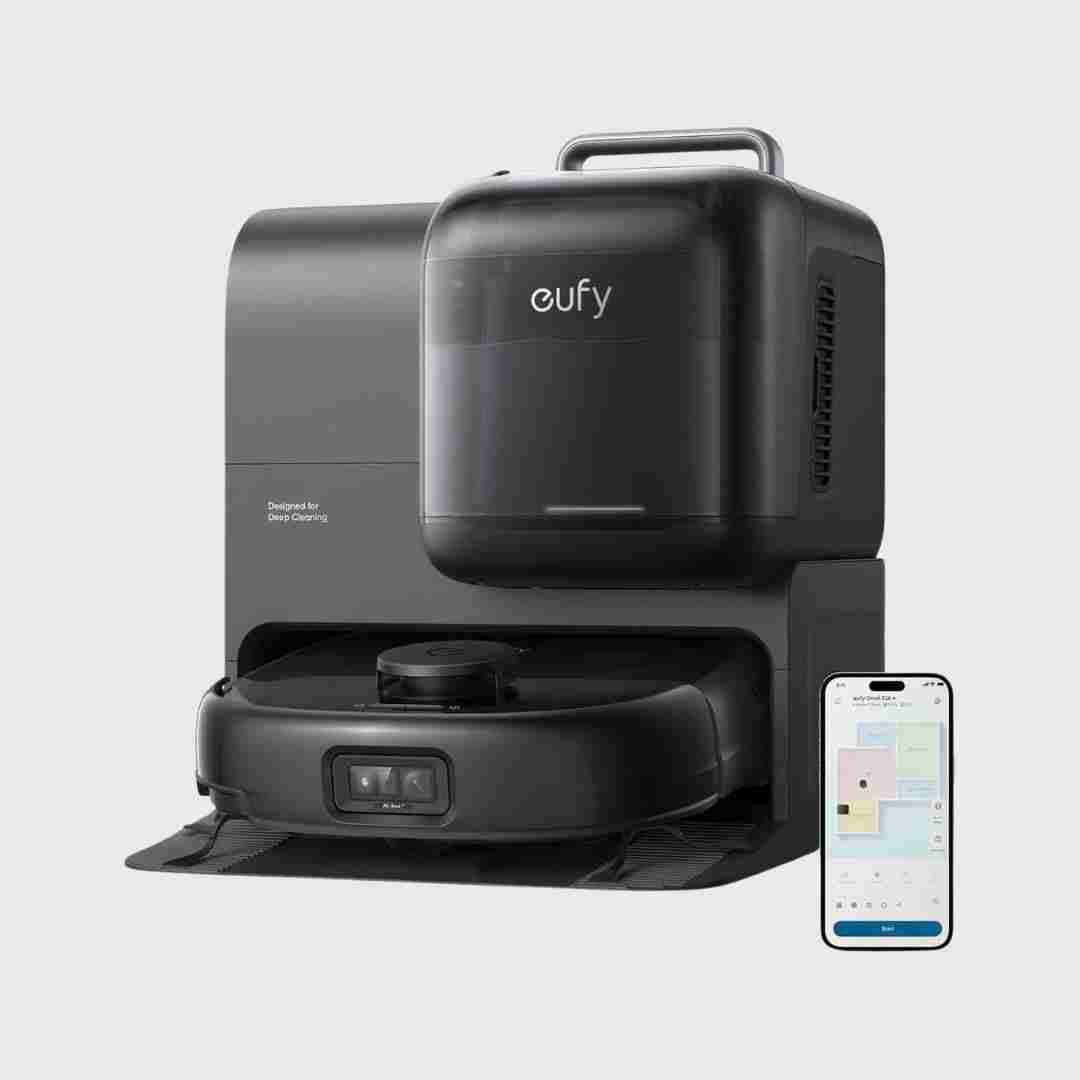
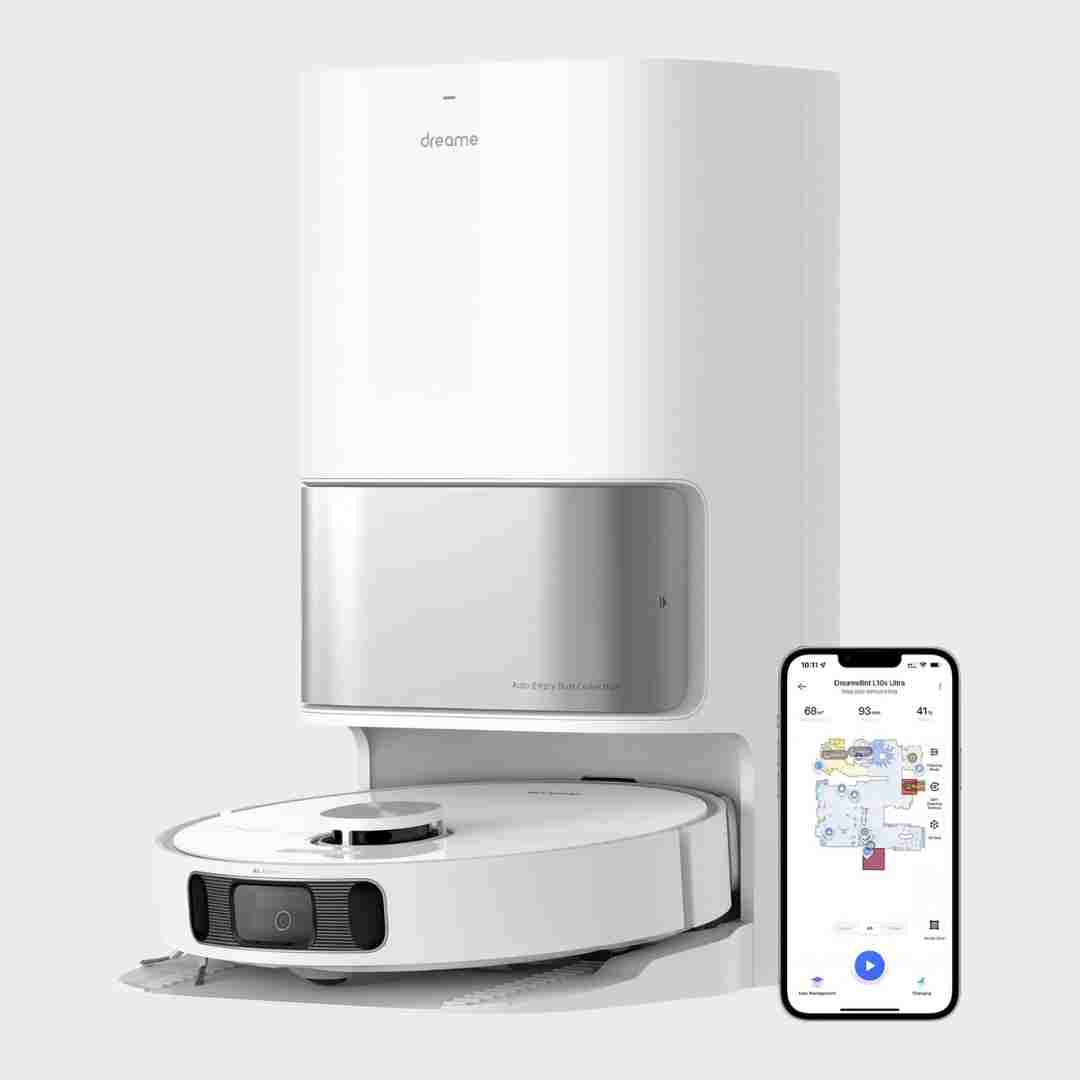
Lidar mapping and route planning are described as fast and efficient, with organized straight-line coverage and solid room handling/multi-level mapping.
LiDAR-based navigation earns strong marks for fast, accurate mapping and efficient room coverage. Multi-floor support and reliable pathing are repeatedly highlighted as core strengths.
LiDAR mapping and pathing are repeatedly described as precise and efficient, with fast mapping and reliable coverage even in larger or more complex spaces.
LiDAR mapping and route efficiency are repeatedly praised, including fast map creation, room labeling, and consistent coverage. Reviewers lean on multi-room routines and zone controls to optimize cleaning.
Navigation and mapping are repeatedly described as top-tier, with fast mapping and strong coverage efficiency. Some testers note occasional pattern quirks, but overall it is seen as reliable at completing whole-home cleans.
Mapping and path efficiency are widely praised, with fast initial mapping, accurate room segmentation, and consistent methodical coverage. Efficient navigation is one of the product line’s most repeated strengths.
LiDAR-based mapping is consistently praised for accuracy, speed, and room/zone control. Most reviewers highlight strong pathing efficiency, editable maps, and useful visualization (2D/3D).
LiDAR-based navigation is consistently praised for producing reliable maps and efficient paths. Reviewers highlight strong mapping accuracy, live tracking in the app, and generally confident room-to-room navigation in typical home layouts.
Mapping and pathing are widely praised as fast and accurate, with efficient room coverage and solid navigation logic. However, at least one timed test found slower completion on some carpet routines compared with specific rivals, even when pickup was strong.
LiDAR mapping is consistently described as fast and accurate, with efficient cleaning patterns; a few reviewers reported occasional over-cautious behavior around specific rugs/zones that may need settings tweaks.
Navigation and coverage are widely praised: LiDAR mapping is fast and cleaning paths are efficient and precise, though mirrors or highly reflective surfaces can occasionally confuse mapping.
Most reviews praise fast, accurate LiDAR mapping and generally efficient, methodical pathing, though some mention awkward room division or occasional missed areas depending on lighting or map quirks.
Lidar-based mapping and straight-line pathing are consistently praised for neat, efficient coverage. Reviews mention quick mapping, multi-floor support, and accurate 3D-style maps, with predictable perimeter-then-grid cleaning behavior.
Mapping is a consistent strength with fast, accurate room maps and efficient routes; a few tests note slightly imprecise edge positioning during mopping.
A standout strength. Multiple reviewers highlight fast LiDAR mapping, systematic coverage, and very high navigation efficiency, including multi-floor maps and recharge-and-resume.
Mapping is frequently described as fast and accurate, with editable room divisions and multi-level support. Cleaning paths are generally systematic (back-and-forth/crisscross options) rather than random.
Mapping is often fast and detailed, and navigation patterns are described as orderly and efficient. Efficiency can drop in crowded layouts where the robot cannot physically reach tight gaps or may require repeat passes.
Mapping and route efficiency are described as strong, with quick mapping, editable room layouts, and consistent coverage patterns (perimeter then straight lines) reported across reviews.
LiDAR mapping enables efficient row-by-row cleaning and generally good coverage for the price. Some tests show less tidy lines near the end of cycles, but overall pathing is repeatedly characterized as efficient for a budget model.
Navigation and pathing are widely reported as fast and efficient (including very quick mapping), but a few reviewers note map cleanup/edits, occasional looping, or getting wedged in tight gaps.
Mapping and route planning are a major strength, often described as accurate and efficient; a minority view calls efficiency merely average compared to the very best Roborock pathing.
LiDAR mapping is fast and accurate, enabling tidy, efficient cleaning paths and strong room segmentation. Multi-map and changing door or dock positions can occasionally disrupt schedules or docking.
LiDAR-based mapping is repeatedly described as fast and accurate, with efficient coverage and multi-floor map support. A minority view notes cleaning patterns can be less tightly optimized than the very best navigation systems.
Mapping and path efficiency are repeatedly highlighted as a top-tier trait: fast mapping, accurate tracking, and efficient coverage patterns are common praise points. Some long-term reports note maps can get messy after certain stuck events, but rollback/edits help.
Mapping and navigation are generally rated highly, with fast initial mapping and good room-by-room control. A minority note route choices can be inefficient in some modes, but coverage is still typically thorough.
Mapping and pathing are generally praised as precise and efficient, combining LiDAR and camera-based sensing for reliable room coverage. A minority of comments mention occasional hesitation or missed spots in tricky layouts.
Coverage is usually efficient with accurate room recognition and live tracking, but embedded LiDAR appears to trade some mapping precision for a lower profile and better under-furniture reach; a few early mapping glitches were reported.
Mapping and navigation are consistently praised as fast and accurate, with reports of quick mapping runs and reliable room coverage. Efficiency is described as above average overall, though not always the best when compared directly with the P10 sibling in lab-style tests.
LiDAR mapping and pathing are widely praised for efficient, systematic coverage and multi-room control; one recurring limitation is that some mapping modes still behave like full cleaning runs.
Navigation and pathing are generally described as efficient with good coverage; one review references high coverage metrics, while others note it maps thoroughly (sometimes slowly).
LiDAR mapping and pathing are frequently praised for speed and efficiency, often completing coverage faster than some rivals; complex obstacle avoidance and precision edge behavior are weaker than top-tier robots.
Mapping and path efficiency are consistently praised: fast, orderly coverage with reliable multi-level mapping and strong room-based control. The main limitation is that obstacle handling is not advanced on small items.
Mapping and pathing are standout strengths: after an initial run, it typically cleans in orderly rows, supports room-by-room jobs, and finishes faster than random-path Roombas according to comparative commentary.
Mapping and pathing are generally systematic and thorough, with efficient row cleaning once the home is learned. Initial mapping is sometimes slow or clumsy compared to LiDAR bots, and a few tests note slightly longer overall run times than some competitors.
Navigation is usually efficient and methodical (straight-line coverage and good room planning), but a few reviewers report early mapping hiccups or occasional mid-job confusion.
Mapping and pathing are usually fast and accurate for multiple floors, with strong room-merge/split tools. A recurring nit is aggressive room subdivision or fiddly fine-tuning on a phone screen.
Mapping and navigation are widely praised as efficient and quick to generate; a minority mention occasional quirky detours or less-polished map views compared with the best apps.
Navigation and coverage efficiency are widely rated as strong, with fast mapping and systematic cleaning patterns. A few sources report occasional quirks like incomplete room coverage, needing to remap, or maps that look more basic than competitors.
Mapping and path efficiency are usually rated above average, with fast mapping and orderly coverage patterns. A few accounts mention the robot learns problem areas over time via keep-out zones and can be efficient once zones are set.
Pathing is typically efficient in open rooms with tidy row-by-row coverage; in cluttered spaces some tests show extra spinning/backtracking and occasional missed spots compared with top-tier navigators.
Mapping and pathing are widely praised as efficient and thorough, with quick initial mapping and generally strong room-to-room navigation. Mirrors, glass, and shifting obstacles can confuse room boundaries or labels, sometimes requiring manual edits and zones.
Mapping is usually fast and accurate with efficient straight-line routes; a few reviews note initial mapping can require tidying floors and occasional room-division cleanup in the app.