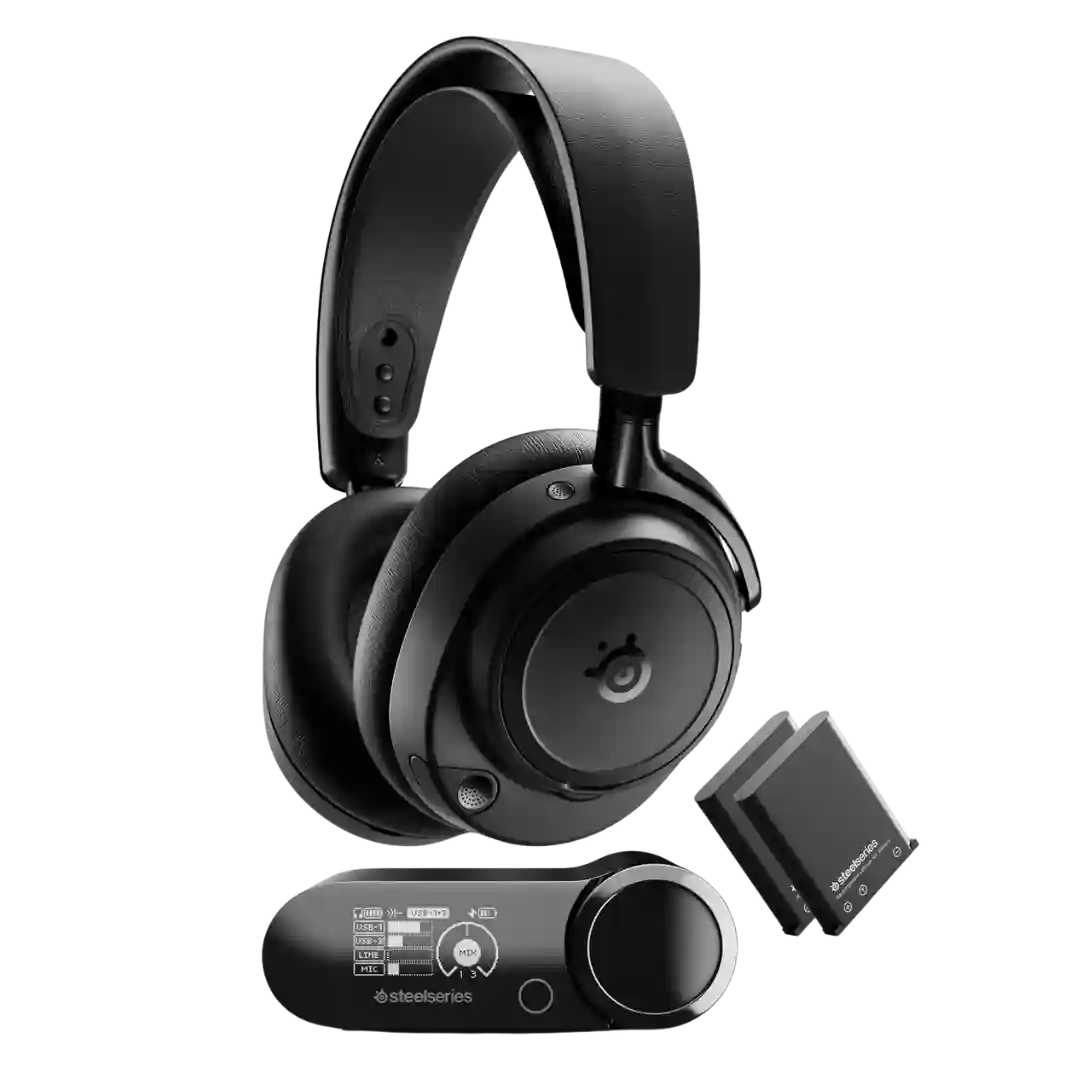
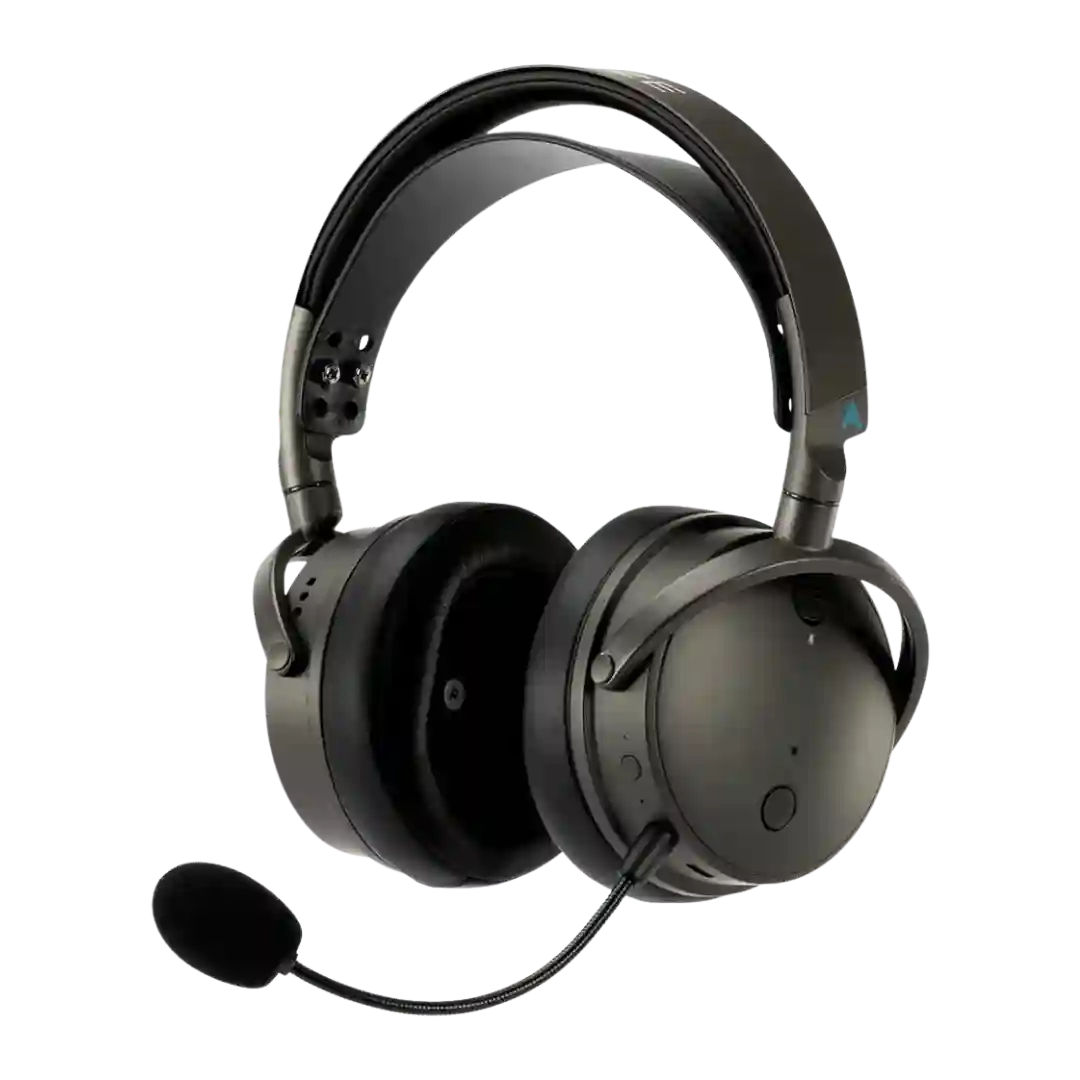
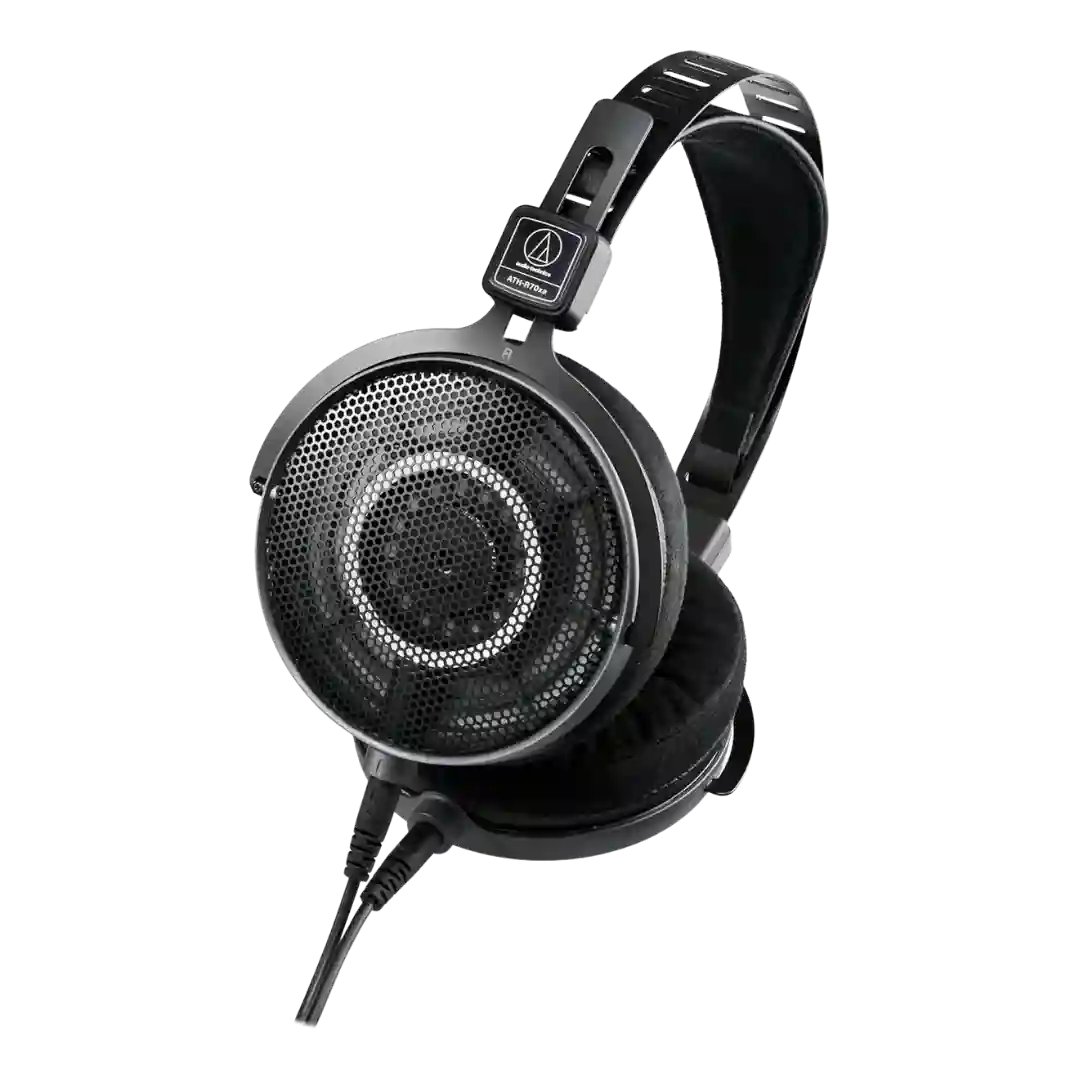
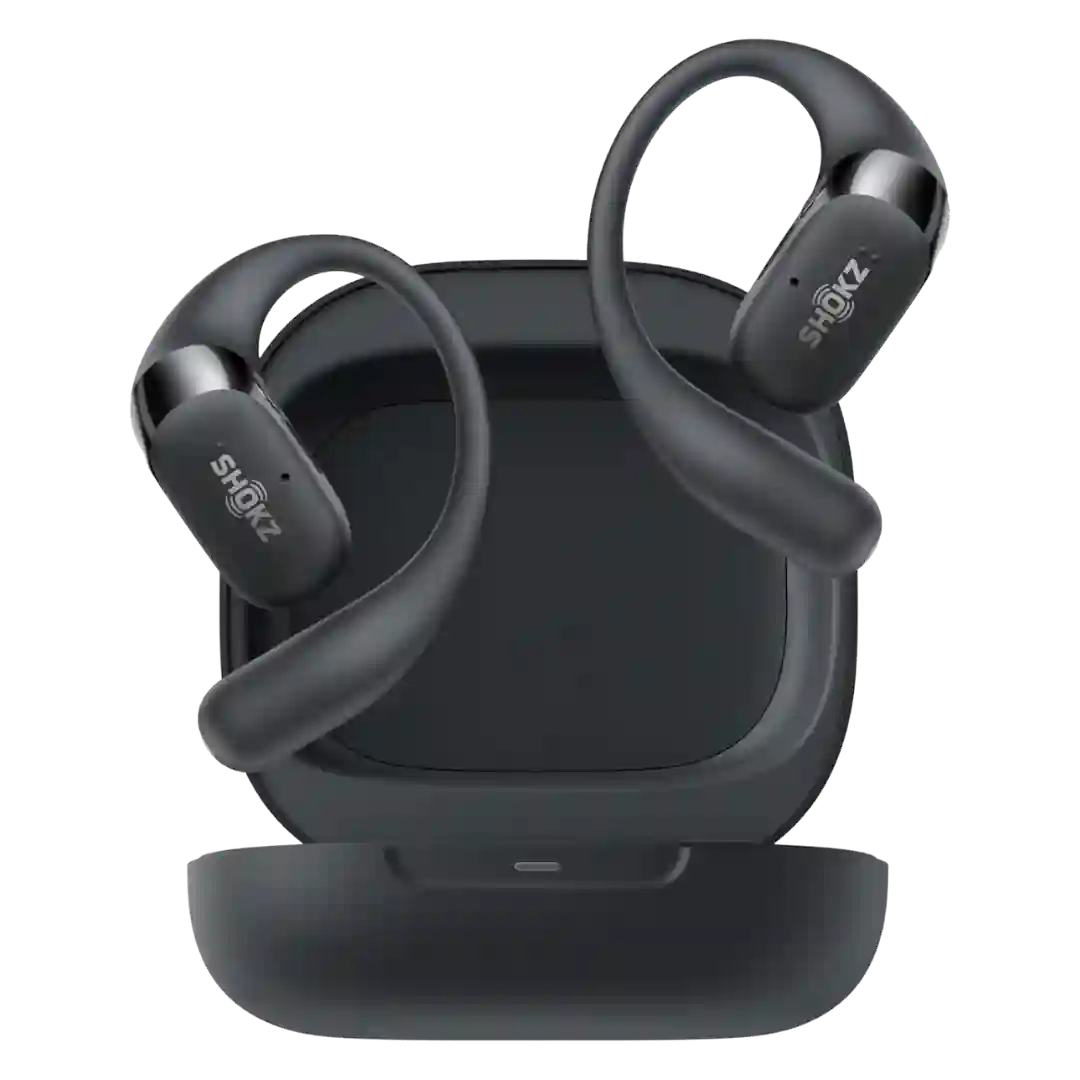
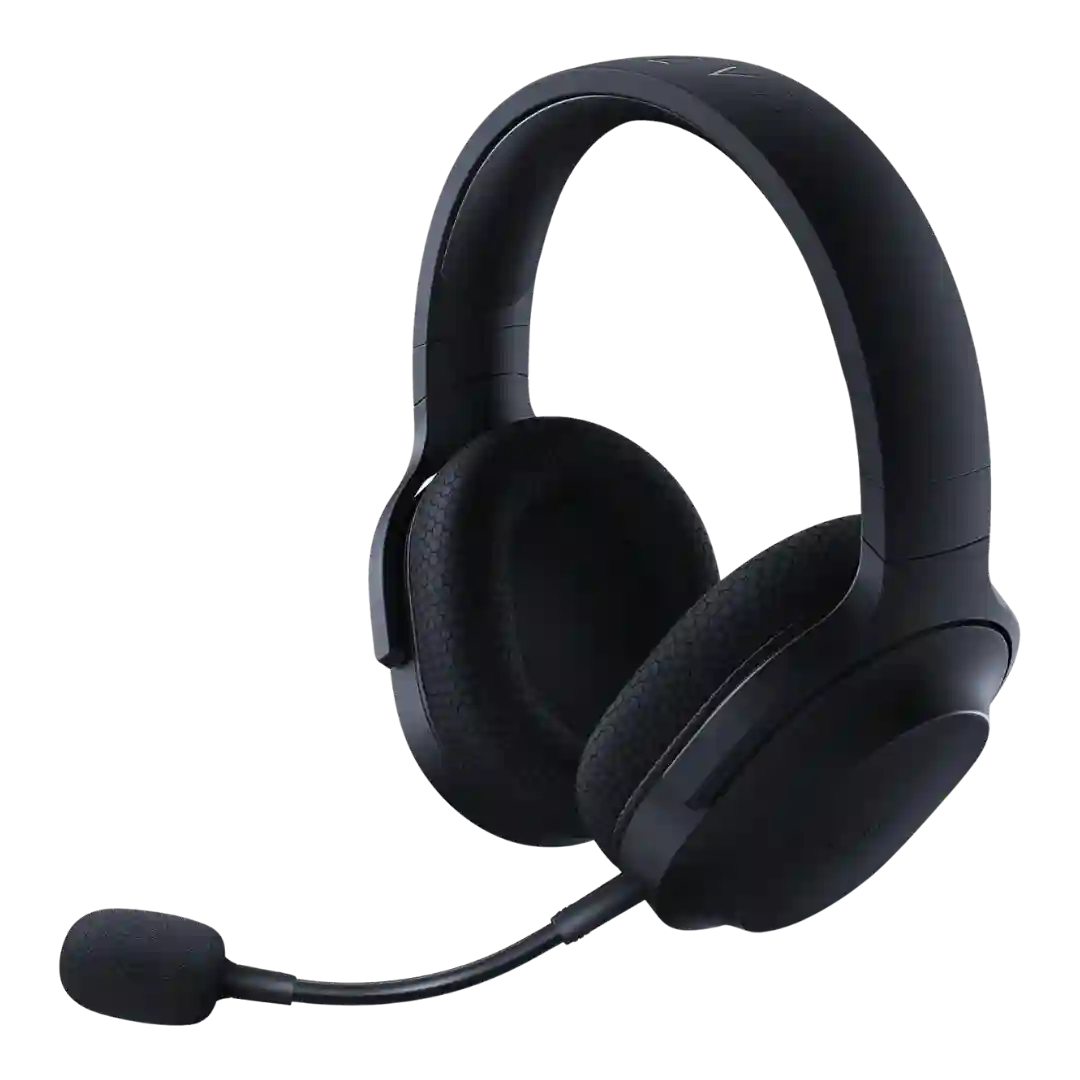
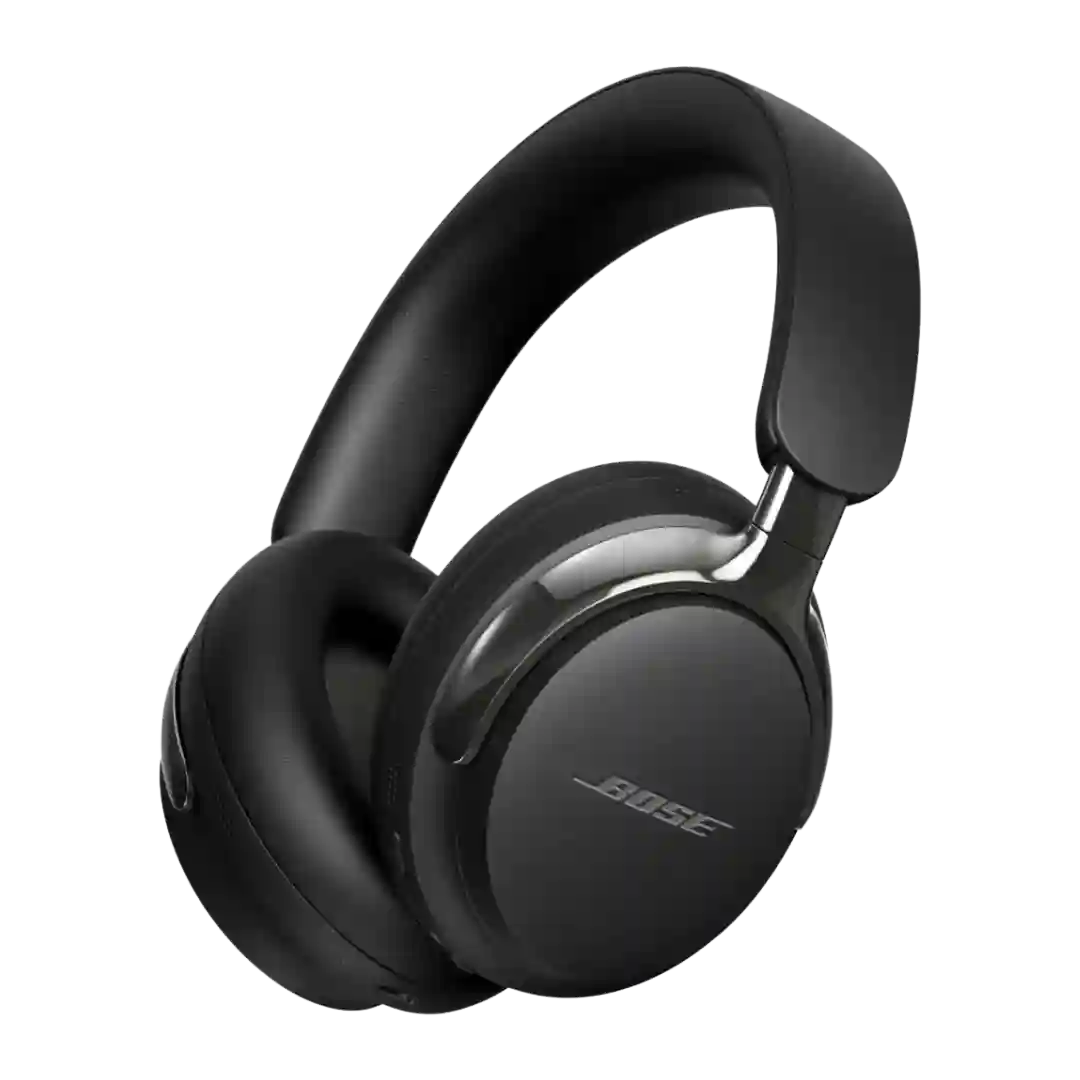
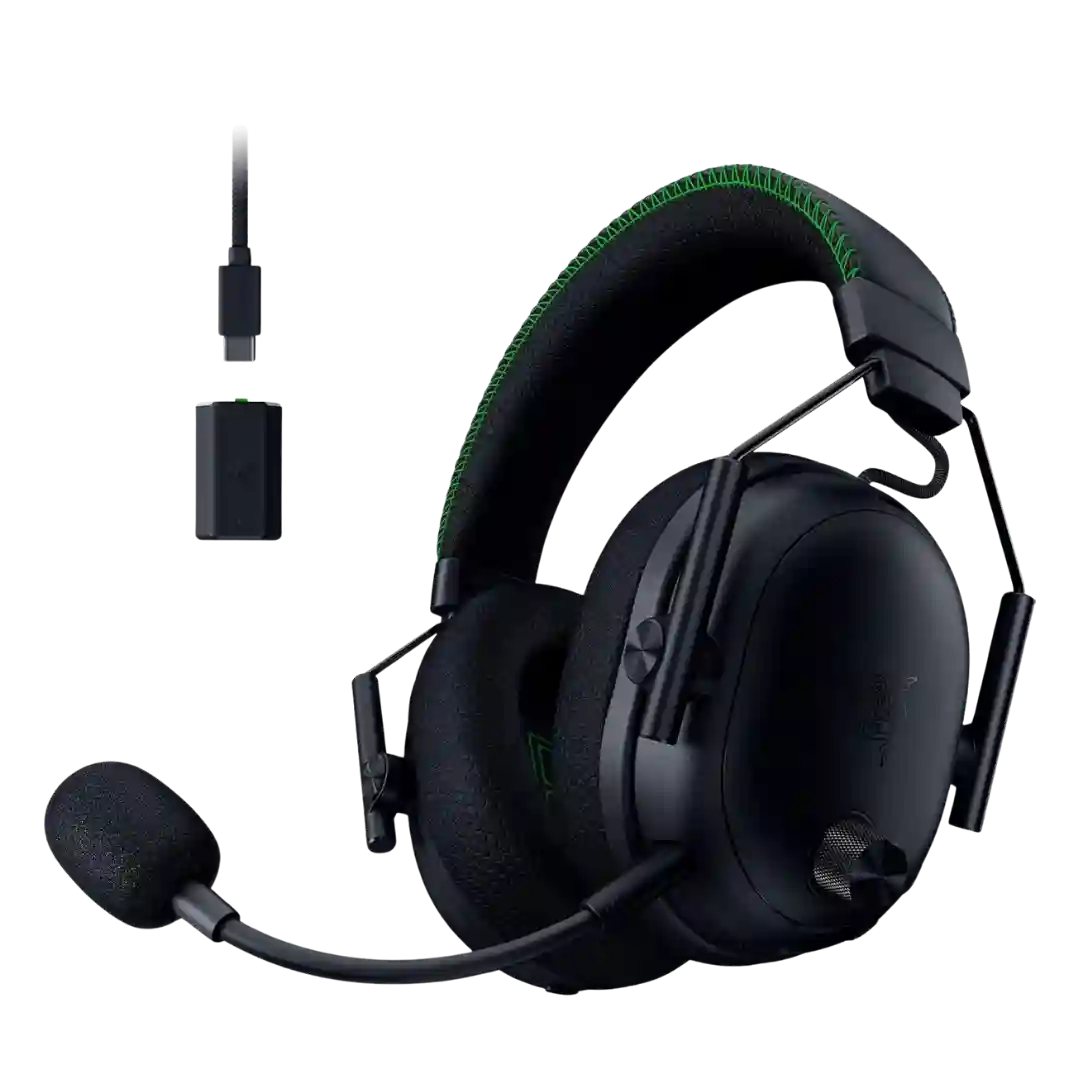
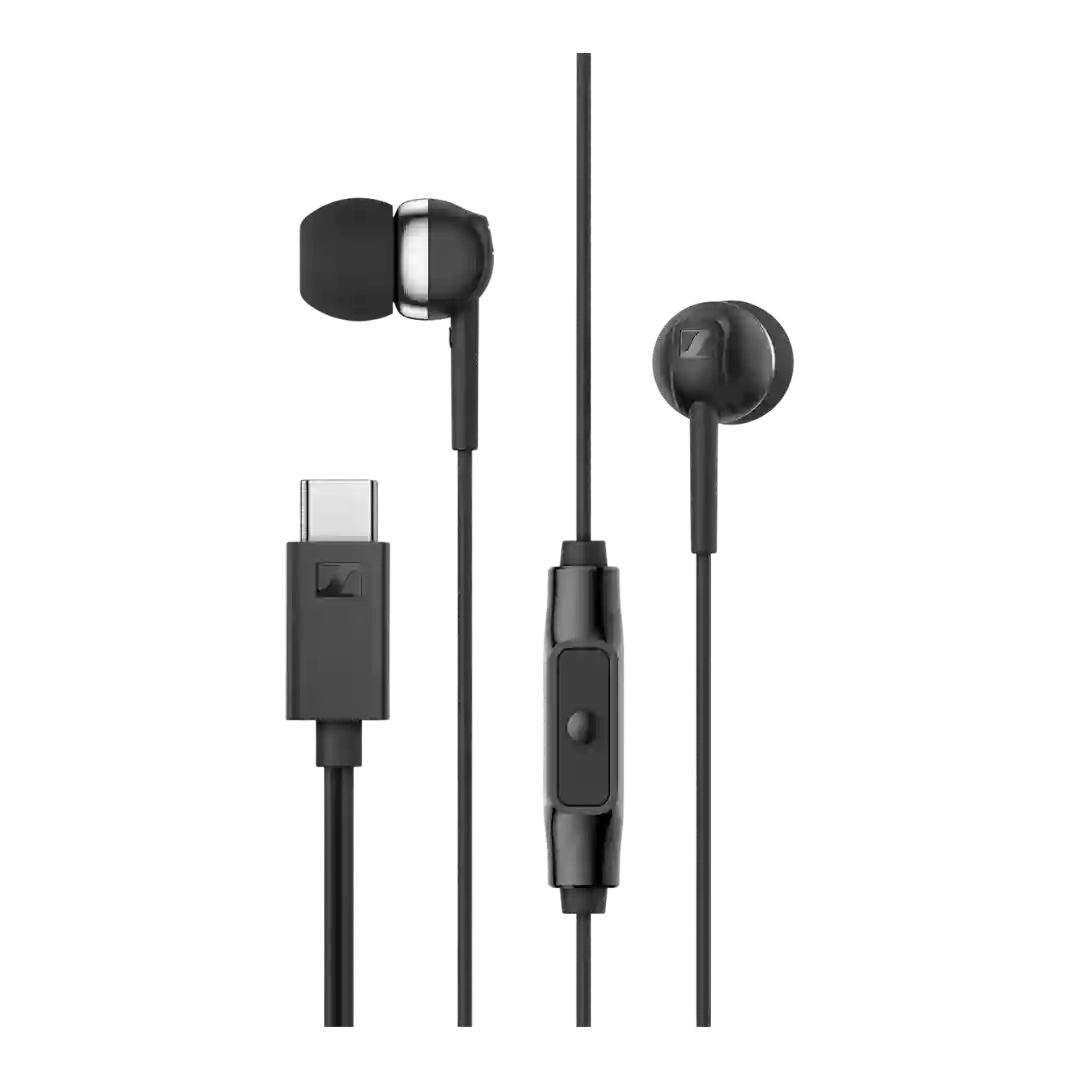
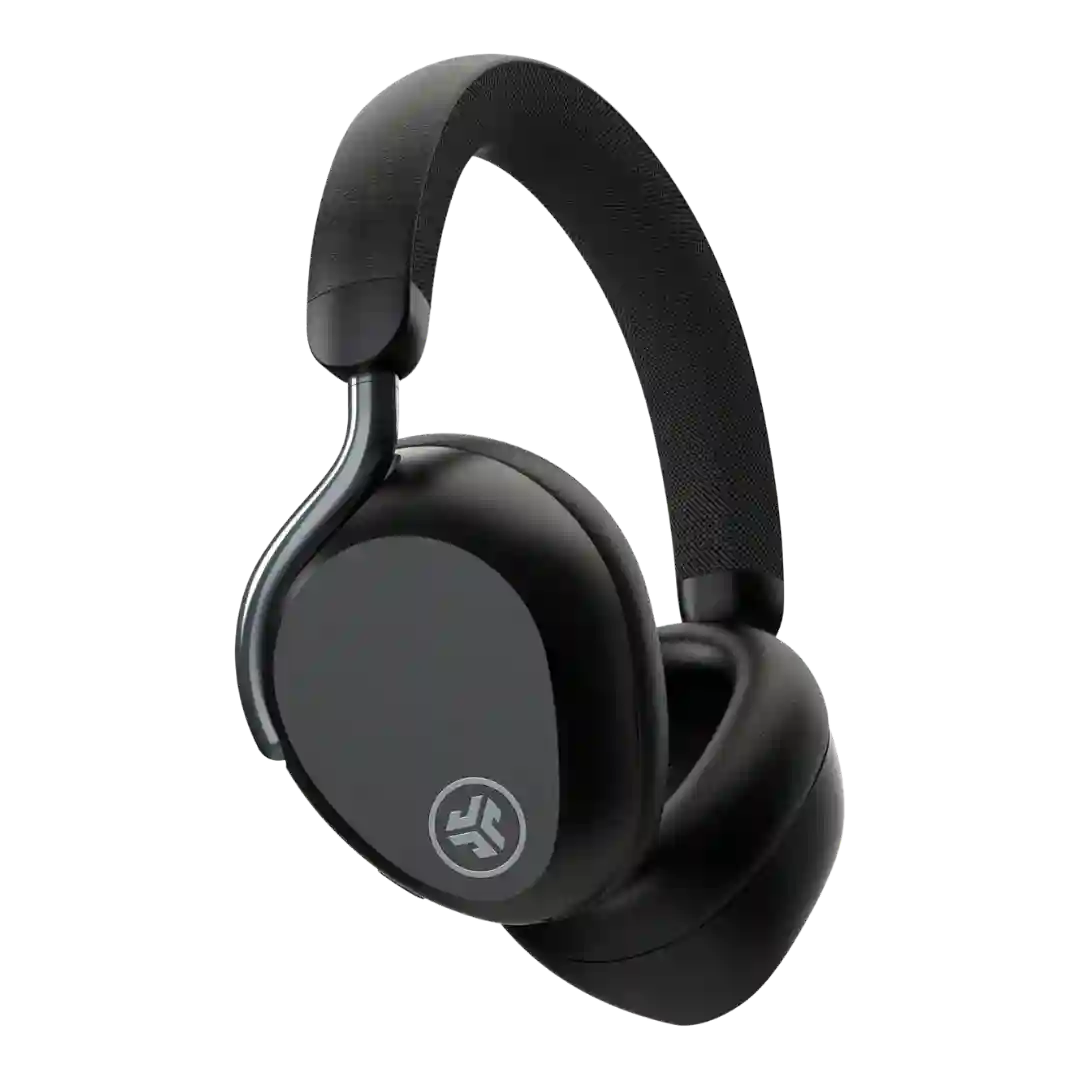
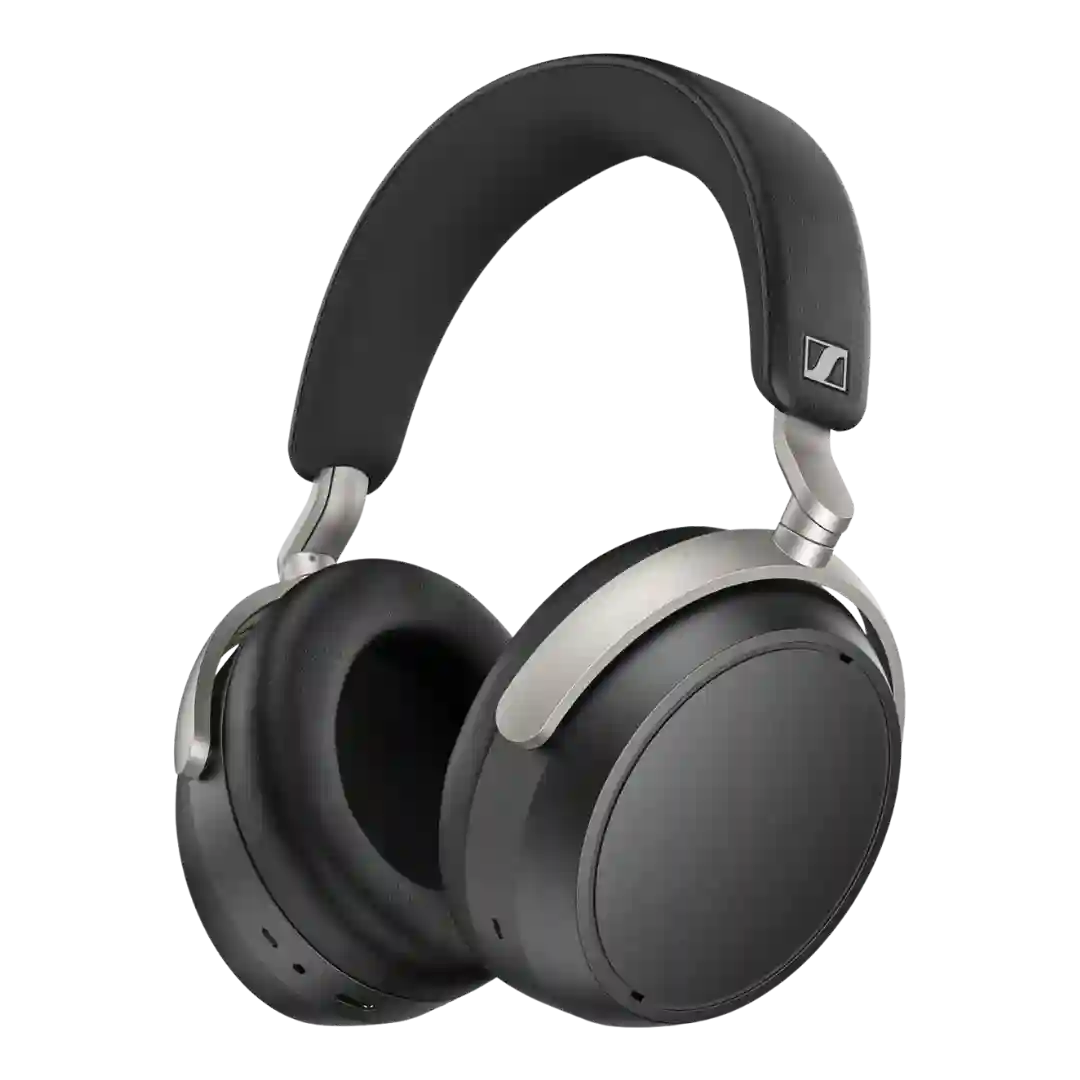
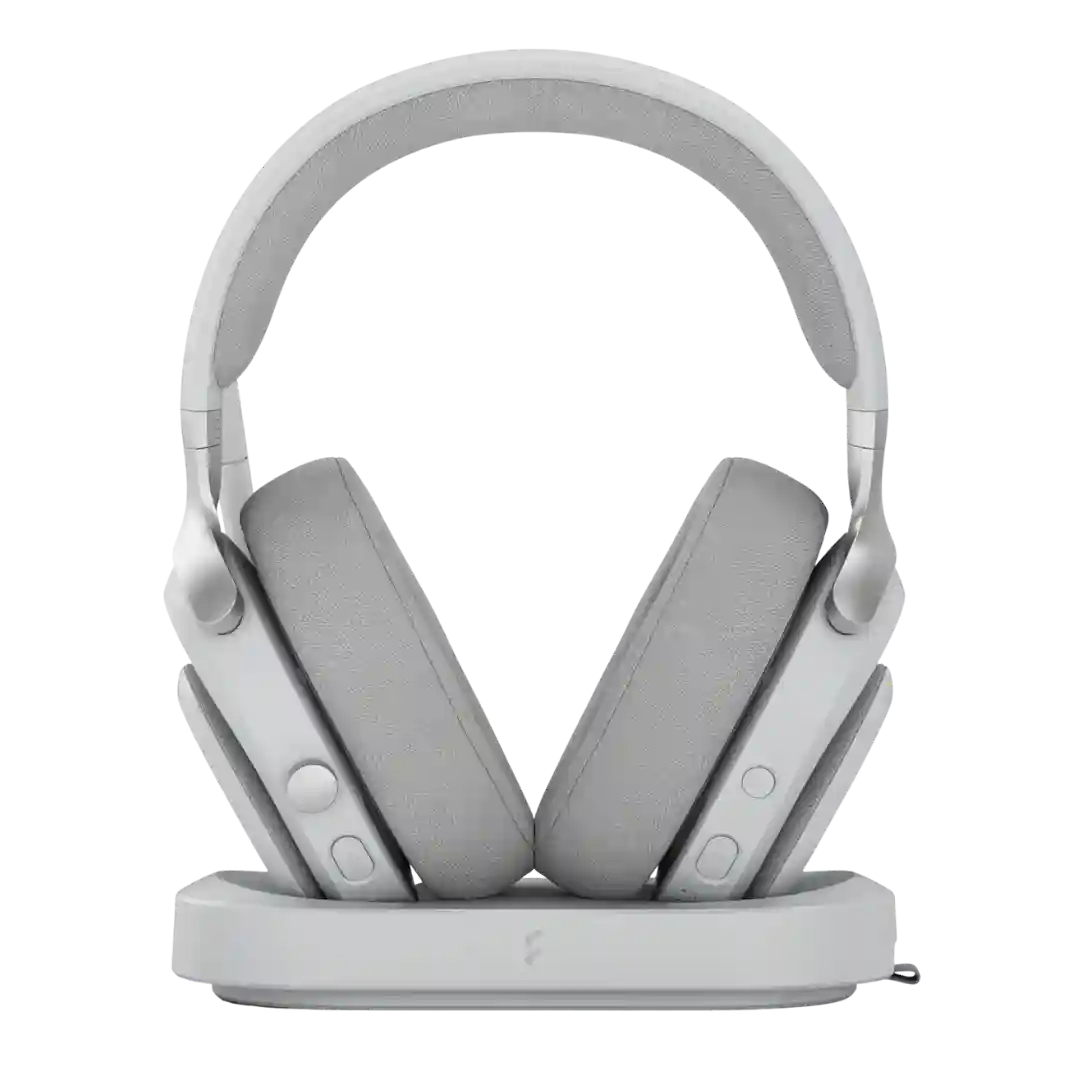
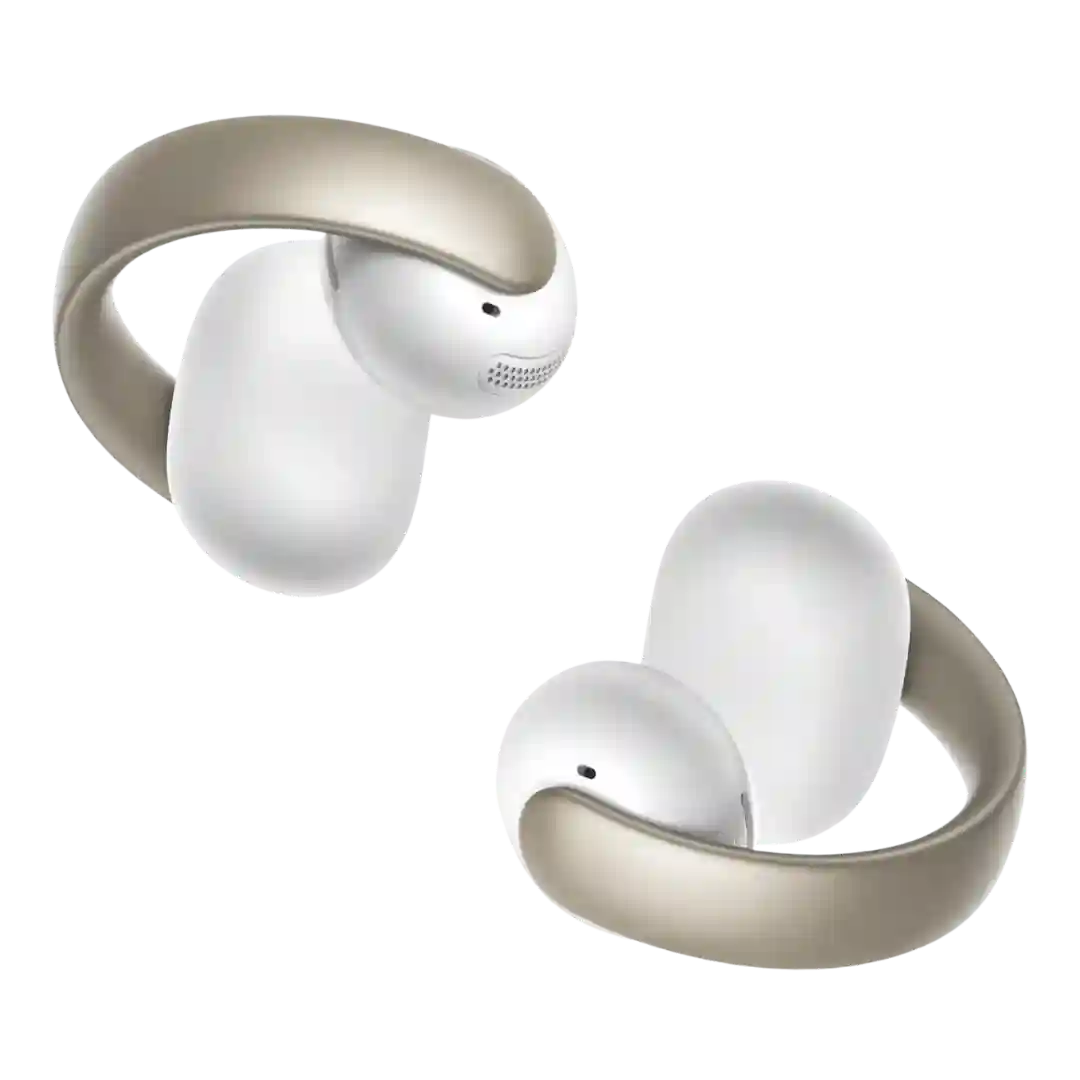
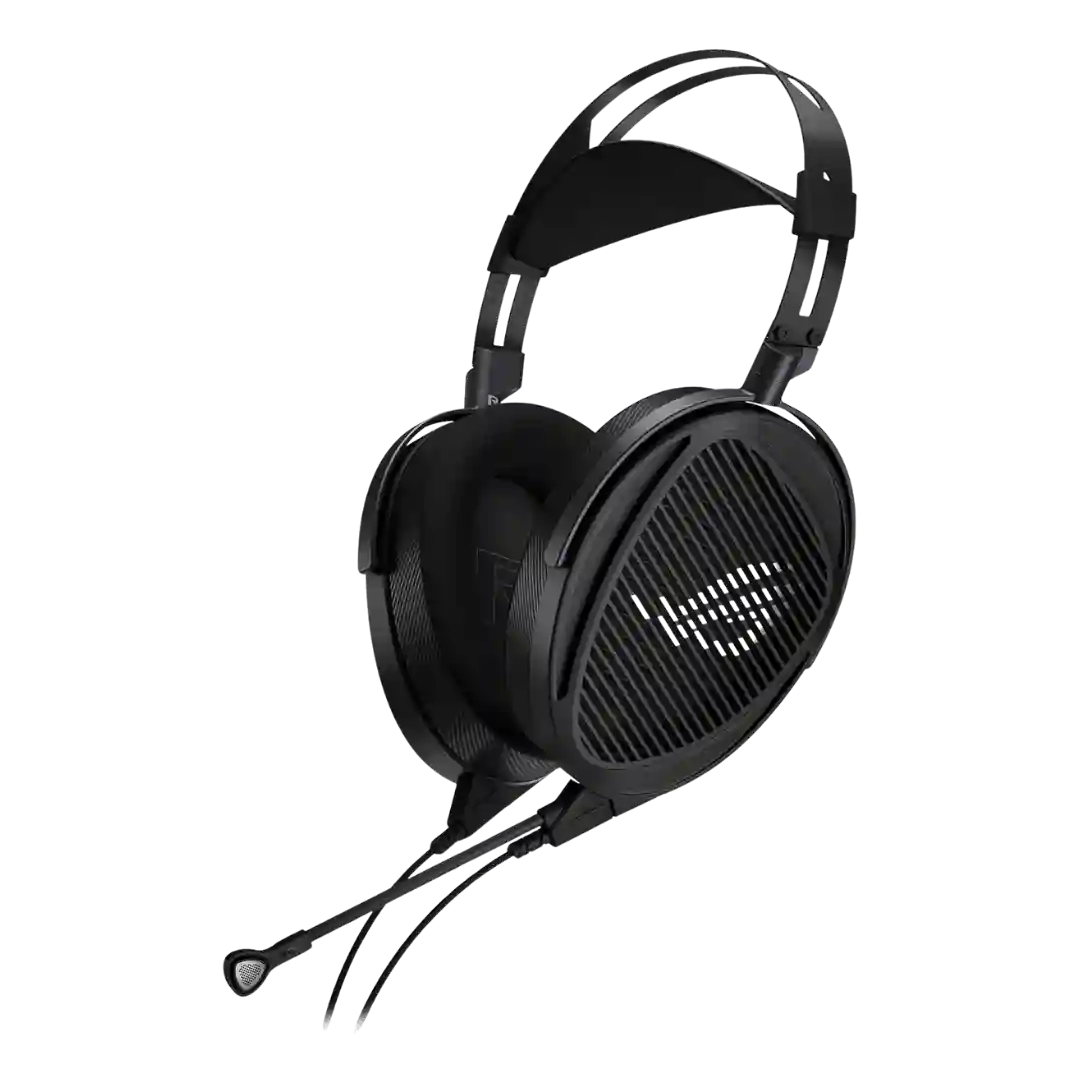
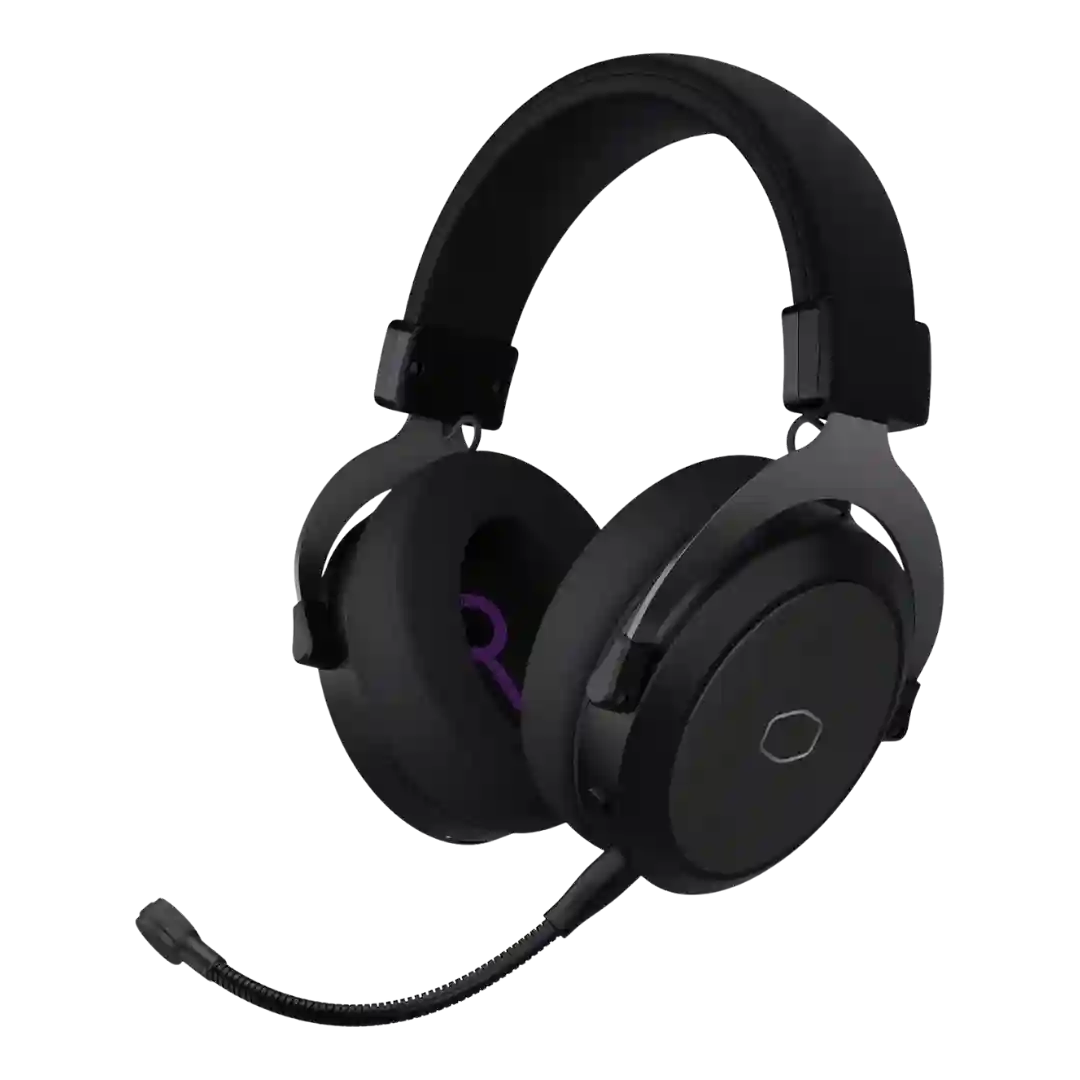
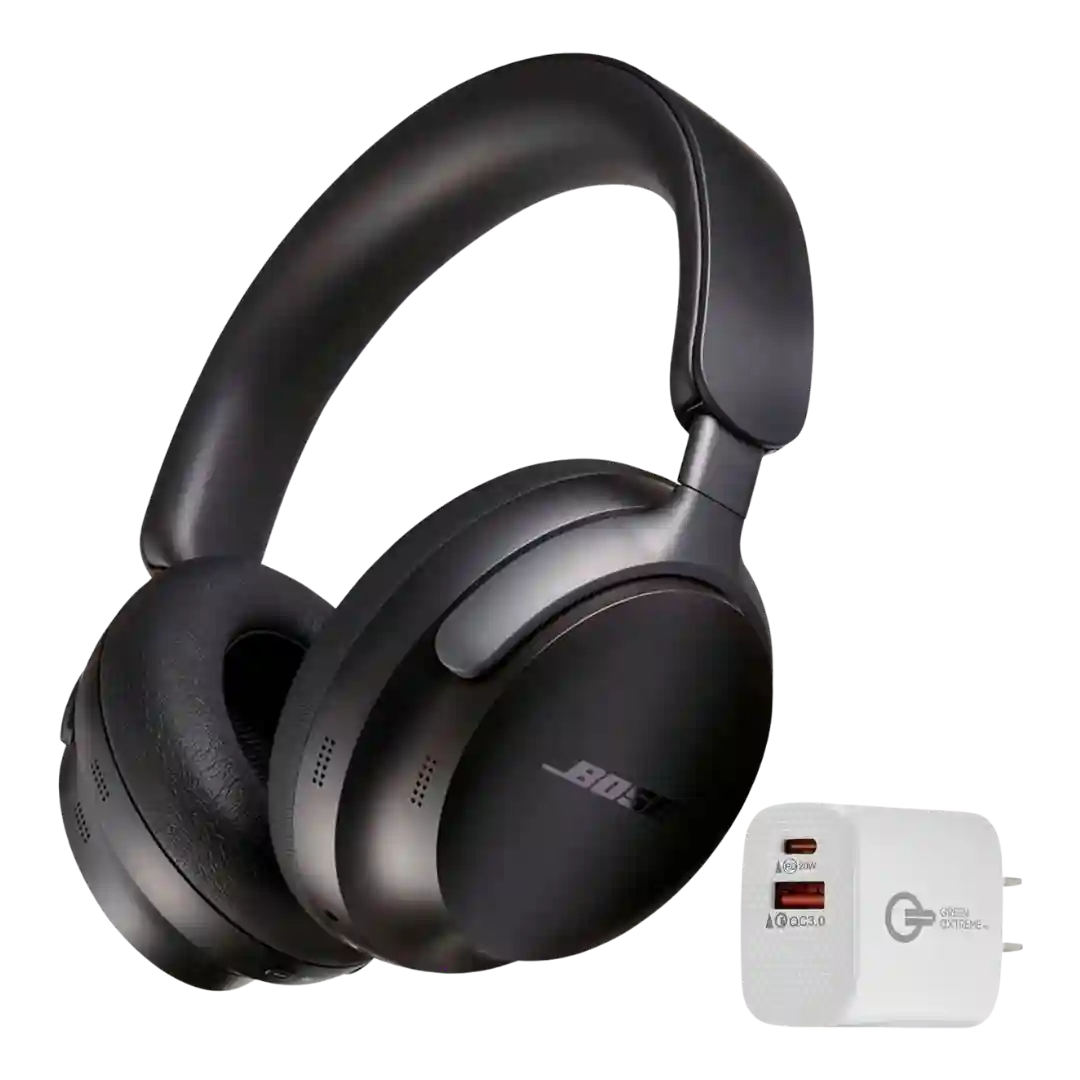
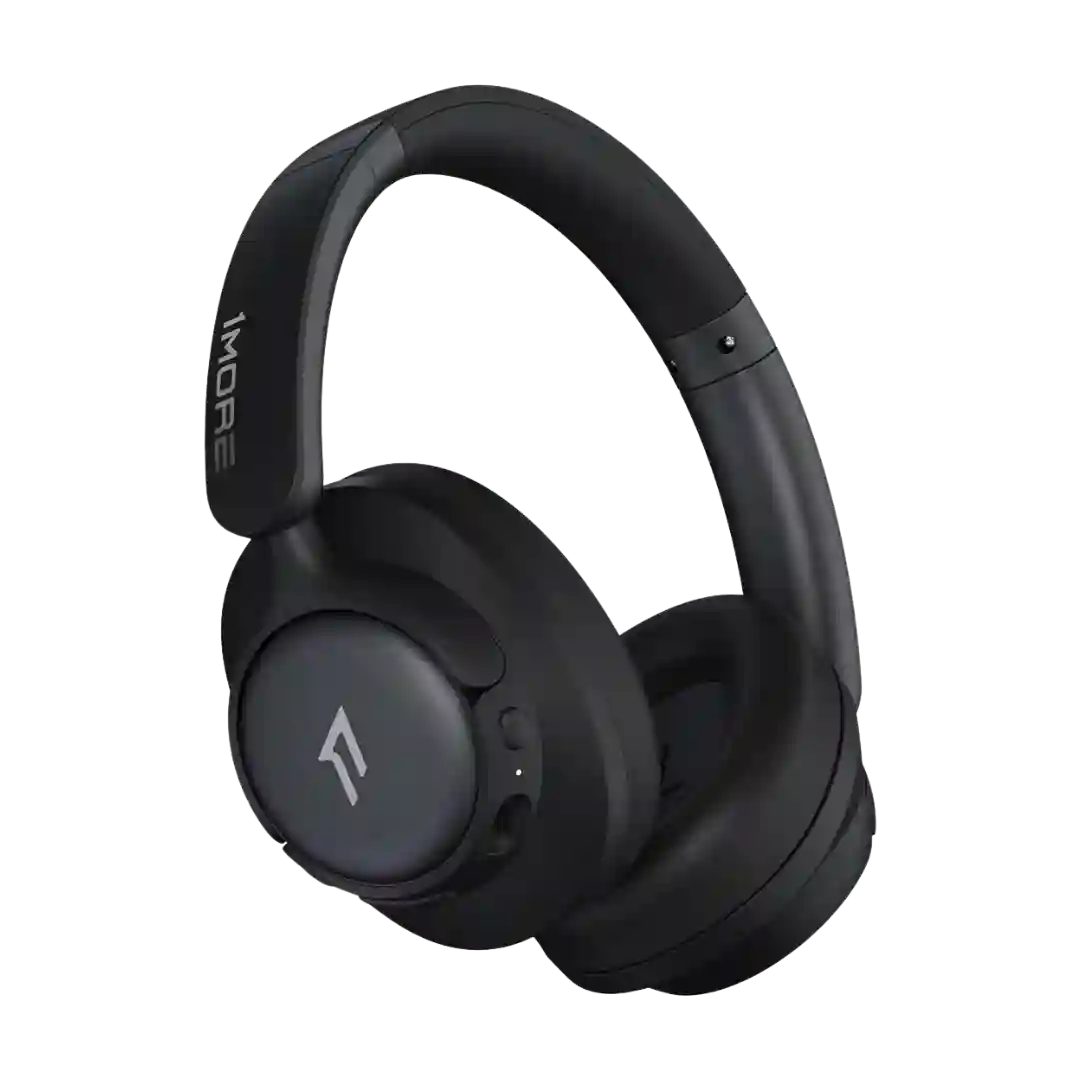
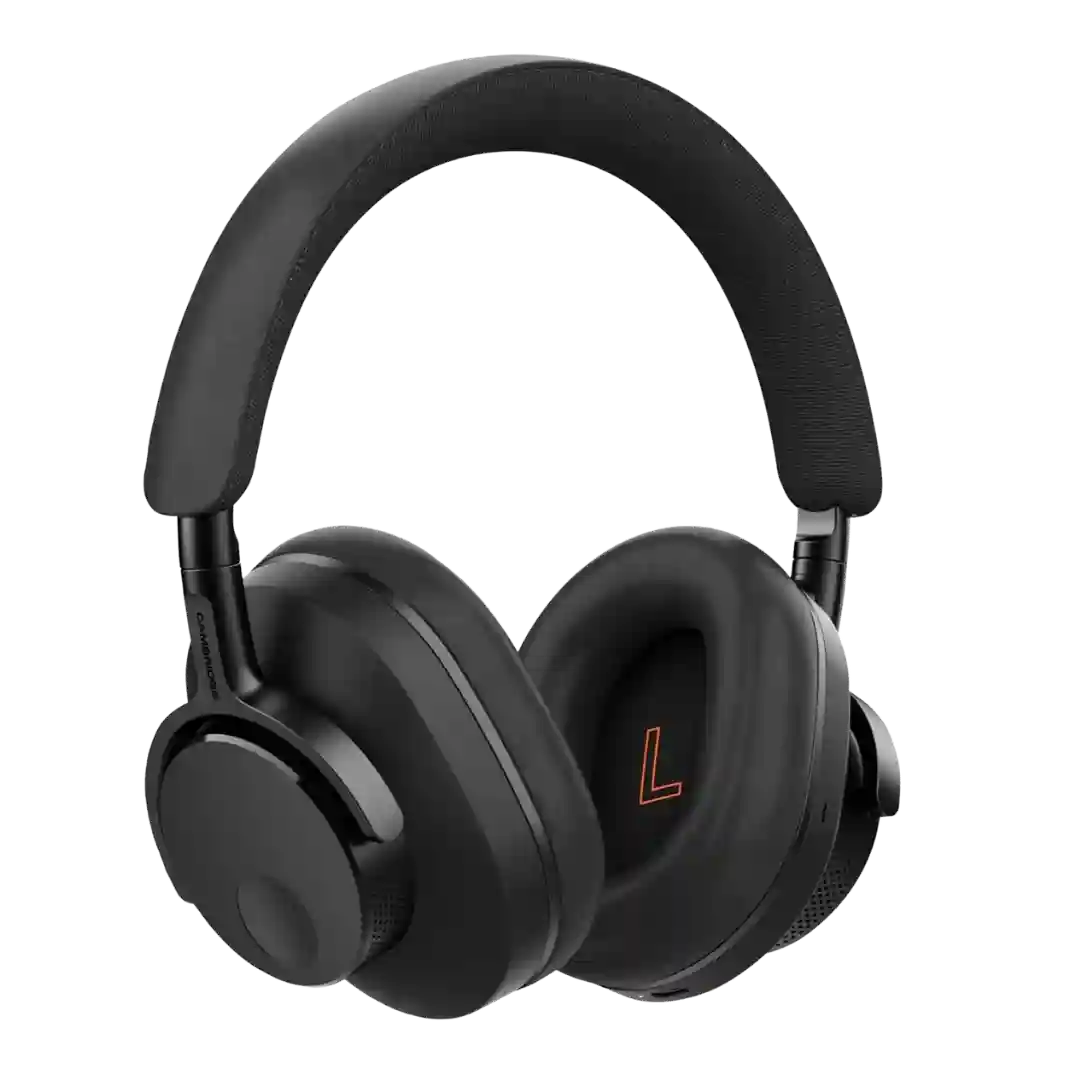
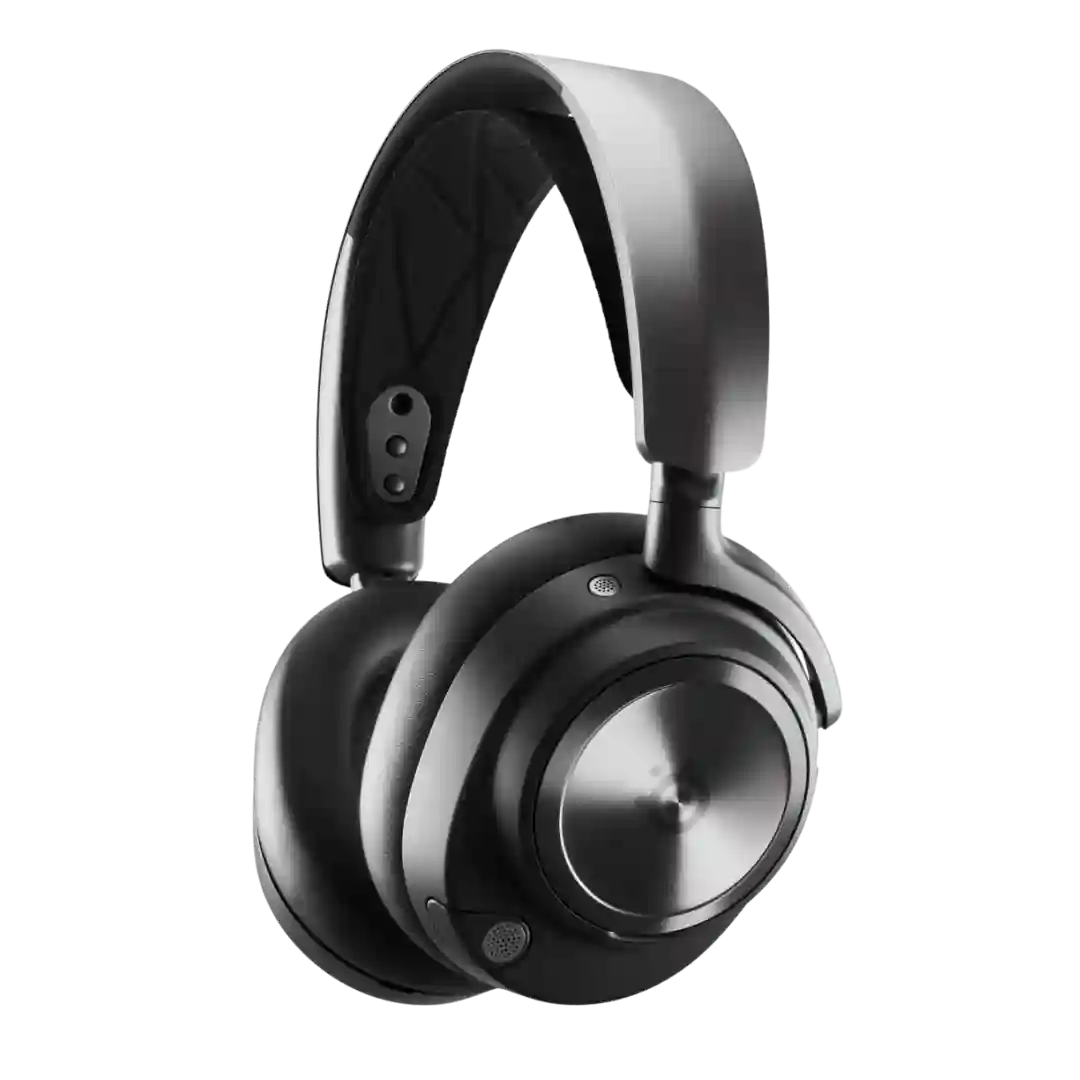
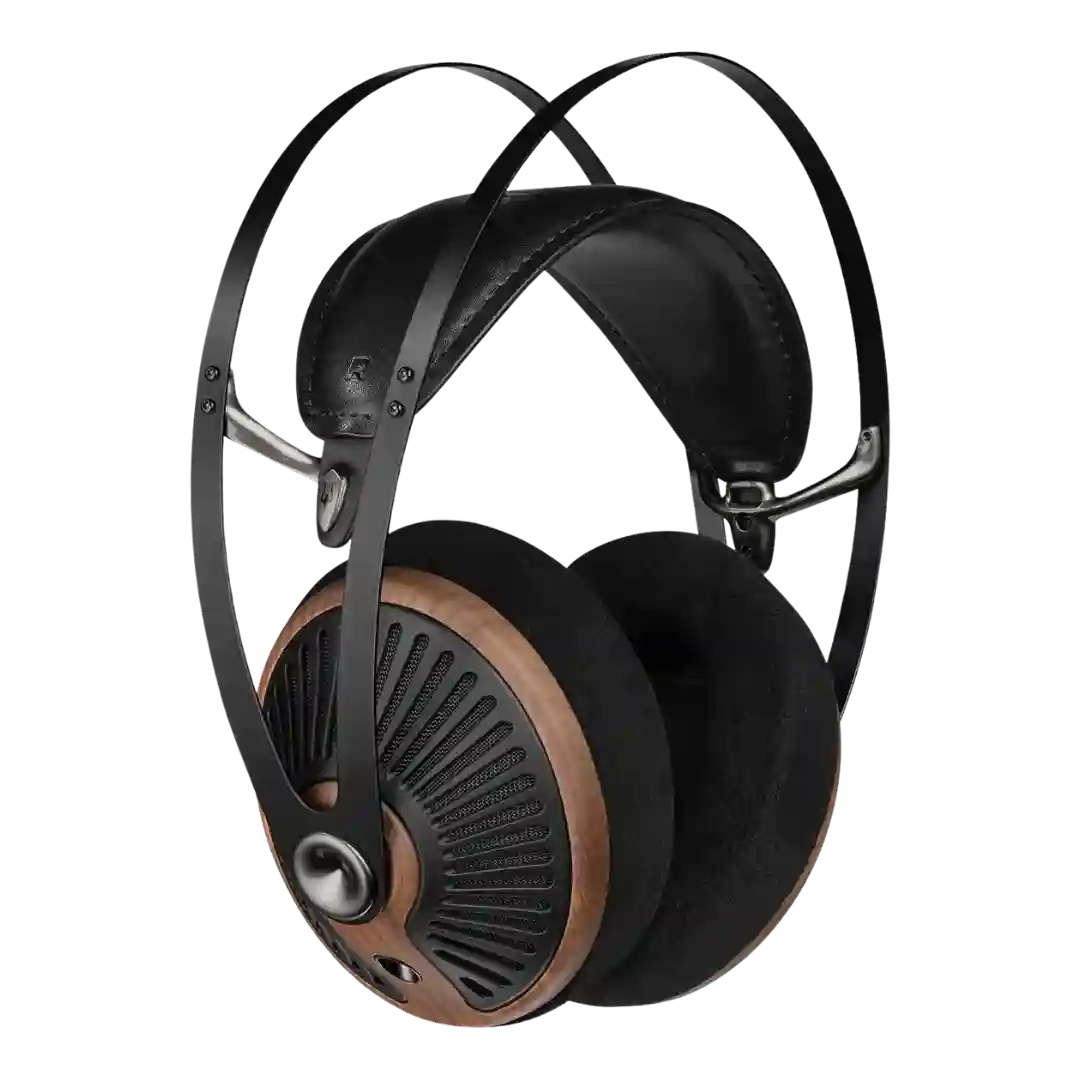
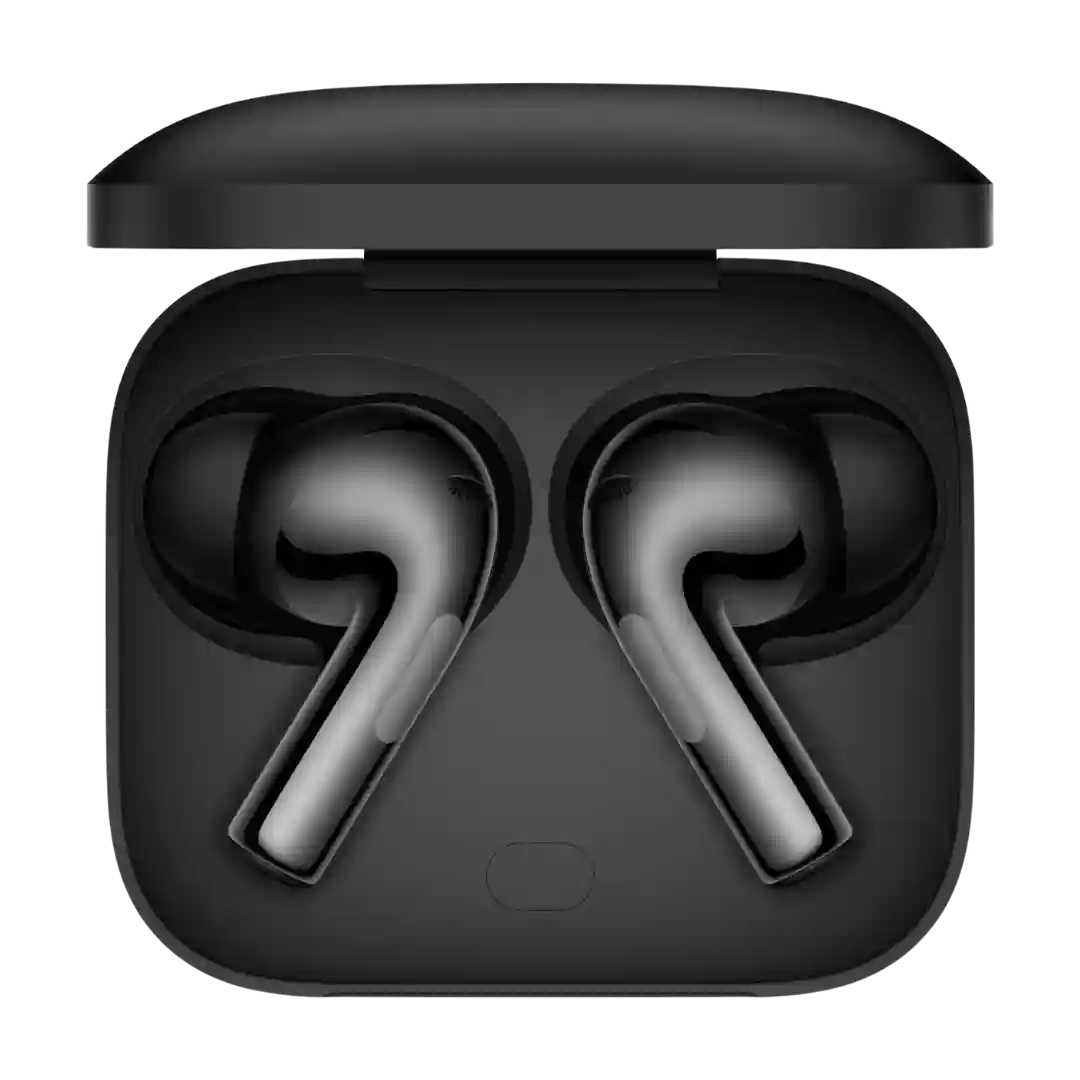
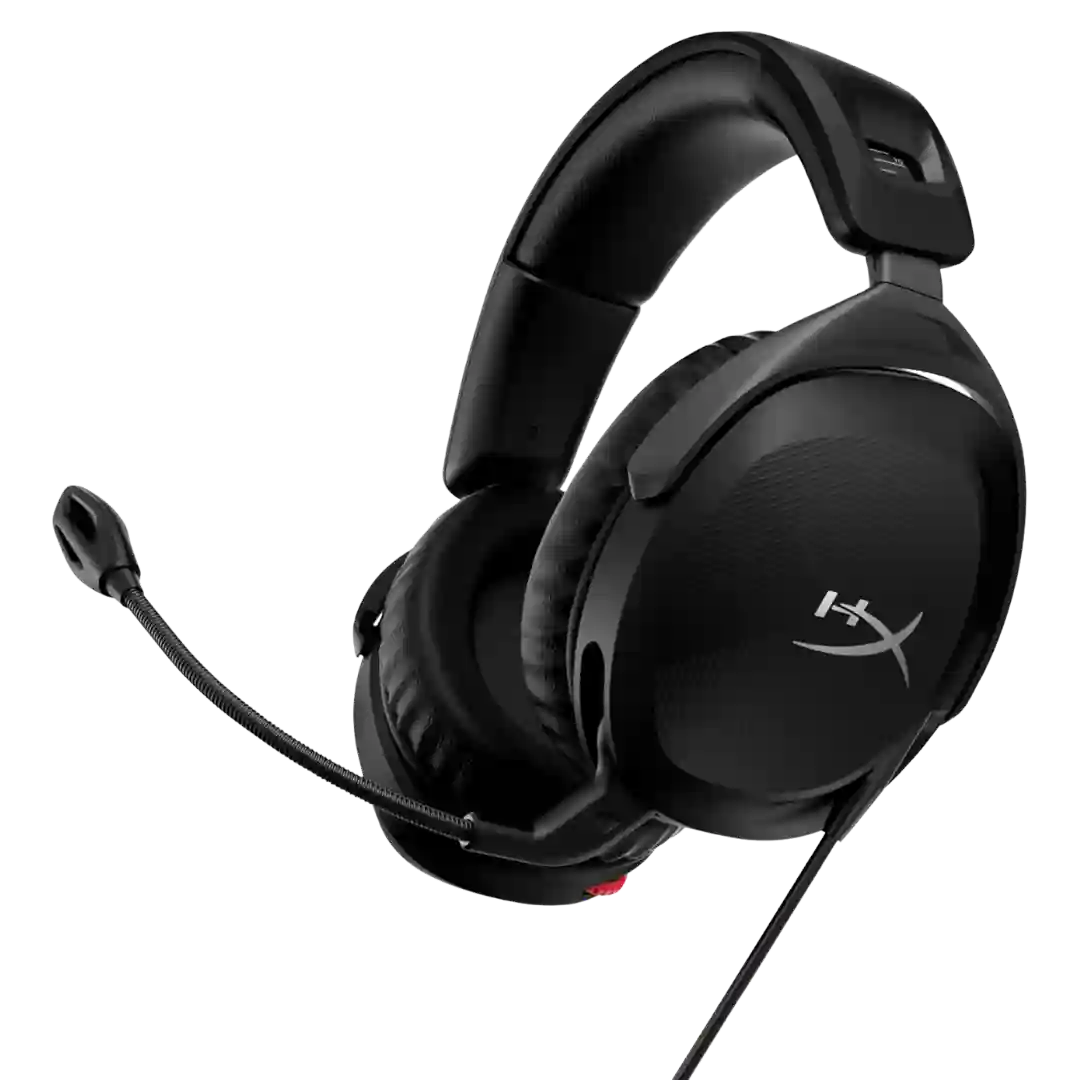
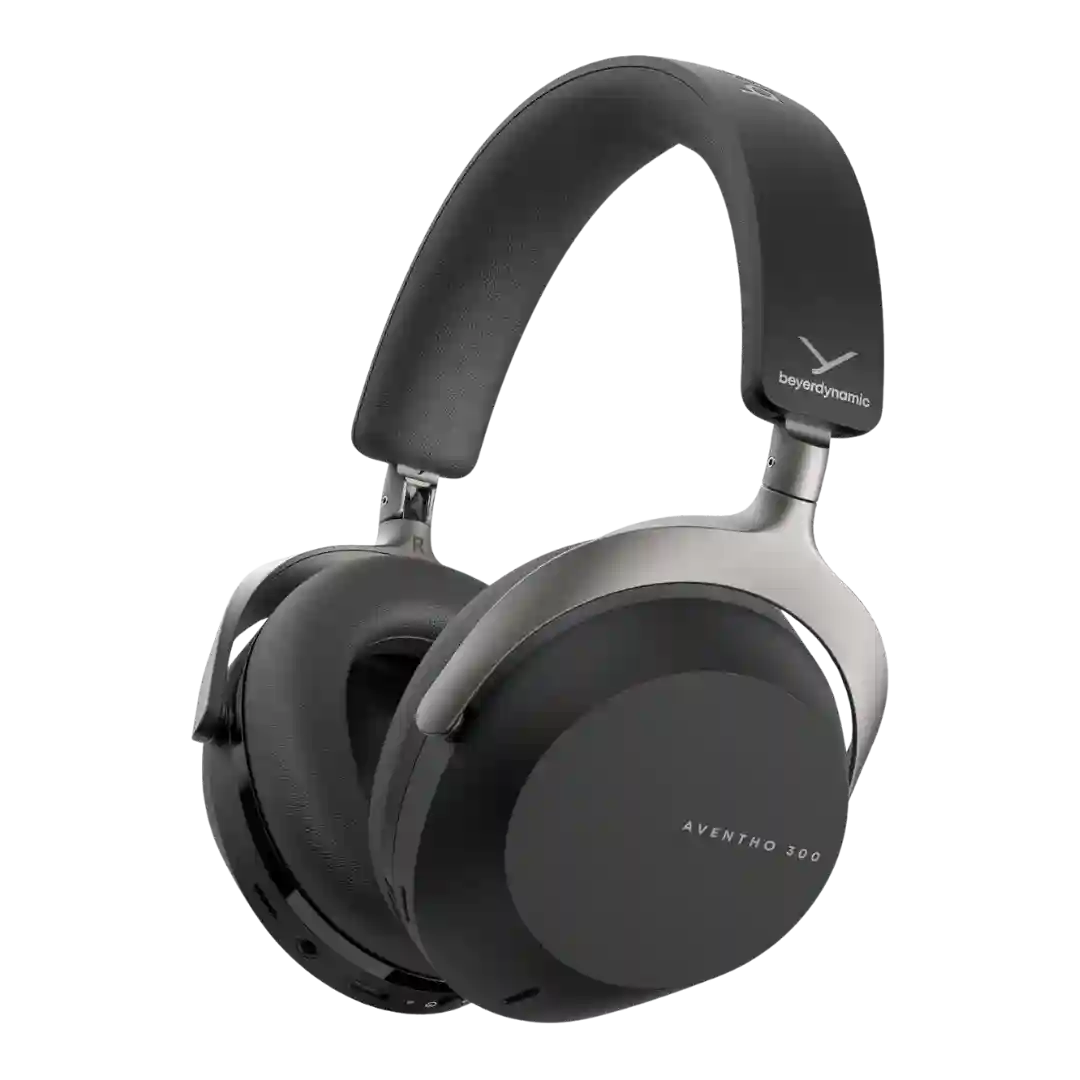
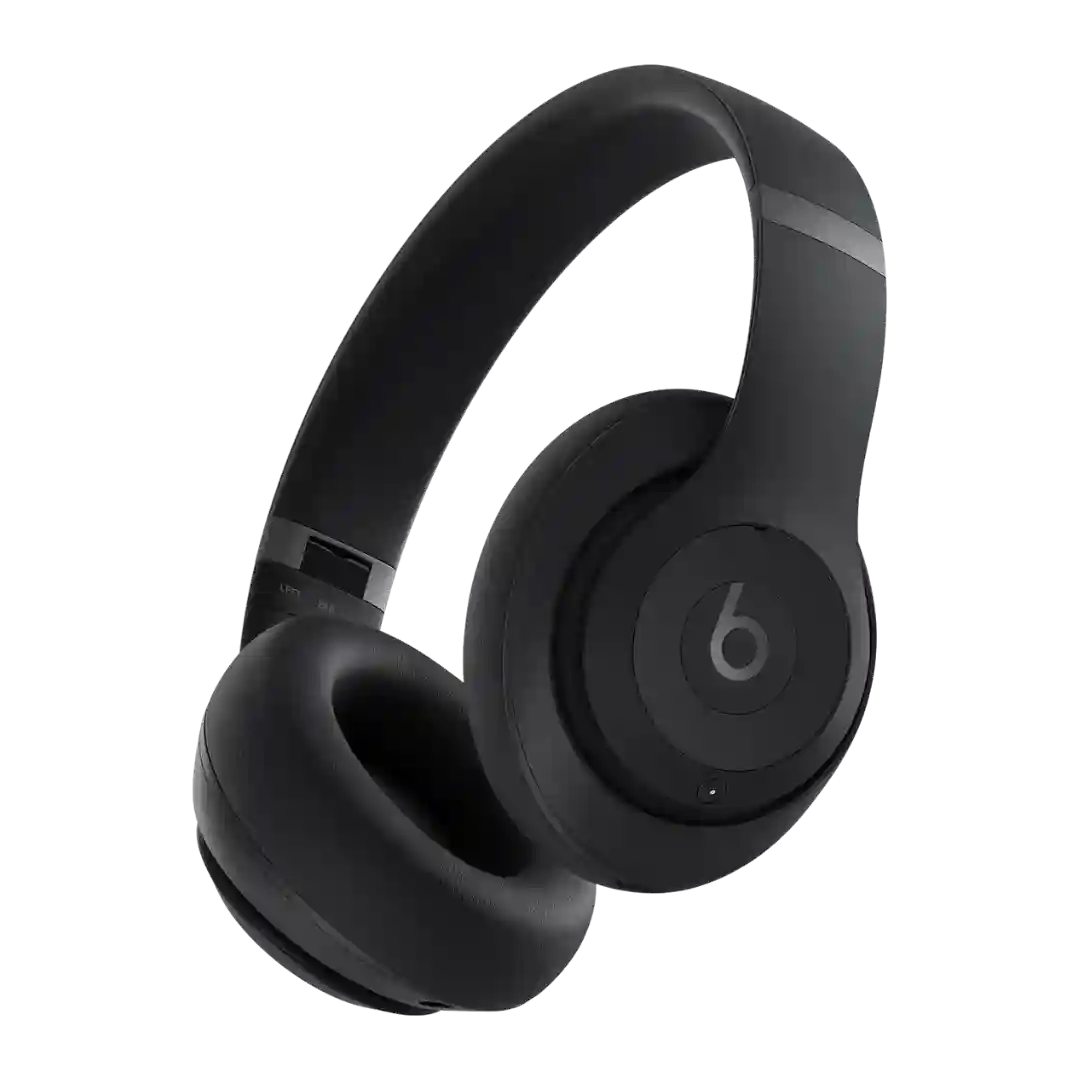
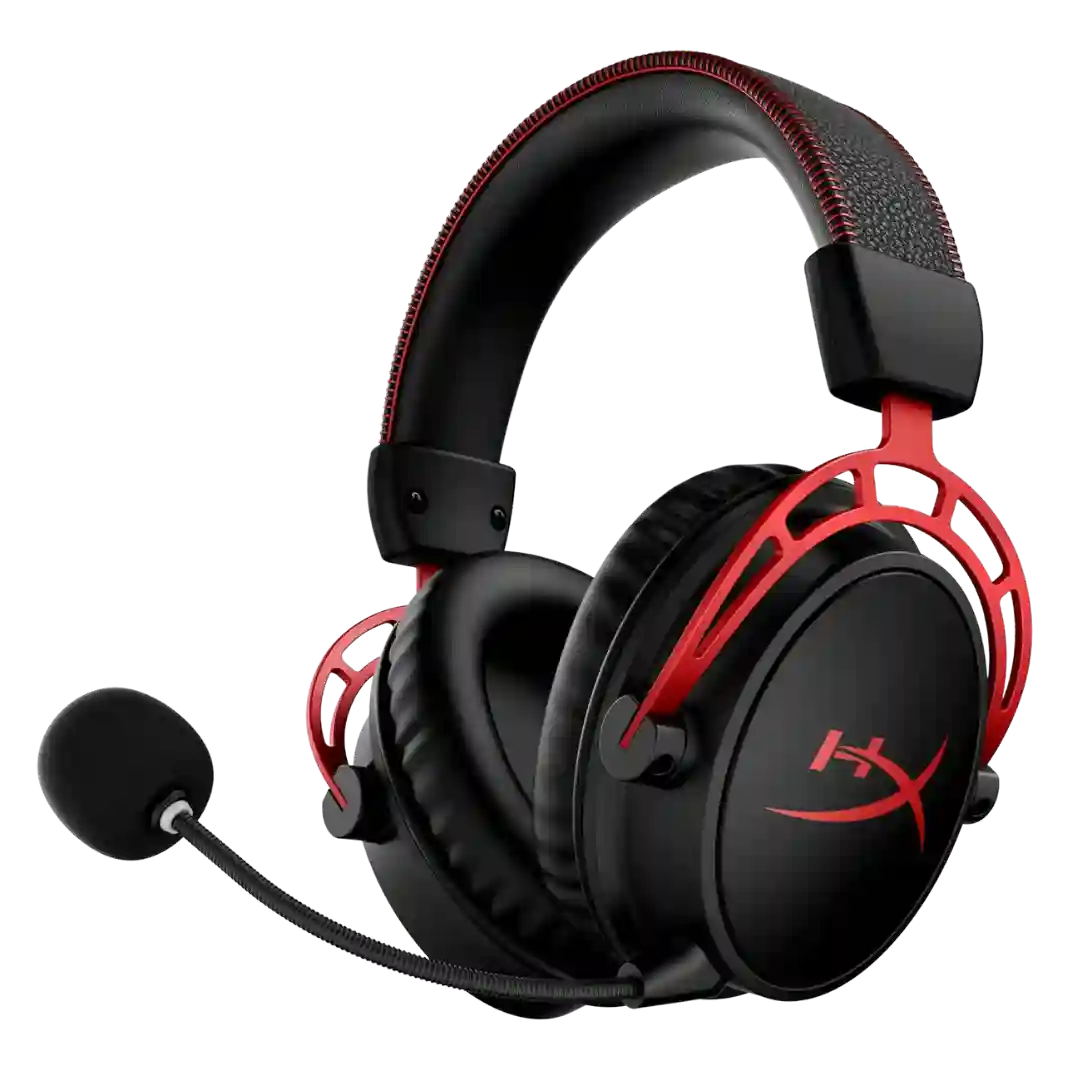
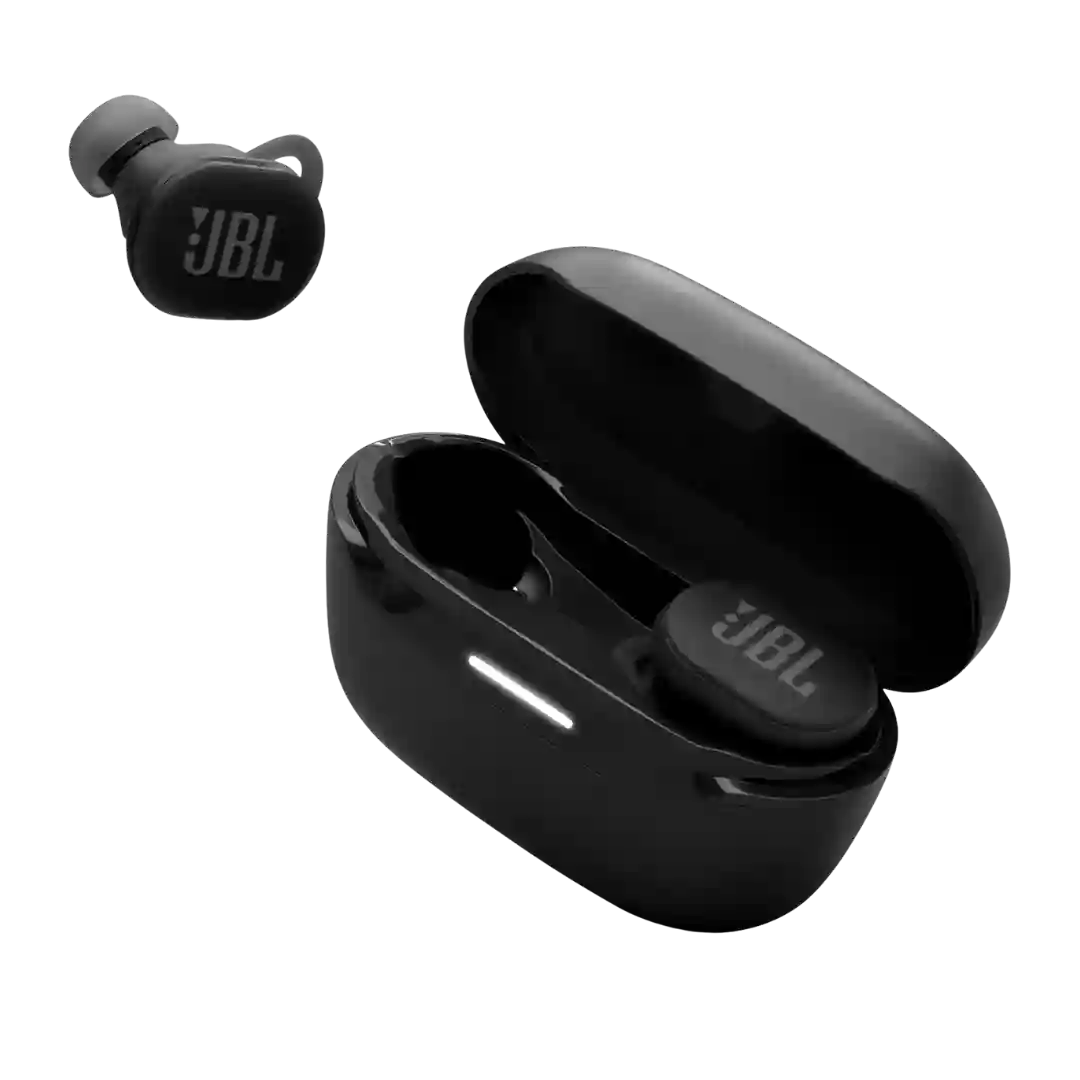
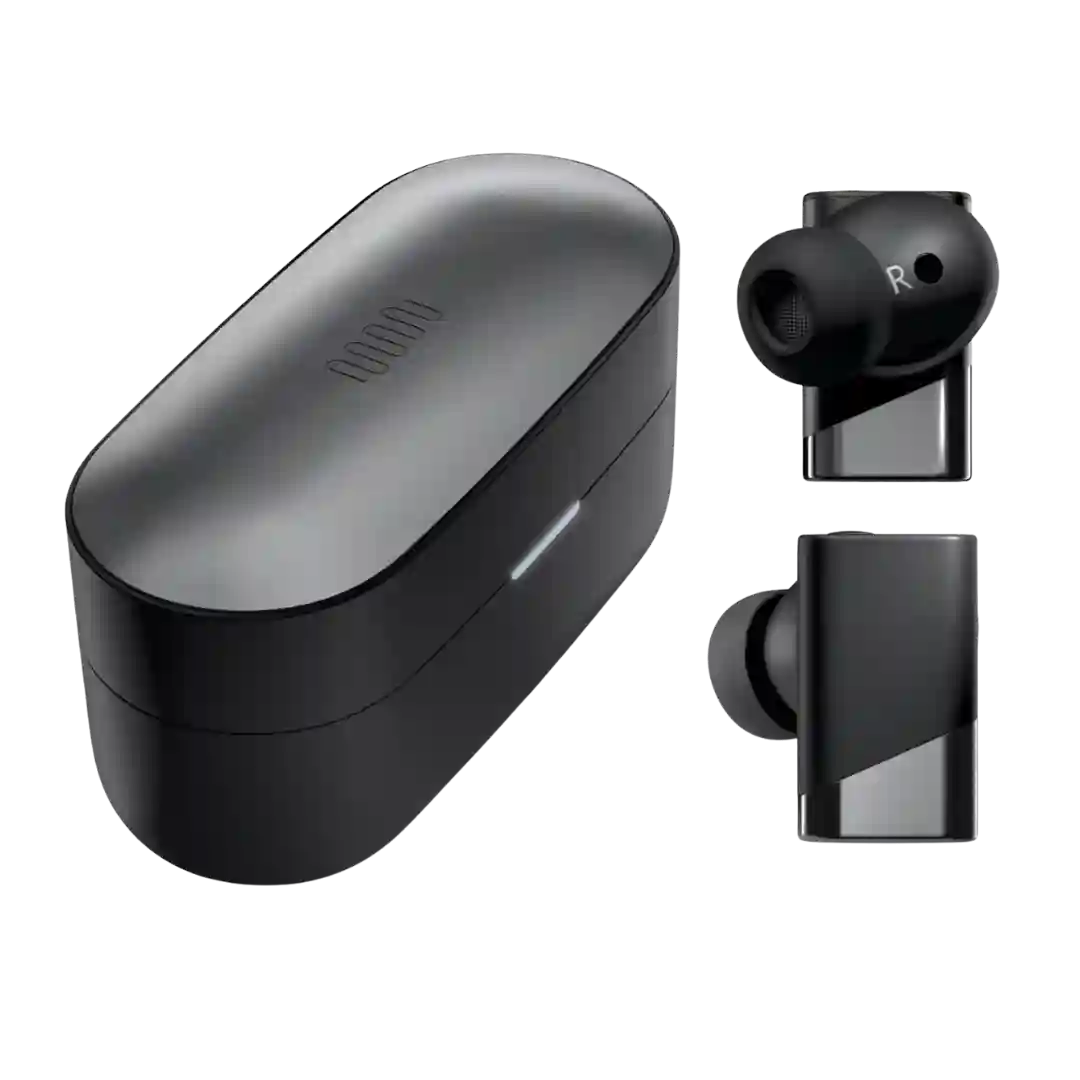
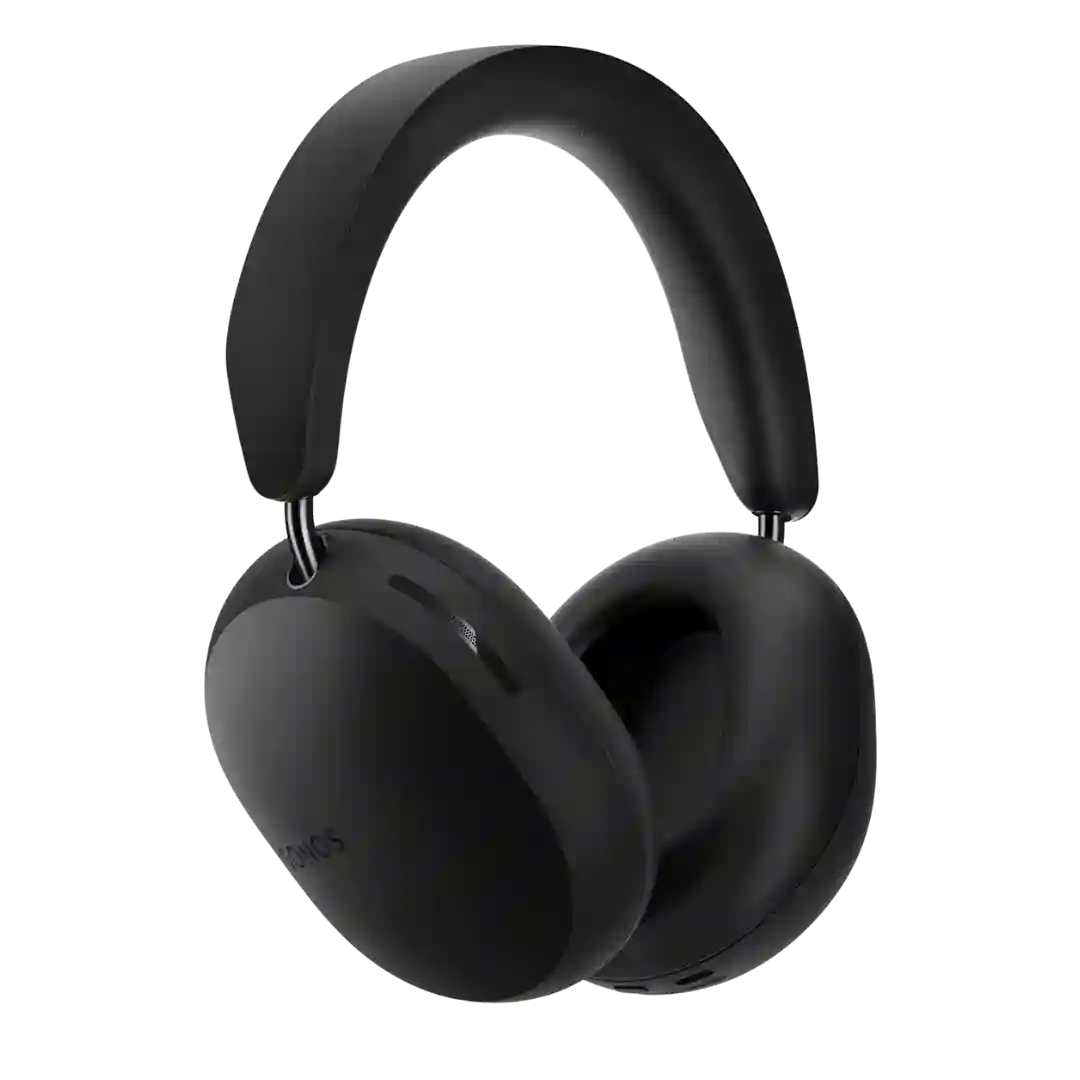
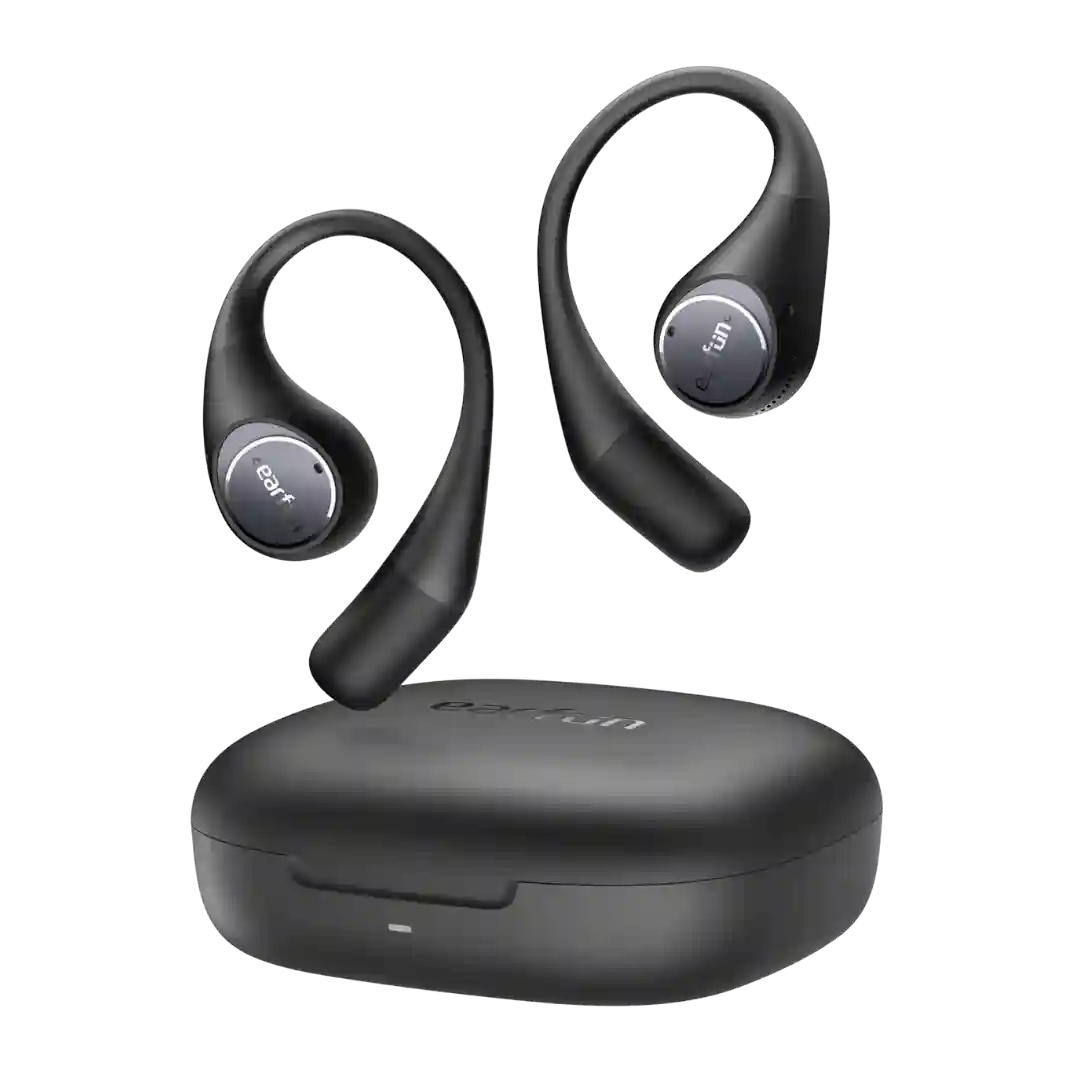
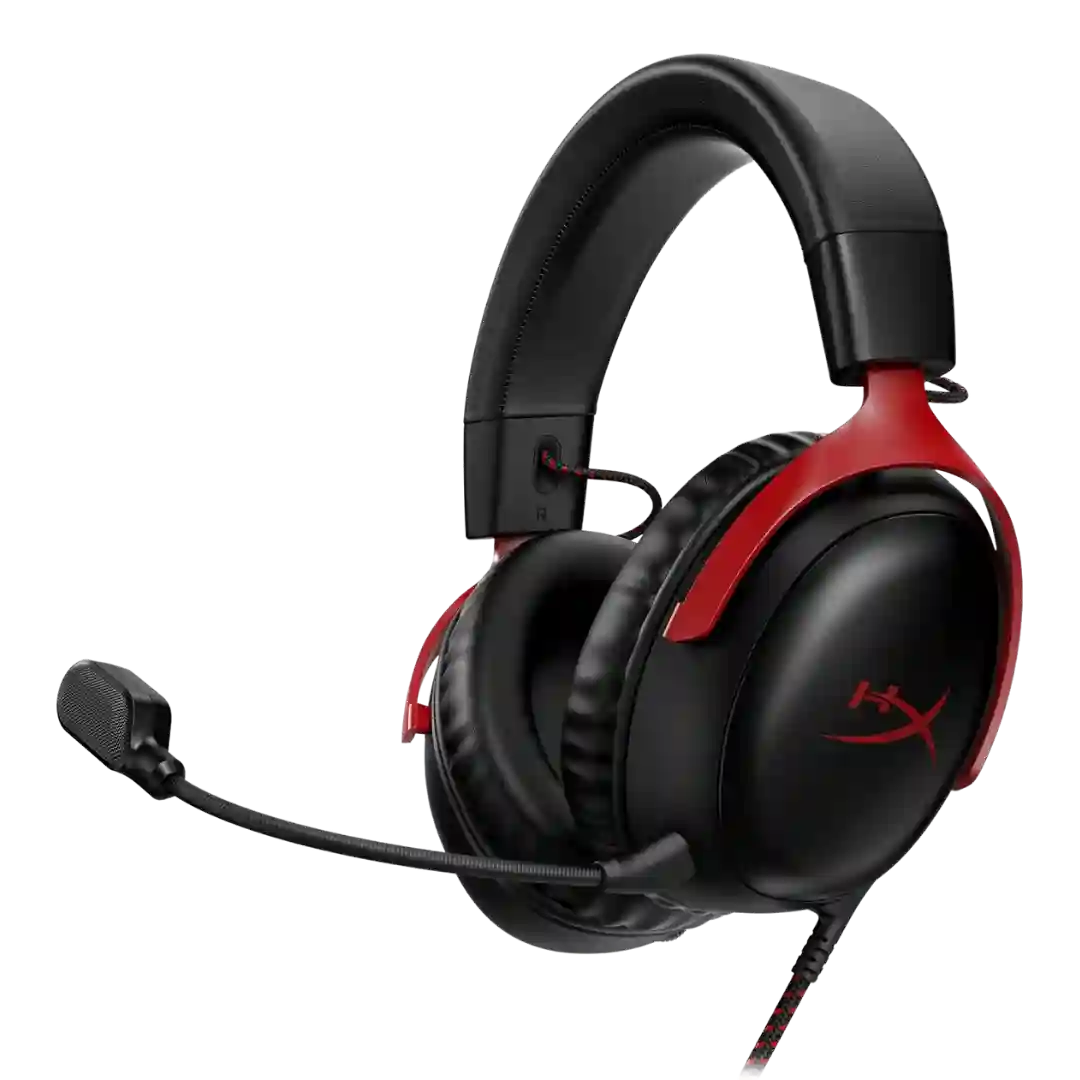
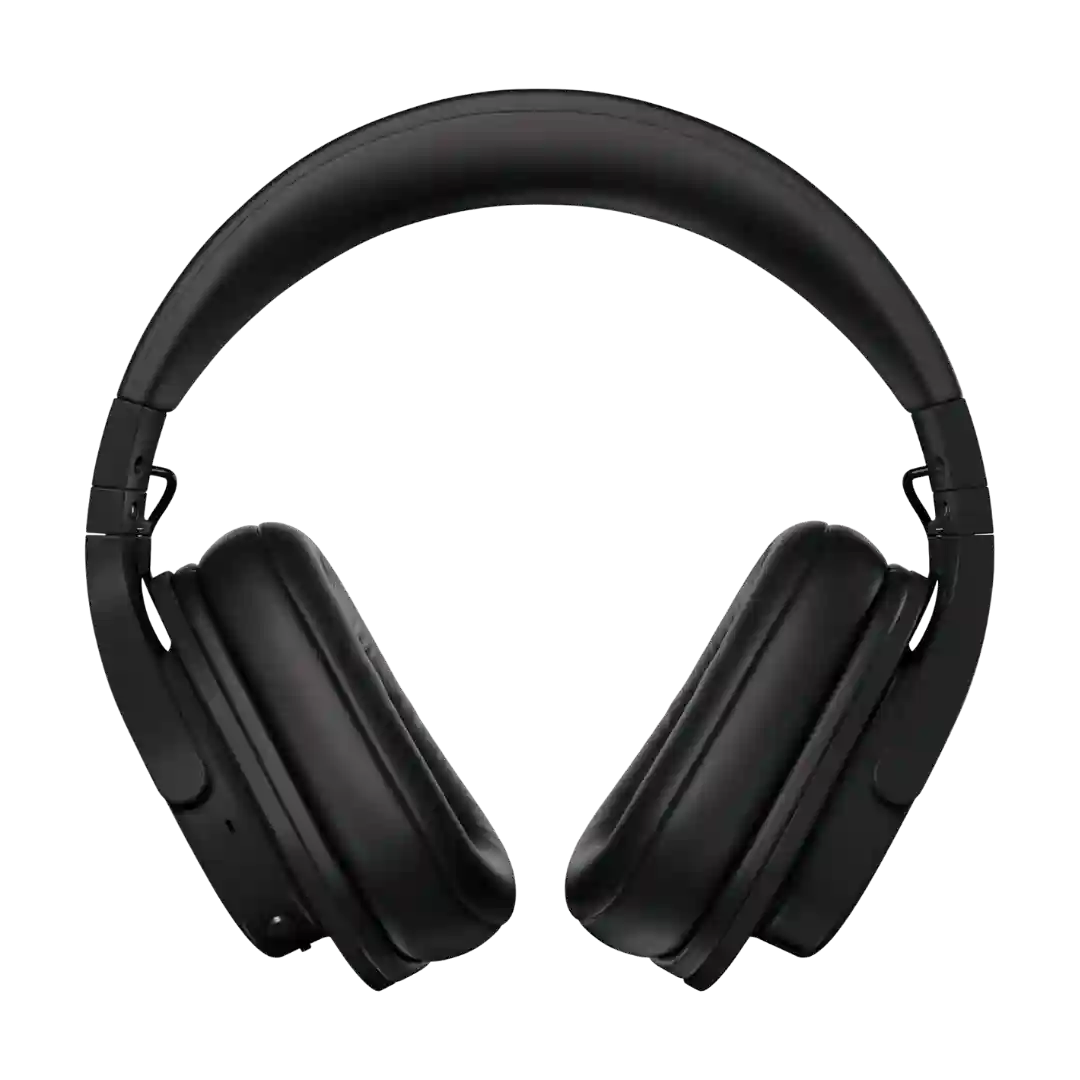
Compatibility is a headline feature: reviews repeatedly emphasize broad multi-platform support (PC, PlayStation, Xbox, Switch, and mobile) and a hub designed to keep multiple systems connected at once.
Cross-platform flexibility is one of the product family's defining strengths, with repeated praise for easy switching between PC, console, and mobile use.
Multi-platform compatibility is a major selling point, with support spanning PC and major consoles plus mobile use via Bluetooth. Reviewers still emphasize that features and compatibility details can vary by model and connection method.
With included adapters and standard wired connections, the Wesley is framed as easy to use across phones, laptops, music players, and older audio gear.
Multi-platform use is a core strength thanks to Bluetooth plus USB-C and analog options, with the dongle helping iOS users access higher-quality codecs.
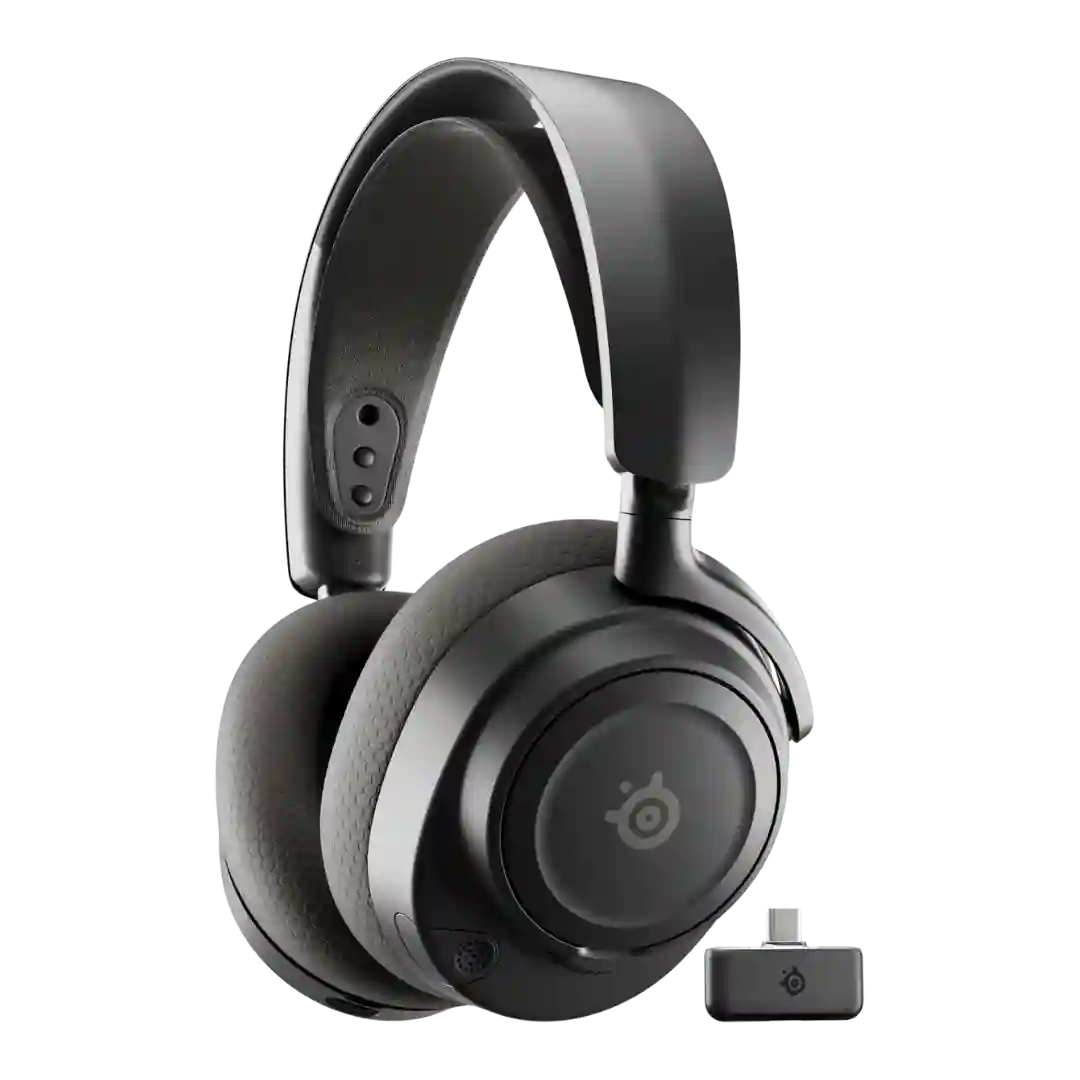
Tri-mode connectivity (2.4GHz, Bluetooth, and USB) makes the headset broadly usable across PC, PlayStation, Switch, and mobile devices according to multiple sources.
Cross-platform behavior is a quiet strength, with reviewers liking that the core experience works well across Android, iPhone, and PC instead of favoring one ecosystem too heavily.
Cross-platform support is good across iOS and Android, but the best codec features and some behaviors vary by platform (for example LDAC typically being Android-only).
Multi-device use across iOS, Android and computers is reported as smooth overall, helped by Bluetooth 5.3, multipoint and app support on both mobile platforms.
Multi-platform support is one of the headset's biggest advantages. PC, PlayStation, Switch, Mac, phones, and handheld use were all highlighted positively, with Xbox being the main exception.
Multi-device compatibility is one of the G325's strongest practical advantages. Reviews consistently position it as a headset that works across several consoles, PC, and mobile devices, though exact Xbox and wired-use details vary by reviewer.
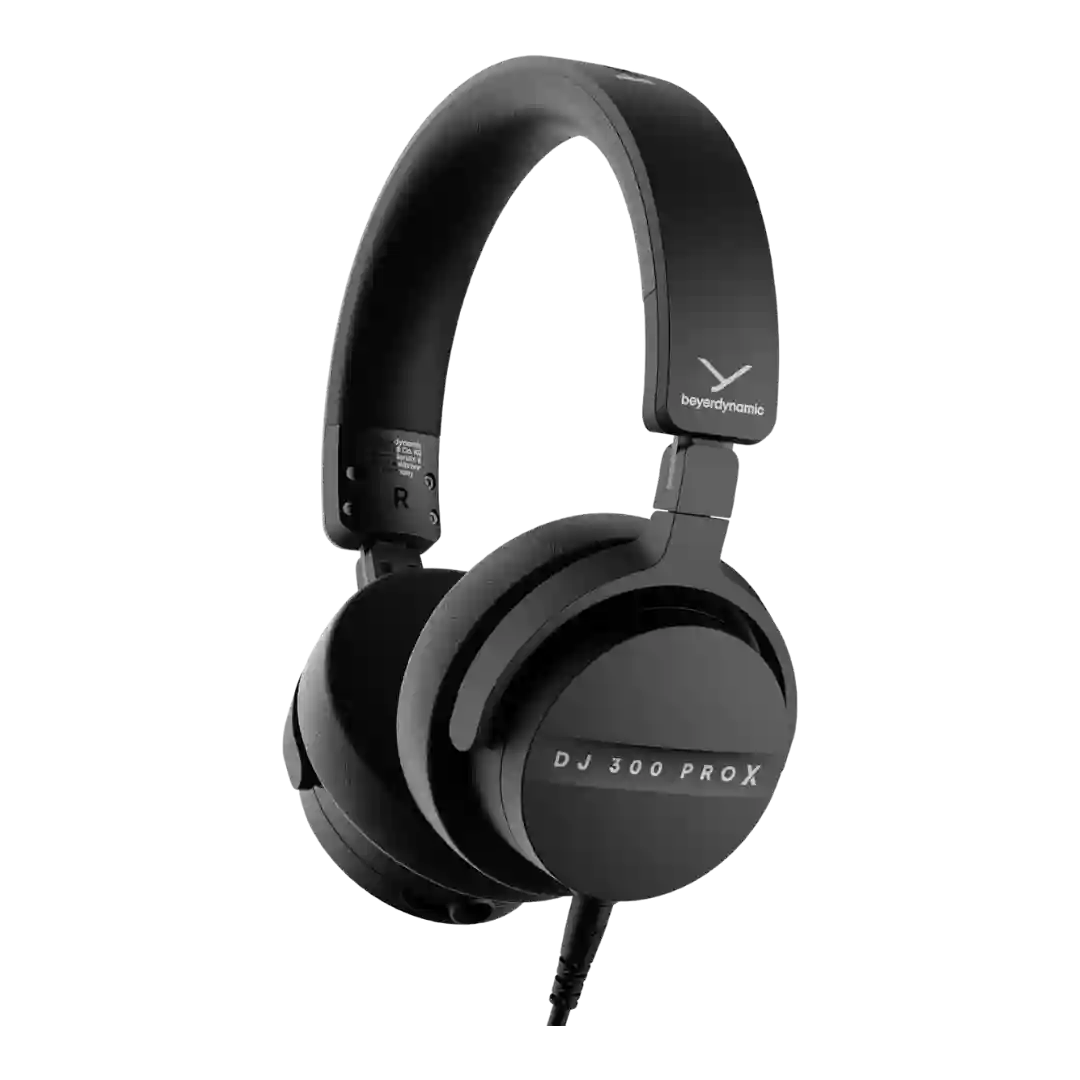
Compatibility is broad on the wired side thanks to dual-earcup connection and standard jack support. The reviews specifically position the headphone for mixers, interfaces, and laptops rather than wireless consumer devices.
Compatibility is a strong point across PC, PlayStation, Switch/handhelds, and mobile; the main caveat is selecting the correct variant for Xbox wireless needs.
Compatibility is broad across PC, PlayStation, Switch, and mobile Bluetooth use. Xbox support depends on buying the Xbox-specific version, which also influences how the two USB ports on the base station are labeled/used.
Reviewers frequently describe good compatibility across sources (phones with dongles, laptops, DAPs, and desktop amps), helped by easy drivability. Some note it scales with source quality and can reveal harshness from poor gear.
Cross-platform support is better than many budget buds: iOS users get the app and most core features, but hi-res codec advantages and some behaviors may vary by device ecosystem.
Cross-ecosystem support is a defining strength: multiple reviews emphasize convenient pairing, syncing, and feature access on both iOS and Android. The tradeoff is that some Apple-exclusive perks and universal multipoint behaviors are missing.
Compatibility is again version-dependent: some reviews praise broad wired platform support, while others limit the wireless model to a smaller set of devices.
Cross-platform use is broadly positive across phones, tablets, and computers; iOS works well, though several reviewers still note Apple ecosystem extras remain a separate advantage for AirPods users.
Compatibility across iOS and Android is solid, but the feature balance favors Android for LDAC and some spatial features. Apple users may miss tighter ecosystem integrations and may prefer AirPods for convenience.
Multi-platform compatibility is generally strong for phones and computers, and the Ace can also integrate with compatible Sonos soundbars. The biggest platform caveats are codec differences (Android vs iOS) and which devices support specific Sonos features.
Across wired and wireless reviews, compatibility coverage is broad for PC, PlayStation, Switch, phones, mobile devices, and similar USB or 3.5mm connections.
Compatibility is broad across common devices and operating systems (phones, tablets, laptops), with reviewers generally reporting easy pairing on both Apple and Android ecosystems.
Multi-platform support is strong across Android, iOS, and computers, helped by standard Bluetooth features and platform pairing options. The case transmitter further improves flexibility for devices without reliable Bluetooth audio.
Connectivity is flexible via 2.4GHz dongle, Bluetooth, and 3.5mm analog, covering PC, PlayStation, Switch, and phones well. Xbox support is the main caveat because it isn’t wireless.
The XH1 works across phones and computers via Bluetooth and analog input, but wired mode is best treated as an emergency option and there is no USB audio.
Compatibility is broad across phones, tablets, and computers via Bluetooth; WL500 content adds instrument and studio compatibility through its transmitter base.