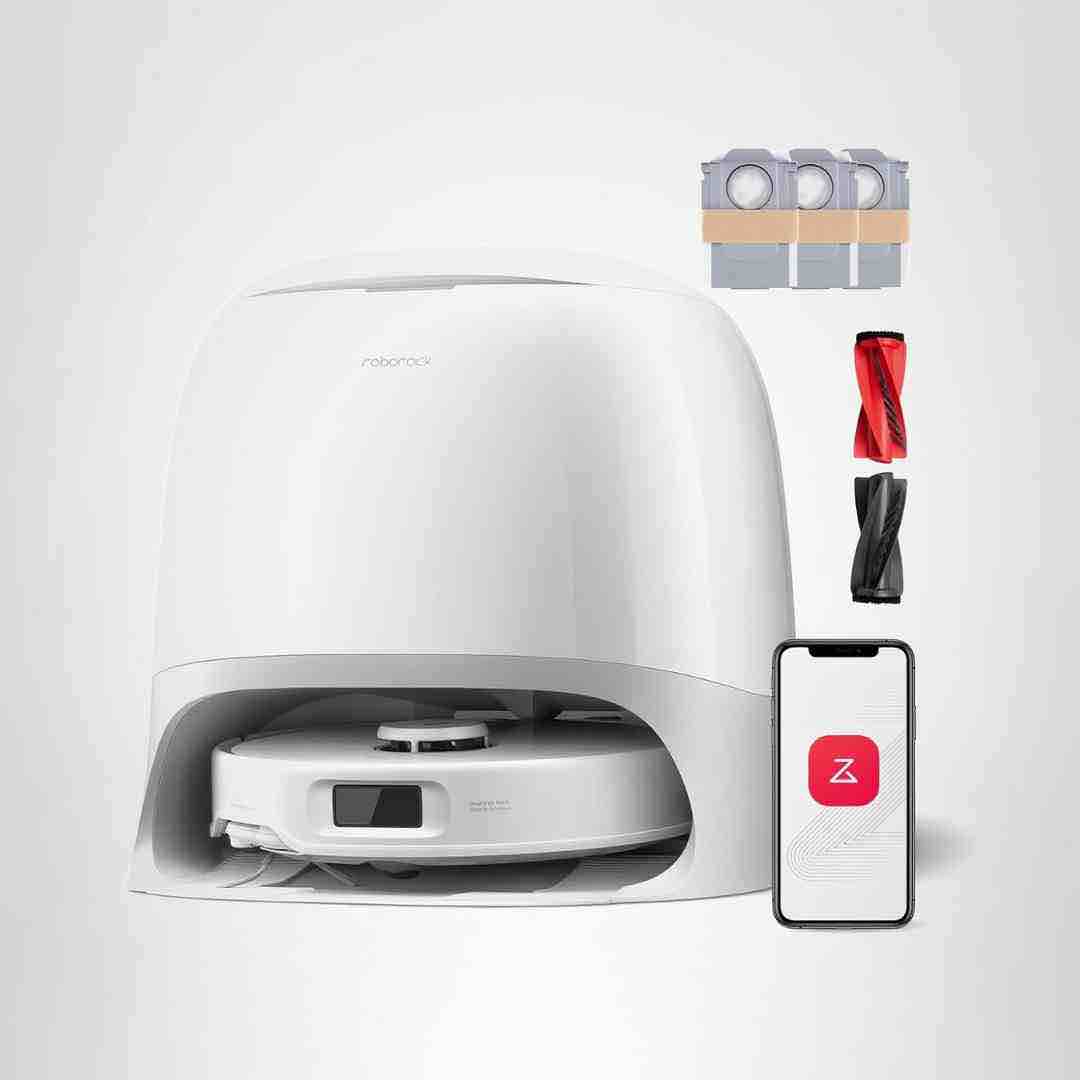
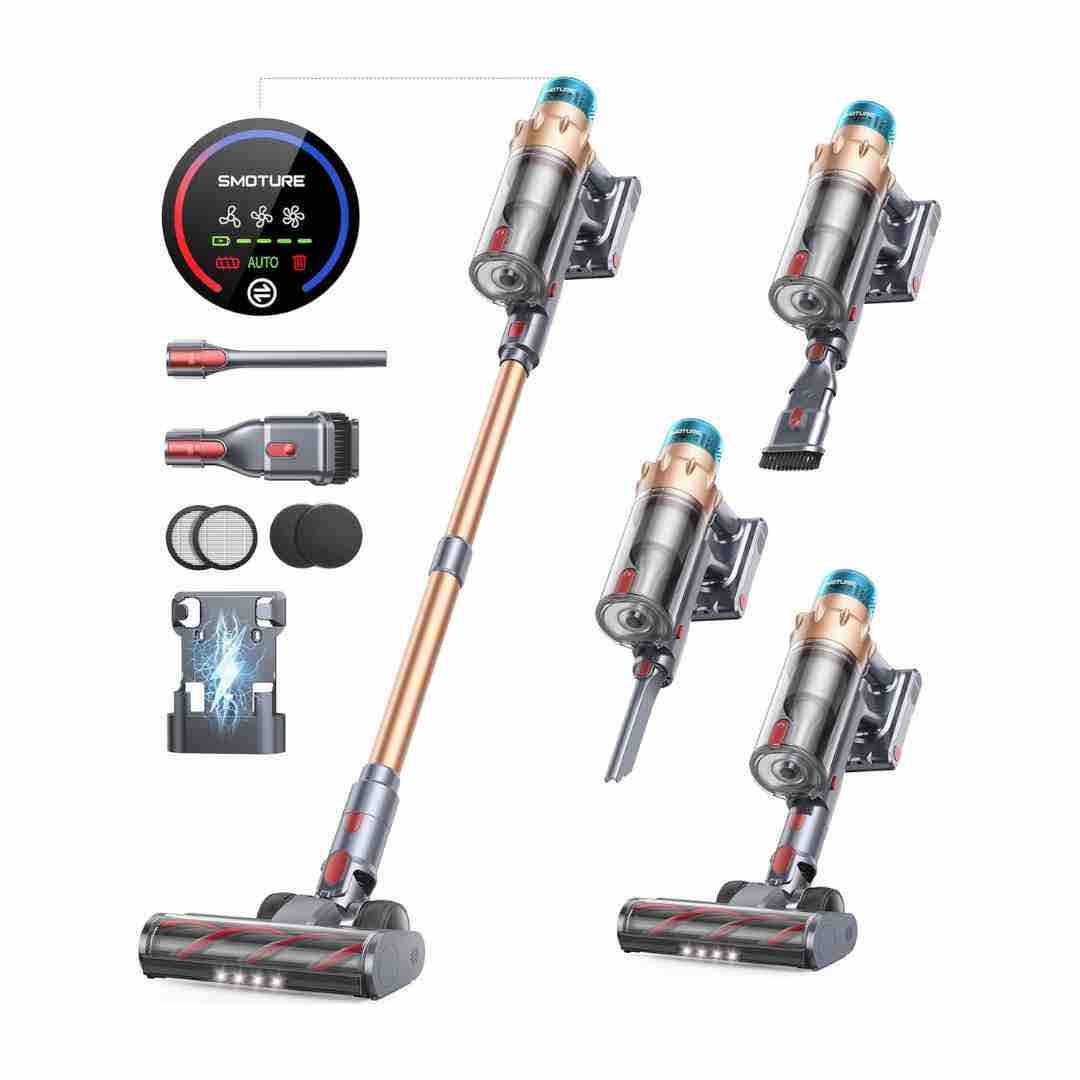
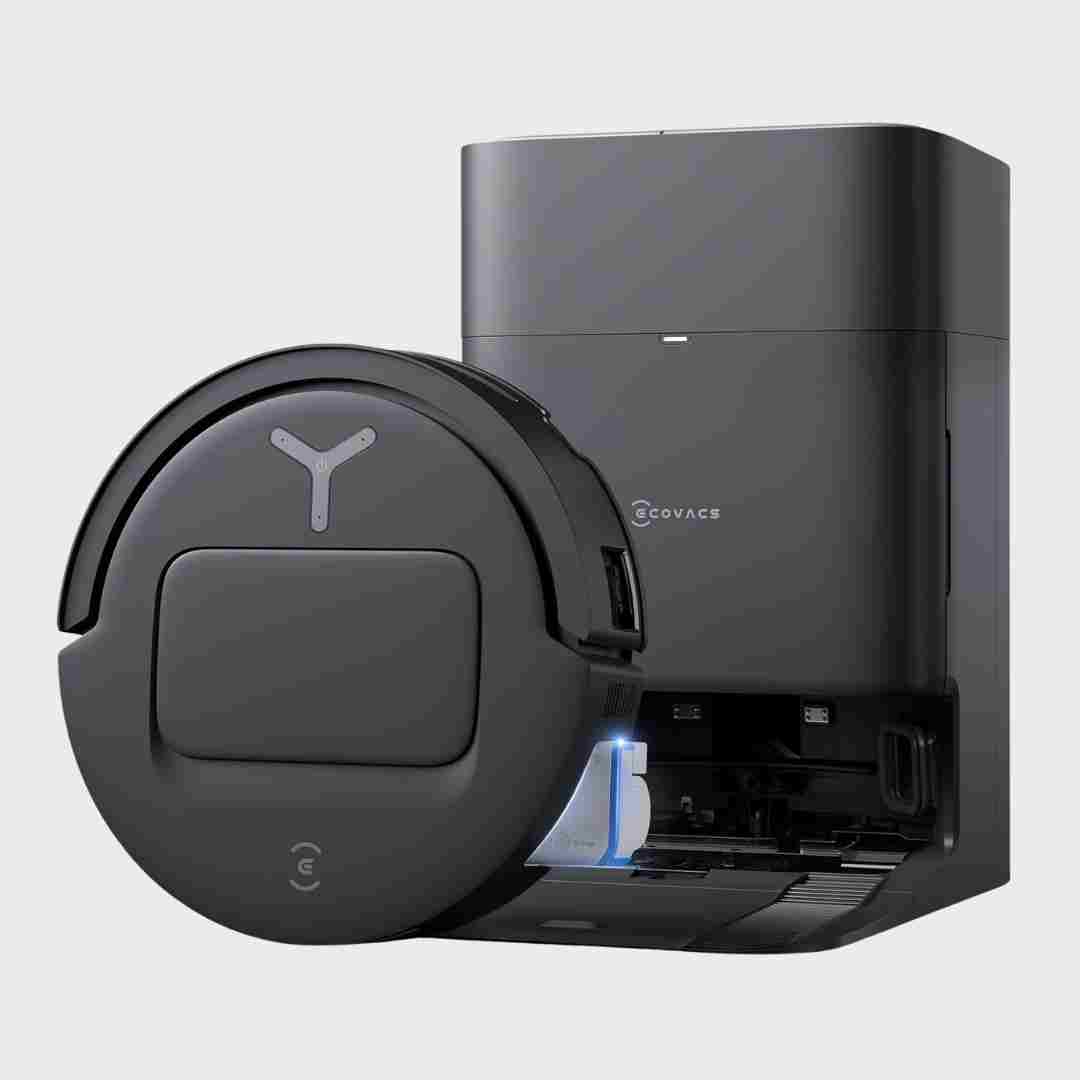
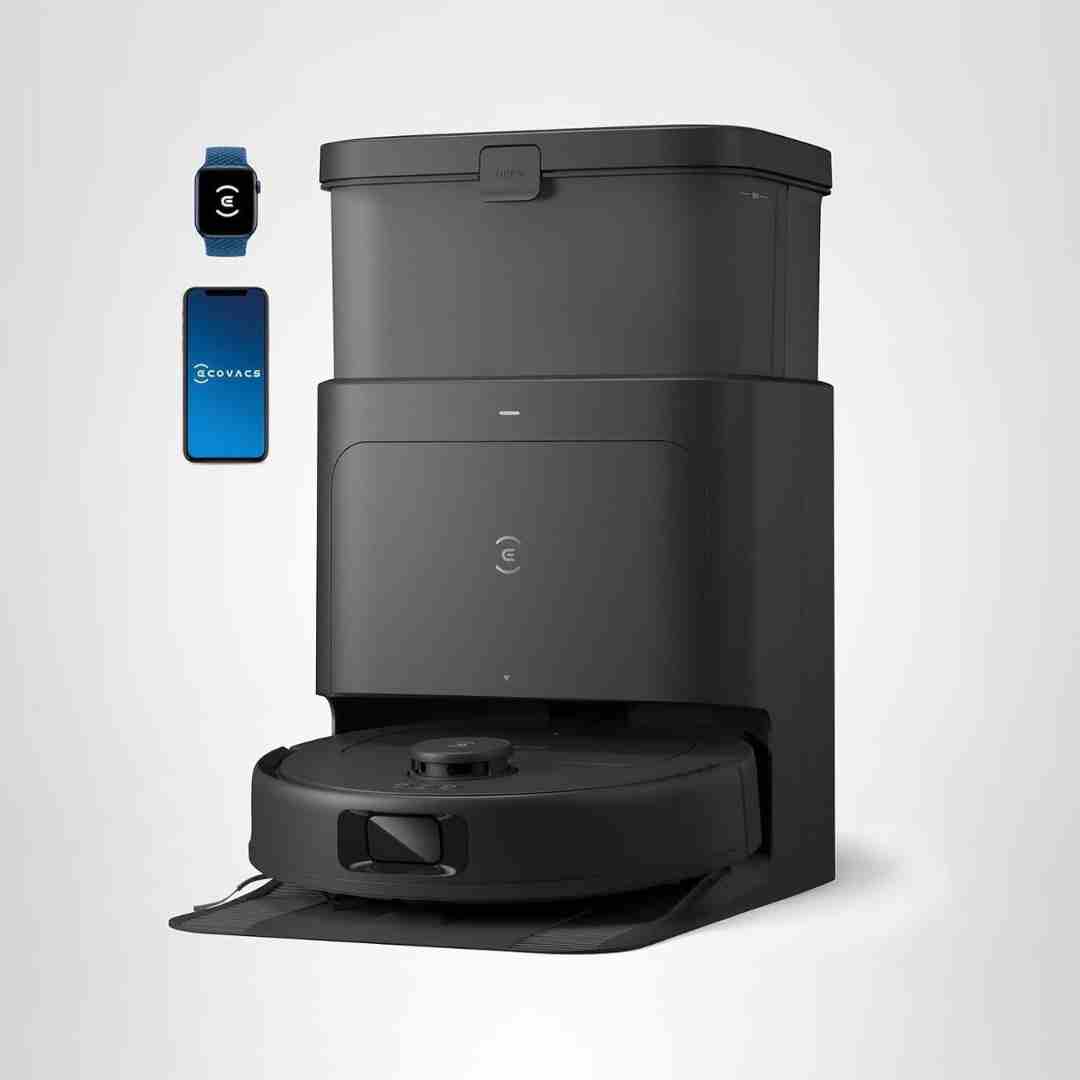
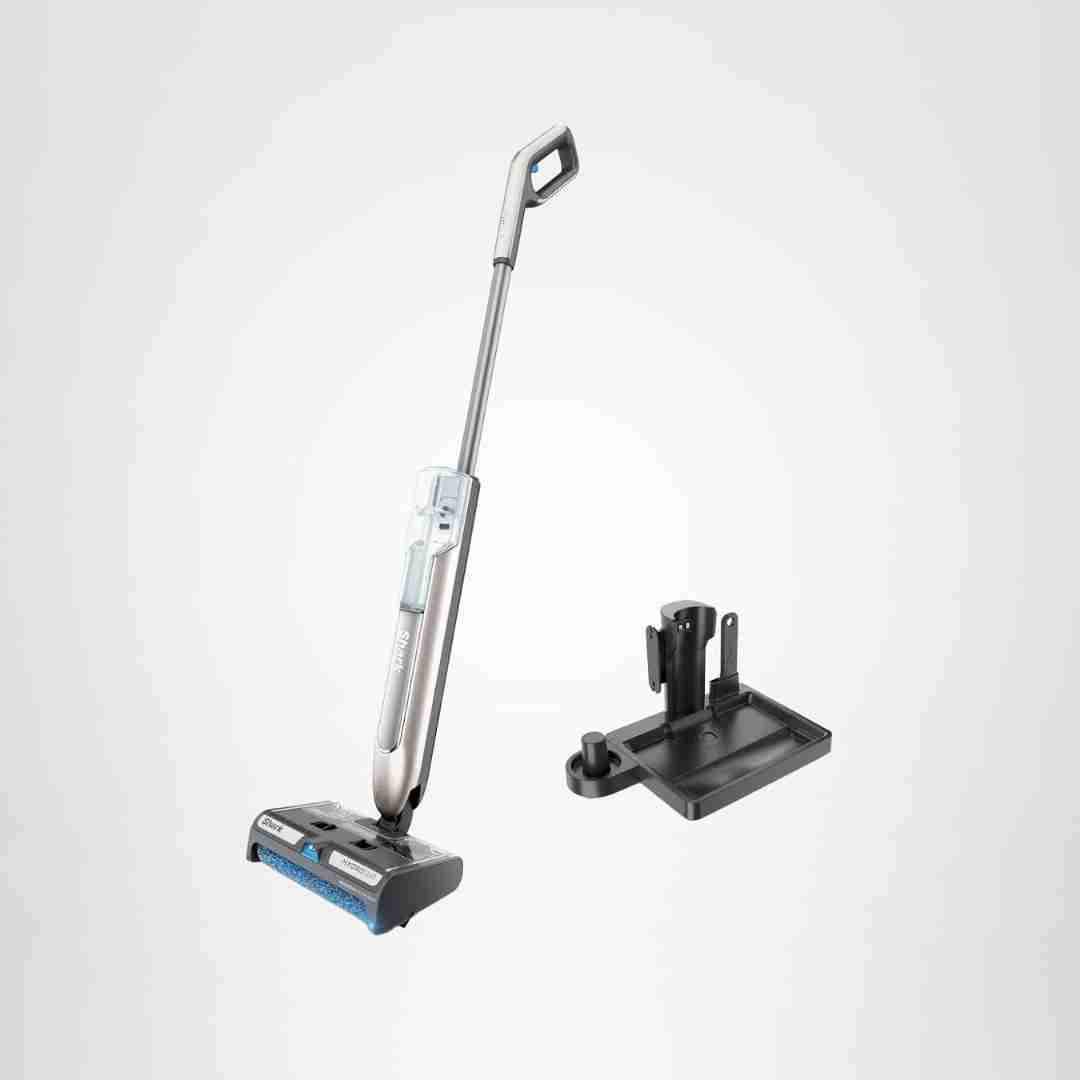
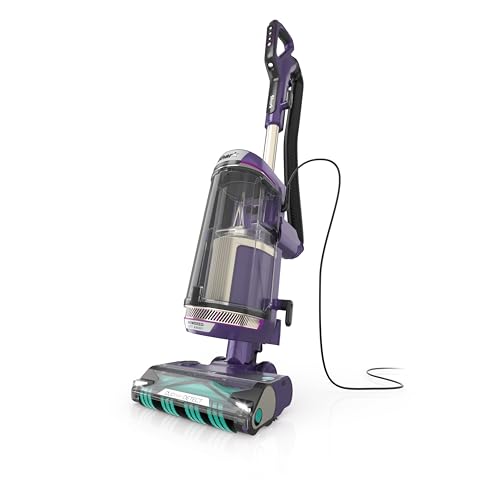
Hot-water washing plus hot/warm air drying helps keep mop pads fresh, and at least one real-home review explicitly reports no lingering smells after repeated runs.
Hot-air drying and regular mop washing are repeatedly credited with preventing the damp, mildew-like smell that some robot mops develop. A few owners still clean the dirty-water tank regularly to avoid odors.
Hot-water pad washing and hot-air drying are repeatedly credited with helping prevent musty mop odors. This is a commonly praised quality-of-life benefit versus cheaper docks that leave pads damp.
Odor control is a consistent strength thanks to hot-air drying and separation of dirty water after mopping. Multiple reviews mention reduced mildew/musty smell risk because the dock dries the mop/roller after cleaning.
Hot-air mop drying (and frequent pad washing) helps prevent mildew and “smelly mop” issues, which reviewers see as a hygiene advantage over simpler docks.
Odor-neutralizing technology is a standout perk for many reviewers, often leaving floors and carpets smelling fresher. A minority view it as more of a pleasant scent than true neutralization, and it adds a periodic cartridge replacement task.
Odor control is a highlight tied to hot-water washing and heated pad drying in the dock. Reviewers report fewer mildew or mop-pad smells compared with robots that do not dry pads well.
Odor prevention is repeatedly credited to the deodorizing rod plus heated drying; one reviewer left dirty water in the tank for ~24 hours and reported no bad smell. Heated drying is also cited as reducing mildew/mold risk.
Heated drying and a fully dried roller are credited with minimizing musty odors between uses. At the same time, reviewers warn that leaving dirty water or neglecting tank cleaning can still create lingering smells.
Users commonly mention carpets and rugs smelling fresher after cleaning, and pet-odor reduction is a recurring positive. Reviewers also note that cleaning the machine after use helps prevent leftover wet debris from developing odor.
Odor control is generally praised because the dock both hot-washes and hot-dries the mop pads, reducing musty smells. This is repeatedly mentioned as helpful for keeping the system from getting funky between cleanings.
Fast heated drying and frequent self-cleaning help keep the roller from smelling musty; multiple reviews say odor is well controlled when the dock cycle is used.
Odor management gets a few positive mentions, including a base design that seals and hides debris and a scented disk feature in one review, though not all reviewers discuss smell.
Odor control is most associated with Cat & Dog configurations that include activated charcoal/odor filters. Some users prefer swapping to HEPA for allergy focus, trading odor reduction for particle filtration emphasis.
Hot-water washing and hot-air drying are repeatedly credited with helping prevent mildew and odors. Emptying dirty water promptly remains important for odor control in real homes.
Hot-water washing and hot-air drying help keep odors down, but reviewers warn that letting dirty water sit too long can create a sewage-like smell common to this category.
Odor control is described as better than many vacuums due to sealed bag storage and filtration, with comments noting fewer “stale bag” smells when using proper filters.
Hot-water self-wash and hot-air drying help prevent mildew smells and roller funk. Reviewers still emphasize emptying/rinsing the dirty tank after use to avoid odor buildup.
Hot-water mop washing and hot-air drying are repeatedly cited as helping reduce odor and musty pad smells. One reviewer notes the lack of ozone or electrolyzed-water features found on some competitors, but overall odor management is viewed positively.
Hot-air drying at the dock is repeatedly credited with reducing mop-pad odor and mold risk. Some reviewers still note dirty-water tank smell can be unpleasant if neglected, and suggest regular emptying (and optional deodorizing tricks) as part of ownership.
Several reviews mention aromatherapy pads or discs intended to freshen the exhaust air or keep the bin smelling pleasant. This is treated as a nice-to-have feature rather than a core cleaning function.
Hot-air drying and frequent mop washing are credited with reducing mop odors over time. Reviewers who have dealt with smelly rollers note that drying meaningfully helps.
Hot-air pad drying and regular dock hygiene help control damp smells, and some testers report no odors even when dirty water was left for short periods. Long-term odor risk still depends on how quickly you empty dirty water and clean the tray.
Odor control comes up often via an odor-neutralizer cartridge or puck in the dock, and most mentions are positive for reducing vacuum smells. It is treated as a nice-to-have rather than a core performance factor.
Brush drying and routine dock cleaning are generally viewed as helpful for reducing odor and mildew risk. Quiet drying is appreciated, though some users still find it audible in the same room.
Warm/hot-air mop drying is repeatedly credited with helping prevent musty odors, but reviewers still recommend rinsing the dirty water tank regularly to avoid smells.
Sealed dust handling and filtration are said to help keep odors and dusty air from blowing back into the room, though this is mentioned less frequently than pickup performance.
The odor neutralizer is polarizing: many like the light fresh scent and adjustable intensity, while others find it unpleasant and remove or discard the cartridge. When used, it can help with pet-related odors such as litter.
Odor control is helped by hot-air drying and routine dock maintenance; some owners add mild disinfecting/cleaning aids to the dirty tank to further reduce smells.
Odor control benefits mainly come from hot-air drying and airflow at the dock after mopping, which reviewers say helps keep the mop from staying damp and smelly.
Odor control can be improved with charcoal/Active AirClean-style filters in certain variants; this is presented as a benefit for pet homes, though not universal across all packages.
Odor control is helped by antimicrobial/odor-neutralizing elements and self-clean routines, but reviewers warn the dirty tank can smell if it is not emptied and dried promptly.
The odor-neutralizer cartridge can leave a fresher scent, and some reviewers liked the effect. Others disliked the fragrance (described as overpowering) and removed the cartridge, so preferences vary.