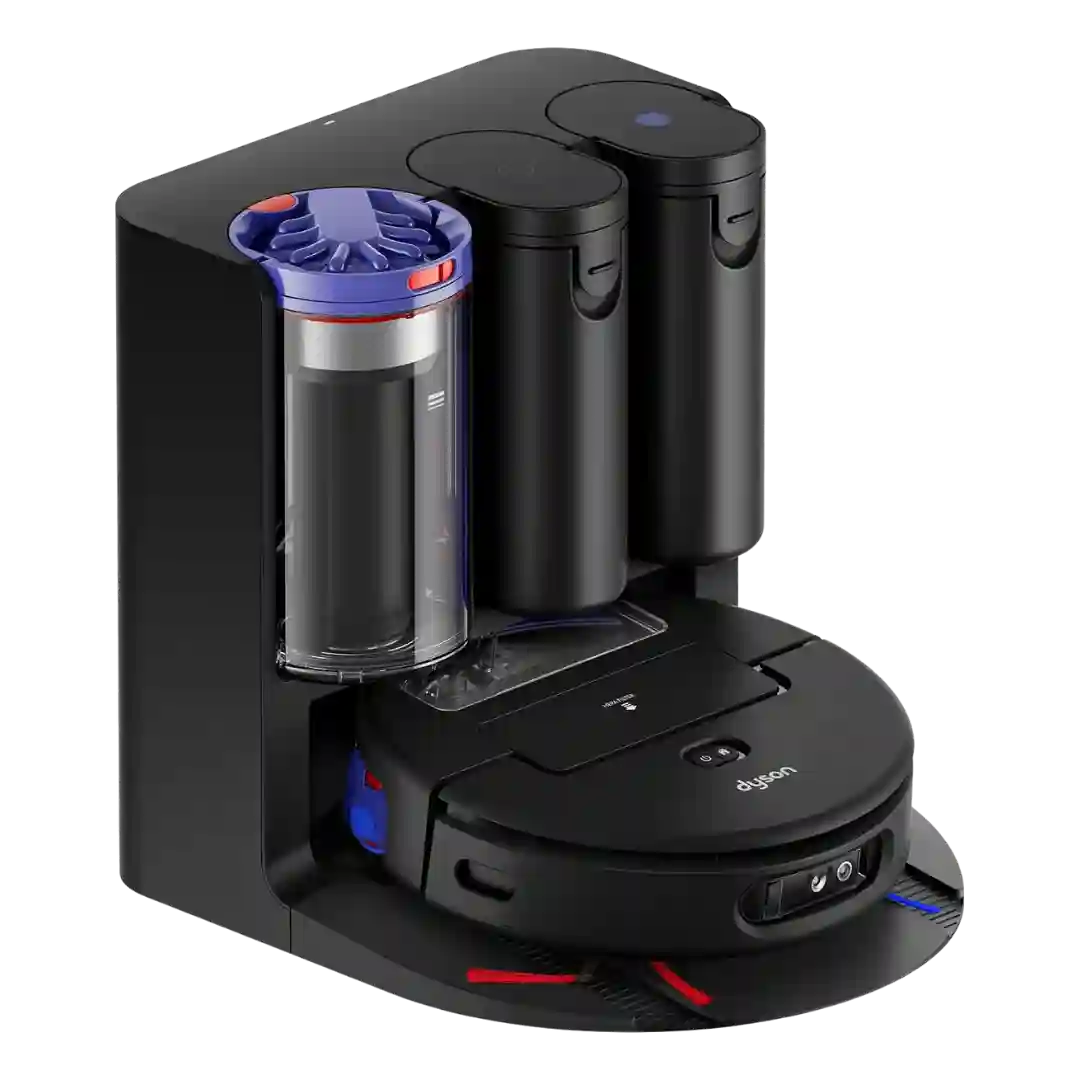
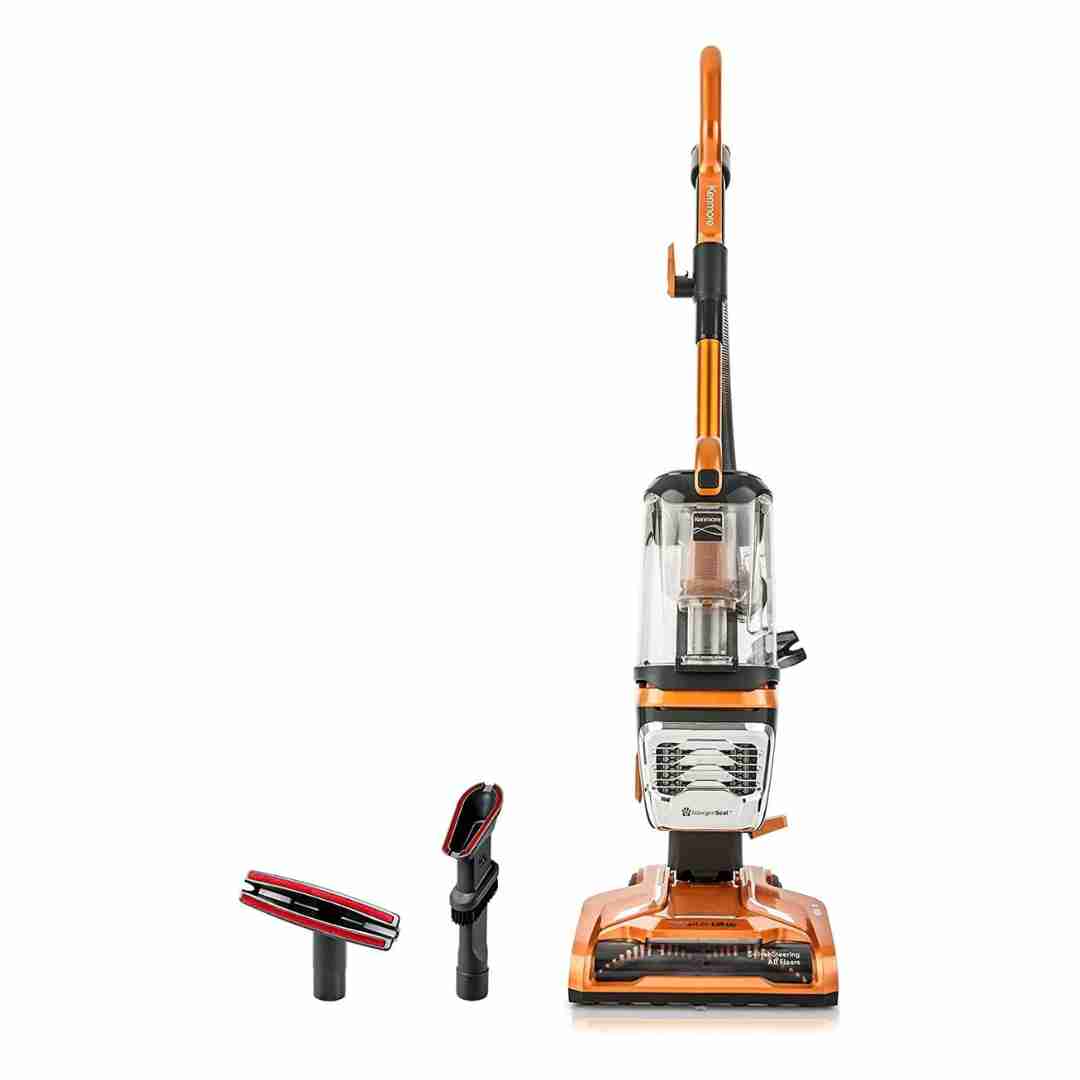
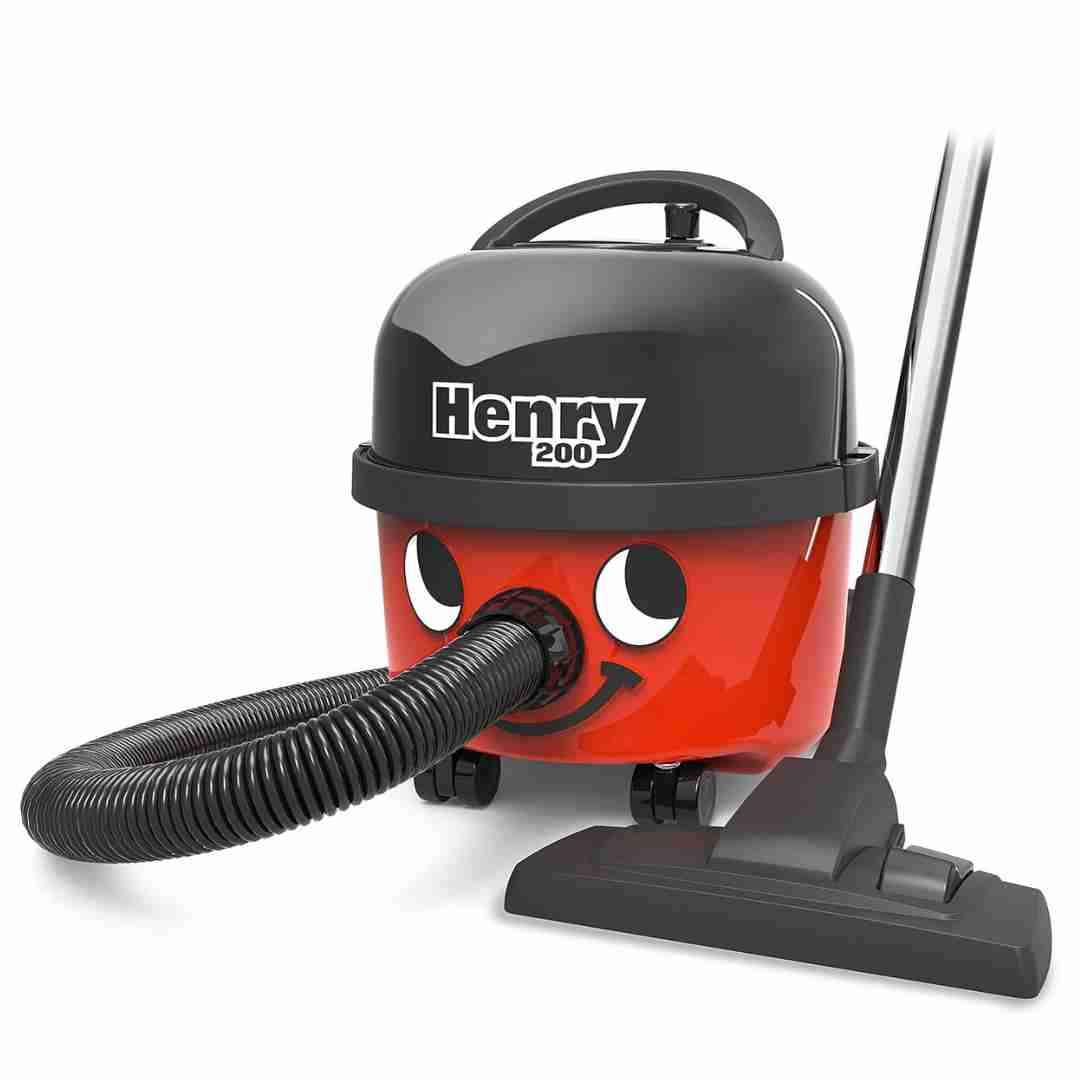
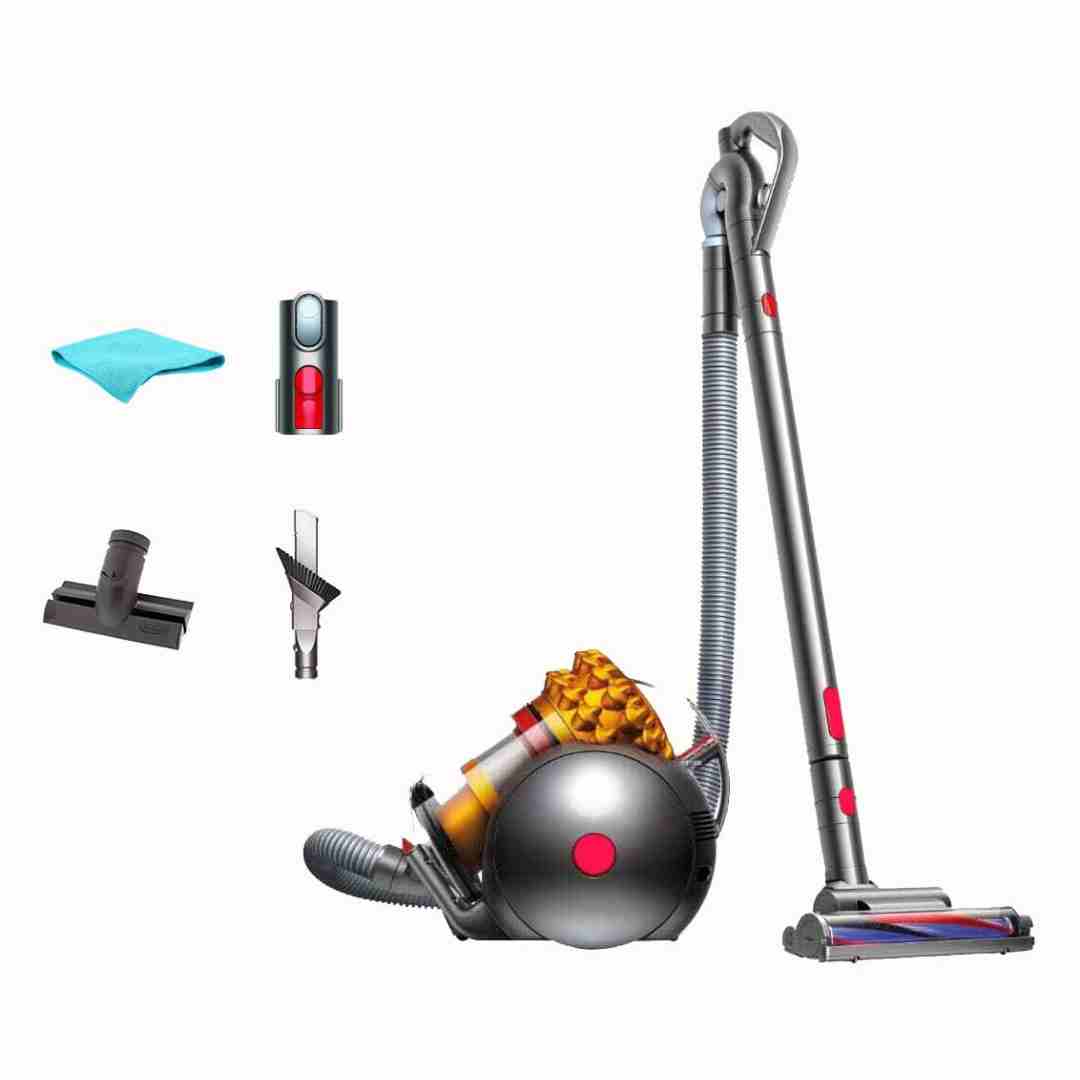
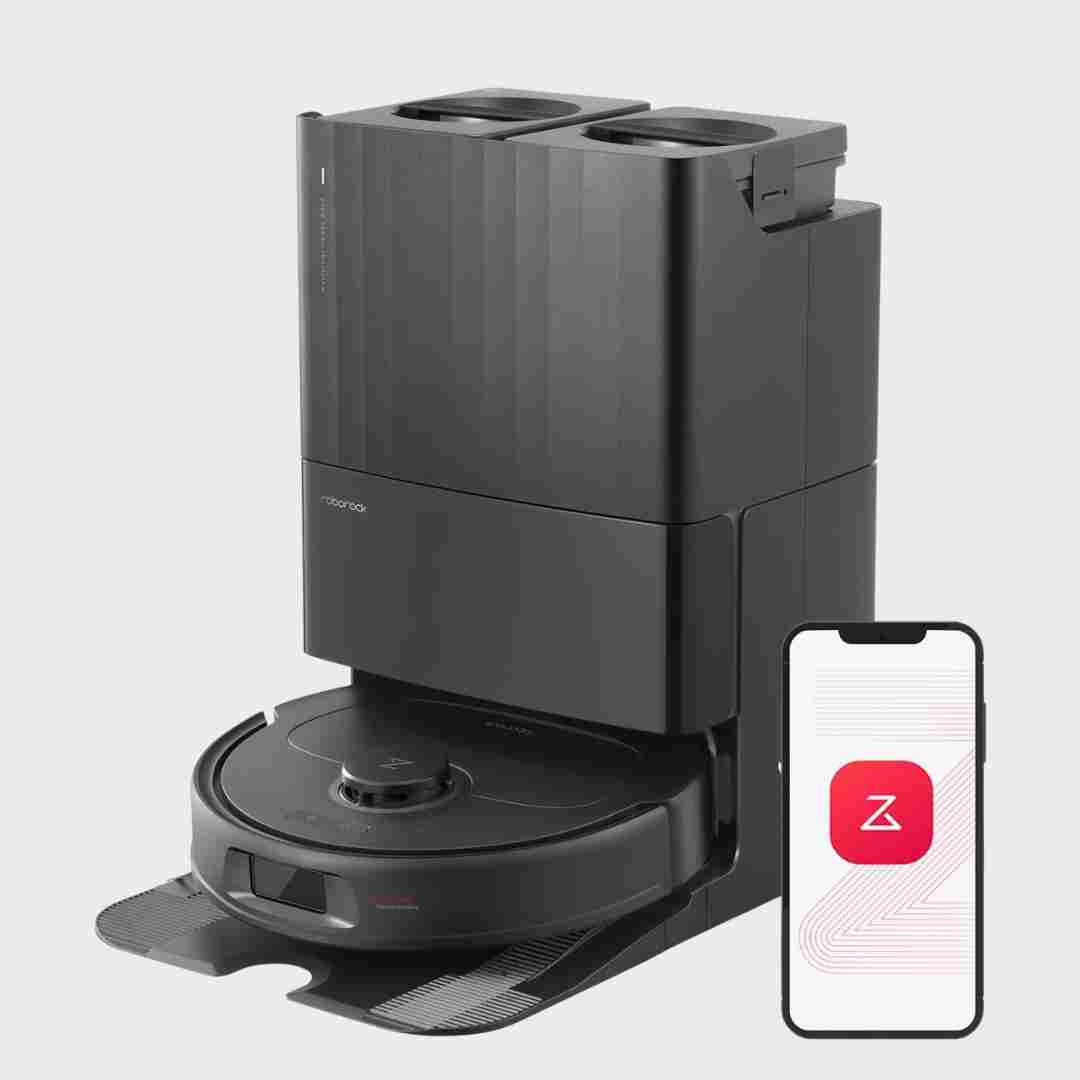
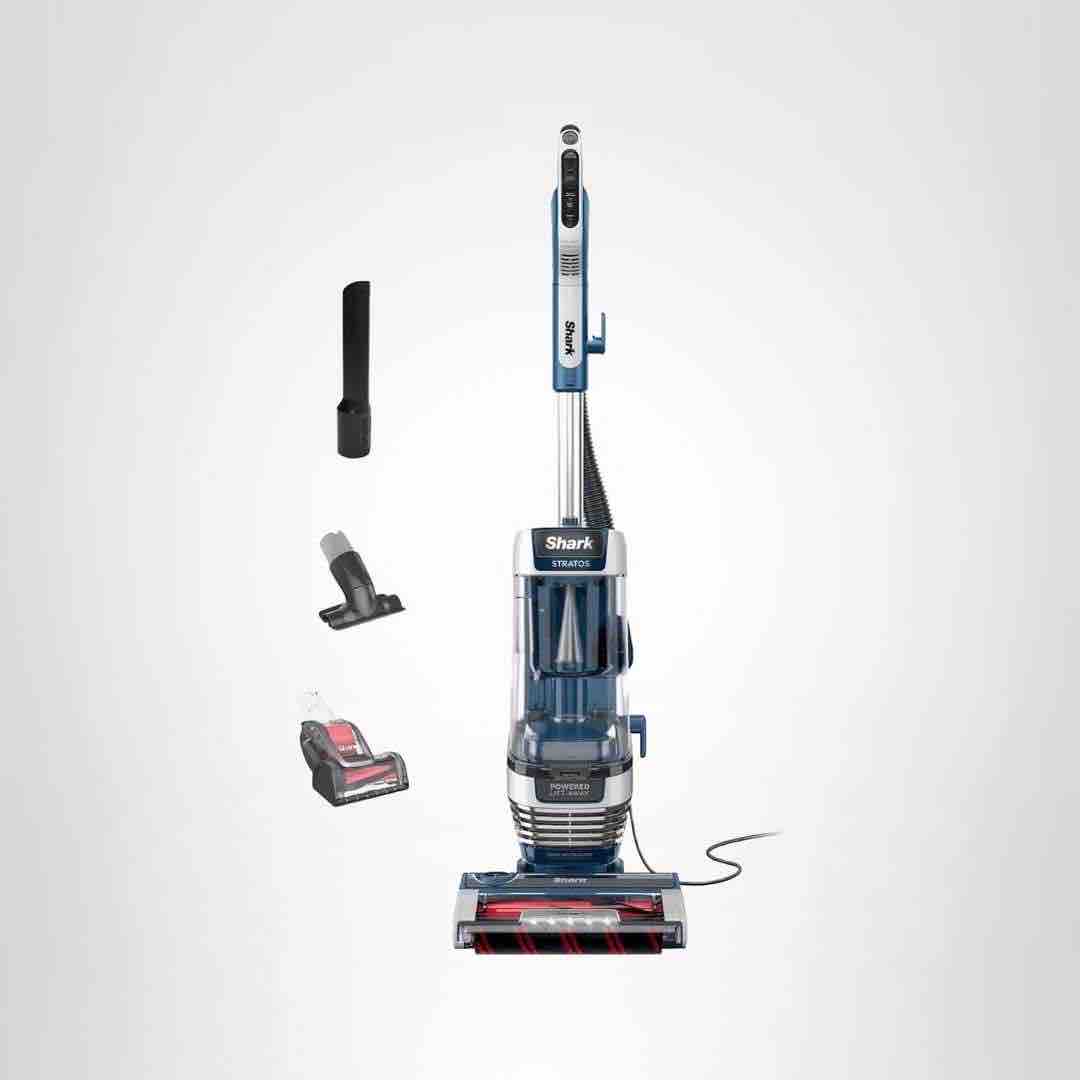
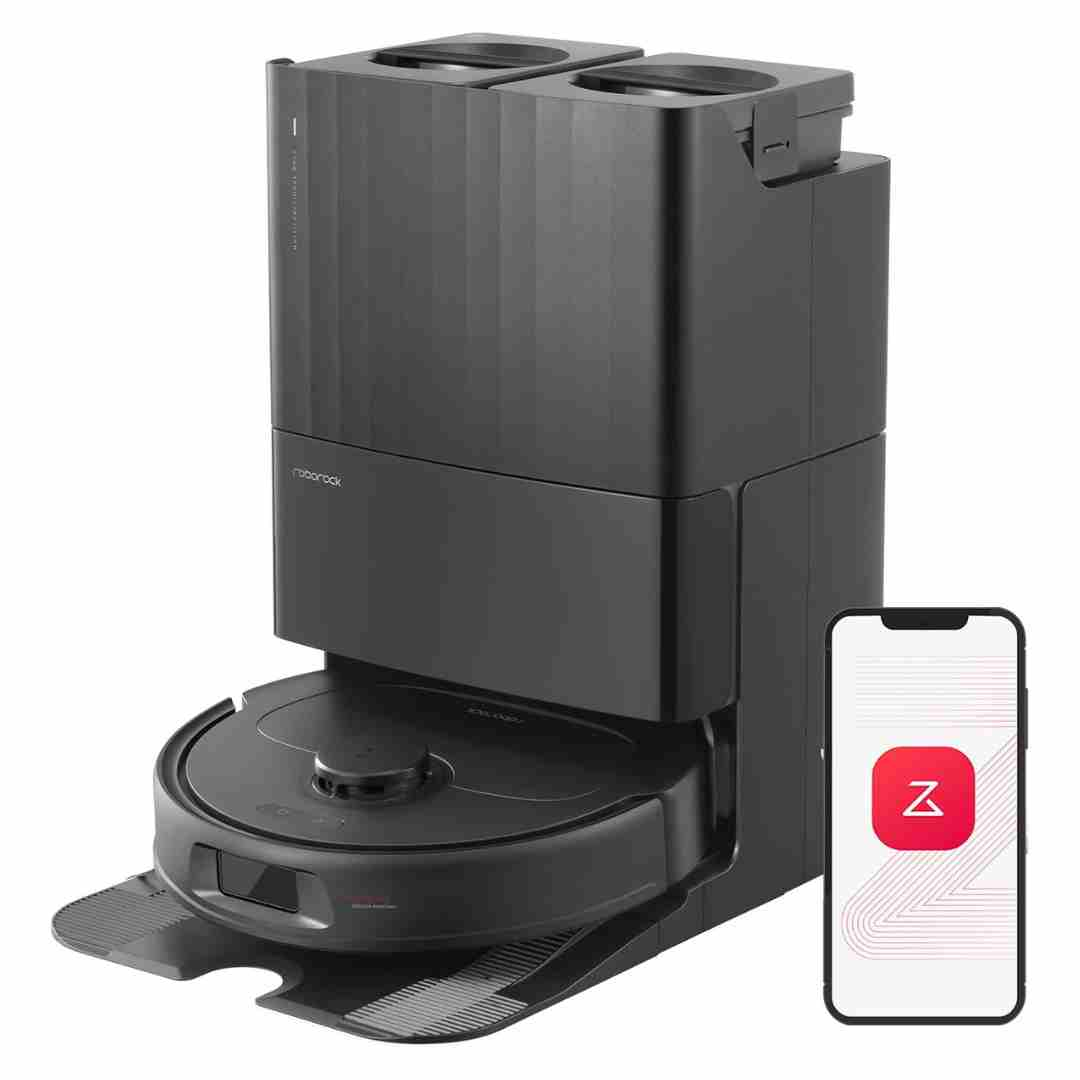
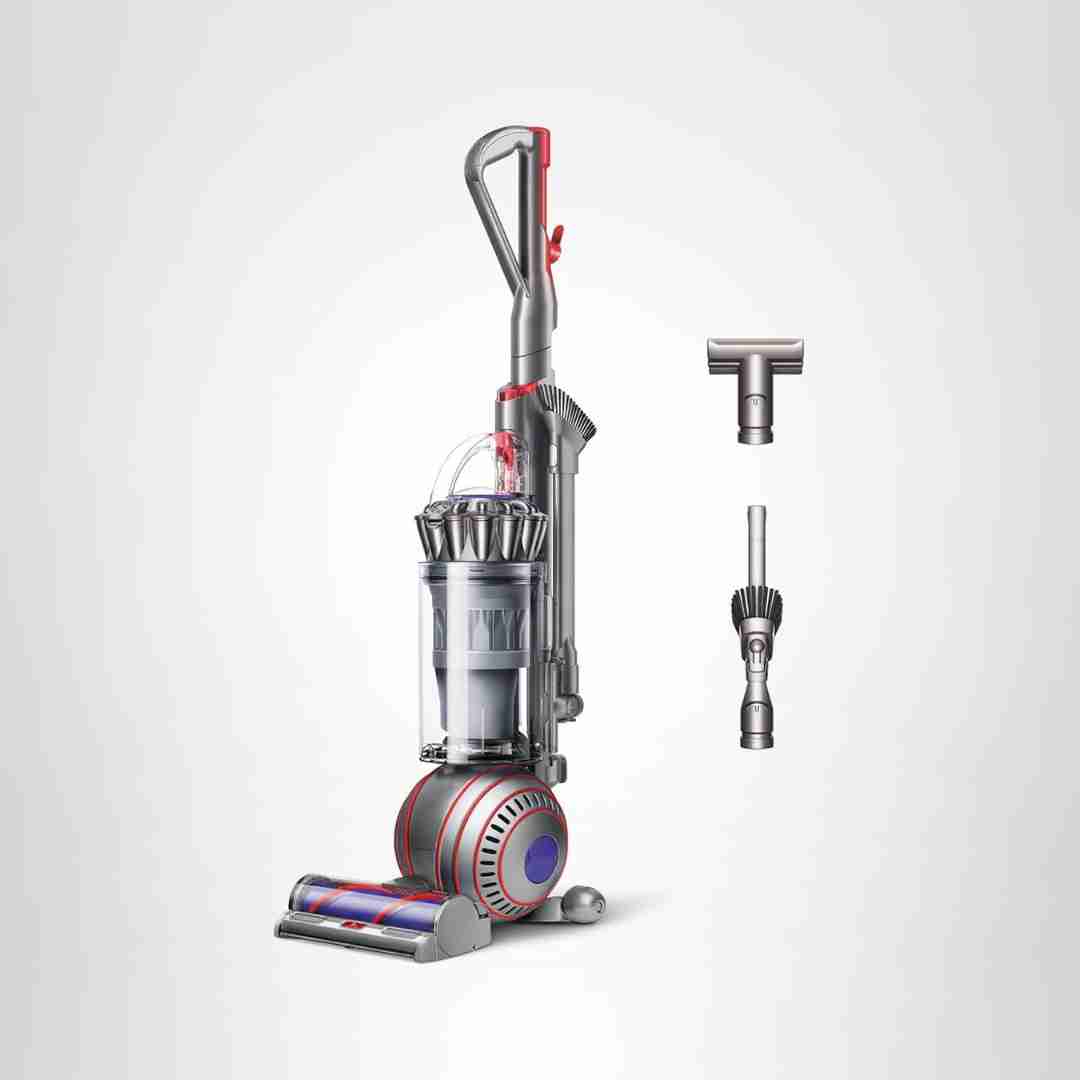
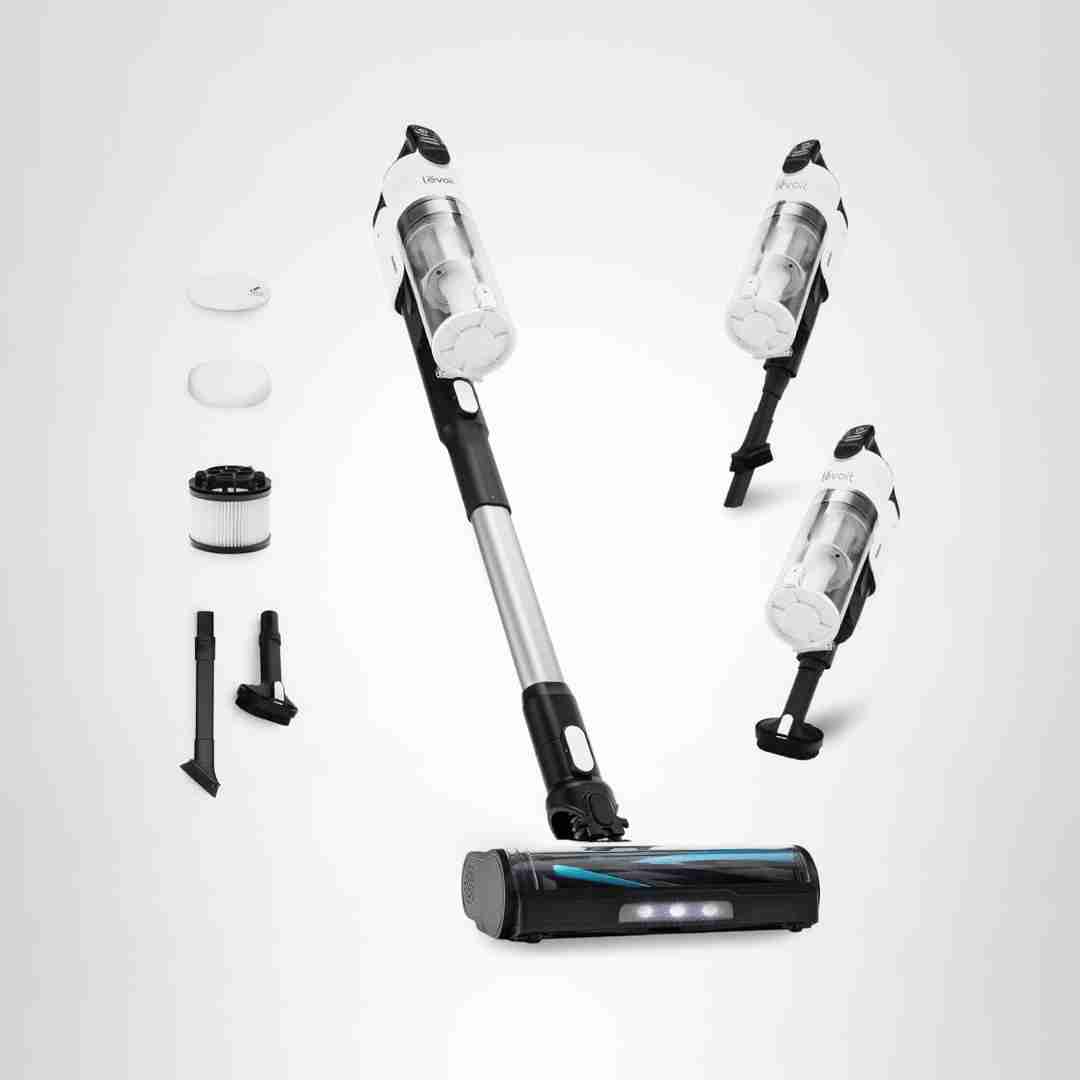
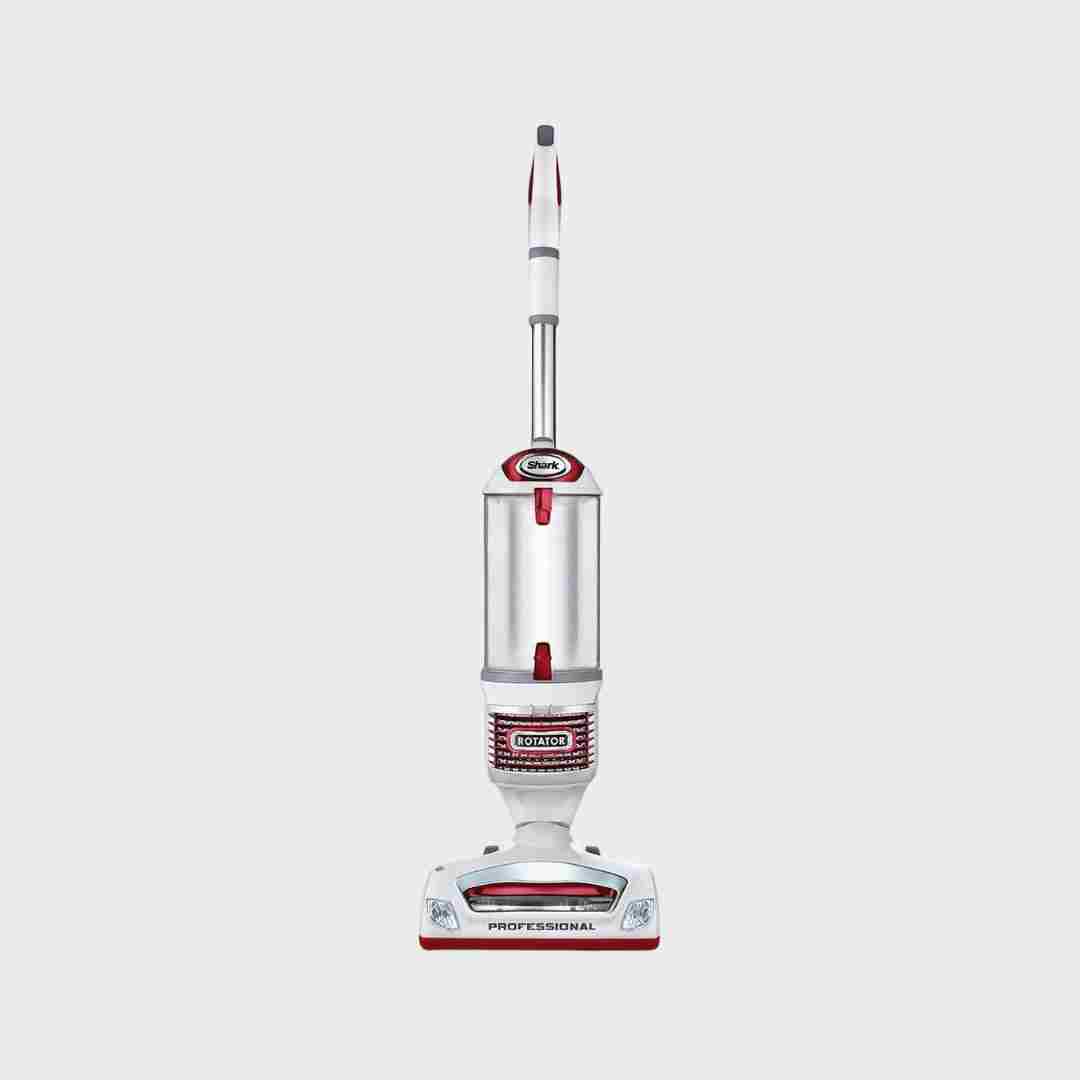
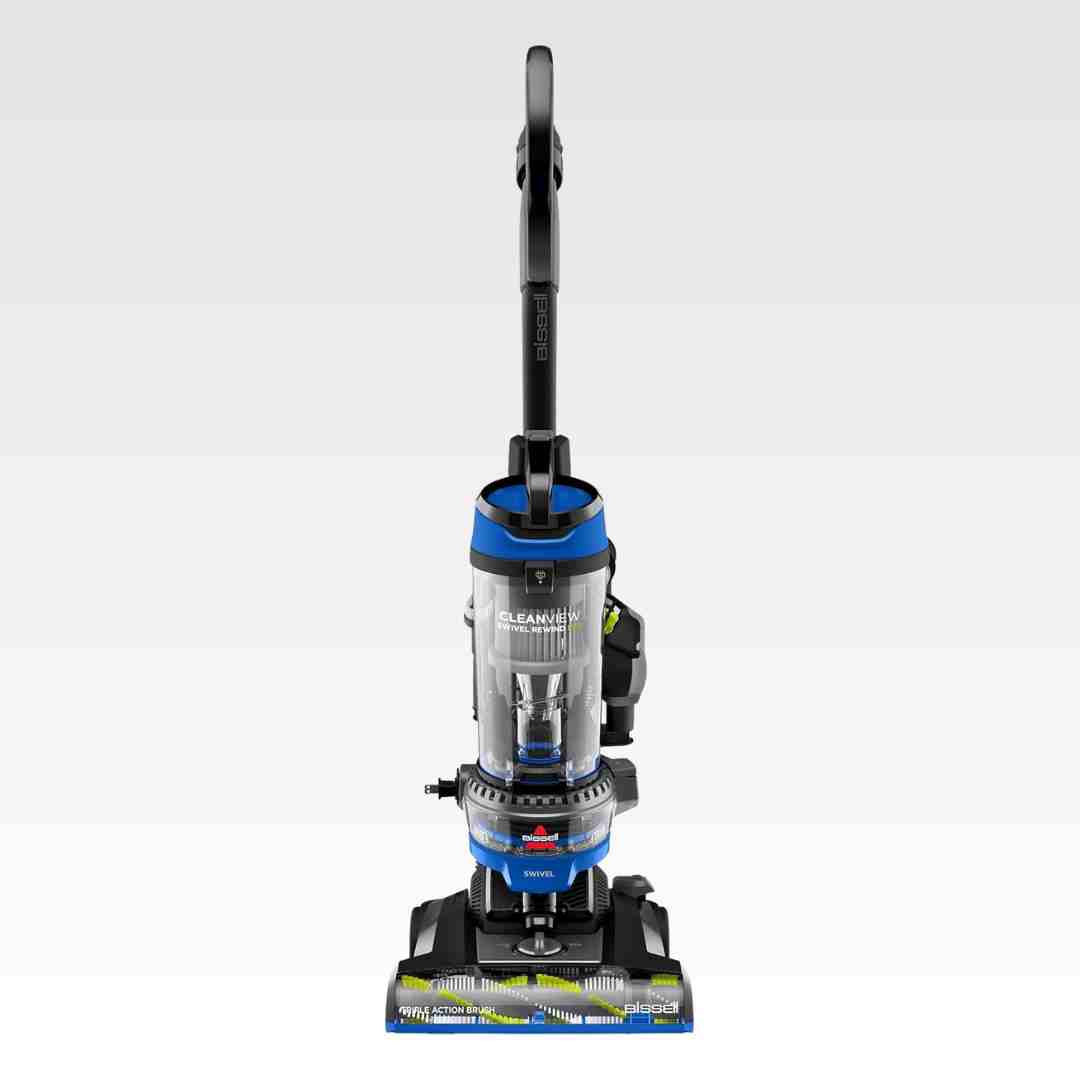
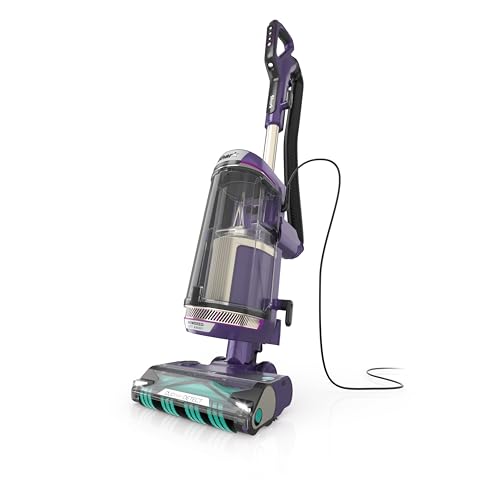
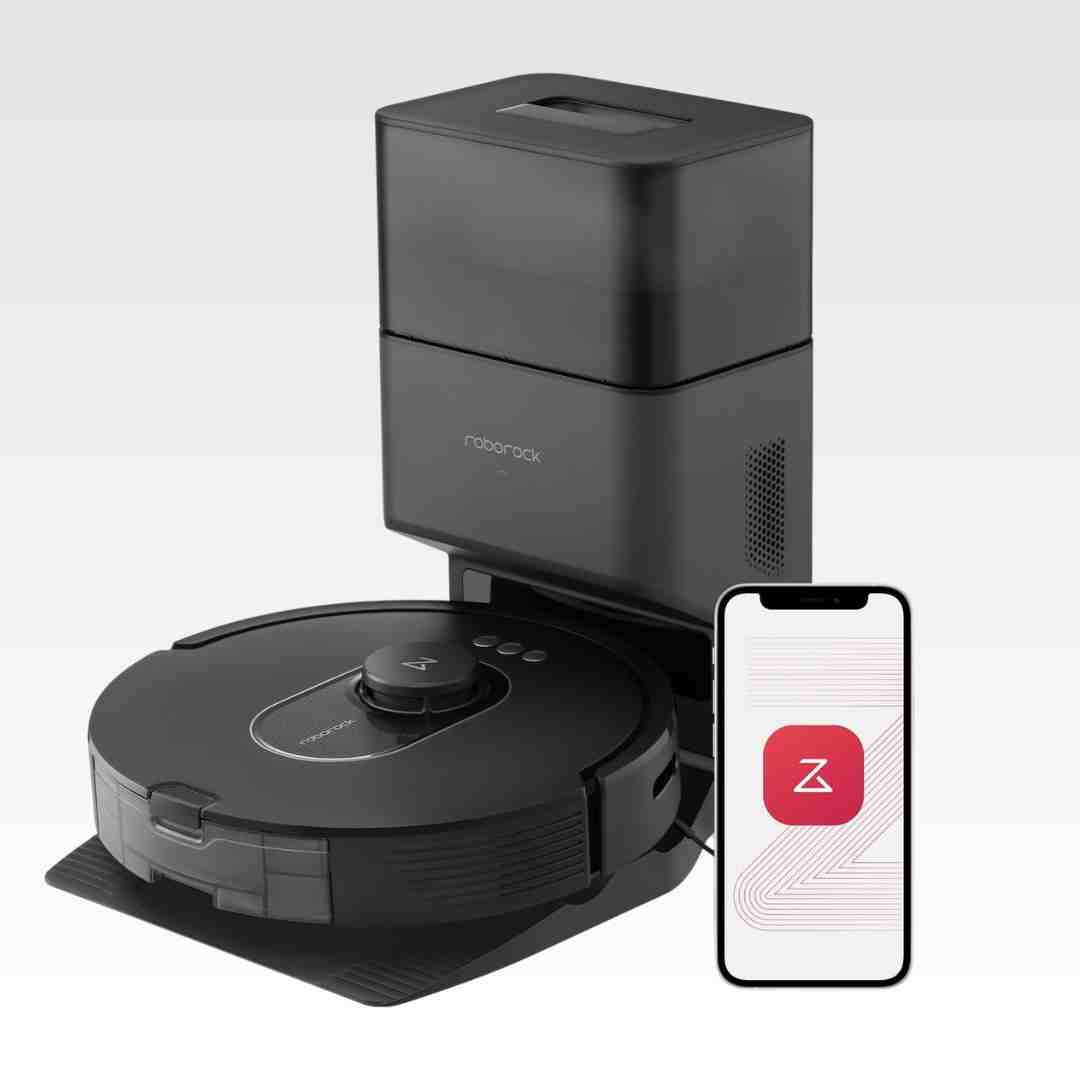
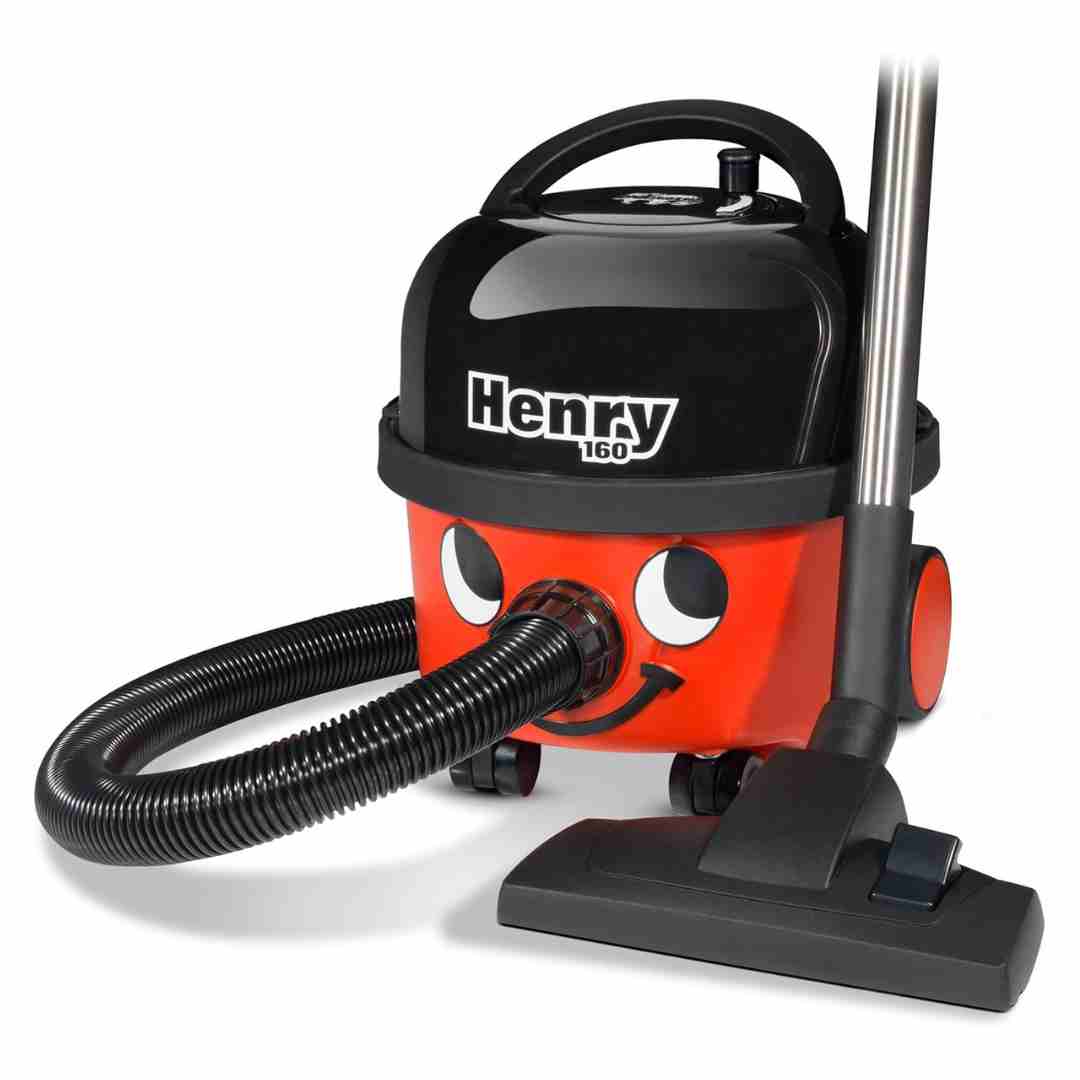
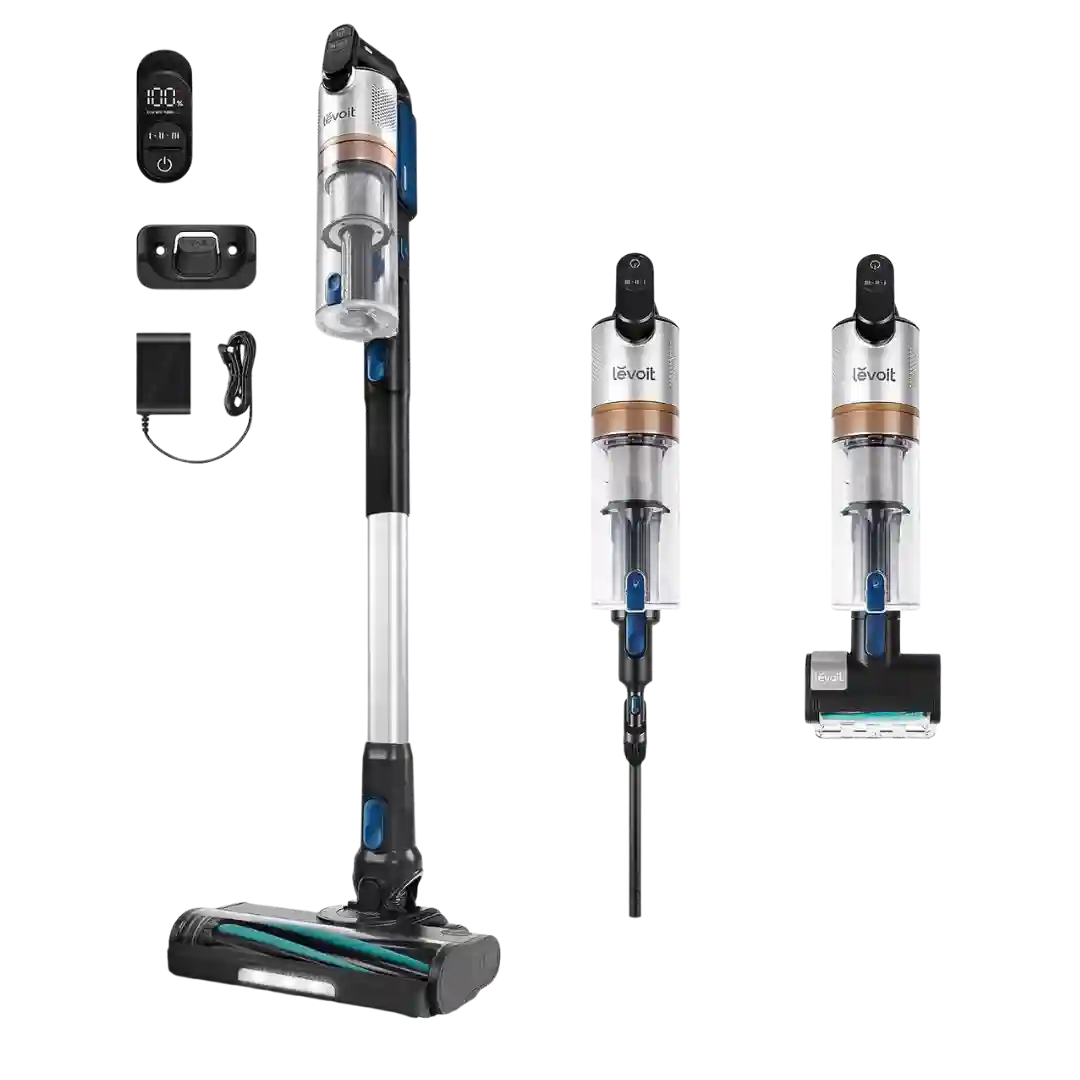
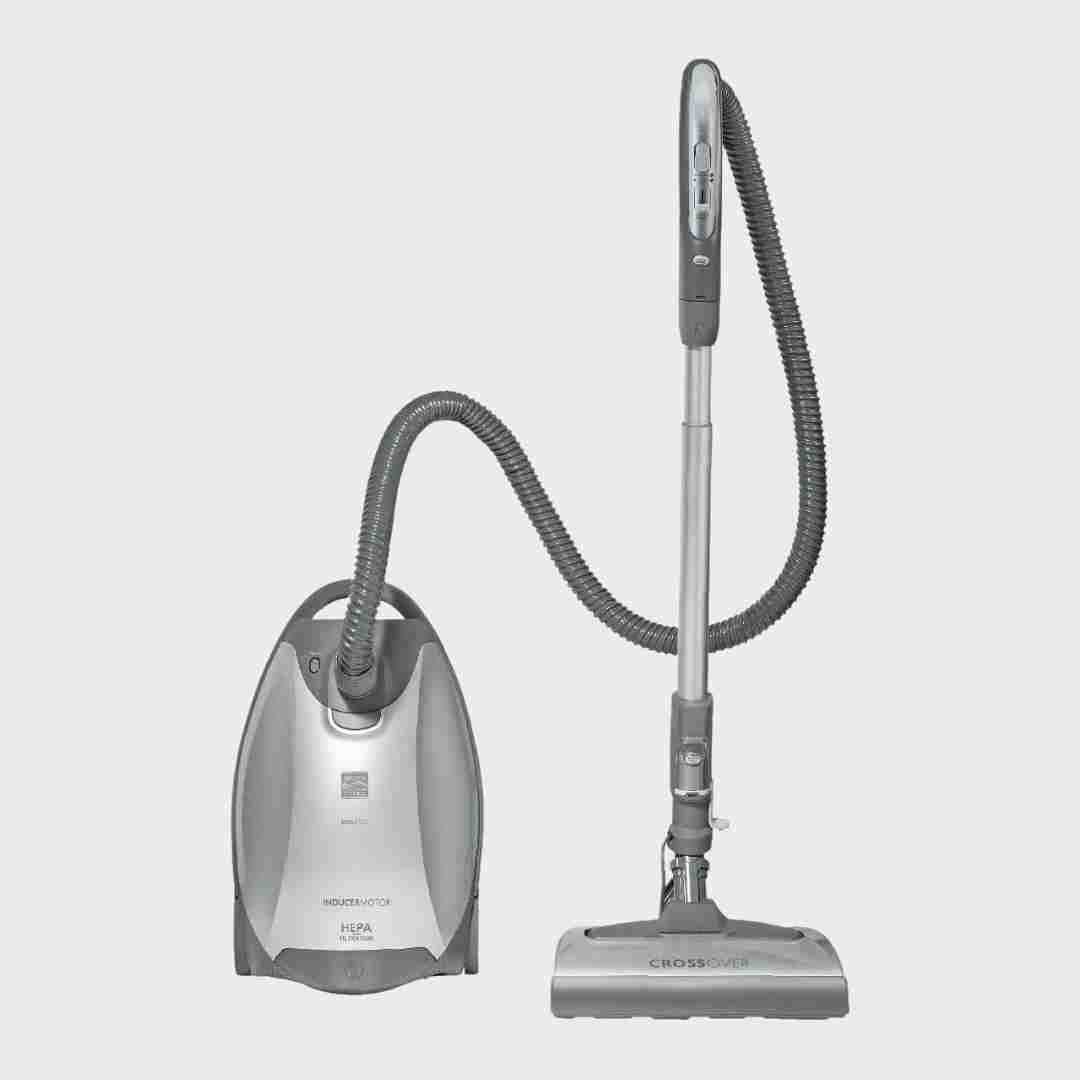
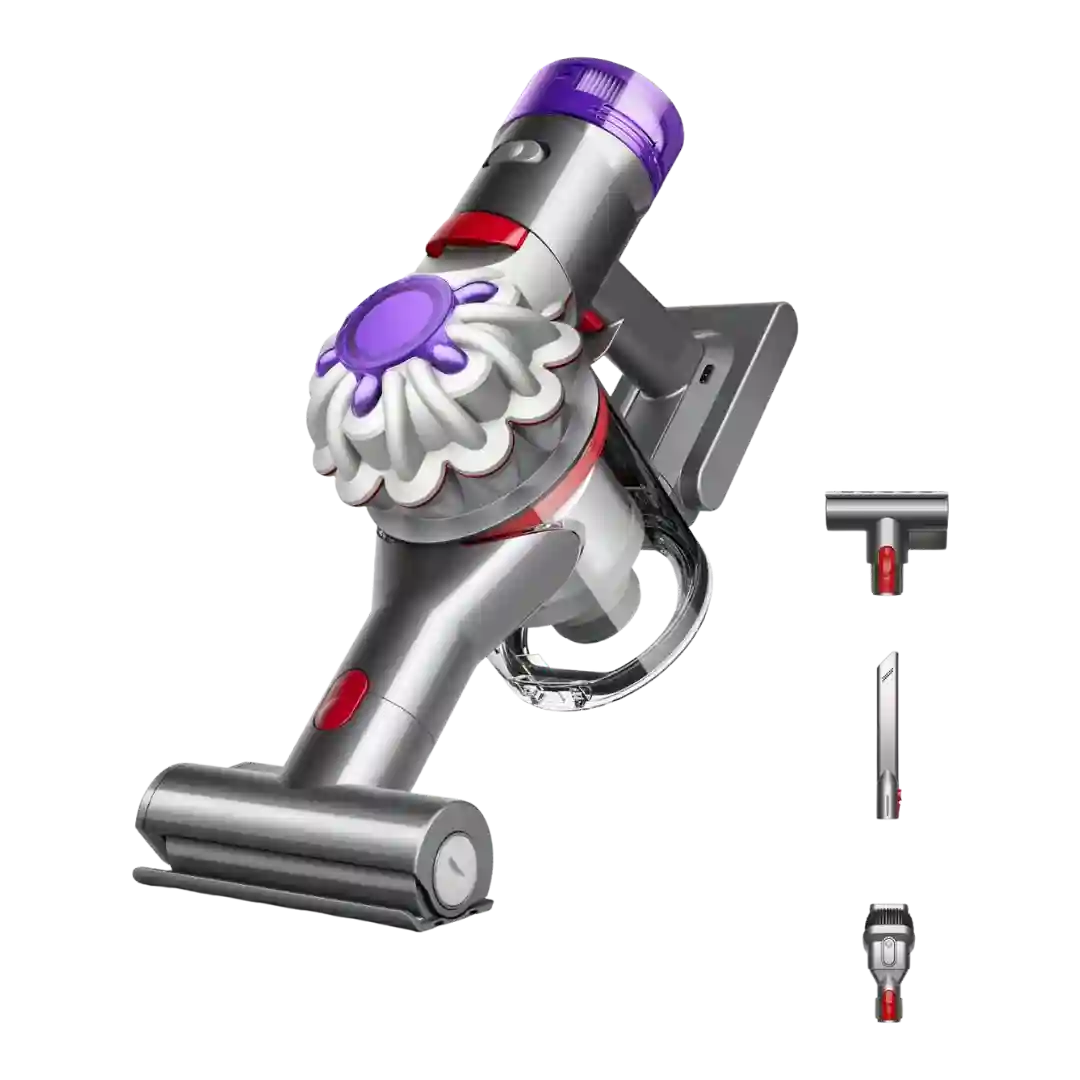
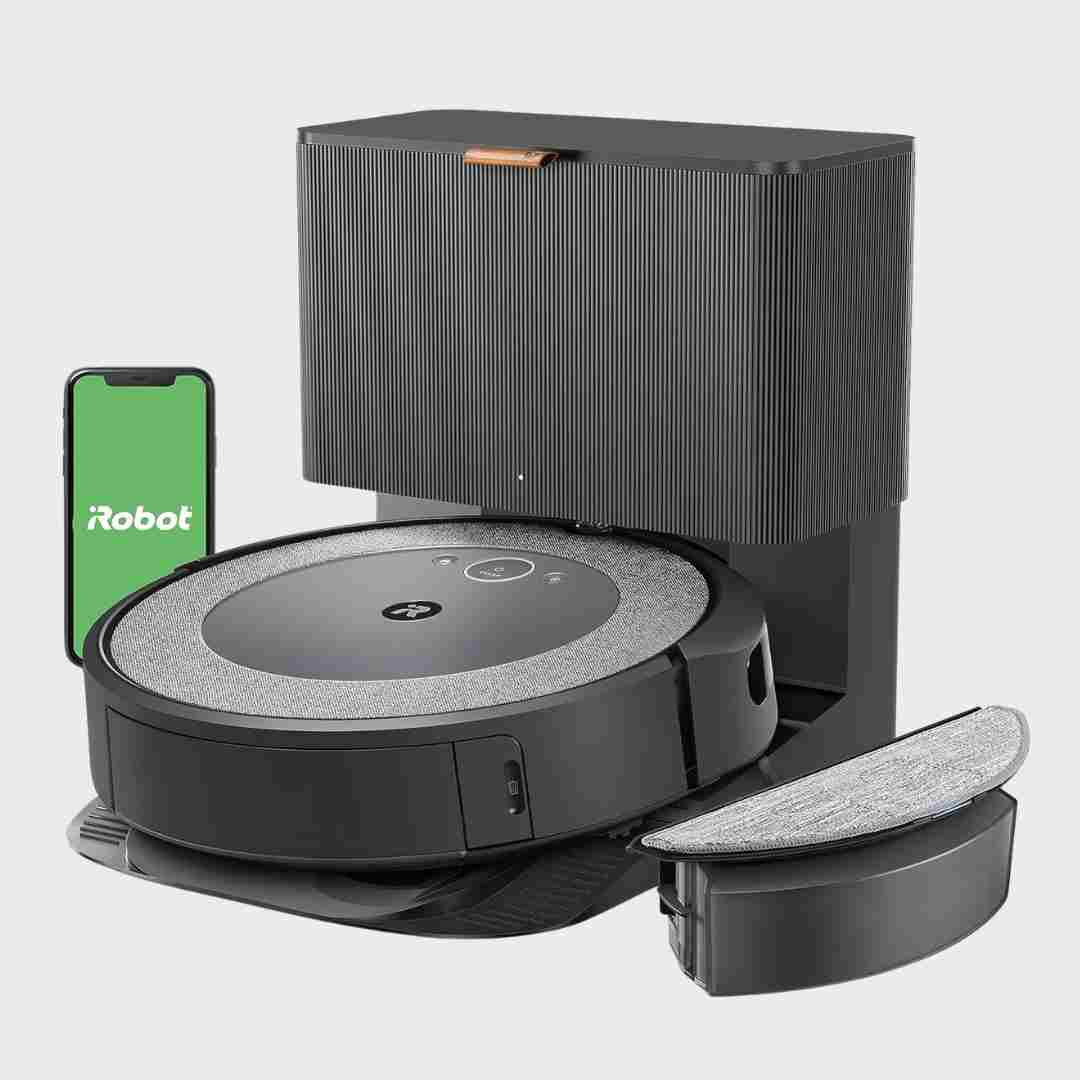
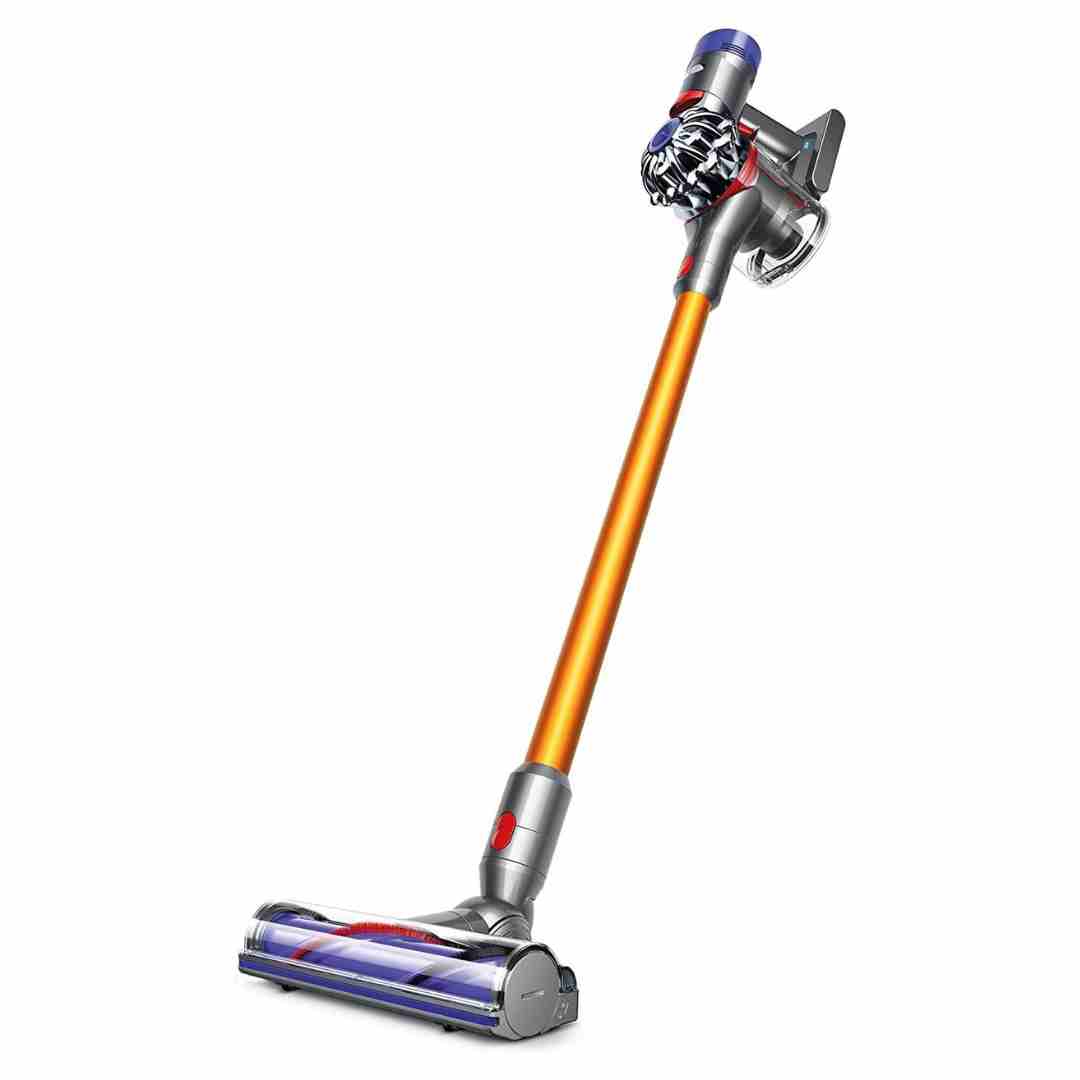
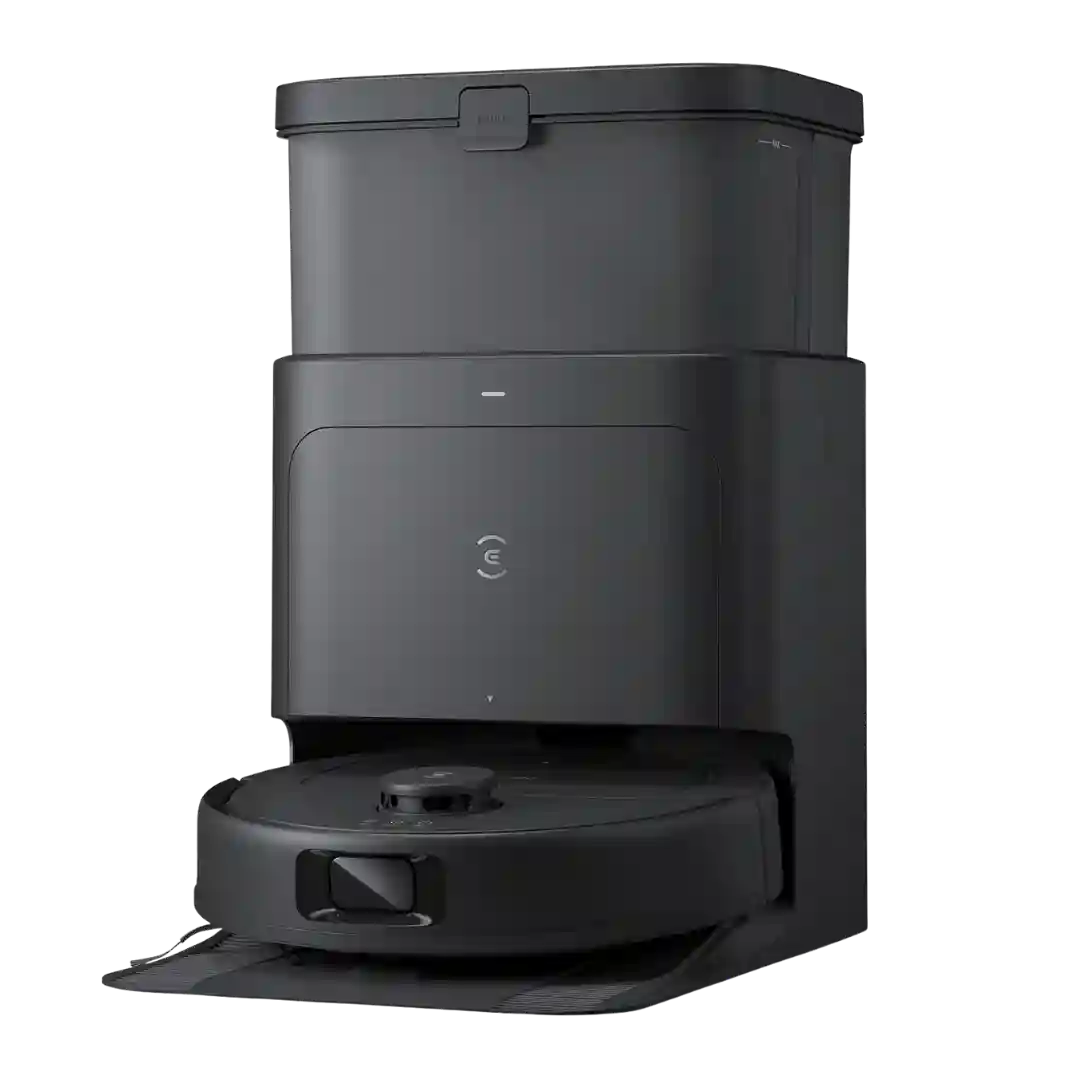
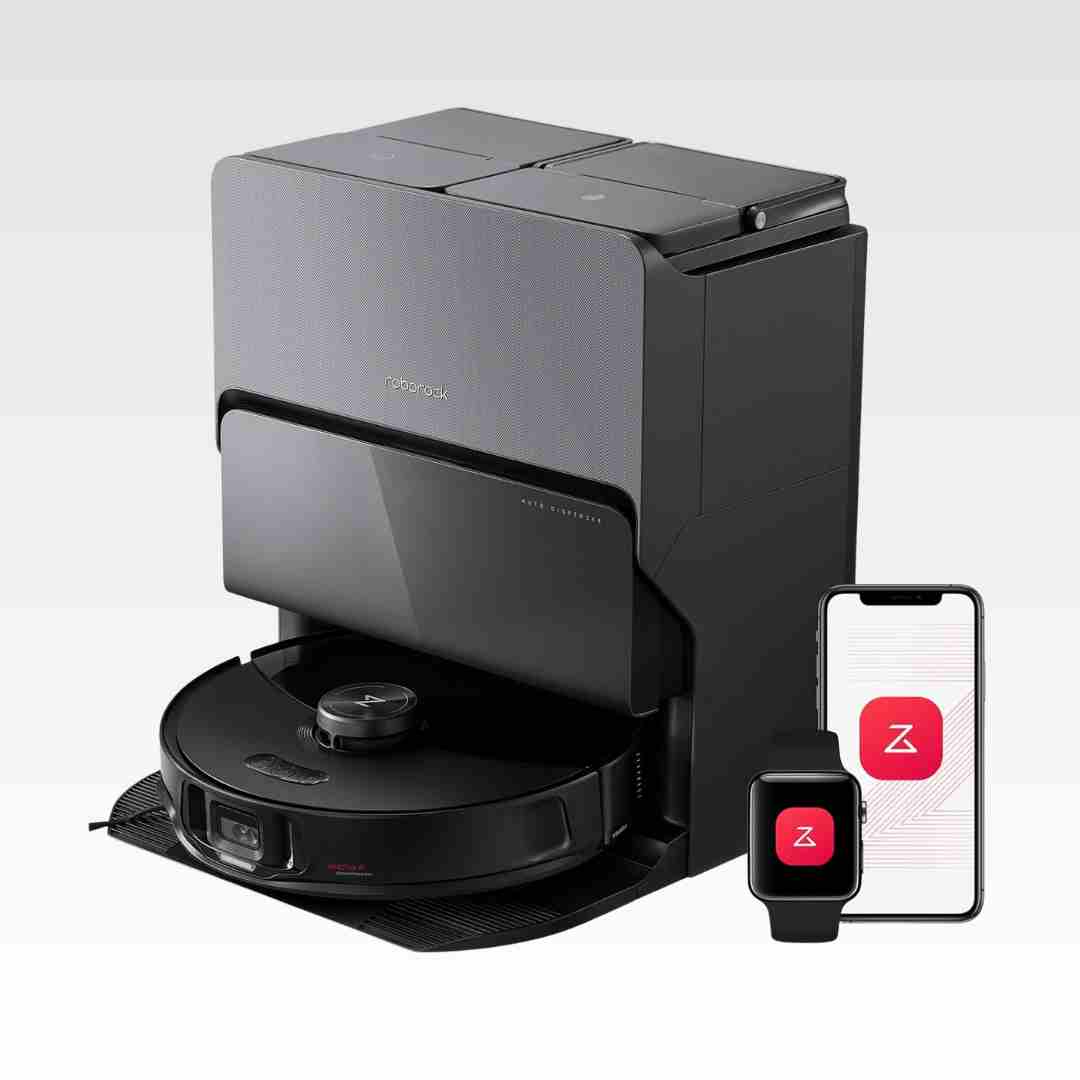
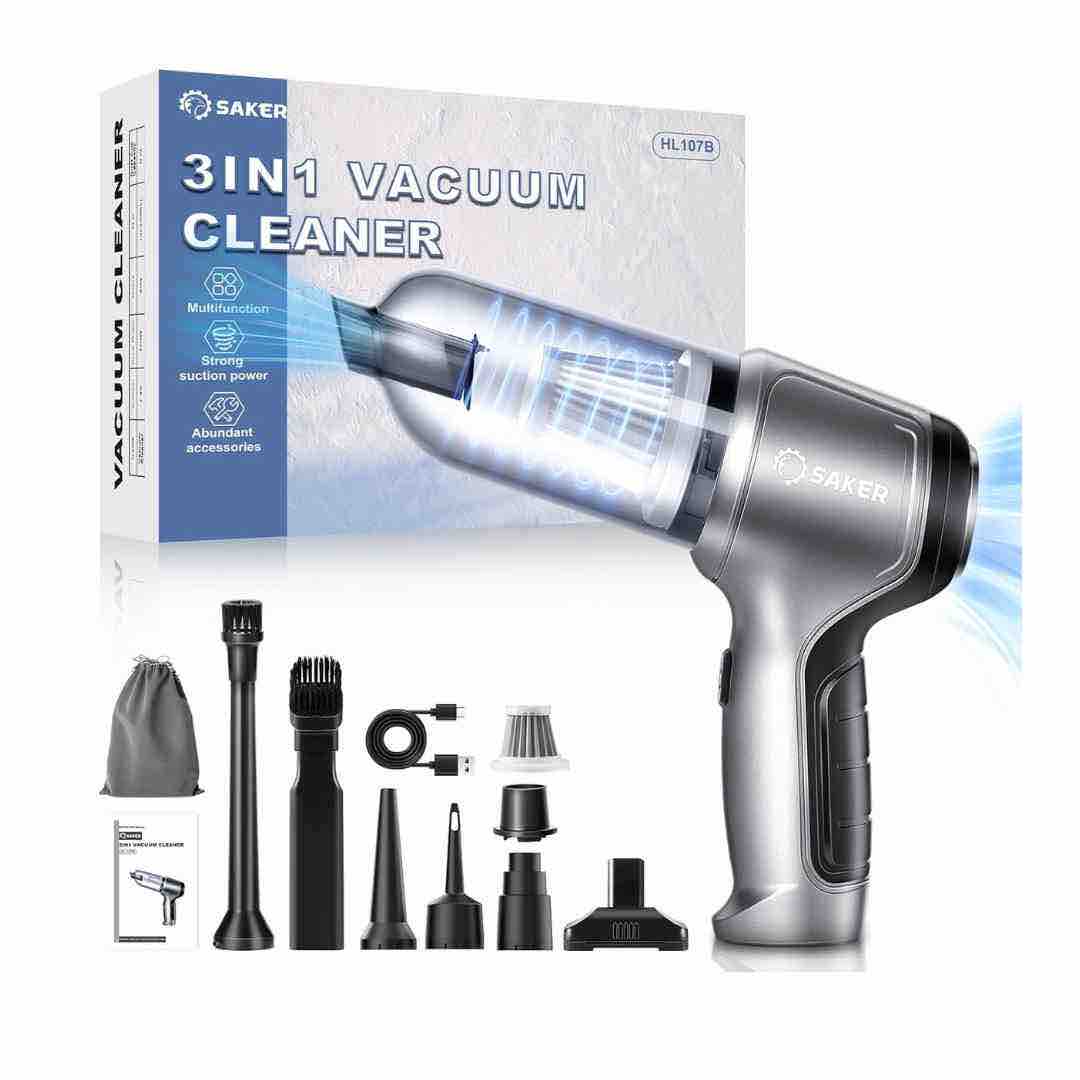
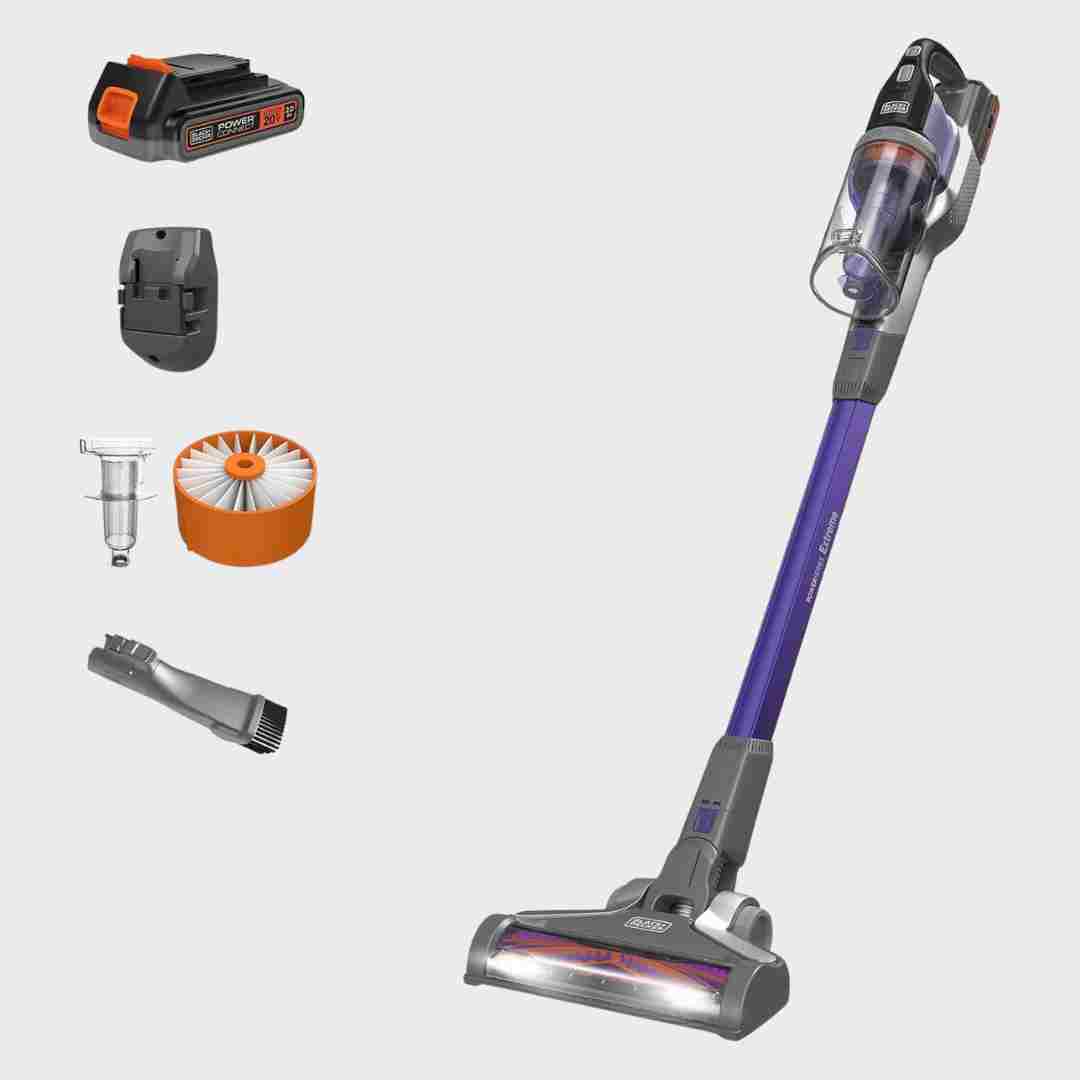
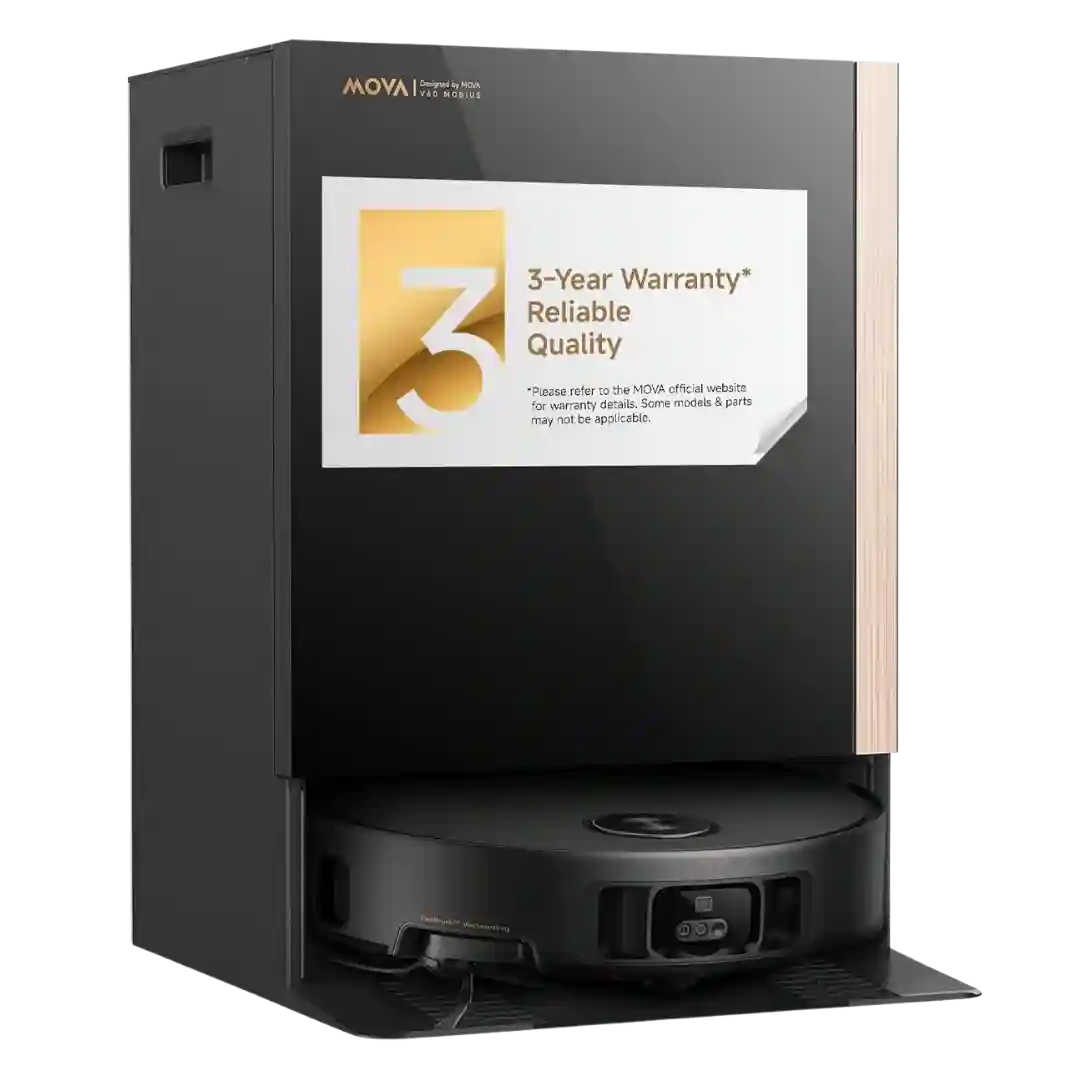
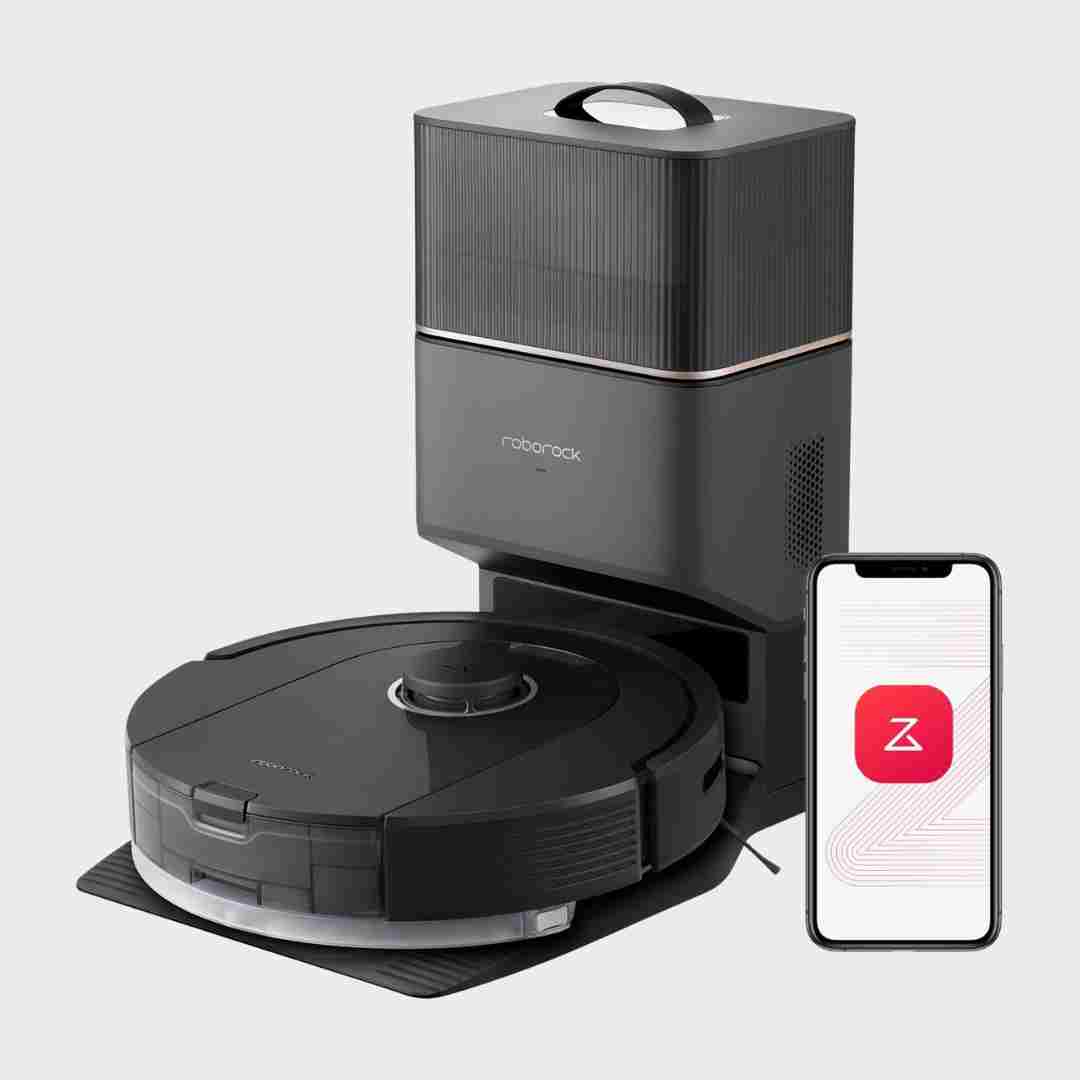
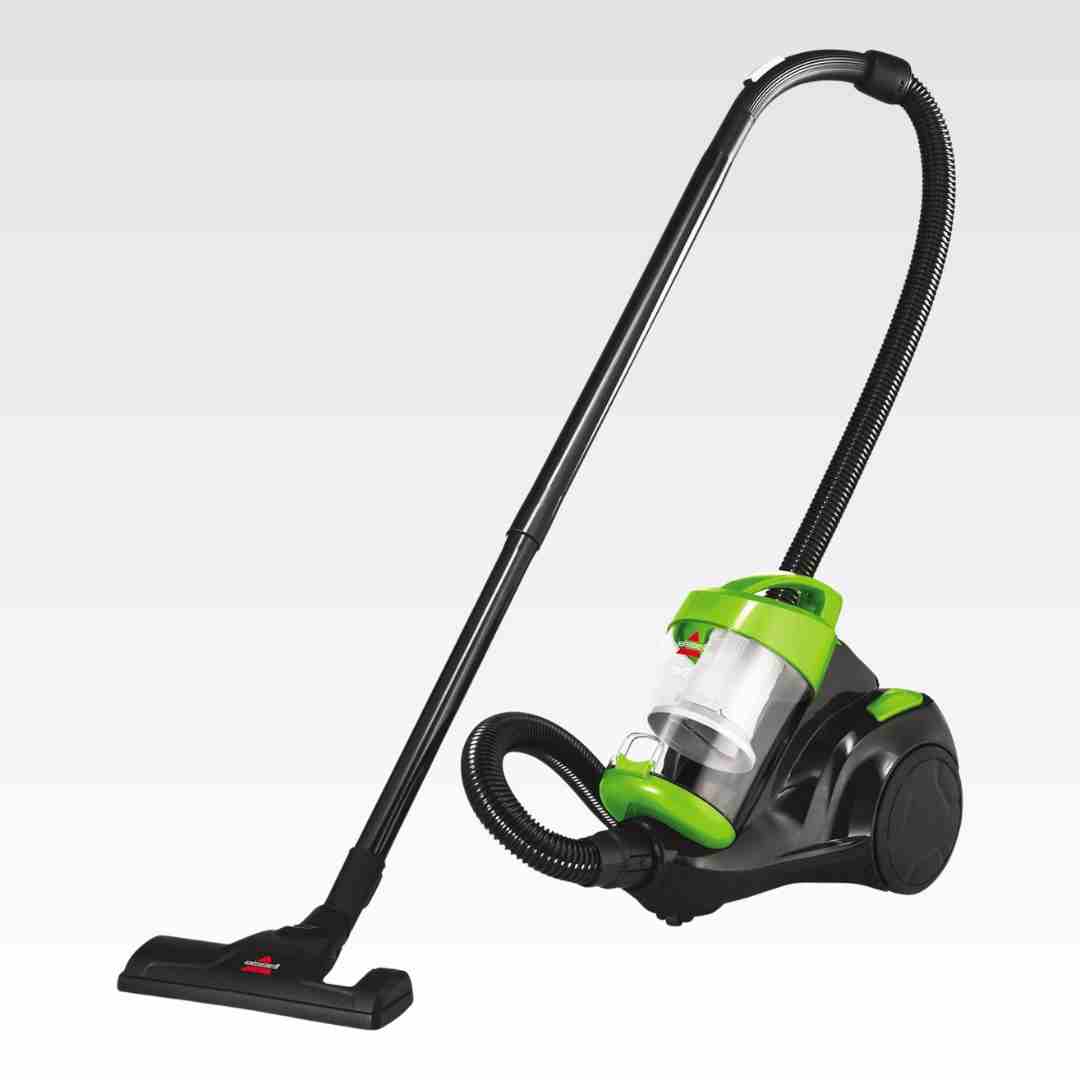
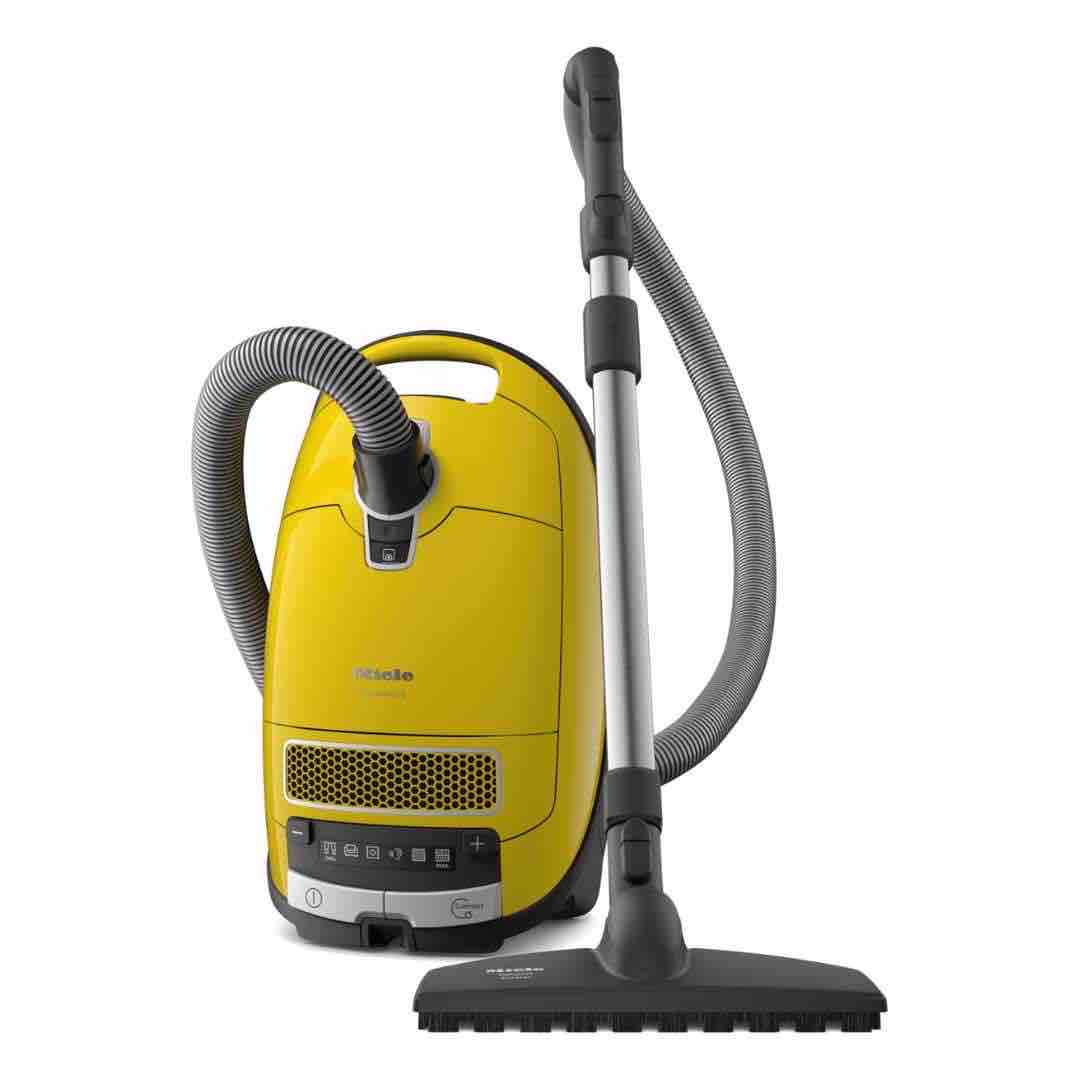
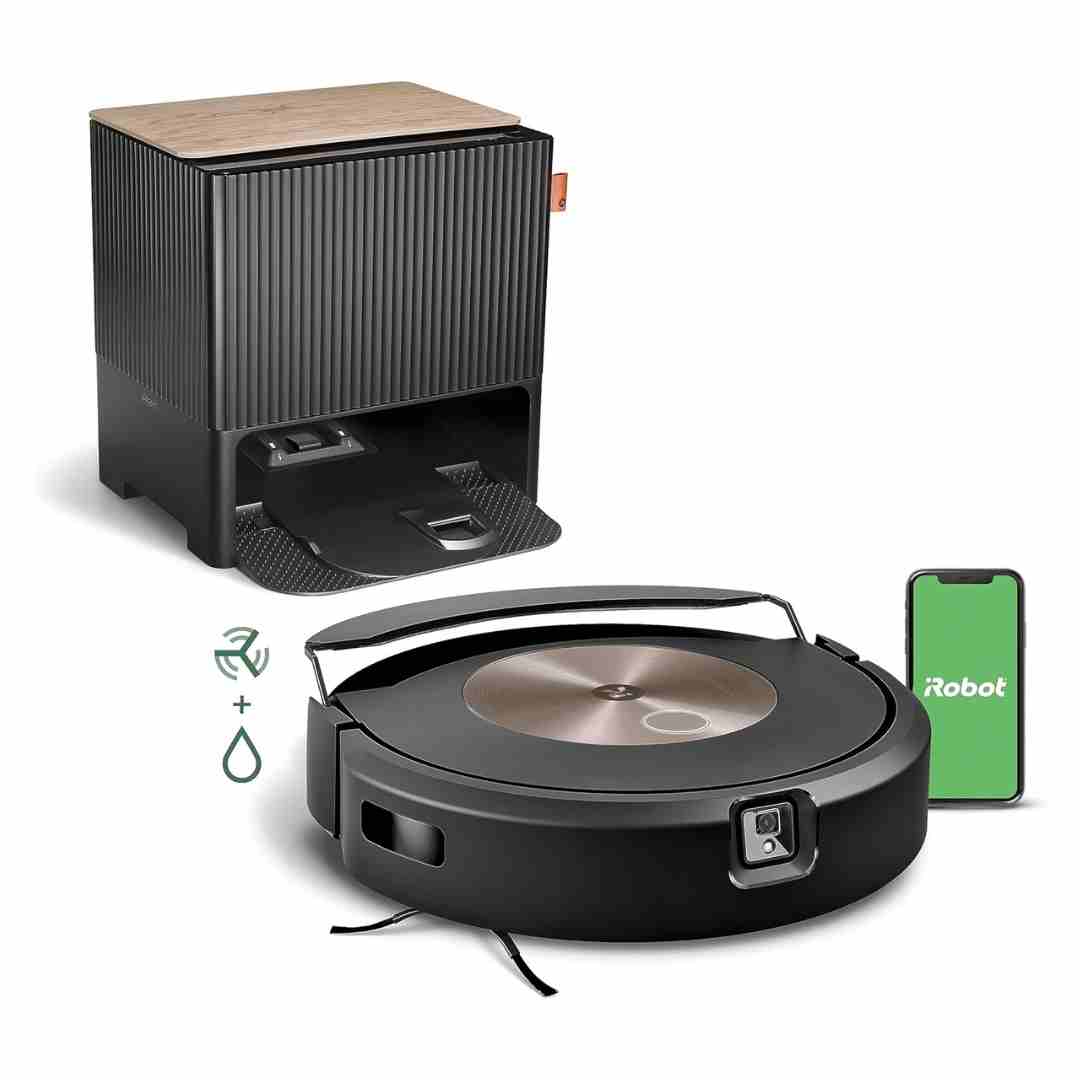
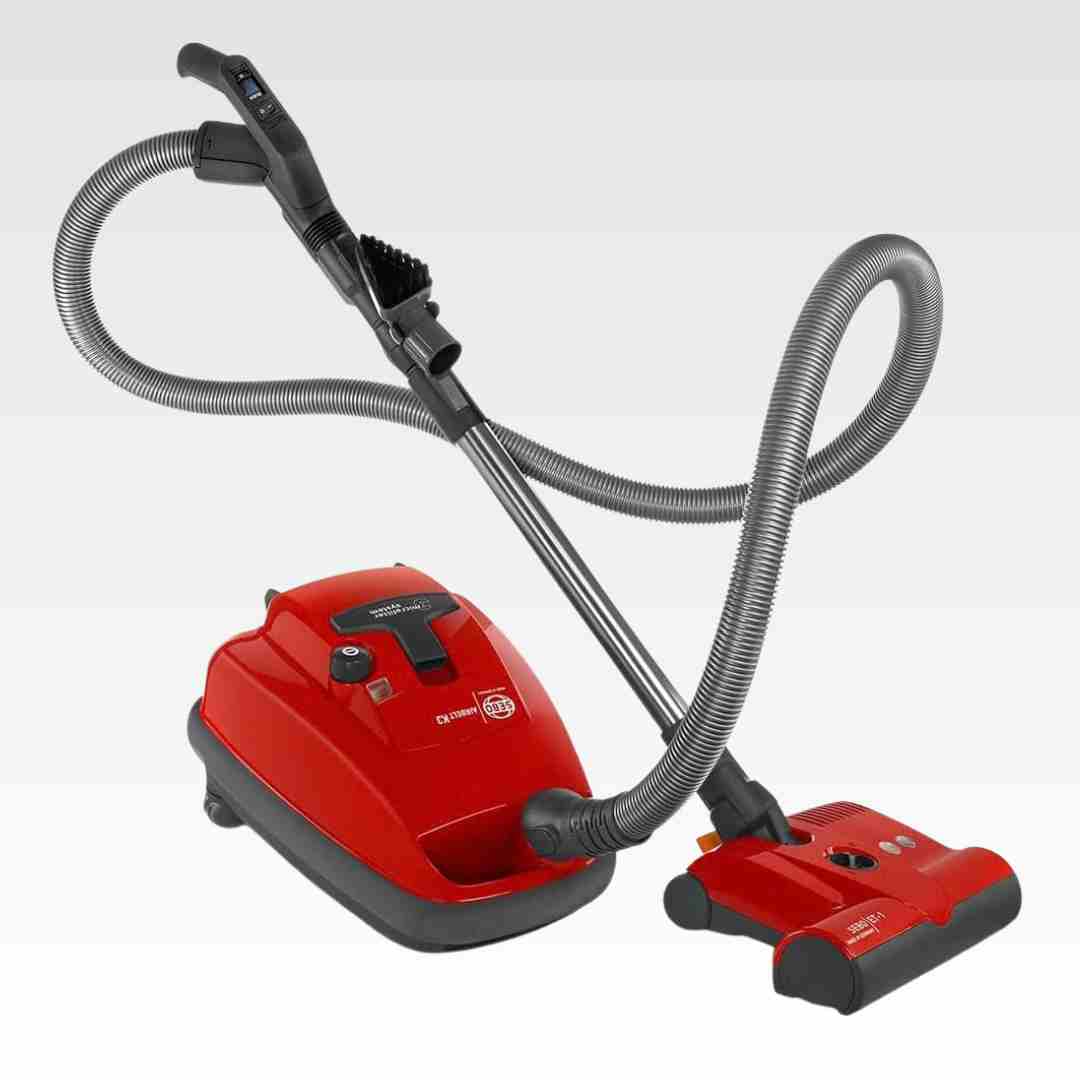
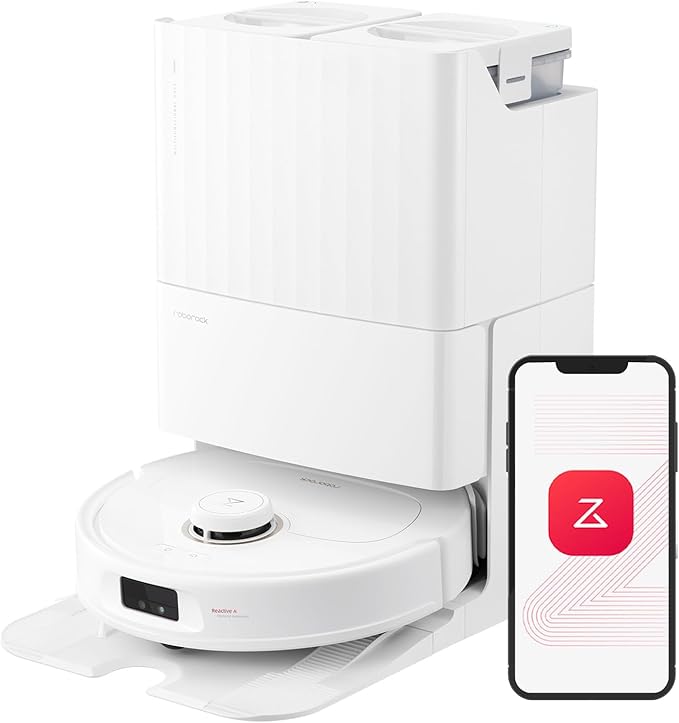
The bagless base canister is repeatedly positioned as reducing ongoing costs and waste compared with bagged stations, though filters will still have long-interval cleaning/replacement needs.
Ongoing costs are described as low by at least one detailed review (bags monthly and belts periodically), though actual cost depends on bag type and how heavily it is used.
Because it is bagless and uses washable filters, owners can avoid recurring bag purchases and reduce routine costs. You will still have periodic filter replacement and brushroll cleaning as part of ownership.
Bags are described as inexpensive, widely available, and long-lasting, which keeps ongoing costs low. Reviewers recommend genuine HEPA-flow style bags for best filtration and performance.
Ongoing costs are viewed favorably because it is bagless, uses a washable lifetime filter, and is corded so there is no battery to replace. Routine spend is mostly limited to occasional wear parts or repairs rather than consumables.
Bagless design and washable filters keep recurring costs low. Owners mainly cite time spent on filter rinsing and brush-roll cleaning rather than paid consumables.
Ongoing ownership costs are low in principle because it is bagless and uses a washable filter, though one reviewer expresses uncertainty about long-term filter replacement availability.
Ongoing costs tend to be lower than bagged self-empty systems because the dock is commonly described as bagless; filter maintenance remains the primary recurring expense and upkeep.
Ongoing costs are typically low because the V10 is bagless and uses washable filters; longer-term costs are mainly potential battery replacement and routine cleaning.
Consumable cost discussions suggest long-term ownership costs are competitive, with dust bag and filter replacement costs portrayed as reasonable over multi-year horizons.
Ongoing costs are generally modest (washable filters and long replacement intervals), but odor-neutralizer cartridges add a recurring cost if you use them.
Long-term costs are viewed as reasonable: bags and filters are straightforward to replace, and one comparison ranked its ownership costs among the lowest in the group tested.
Ongoing costs are generally viewed as low because it is bagless and the filters are washable/rinsable. The main recurring burden is time and downtime: filter washing is recommended regularly and requires a long air-dry period, so some owners may prefer spare filters.
Ongoing costs are generally low for a corded, bagless design—mostly periodic filter washing and occasional filter replacement (some reviews estimate costs in the teens per year).
Ongoing costs are described as manageable, with washable filters and routine maintenance rather than expensive consumables being the main ownership burden.
Ongoing costs are generally low because it’s bagless; routine expenses are mainly filters and optional odor-neutralizer cartridges. One reviewer noted the odor cartridge lasts months and is inexpensive to replace.
Washable filters are repeatedly called out as a cost saver because they can be rinsed instead of replaced frequently. Some users still buy extra filter sets so one can dry while the other is in use.
Consumables are typical for an auto-empty robot: dust bags and periodic filter cleaning/replacement. Reported bag life of 30–60 days (or 2–3 months) helps keep ongoing costs manageable, but you may also buy cleaning solution since it is manually dosed.
Ongoing costs are mainly tied to disposable bags and consumables like solution, but reviewers suggest bag intervals are long and supplies are accessible. Some note third-party bags can reduce cost further.
Ongoing costs are mainly tied to replacing dock bags and occasional filters. Reviewers generally treat the cost as modest, with the convenience outweighing the expense for many owners.
Replacement bags are an ongoing cost, but most reviews characterize them as inexpensive multipacks and infrequent to change because of the large capacity. Filters are occasional maintenance rather than frequent consumables.
Ongoing costs depend on the variant: bagless can reduce recurring spend but still needs filter replacements; bagged versions add bag costs but can be cleaner for allergy households.
Bagged self-emptying adds recurring costs, but bags are often described as lasting weeks (up to around 60 days) so annual cost can be modest; brushes and filters may add extra upkeep.
Ongoing costs are described as low beyond routine filter washing, with occasional replacement parts (especially the battery) being the main longer-term expense. One review estimates modest annual costs after warranty compared with bagged vacuums.
Ongoing costs are primarily dust bags, filters, and occasional brush/mop-pad replacements. Reviews suggest parts are widely available and reasonably priced, but the limited included spares mean these costs show up sooner in ownership.
Ongoing costs most often referenced include dust bags, detergent, and (for pet homes) optional/replaceable roller brushes; multiple reviewers note bags are easy to swap and commonly available.
Ongoing costs are usually low because there are no bags and filters are washable, but battery replacement can be a meaningful expense later. Some reviews note that extra filters or spare batteries can be purchased if needed.
Ongoing costs include disposable dust bags and replaceable filters/pads, and some reviewers call out the lack of included spares. Budgeting for consumables is sensible if you run daily cleans.
Ongoing costs are mainly bags and filters; reviewers generally see them as manageable for a premium system, but they add to the already high upfront price.
Consumable costs appear modest, but at least one review mentions replacing the paper or HEPA-style filter every few months while reusing the washable metal screen longer. Costs depend on usage and the amount of fine dust collected.
Ongoing costs are generally low (washable filters), but replacement filters/batteries are discussed as practical considerations; the ability to share batteries across tools can reduce effective ownership cost for existing Black+Decker owners.
Ongoing costs are mainly bags and consumables (filters/brushes). Some test-driven reviews estimate a modest annual maintenance budget, with costs rising if you replace pads/brushes more often.
Ongoing costs are typically low for the bagless version, mainly filters, though bagged variants and optional upgrades (better tools/bags/filters) can add cost.
Ongoing costs are a real consideration: reviewers cite bag packs and periodic filter replacements as the main recurring expense. Several also argue bagged ownership can be simpler (less filter washing) and may preserve performance better than some bagless designs.
Ongoing costs are a real factor: bags, filters, brushes, and occasional pads add recurring spend. The upside is the bagged system is clean and parts are widely available, but budget-minded buyers should plan for replenishment.
Ongoing costs are a noted tradeoff: bags and periodic filters add recurring expense, though some frame this as a worthwhile exchange for cleaner emptying and better dust containment.