optical

Best

#1
Optical input is available for legacy TVs, but Dolby Atmos playback depends on HDMI eARC rather than optical.
#2
An optical input is included for older TVs and devices, providing a simple fallback when HDMI eARC/ARC is unavailable.
#3
Optical input is included and meaningfully broadens compatibility with older TVs and sources. Reviews did not report a clear sound-quality advantage over HDMI, but the connection itself is a useful fallback.
#4
Optical input is mentioned as an available fallback connection. Reviewers also note optical can be limiting for carrying Atmos compared with HDMI eARC.
#5
Optical input is repeatedly mentioned as a useful fallback for older TVs and as an easy, reliable way to get up and running when HDMI/ARC is inconvenient.
#6
Optical input is repeatedly cited as a dependable connection option and a practical workaround when HDMI ARC behavior is inconsistent, with some sources noting its lower max resolution versus other inputs.
#7
Reviews consistently mention an optical input as part of the connection set.
#8
Optical input is a useful fallback for older TVs, but reviewers repeatedly noted that HDMI is the better connection for full capability.
#9
Optical input is available as a legacy fallback, but multiple sources note it limits advanced formats like Dolby Atmos compared with HDMI eARC.
#10
Optical input support is a practical backup for TVs without ARC, though reviewers generally prefer HDMI ARC for better convenience and control.
#11
One review directly lists optical among the available connections.
#12
Optical input is commonly used as a stable fallback for TVs, though it may require separate remote control handling depending on the source device.
#13
Optical connectivity is typically handled via an adapter for older TVs, but it is generally positioned as a compatibility fallback rather than the best route for Atmos.
#14
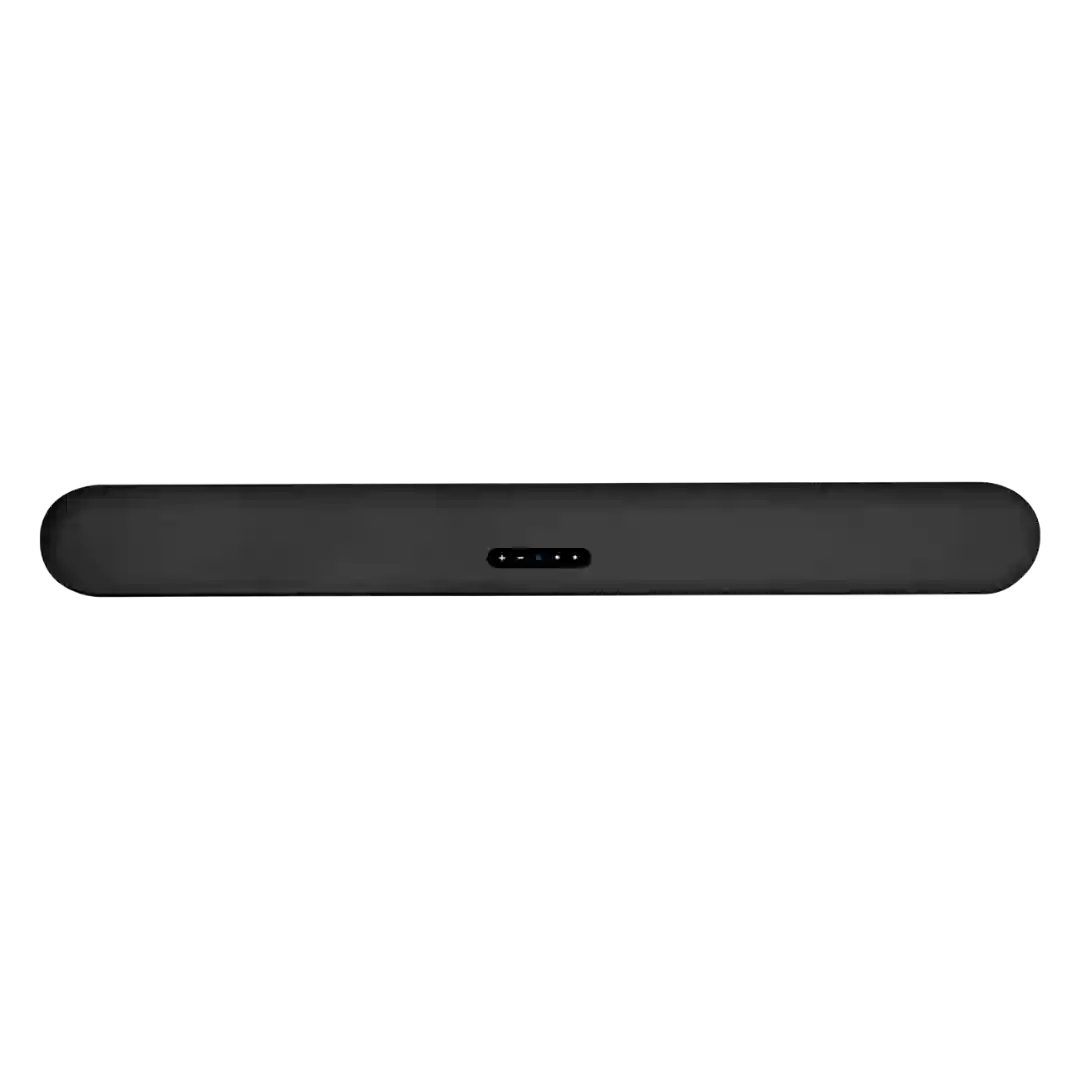
Reviewers repeatedly call out the missing optical input as one of the biggest connectivity omissions.