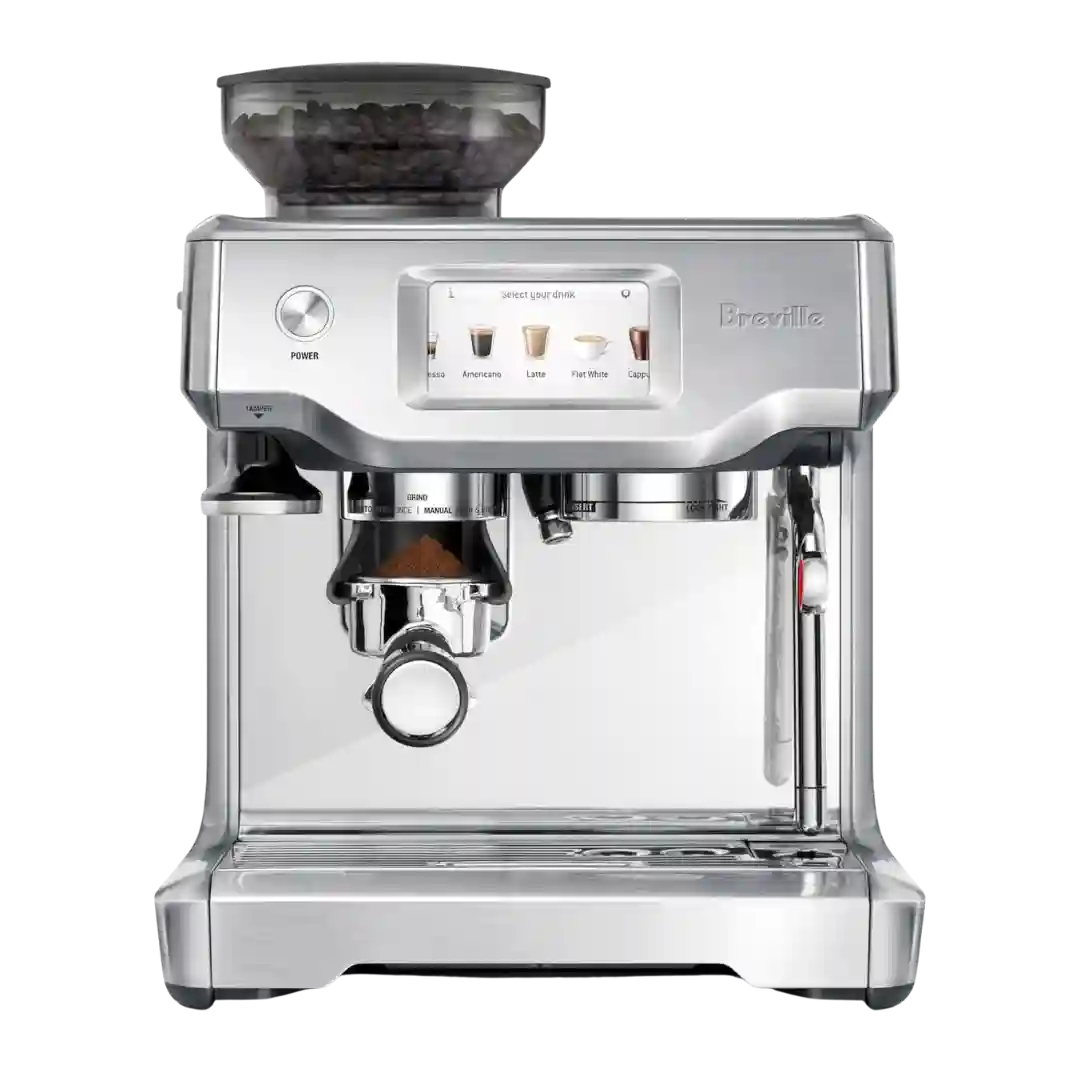
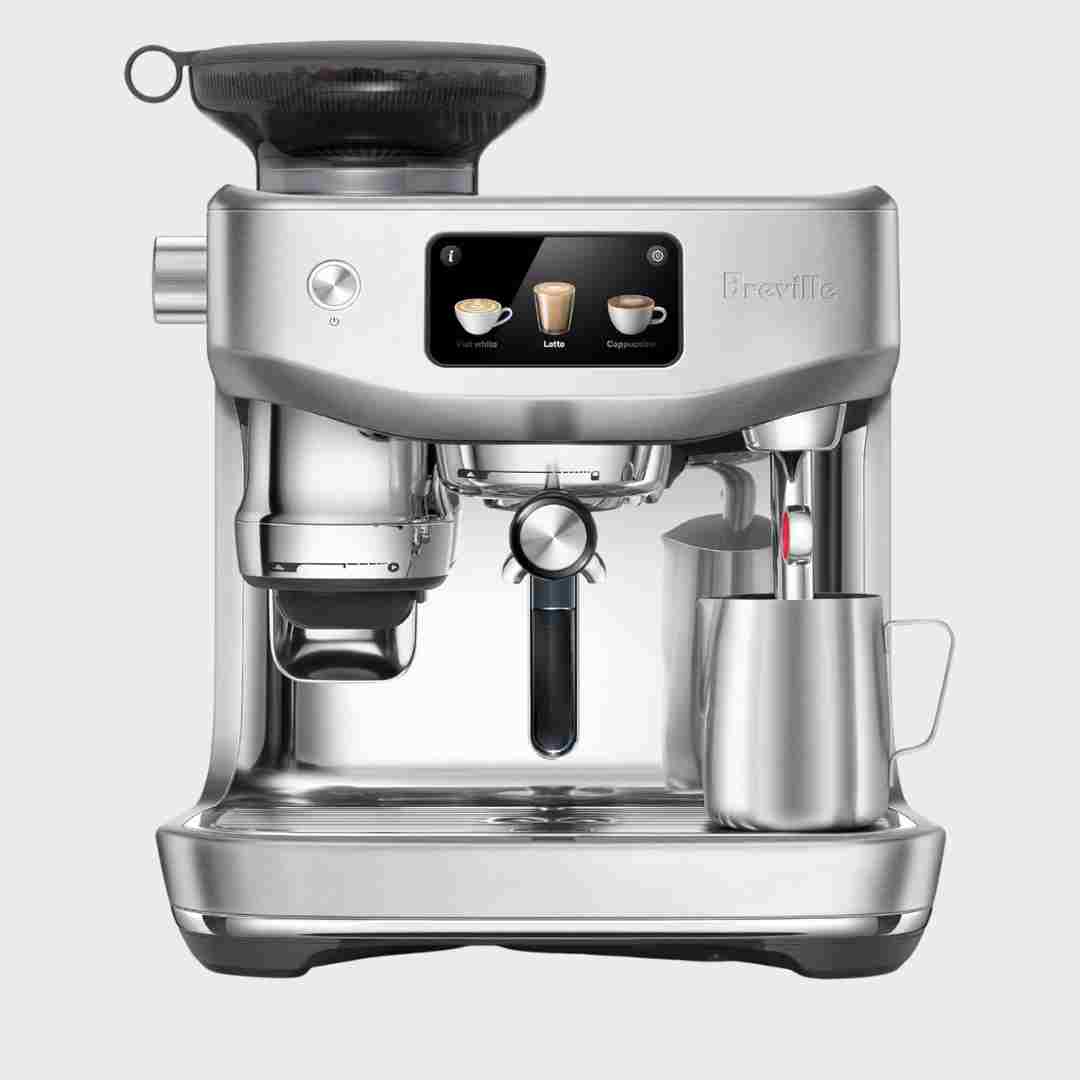
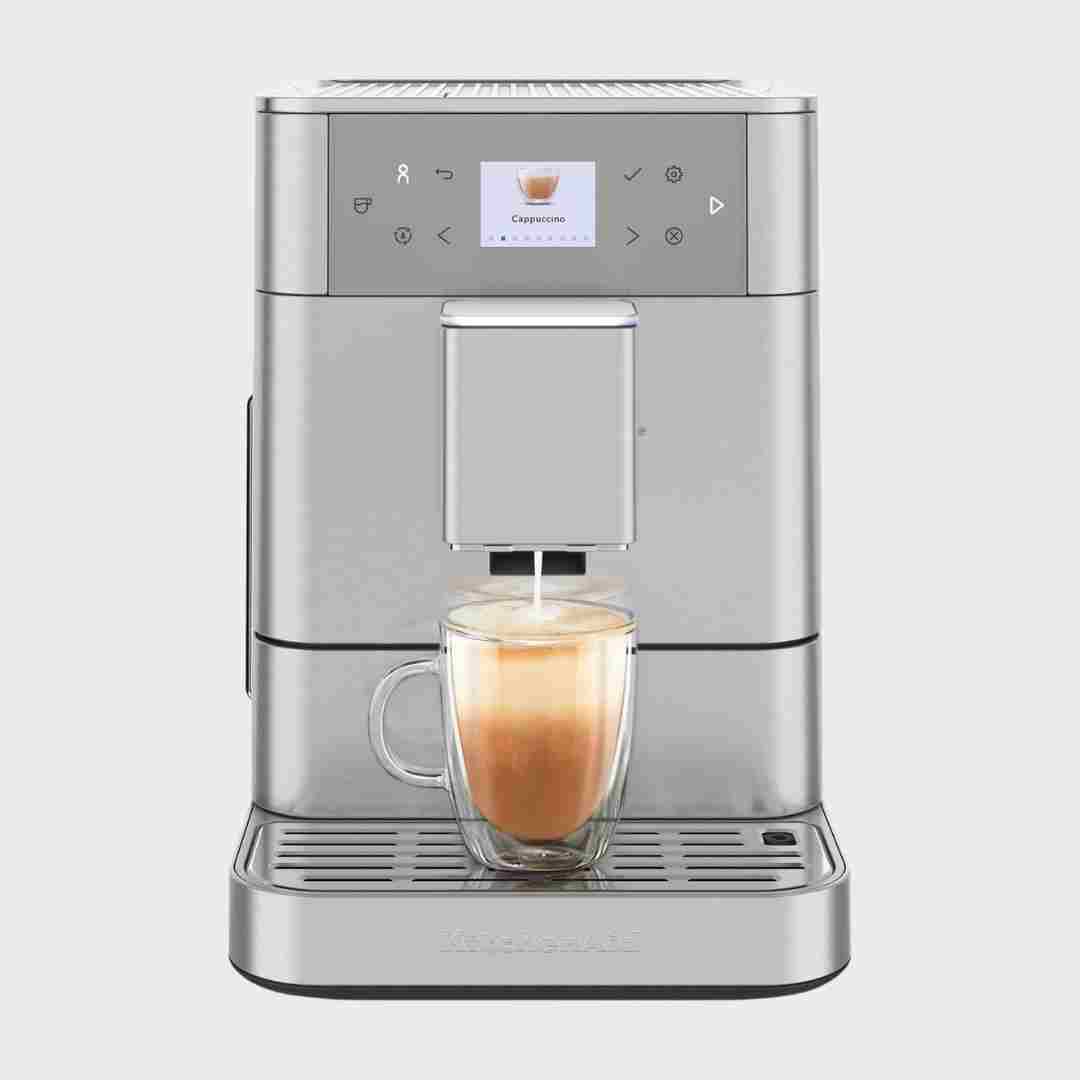
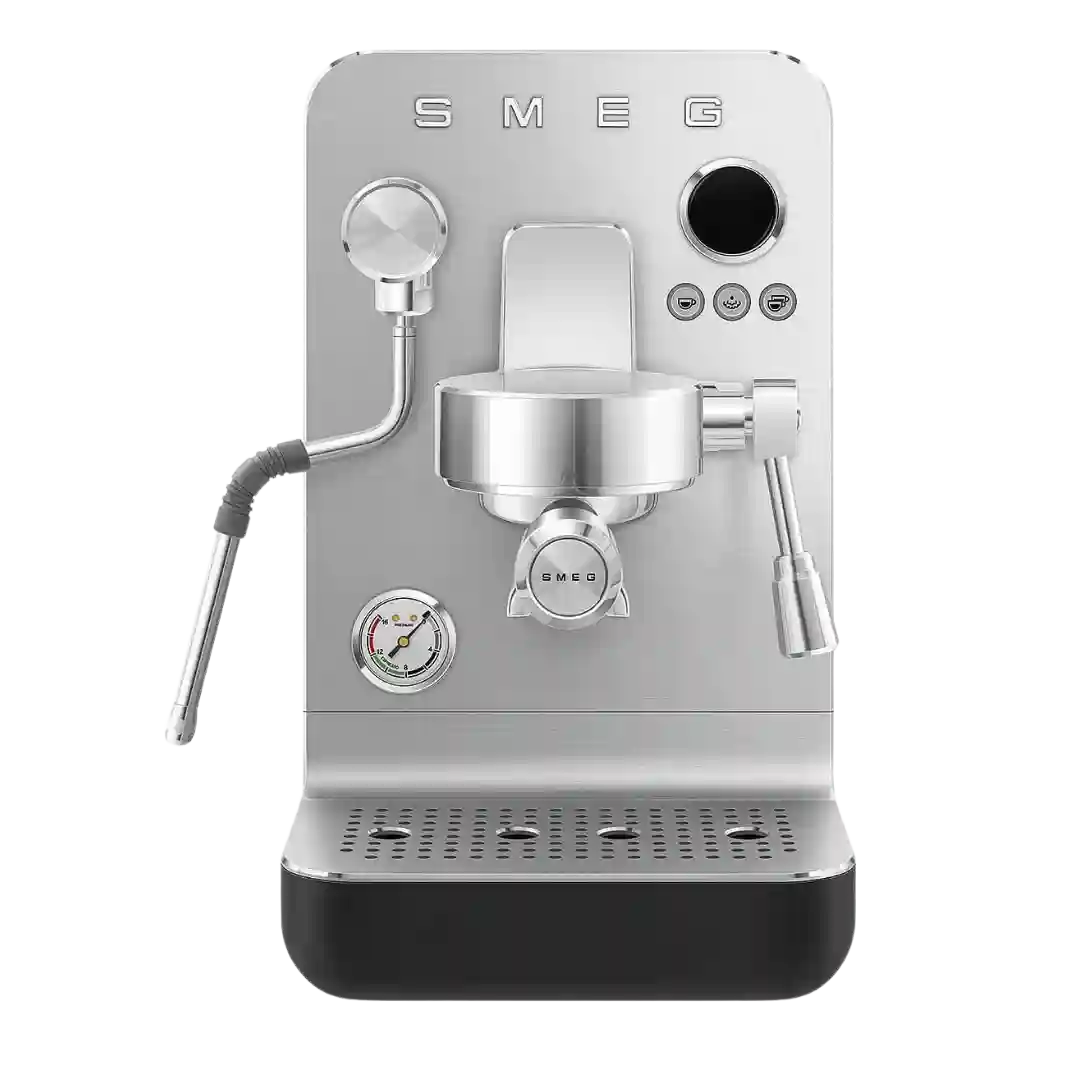
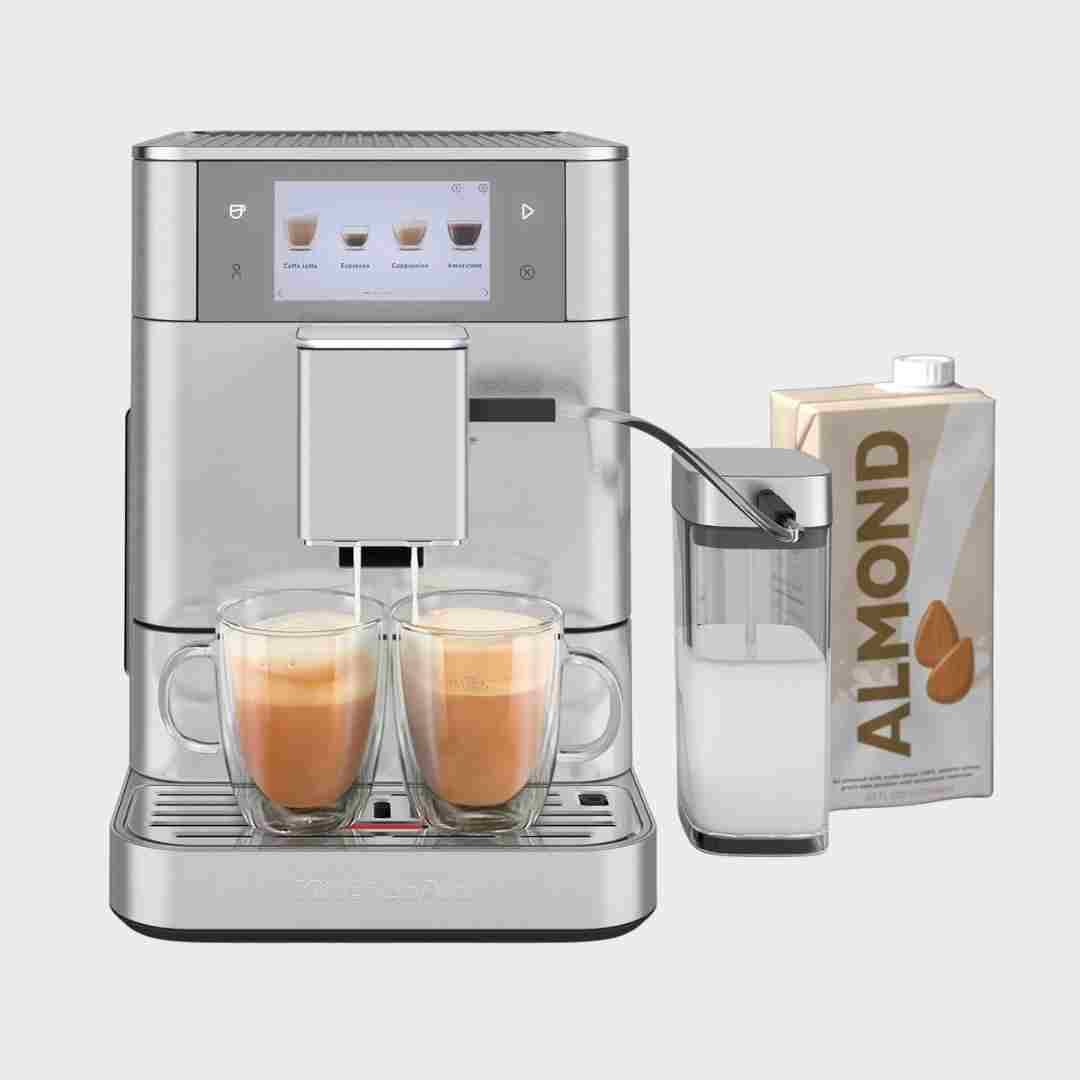
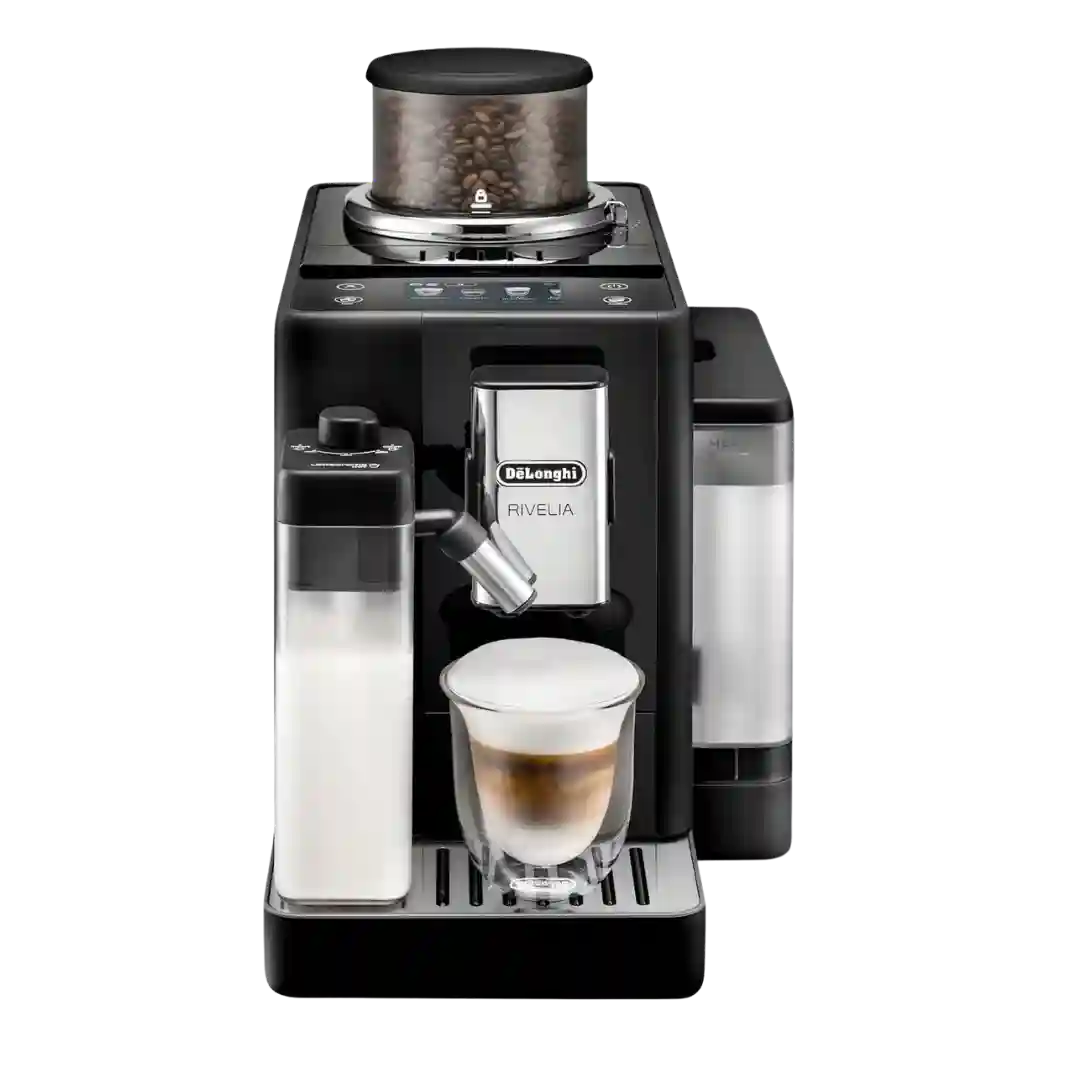
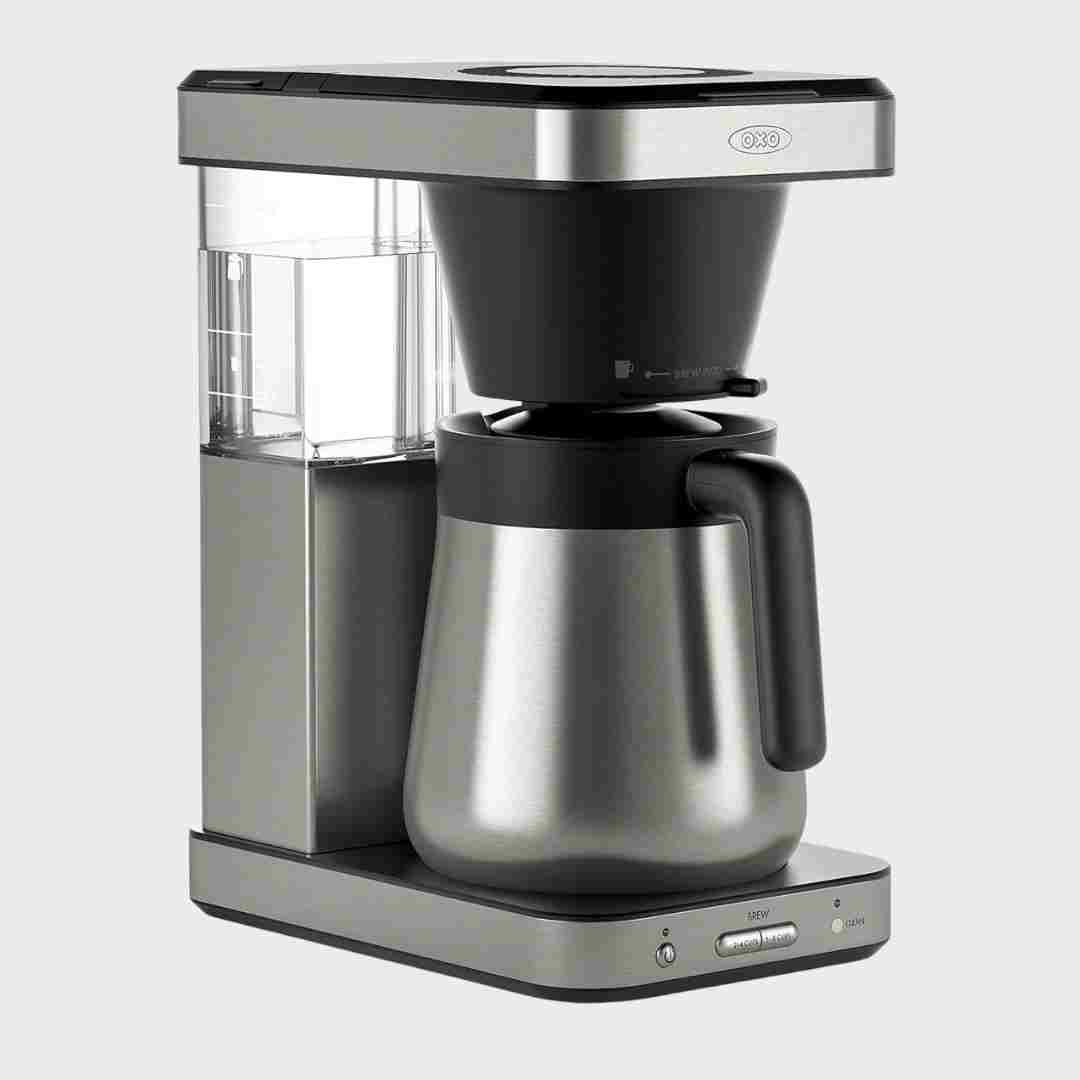
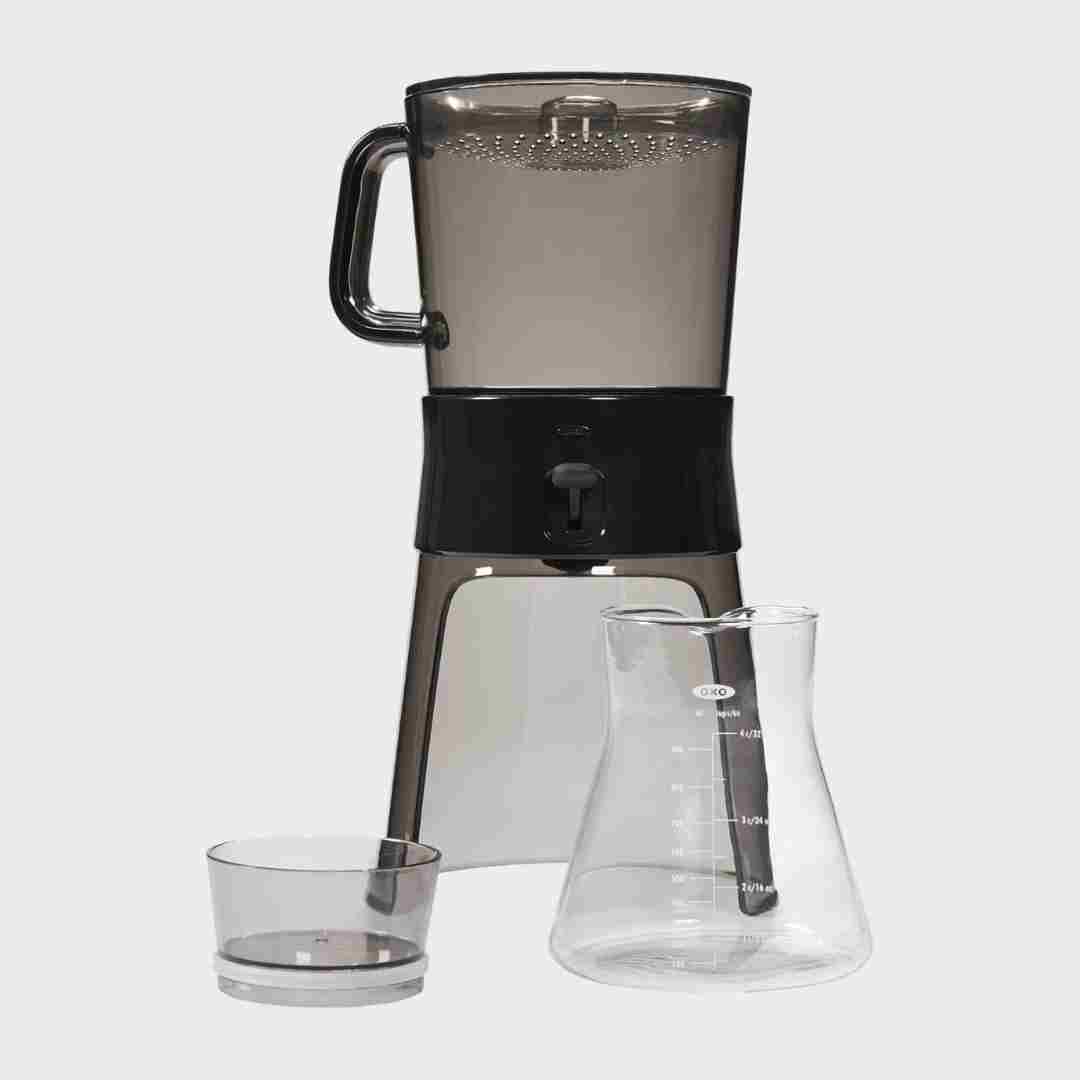
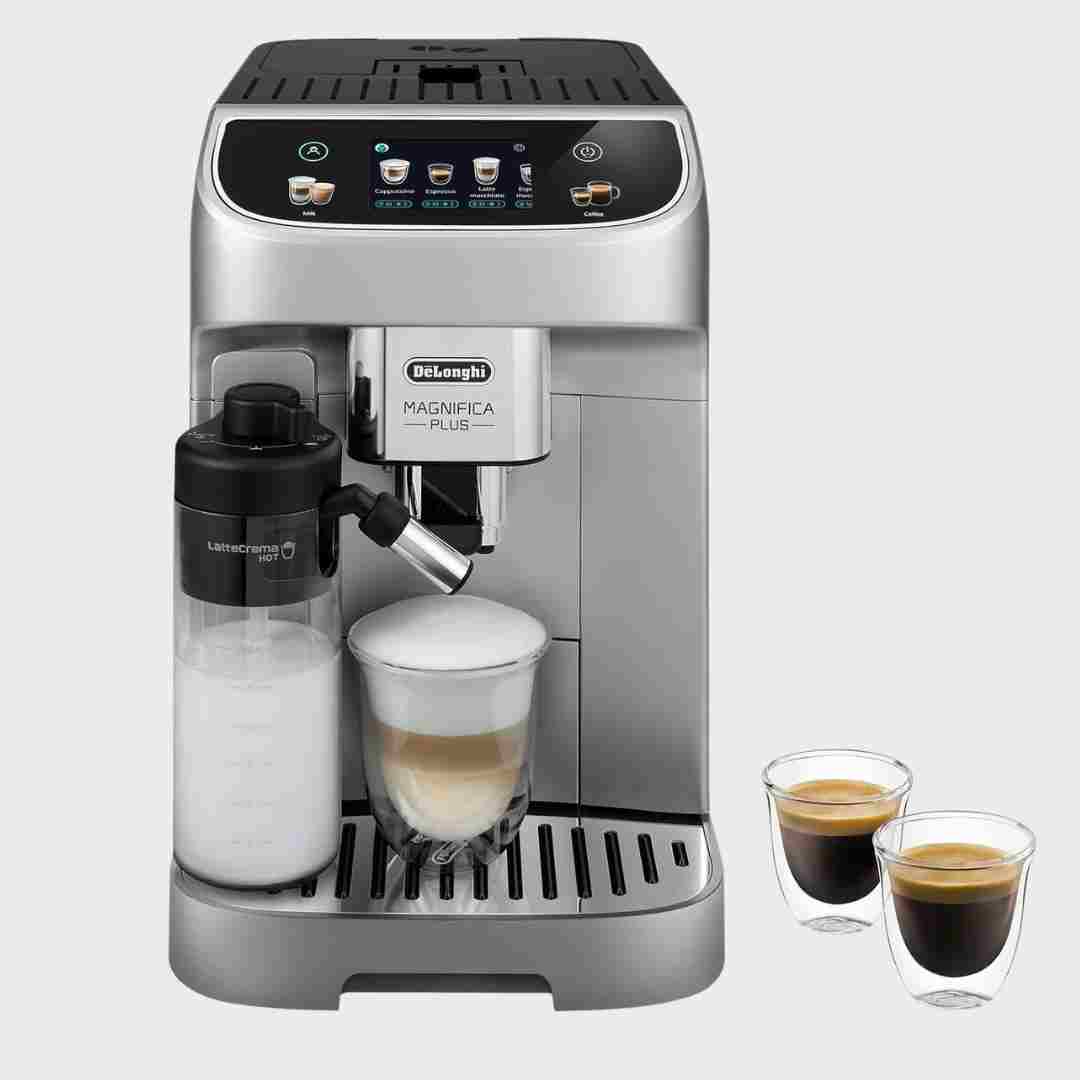
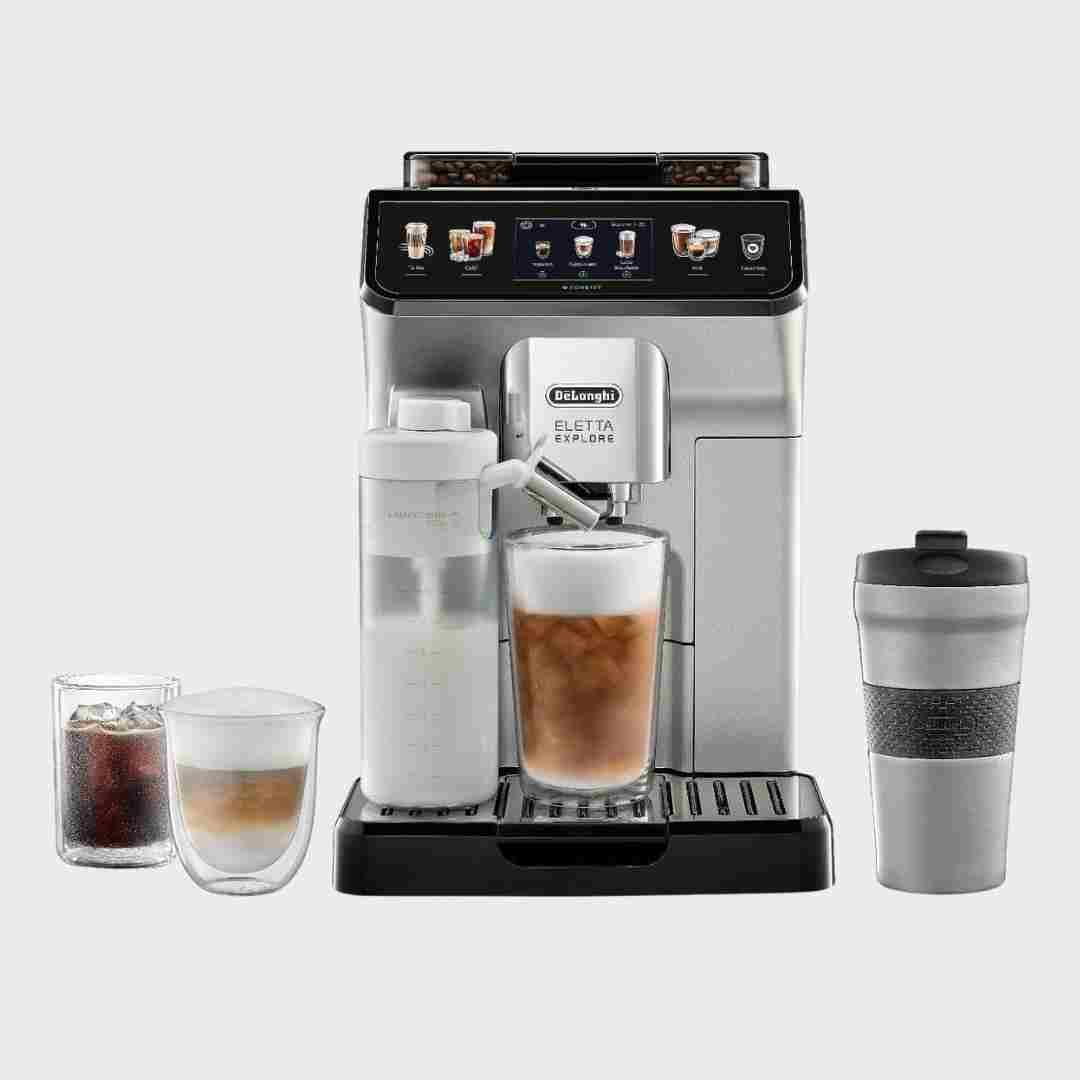
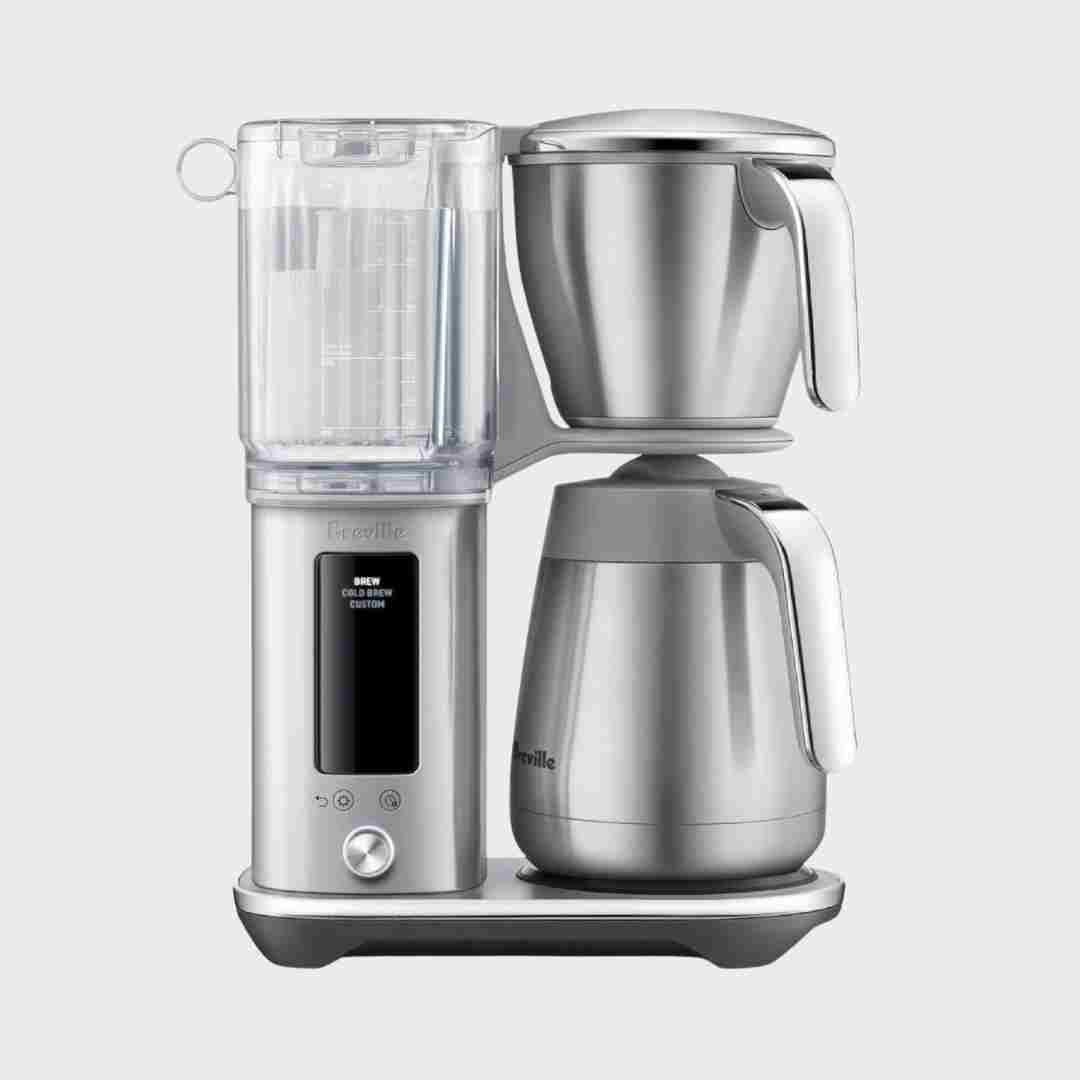
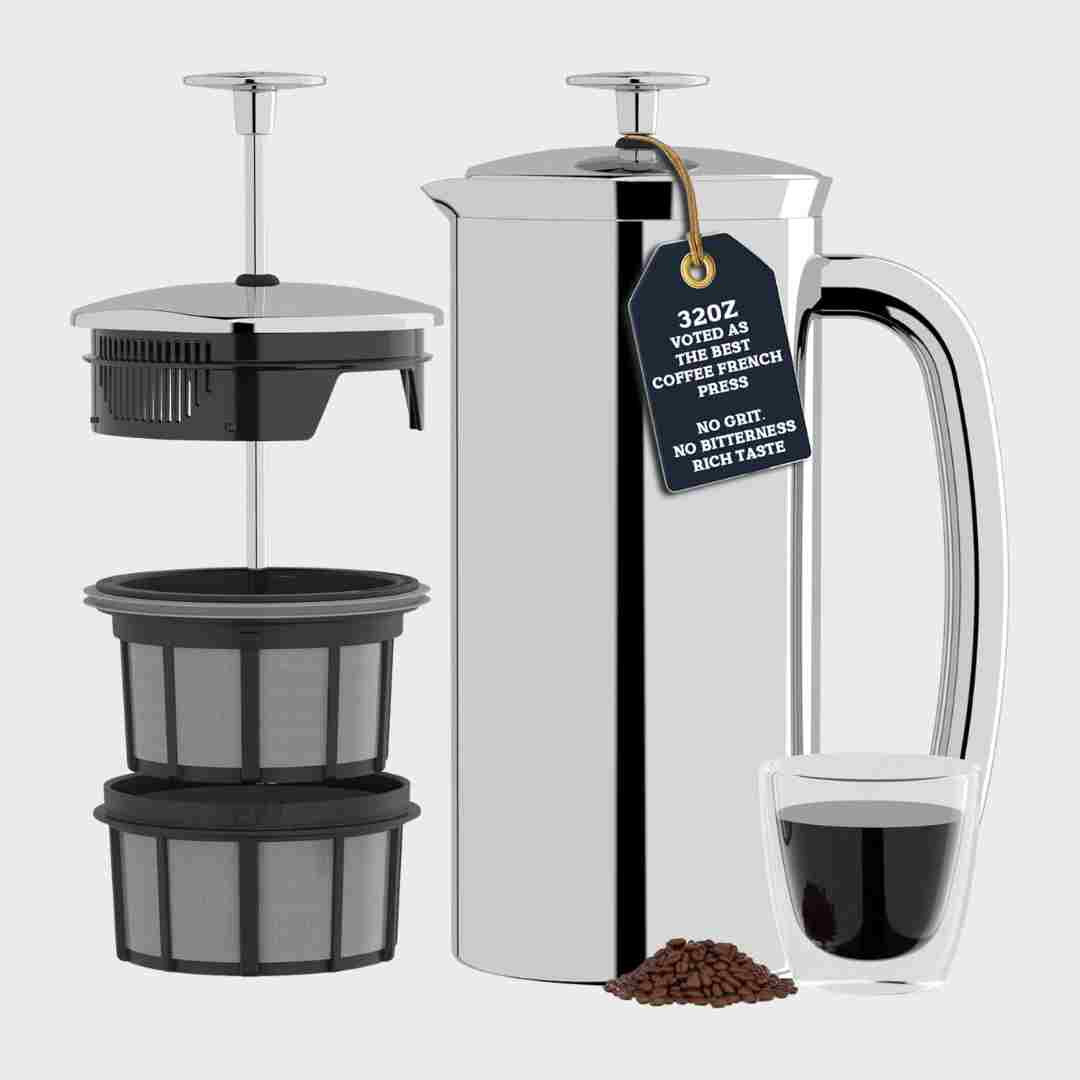
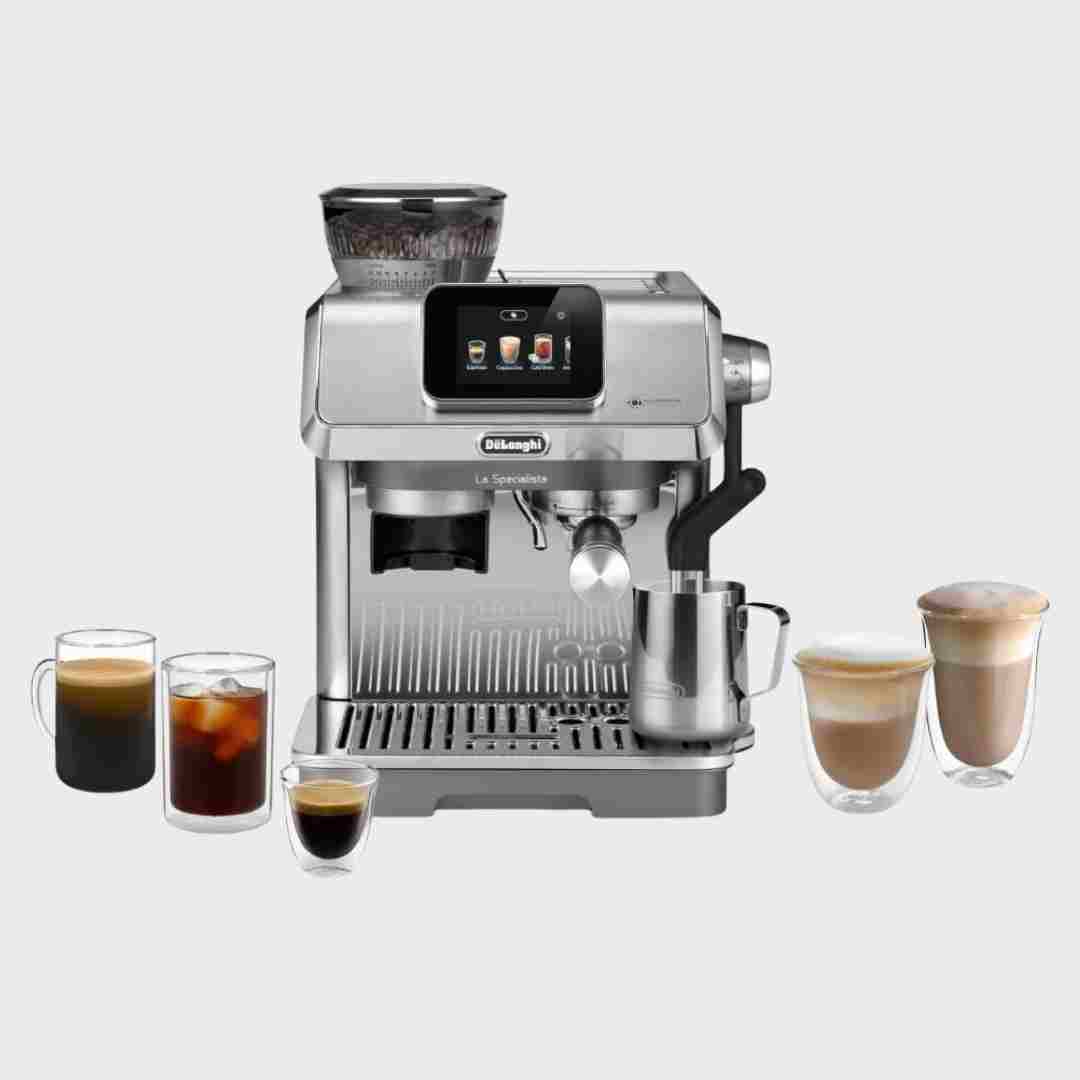
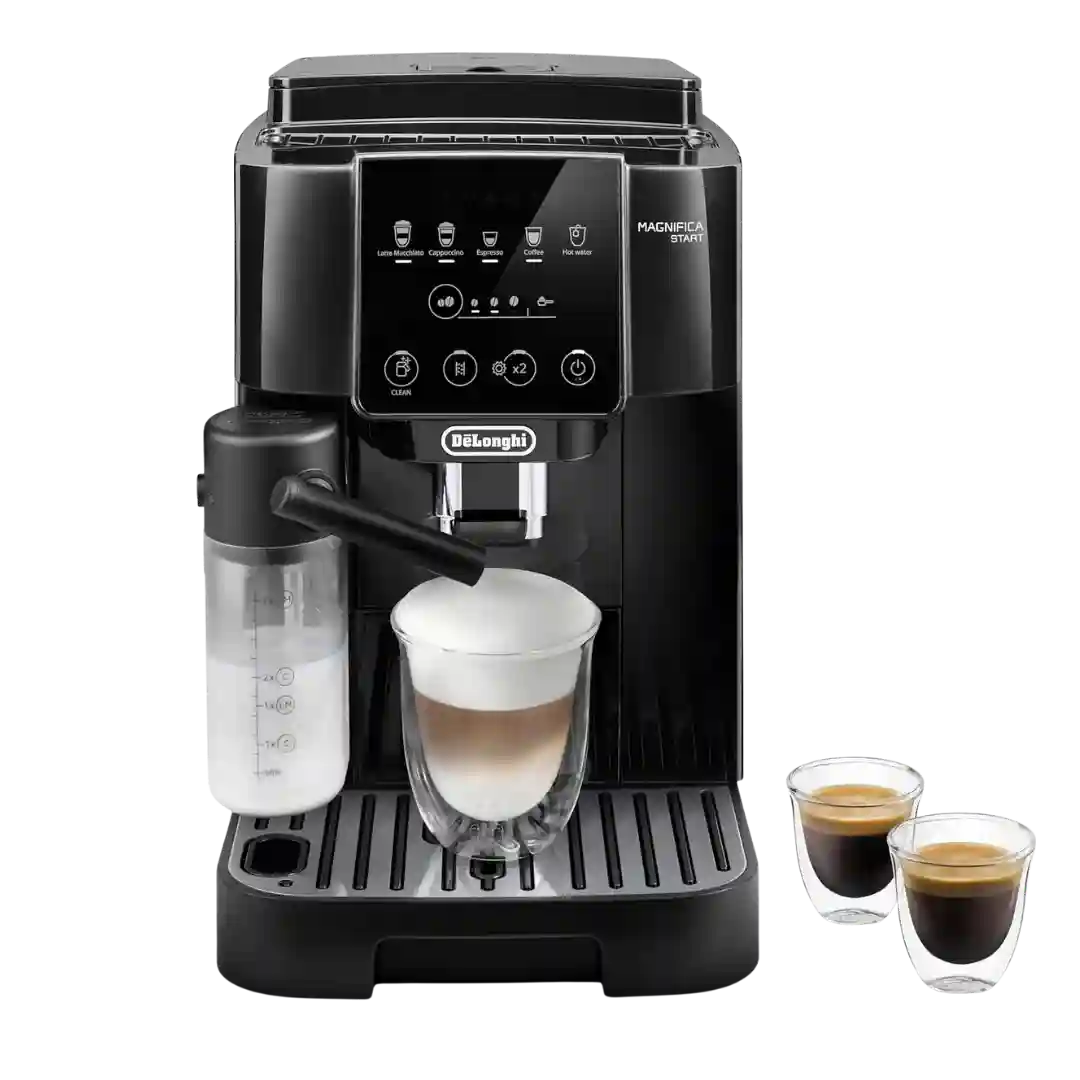
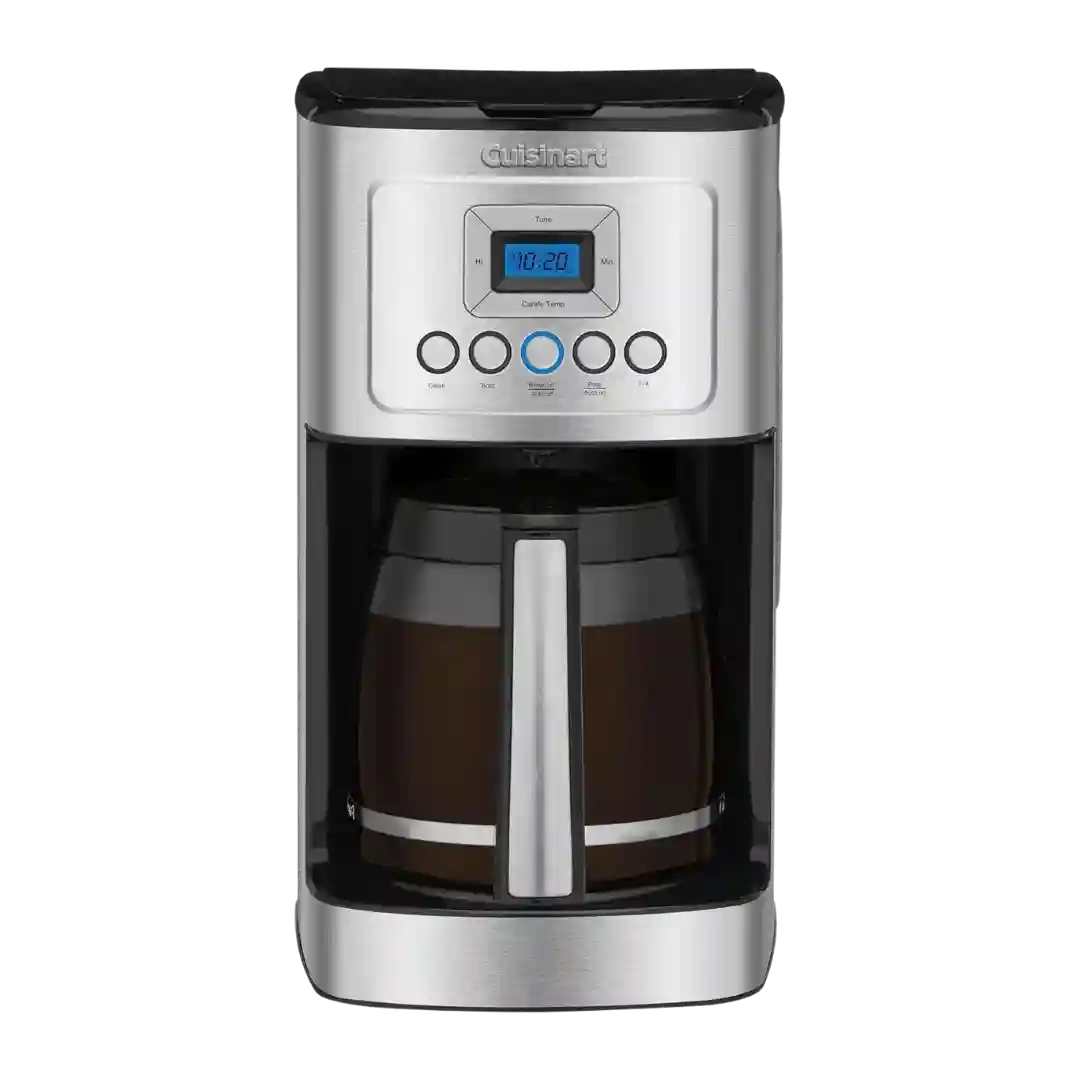
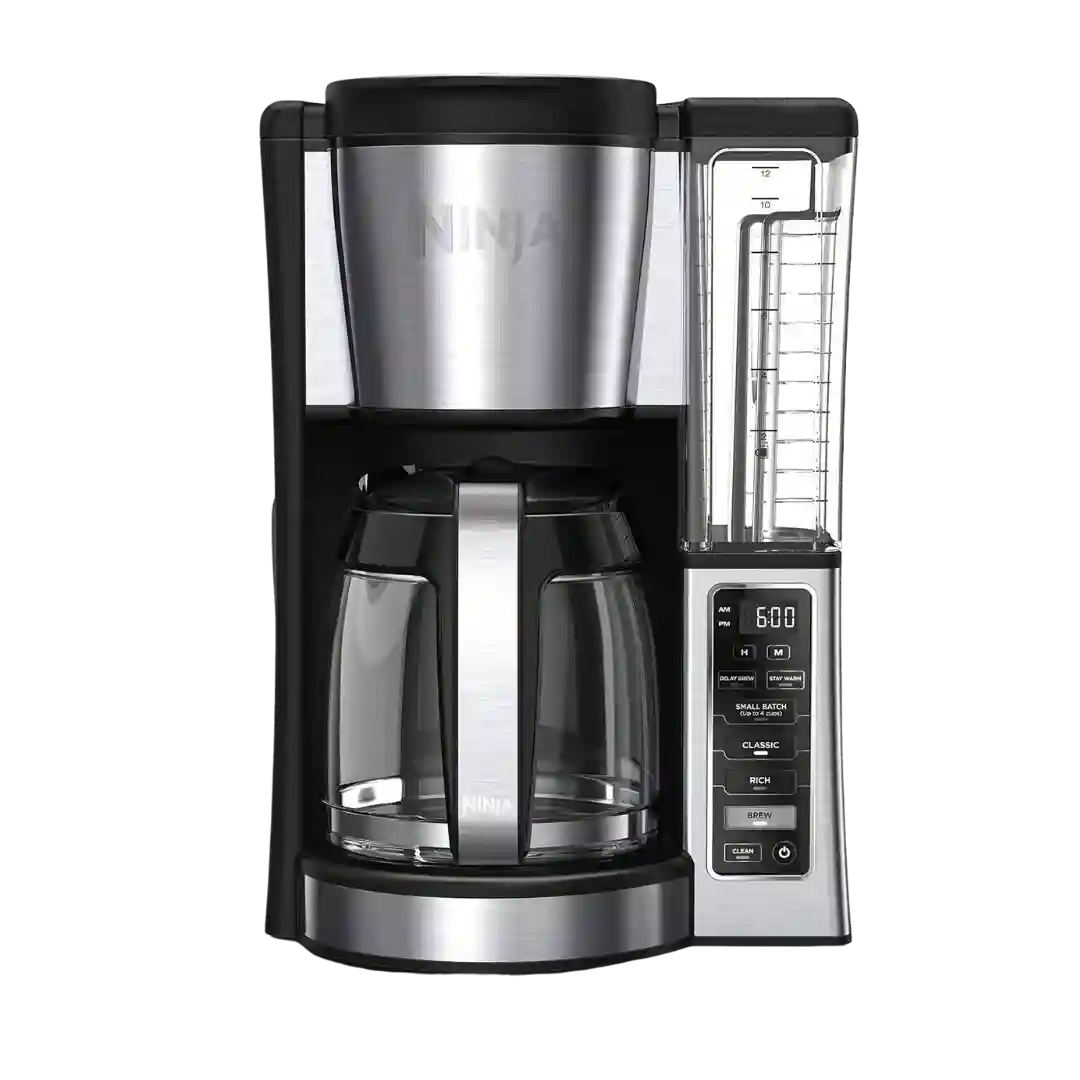
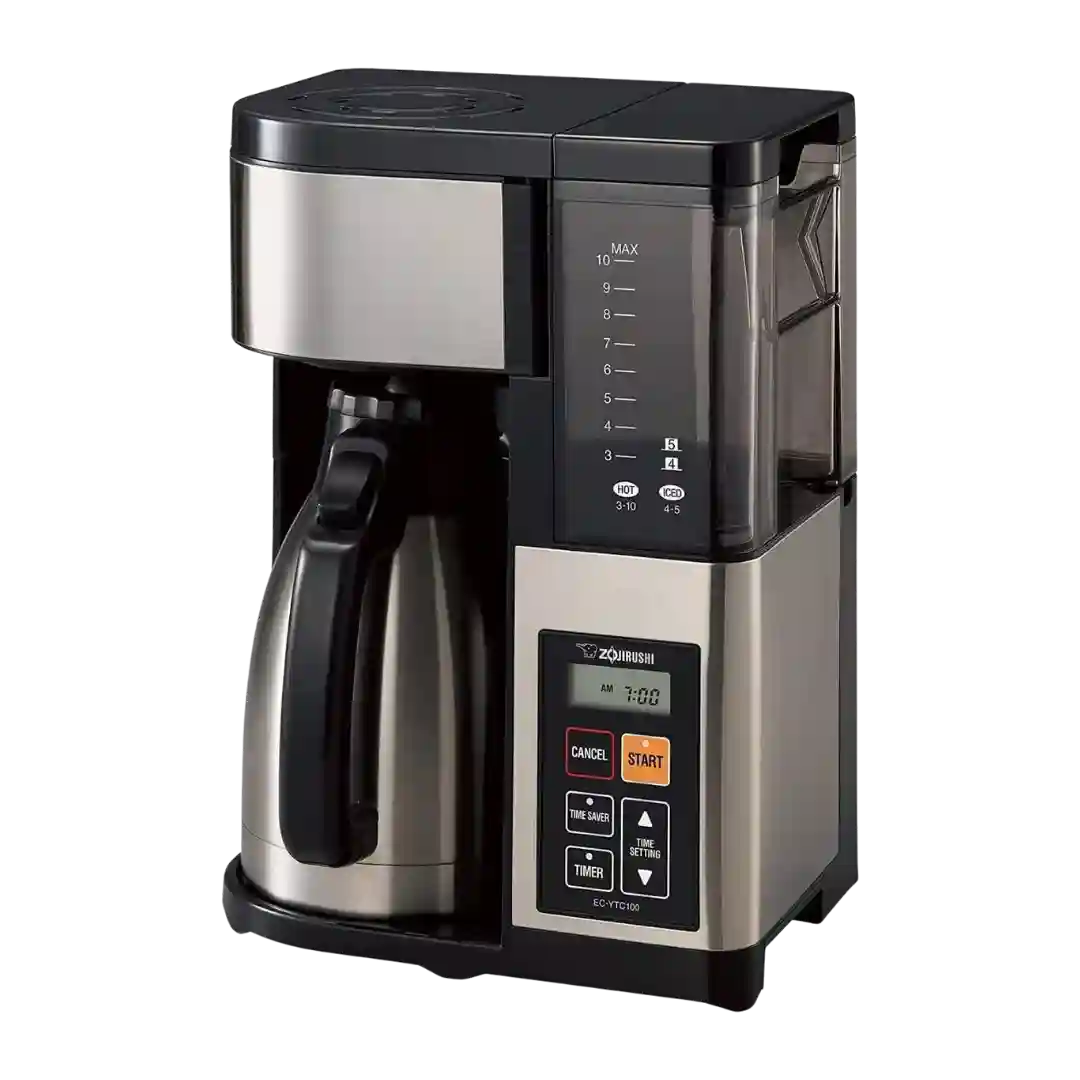
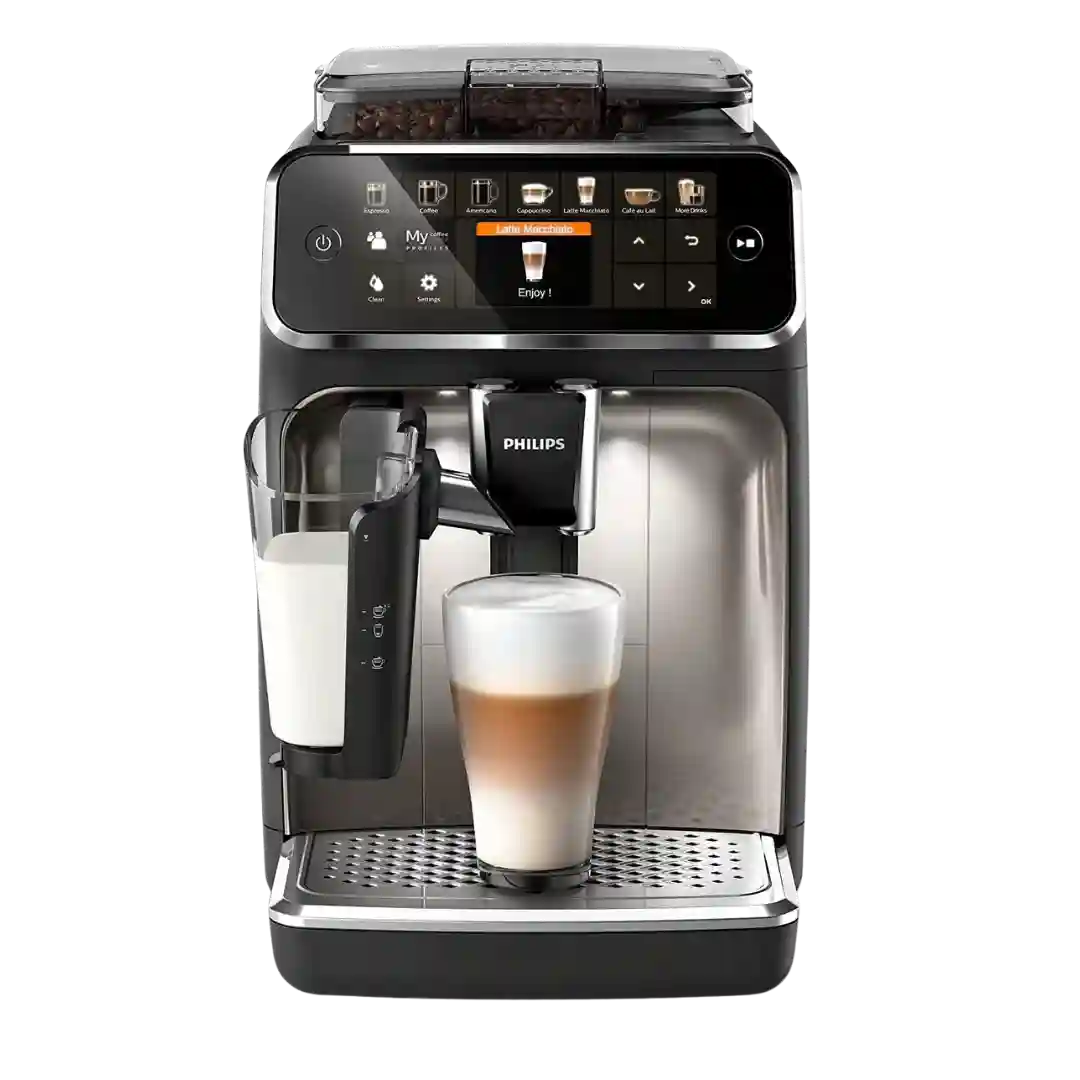
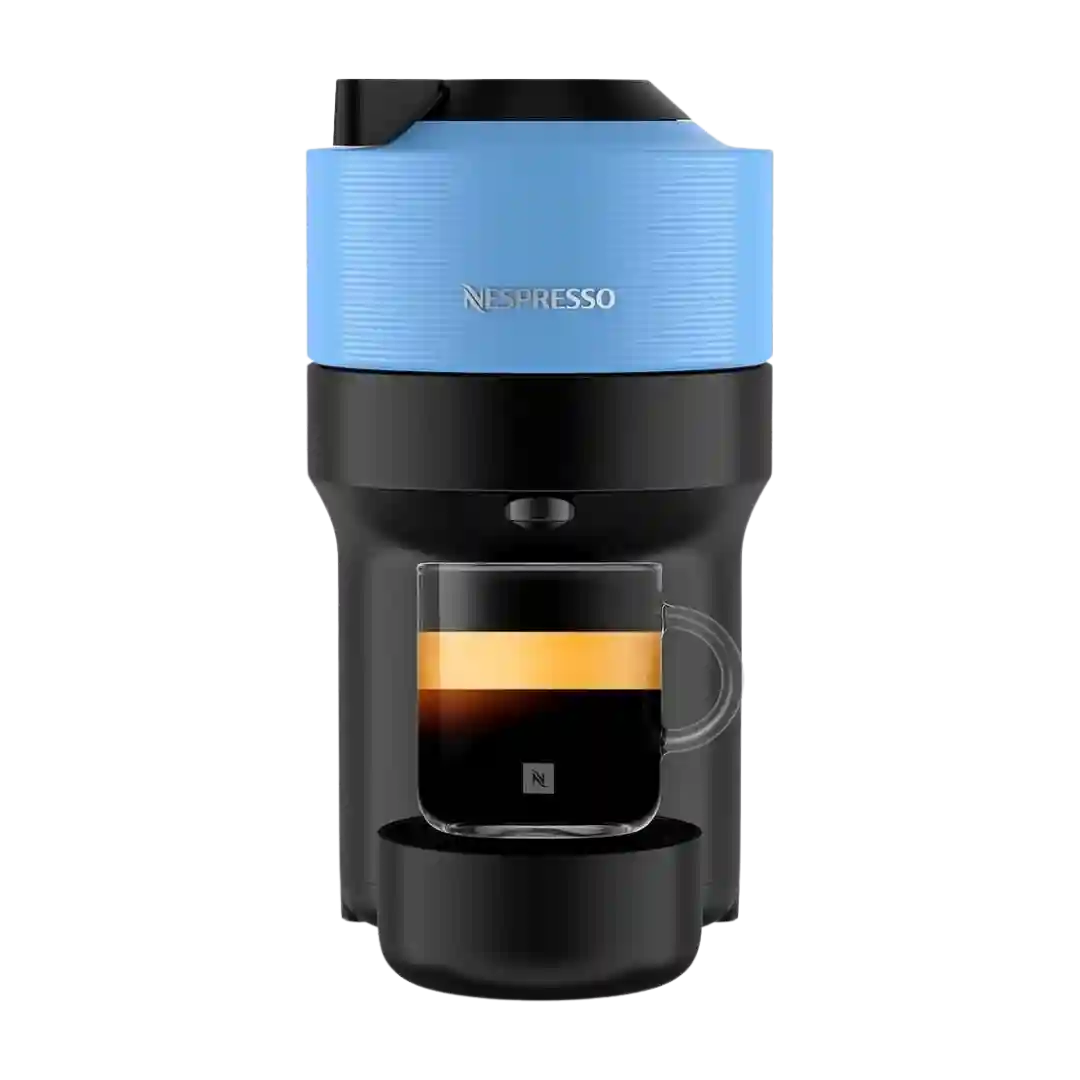
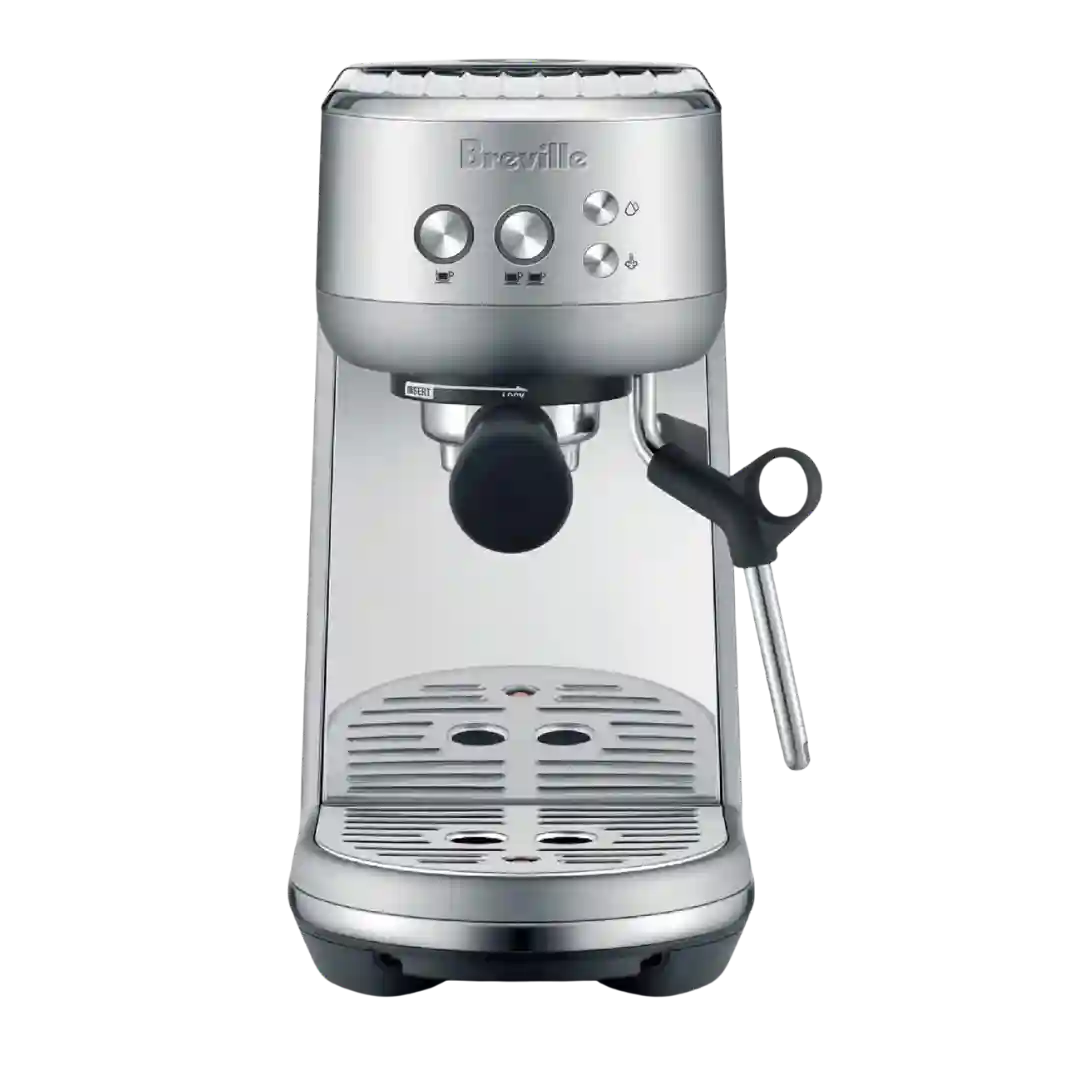
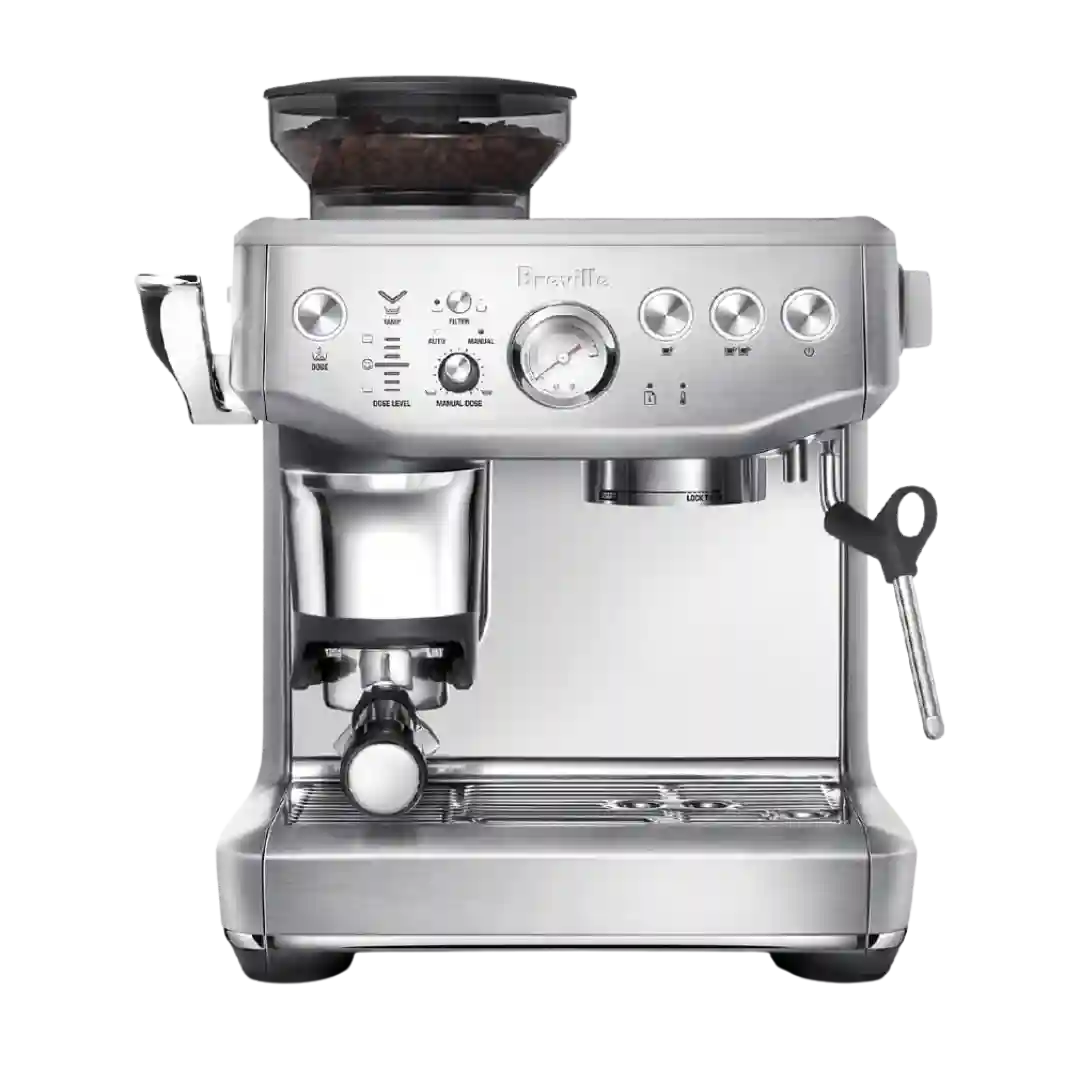
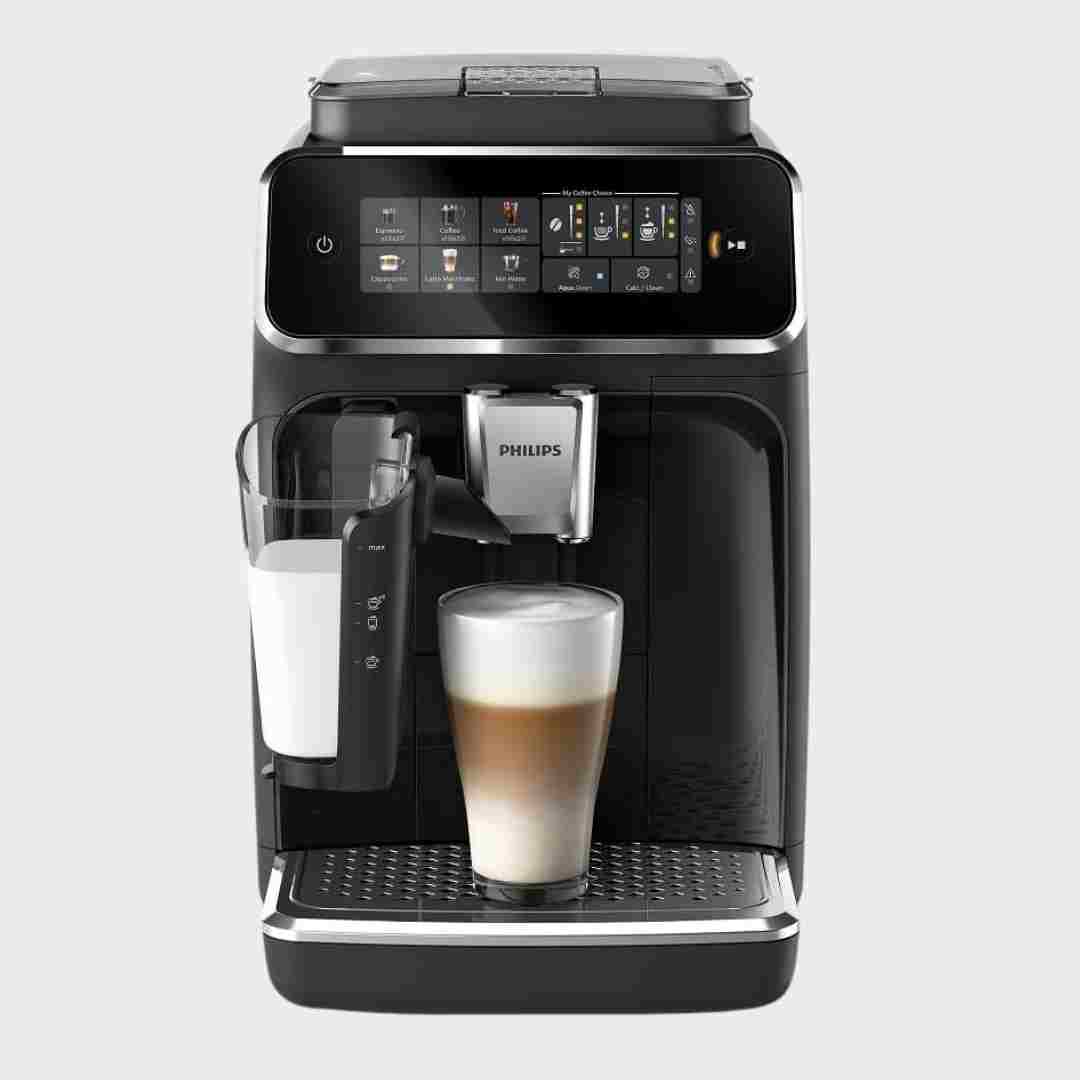
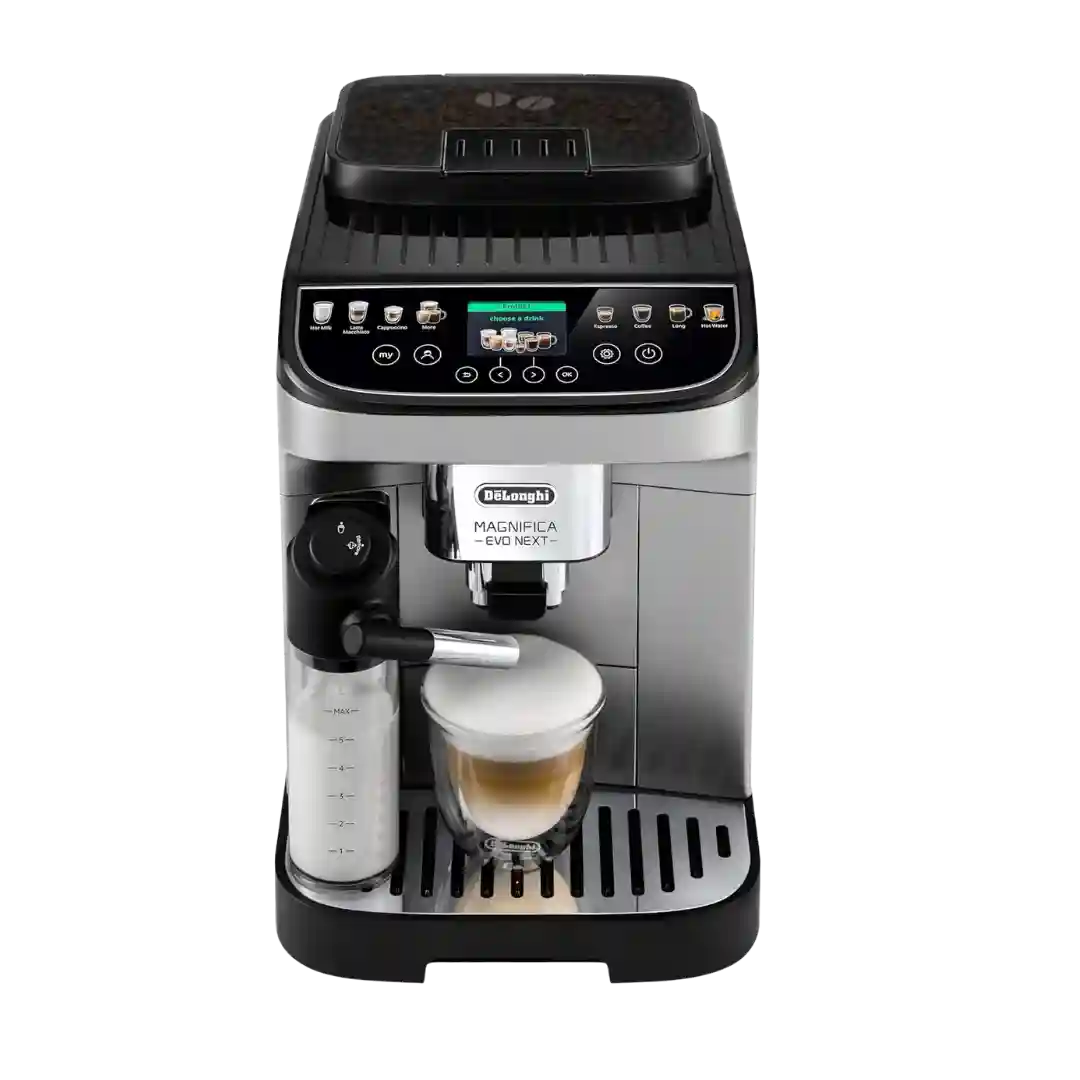
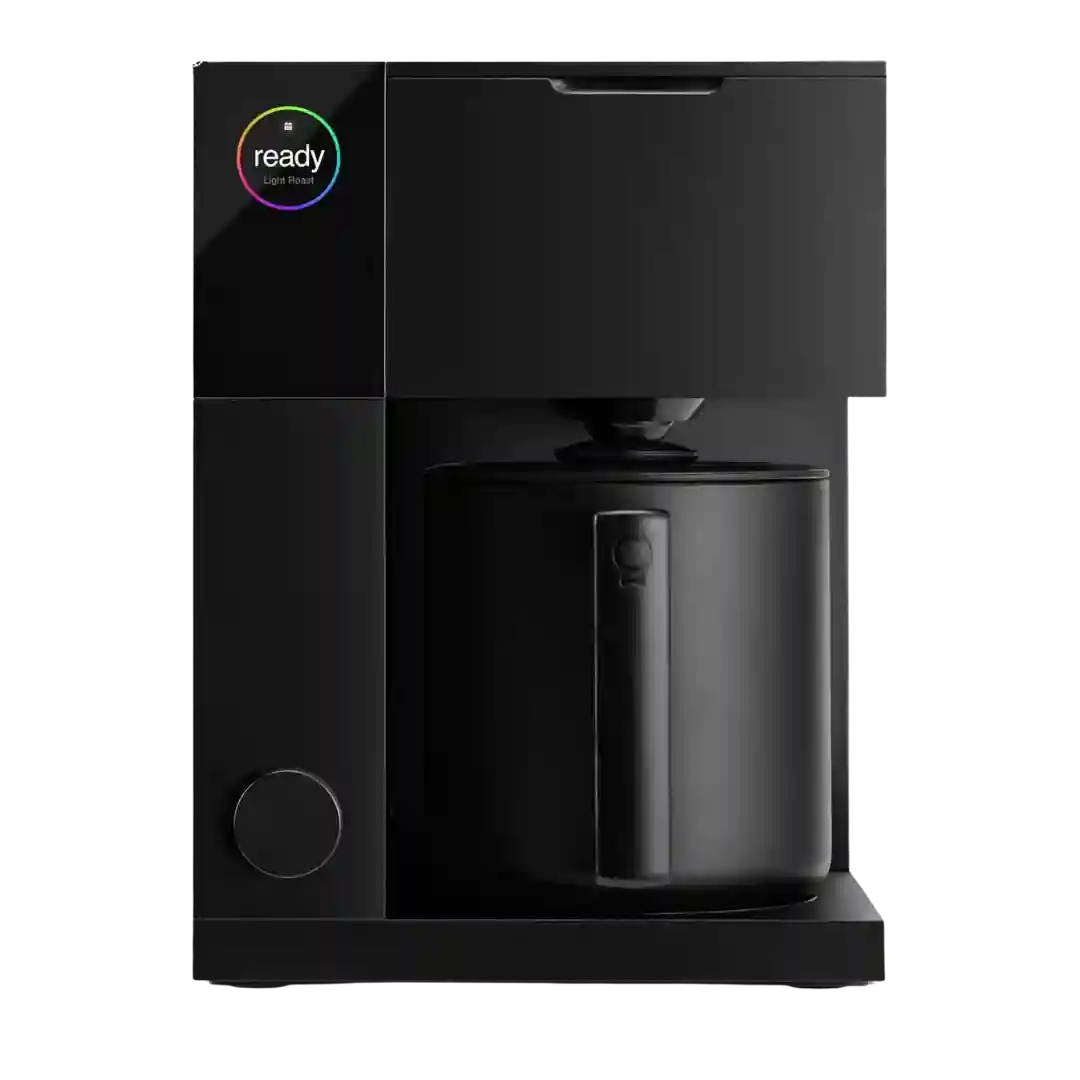
Overall user experience is described as one of the best reasons to buy: the touchscreen reduces confusion, the workflow is guided, and automated milk lowers the skill ceiling for daily lattes and cappuccinos. Multiple reviewers position it as a friendly step up from pods without the intimidation of fully manual setups.
Overall user experience trends strongly positive, with reviewers highlighting simplicity, low fuss, satisfying day-to-day use, and the convenience of getting a good cup without much effort.
Overall user experience is very positive. Most reviewers found the machine rewarding to use day to day once set up, especially if they value flexibility, though it is not as effortless as a very simple brewer.
Overall experience is strongly positive for users who want an easy, guided path to high-quality espresso. Reviewers emphasize the intuitive touchscreen, fast workflows, and reduced learning curve, while noting tradeoffs like size, price, and occasional mess or maintenance interruptions.
Overall usability is a major strength: the machine is quiet, customizable, and easy to live with, although several reviewers note it takes a little experimentation to reach peak results.
Overall experience trends very positive: the interface is intuitive, profiles make it household-friendly, and the machine feels truly hands-off. The main compromises are premium pricing and the fact that thorough automation can sometimes slow the workflow with rinse/clean prompts.
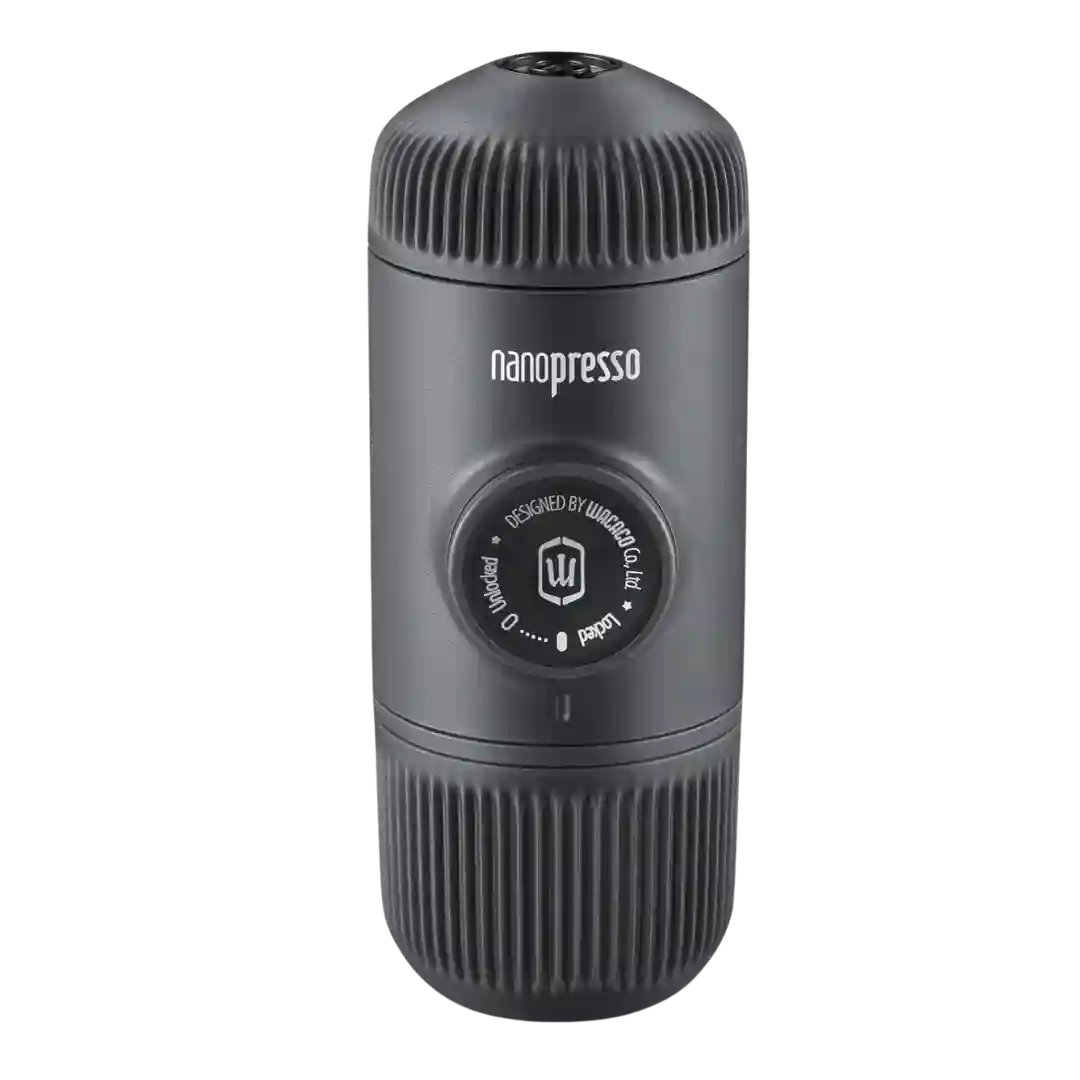
The overall experience is usually positive, especially for travel and outdoor use, with reviewers calling it convenient, enjoyable, and easy to recommend within its niche.
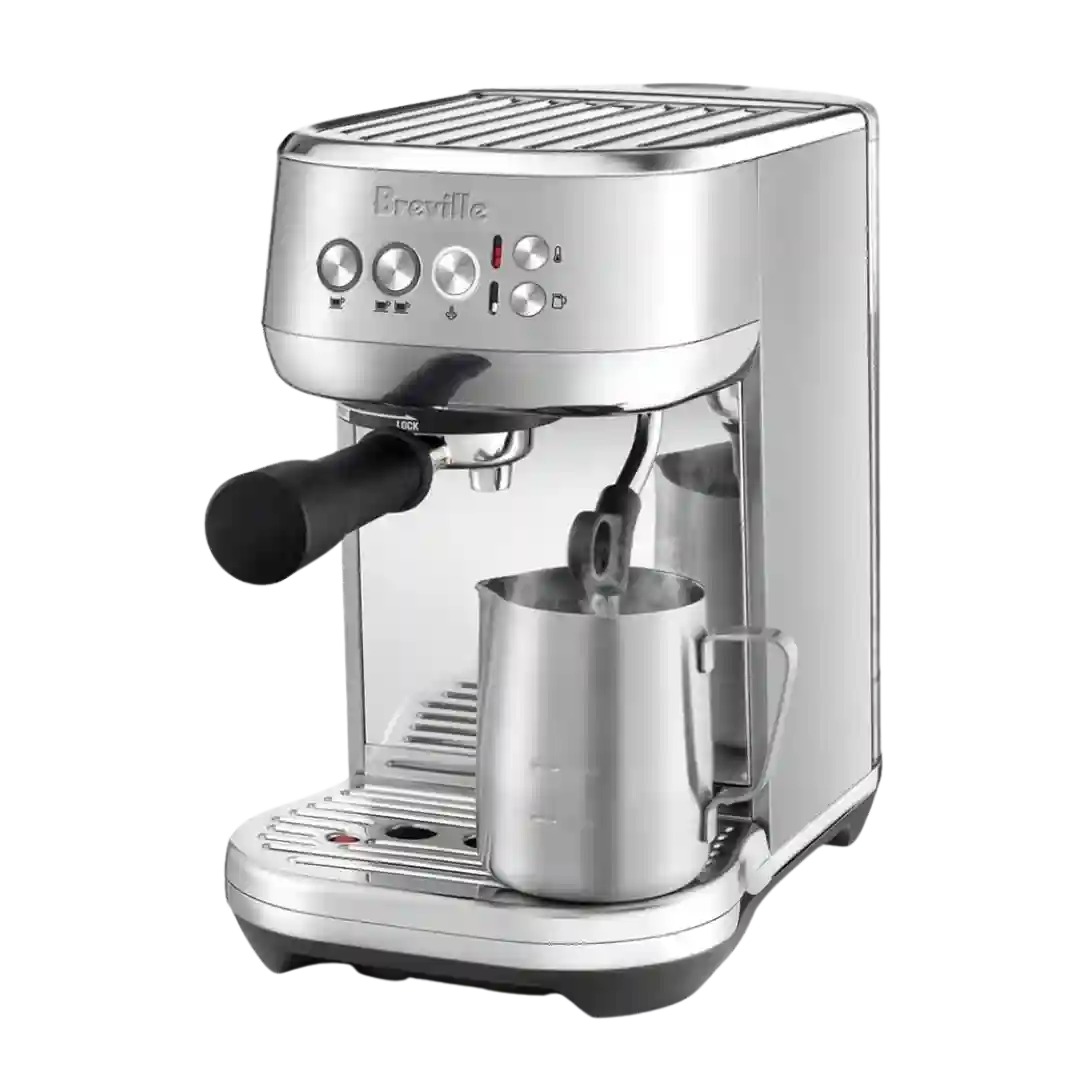
Overall experience is described as approachable and fast, with automatic steaming doing a lot of the heavy lifting for milk drinks. The main friction points are the drip tray upkeep and the need to source a grinder and, sometimes, preferred baskets.
Extremely simple one-button operation is appreciated, but lack of programmability and minor usability annoyances (basket and lid handling) reduce overall ease-of-use for some reviewers.
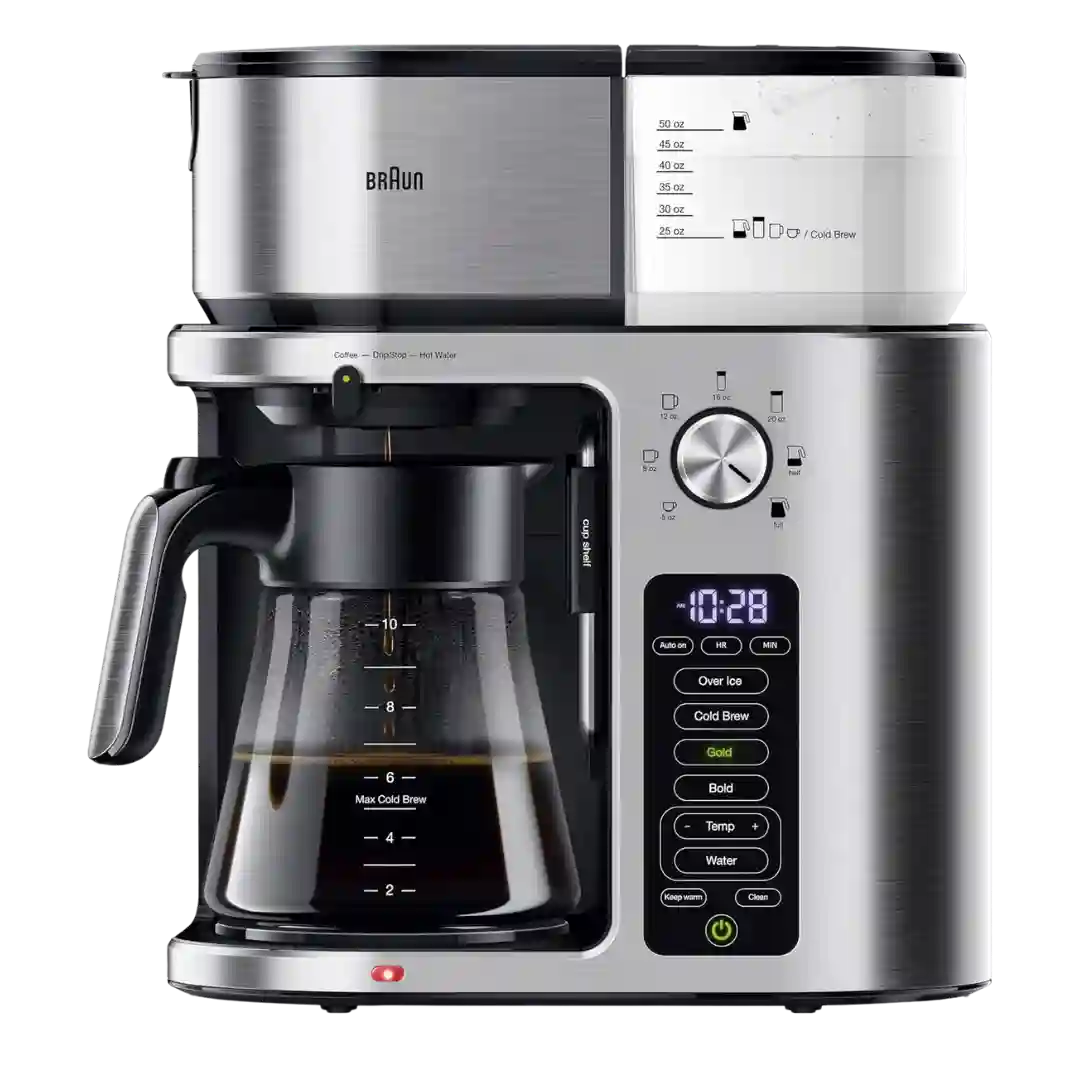
Overall usability trends positive across the set: the hands-on review calls the machine easy and convenient, Braun/SCA materials stress convenience and versatility, and the unboxing review highlights the flexible single-serve setup.
Overall, reviews describe a very approachable, one-touch experience with a responsive touchscreen, profiles, and lots of recipes. Satisfaction dips mainly around maintenance for milk drinks, occasional quirks with hopper switching, and price.
Overall experience is broadly positive: simple controls, consistent output, and easy day-to-day use are repeated themes, with some reviewers also praising quiet operation. The main tradeoff cited is missing convenience features like an auto-start timer.
The experience is widely characterized as easy and low-fuss once learned: add grounds and water, wait, then drain via lever. The biggest frictions are size, hand-washing, and the long wait time.
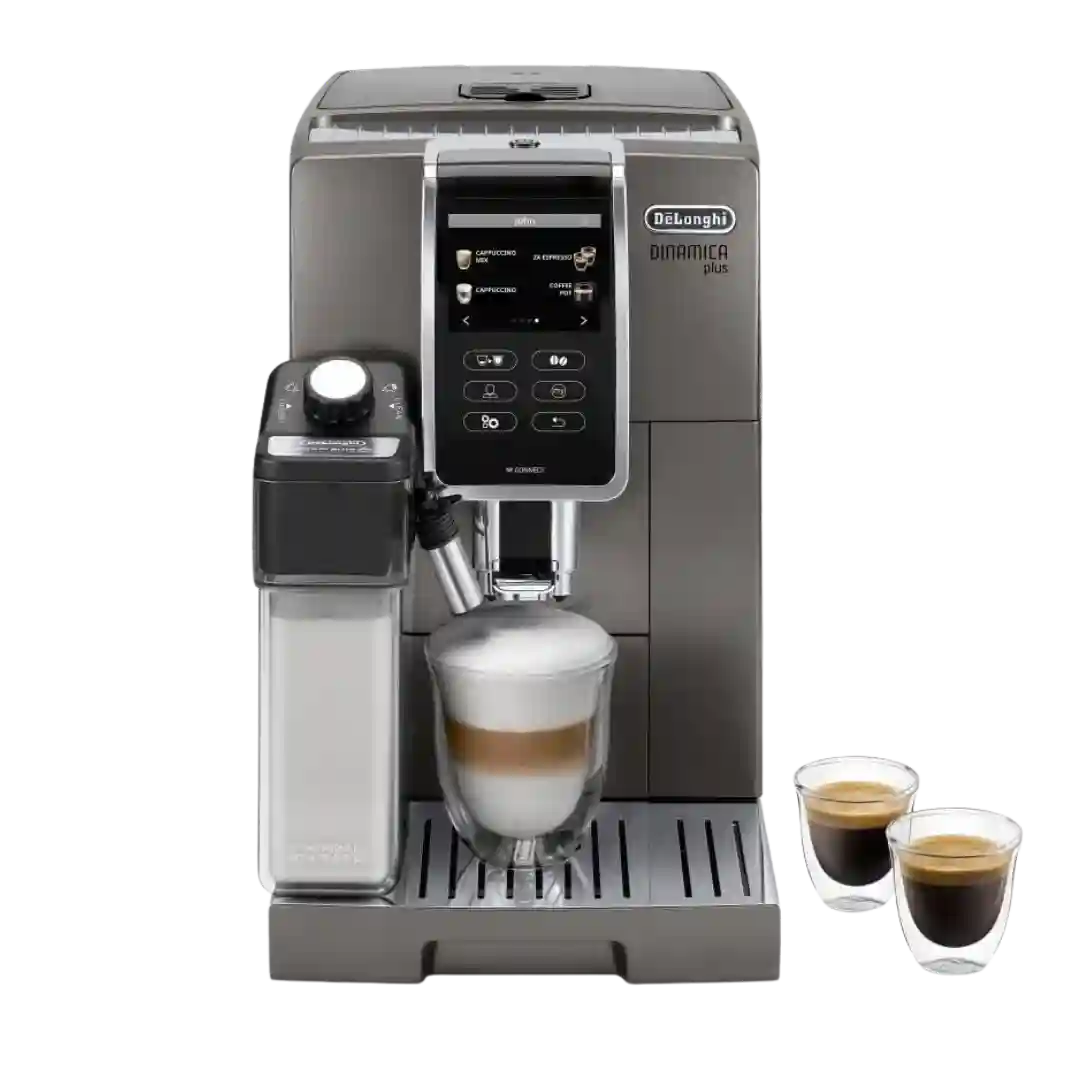
The touchscreen, drink organization, and user profiles are widely seen as the Magnifica Plus signature strengths, making daily use feel simple and customizable. Reported downsides include occasional oversensitive touch input, odd default drink sequencing (milk-first cappuccino), and a few menu gaps like no standard latte button.
Overall experience is described as highly user-friendly: a bright touchscreen, huge drink menu, and profiles make it easy for households. The biggest experience negatives are noise, size, and the uneven app experience.
Overall experience is described as easy and low-effort despite offering enthusiast-level customization. One-button brewing and helpful presets are praised, with the main tradeoff being menu depth for those who want to fine-tune profiles.
Overall experience trends strongly positive: easy brewing, premium feel, and noticeably cleaner-tasting French press coffee are frequent themes. The most consistent tradeoffs are premium price, more parts to clean, and occasional residual fines or chaff.
Overall experience trends positive: intuitive touchscreen, strong guidance, and an approachable path to good espresso and milk drinks. A minority view finds the interface restrictive, especially around timeouts and limited manual control during certain steps.
Day-to-day use is widely described as simple and satisfying thanks to the touchscreen and presets; the biggest friction points are app reliability (for some) and the need to experiment with settings for best taste.
Overall experience is generally polished: an extensive menu, smooth workflow, and strong results with little effort are recurring themes (426, 4057, 14546). Downsides are mostly cognitive load and app/UI quirks, where at least one user felt overwhelmed and another disliked touchscreen behavior (3949, 4055).
Overall experience is commonly described as dead simple, quiet, and reliable, with a pleasing and repeatable workflow. The main user-experience downsides are the lack of programmability and the need for hands-on filling/cleaning due to a fixed tank and hand-wash parts.
Across reviews, the Mio is described as enjoyable, low-effort once learned, and easy to recommend to the right buyer. Even reviewers who mention flaws still portray the overall experience positively.
Most reviewers find day-to-day use pleasant once the dosing workflow clicks: the display is helpful, the machine is relatively quiet, and results are repeatable. The experience is dragged down mainly by size, price, and carafe pour quirks.
Overall user experience is excellent for people who enjoy the ritual of espresso and weaker for people who want convenience. Most reviewers love the compactness, quality, and reward of good shots, but many also stress the learning curve, manual effort, and mess.
Overall experience is typically positive: simple controls, repeatable drinks, and guided maintenance make it approachable. The most common frustrations are frequent refills/emptying and the absence of modern smart features for the price.
Overall experience is generally high once the machine is calibrated: users like the convenience, clear display, and consistent results. The tradeoff is that it can feel finicky at first and requires regular cleaning to stay running smoothly.
Overall sentiment is favorable for people who want hot, ready-on-schedule drip coffee with minimal fuss. The main factors that can drag the experience down are carafe ergonomics (weight, splatter) and occasional filling/pouring mess.
Overall experience is usually described as simple, fast, and satisfying for daily coffee, especially for users who just want excellent drip results with minimal fuss. The main friction points are the premium price and the deliberate absence of convenience features like timers, reminders, or app control.
Overall usability is rated positively: intuitive buttons, clear display, and helpful features like Sneak-a-Cup pause and freshness timing. Minor friction points include the fixed reservoir for some users and the carafe pour mechanism.
Overall, reviewers emphasize ease of use, fast routine drinks, and a satisfying at-home cafe experience. The experience can be held back by entry-level accessories, limited enthusiast control, and the need to stay on top of cleaning steps.
Overall experience is described as simple and beginner-friendly with clear drink icons and low daily effort. The main quality-of-life downsides called out are grinder noise and occasional control/button quirks.
Overall sentiment is positive: reviewers like the combination of big capacity, scheduling, and practical features that make daily coffee easy. The main detractors are the busy control panel and the compromises of a glass carafe on a hot plate versus a thermal system.
Overall experience is typically framed as user-friendly and feature-rich, especially for the price. Minor frustrations cluster around learning the water-fill behavior, beeps, and small cleanup or lid quirks.
The core experience is widely praised as quick, simple, and low-mess, with the main drawbacks being limited customization, occasional confusing button-light logic, and practical constraints like tank size and mug fit.
Overall experience trends positive: reviewers call it beginner-friendly, fast, and capable of real espresso growth as our skills improve. The most common friction points are messier puck release, lightweight feel, and limited customization compared with pricier machines.
Overall sentiment is that the machine feels coached and approachable, helping most people make better espresso with fewer frustrating steps. The dissenting view is that the guidance cannot fully compensate for temperature stability or grinder limits if we chase very tight consistency.
Once dialed in, owners and testers frequently describe a low-effort, high-reward routine: prep the night before, wake to coffee, and rely on clear indicators. The biggest user-experience costs are cleaning, counter-space demands, and the initial learning curve for controls and ratio.
Most reviewers agree it is easy to run and friendly for multiple users, but satisfaction drops sharply for anyone prioritizing hot espresso, deeper tuning, or top-tier value.
Day-to-day use is generally easy and quiet, with a simple workflow once you learn the icons. The main tradeoffs are limited control over strength/temperature and the need for occasional trial-and-error on coffee dosing.
Overall experience trends positive thanks to hot, tasty coffee and useful programmability, tempered by cabinet-height constraints and mixed reports on mess-free pouring.
Overall experience trends positive for beginners and casual home users: quick warmup, approachable controls, and repeatable results once dialed in. Enthusiasts may feel constrained by the machine’s upgrade needs and the limits of the stock baskets and steam setup.
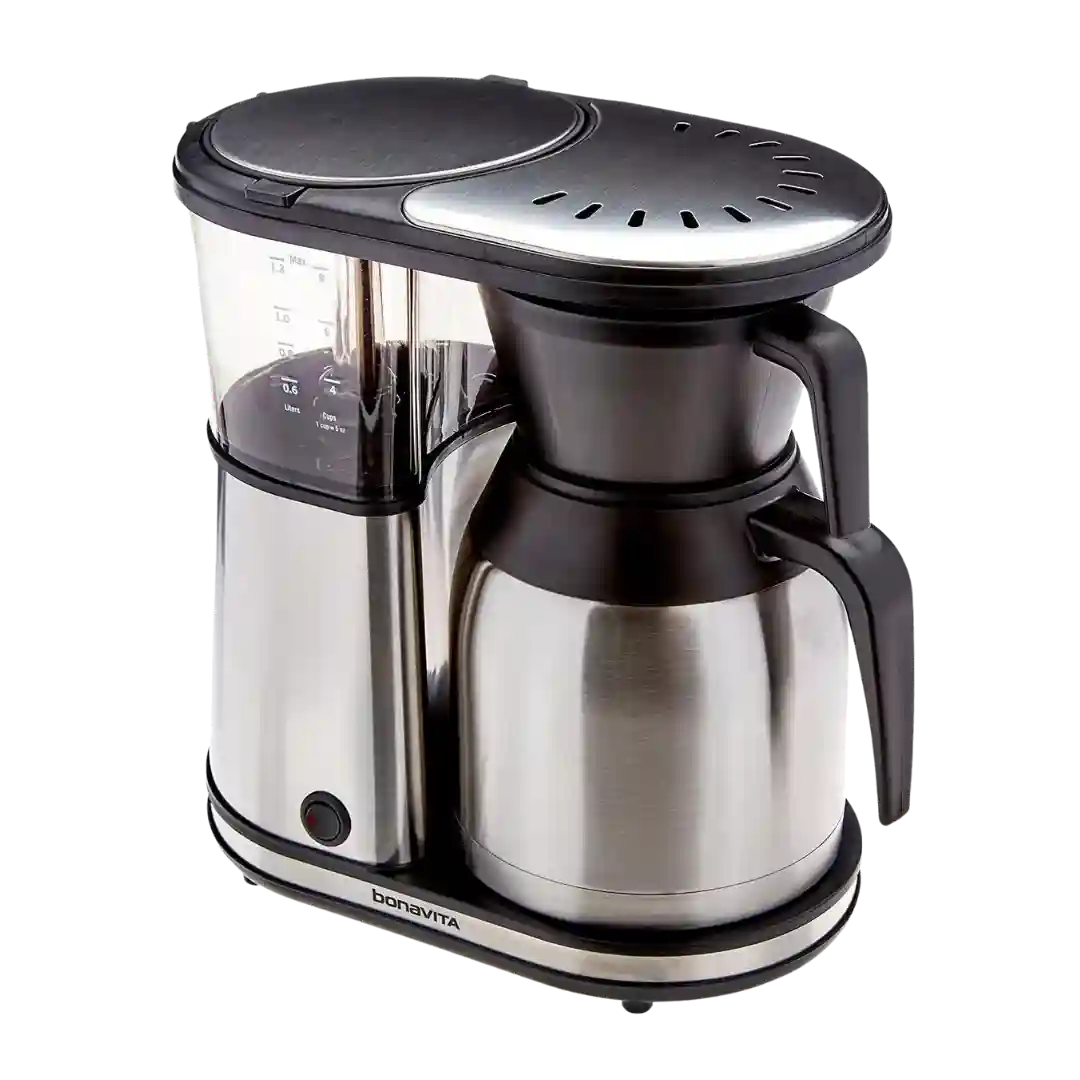
Overall, the user experience is framed as frustration-free for mornings: one switch, compact parts, and consistently good results when you follow dosing guidance. The tradeoffs that shape day-to-day satisfaction are the hot plate, the lack of programming/alerts, and a couple of handling quirks.
Overall experience is described as simple and beginner-friendly, helped by large/rubberized buttons and easy programming. Minor usability knocks include a dimmer clock, lack of an end-of-brew beep, and exterior areas that take more effort to keep spotless.
Overall experience trends positive for people who want push-button drinks, with reviewers praising convenience, clear prompts, and household-friendly profiles. The main friction points are learning curve for first-time super-automatic owners, noise, and interface quirks that can lead to accidental inputs or extra steps.
Overall experience is strong once a preferred profile is set, with guided mode helping beginners and advanced mode satisfying tinkerers. The main friction comes from software maturity, menu navigation, and a few workflow edge cases like water level and carafe requirements.