Best for Power options (battery)
Arlo Pro 5s Spotlight Security Camera
4.6 feature score
Highest scored product for this feature based on supporting review evidence.
Highest scored product for this feature based on supporting review evidence.
Balances feature score, supporting reviews, and overall product strength.
Has the broadest review evidence for this feature.
Strongest overall product among items with scored evidence for this feature.
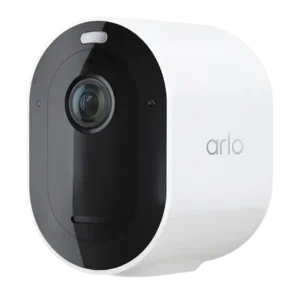
The removable rechargeable battery design is widely seen as convenient, enabling swaps or off-camera charging, though charging logistics depend on mounting height and accessory choices.
Pros: Event recording reliability, Field of view
Cons: Customer support responsiveness, HomeKit integration
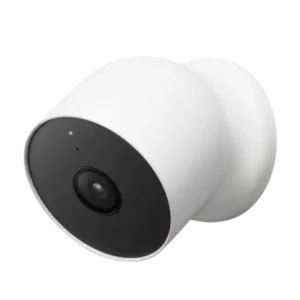
Being battery powered allows placement without running power, and multiple reviews note the option to hardwire it with a weatherproof cable for constant power and added features.
Pros: Frame rate, On-device processing (AI)
Cons: HomeKit integration, IFTTT/automation compatibility
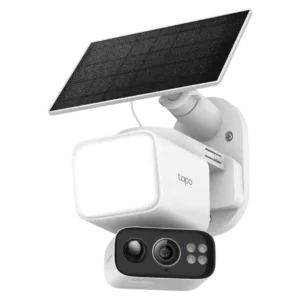
Battery power is central to the product: reviewers cite the 10,400mAh rechargeable battery, USB-C charging, and use without household wiring.
Pros: Articulation range, Power options (solar panel)
Cons: Optical zoom performance, Continuous recording capability
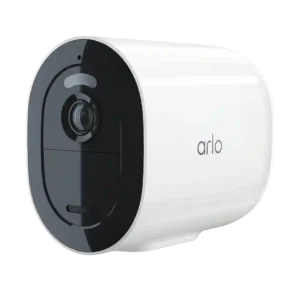
The rechargeable battery is a major selling point, and several reviews emphasize it is removable, enabling swaps in theory. Some users still find battery handling inconvenient because charging often requires...
Pros: Notification management, Connectivity options
Cons: HomeKit integration, Replacement part availability
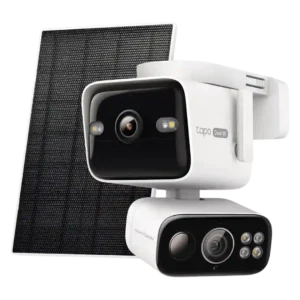
Battery power is well supported by the 10,000 mAh battery and reported standby-life claims.
Pros: Low-light performance, Event recording reliability
Cons: Customer support responsiveness, Echo/noise cancellation
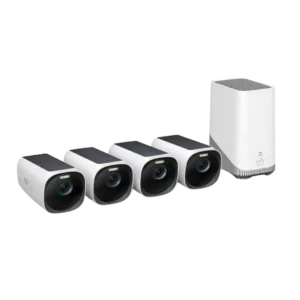
Battery power is viewed as strong (often cited around a year per charge without solar), with USB-C top-ups available if sunlight is insufficient.
Pros: Weather resistance rating (IP code), Articulation range
Cons: HomeKit integration, IFTTT/automation compatibility
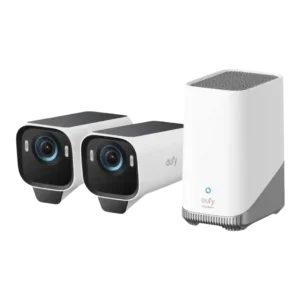
The large internal battery is repeatedly cited as key to low-maintenance use, especially paired with solar trickle charging and adjustable power modes.
Pros: Weather resistance rating (IP code), Recording start-time lag
Cons: Cloud storage plan value, Frame rate
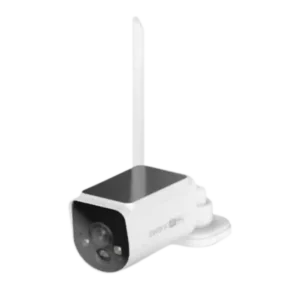
Power can come from the built-in battery and USB-C charging, with battery endurance heavily influenced by detection sensitivity and scene activity; placement and charging habits matter as much as raw...
Pros: Durability, Weather resistance rating (IP code)
Cons: Continuous recording capability, Smart-home integration (Alexa
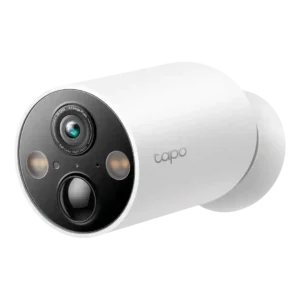
A large built-in battery enables long runtimes without wiring, but real-world longevity depends heavily on traffic, settings, and spotlight use. Recharging usually means taking the camera down, which the magnetic...
Pros: Installation ease, Power options (solar panel)
Cons: HomeKit integration, Dual-band (2.4/5GHz) performance
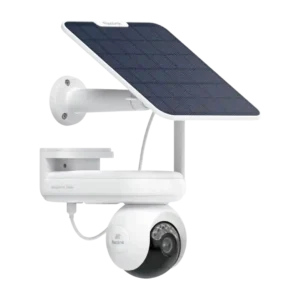
Power is primarily battery-based with USB-C charging and optional solar; several reviewers note there is no always-on wired power option. The huge battery enables unique recording modes, but also contributes...
Pros: Articulation range, Video resolution &
Cons: HomeKit integration, IFTTT/automation compatibility
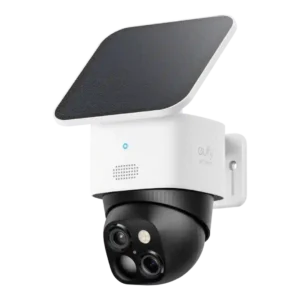
Battery operation is viewed as practical for wire-free placement, with many citing roughly months of use depending on activity and settings.
Pros: Dual-camera design, Power options (solar panel)
Cons: HomeKit integration, IFTTT/automation compatibility
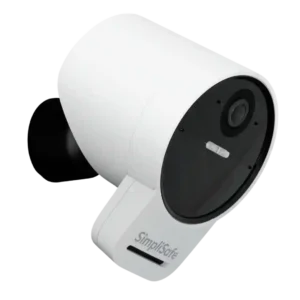
Battery use is a major convenience, with multi-month estimates commonly cited depending on activity. Some higher-end monitoring features are still tied to being plugged in, so battery is best for...
Pros: Notification speed, Echo/noise cancellation
Cons: HomeKit integration, IFTTT/automation compatibility
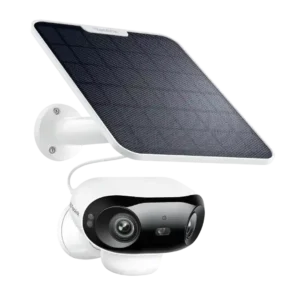
The built-in battery enables easy placement but can drain quickly with heavy traffic, long spotlight use, or poor solar exposure. Some reviews mention quick top-ups via USB, but charging can...
Pros: Dual-band (2.4/5GHz) performance, Connectivity options
Cons: HomeKit integration, Continuous recording capability
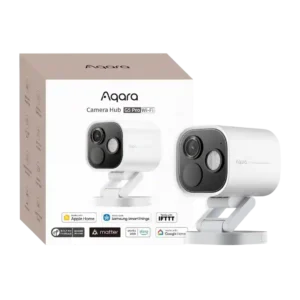
Reviewers repeatedly note there is no battery; the camera requires wired power (USB-C for Wi-Fi model or Ethernet/USB-C for PoE model), limiting placement options.
Pros: Connectivity options, PoE
Cons: Power options (solar panel), Power options (battery
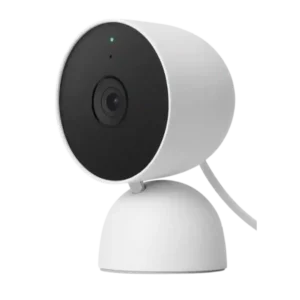
Power is plug-in only, with no battery mode, which simplifies maintenance but limits placement and eliminates backup during outages.
Pros: Size and footprint, On-device processing (AI)
Cons: PTZ (pan/tilt/zoom) control responsiveness, HomeKit integration