Best for Pre-event recording length
TP-Link Tapo ColorPro C325WB Outdoor Camera
4.5 feature score
Highest scored product for this feature based on supporting review evidence.
Highest scored product for this feature based on supporting review evidence.
Balances feature score, supporting reviews, and overall product strength.
Has the broadest review evidence for this feature.
Strongest overall product among items with scored evidence for this feature.
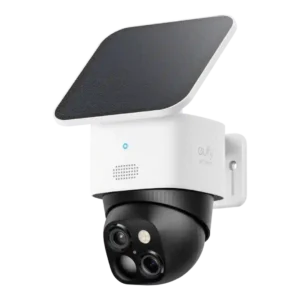
Pre-event capture is a plus in the review that mentions it, showing a second or two before motion begins.
Pros: Cloud storage plan value, Power options (solar panel)
Cons: HomeKit integration, IFTTT/automation compatibility
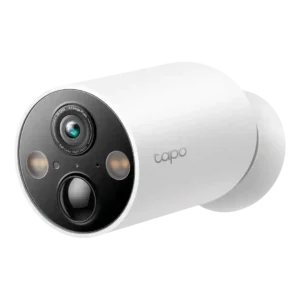
One reviewer praised the extra seconds of footage before the key action as useful for understanding events.
Pros: Power options (solar panel), On-device features
Cons: PTZ (pan/tilt/zoom) control responsiveness, Continuous recording capability
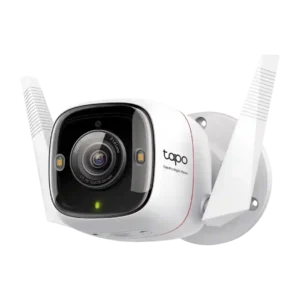
Pre-event recording evidence was positive, with one reviewer noting footage captured a few seconds before motion was picked up.
Pros: Detection range, On-device features
Cons: HomeKit integration, PoE
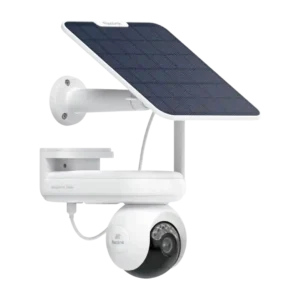
The 10-second pre-event recording was widely valued because it helps capture the beginning of motion events, though it increases power use.
Pros: Recording start-time lag, Smart home accessory compatibility
Cons: Optical zoom performance, HomeKit integration
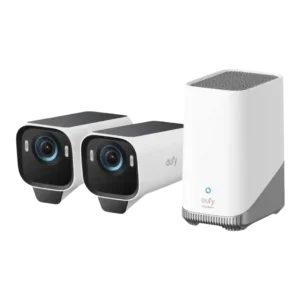
The wired-mode pre-recording feature was valued because clips started four seconds before motion was detected.
Pros: Low-light performance, Color accuracy
Cons: Speaker volume, Frame rate
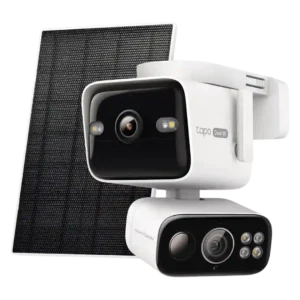
Pre-event coverage was praised because continuous capture reduced the chance of missing the beginning of events.
Pros: Low-light performance, Floodlight brightness
Cons: HomeKit integration, Echo/noise cancellation
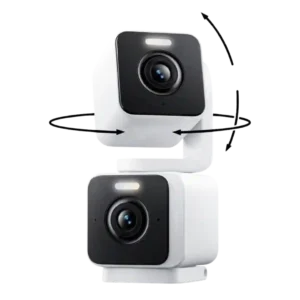
Continuous SD recording helped preserve context before and after events, improving practical pre-event visibility.
Pros: Installation and Mounting, Articulation range
Cons: ONVIF/RTSP support, Connectivity options
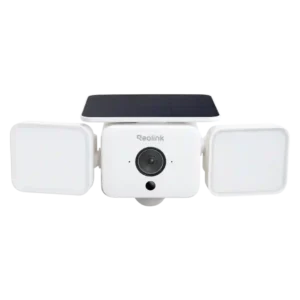
Motion capture begins early enough in the tested setup to avoid losing the subject before the recording starts.
Pros: Field of view, Customizable motion zones
Cons: Continuous recording capability, ONVIF/RTSP support
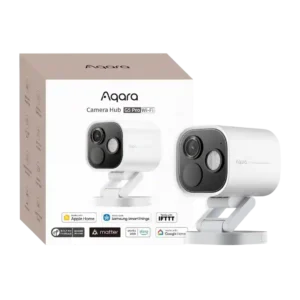
Pre-event capture was mixed: one reviewer criticized the lack of pre-roll, while another said continuous NVR recording can avoid missed moments.
Pros: Durability, Low-light performance
Cons: Power options (solar panel), PTZ (pan/tilt/zoom) control responsiveness
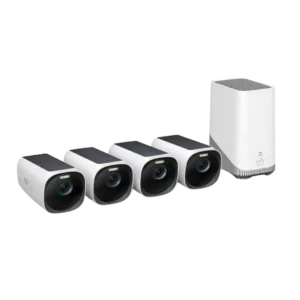
Pre-event capture is limited because motion activation can omit the first couple of seconds before the camera starts recording.
Pros: Cloud storage plan value, Weather resistance rating (IP code)
Cons: Recording start-time lag, Pre-event recording length
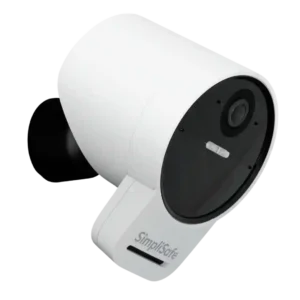
One YouTuber criticized SimpliSafe for lacking pre-recording behavior found in other cameras.
Pros: Weather resistance rating (IP code), System scalability
Cons: Pre-event recording length, HomeKit integration