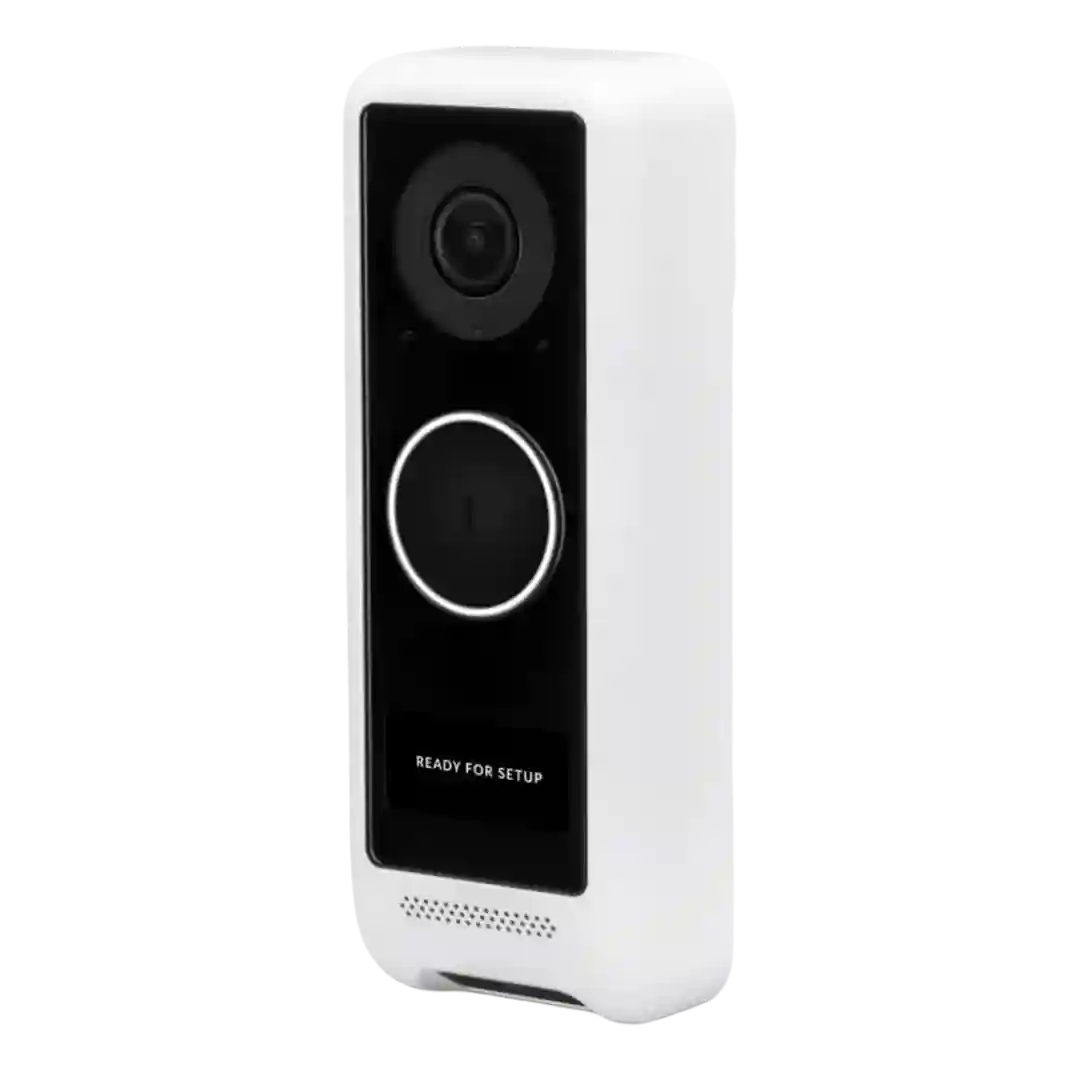
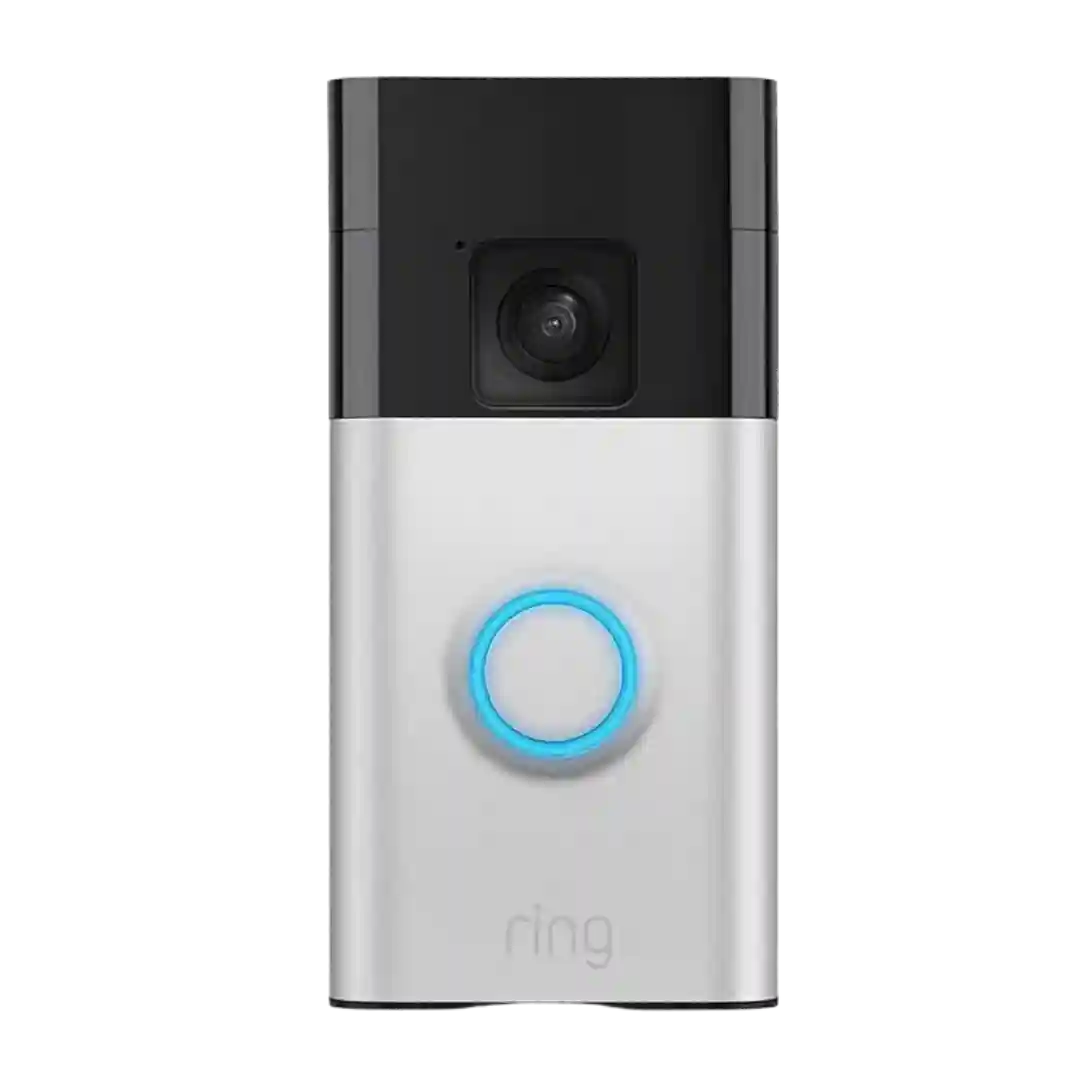
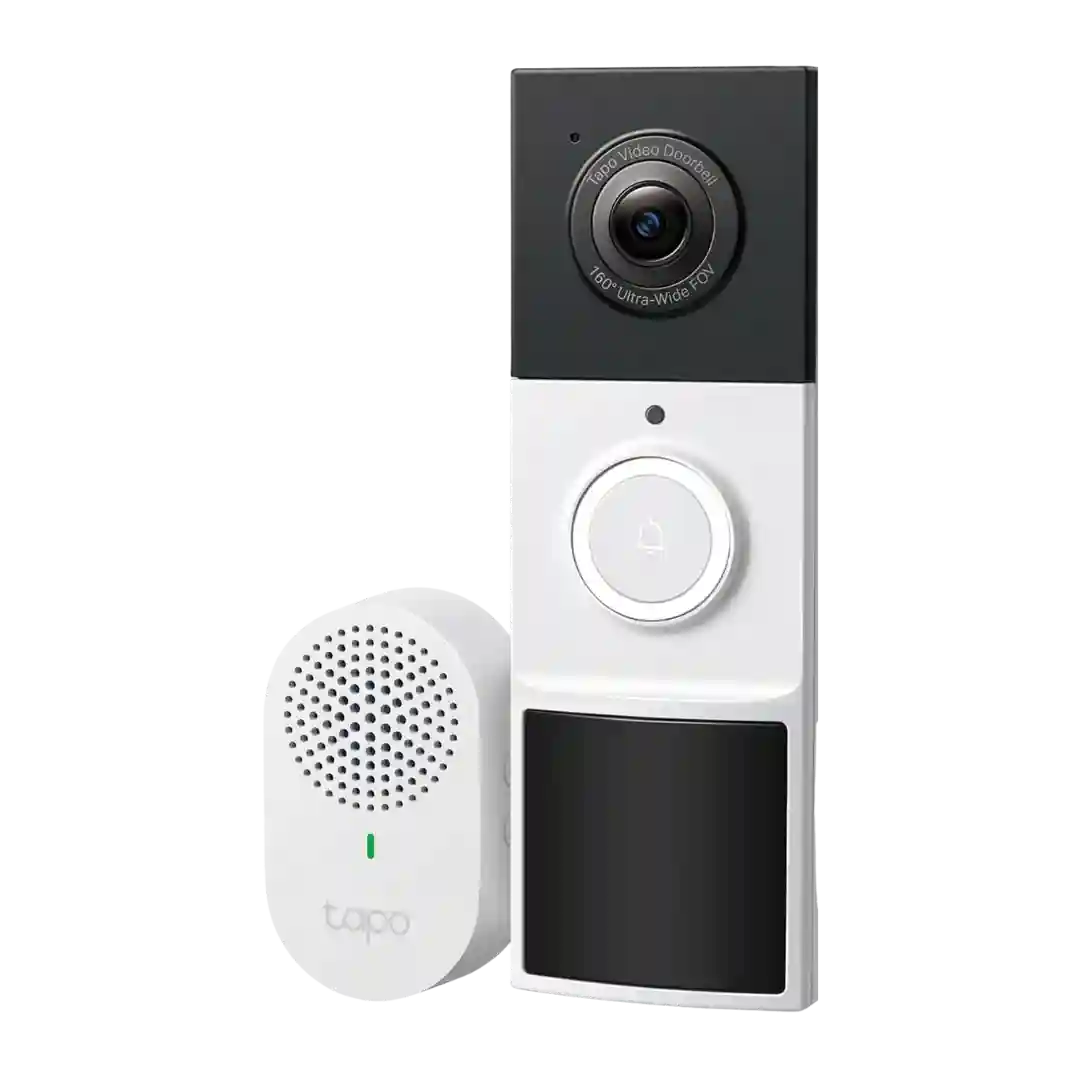
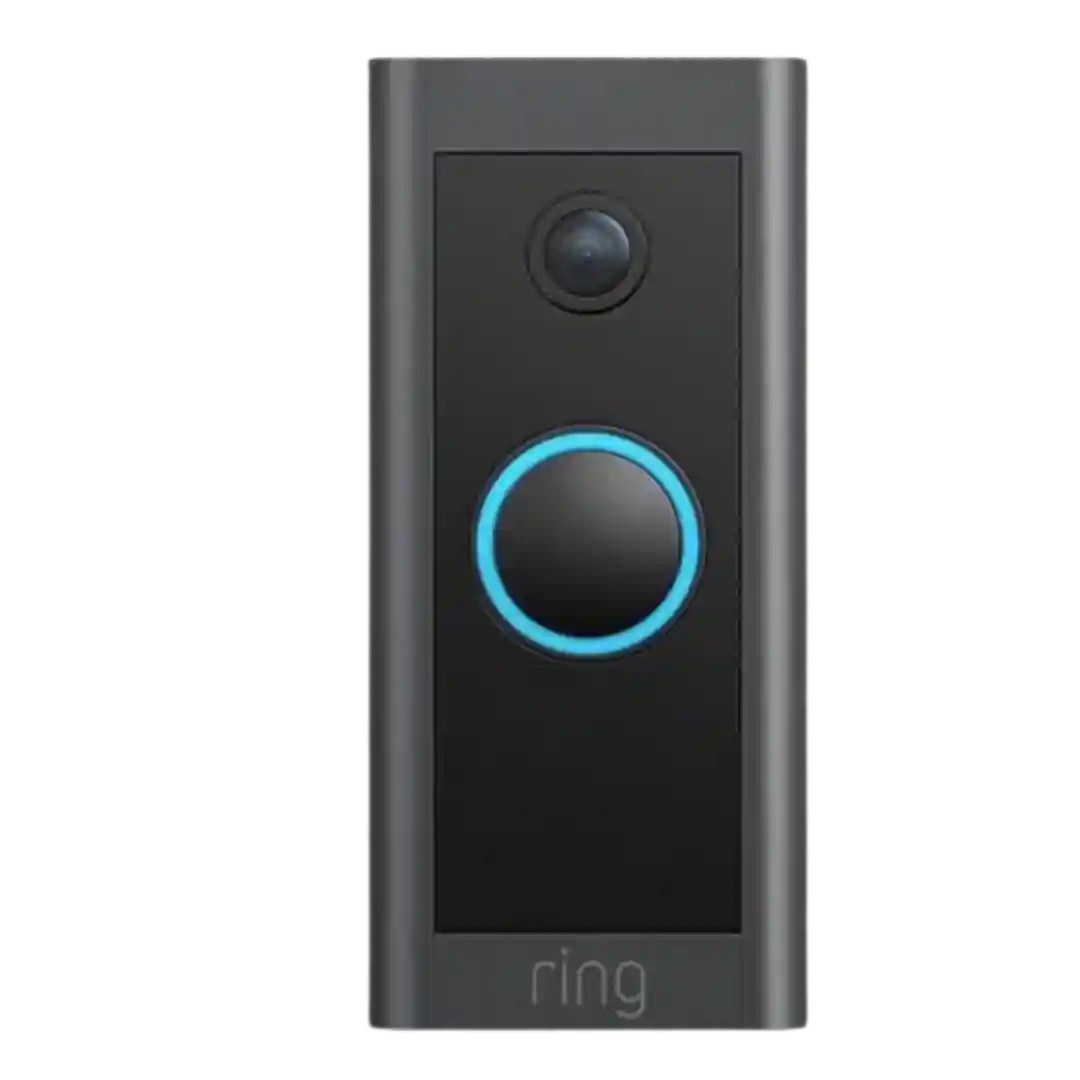
Security ecosystem integration is consistently framed as excellent within UniFi Protect, including treating the doorbell like any other camera and optionally displaying it on UniFi Viewport. The product is repeatedly recommended mainly for people already building a UniFi camera stack.
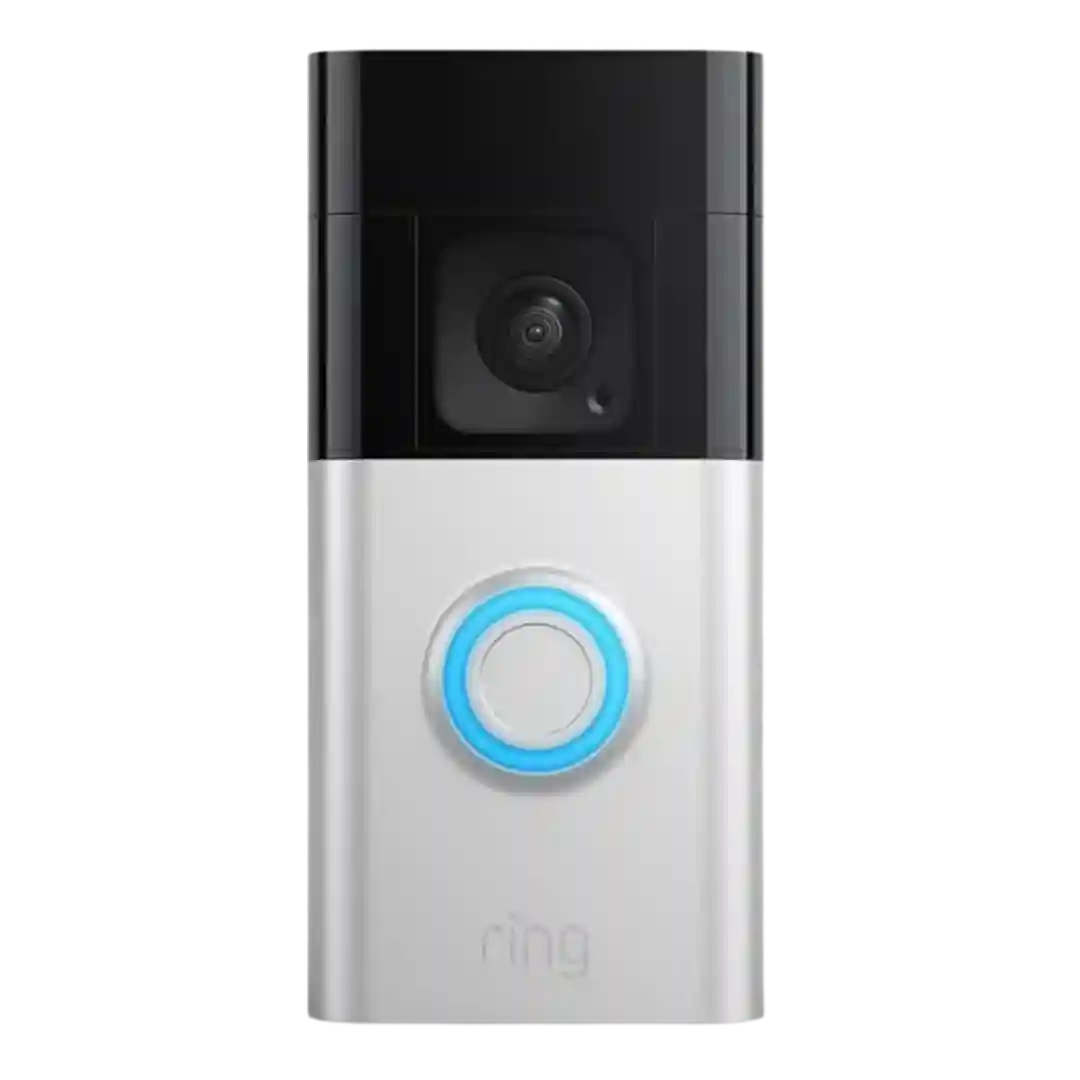
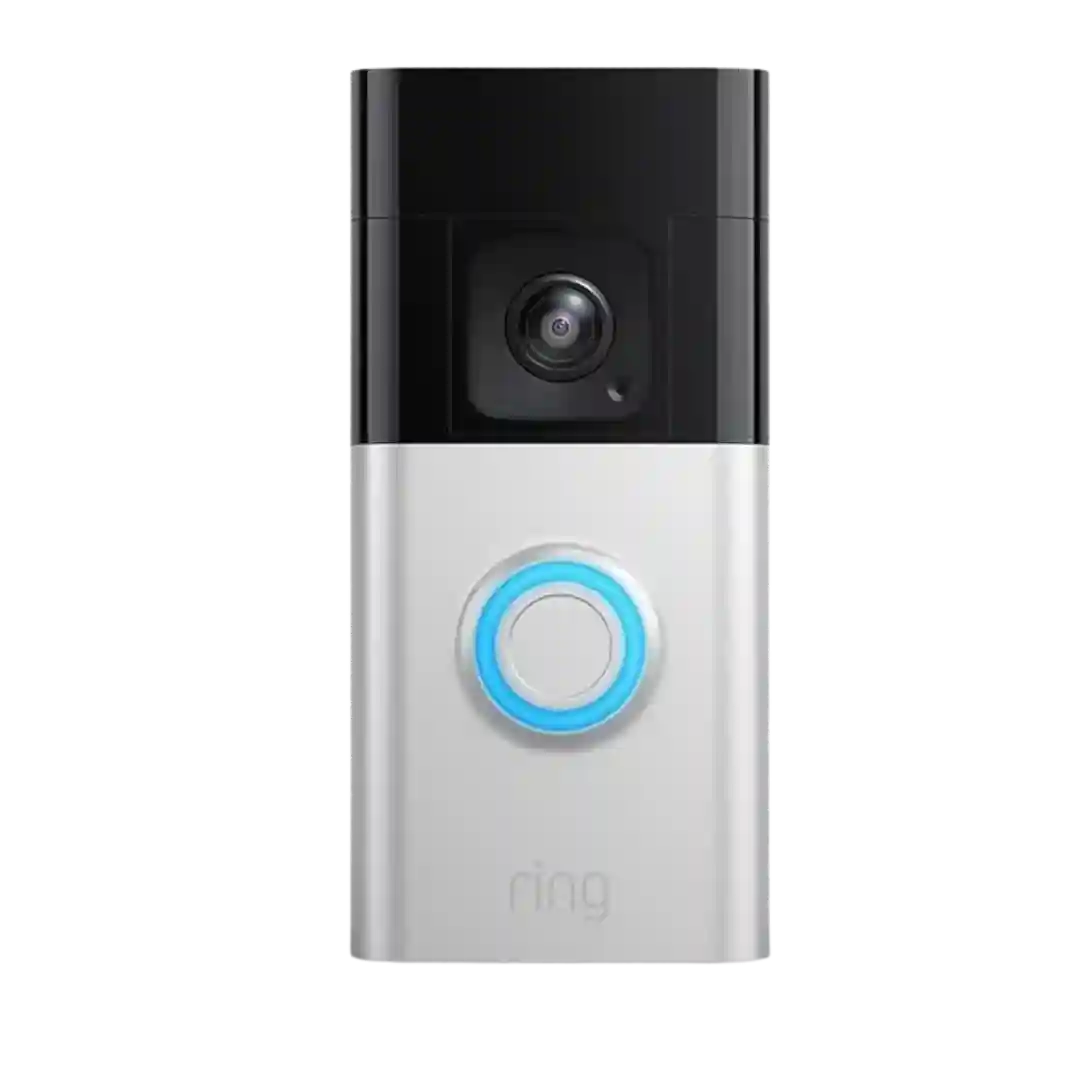
Ecosystem integration is a recurring strength: linking to other Ring cameras, Ring Alarm, and Amazon smart displays enables multi-angle capture and quicker awareness, especially when paired with routines and linked devices.
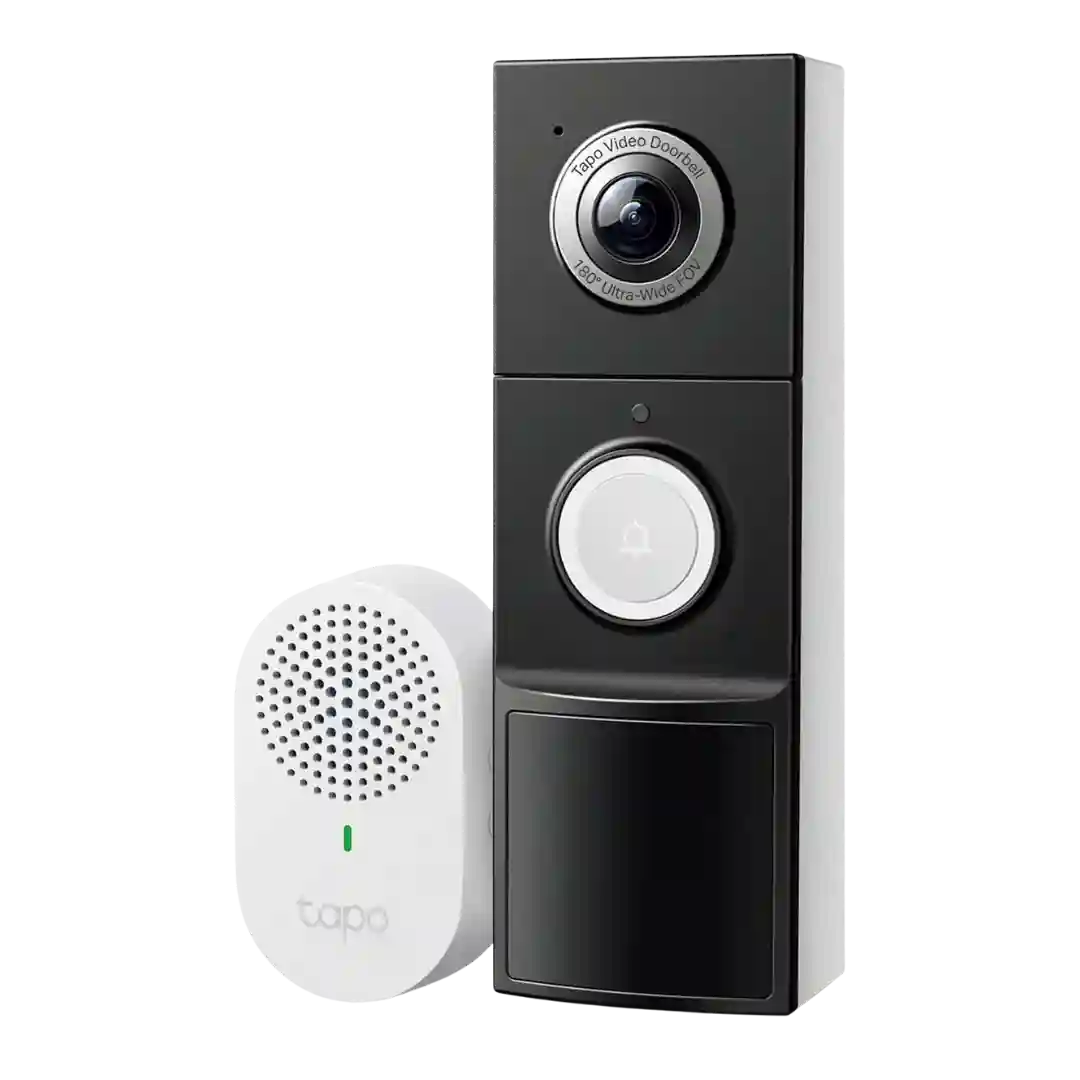
Inside the Tapo ecosystem, the D210 integrates well with other cameras, hubs, chimes, and smart-display flows. Reviewers who already use Tapo gear see that ecosystem fit as a practical advantage.
As part of a broader home-security setup, it integrates smoothly with Ring devices and Alexa screens/speakers. Reviewers frame it as an easy entry point into a larger ecosystem.
Integration within the wider Ring security ecosystem (linking cameras, alarms, and multi-device workflows) is frequently cited as a practical advantage for existing Ring households.
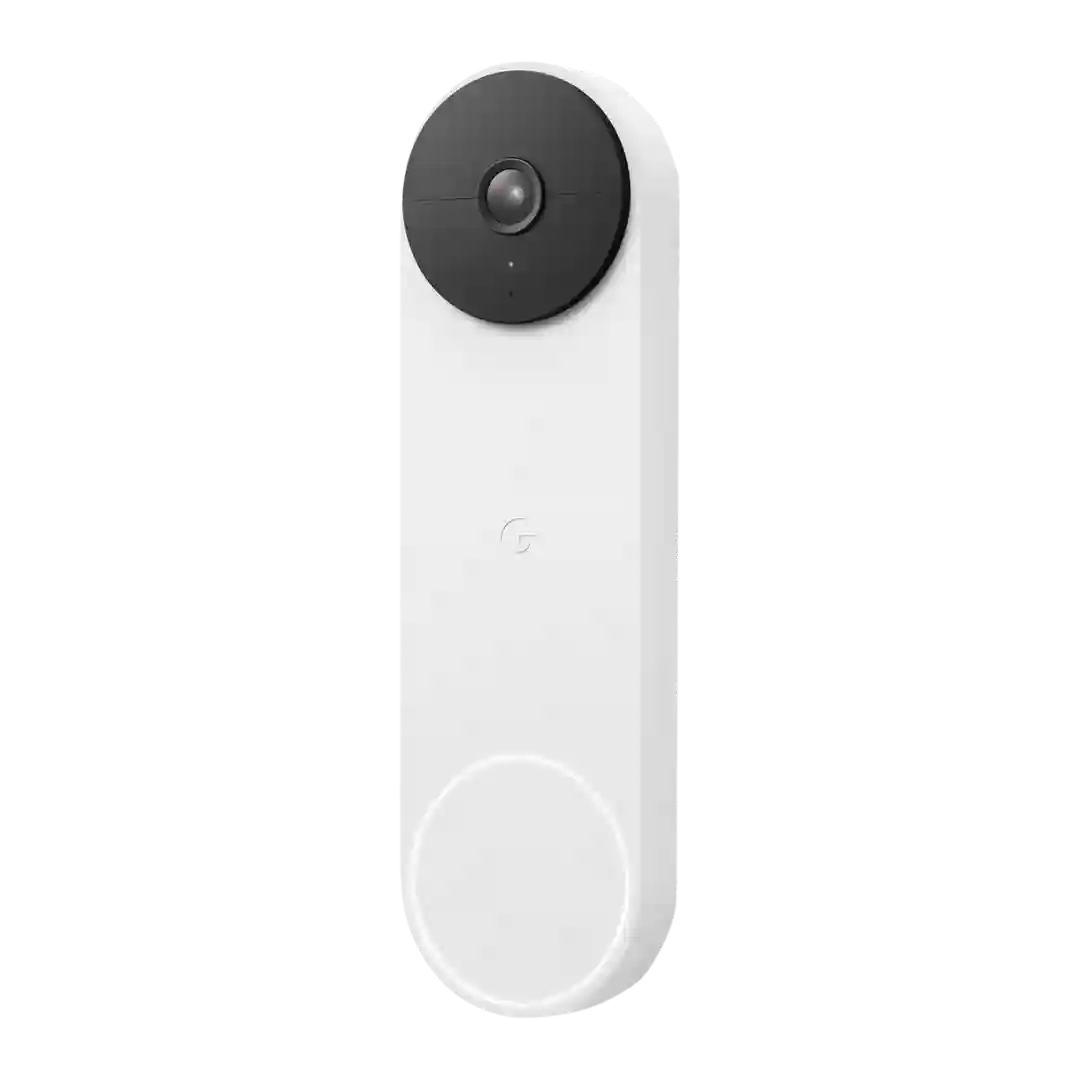
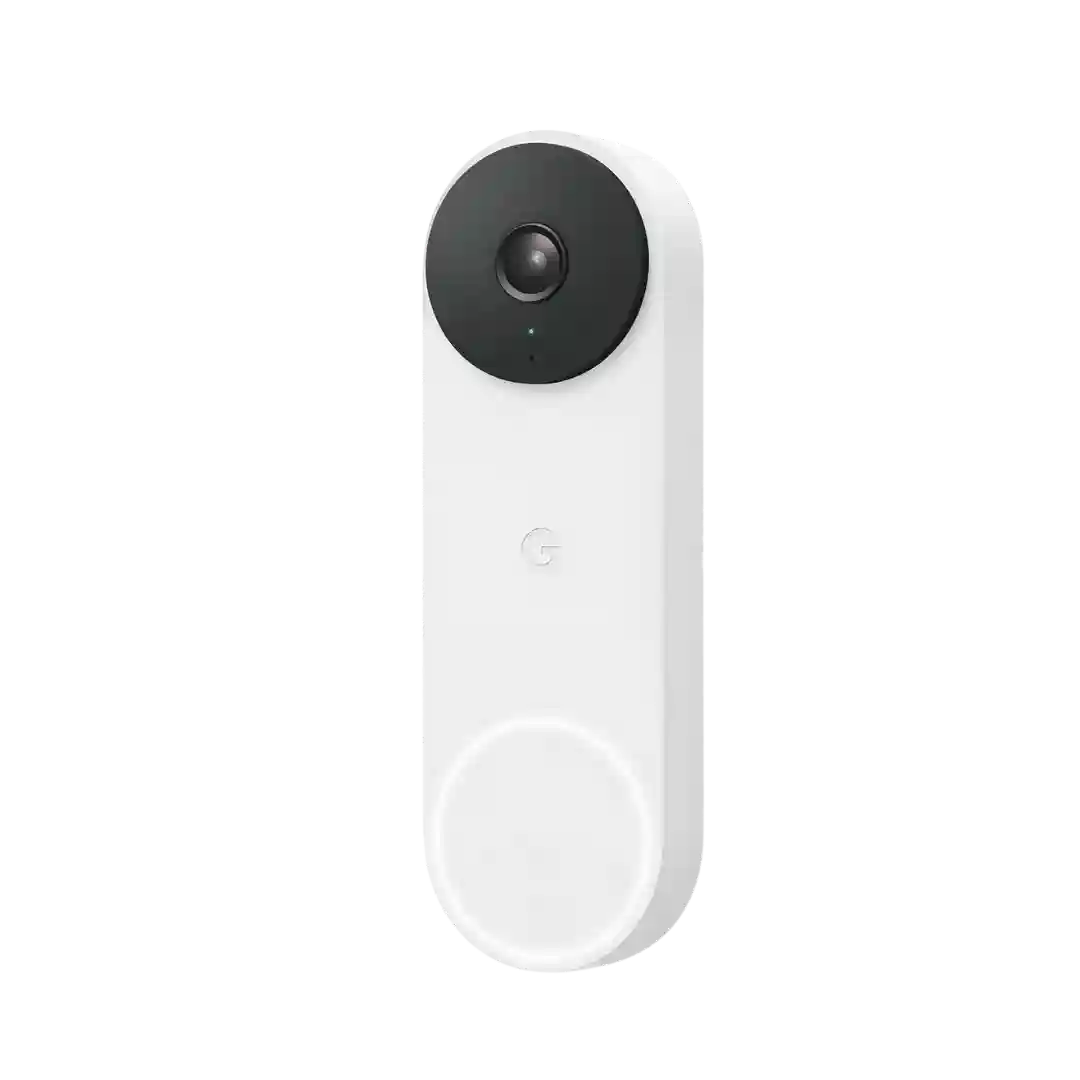
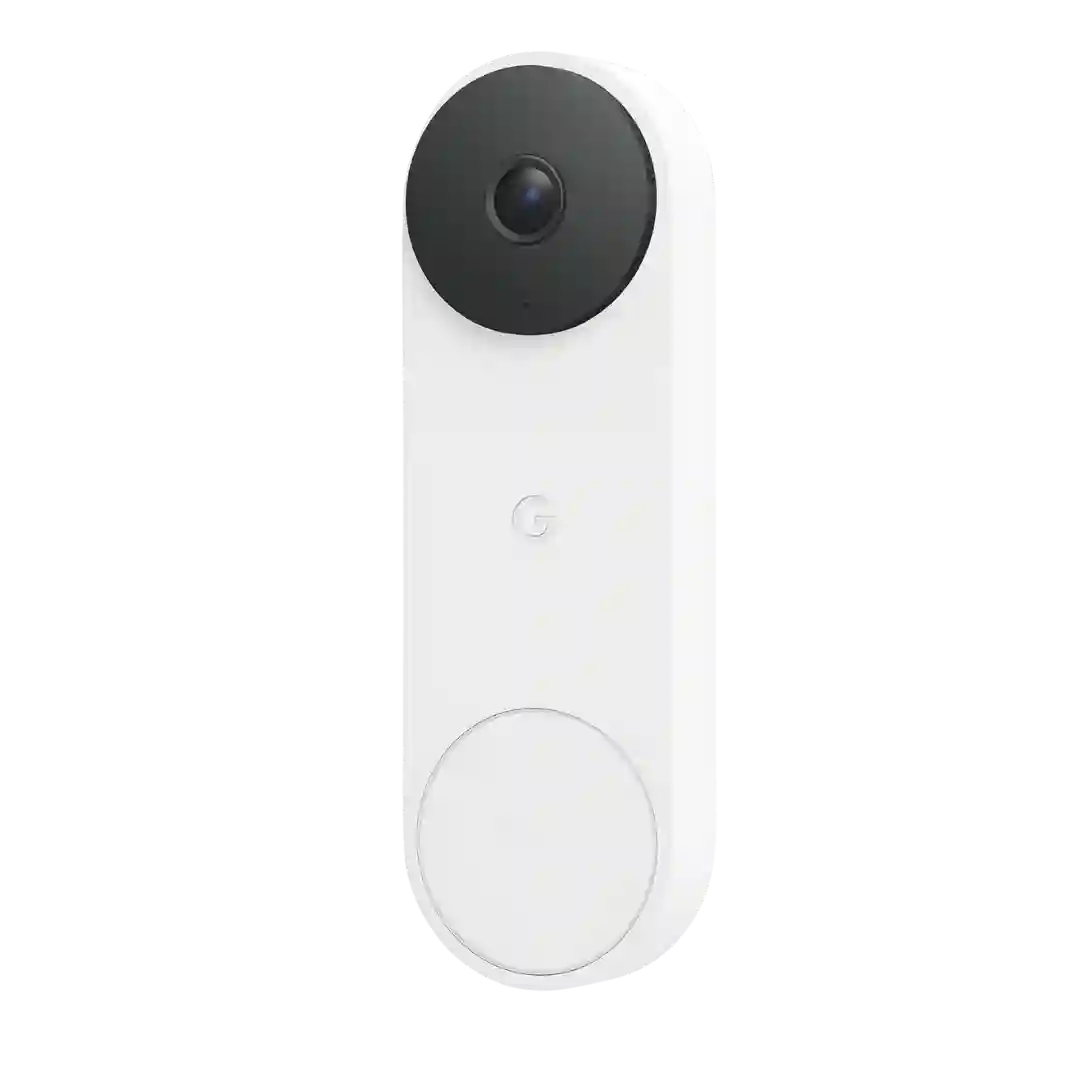
Integration is best inside the Google ecosystem, especially with Nest hubs and speakers, and several reviews highlight how smooth it is to manage alongside other Google Home devices.
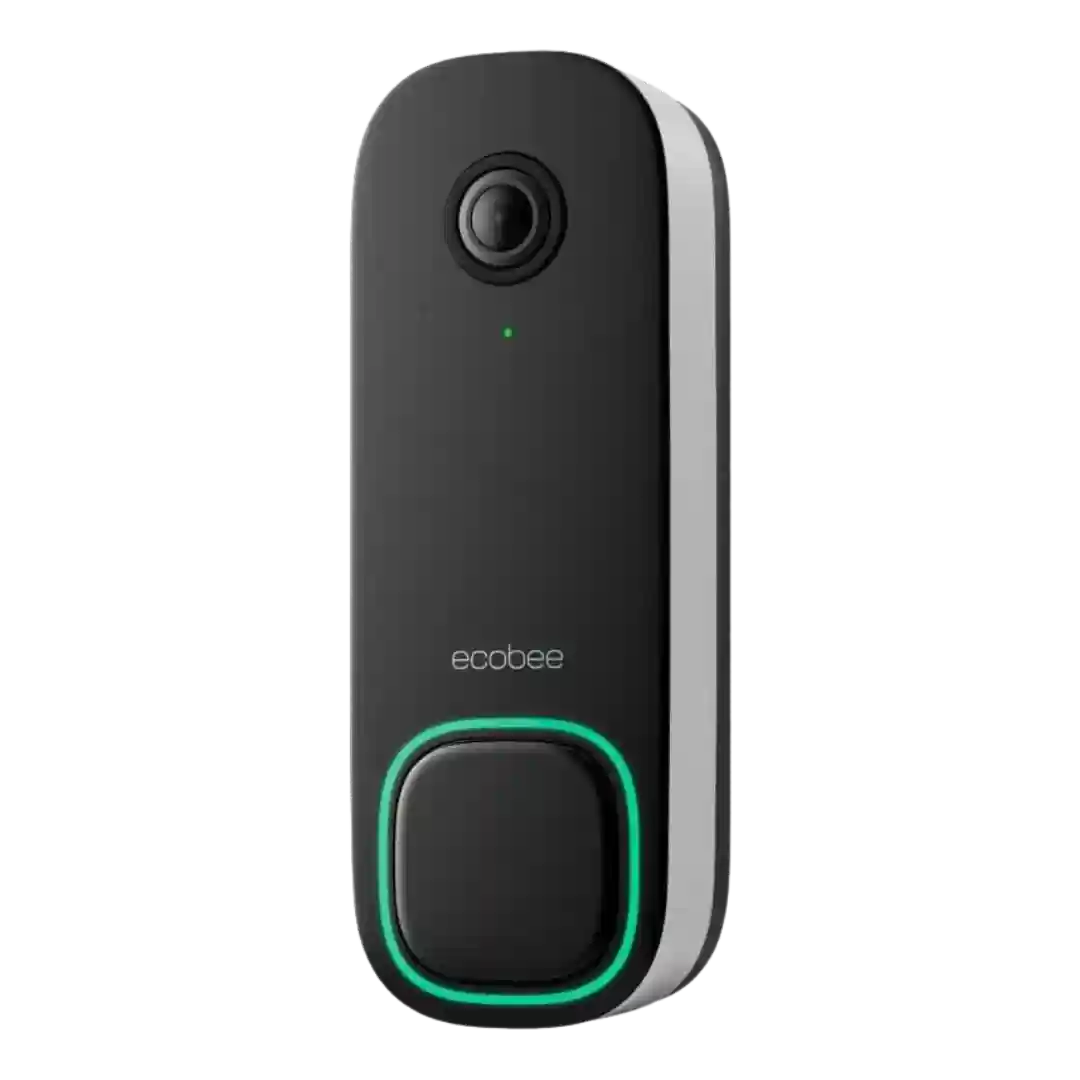
Integration with Ecobee Smart Security, sensors, and the Thermostat Premium as a central hub is repeatedly described as a major advantage. Some reviewers note the broader ecosystem still lacks certain devices like outdoor cameras.
Integration with Alexa and Google smart displays and routines is commonly reported, and the D225 also fits into the broader Tapo ecosystem for multi-camera use.
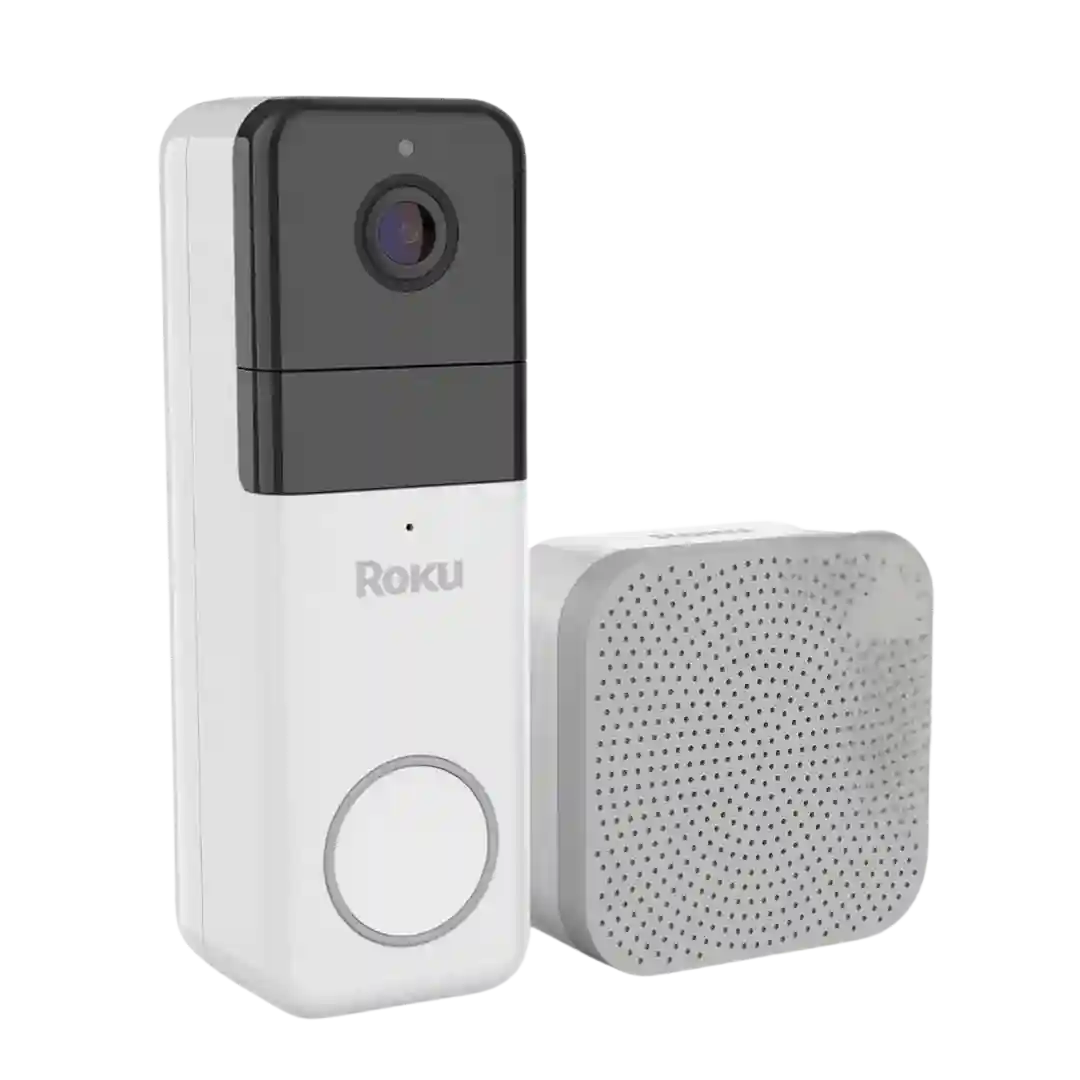
Roku ecosystem integration is a standout differentiator: reviews show on-TV notifications with a snapshot, the Roku Cameras TV app for live viewing, and tight compatibility with other Roku smart home products.
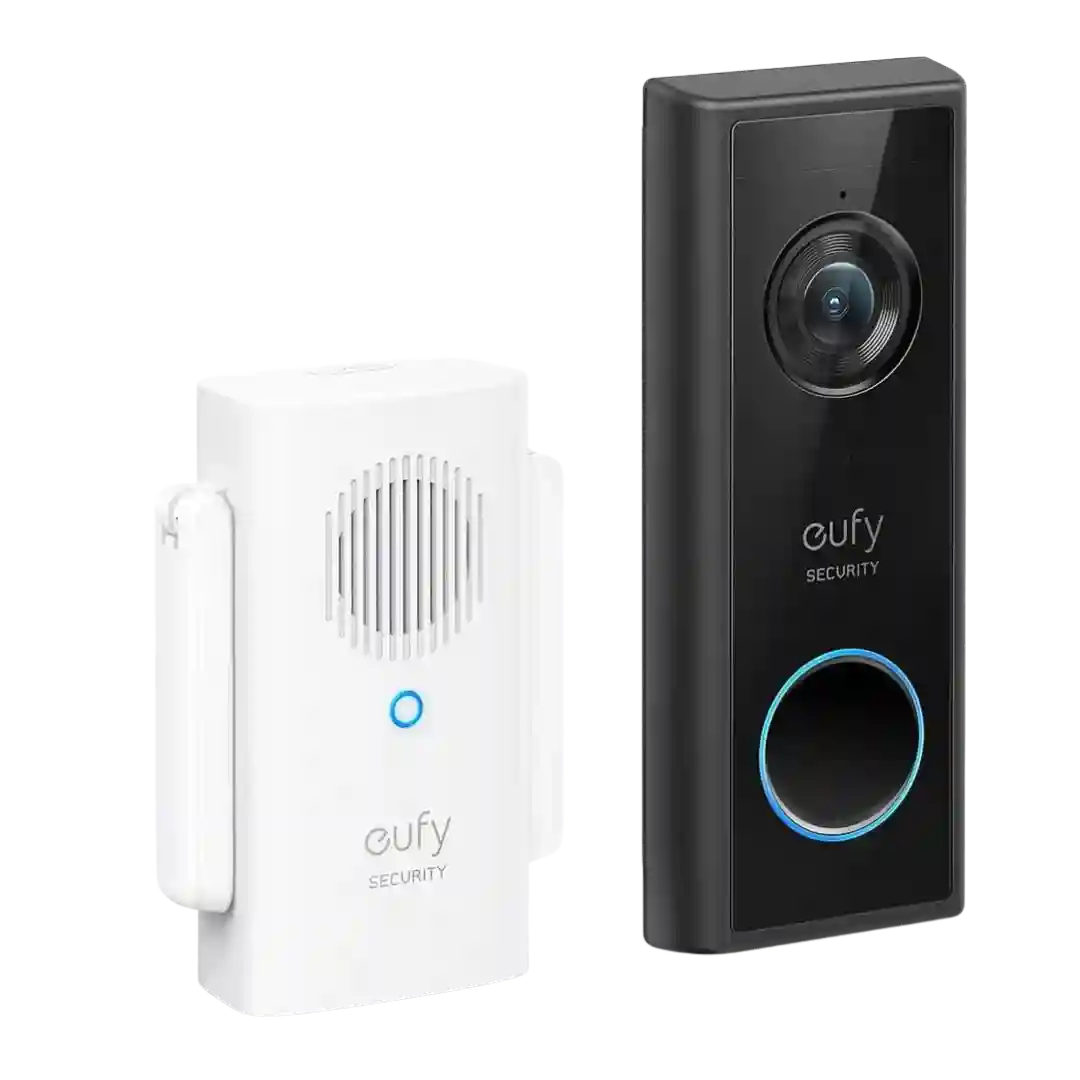
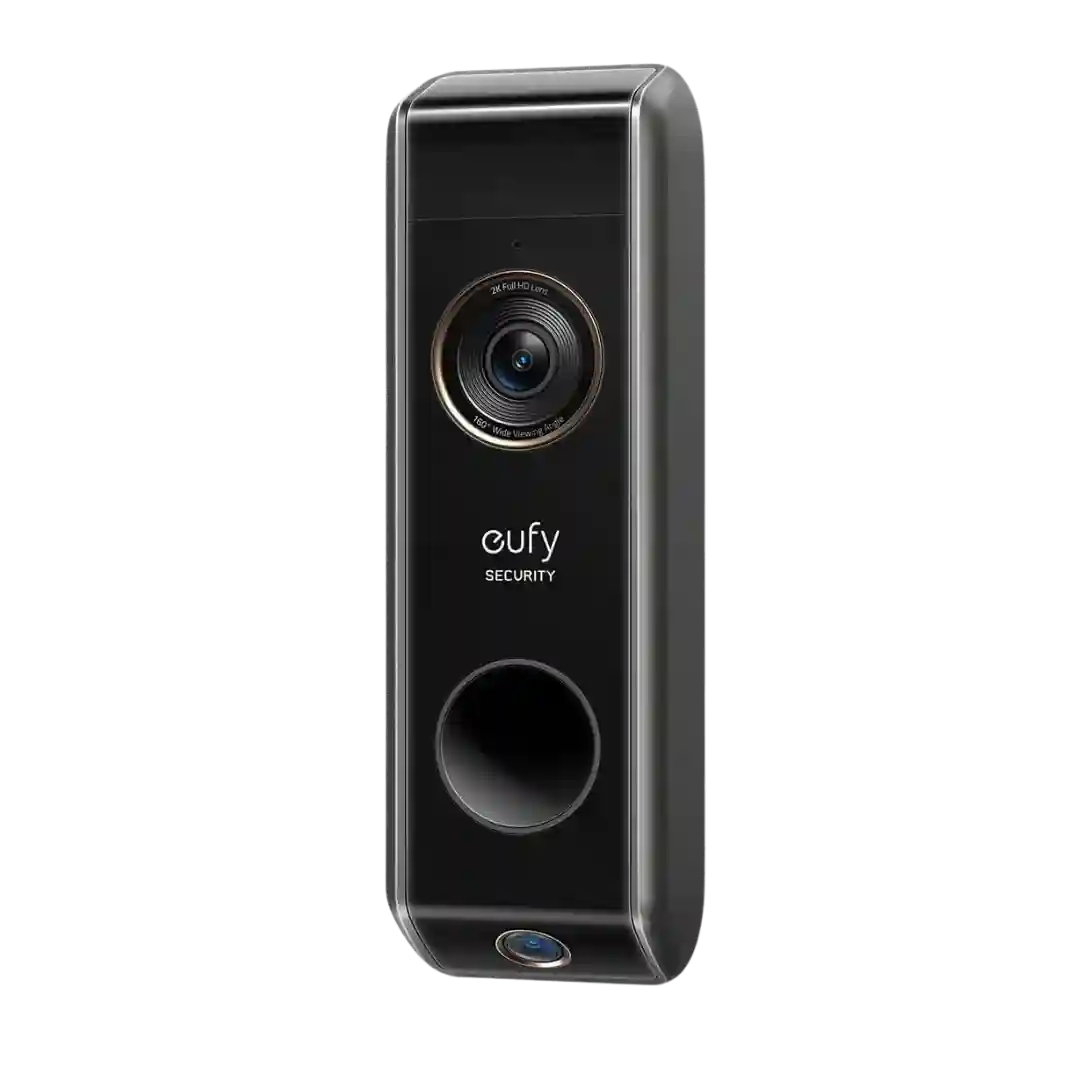
Reviewers who already own Eufy gear like the idea of one app for multiple devices and show integrations across cameras, locks, and doorbells. A recurring complaint is that Eufy hubs and standalone devices can feel fragmented unless configured carefully.
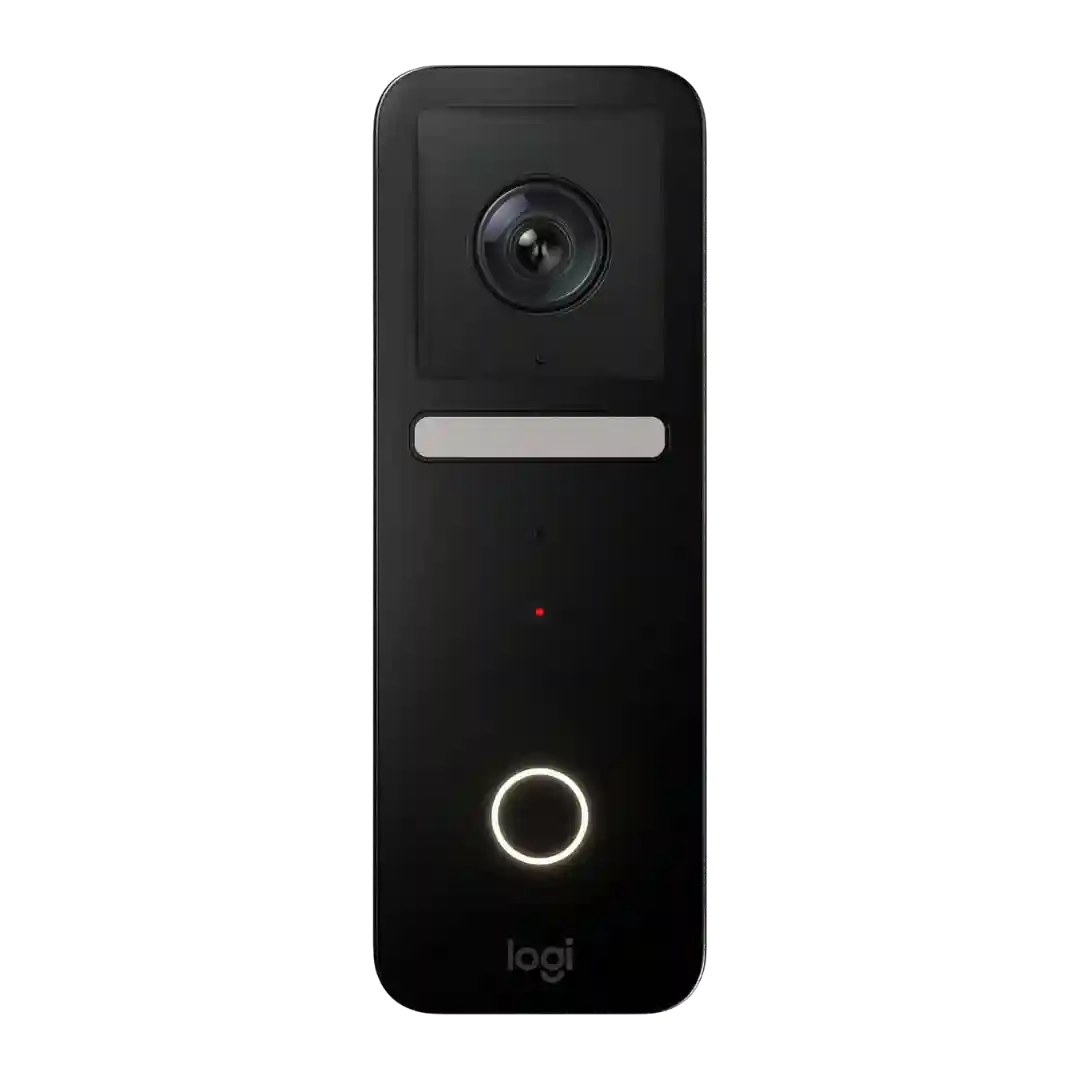
Integration with Apple’s ecosystem is the core advantage, with seamless Home app control, HomePod/Apple TV notifications, and HomeKit Secure Video recording for Apple-centered homes.
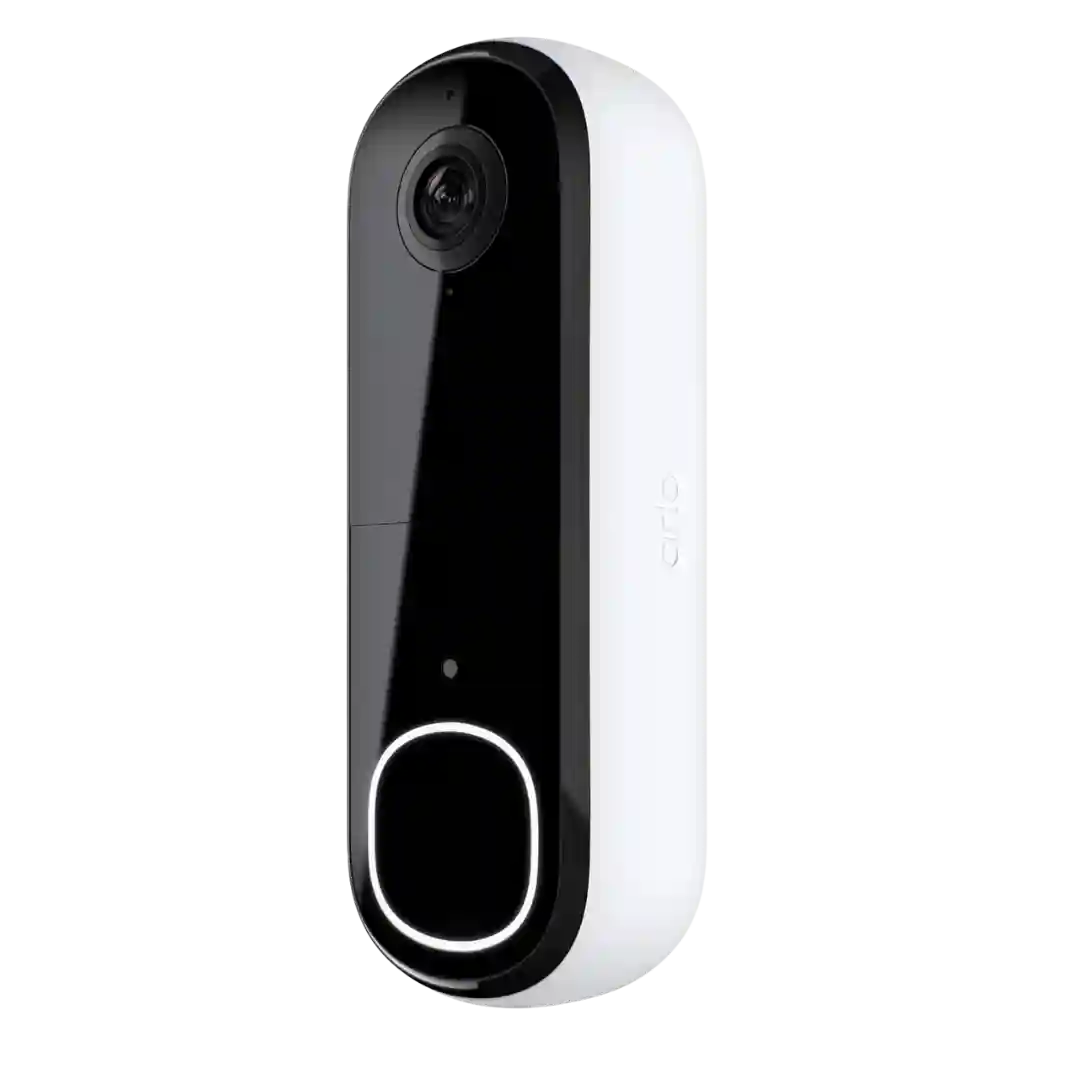
Integration with the broader Arlo security ecosystem (tags/fobs, security system compatibility, optional monitoring) is a differentiator for existing Arlo households.
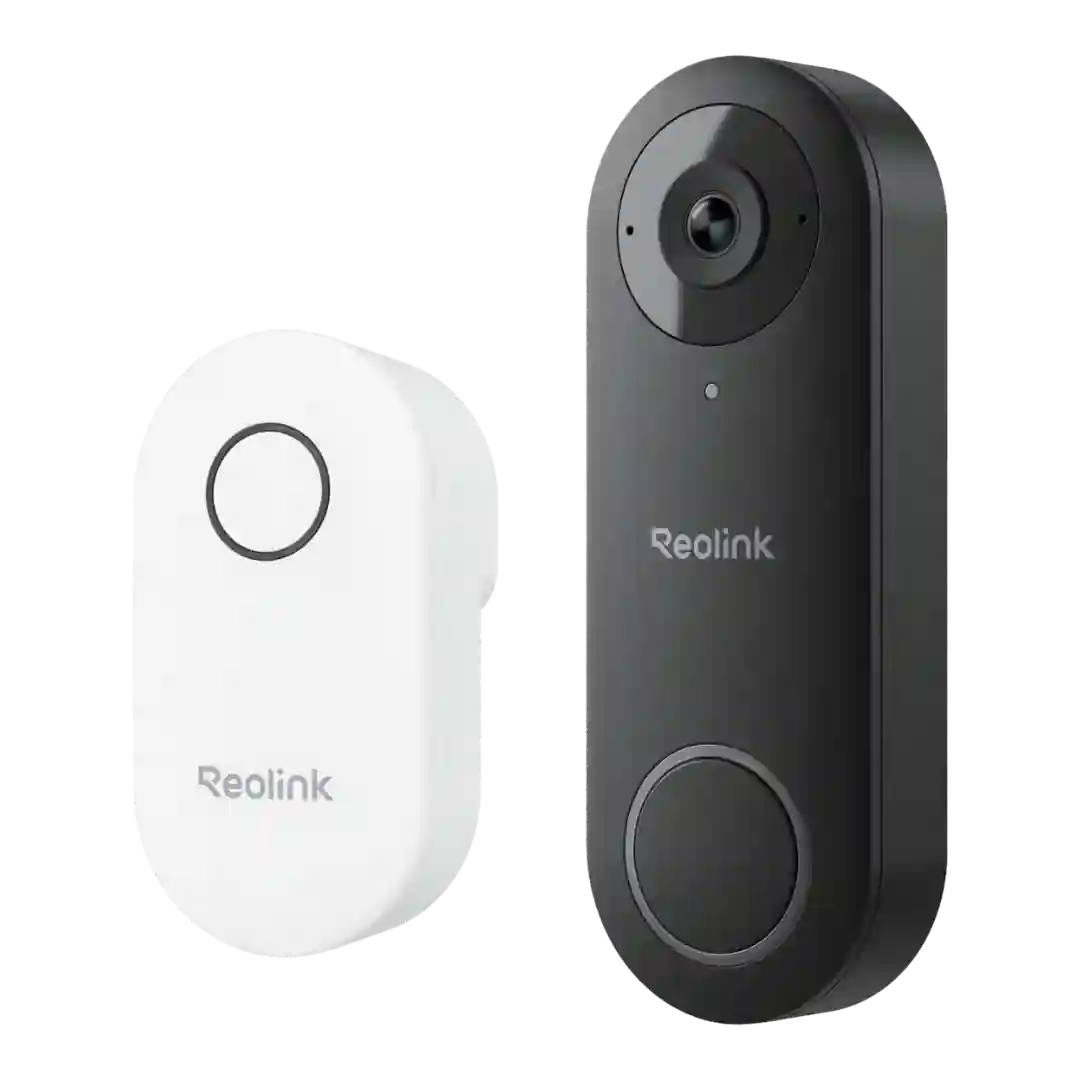
Within the Reolink ecosystem, the doorbell pairs well with Reolink NVRs and other Reolink cameras, and some setups layer cloud backup/rich notifications on top of local recording.
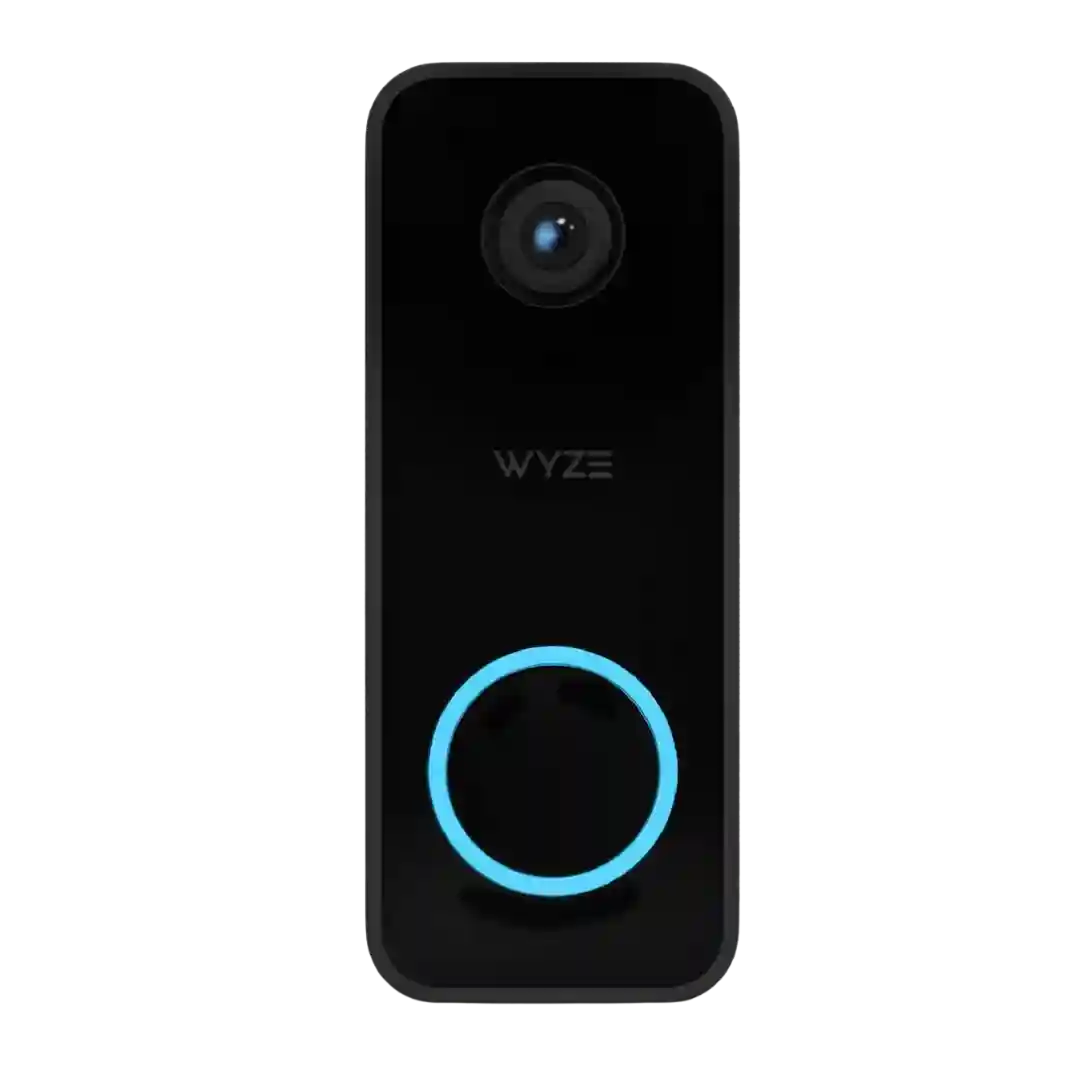
Within the Wyze ecosystem, using other Wyze cameras or smart speakers as chimes and grouping devices is a recurring benefit for multi-device households.
Reviewers frame it as a strong fit within a broader Google/Nest security stack, especially if you already use Google Home as your primary smart-home control layer.
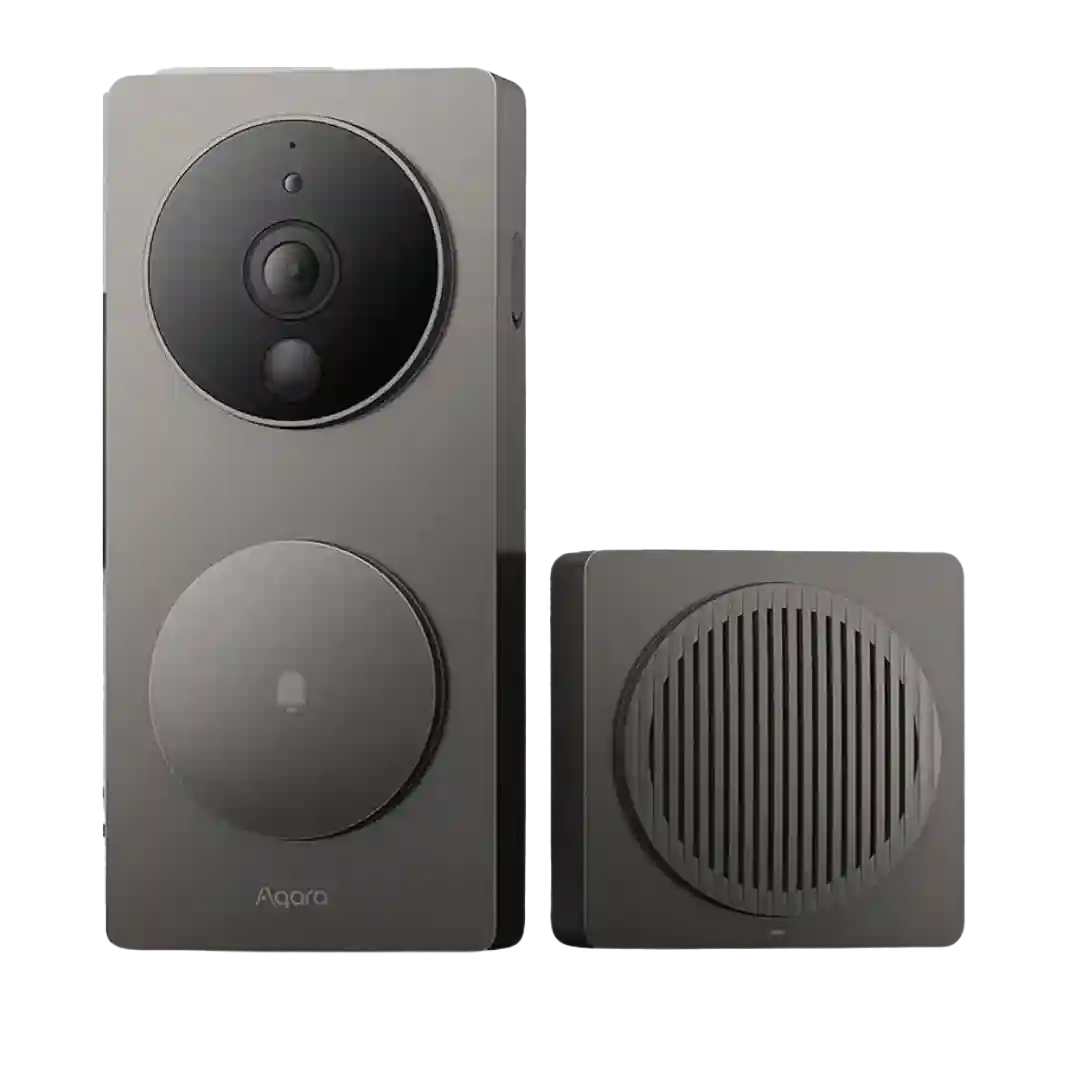
Ecosystem support is strongest with Apple Home. Alexa and Google support exist but can be slower to load, and Home Assistant users are limited when the doorbell is configured for HomeKit Secure Video.