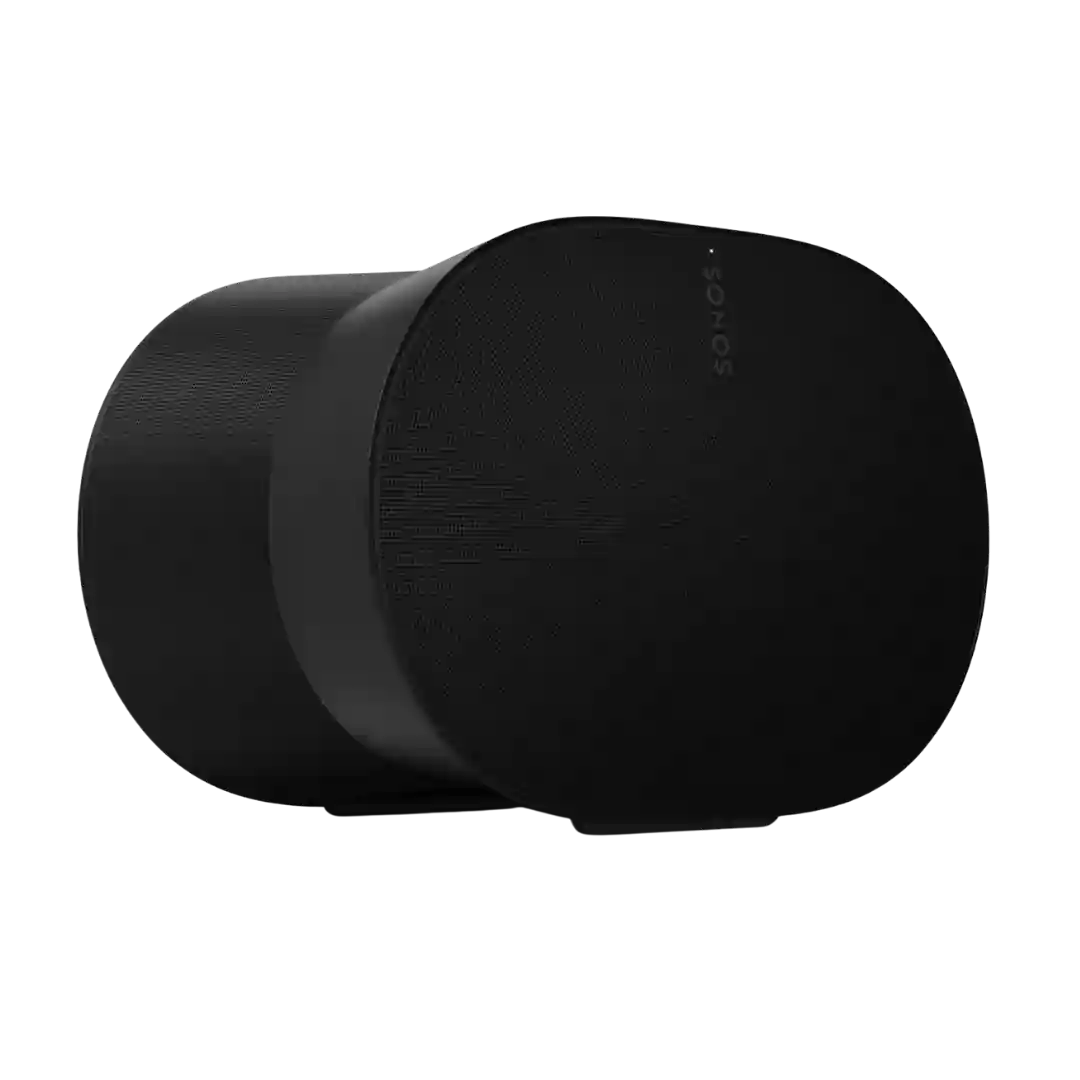
As a feature package the Era 300 is exceptionally versatile, combining Wi-Fi, Bluetooth, voice control, Trueplay, multiroom, and multiple configuration paths. The only major omissions repeatedly mentioned are Google features and included adapters.
Auto-wake, Vocal Boost, Night Mode, sub mute, and other DSP conveniences help the REN feel thoughtful in everyday use. These extras strengthen its TV-first appeal without requiring an app.
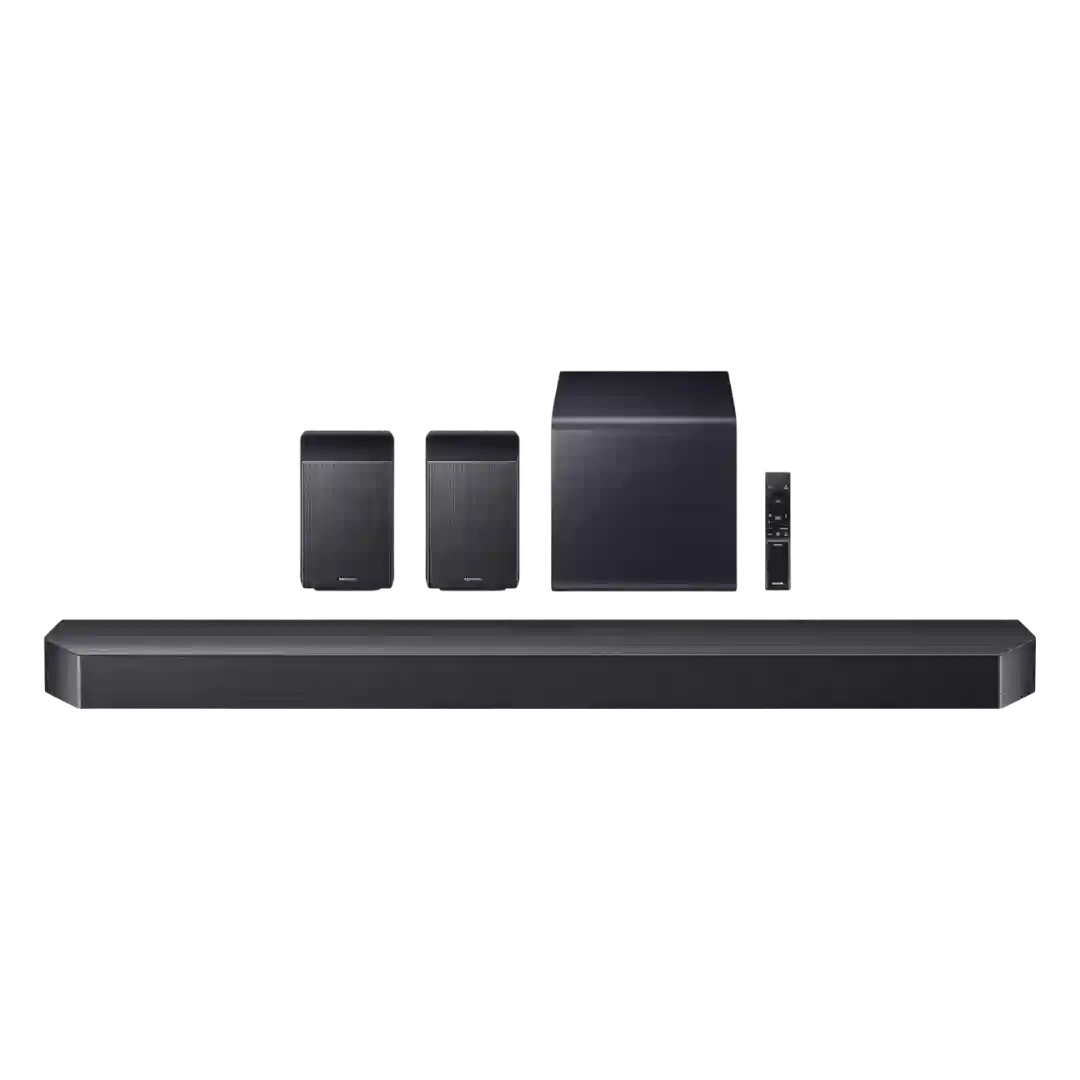
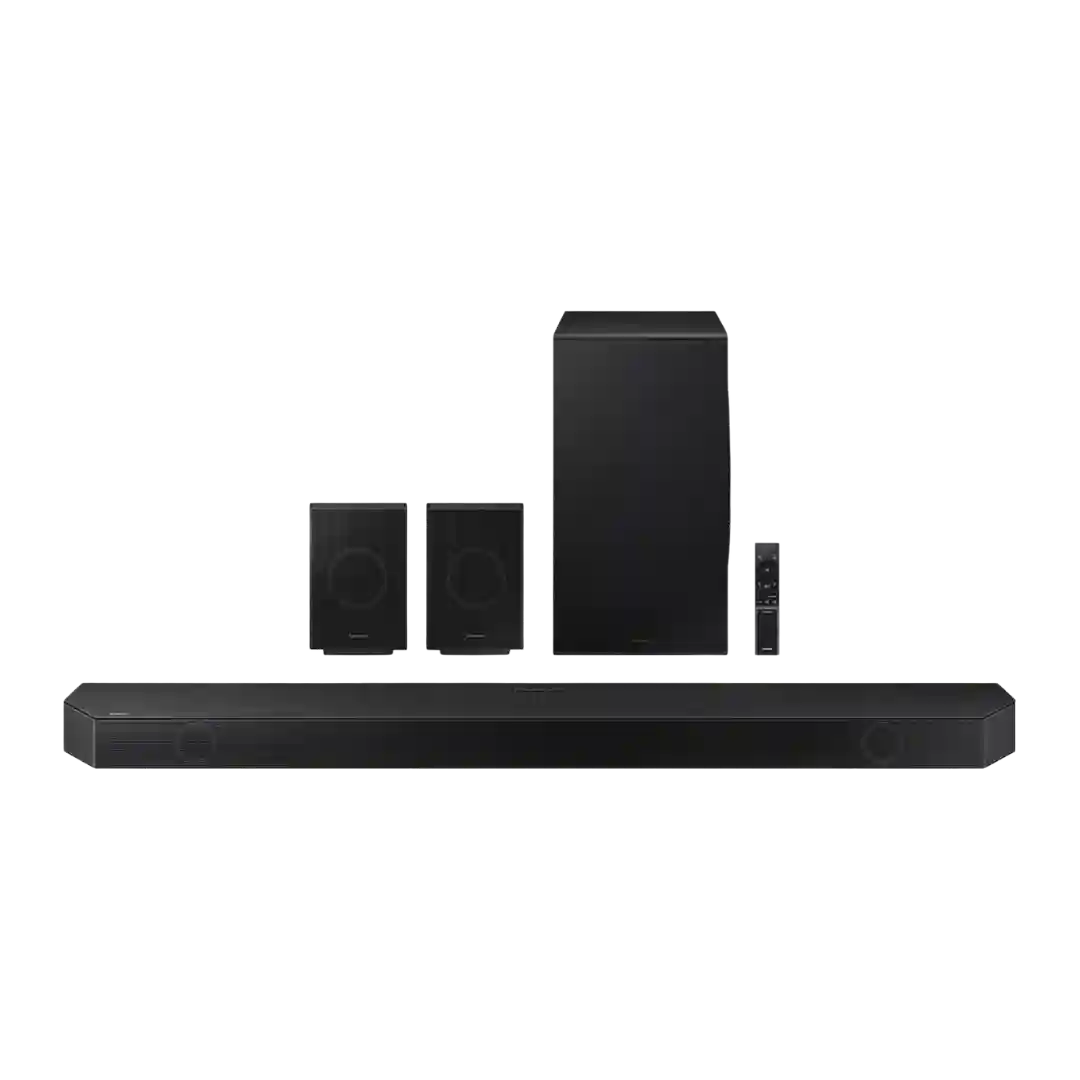
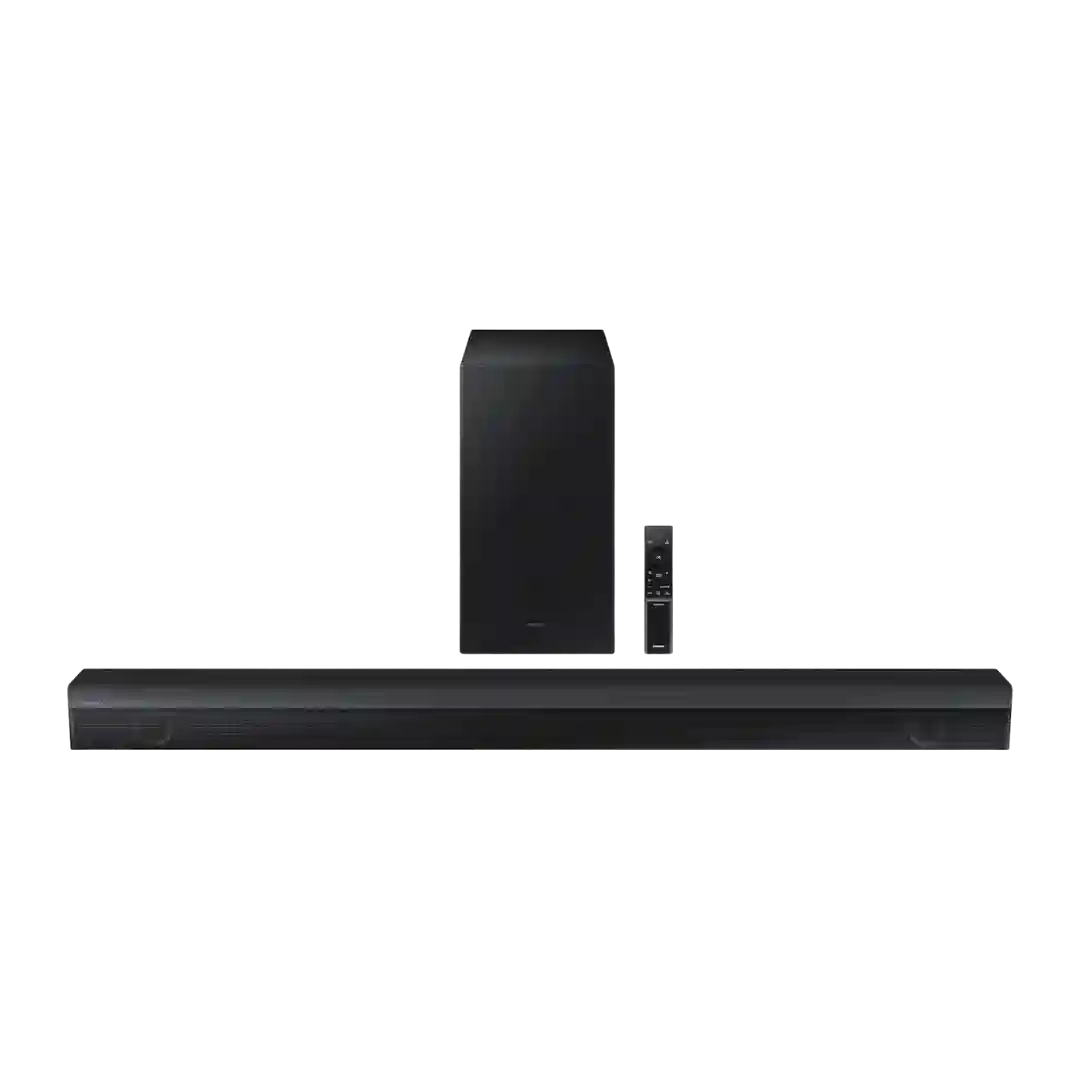
Smart features are robust, including streaming integrations, room calibration, and Samsung ecosystem extras like Q-Symphony; most reviewers find them additive rather than mandatory.
Smart features like Q-Symphony, wireless Atmos options, Private Rear Sound, and grouping modes add flexibility; several are Samsung-TV dependent or more niche in day-to-day use.
Feature depth is a core strength, with app control, wireless streaming, AI dialogue, multiroom options, and Personal Surround giving the bar more tricks than many rivals.
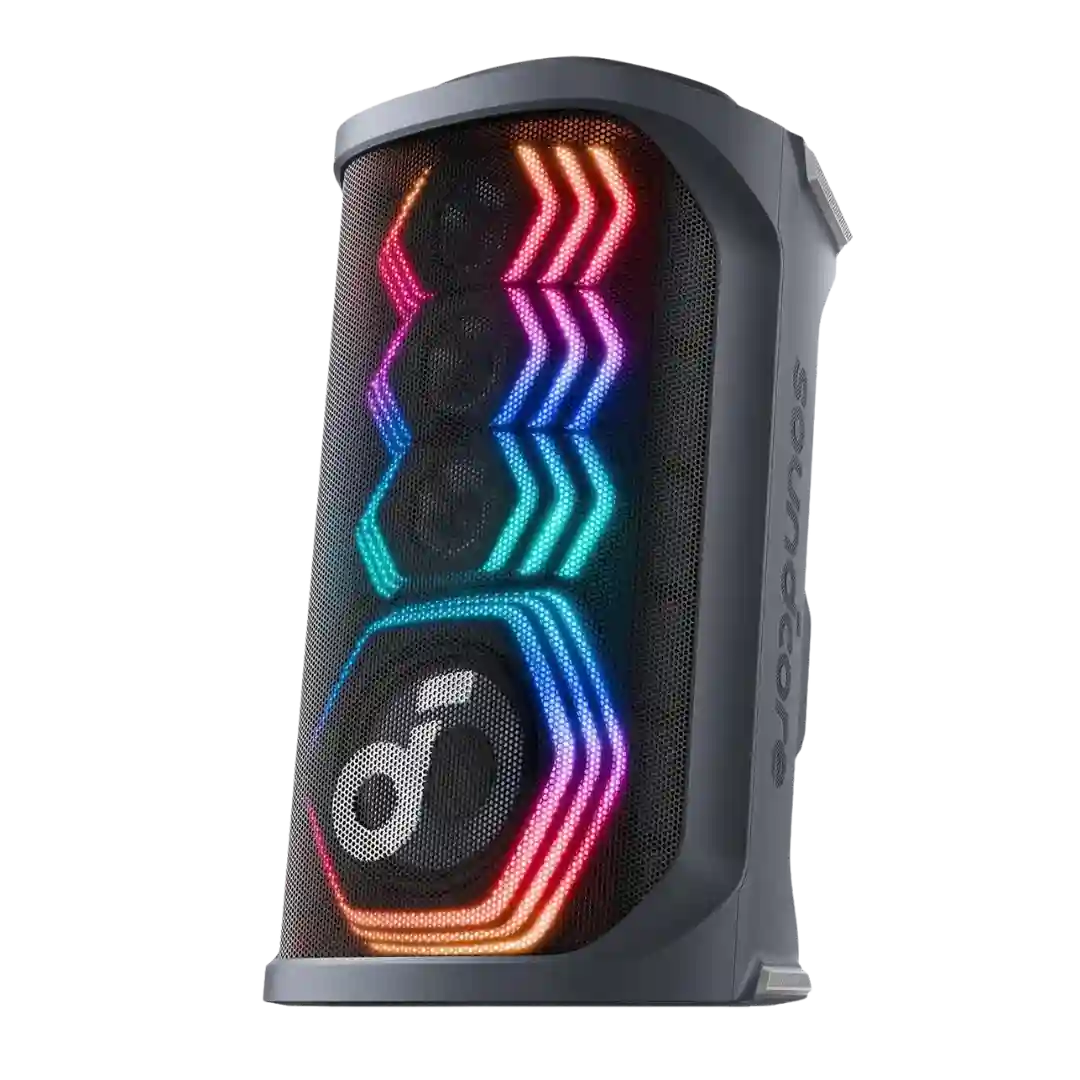
Smart/party features are the headline: AI vocal removal with adjustable strength (and in some cases an auto guide mode), vocal enhancement/reverb controls, and a spatial mode for wider playback; some reviewers note minor artifacts or level changes when the AI is active.
Smart features like Automatic Trueplay tuning, voice control options, and seamless Wi-Fi/Bluetooth flexibility are frequently highlighted as core strengths.
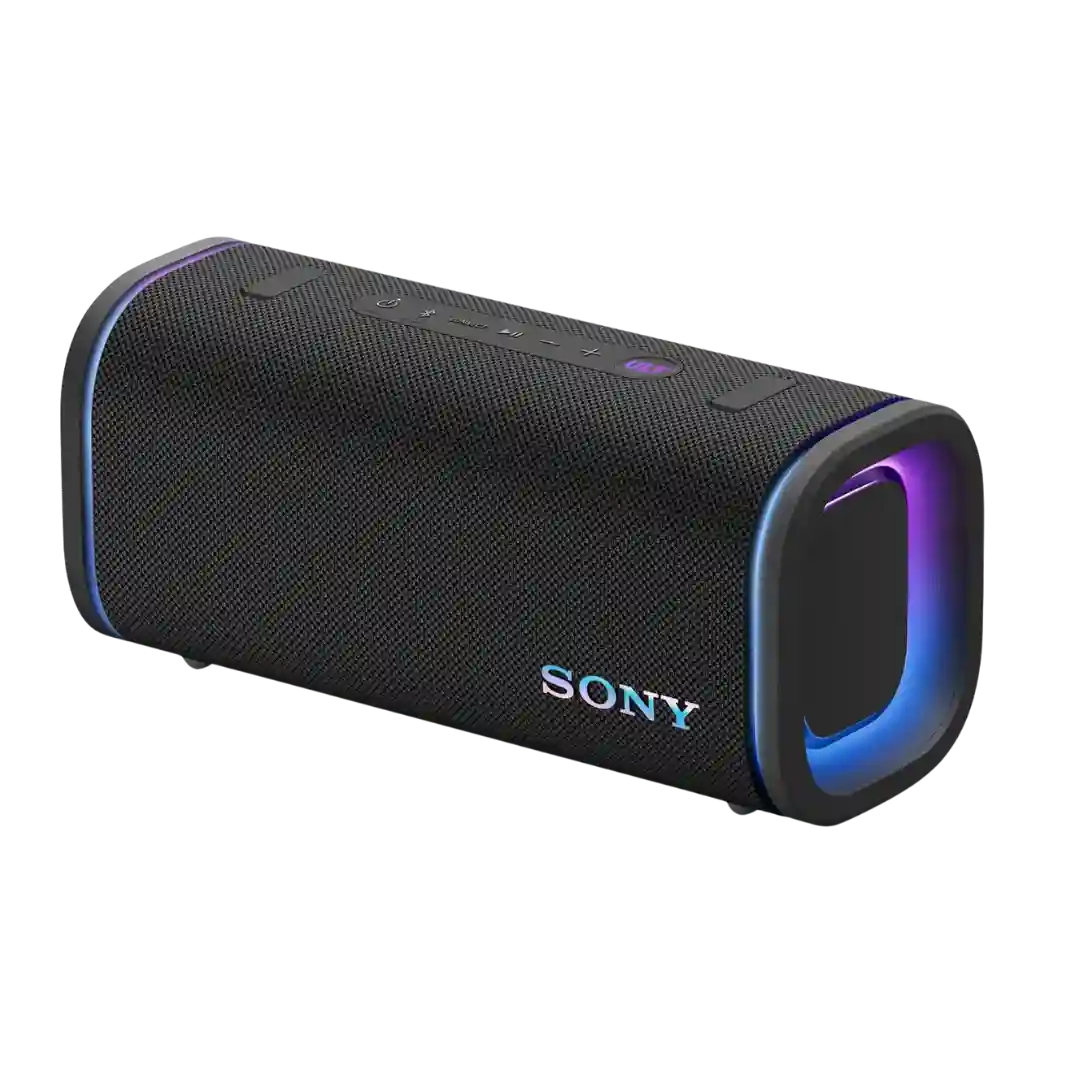
Smart features highlighted include Auracast grouping, firmware updates, and AI Sound Boost-style processing. At the same time, the lack of voice assistant support means it is not a smart speaker in the hands-free sense.
Smart features like Trueplay room tuning, Speech Enhancement, Night Mode, and ecosystem extras are a major part of the Arc experience; Trueplay is frequently noted as an iOS-centric step for best results.
Smart extras include AI lighting, AI sound, and space-based calibration plus the programmable heart button. The concept is widely discussed, but reliability and usefulness vary sharply by reviewer and depend heavily on ThinQ.
Evidence is mixed: some reviews mention Adaptive Sound Lite and room-aware processing, while others say the bar lacks broader smart features like voice assistants and a mobile app.
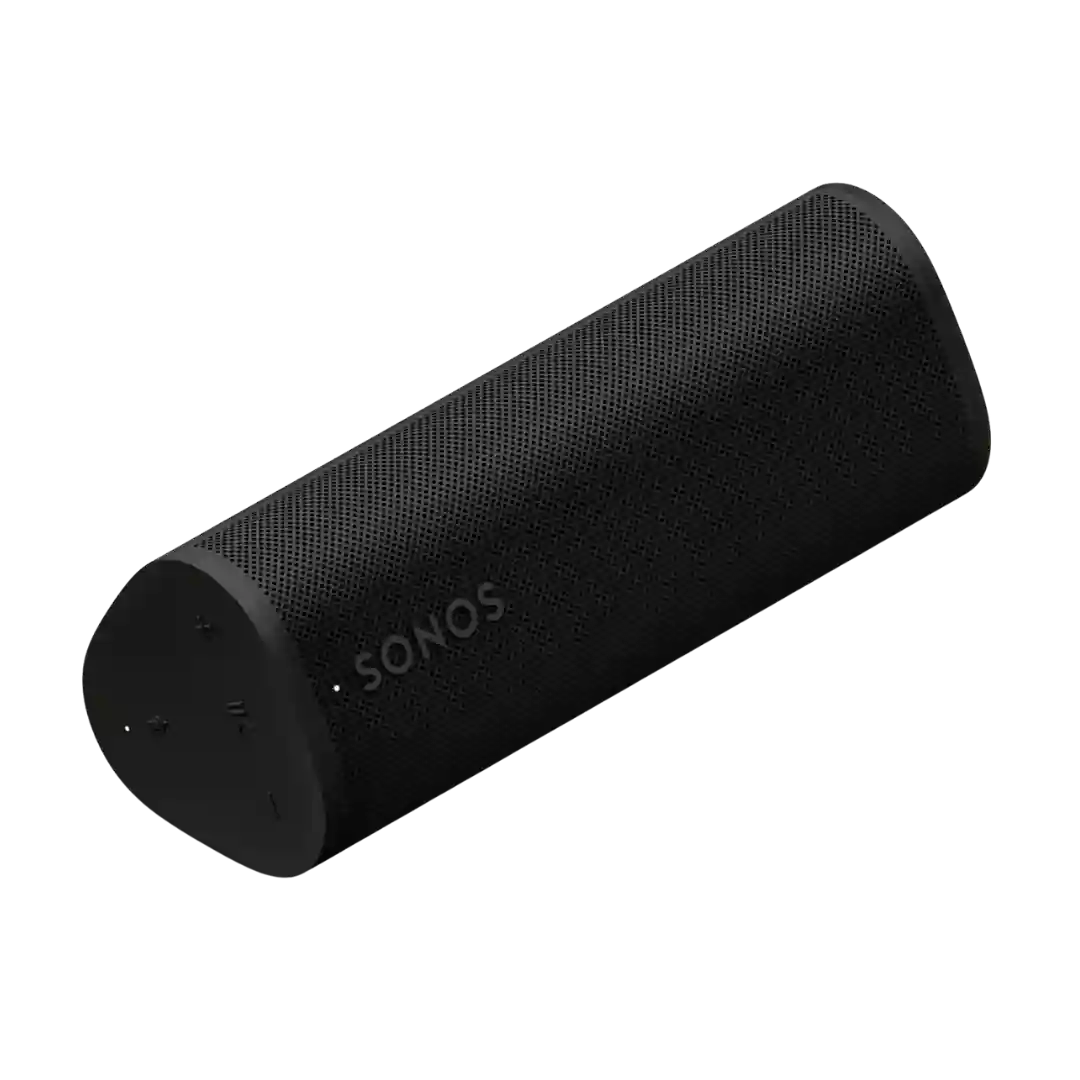
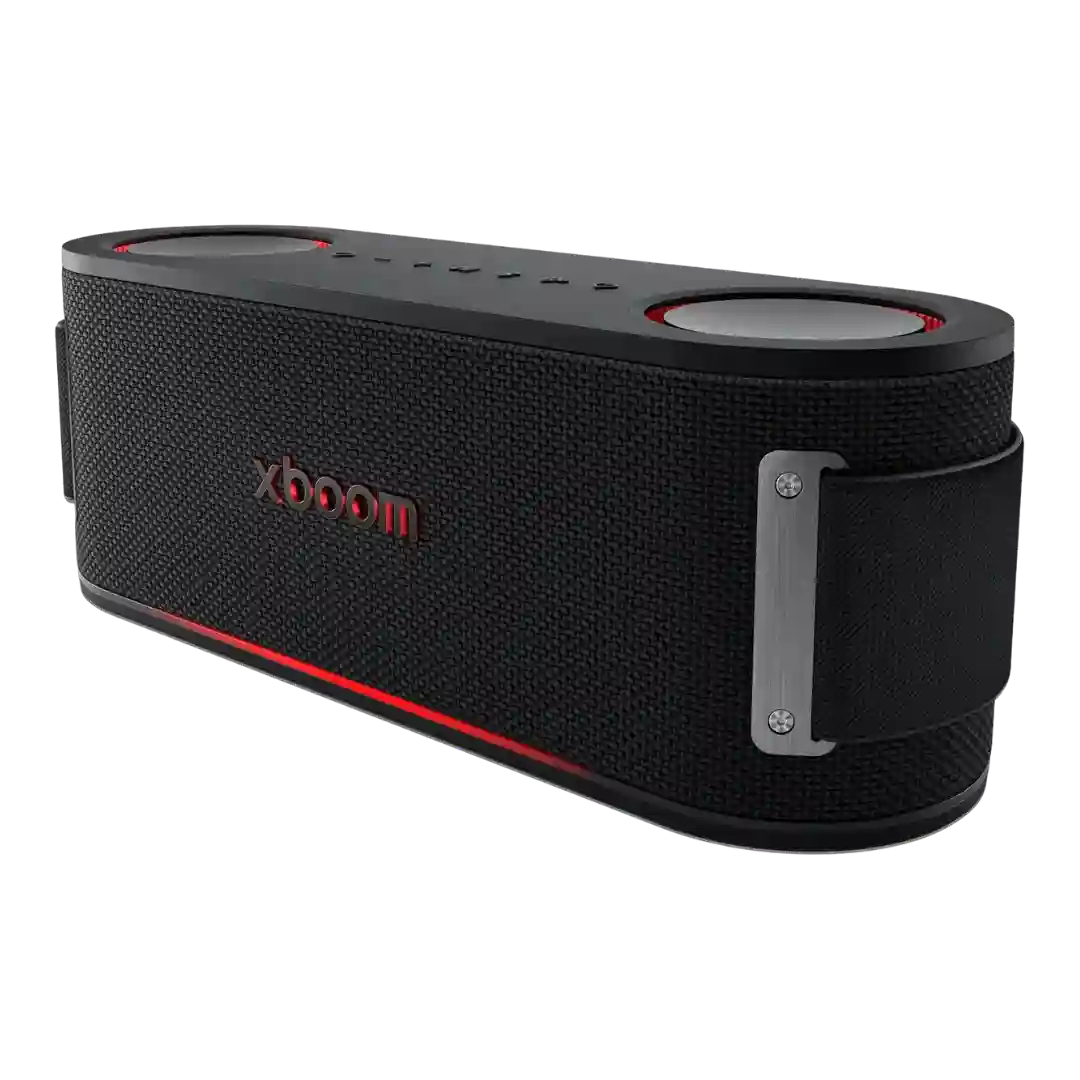
Smart features are intentionally minimal: this is framed as a Bluetooth-first speaker with no Wi-Fi streaming and no built-in voice assistant. For some, that focus is refreshing; for others, it limits versatility at the price.
Smart features are intentionally limited: reviews repeatedly note no Wi-Fi streaming and no voice assistant, with the app focused on sound shaping, placement compensation, and battery management.
Feature depth is deliberately limited: you get HDMI ARC, Bluetooth, tone controls, and sub-out, but no app, Wi-Fi, voice control, or broader smart ecosystem.
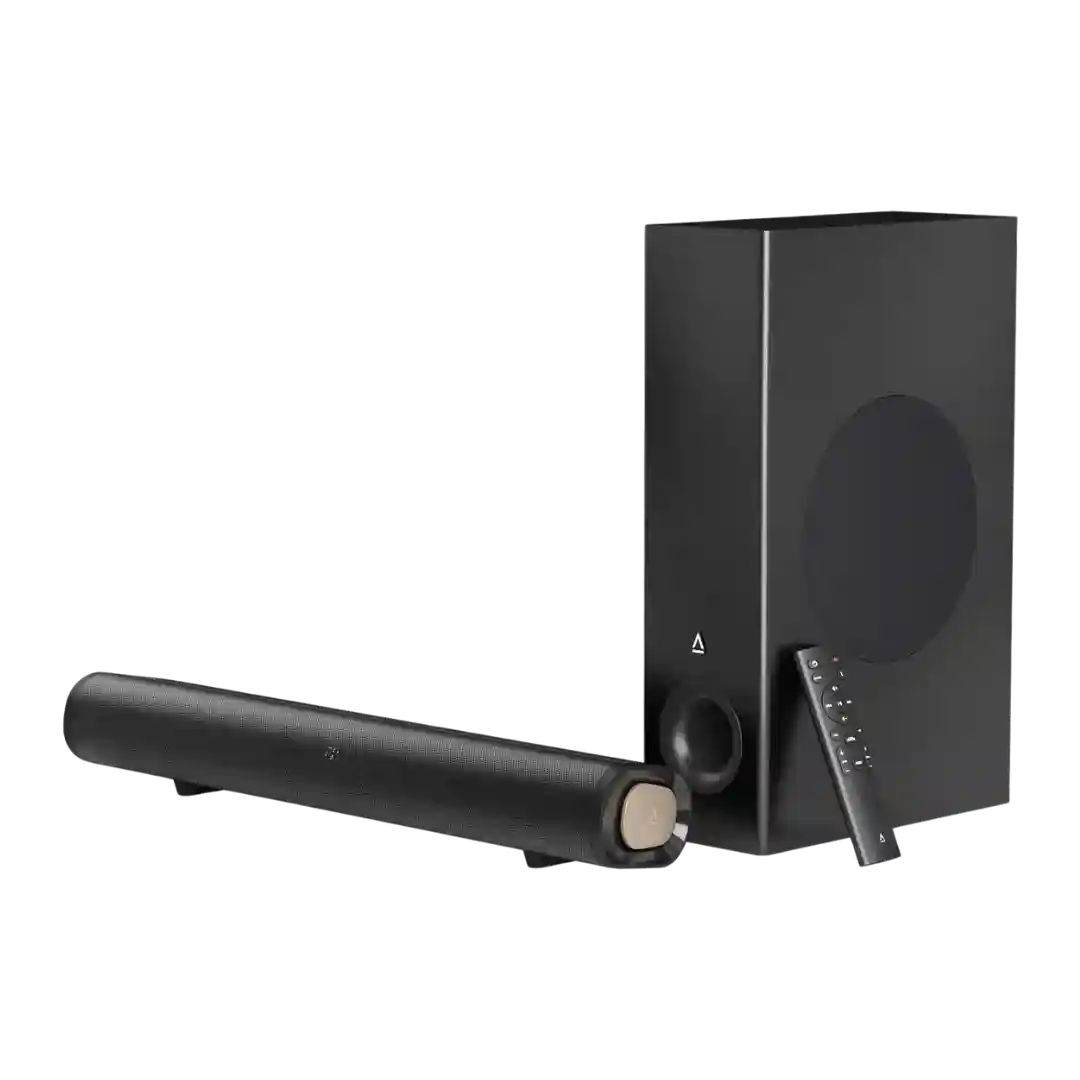
Smart functionality is minimal. Beyond Bluetooth, basic EQ modes, and simple status controls, the reviews describe no app ecosystem, no Wi-Fi platform, and no advanced voice or streaming features.