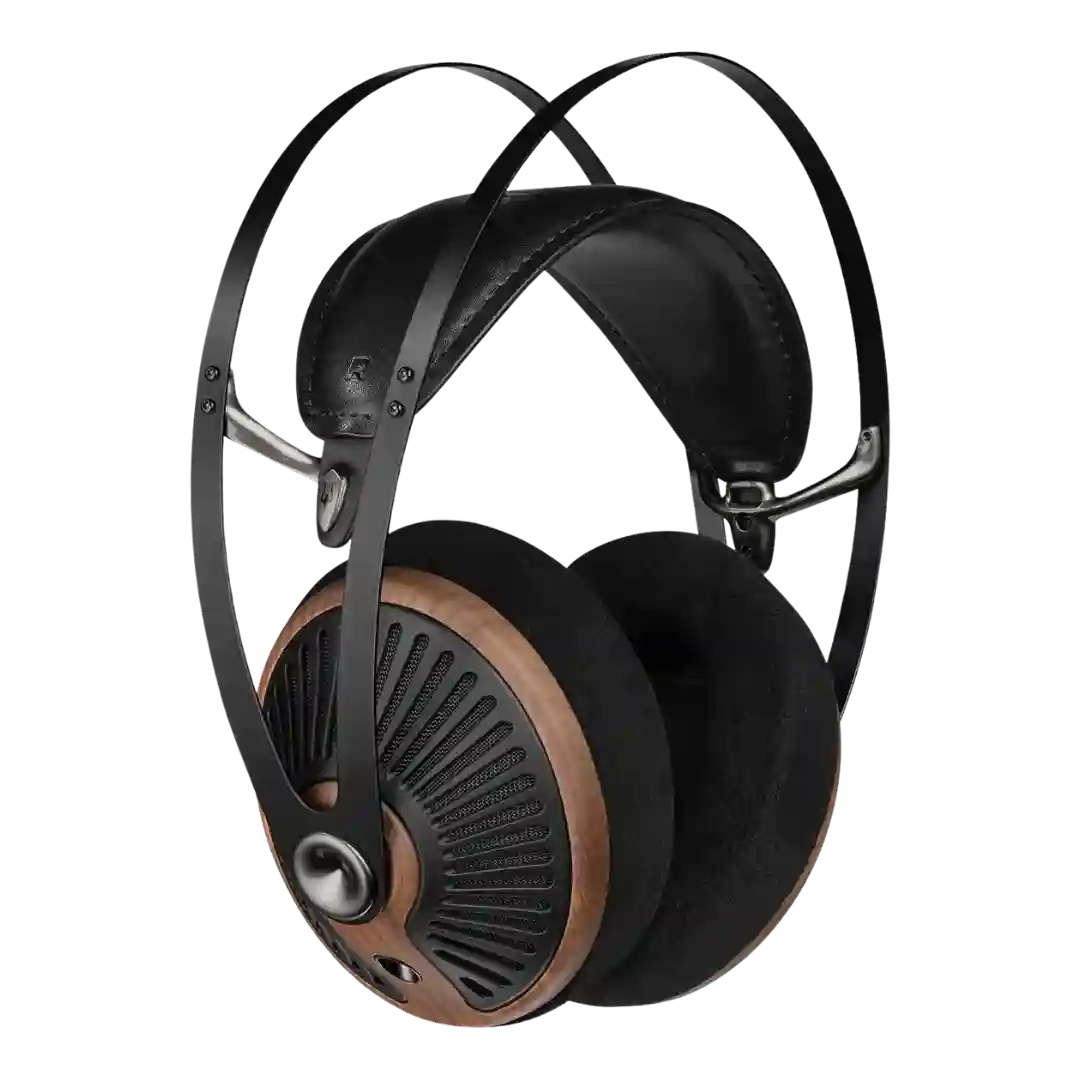
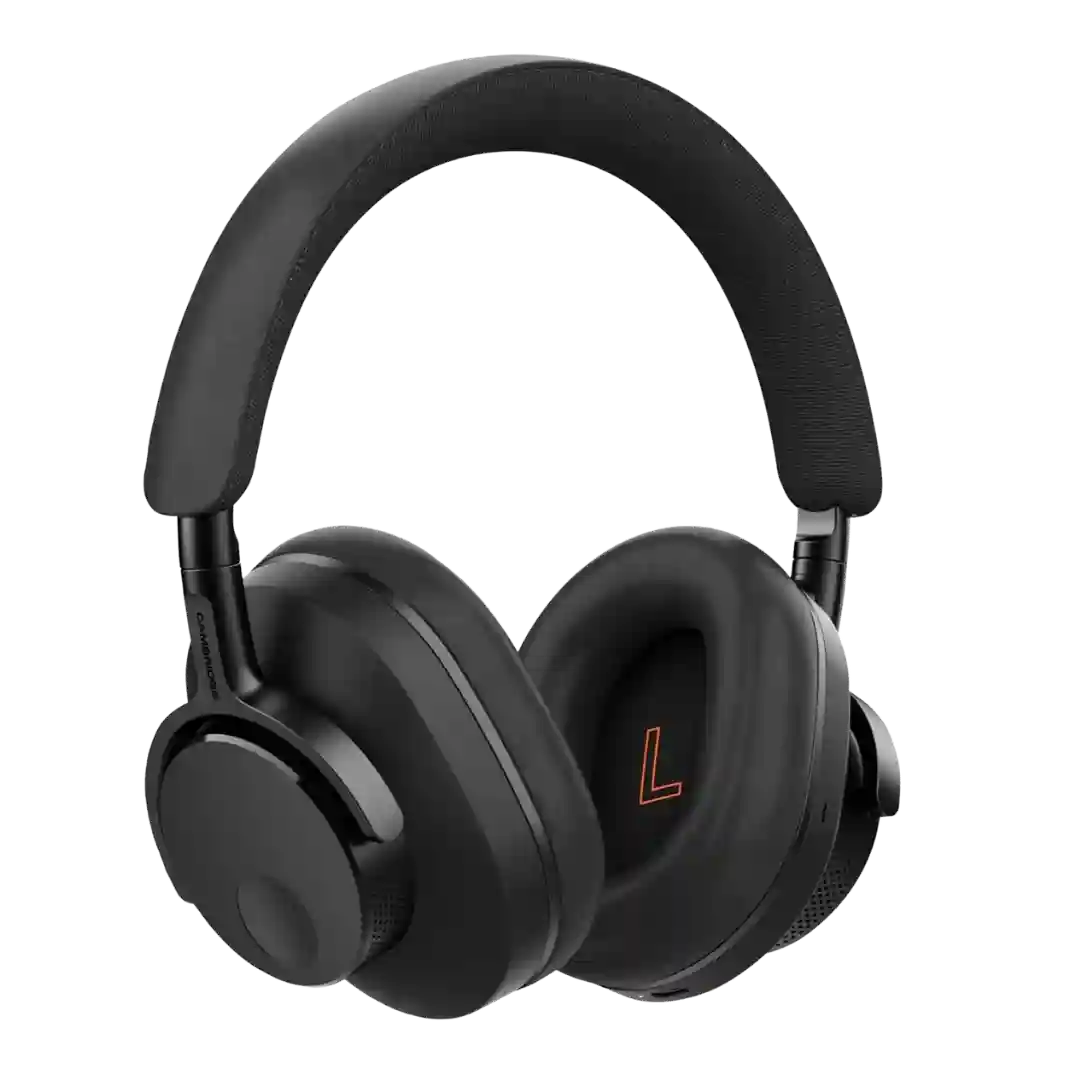
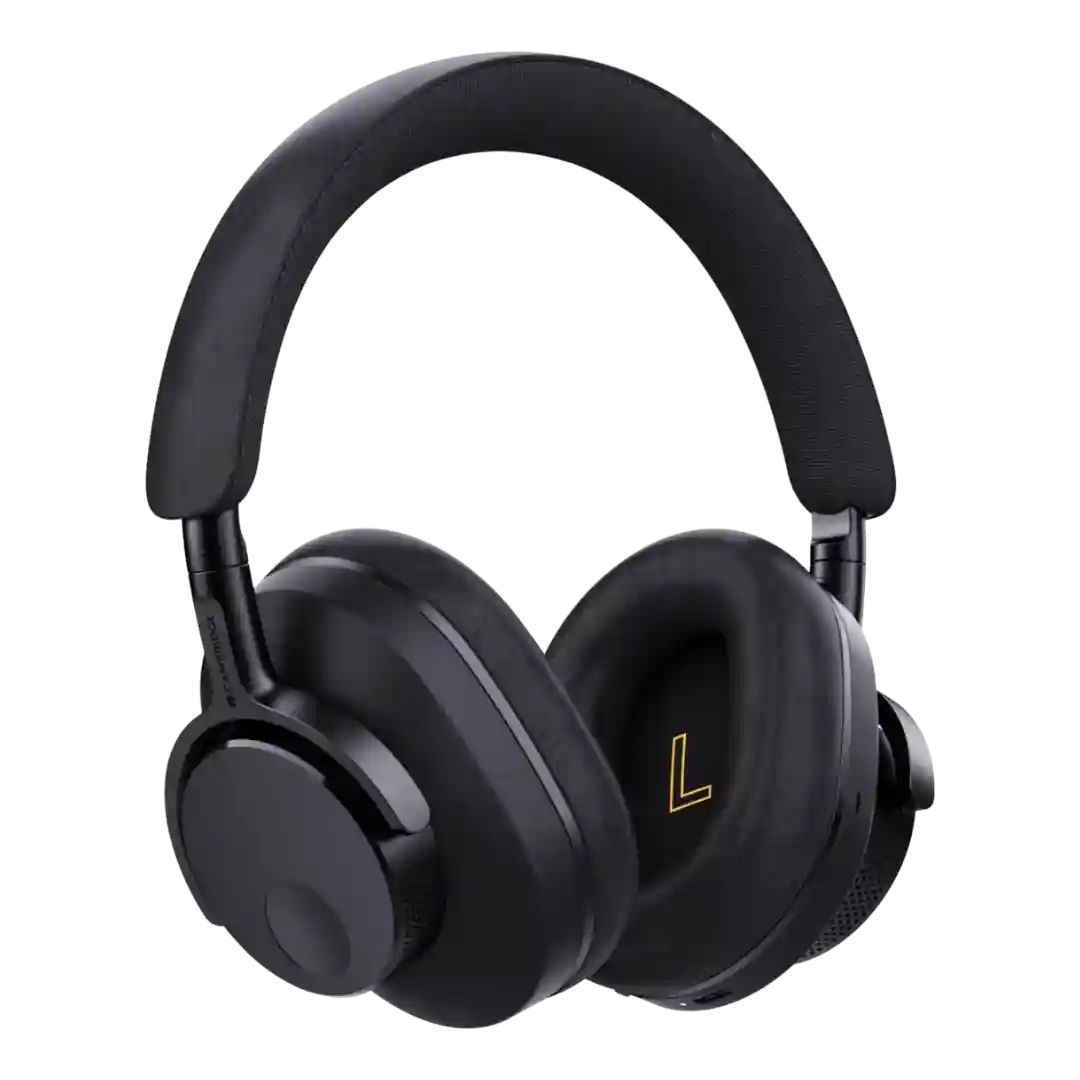
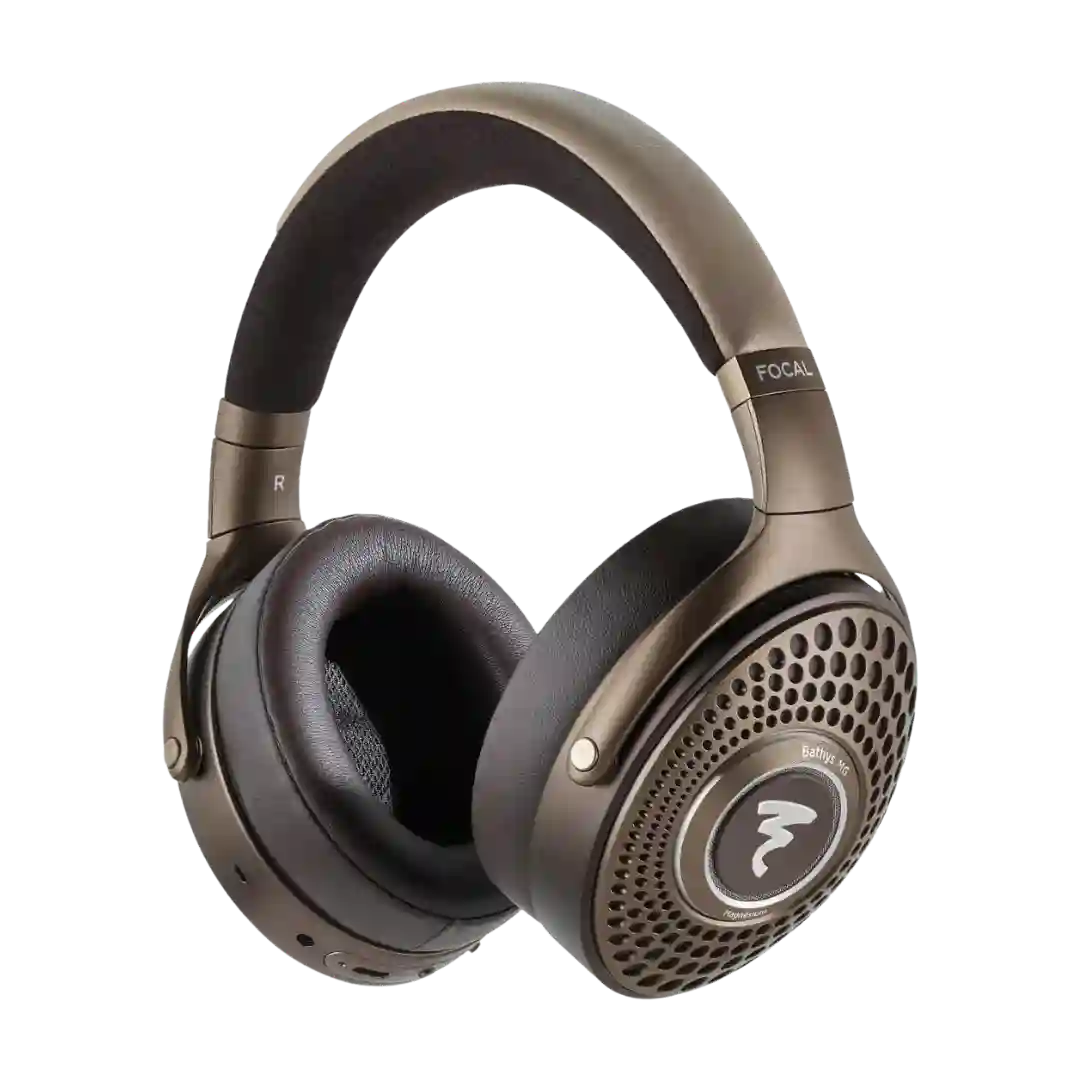
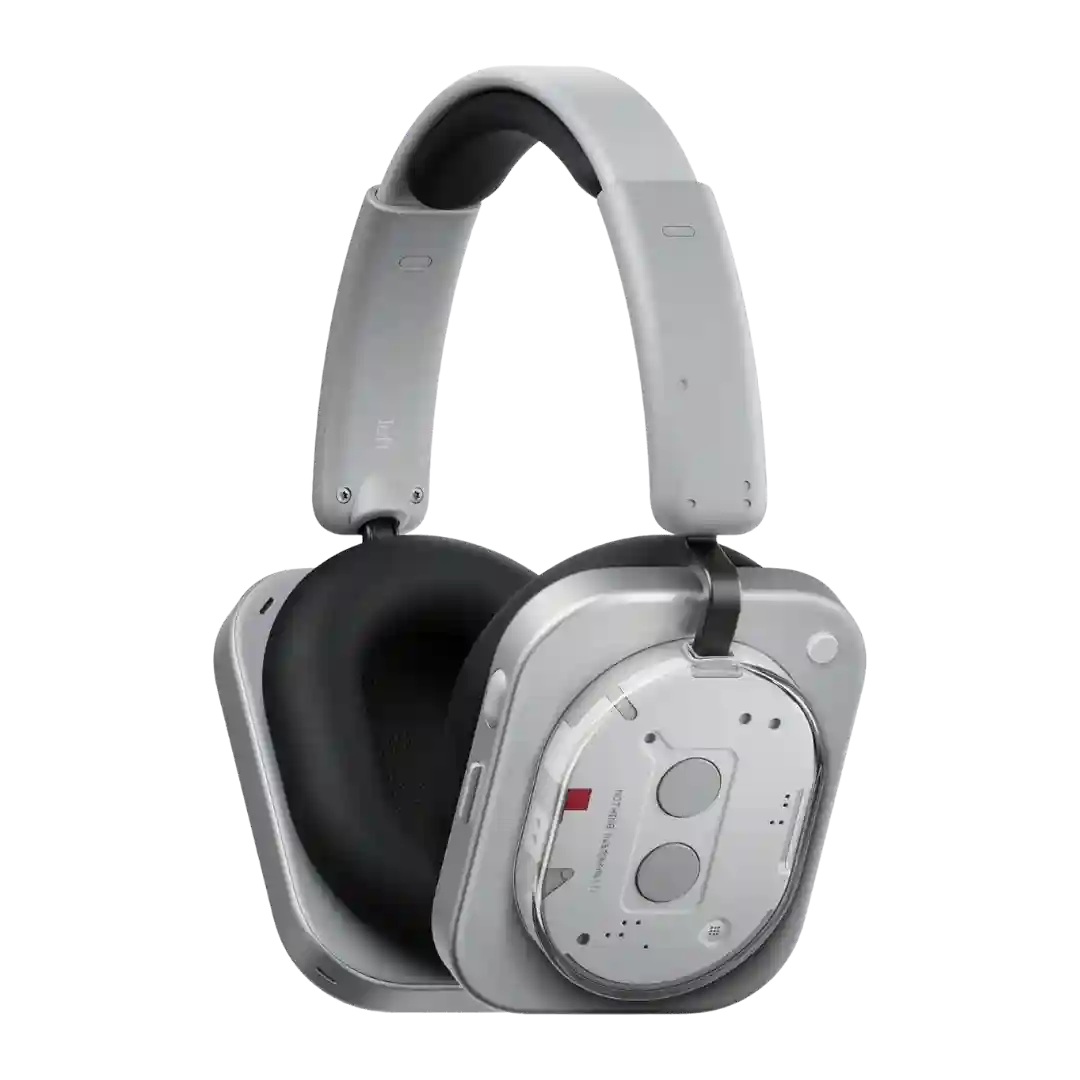
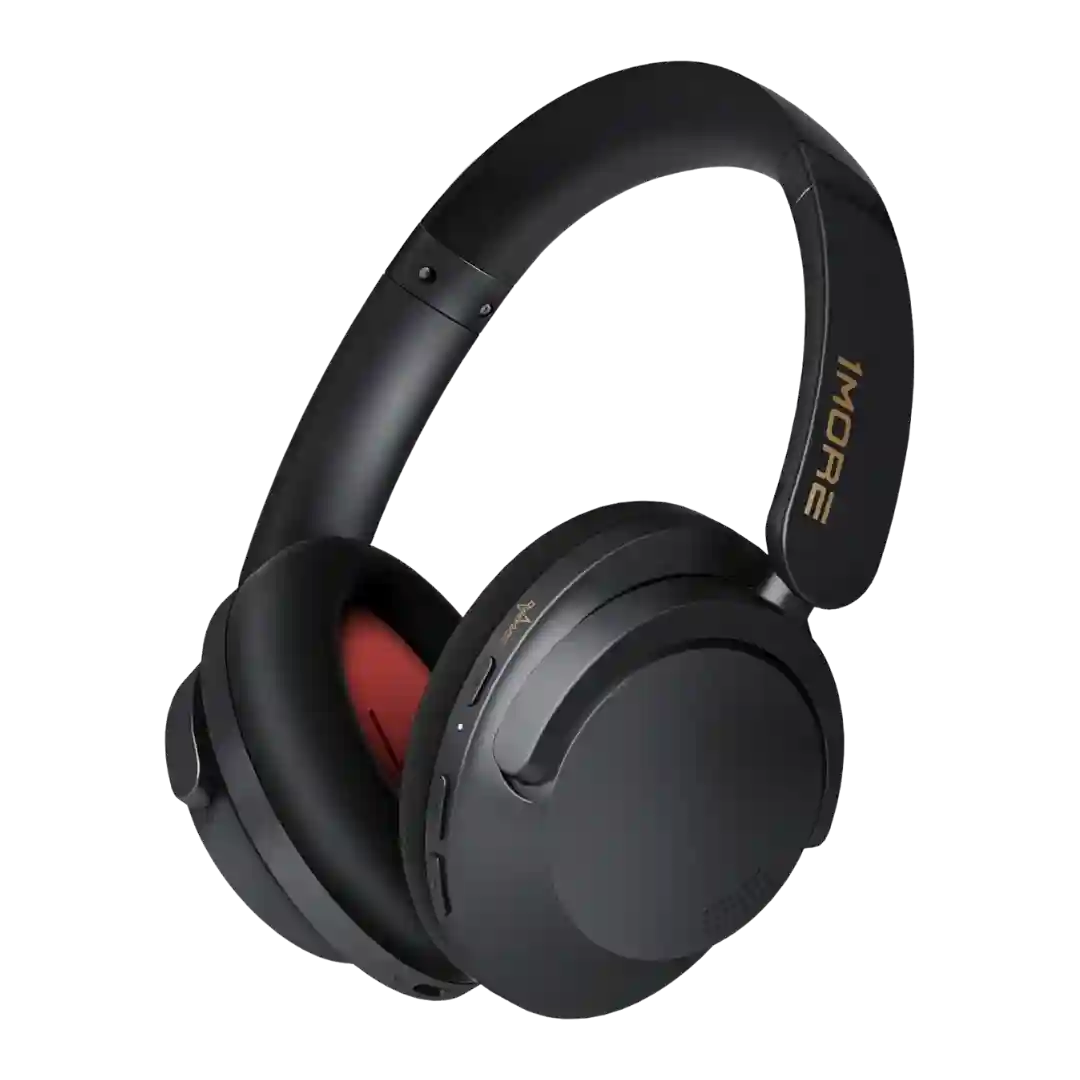
Sustainability is repeatedly tied to Meze’s serviceable approach: parts can be replaced rather than discarding the headphone, supporting longevity and repairability over time.
Packaging gets positive marks for using less plastic and more cardboard or paper-based materials. It is a small but noticed win in the unboxing experience.
At least one review calls out the use of sustainably sourced materials as a plus. It is not a dominant buying factor in most evaluations, but it is viewed positively.
Multiple reviews highlight more sustainable packaging/material choices (recycled paper, reduced plastics), though it is not the primary purchase driver.
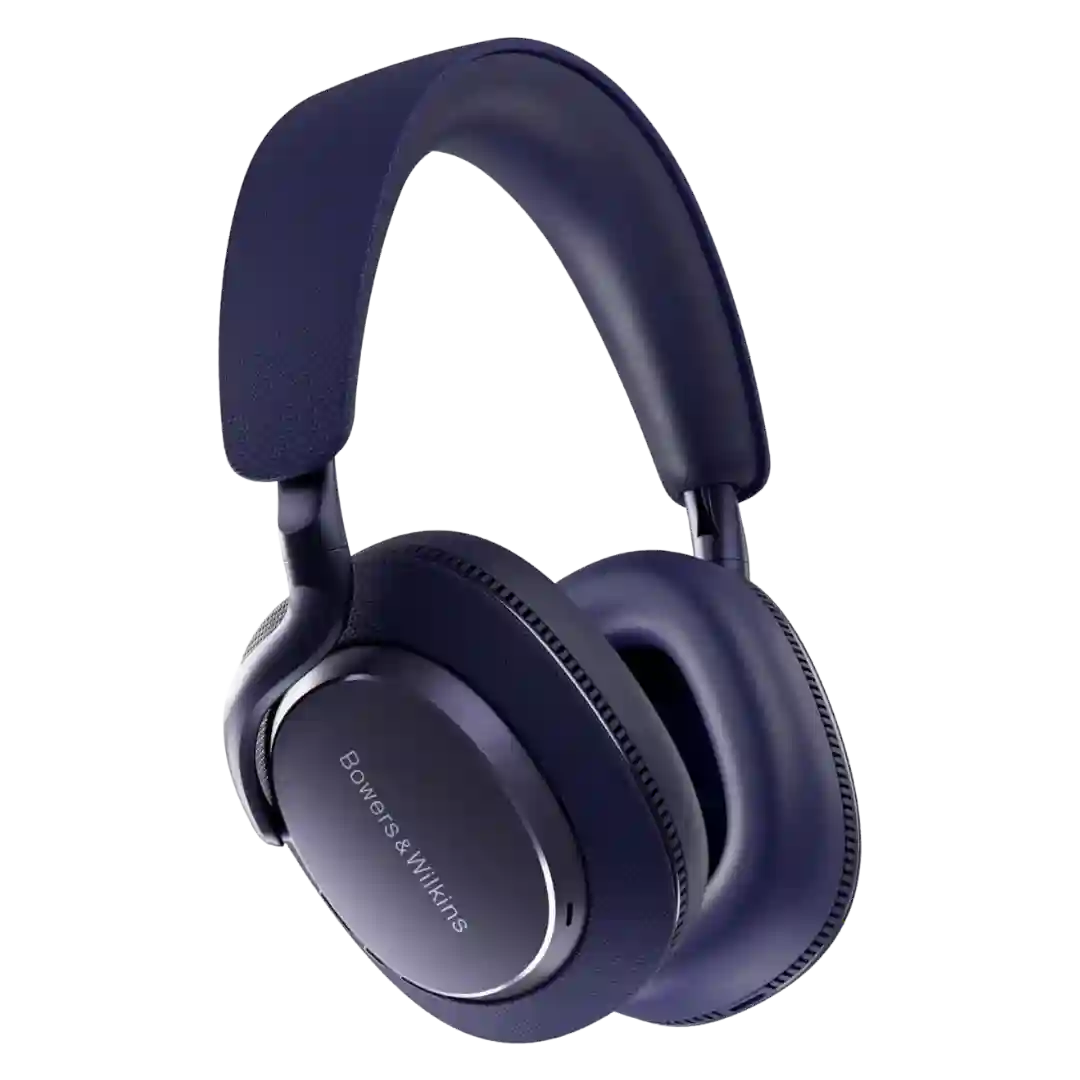
Materials and serviceable parts (like pads and headband components) are positioned as more sustainable than fully disposable designs. Some reviews also emphasize vegan or leatherette options and longer-term repairability.
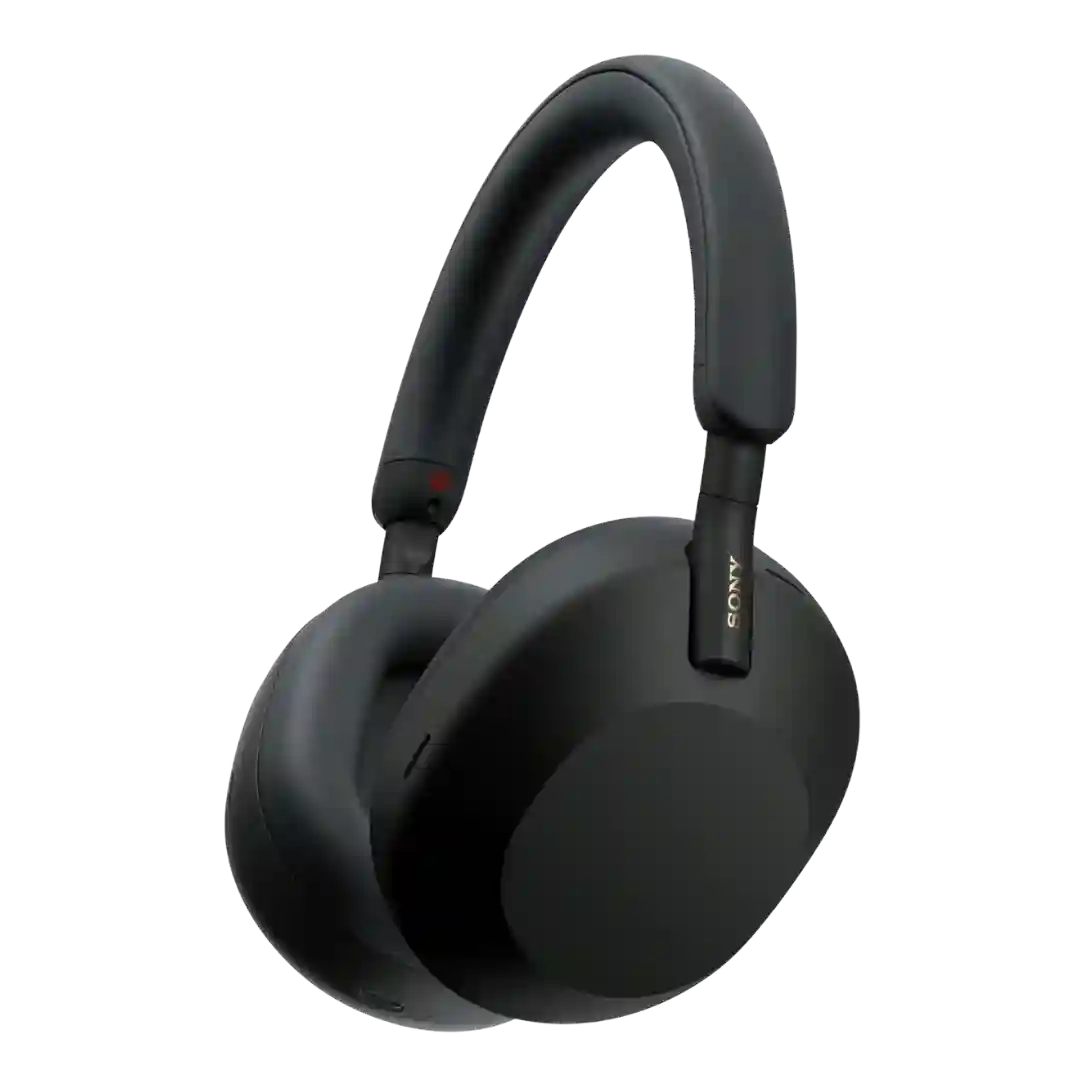
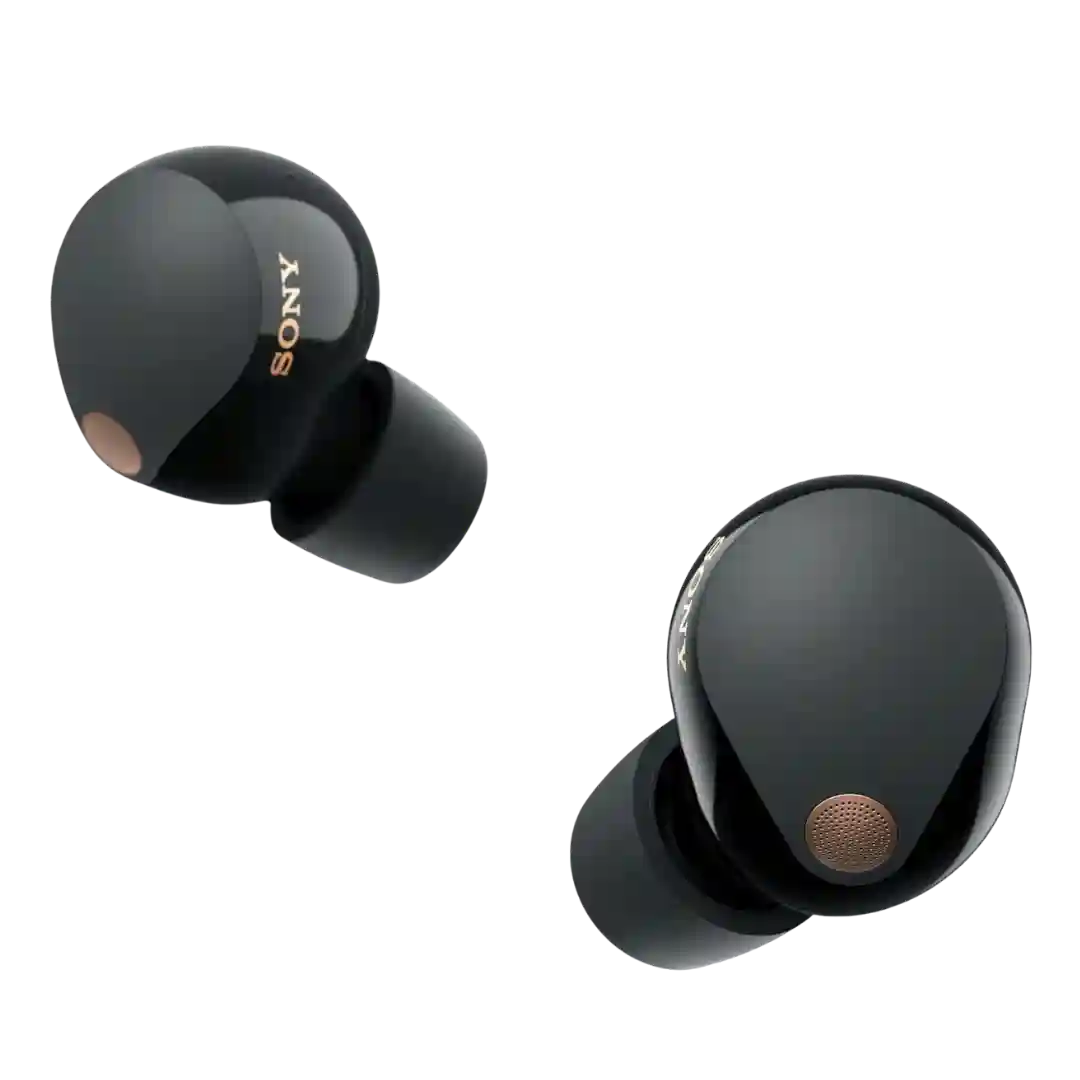
Sustainability gets a boost from recycled materials claims and the move toward longer-term serviceability, though the buds themselves remain typical sealed-wireless hardware.
Some reviews note increased use of recycled materials and access to trade-in or recycling programs, but detailed environmental reporting is limited. Sustainability efforts exist but are not presented as a major differentiator.
Sustainability notes are mixed: there is recycled material content and trade-in/recycling programs, but repairability and battery longevity limits remain concerns. Some reviewers explicitly call out low repair scores.
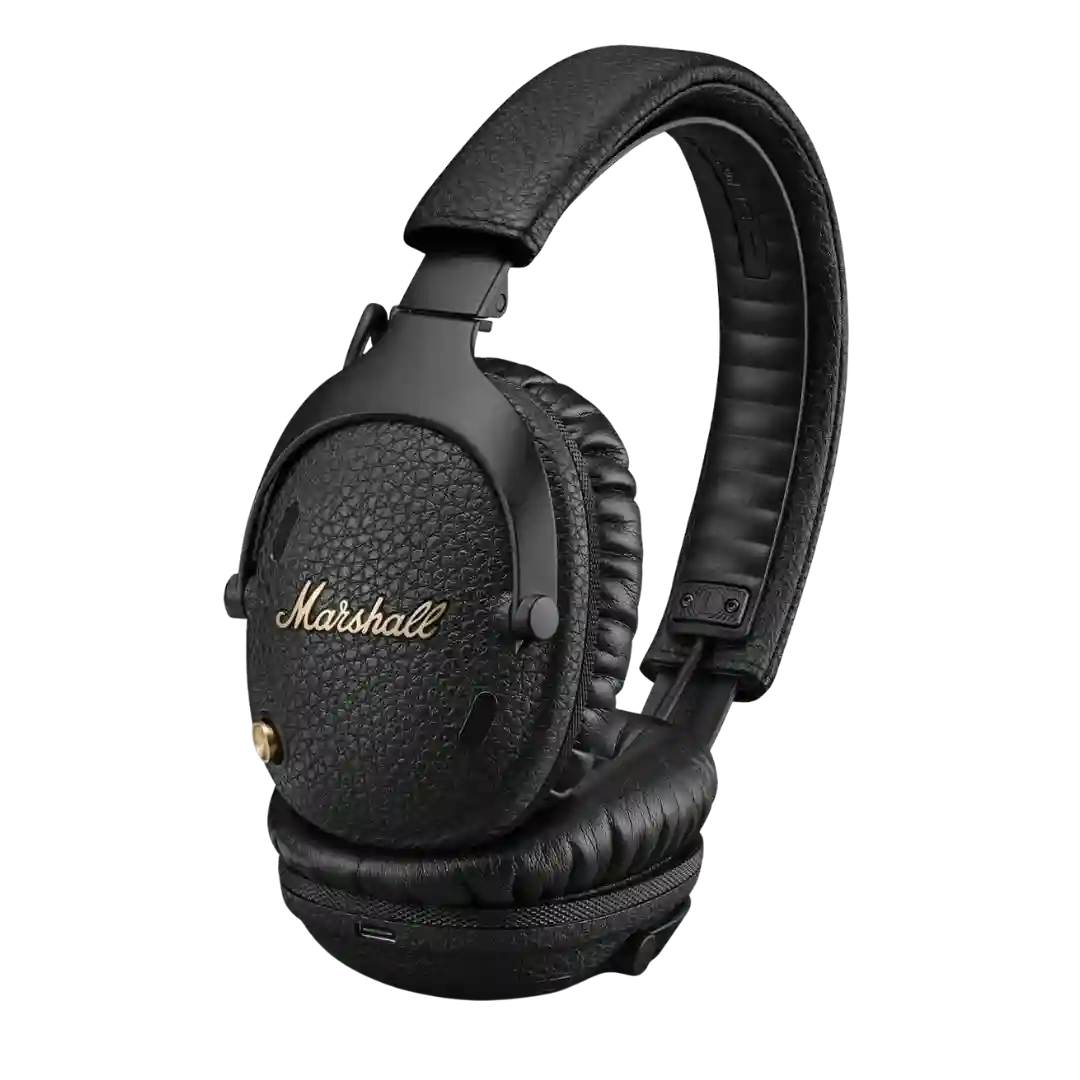
Sustainability signals are limited in reviews: some note repairability steps (like pad access) but also a lack of recycled materials or overt eco focus.