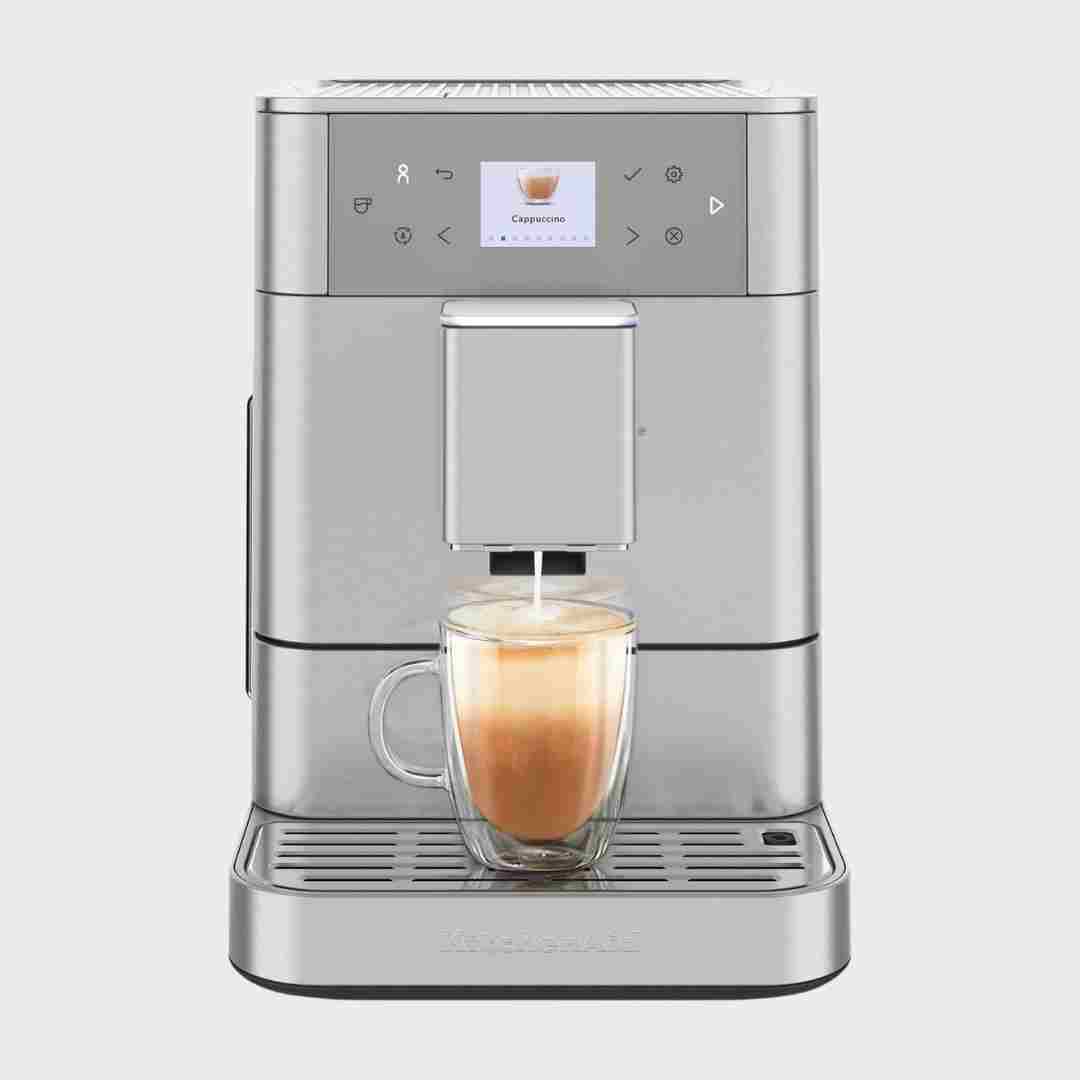
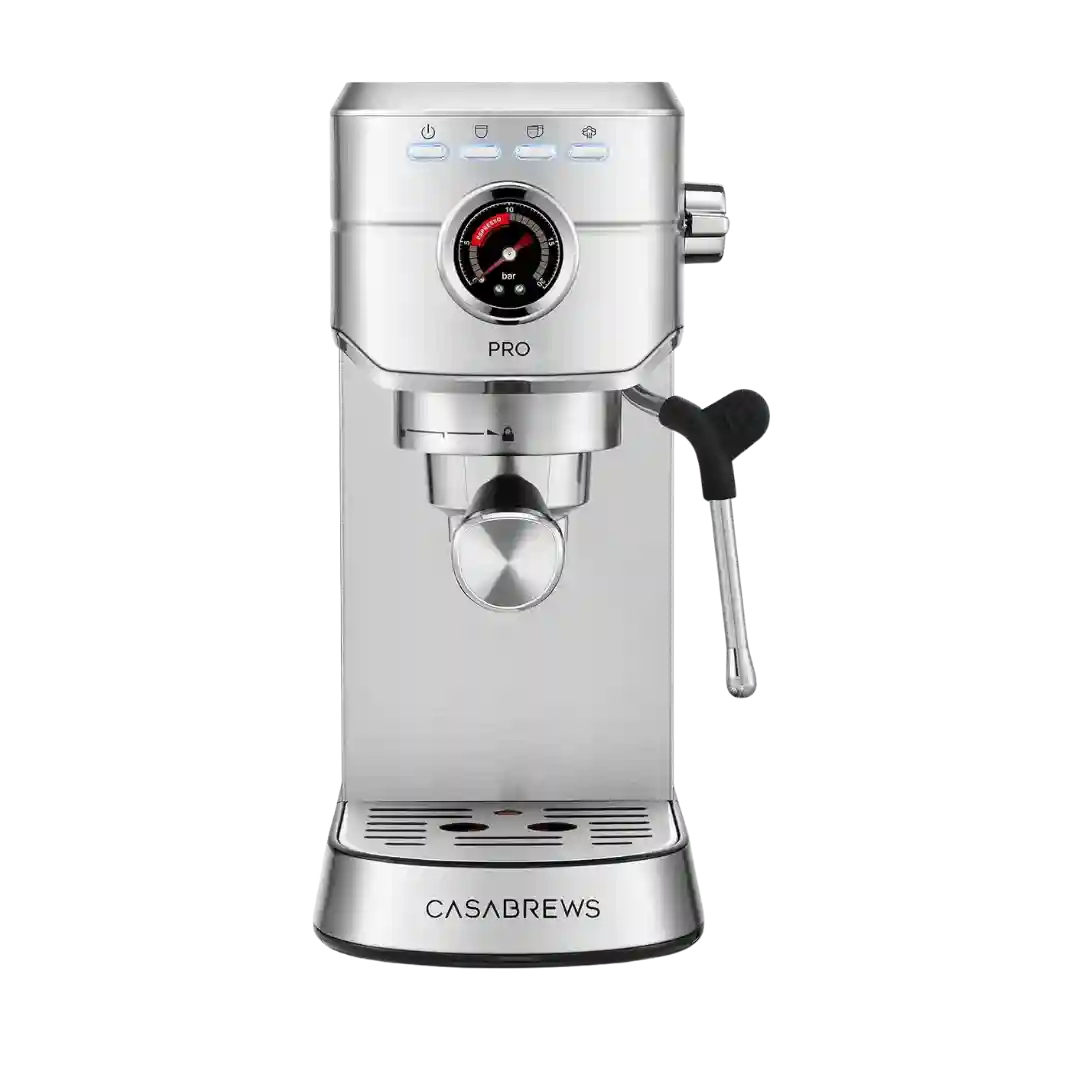
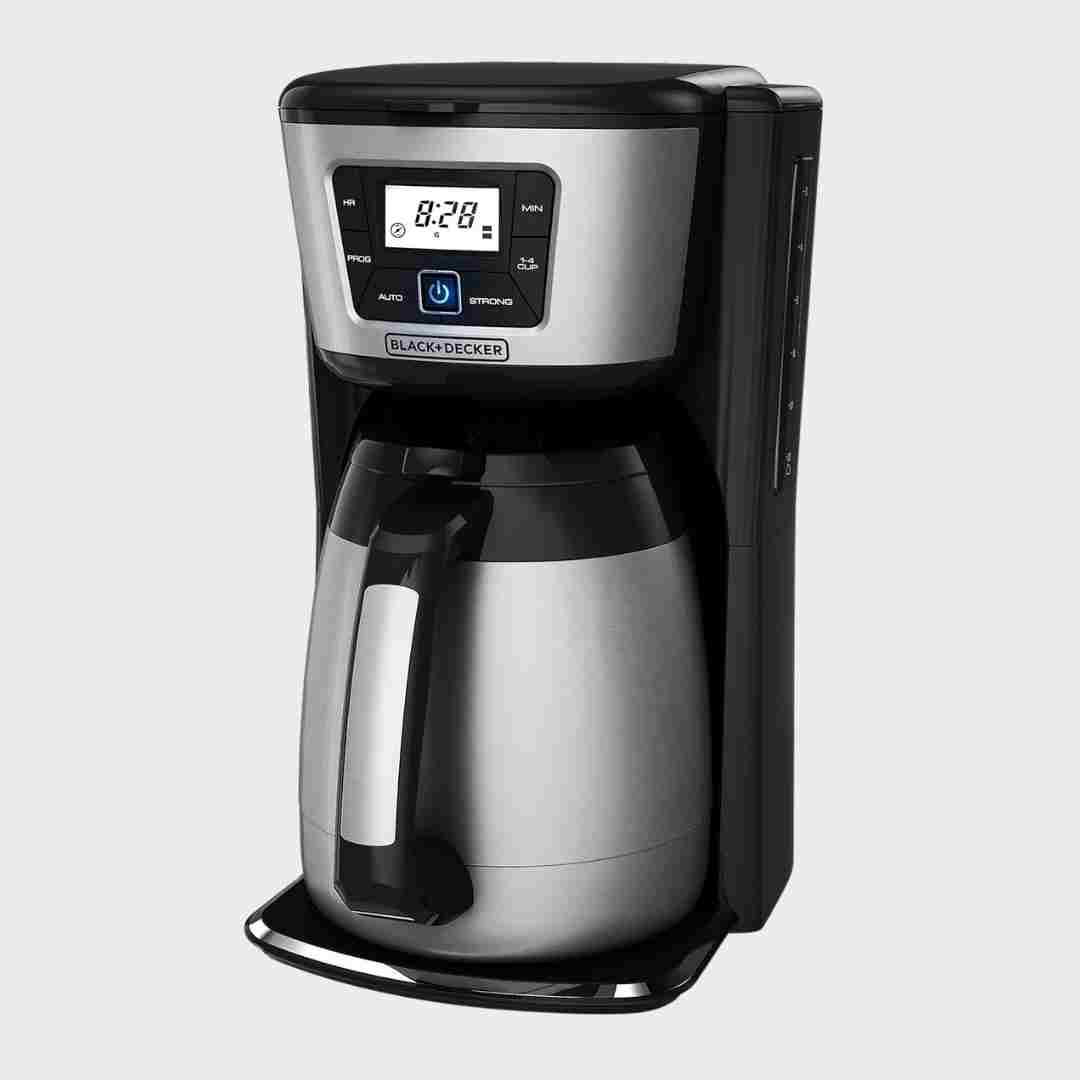
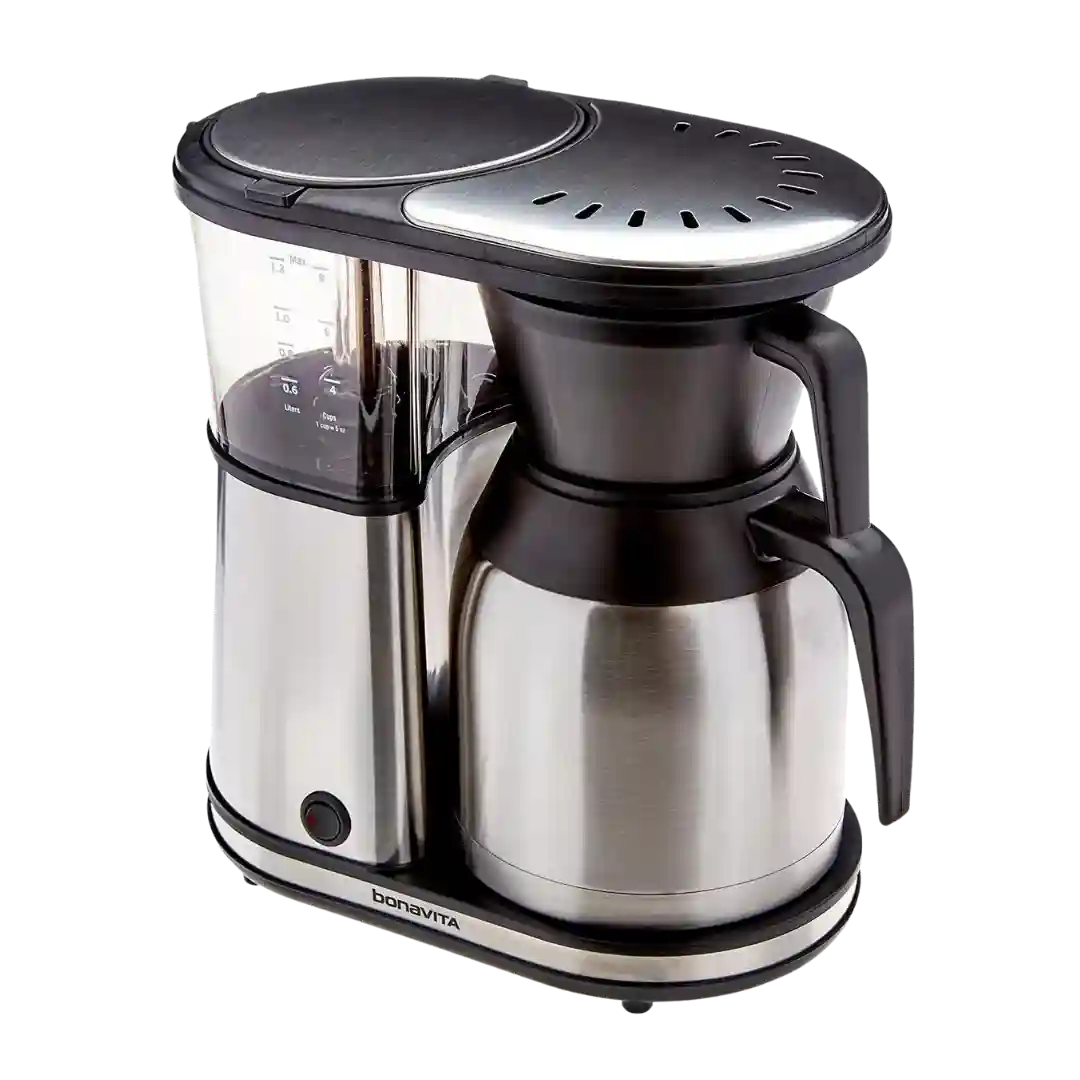
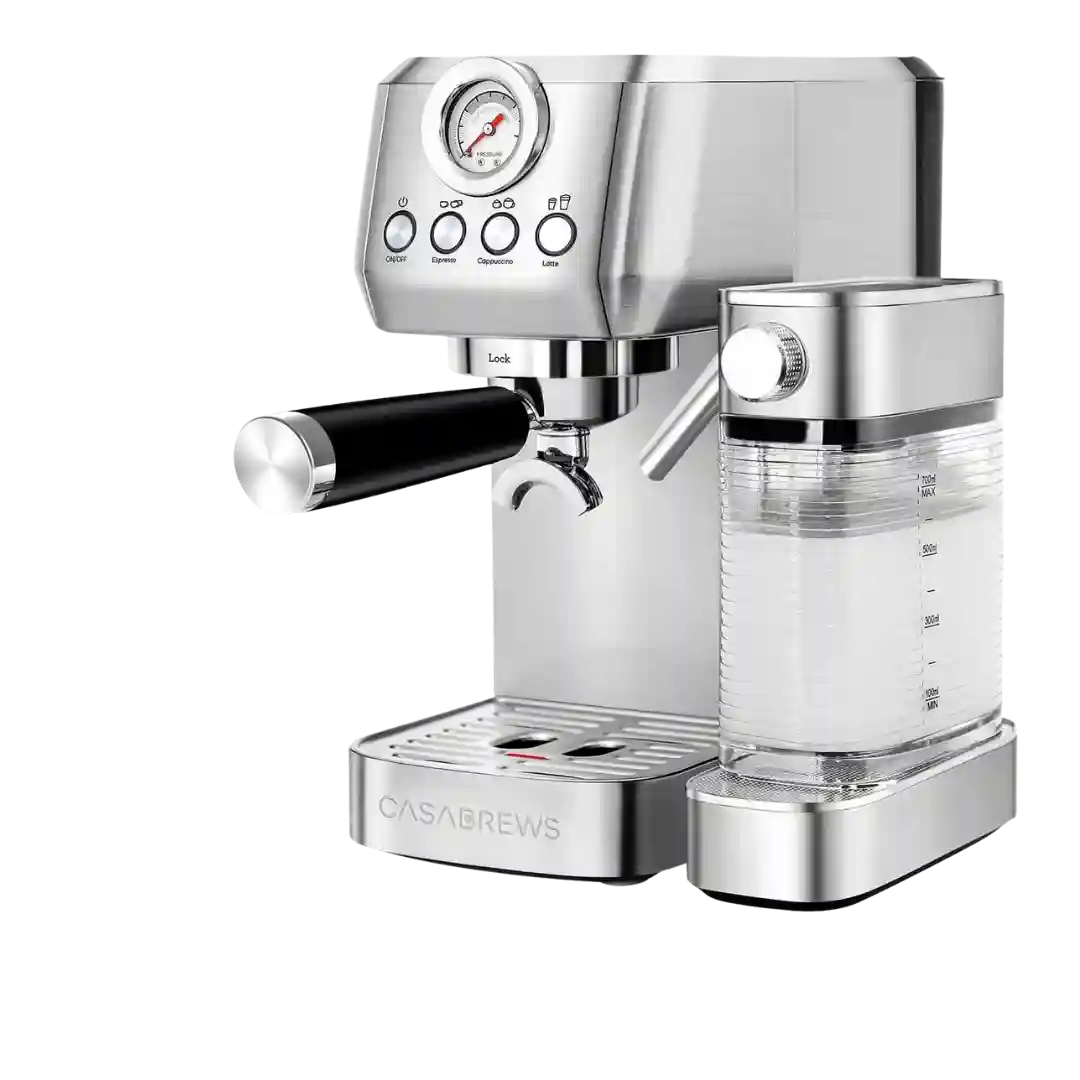
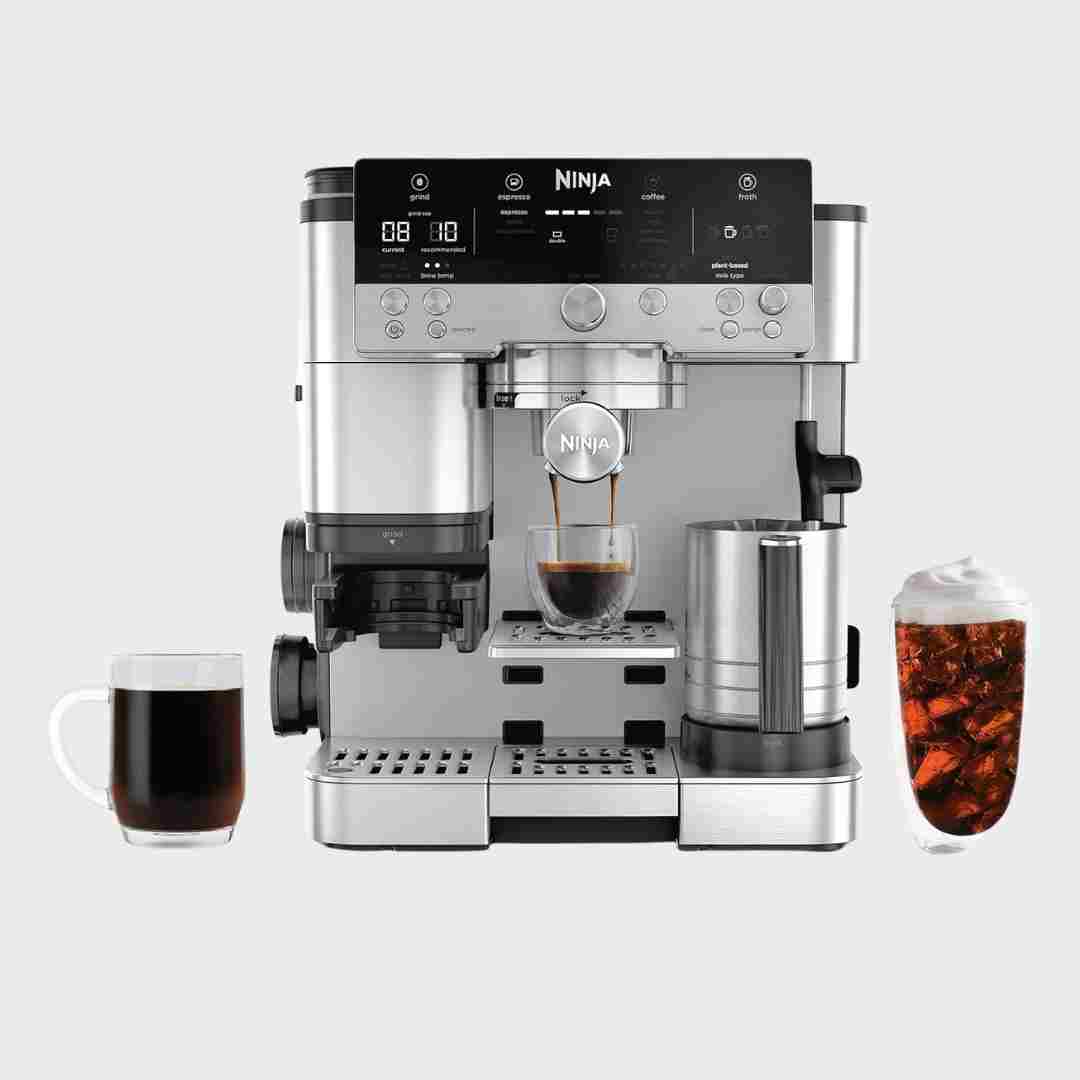
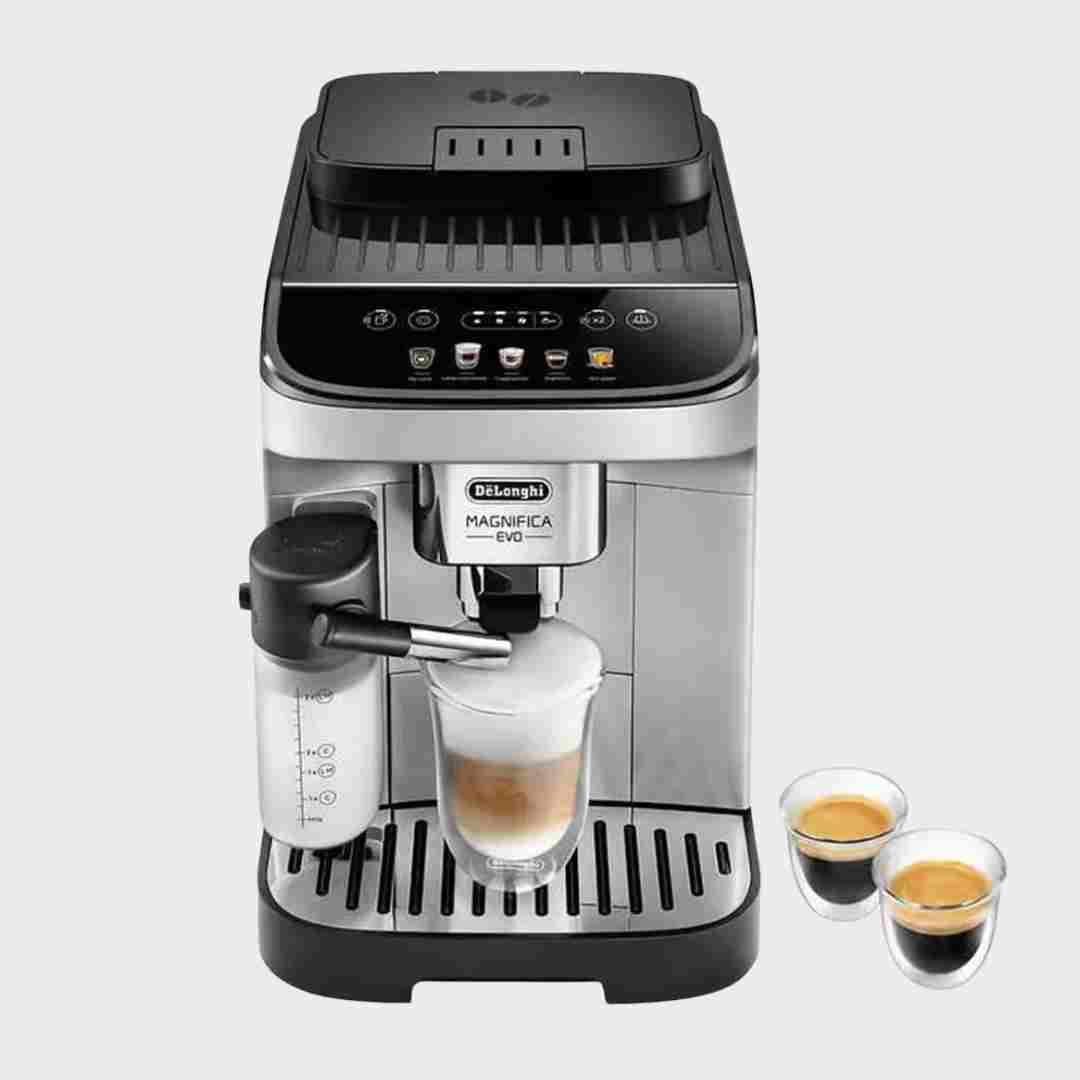
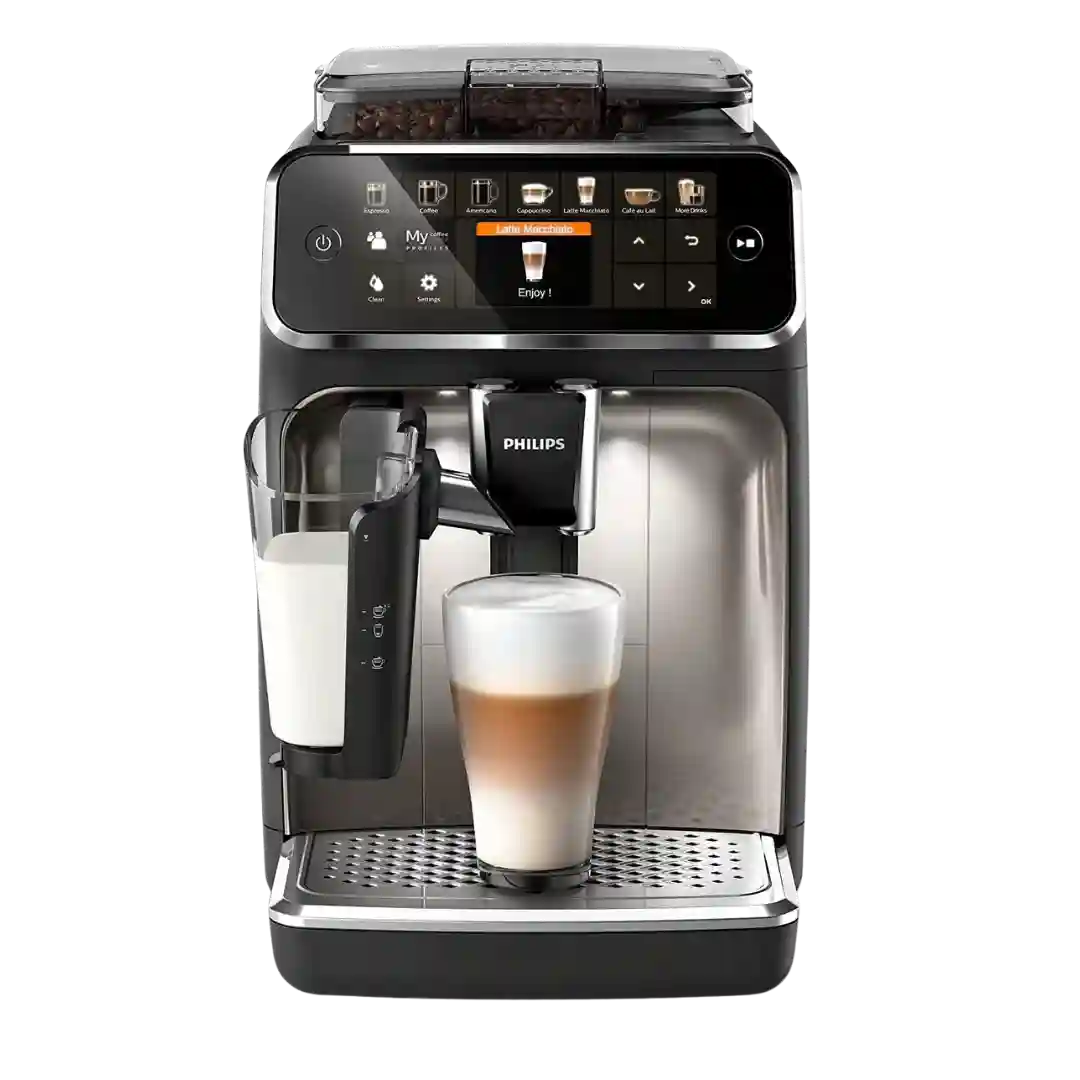
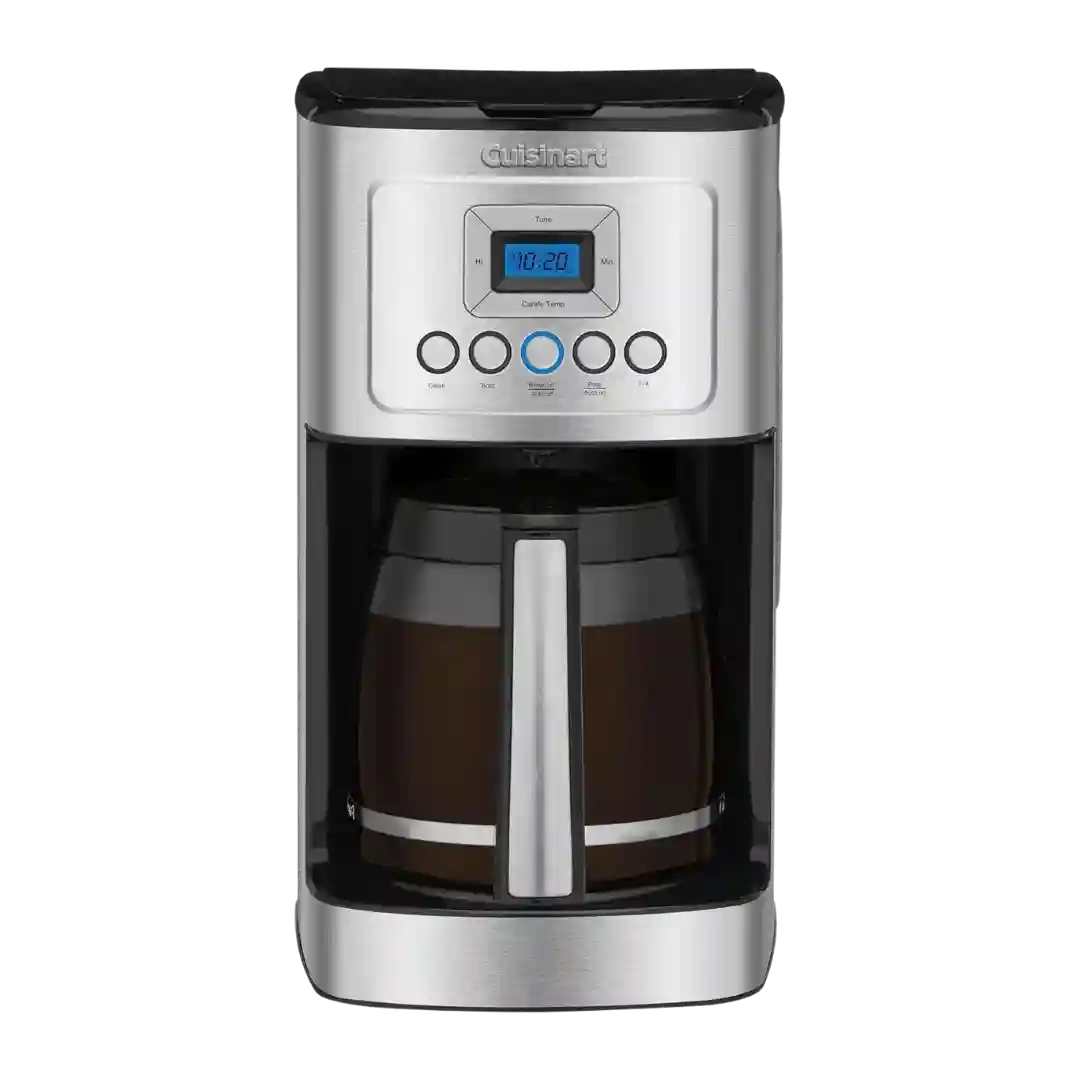
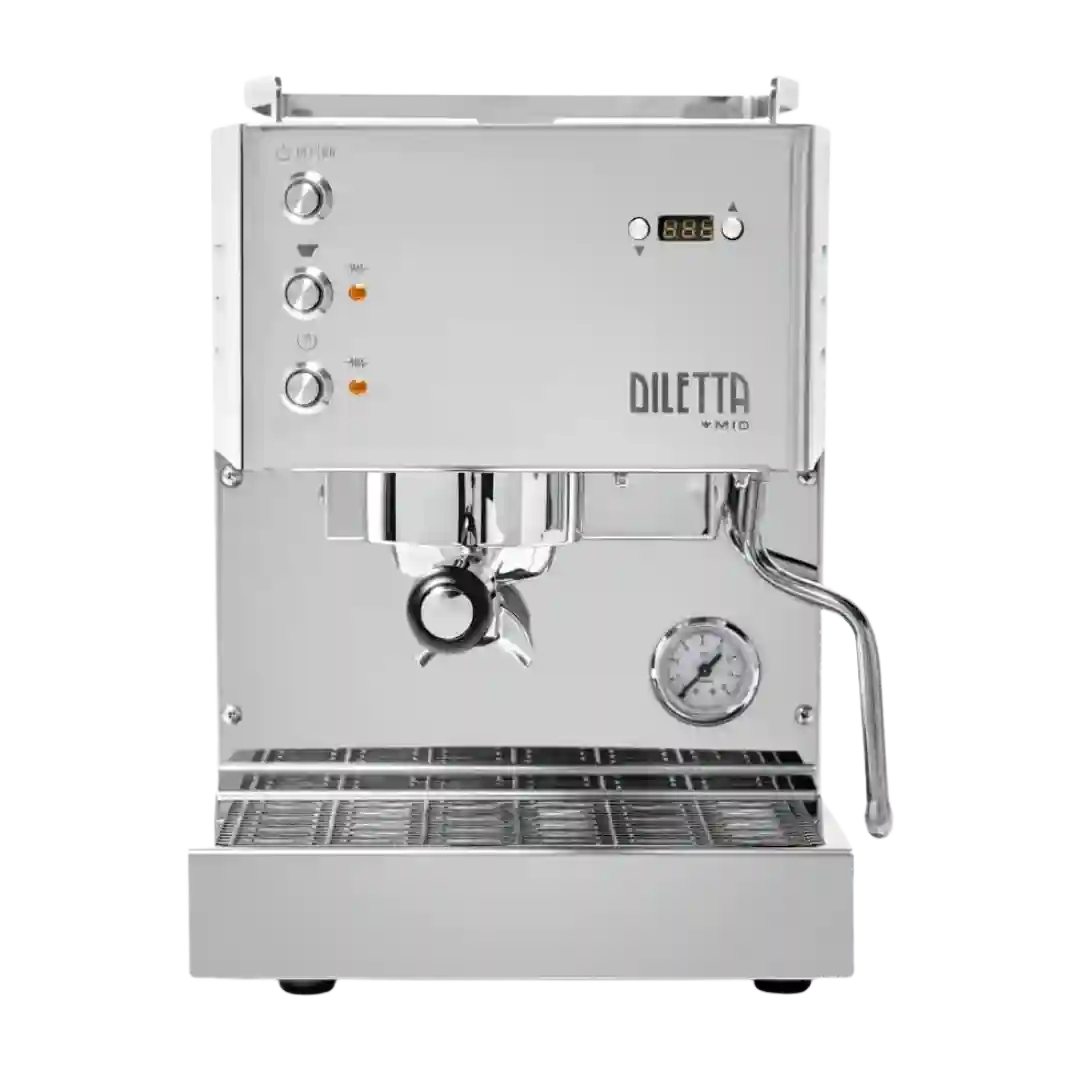
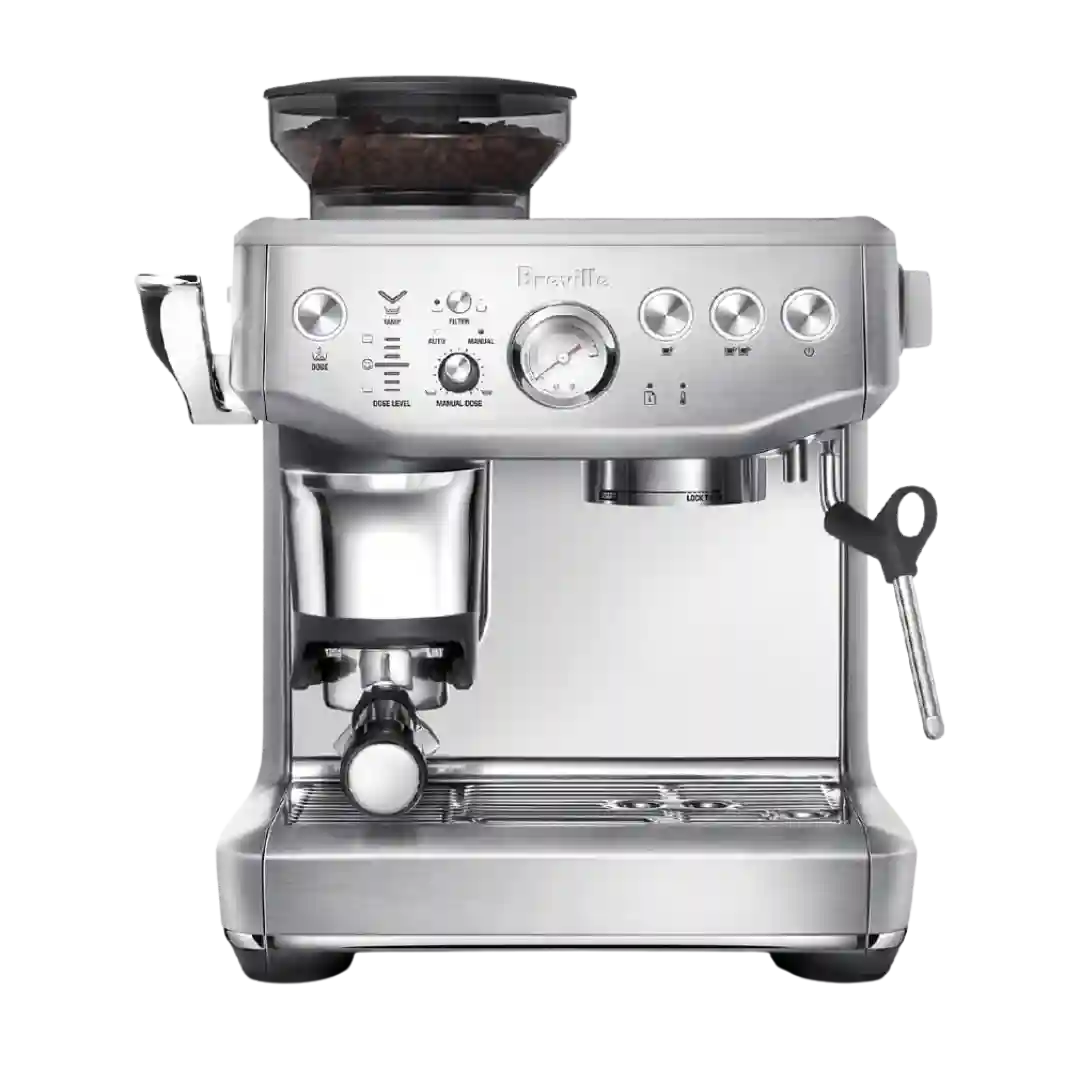
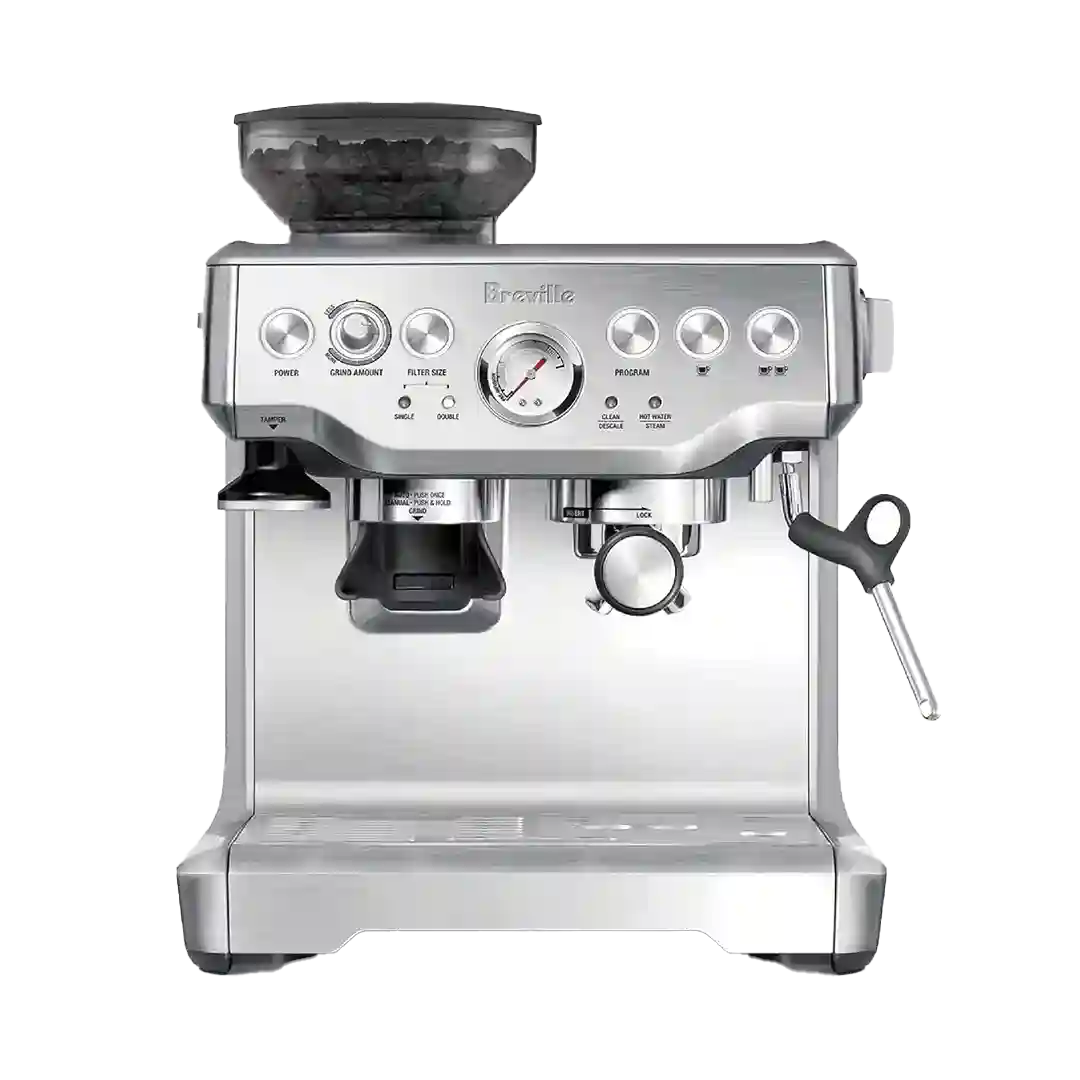
Most reviewers frame the KF6 as strong value around the $1,000 range because it delivers better espresso and build quality than expected, even if it skips some premium extras.
Value is rated highly when priced under about $200, with reviewers repeatedly calling it a strong budget option given its speed and steaming capability. At full list pricing, several imply the compromises (accessories and consistency) become harder to overlook versus established alternatives.
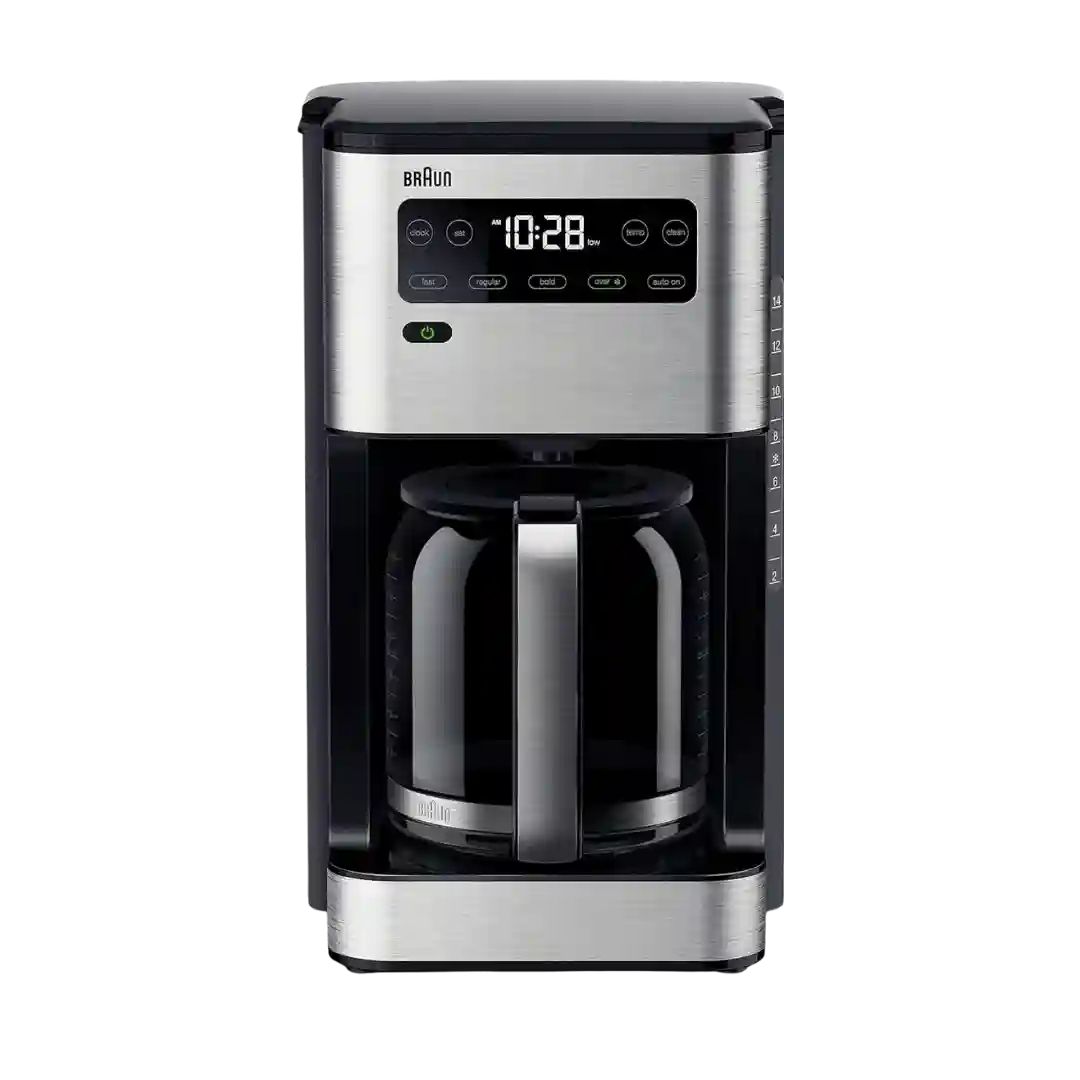
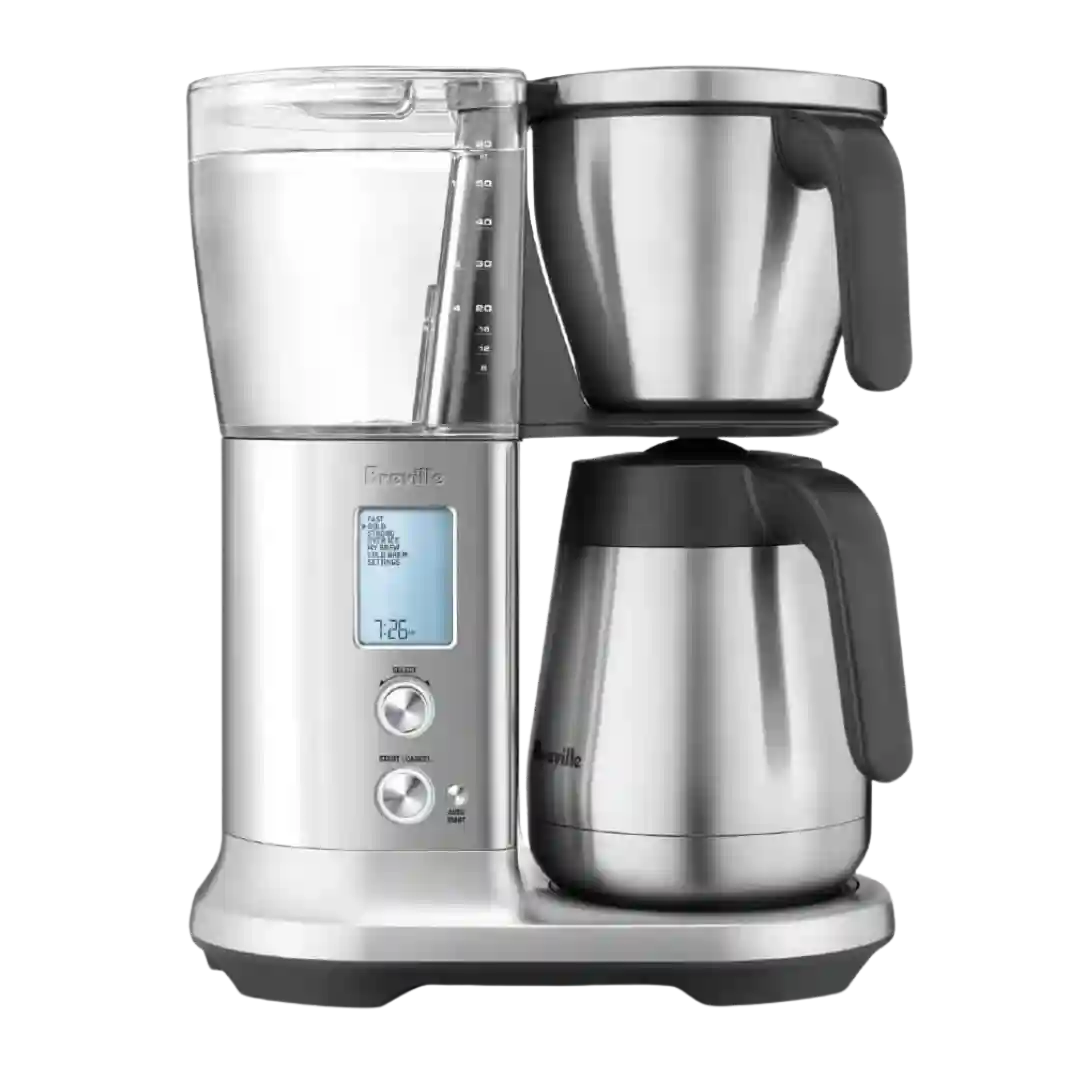
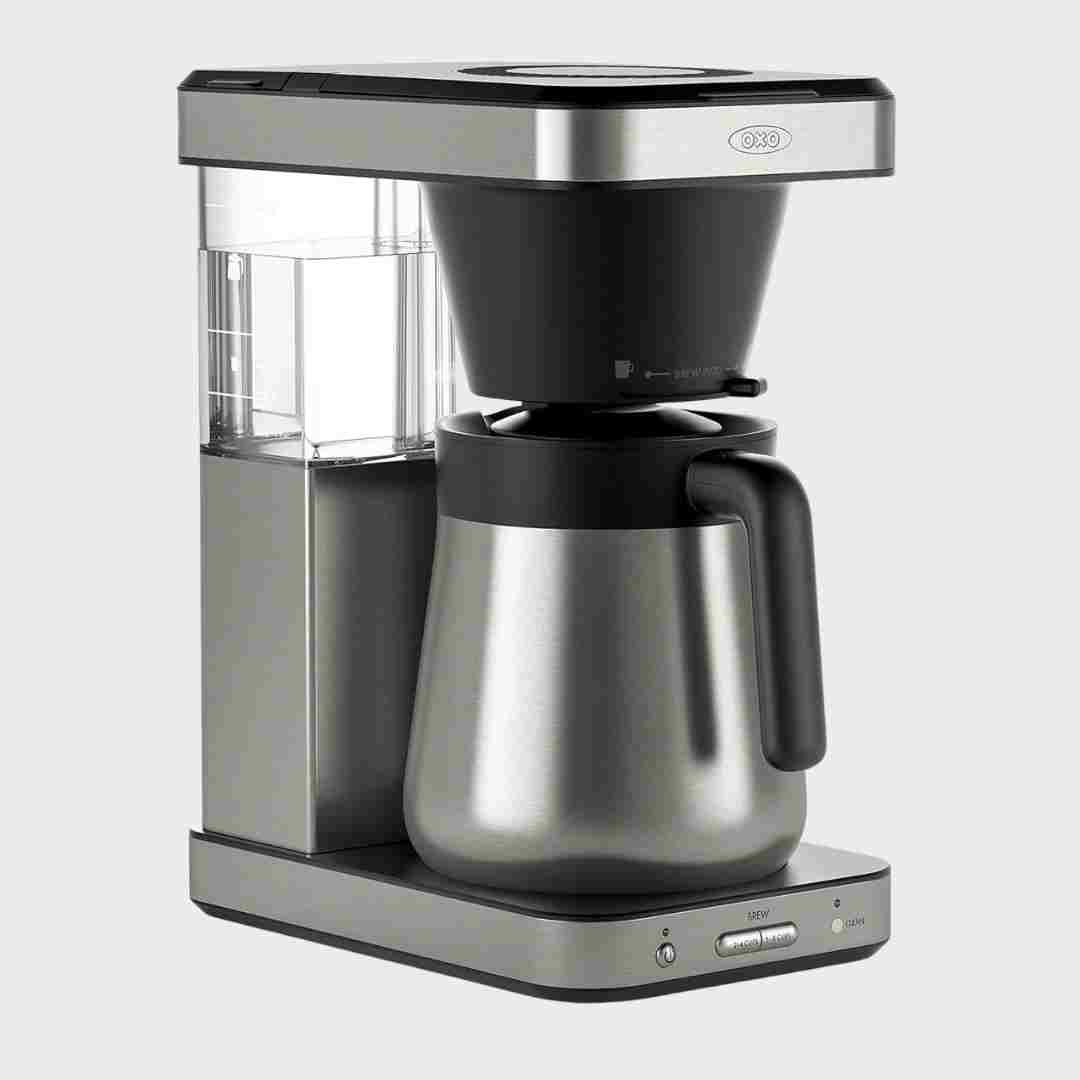
Value is consistently a highlight, frequently framed as a rare budget thermal-carafe option with features (freshness timer, programmability, strength settings) that are uncommon at similar prices.
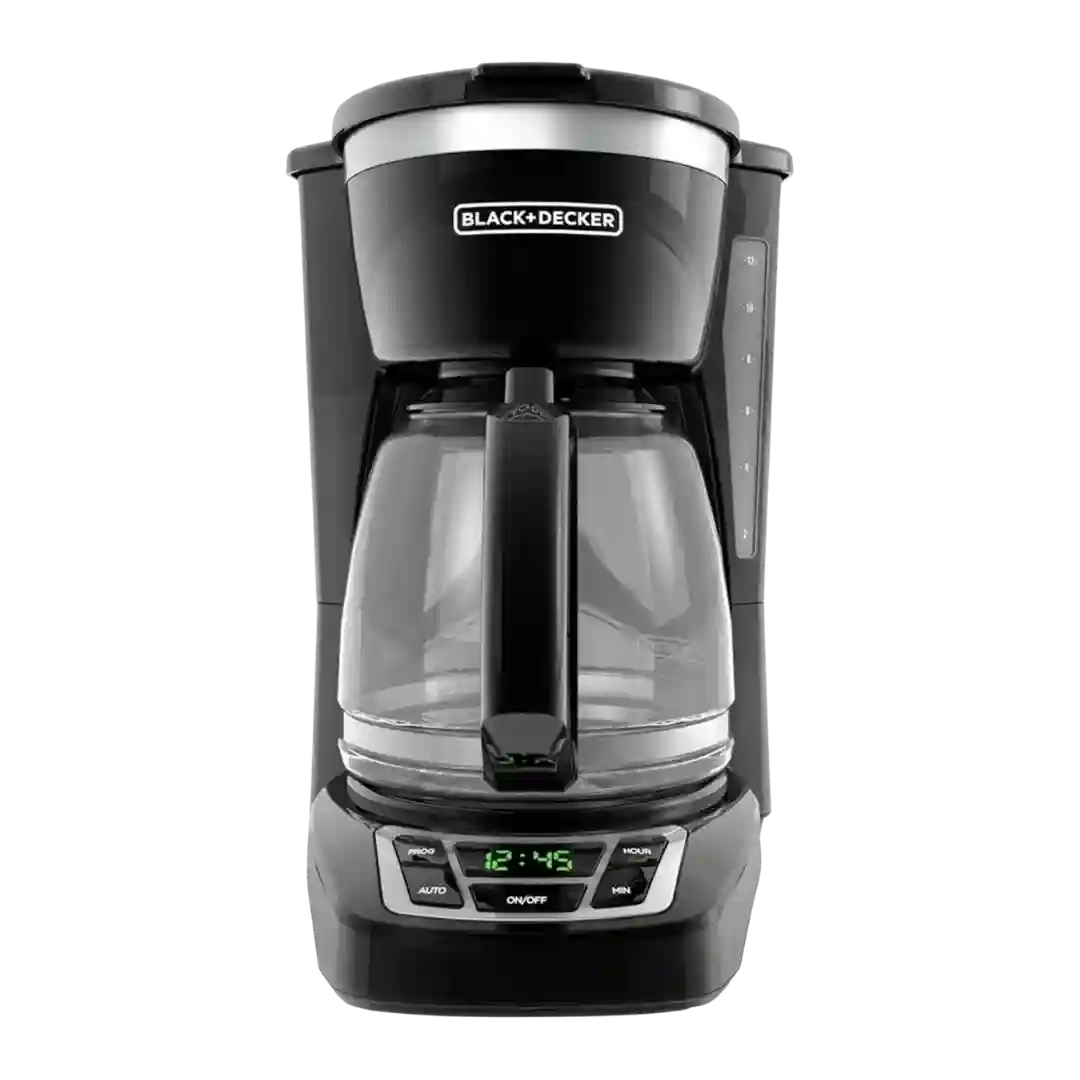
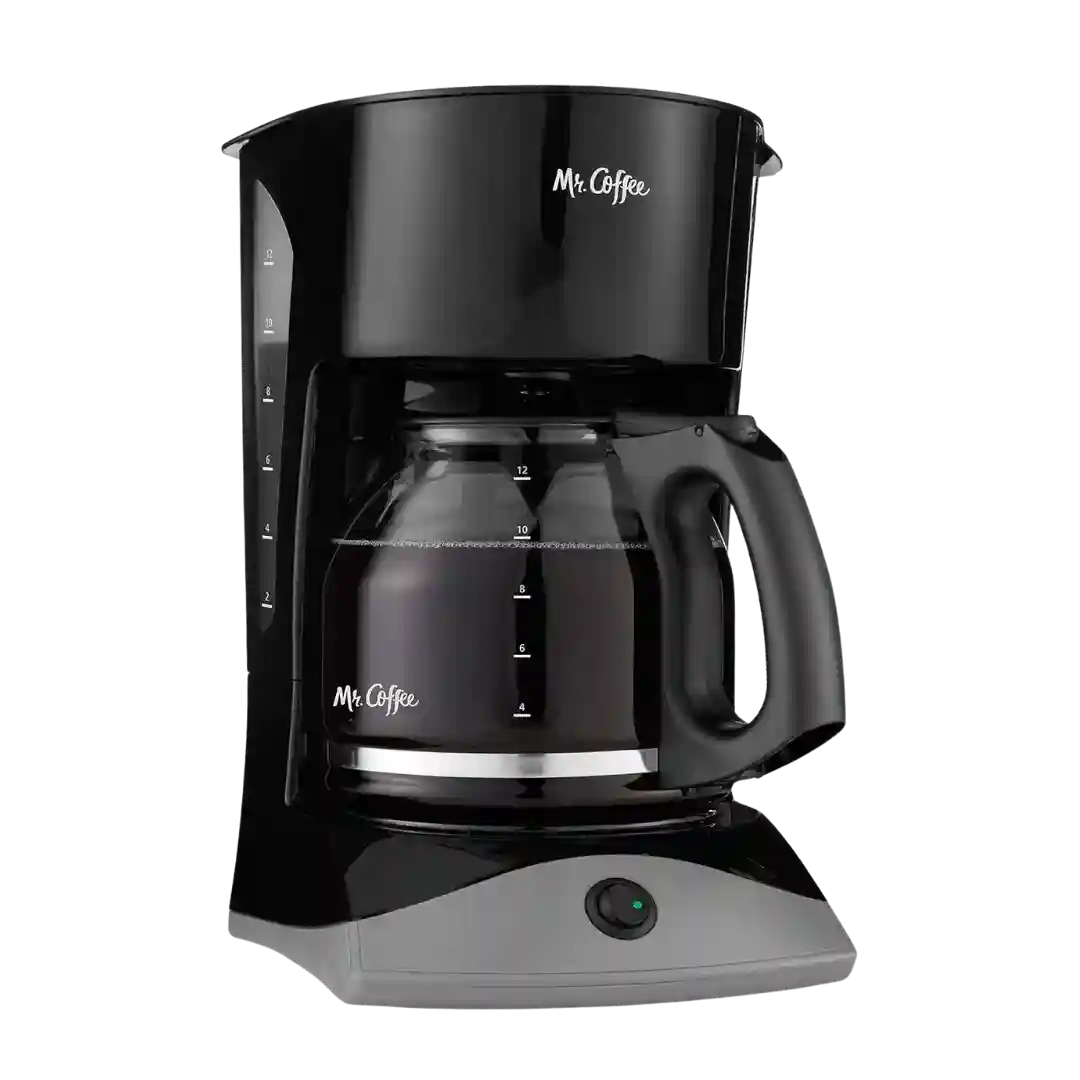
Positioned as a low-cost programmable drip machine (often cited around the mid-$20s to mid-$30s). Multiple sources frame it as strong value because you get timer programming and auto shutoff at a budget price, with tradeoffs in build materials and cup refinement.
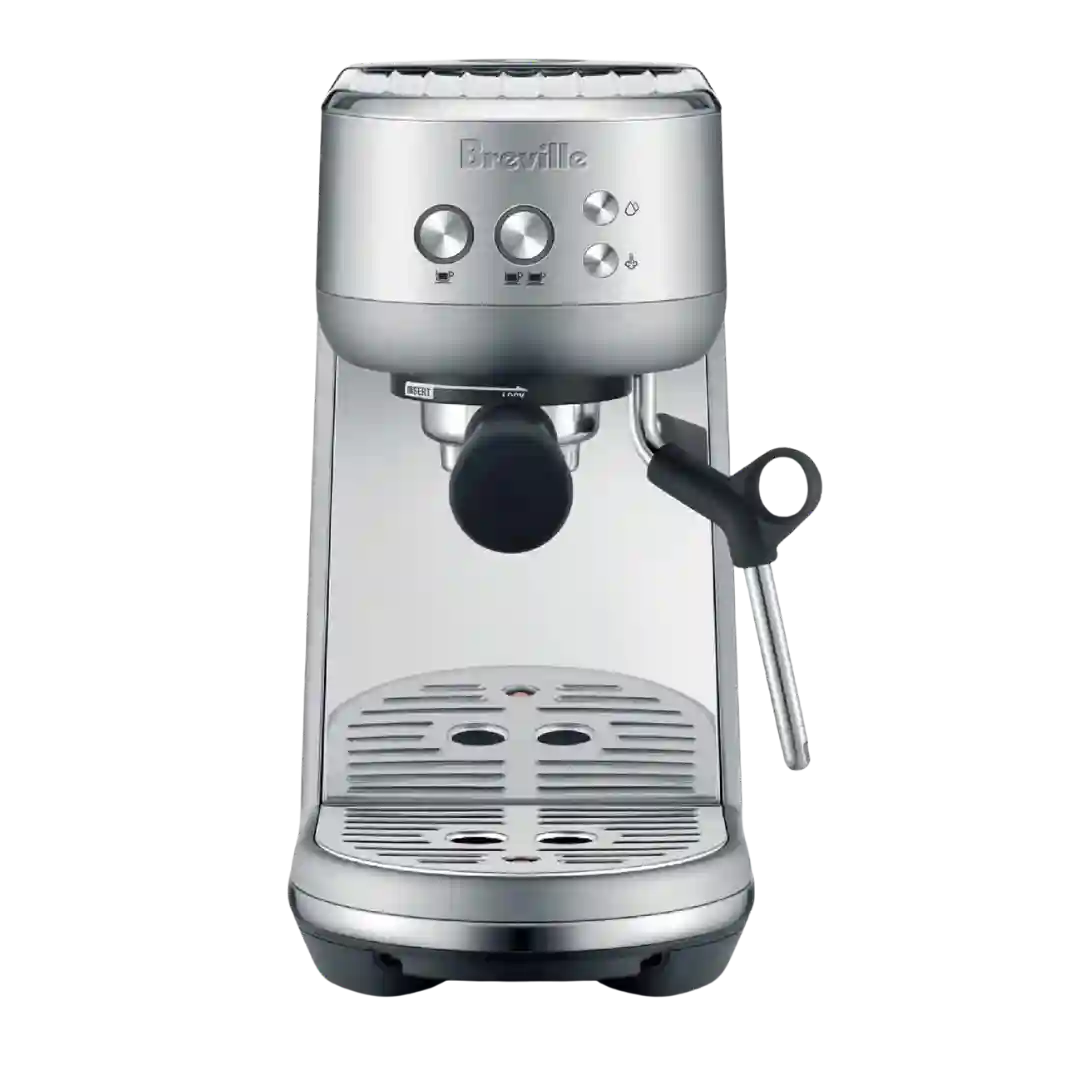
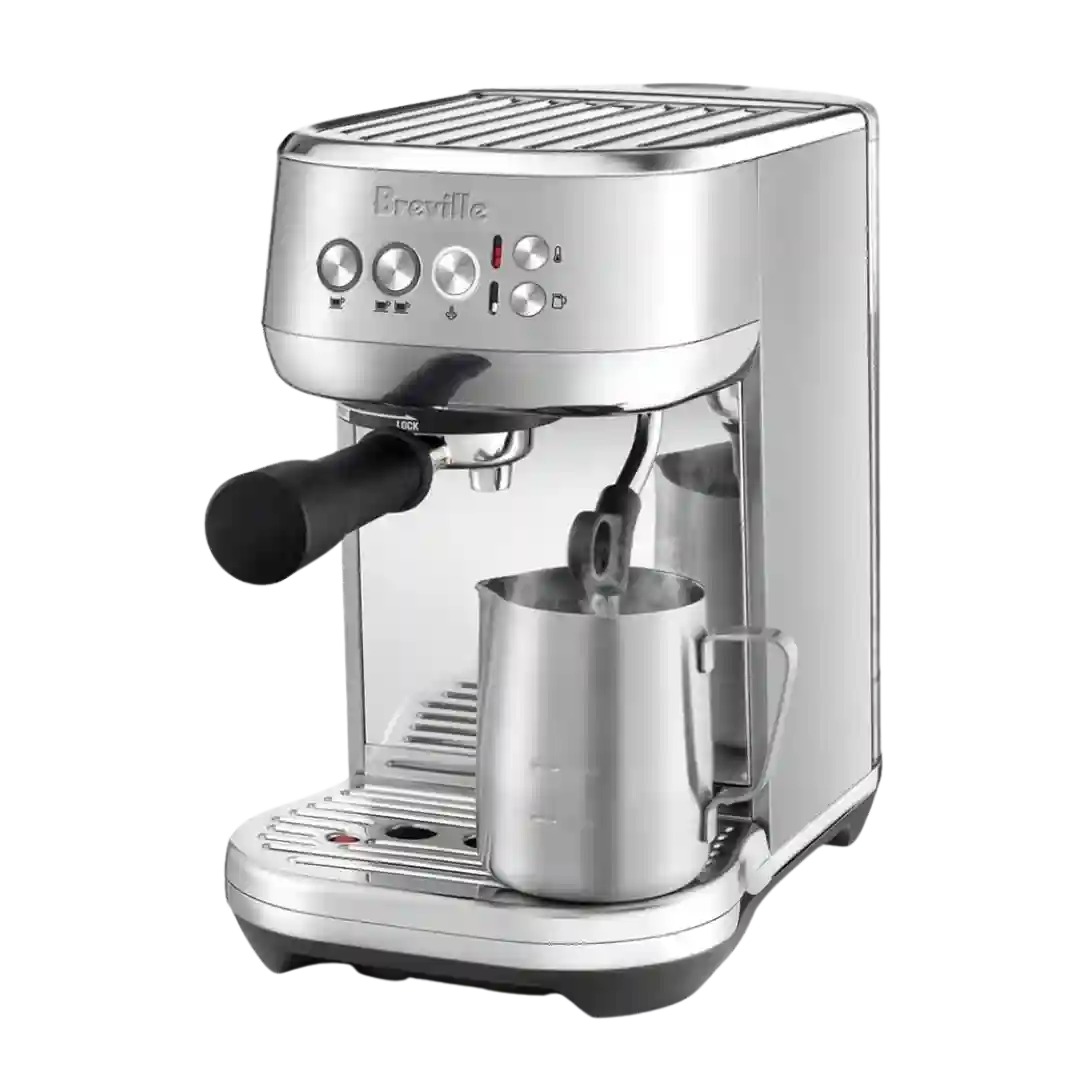
Value is repeatedly described as the main reason to buy: reviewers feel the Bambino delivers espresso and milk performance closer to much pricier machines, as long as we accept its basic accessories and simpler build. The cost of a separate grinder is the main hidden expense.
Value is one of the most consistent themes, with many describing the feature set and coffee quality as competing with pricier machines. Even when noting flaws, reviewers often still call it worth the money.
Value is a standout theme: multiple reviews call it budget-friendly, often citing sale pricing, discount codes, and the ability to replace frequent coffee-shop runs. Most tradeoffs called out are typical for the price class rather than deal-breakers.
Multiple sources frame it as strong value, often discounted under the typical 100-dollar mark while delivering taste and feature depth closer to pricier drip makers.
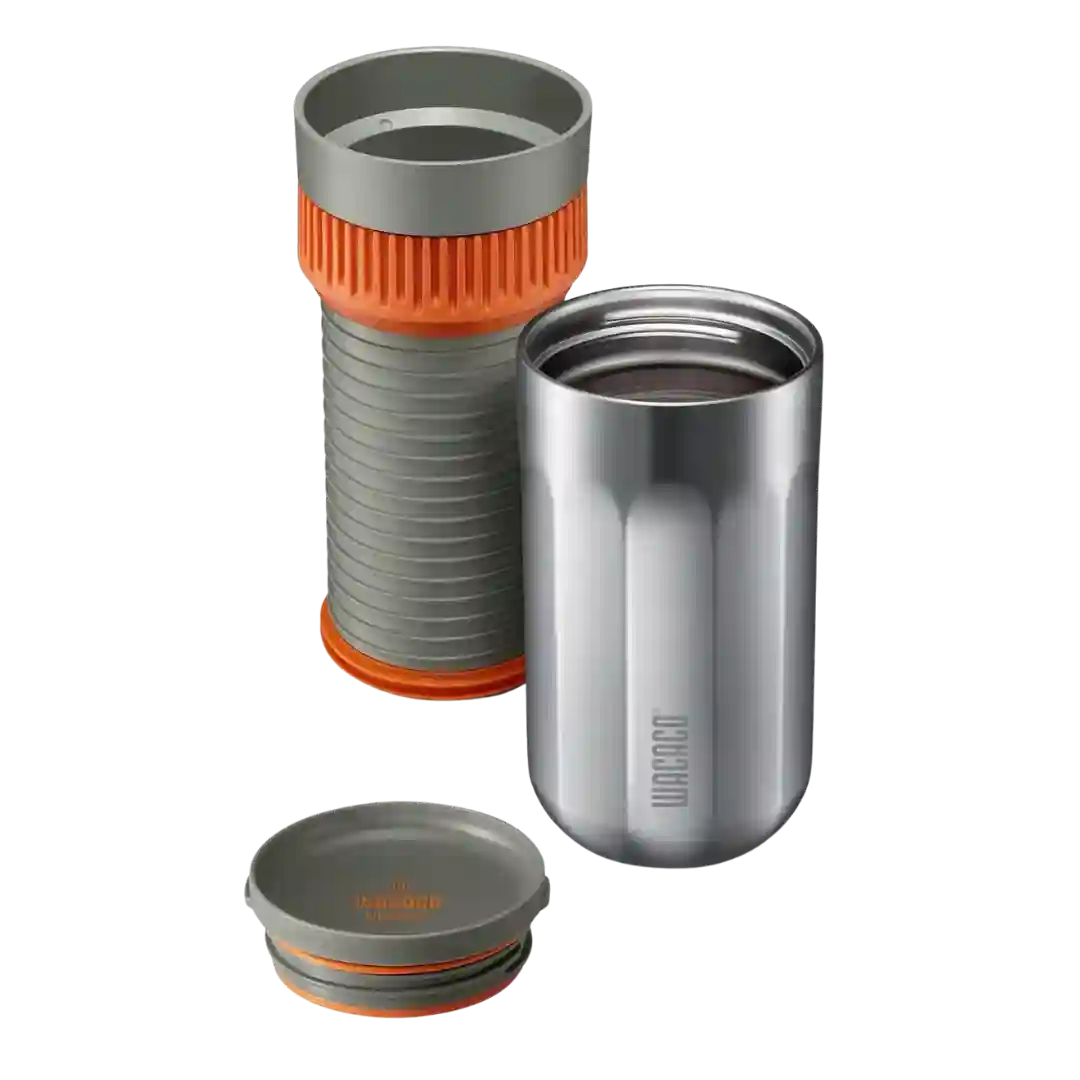
Value is generally rated well for what the Pipamoka includes. Multiple reviews say the price is fair given the all-in-one format, versatility, and portability.
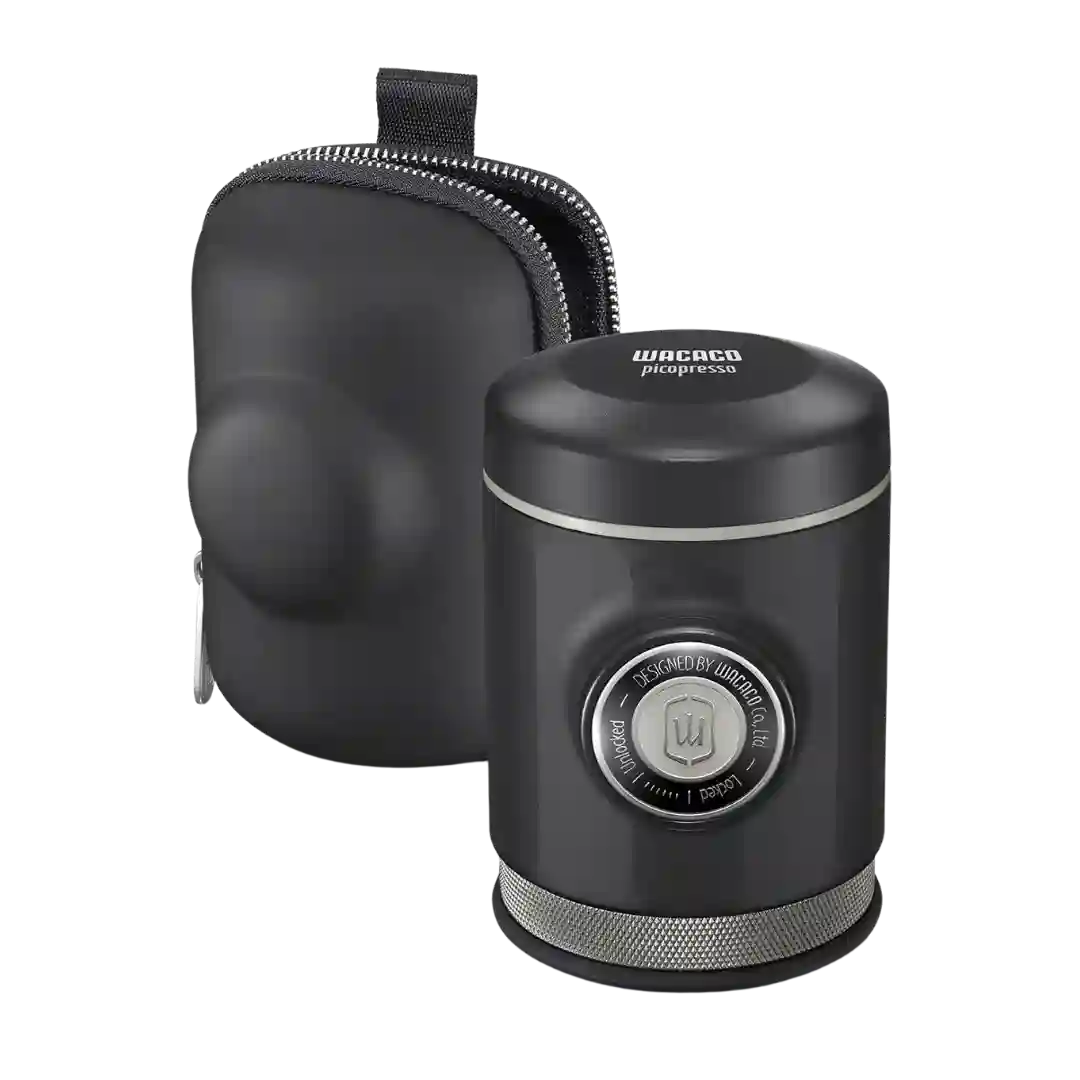
Value is widely viewed as strong because the Picopresso delivers real espresso at a much lower cost and size than most capable alternatives. Still, some reviewers think it is expensive for a travel-first manual device, especially once you add a grinder and scale.
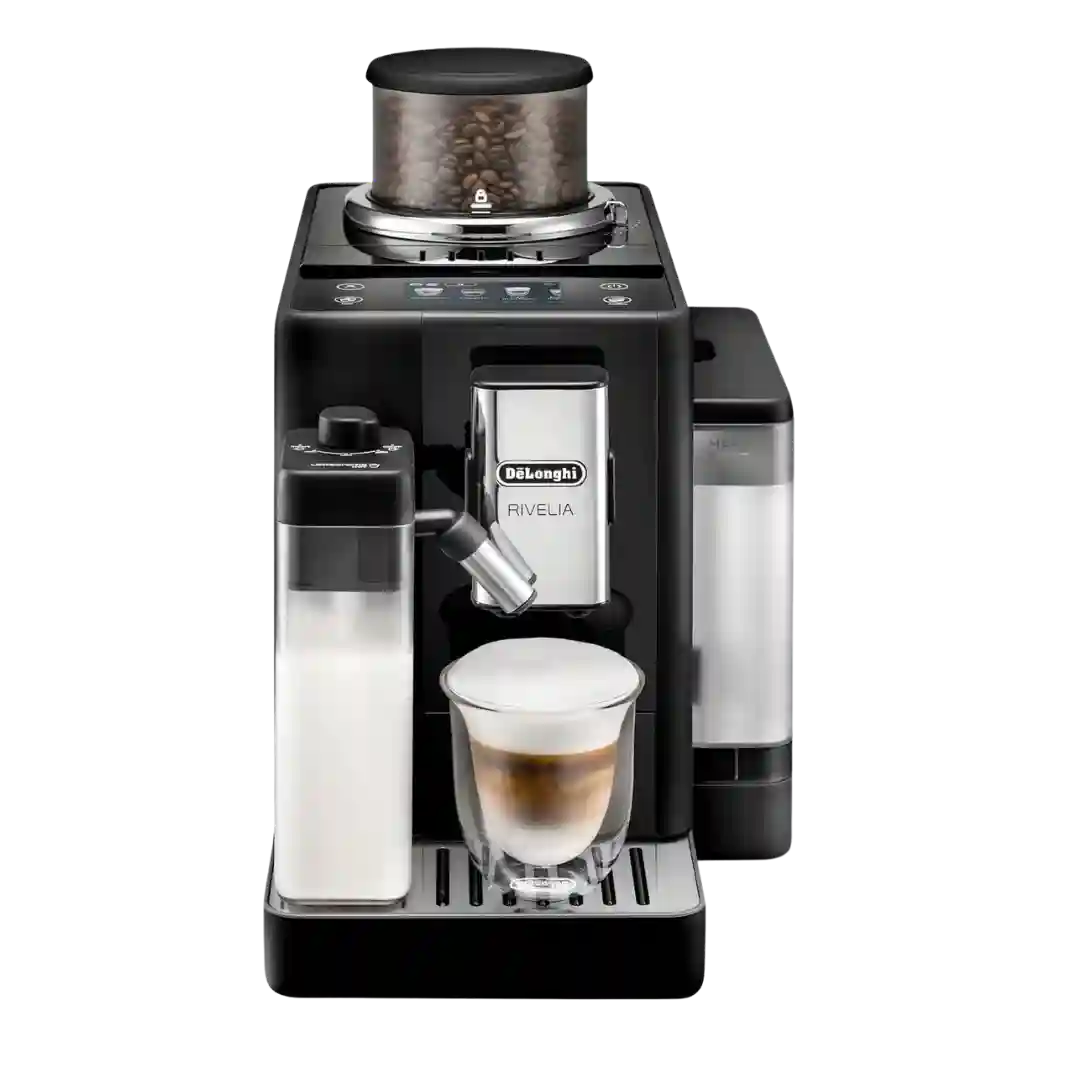
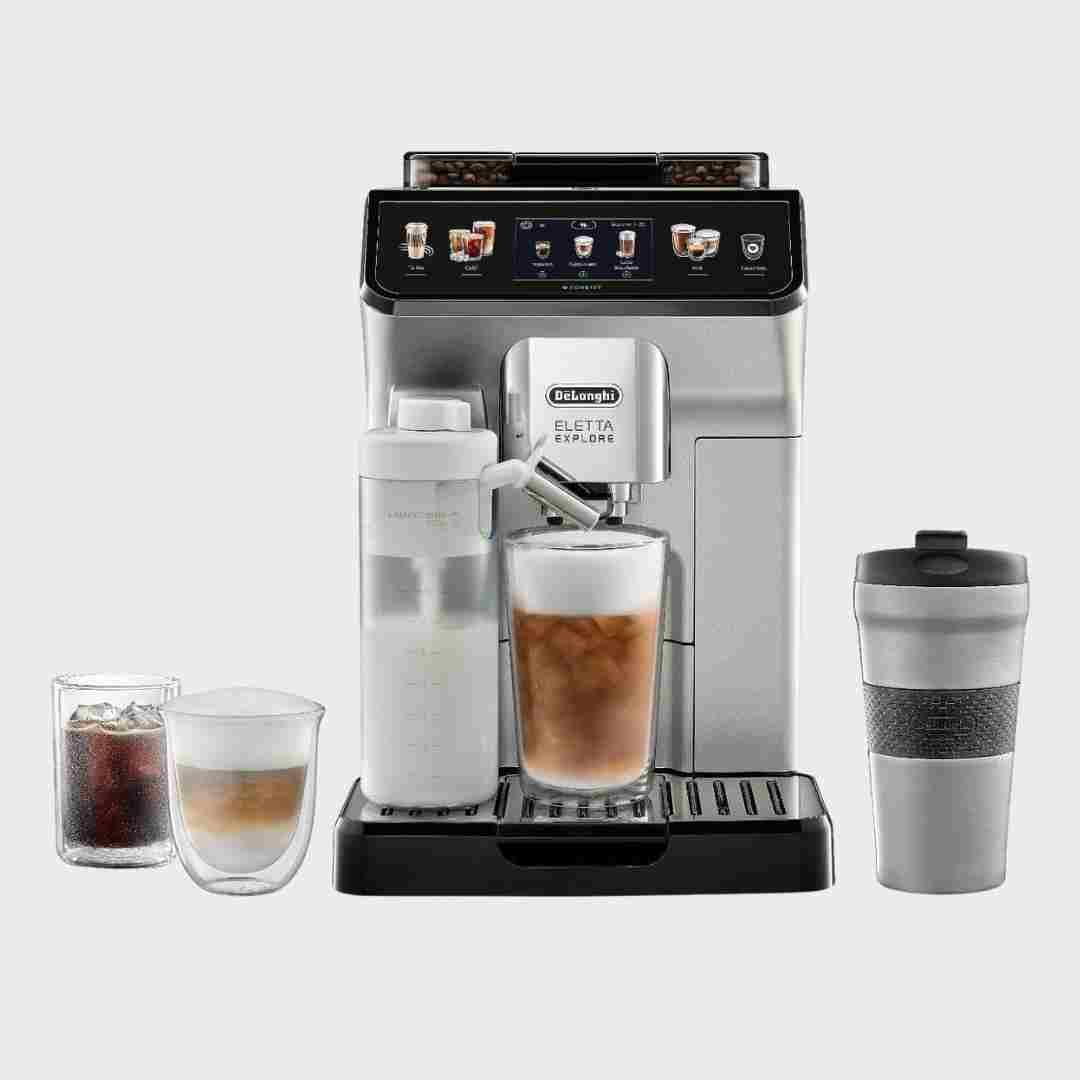
Value is frequently framed as a sweet spot for one-touch milk drinks and a modern UI, especially compared with pricier super-automatics. It is less compelling for buyers who prioritize premium materials or truly differentiated cold-brew performance.
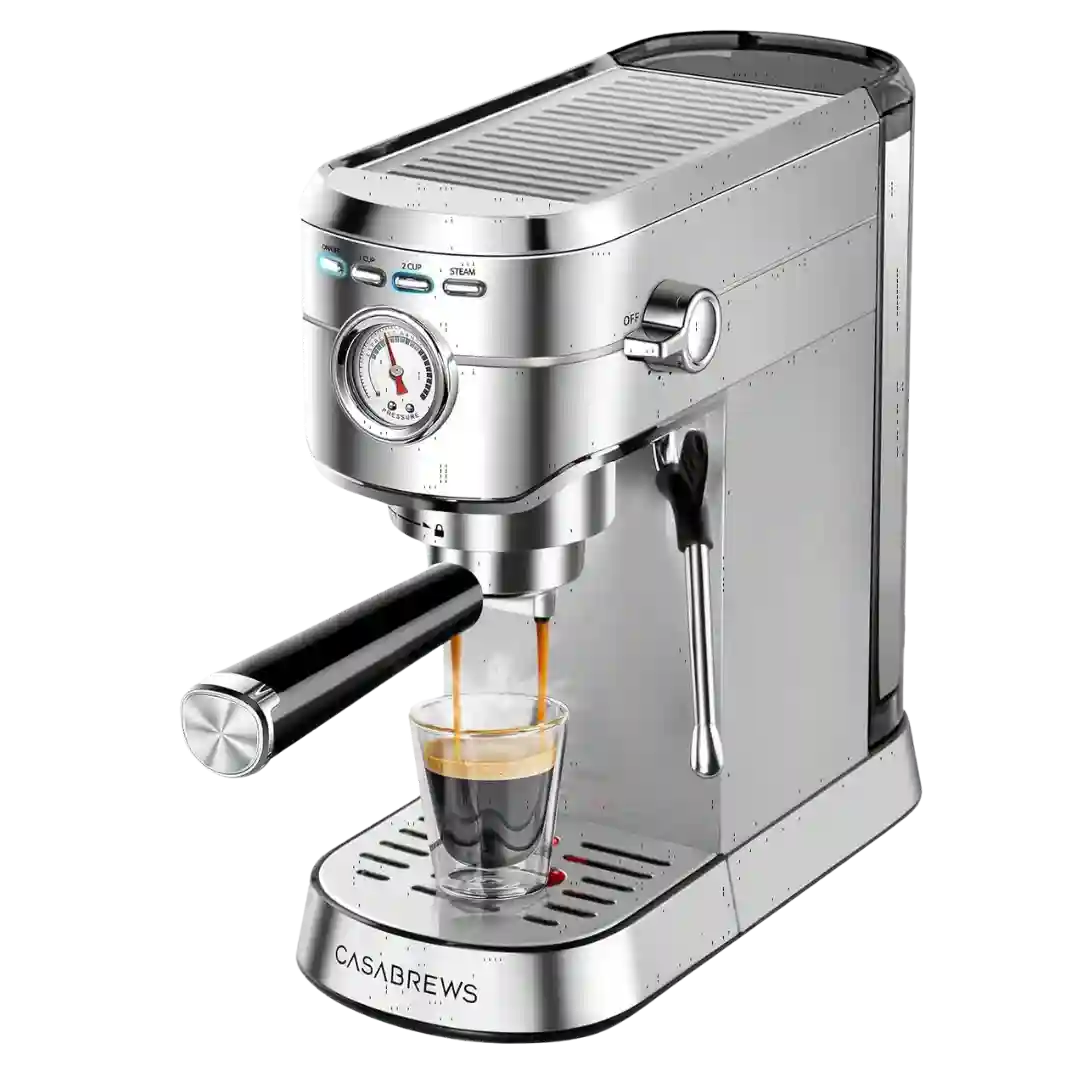
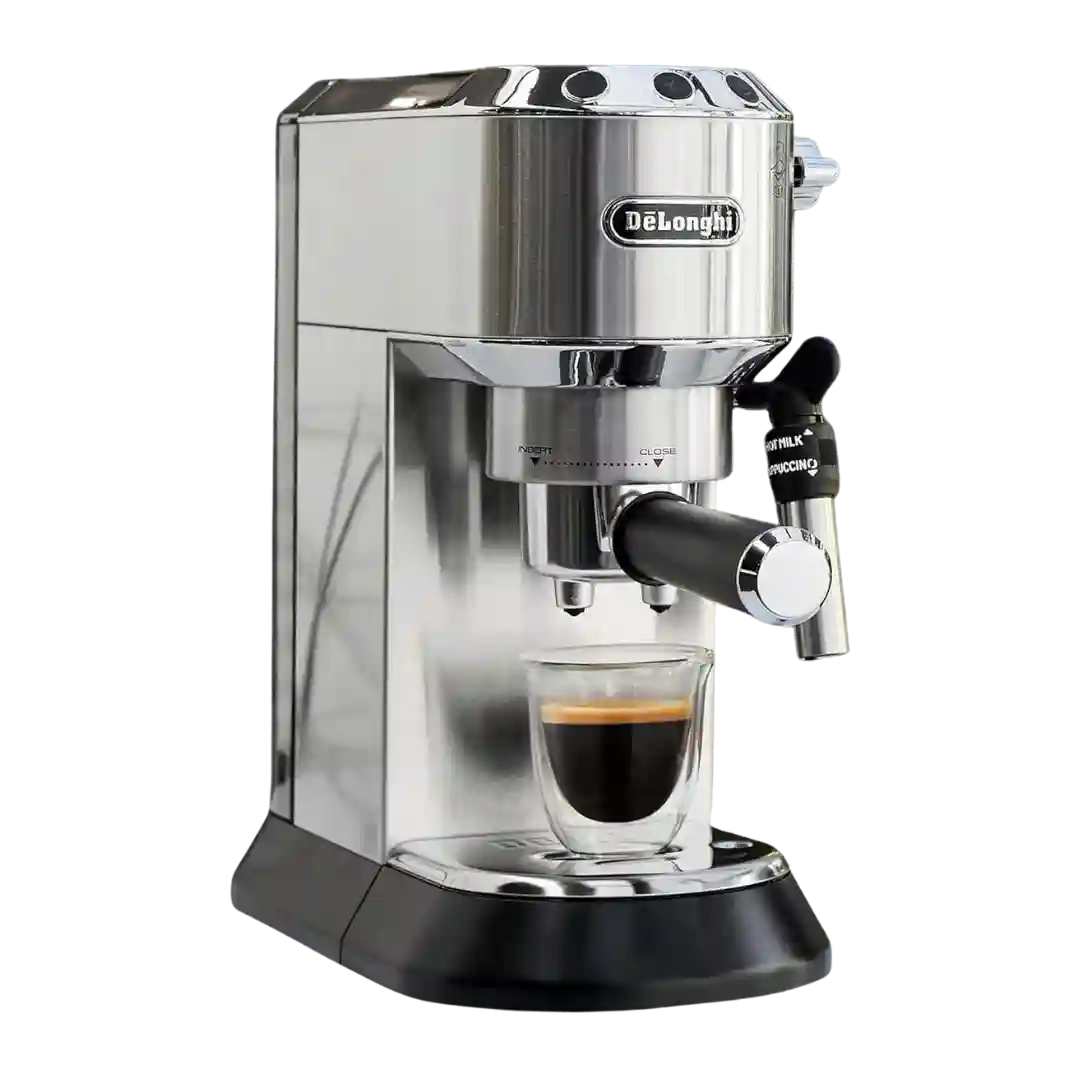
Most reviews frame it as excellent value under $200, delivering real espresso and manual steaming without a big spend. The main pushback is that competitors like the DeLonghi Dedica offer a deeper accessory ecosystem and more proven longevity.
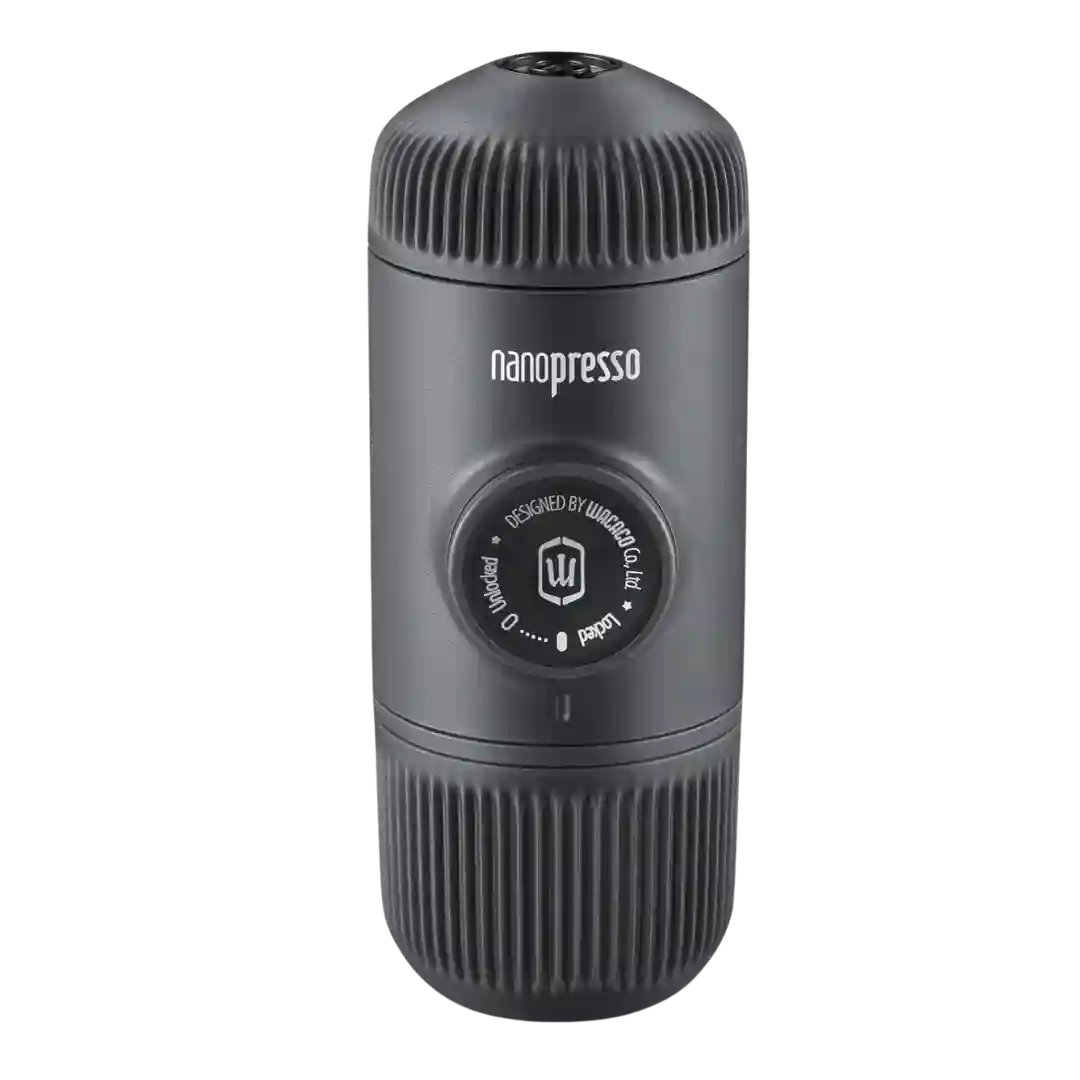
Most reviewers frame the Nanopresso as reasonably priced for portable espresso, though one review notes that accessories can raise the real-world total cost.
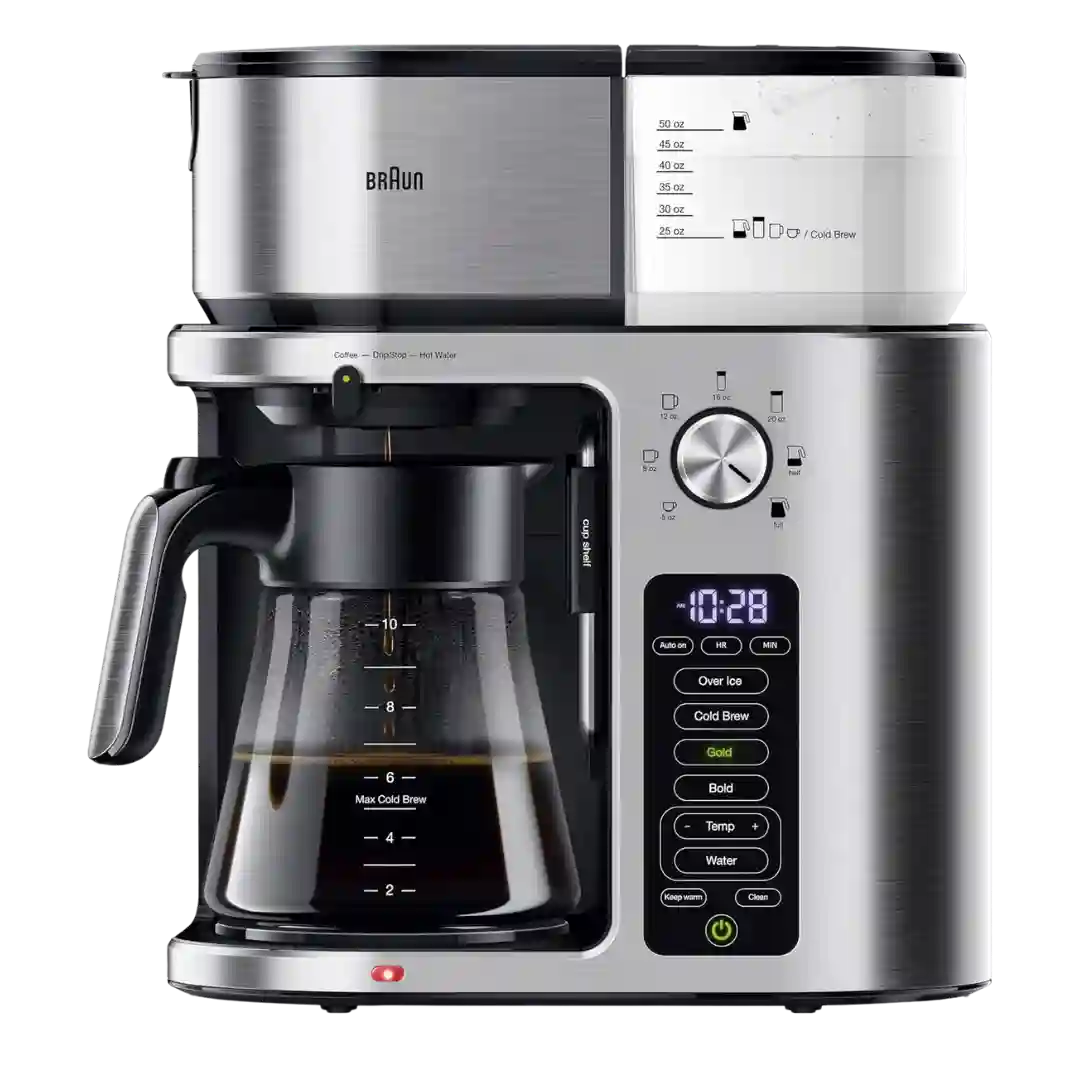
Value looks solid for shoppers who do not need smart extras. Braun/SCA materials describe the pod-free system as cost-effective, and Tom’s Guide positions the Braun below a much pricier smart alternative.
Value is good for buyers who will use the flexibility, batch capacity, and precision, but the premium price makes less sense for casual drinkers who just want a simple pot of coffee.
Value is frequently framed as strong, especially when purchased on sale. Reviewers feel the brewing results and convenience features justify the budget-to-midrange pricing despite some annoyances.
Value is the main appeal. Reviews repeatedly highlight very low pricing relative to competitors, with the caveat that you are giving up consistency and safety features to get that price.
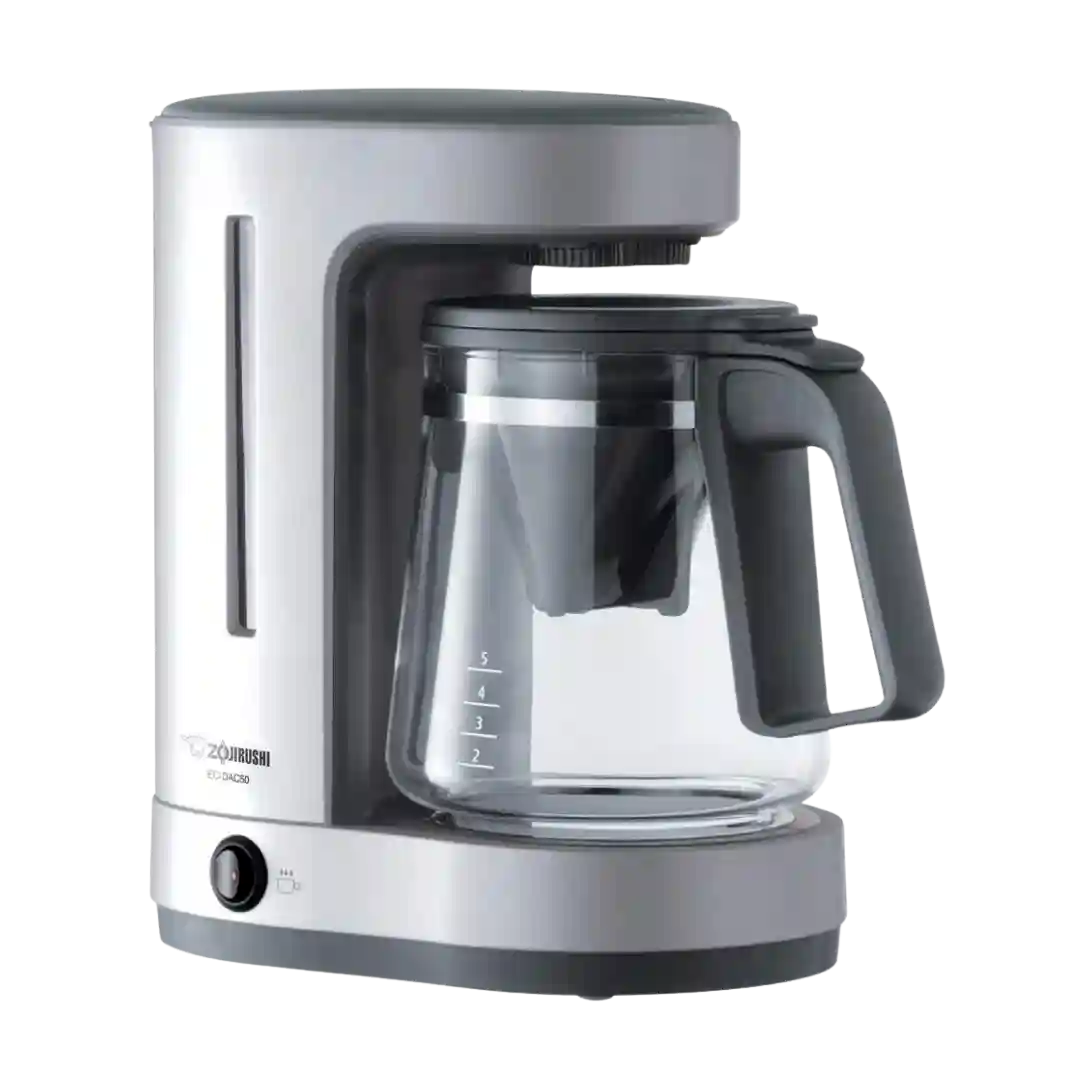
Value is a core theme: it is often cited around $70–$80 as a best-buy style pick that competes above its class on taste. A minority view is that it feels pricey for only 5 cups, and replacement parts like the glass carafe can be expensive.
Many reviewers frame it as unusually strong value because it combines grinder-assisted espresso with drip and cold modes in one machine. Value is weaker if you only need one function or already own separate espresso and grinder gear.
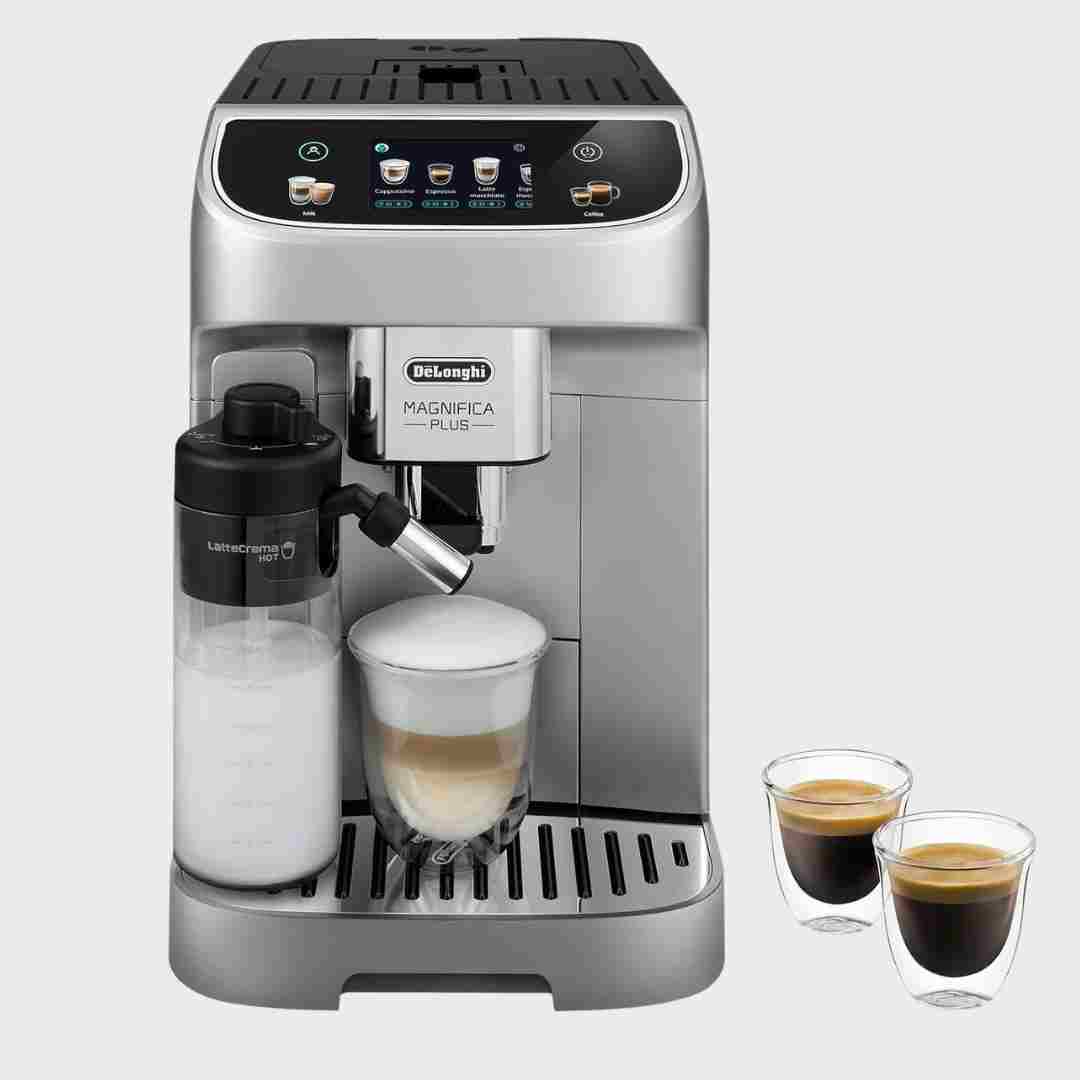
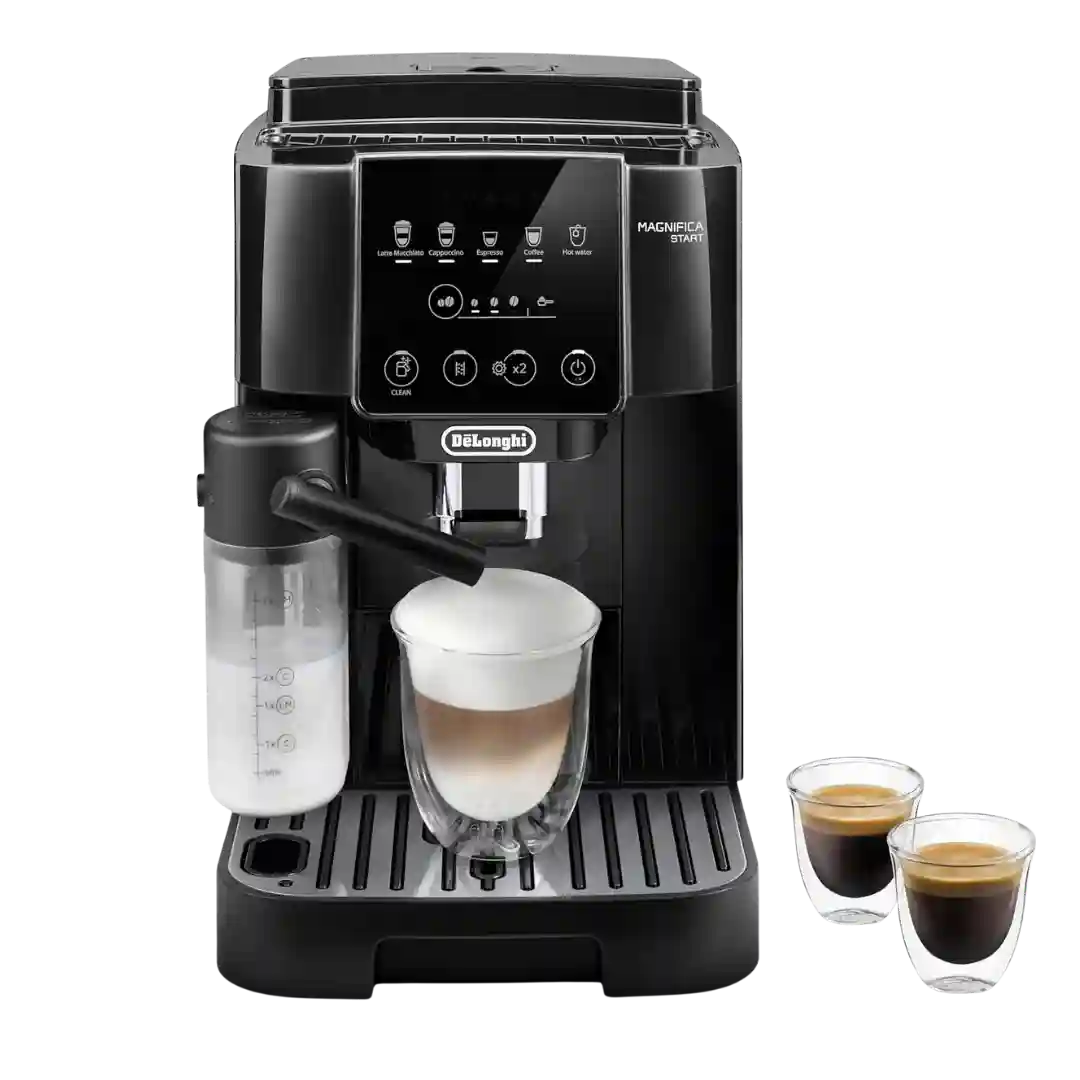
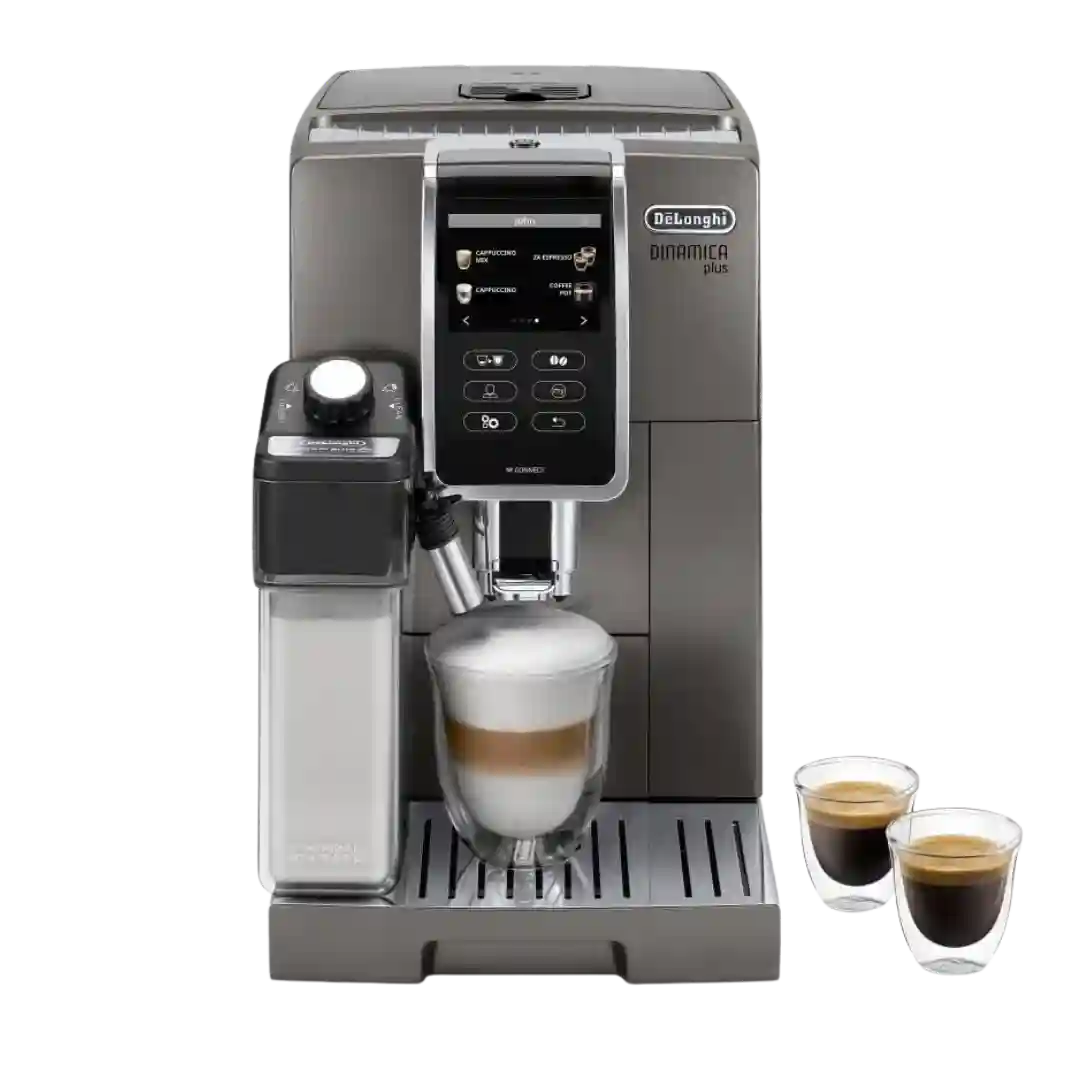
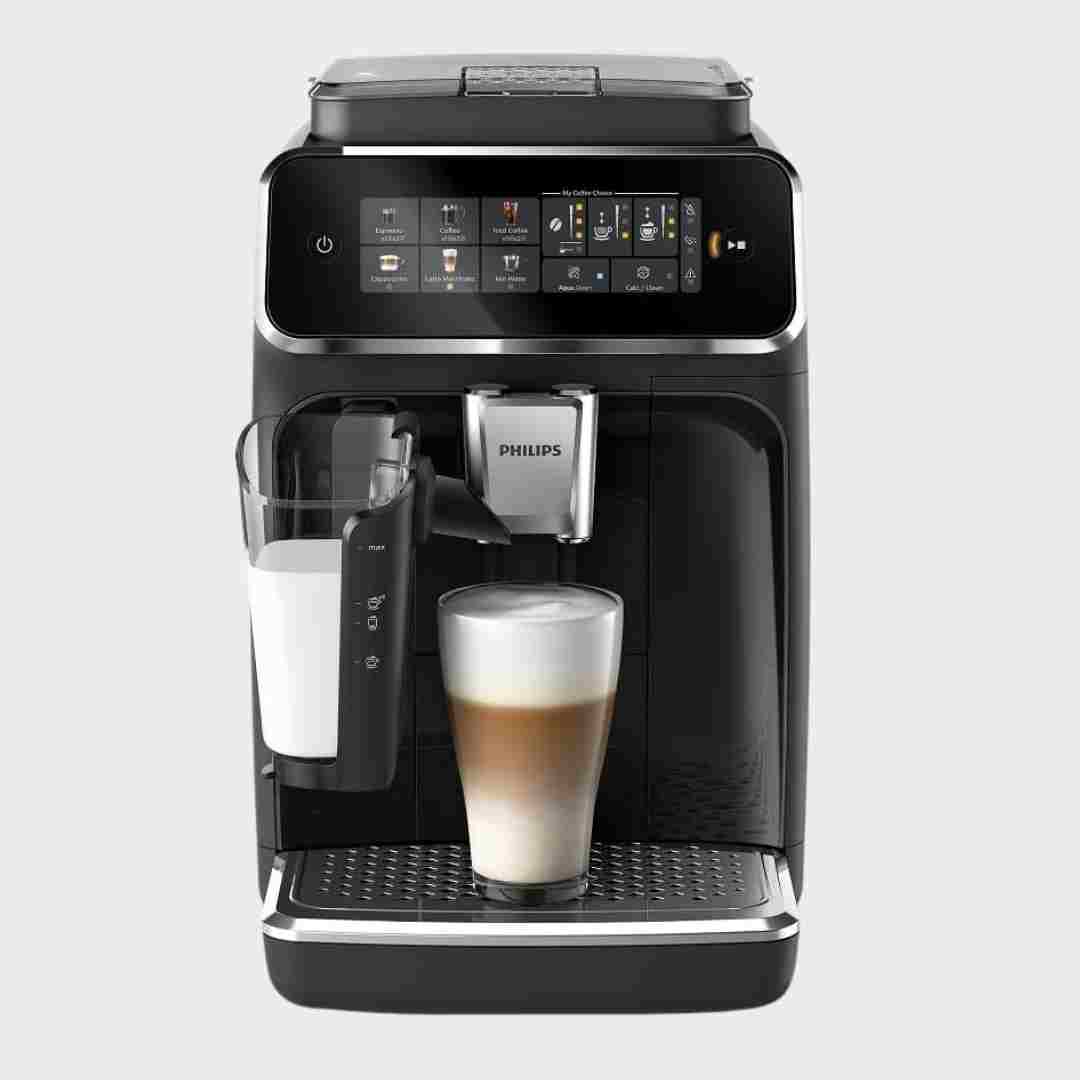
Most reviewers frame it as strong value in the mid-range, especially the LatteCrema versions, though pricing swings and model variants can change the value equation versus Magnifica Start or competitors.
Value sentiments are generally favorable when the goal is convenience and variety, though price feels high if we judge it against cafe-level espresso performance.
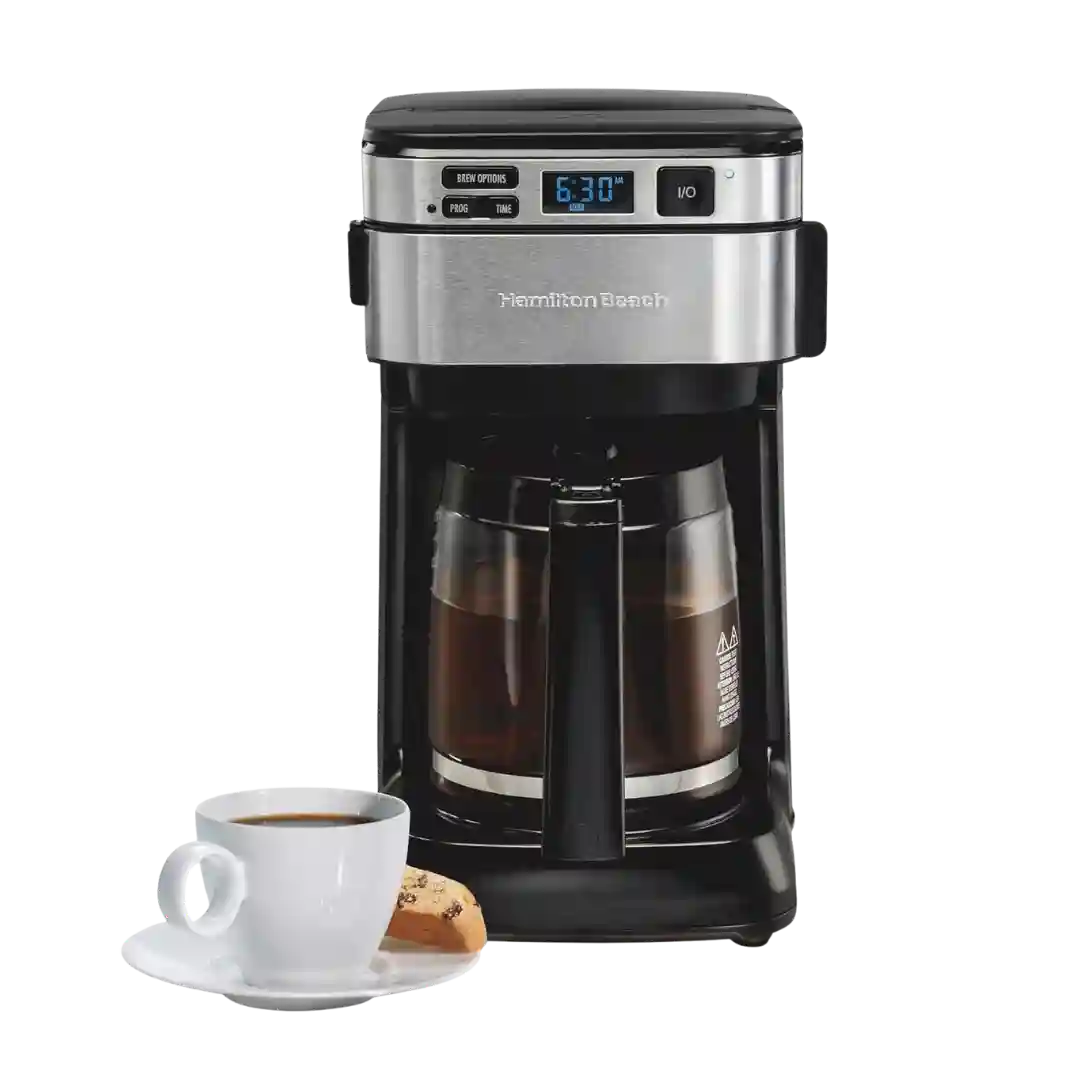
Across reviews, the typical street price (roughly the $90-$120 range) is framed as strong value given the capacity, programmability, and included filters. Most reviewers position it as a budget-friendly upgrade over basic drip brewers.
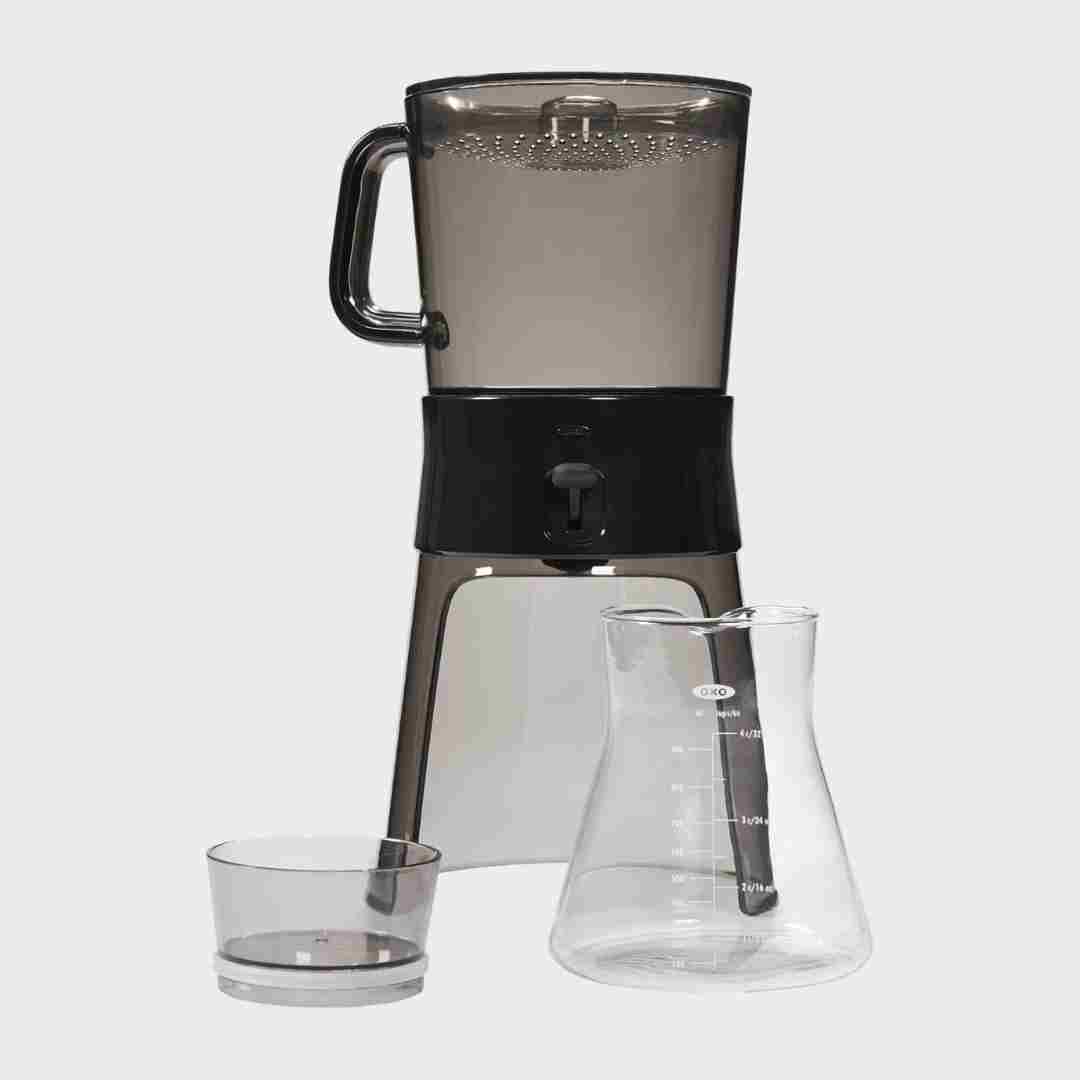
Value is often framed as a payback versus buying cafe cold brew, even though several reviews note it costs more than basic pitcher-style options; the consensus is that flavor and convenience justify the price for frequent cold-brew drinkers.
Value is a consistent theme: most reviewers feel it outperforms its price for espresso and milk convenience, with the loud grinder and feature limits being the main reasons it may not feel like a perfect bargain at full MSRP.
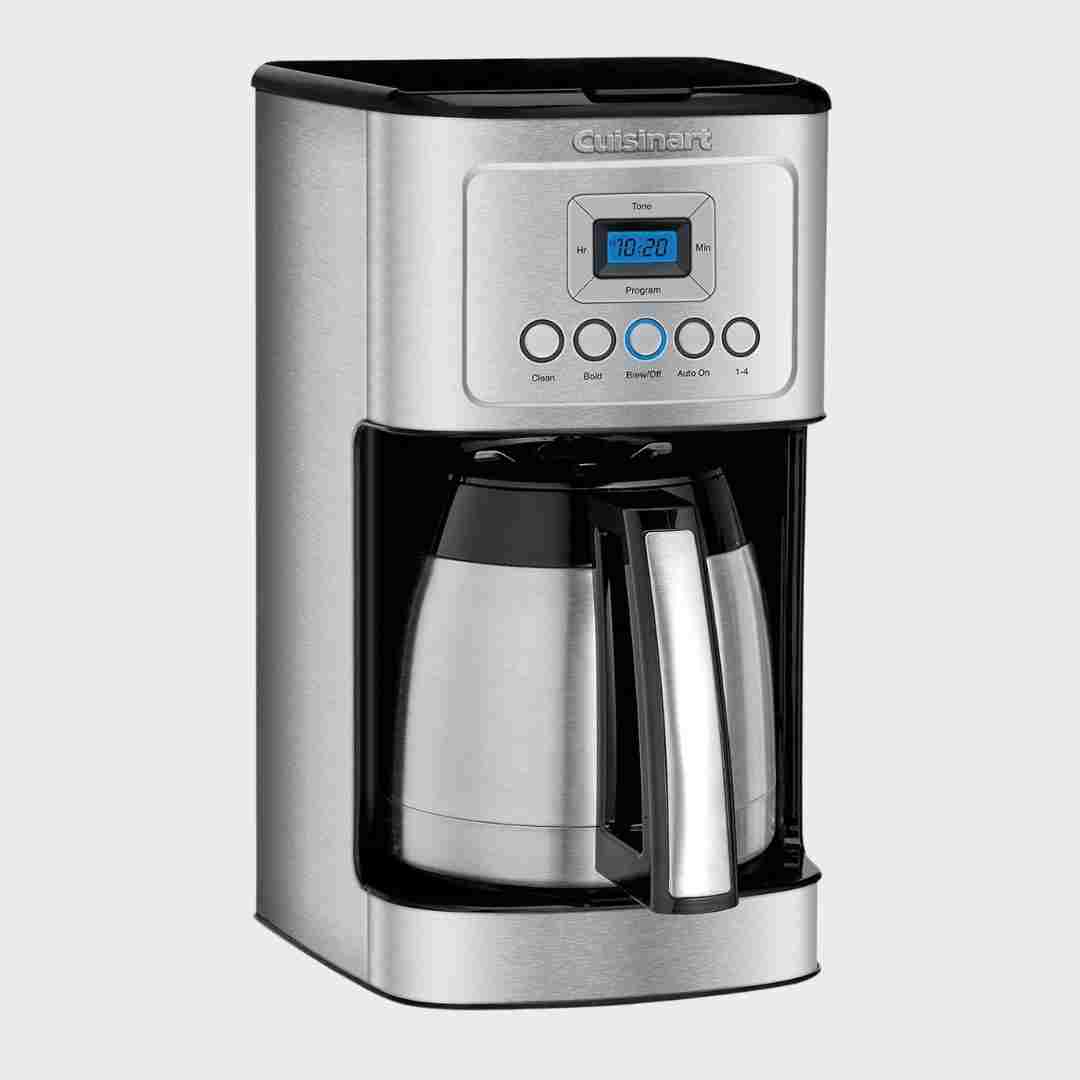
Commonly positioned as strong value for a programmable thermal-carafe coffee maker at a mid-range price. Value perceptions drop mainly when the carafe-pouring quirks or filling mess become daily annoyances.
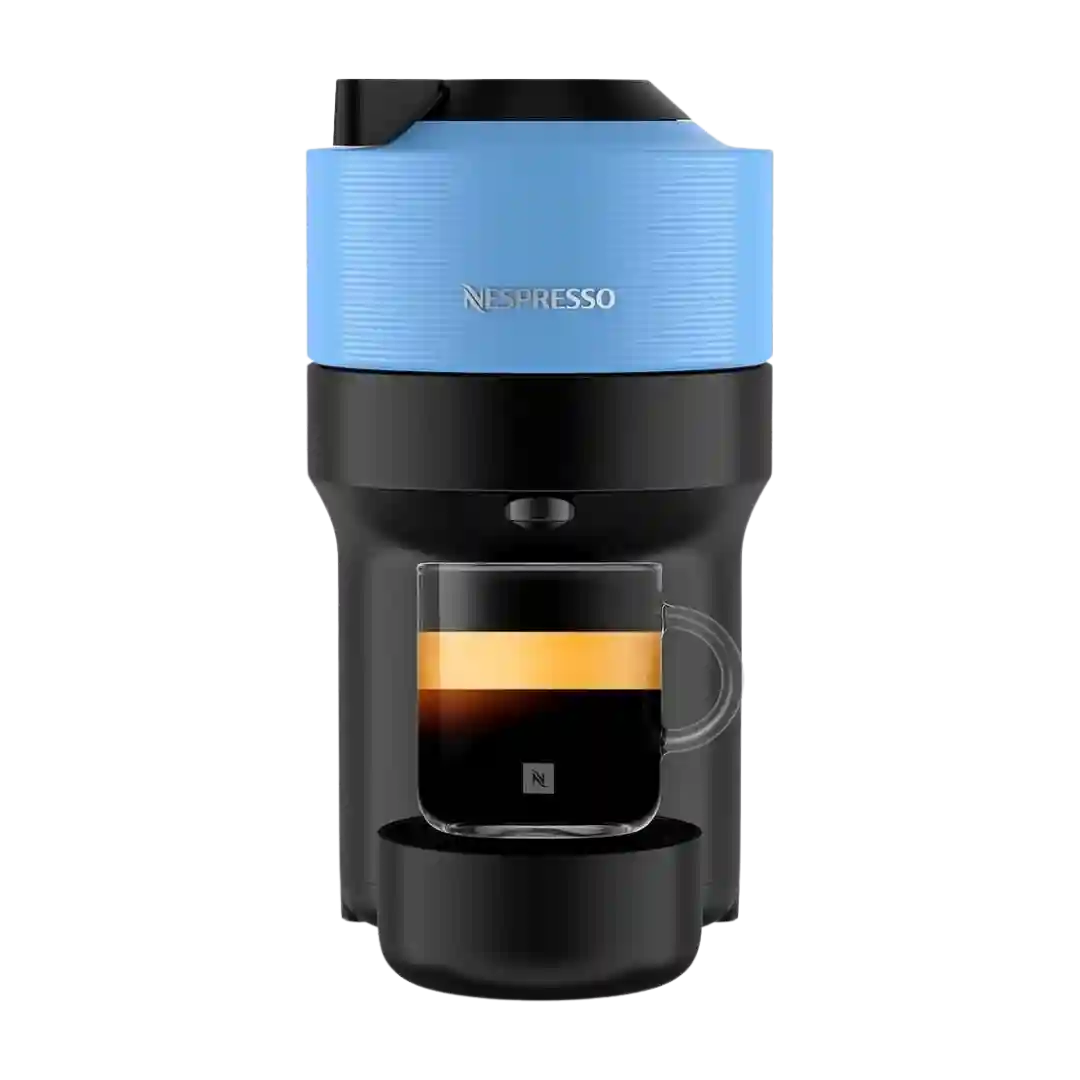
Value is framed as strong for the machine itself, especially when discounted, but the long-term value depends heavily on whether you are comfortable with the typically higher-priced Vertuo capsules.
Value is a consistent strength: most sources call it affordable or worth it for small-space espresso, especially when discounted. The main value caveat is that chasing higher quality often triggers add-on costs (grinder, baskets, tamper, pitcher).
Reviewers generally think the pricing is fair for the feature set and that it undercuts pricier rivals, but they also acknowledge that it is still expensive for many home users.
Value is usually framed as strong for what we get in speed and milk-drink convenience, especially around the sub-500 price tier. The tradeoff is that the total spend can rise after adding a grinder and optional basket or portafilter upgrades.
Price is commonly framed as mid-tier (often around $170–$200), viewed as strong value for cup quality but still expensive compared with basic drip machines. Several sources suggest it is best bought on sale if budget is tight.
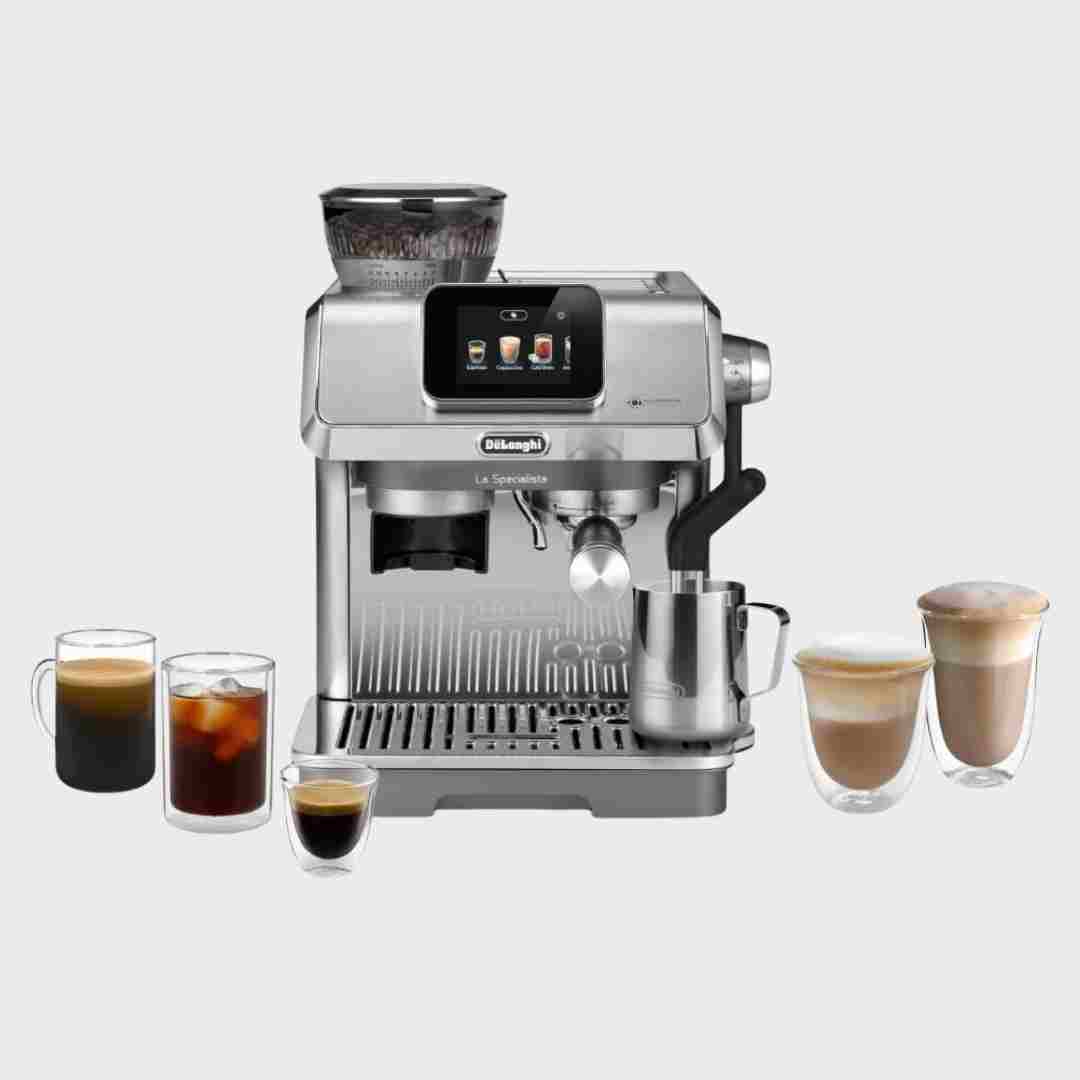
Many reviewers position it as strong value for a touchscreen, grinder-included machine, often priced below comparable competitors. It is still a premium purchase, and value drops if you prioritize advanced adjustability or easy long-term service access.
Multiple reviews frame it as strong value in the sub-$1,000 range because it bundles a grinder and a coached workflow that reduces mistakes. Value drops if we prioritize fast steaming, dual-boiler capability, or maximum precision for light roasts.
Price is the biggest sticking point. Enthusiasts and long-term owners often call it an investment justified by durability and results, while at least one critical lab-style review argues the brewing performance does not match the premium cost compared with cheaper competitors.
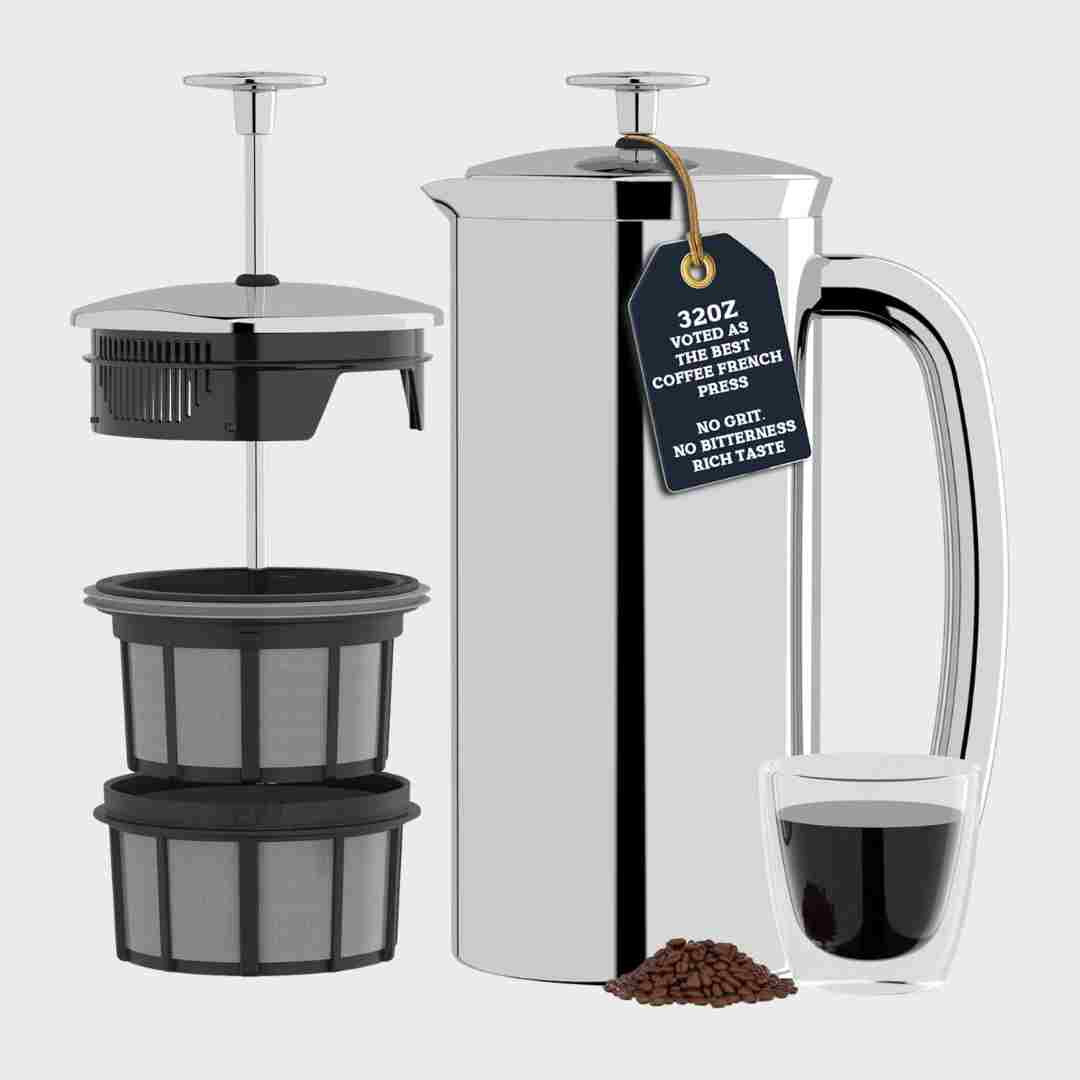
Pricing is consistently labeled premium for a French press. Many reviewers feel the cleaner cup and insulation justify the cost, while others frame it as hard to justify versus basic presses if you do not value reduced grit, heat retention, and premium build.
Value is debated: some reviewers call it a strong deal for the feature set (especially where pricing is closer to the midrange), while others highlight the premium MSRP (around $1500) and extra-cost add-ons for enhanced cold drinks. Most agree the dual-hopper convenience and milk quality are the key justification.
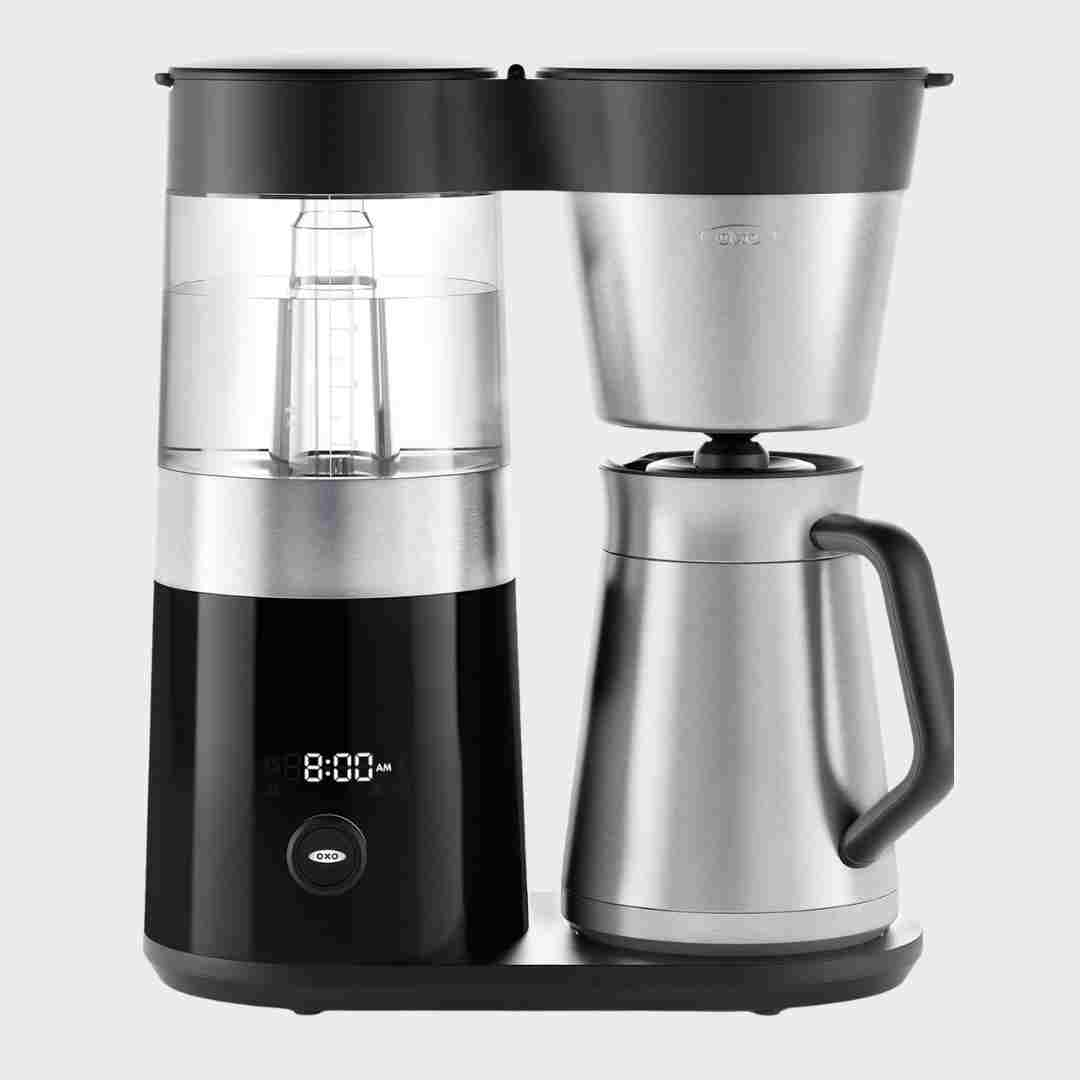
Pricing is premium for drip, and several reviewers call it expensive. Most still justify the cost when buyers value SCA-style performance plus programmability and a thermal carafe, but it is a tougher sell for budget shoppers or minimal-cleaning priorities.
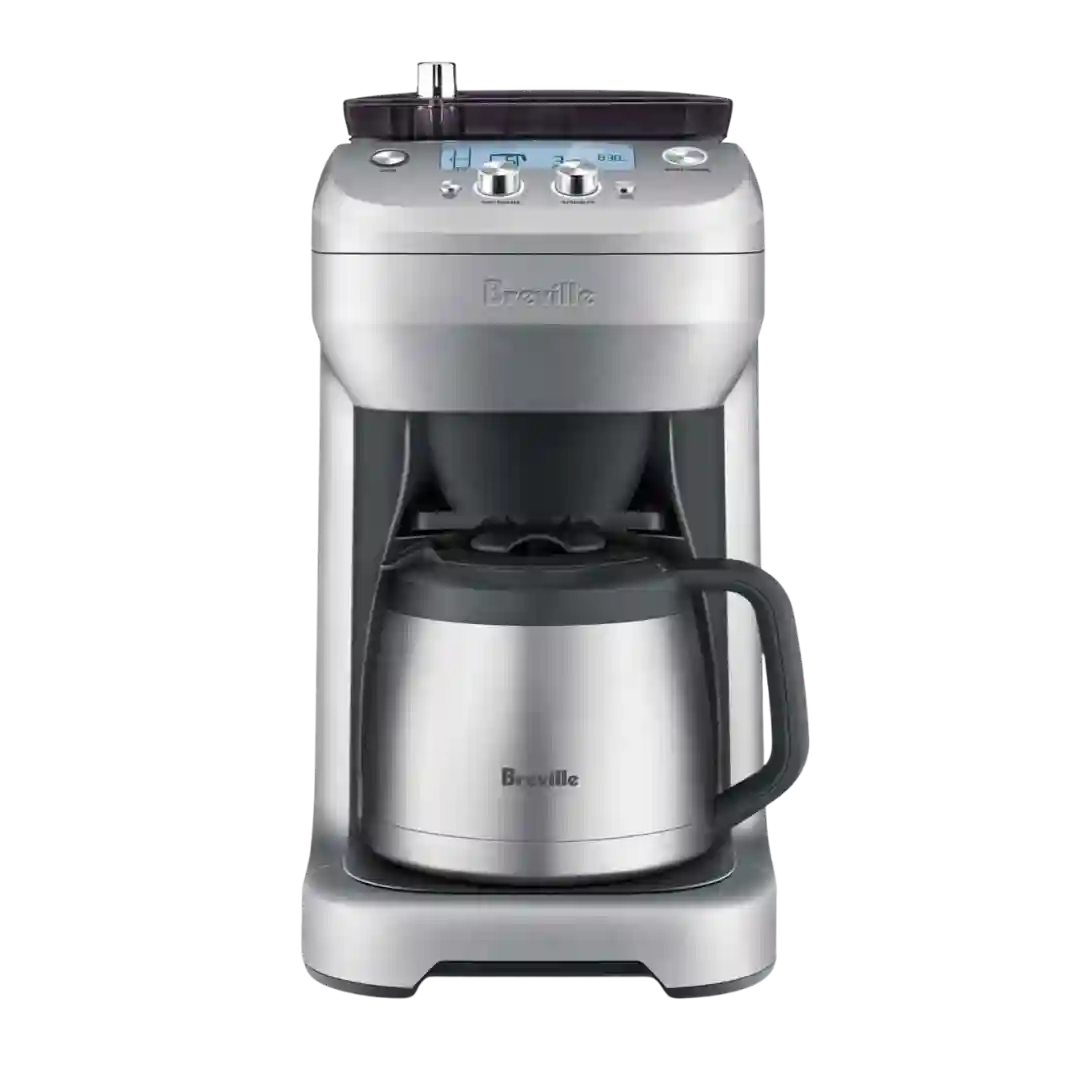
Price is repeatedly described as premium, but several reviewers argue the convenience of grinding on demand plus thermal performance makes it worth it for the right user. Budget shoppers are likely to find better value in a separate grinder + simpler brewer.
Price is premium and frequently called expensive. Still, multiple reviews argue the feature set (especially cold + milk systems) can justify the cost, and some frame it as better value than similarly featured rivals.
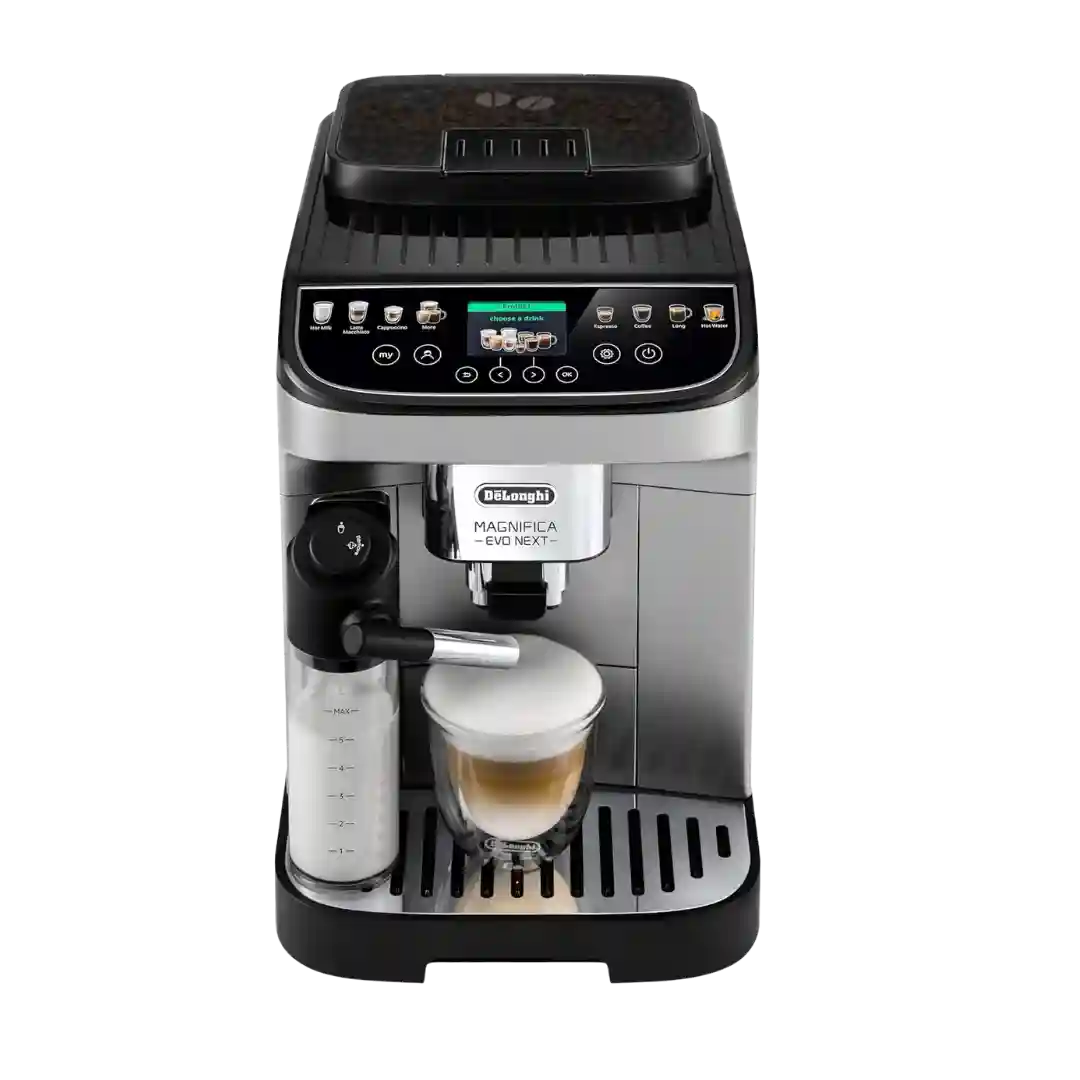
Value depends heavily on price: multiple reviews say it makes sense on sale or if meaningfully cheaper than the Magnifica Plus. When priced close to the Plus, several reviewers call it a tough recommendation because the Plus offers stronger performance and broader milk options for a small step up.
Value depends heavily on price: discounted deals are often called a strong upgrade from pods, while full MSRP faces tougher competition for espresso quality and features.
Value is a consistent theme because it combines grinder plus espresso capability in one unit; price feels justified if you will actually use the manual workflow and keep up with maintenance.
Price is the primary barrier. Multiple reviews frame it as a nearly $4,000 luxury purchase whose value only makes sense if you will use the variety, cold specialties, and convenience frequently (4055, 4057, 14548). Convenience-focused buyers tend to justify it; value shoppers do not.
Price is consistently labeled high for a drip machine, often positioned as a premium or splurge purchase. The value case is typically justified by brew quality, durability, long warranty, and carafe heat retention, while skeptics focus on missing automation at this price point.
Value is framed as mid-to-high premium: many reviewers feel the drink quality, quiet operation, and build justify the cost, but several still note it’s expensive given the small tank and lack of app/profiles.
Value discussions tend to land in the middle: reviewers often call it expensive, but justify the price with the touchscreen workflow, fast heat-up, built-in grinder, and automated milk. Comparisons to cheaper Breville models usually frame the screen and auto milk as the main reasons to pay more.
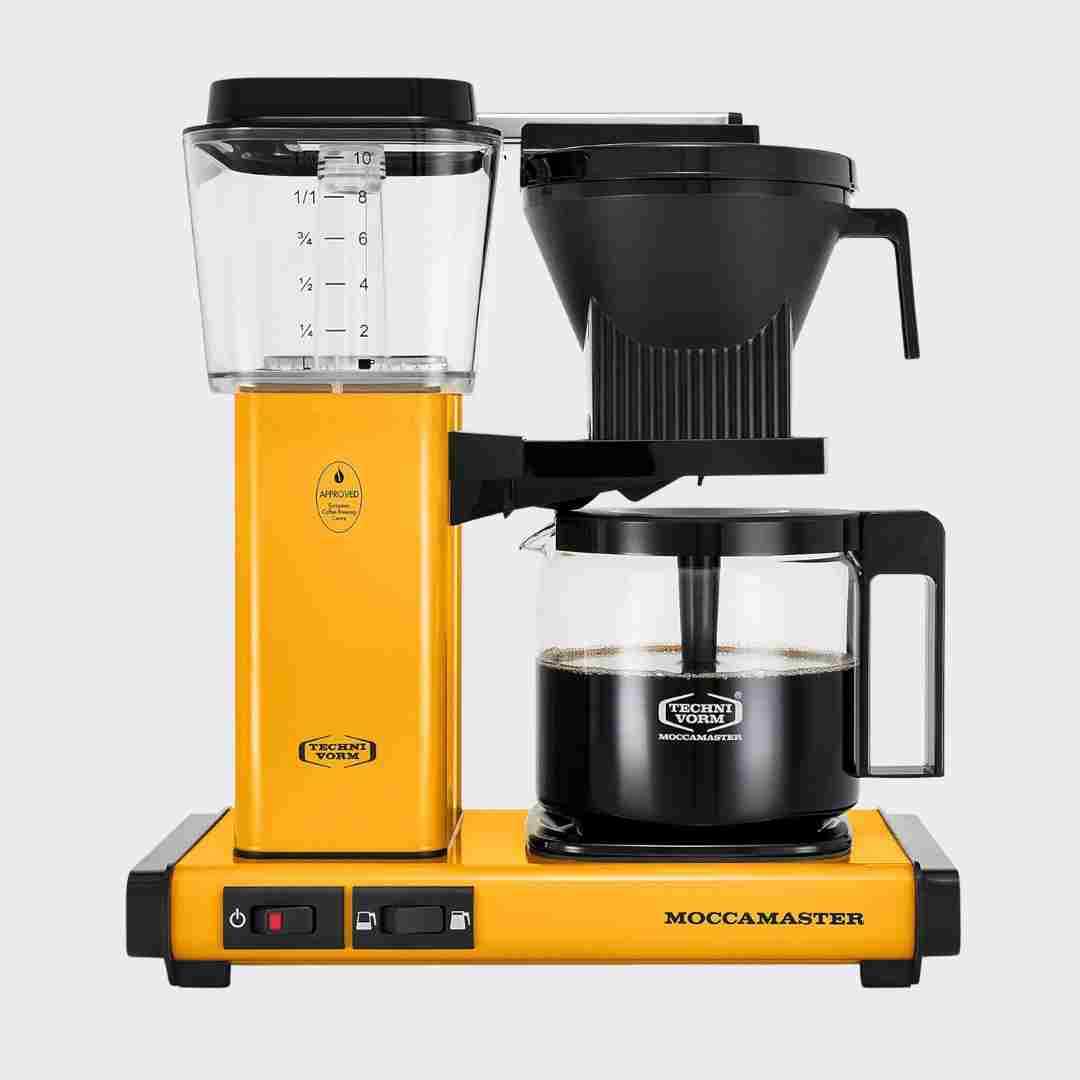
Value is polarized: sale pricing around the mid-$100s to ~$200 can feel fair for SCA performance and aesthetics, but full retail is often seen as expensive for a mostly-plastic build and limited controls.
Pricing is firmly premium, but supporters argue the combination of coffee quality, warranty, and long-term serviceability justifies it. Critics feel the feature set and plastics do not match the cost.