#1
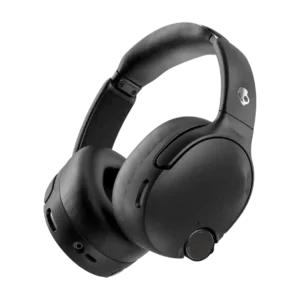
The large, well-sealed earcups provide strong passive isolation before ANC is even switched on. One reviewer said the outside world already became noticeably quieter from the fit alone.
Pros: Treble clarity, Instrument separation
Cons: Codec support, Headband adjustability
#2
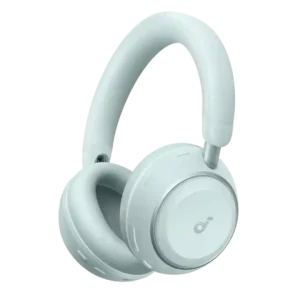
Passive isolation was helped by a strong seal and was explicitly called excellent in one lab-style review.
Pros: Smart Pause performance, Wear detection performance
Cons: Water/sweat resistance rating, Wind noise handling
#3

Passive isolation has limited positive evidence, described only as decent in one source.
Pros: Audio-video sync accuracy, Battery
Cons: Carry case quality, Maximum volume clarity
#4
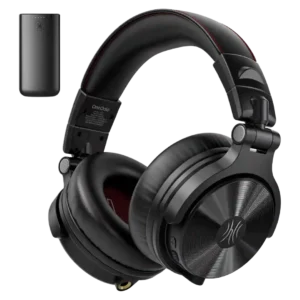
Passive isolation was inconsistent: some found it good or decent, while DJ-focused reviewers said it was only moderate or not strong enough for loud environments.
Pros: Battery, Detachable cable convenience
Cons: Active noise cancellation, Transparency mode quality
#5
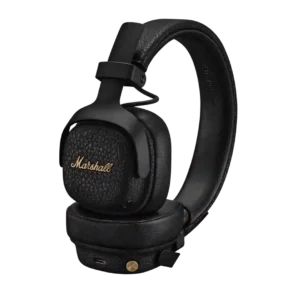
Passive isolation is the predictable weak point of the on-ear design. The pads help, but the incomplete seal lets voices and sharper sounds pass through.
Pros: Multipoint connectivity reliability, Codec support
Cons: aptX, Smart Pause performance
#6
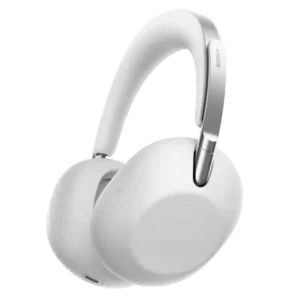
Passive isolation is only average because the comfort-focused seal is less tight. ANC compensates well at low frequencies but voices and higher sounds can pass through.
Pros: Microphone noise reduction, Multipoint connectivity reliability
Cons: Water/sweat resistance rating, Gaming performance
#7
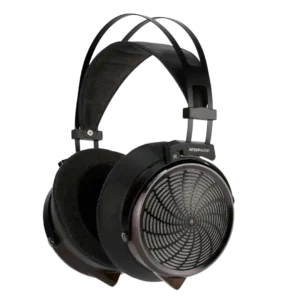
Passive isolation is minimal, as expected from an open-back headphone. Outside sounds remain audible, so it works best in a quiet private room.
Pros: Overall satisfaction, Glasses and hat compatibility
Cons: Travel friendliness, Sound leakage