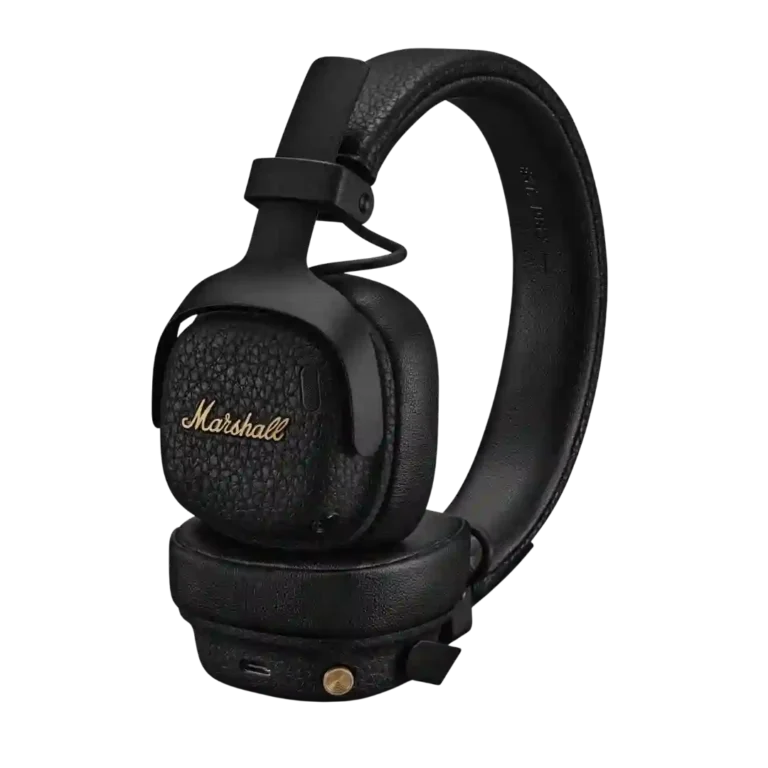
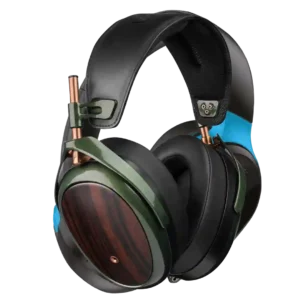
Choose the Milton A.N.C. for class-leading on-ear battery life, tactile controls, repairable parts, and lively sound. Skip it if you need over-ear isolation, dependable wear detection, natural call quality, or know that on-ear pressure bothers you.
Best for
Commuters, frequent travelers, and Marshall fans who want compact on-ear headphones with strong ANC, long battery life, physical controls, and replaceable parts. They particularly suit listeners who enjoy warm, bass-forward sound and are willing to use EQ.
Not for
Listeners who dislike pressure directly on their ears, need best-in-class over-ear isolation, or rely heavily on natural-sounding calls should skip them. They are also a poor fit for workouts or harsh weather because there is no official IP rating.
Verdict
The Milton A.N.C. makes a convincing case for premium on-ear headphones by combining unusually long battery life, effective adaptive ANC, excellent physical controls, and extensive repairability in a compact design. Most reviewers also praise its low weight, plush pads, and warm, energetic sound, while LDAC, USB-C audio, multipoint, Soundstage, and strong app support add real versatility. The tradeoffs come from the form factor and tuning. Passive isolation is limited, voices can break through ANC, and sound leakage rises at higher volume. Comfort is outstanding for many reviewers but sharply subjective, especially with glasses, piercings, or larger ears. The bass-forward default can require EQ, call quality varies, and the absence of wear detection feels dated. Overall, it is a strong commuter and travel choice for listeners committed to on-ears, not a universal replacement for premium over-ear headphones.
Battery life is the clearest consensus strength, repeatedly lasting around 50 hours with ANC and up to 80 hours without it. Multiple reviewers went a week or more without charging.
Sustainability and repairability: 5.0, based on 12 reviews
Repairability is exceptional: the battery, ear pads, and several other parts can be replaced by the owner. This is one of the strongest long-term reasons to choose the Milton.
Bluetooth setup is consistently fast and painless, helped by modern pairing features. Reviewers connected phones and computers without notable trouble.
Button control usability: 4.9, based on 13 reviews
Marshall’s brass joystick is one of the product’s most universally praised features. It is tactile, responsive, easy to find, and simpler than touch gestures.
USB-C audio is a major strength, providing simple, low-latency wired playback and often clearer, punchier sound than Bluetooth. It can also charge during digital use.
Advanced software features: 4.7, based on 3 reviews
The software suite is unusually deep for on-ear headphones, with ANC adjustment, Soundstage, adaptive loudness, battery preservation, timers, and customizable controls.
The textured faux leather, brass accents, and exposed-wire details create an elegant, instantly recognizable Marshall look. One reviewer strongly criticized the square earcup design for poor ergonomics.
Build quality is consistently praised as sturdy, substantial, and well made. Metal mechanisms, a flexible headband, and durable textured surfaces inspire confidence.
The foldable, lightweight form is highly portable and can fit in small bags or even large pockets. Two reviewers note that the cups do not fold flat, making slim-bag storage awkward.
Overall satisfaction is high, with several reviewers adopting the Milton as a daily favorite. The major dissent comes from one reviewer whose ears did not fit the small square cups.
Most reviewers describe the sound as warm, energetic, clean, and enjoyable across genres. A minority dislike the bright, bass-heavy default and say it needs EQ.
The larger memory-foam ear pads are usually praised as soft, plush, and much improved over the Major V. One reviewer’s ear shape and piercings made the small square cups extremely uncomfortable.
The overall recommendation is strongly positive for commuters, travelers, Marshall fans, and listeners who want premium on-ear features. Buyers sensitive to on-ear pressure or seeking over-ear isolation should be cautious.
Most reviewers find these among the most comfortable on-ear headphones, with low weight and soft pads enabling long sessions. Fit remains subjective: a few felt pressure after hours, and one reviewer found the small square cups unusable.
The Marshall Bluetooth app is widely praised for clear organization and genuinely useful controls. Minor drawbacks include loading hiccups, pairing reports, and cumbersome EQ comparisons.
The five-band EQ is effective at taming excess bass, recessed mids, or bright treble. Fine-tuning is useful, though the missing reset and zero markers make experimentation less convenient.
The Milton stays composed at high output, with balance and percussion generally intact. One reviewer heard a small amount of harshness only at absolute maximum volume.
Most reviewers consider the price fair or excellent given the comfort, battery, ANC, and repairability. Some still see $230 as expensive for on-ears, especially when discounted over-ear alternatives are available.
LDAC is a welcome first for Marshall and can reveal more detail with compatible Android devices. One technical test questioned whether the headphones deliver the full high-frequency extension associated with Hi-Res labeling.
Frequency response accuracy: 4.2, based on 2 reviews
The tuning is broadly balanced and cohesive, but one reviewer found the dynamic range compressed. It favors an enjoyable presentation over strict analytical neutrality.
Built-in DAC and hi-res playback: 4.2, based on 1 review
USB digital audio is driver-free, near-zero latency, and slightly clearer and more resolved than Bluetooth, making it useful for computers and production work.
Active noise cancellation: 4.1, based on 15 reviews
ANC is widely considered excellent for on-ear headphones and works well on engines, traffic hum, offices, and flights. It still cannot consistently match the deep isolation of leading over-ear models.
Clamp is generally secure without excessive pressure, and several reviewers found it gentler than typical on-ears. Glasses and very long sessions can still produce pressure.
Transparency mode quality: 4.1, based on 6 reviews
Transparency mode is useful and mostly natural for conversations and awareness. Some reviewers hear a slightly occluded top end, extra wind, or less-than-crystal-clear passthrough.
3.5mm analog input availability: 4.1, based on 5 reviews
The included USB-C-to-3.5mm cable supports legacy wired sources and seatback systems. Analog mode still requires battery power, so it is not a true passive fallback.
The pouch and USB-C-to-3.5mm cable make the package practical for travel and wired sources. The overly short USB-C cable is the main accessory complaint.
The USB-C-to-3.5mm cable is rugged and well finished, and one reviewer called it exceptional. The short USB-C charging/audio cable drew strong criticism for being impractical.
Soundstage mode can add convincing room-like depth and immersion, and several reviewers kept it enabled. Others find it subtle, bass-reducing, artificial, or inferior to true spatial audio.
The native soundstage ranges from intimate to surprisingly spacious for on-ears. Marshall’s Soundstage mode can add width, though the result depends strongly on the setting and content.
Treble is usually detailed and controlled, with several reviewers praising the lack of harshness. Two tests found the upper mids and highs overly bright or close to sibilant.
Microphone quality for calls: 3.8, based on 6 reviews
Call quality varies substantially: some tests found speech crystal clear, while others heard robotic, scratchy, or unnatural voices. Intelligibility is generally maintained.
Configurable auto-off timers help prevent idle drain. One reviewer also observed brief adaptive-ANC dropouts, suggesting some power or mode behavior still needs refinement.
Microphone noise reduction: 3.5, based on 3 reviews
Background suppression works well in some call tests, even against loud music. Other tests still picked up ambient noise, making performance inconsistent.
ANC background noise level: 3.3, based on 6 reviews
ANC reduces steady noise well, but the on-ear seal prevents a consistent sense of deep silence. A faint hiss and persistent voices are occasional concerns.
Noise isolation (passive): 2.8, based on 6 reviews
Passive isolation is the predictable weak point of the on-ear design. The pads help, but the incomplete seal lets voices and sharper sounds pass through.
Sound leakage becomes noticeable at higher volumes, and the on-ear fit allows outside sound in as well. This is a format tradeoff rather than a minor edge case.
Water/sweat resistance rating: 2.2, based on 4 reviews
The lack of an official IP water or sweat rating is a repeated weakness. Light rain may be tolerated, but workouts, heavy sweat, and downpours are risky.
The headphones do not detect when they are removed, so music keeps playing until paused manually. Reviewers consider this a noticeable omission at the price.
Wear detection auto-pause: 2.0, based on 6 reviews
Wear detection is absent, so playback does not pause when the headphones are removed. This is the most repeated missing feature and feels outdated at the price.
There is no aptX support, which is a clear limitation for listeners whose devices or libraries depend on that codec.
Compared With Category Average
Compared with other Over-Ear Headphones, this product is above average in Sustainability and repairability, Replaceable pads/headband, Codec support, near average in App, Value for money, below average in aptX, Smart Pause performance, Voice prompts/feedback.
Better: everyday value and comfortThe reviewer thinks the Soundcore covers more everyday needs than the Milton.
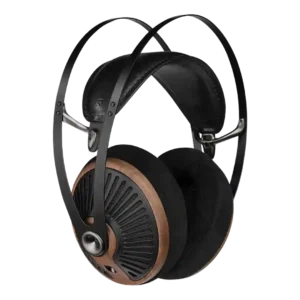
Beyerdynamic Aventho 100
Better: call qualityThe Beyerdynamic is recommended for more natural, well-rounded calls.
Worse: battery lifeThe Milton offers longer ANC-on battery life.
FAQ
How good is the noise cancellation?
It is very good for on-ear headphones and handles engines, traffic hum, offices, and flights well. Voices and sharper sounds still pass through more than they would with leading over-ear ANC.
Are the Milton A.N.C. comfortable for long sessions?
Most reviewers found them exceptionally light and comfortable, sometimes for nine to eleven hours. Fit is unusually subjective, though, and glasses, piercings, larger ears, or sensitivity to on-ear pressure can change the experience.
How long does the battery last?
Testing broadly supports about 50 hours with ANC enabled and up to 80 hours without it. A 15-minute USB-C charge provides roughly 9.5 hours of playback.
Do they sound good without EQ?
Most reviewers enjoy the warm, energetic, bass-forward tuning. Some find the bass excessive, the mids recessed, or the upper range too bright, but the five-band EQ can correct those issues.
Can they be used wired?
Yes. They support USB-C digital audio and include a USB-C-to-3.5mm cable for legacy sources, but analog wired mode still requires the headphones to be powered on.
What important feature is missing?
Wear detection is absent, so music does not pause automatically when the headphones are removed. Reviewers also note no official water-resistance rating and inconsistent call quality.
Sample Expert Reviews We Analyzed
These are a few of the reviews included in our analysis.
Best for thunderous adjustable bass, cleaner Bose-tuned sound, long battery life, and a feature-rich app. Skip it if you want neutral tuning, a light secure fit, top-tier consistency from ANC,...
Choose the 105 Silva for premium comfort, repairable build, musical mids, and immersive home listening. Skip it if you need ANC, Bluetooth, strong isolation, or the most neutral sound at...
Pros: Sustainability and repairability, Replaceable pads/headband
Choose the Px7 S3 if sound quality, premium build, and a slim stylish design matter most. Skip it if you need the strongest ANC, fold-flat travel compactness, LDAC, or feature-heavy...
Pros: Frequency response accuracy, Multipoint connectivity reliability
Best for spacious, detailed home listening, excellent comfort, and premium construction. Skip it for commuting, private shared-space use, built-in voice chat, or subwoofer-like bass impact.
Pros: Overall satisfaction, Glasses and hat compatibility