Best for key stability
ASUS ROG Azoth X
4.8 feature score
Highest scored product for this feature based on supporting review evidence.
Highest scored product for this feature based on supporting review evidence.
Balances feature score, supporting reviews, and overall product strength.
Has the broadest review evidence for this feature.
Strongest overall product among items with scored evidence for this feature.
Showing ASUS only. Switch back to all brands anytime.

Key stability was praised through minimal stem wobble, stable keypresses, and no wobble or echo in typing tests.
Pros: latency, wireless performance
Cons: rapid trigger support, analog input support
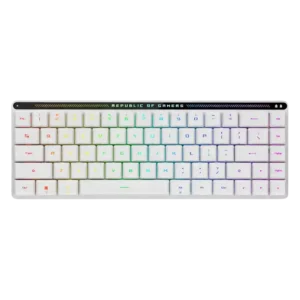
Key stability is highly praised; reviewers repeatedly mention minimal wobble, secure keycaps, and uniform feel.
Pros: reliability, typing comfort
Cons: cable quality, wrist rest quality
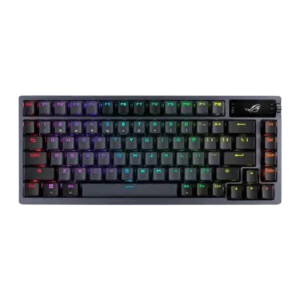
Key stability was praised mainly through the stable spacebar and measured keystrokes, with little wobble noted in broader switch feedback.
Pros: durability, wireless performance
Cons: passthrough features, onboard memory
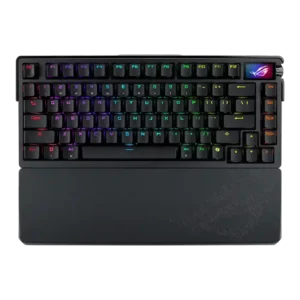
Key stability was praised for reduced wobble, commendable stability, and strong stabilization across the board.
Pros: key spacing, reliability
Cons: rapid trigger support, analog input support
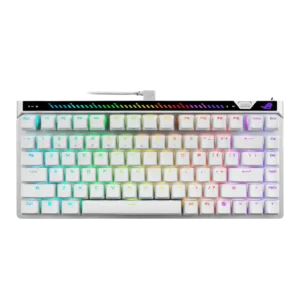
Key stability was strong, with reviewers reporting little wobble and a firm, stable board feel.
Pros: key responsiveness, latency
Cons: analog input support, wrist rest quality
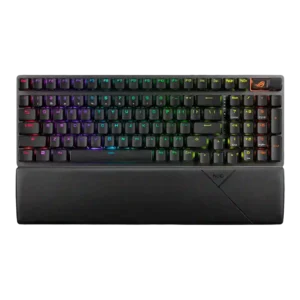
Key stability is a strong point: reviewers describe reduced wobble, stable keystrokes, better typing stability, and almost no wobble on the switches.
Pros: per-key lighting control, wireless performance
Cons: rapid trigger support, analog input support