#1
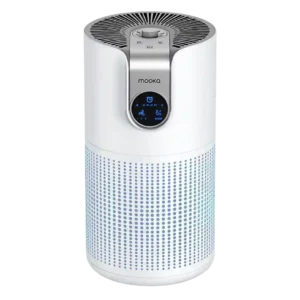
The blue light and night-light feature are widely liked, especially because it can be soothing or turned off. A few reviewers treat it as a small perk rather than a...
Pros: pet dander removal, VOC reduction
Cons: real-time air quality monitoring, PM2.5 detection
#2
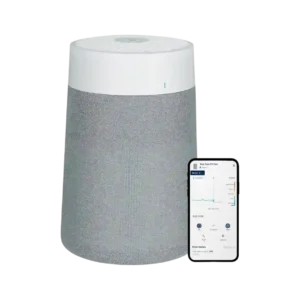
Indicator lights scored well in one review for clear LED display and immediate feedback.
Pros: energy efficiency, power consumption
Cons: handle design, air quality sensor accuracy
#3
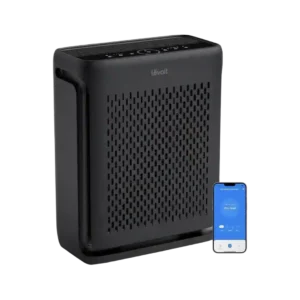
Indicator lights were generally praised for quick air-quality reading and automatic display behavior, though the evidence focused on usability rather than precision.
Pros: Wi-Fi reliability, filter stages
Cons: PM2.5 detection
#4
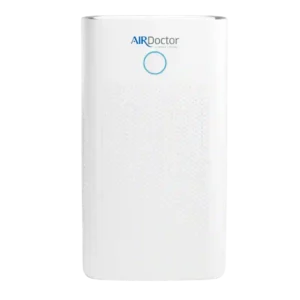
Indicator lights are one of the more liked usability touches. Reviewers and owners appreciate the color-changing air-quality ring and filter/status lights.
Pros: particle removal effectiveness, dust removal
Cons: customer support, formaldehyde removal
#5
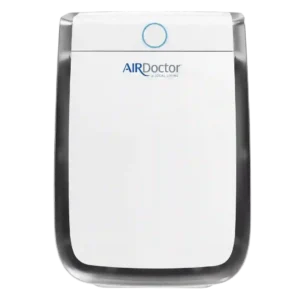
Indicator lights are useful but flexible. Reviewers liked the visual reminder, and the ability to dim or turn lights off helps in bedrooms or dark rooms.
Pros: particle removal effectiveness, HEPA filtration
Cons: customer support, warranty coverage
#6
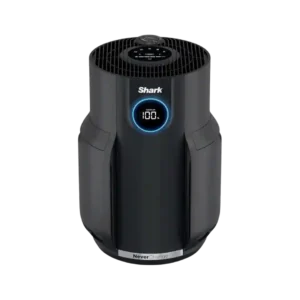
Reviews provide opinionated evidence for this attribute.
Pros: particle removal effectiveness, ozone-free operation
Cons: Wi-Fi reliability, documentation quality
#7
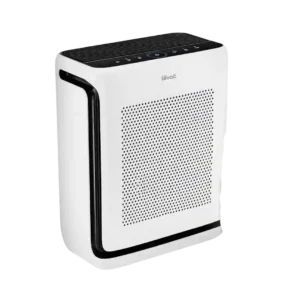
Indicator lights were useful and often dimmable or switchable, though one review saw the color-only LED ring as limited.
Pros: allergen reduction, safety certifications
Cons: PM2.5 detection, true HEPA filter
#8
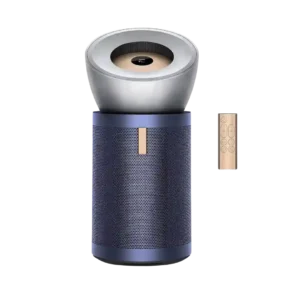
Reviewers were generally positive on indicator lights, though some comments noted limits or context-dependent results.
Pros: pet dander removal, HEPA filtration
Cons: condition on arrival, replacement experience
#9
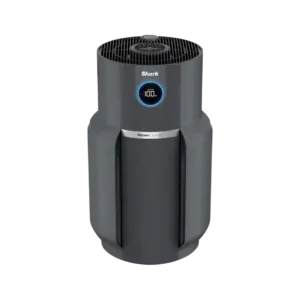
Dimming and night-display options are useful for bedrooms and TV rooms, and the color ring helps owners read air quality from a distance.
Pros: particle removal effectiveness, ease of use
Cons: condition on arrival, Wi-Fi reliability
#10
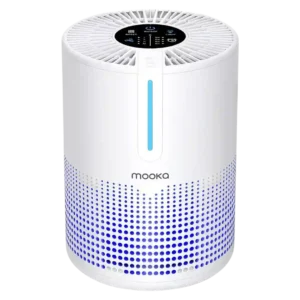
The blue light/nightlight is polarizing. Many like it as a soft nightlight, but several found it too bright, wished for more light modes, or disliked that it could not be...
Pros: true HEPA filter, energy efficiency
Cons: remote control, condition on arrival
#11
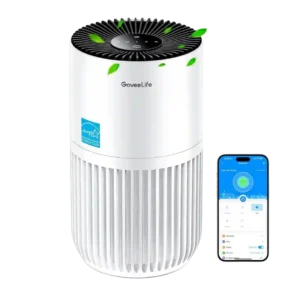
Indicator lights were useful for filter reminders, with reviewers noting the filter reset or change light as helpful.
Pros: sleep mode, filter stages
Cons: smoke removal, CADR rating
#12
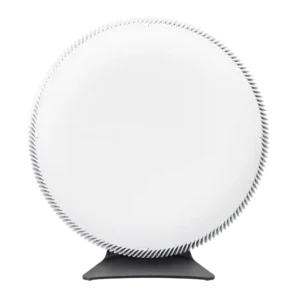
The color-coded air quality lighting gives a quick read on conditions without a conventional screen. Reviewers liked the clean look, though the display style is intentionally minimal.
Pros: dust removal, pollen removal
Cons: voice assistant compatibility, condition on arrival
#13
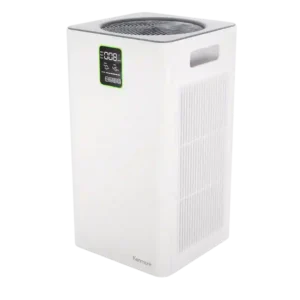
Indicator lights are helpful for quick air-quality checks, but brightness can be a problem. Owners like the at-a-glance signal until it lights up a room at night.
Pros: dust removal, pollen removal
Cons: CADR rating, filter availability
#14
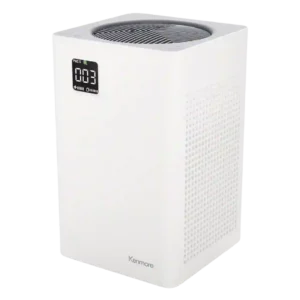
Indicator lights are the most divisive design feature. Some owners like the filter indicator, night mode, or light level, while many bedroom users say the LEDs or screen are too...
Pros: particle removal effectiveness, pollen removal
Cons: customer support, replacement experience
#15
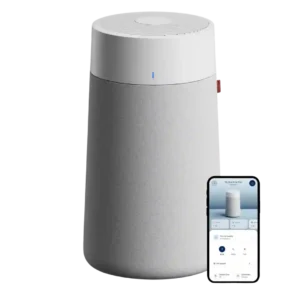
Lights and indicators are useful and adjustable, but filter reset and false filter indicators create frustration.
Pros: smoke removal, allergen reduction
Cons: durability, reliability
#16
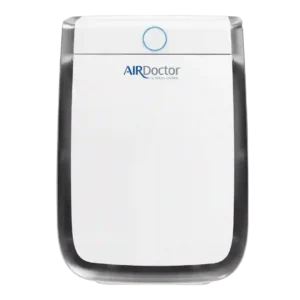
Indicator-light feedback is split: an expert liked the dimmer, while one customer wished the lights could be dimmed.
Pros: pollen removal, handle design
Cons: mold spore reduction, condition on arrival
#17
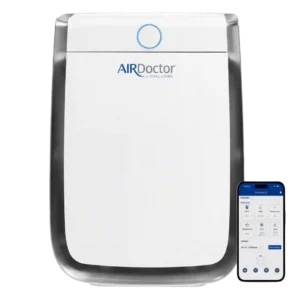
Indicator lights can reassure owners when they change from yellow or red back to blue, but defective flashing and stuck orange/yellow behavior create reliability concerns.
Pros: activated carbon filter, filter life
Cons: VOC reduction, mold spore reduction
#18
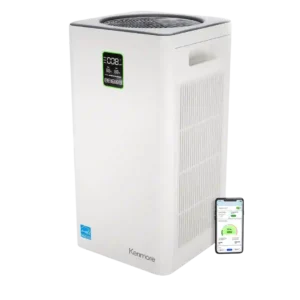
Indicator lights show up mainly in failure stories, including faded LEDs, blinking lights, and a standby light staying on while the unit would not start.
Pros: particle removal effectiveness, allergen reduction
Cons: VOC reduction, VOC sensor accuracy