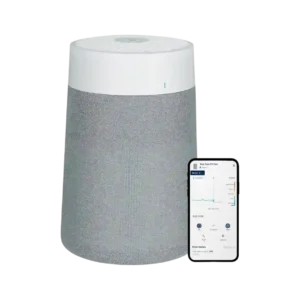
VOC sensor response scored strongly in one review because it reacted faster than the smoke test.
Pros: energy efficiency, power consumption
Cons: handle design, air quality sensor accuracy
VOC sensor response scored strongly in one review because it reacted faster than the smoke test.
Pros: energy efficiency, power consumption
Cons: handle design, air quality sensor accuracy
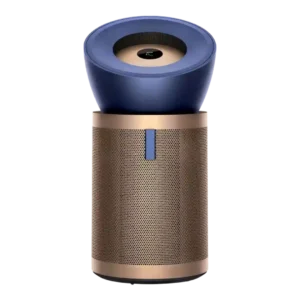
VOC sensor evidence is positive, with reviewers noting automatic VOC display changes, detailed graphs, and good VOC readings.
Pros: ease of use, noise level
Cons: condition on arrival, durability
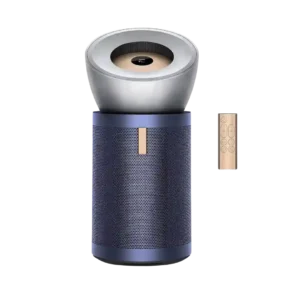
Evidence on VOC sensor accuracy was mixed, balancing useful performance with complaints or uncertainty.
Pros: pet dander removal, HEPA filtration
Cons: condition on arrival, replacement experience
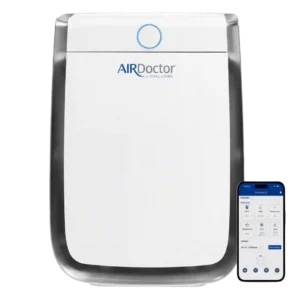
VOC sensing is split between one reviewer impressed by a quick orange reading near face cream and another who saw no meaningful response to obvious VOCs.
Pros: activated carbon filter, filter life
Cons: VOC reduction, mold spore reduction
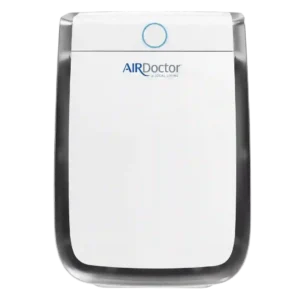
The sensor is weaker for VOC detail. One expert liked its particle responsiveness but noted that it does not provide granular VOC-specific detection.
Pros: particle removal effectiveness, HEPA filtration
Cons: customer support, warranty coverage
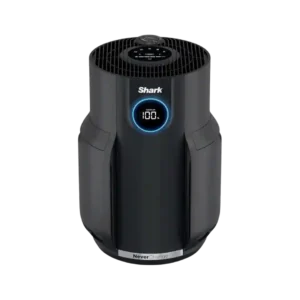
VOC sensor evidence is negative because the sensor does not measure VOCs and may not drive auto mode in VOC-polluted spaces.
Pros: particle removal effectiveness, ozone-free operation
Cons: Wi-Fi reliability, documentation quality
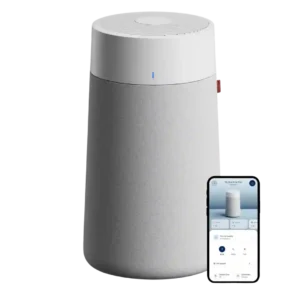
VOC sensing is a limitation: reviews say the purifier may filter VOCs manually but cannot detect and react to them in Auto mode.
Pros: smoke removal, allergen reduction
Cons: durability, reliability
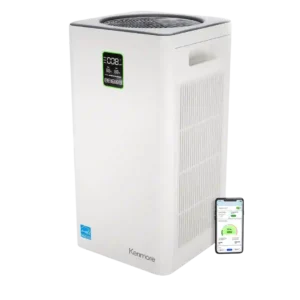
VOC sensing drew a negative report from a buyer who said the purifier would not detect harmful paint-related scents.
Pros: particle removal effectiveness, allergen reduction
Cons: VOC reduction, VOC sensor accuracy