Best for black equalizer performance
MSI MPG 341CQR QD-OLED X36
4.5 feature score
Highest scored product for this feature based on supporting review evidence.
Highest scored product for this feature based on supporting review evidence.
Balances feature score, supporting reviews, and overall product strength.
Has the broadest review evidence for this feature.
Strongest overall product among items with scored evidence for this feature.
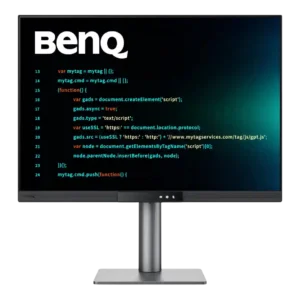
The Local Contrast option lifts darker tones to keep text legible at very low brightness. It pairs especially well with the monitor’s night-focused comfort features.
Pros: VESA mount compatibility, productivity versatility
Cons: HDR performance, local dimming performance
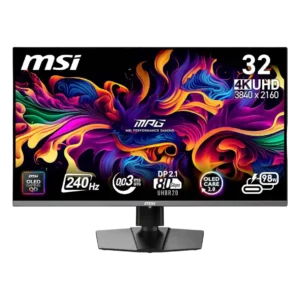
The dark-area boost can make enemies easier to spot in competitive games. Reviewers preferred leaving it off for story-driven play because it weakens the OLED’s deep-black immersion.
Pros: response time, motion clarity
Cons: warranty and support service, sleep and wake behavior
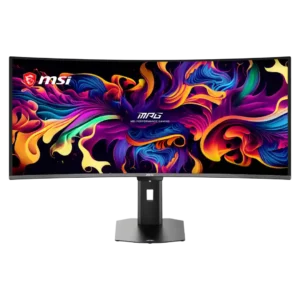
Dark-scene visibility is excellent, revealing faint enemies and shadow detail without sacrificing the panel’s deep blacks.
Pros: screen size, panel type
Cons: Resolution, cable management
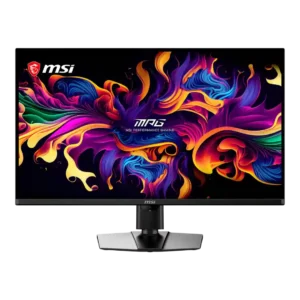
AI Vision can lift shadow detail without raising the black floor, helping players see into dark areas while preserving OLED blacks.
Pros: panel type, response time
Cons: built-in speakers, curved screen immersion
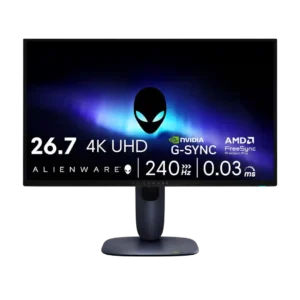
Black-equalizer-like visibility tools were considered useful for games with poor visibility or reticle settings.
Pros: response time, contrast
Cons: built-in speakers, software support
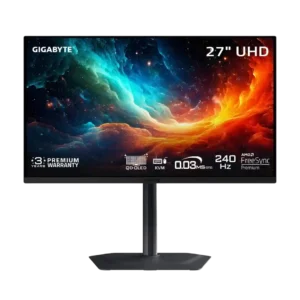
AI Black Equalizer successfully reveals enemies hidden in dark areas. It is useful for competitive play, though more specialized than essential.
Pros: input lag, viewing angles
Cons: color accuracy, software support