#1
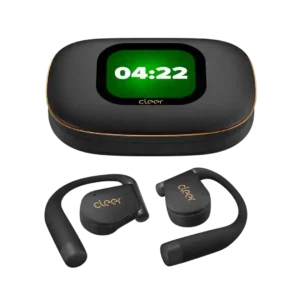
The microphone system usually suppresses wind, traffic, construction, and other background noise effectively while keeping speech understandable. Very loud surroundings can still intrude because the ears remain open.
Pros: Instrument separation, Multipoint connectivity reliability
Cons: Noise isolation (passive)
#2
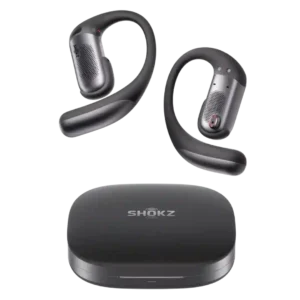
Background suppression often keeps chatter, appliances, and street noise away from the caller’s voice. Wind handling is inconsistent, with some excellent results and some complete breakdowns.
Pros: Voice assistant integration, Android compatibility
Cons: Maximum volume clarity, Packaging condition
#3
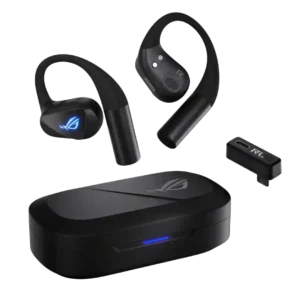
Noise suppression works well in many tests, keeping speech understandable while reducing fans, background media, and ambient chatter.
Pros: Transparency mode quality, Touch control responsiveness
Cons: Noise isolation (passive), Packaging condition
#4
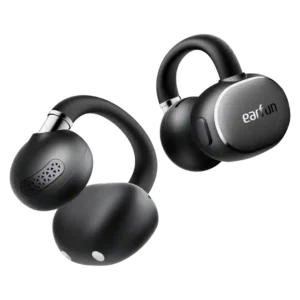
Background-noise rejection is often impressive, especially for steady office or street noise. Aggressive processing can occasionally muffle the speaker or create artifacts in wind.
Pros: Weight comfort, Hinge durability
Cons: Active noise cancellation, Sensors
#5

Microphone noise reduction is usually praised for suppressing traffic, fans, and background noise, though some incidental noise remains.
Pros: Transparency mode quality, Maximum volume clarity
Cons: Active noise cancellation, Spatial audio
#6
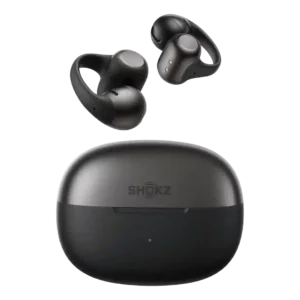
The added noise-reduction mic system helps voice pickup in many accounts, especially for outdoor calls. Some testers did not hear much improvement over older models, so it is helpful rather...
Pros: Android compatibility, Multi-platform compatibility
Cons: Auracast support, Active noise cancellation
#7
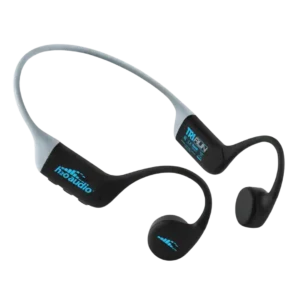
Wind handling is weak. Outdoor callers may hear wind and footstep noise more clearly than the wearer’s voice.
Pros: Weight comfort, Water/sweat resistance rating
Cons: Microphone noise reduction, Equalizer customization