#1
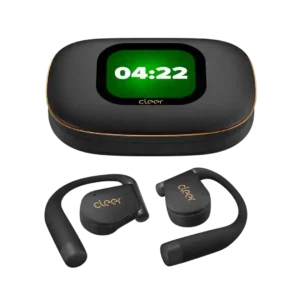
Vocals and mids usually come through clean, natural, and forward enough for podcasts, calls, and music. Reviewers especially liked the clarity of male and female voices.
Pros: Instrument separation, Multipoint connectivity reliability
Cons: Noise isolation (passive)
#2
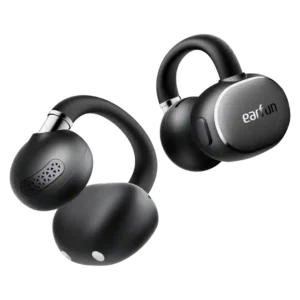
Vocals, podcasts, guitars, and other midrange content come through clearly and naturally. This is one of the most consistently praised parts of the tuning.
Pros: Weight comfort, Hinge durability
Cons: Active noise cancellation, Sensors
#3
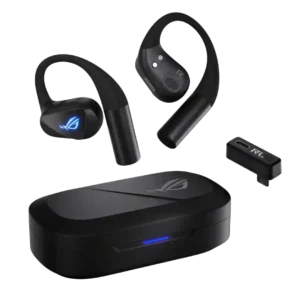
Mids are usually a strength, with clear dialogue, vocals, and footsteps. A few reviewers hear lower-mid thinness, but speech intelligibility remains strong.
Pros: Transparency mode quality, Touch control responsiveness
Cons: Noise isolation (passive), Packaging condition
#4
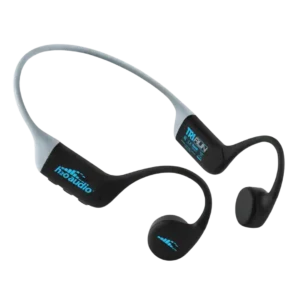
Vocals, podcasts, and other mid-focused content are a consistent strength. Voices sit forward and remain easy to understand even when the rest of the mix sounds clouded.
Pros: Weight comfort, Water/sweat resistance rating
Cons: Microphone noise reduction, Equalizer customization
#5
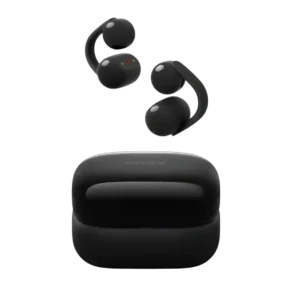
Midrange and vocals are usually praised as clear, balanced, or warm, making speech and lighter music a stronger use case.
Pros: Transparency mode quality, Maximum volume clarity
Cons: Active noise cancellation, Spatial audio
#6
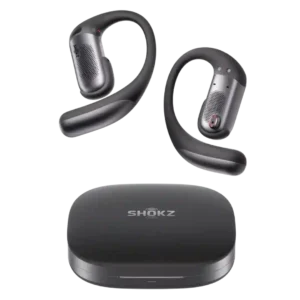
Vocals and spoken content generally come through clean and intelligible, with the Vocal preset helping weaker default mids. Some measurements and listening notes found the lower midrange slightly recessed.
Pros: Voice assistant integration, Android compatibility
Cons: Maximum volume clarity, Packaging condition
#7
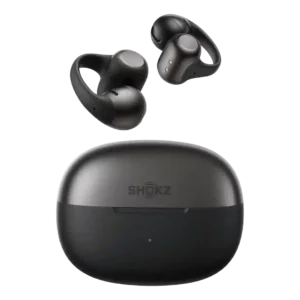
Midrange performance lands mixed. Some listeners heard clean mids and natural voices, while others felt the prominent bass left mids veiled or too bright depending on EQ.
Pros: Android compatibility, Multi-platform compatibility
Cons: Auracast support, Active noise cancellation