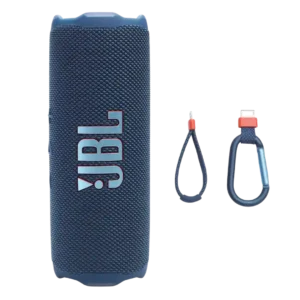
Dynamic headroom is praised by sound-focused reviews, especially for punch, rhythmic expression, and scale for the size.
Pros: Google, Dust resistance rating
Cons: Backwards compatibility, Stereo imaging accuracy
Dynamic headroom is praised by sound-focused reviews, especially for punch, rhythmic expression, and scale for the size.
Pros: Google, Dust resistance rating
Cons: Backwards compatibility, Stereo imaging accuracy
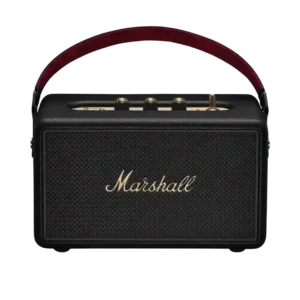
Dynamic headroom is praised through reports of large-room output, energetic sound, and plenty of extra volume without losing control.
Pros: Voice clarity, Bluetooth range
Cons: Multi-speaker pairing reliability, Inter-speaker connectivity
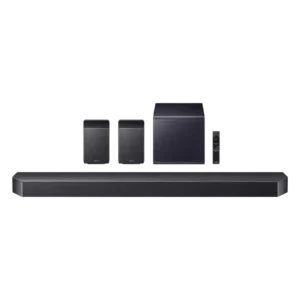
Dynamic headroom is praised for punch, scale, and powerful transient impact.
Pros: Multi-speaker pairing reliability, Gaming HDMI passthrough
Cons: Google, Cabinet construction / bracing

Dynamic headroom is praised in the USB-C hi-res listening context.
Pros: Latency with TV (lip sync), Setup simplicity
Cons: Smart assistant integration (Alexa, Speakerphone quality
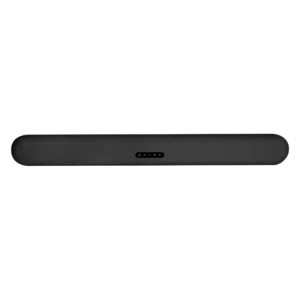
Dynamic headroom was praised for easy handling of intense scenes, low distortion, punch, and controlled playback.
Pros: Distortion at high volume, Voice clarity
Cons: Spotify Connect reliability, Chromecast compatibility
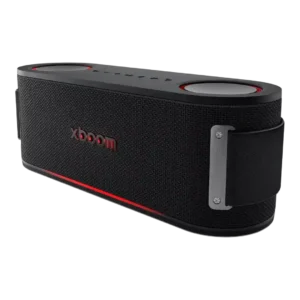
Dynamic performance was praised in one hands-on video review that highlighted punch and an energetic sound presentation.
Pros: Dynamic headroom, Drop resistance durability
Cons: Privacy and data, Wired input
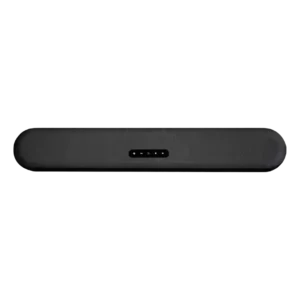
Dynamic headroom is a strong point for action scenes and music. Reviewers describe the Mini as jumpy, expressive, and capable of flowing dynamic shifts.
Pros: Distortion at high volume, Loudness / maximum volume
Cons: Chromecast compatibility, Google

Dynamic headroom was strong for small-to-medium spaces, with reviewers noting enough headroom to fill rooms and party areas.
Pros: Latency with TV (lip sync), Setup simplicity
Cons: Multi-speaker pairing reliability, Audio format support
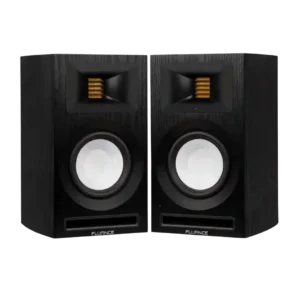
Dynamic range was generally praised as solid or very good for the class, especially within reasonable room size and volume expectations.
Pros: Setup simplicity, Bluetooth connection stability
Cons: optical, Smart features
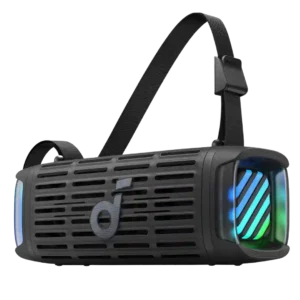
Dynamic performance was above average for size, with praise for keeping bass at higher volume but some lost nuance at loud settings.
Pros: Price / value for money, On-device controls
Cons: Power bank function, Wired input
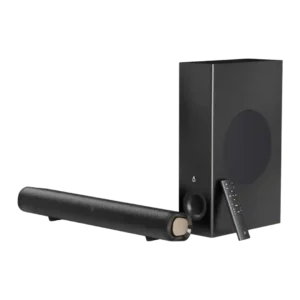
Dynamic headroom is praised in limited evidence, with reviewers noting punchy dynamics and a cinematic feel rather than flat presentation.
Pros: Setup simplicity, Weight convenience
Cons: Smart features, Rear speaker cable length
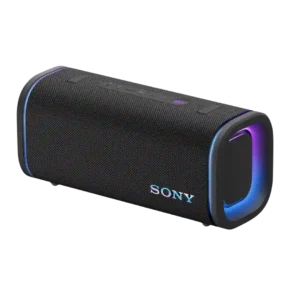
ULT modes add energy, punch, and sound pressure, but limited headroom and compression appear when the speaker is pushed hard.
Pros: Latency with TV (lip sync), Multi-speaker pairing reliability
Cons: Energy efficiency, Amplifier power requirements
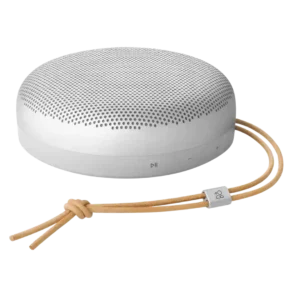
Dynamic headroom was good but not class-leading: some reviews praised dynamism, while others wanted stronger quiet-to-loud swings.
Pros: Multi-speaker pairing reliability, Handle or strap quality
Cons: Wi-Fi streaming reliability, AirPlay compatibility
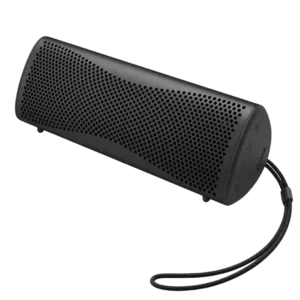
Most testing found the speaker able to move from quiet to loud without stress and preserve dynamic contrast. One severe dissenting test heard aggressive limiting that pushed output down.
Pros: Dialogue clarity (for TV/soundbar use), Multi-speaker pairing reliability
Cons: Power bank function, Float capability
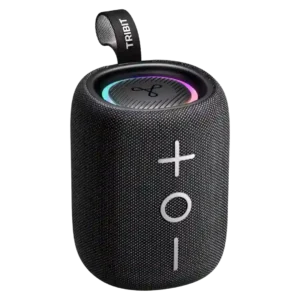
Dynamic headroom is mixed: Tom's Guide praised complex-track handling, but PCMag heard DSP compression and reduced dynamic range when pushed.
Pros: Multi-speaker pairing reliability, Drop resistance durability
Cons: Multipoint connectivity, Smart features
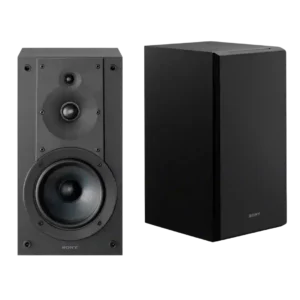
Dynamic headroom was the most mixed area, with size-related limits noted alongside one strong report of clean loud playback.
Pros: Value for money, Home theater integration
Cons: Audio format support, Loudness / maximum volume