If you want better Voice clarity
Choose KEF LS50 Meta Passive Bookshelf Speakers. It scores 4.6 vs 3.0 for Voice clarity, with a 4.1 overall score.
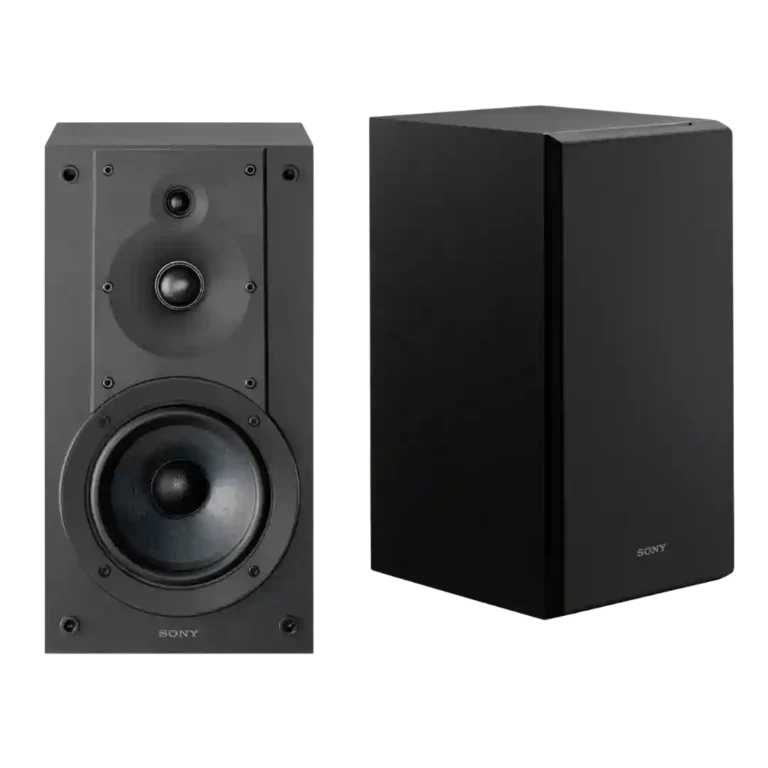
Choose the Sony SS-CS5M2 for smoother budget bookshelf sound, strong imaging, and sale-price value, especially with a subwoofer. Skip it if you need deep bass, high SPL headroom, or a polished premium soundstage.
Best for budget stereo or home-theater buyers who want smoother treble, good imaging, and strong value in a small passive bookshelf speaker. It fits especially well when paired with a subwoofer or used as surround/height speakers.
Not for listeners who need deep standalone bass, very high SPL output, or a large enveloping soundstage from the speakers alone. It is also not ideal for buyers paying high retail pricing without a sale.
Across the reviews, the Sony SS-CS5M2 lands as a surprisingly capable budget bookshelf speaker with a smoother, more mature tonal balance than the earlier model. Reviewers repeatedly liked the reduced treble bite, respectable frequency response, imaging that can disappear into a room, solid cabinet/build impressions, and strong value when pricing is reasonable. The main tradeoff is scale: bass remains limited, high-output listening can expose SPL/compression limits, and at least one reviewer found the soundstage comparatively flat. Several reviewers also framed subwoofer use as important, especially for home theater or louder playback. The Hi-Res/super-tweeter story drew skepticism, but the speaker’s core performance was still viewed as impressive for its price class.
Compared with other Bookshelf Speakers, this product is near average in Stereo imaging accuracy, Detail retrieval, below average in Audio format support, Voice clarity, Dynamic headroom.
| Attribute | This product | Category average | Difference |
|---|---|---|---|
| Audio format support | 2.3 | 4.0 | -1.7 |
| Voice clarity | 3.0 | 4.5 | -1.5 |
| Dynamic headroom | 3.2 | 4.5 | -1.3 |
| Loudness / maximum volume | 3.0 | 4.2 | -1.2 |
| Soundstage height | 3.5 | 4.3 | -0.8 |
| Distortion at high volume | 3.5 | 4.2 | -0.7 |
| Wired input | 3.5 | 4.0 | -0.5 |
| Cabinet construction / bracing | 4.0 | 4.4 | -0.4 |
Choose KEF LS50 Meta Passive Bookshelf Speakers. It scores 4.6 vs 3.0 for Voice clarity, with a 4.1 overall score.
Choose Focal Theva N.1 Speakers. It scores 4.6 vs 3.0 for Loudness / maximum volume, with a 4.0 overall score.
Choose Fluance Ri71 Reference Powered Bookshelf Speakers. It scores 4.0 vs 2.3 for Audio format support, with a 4.1 overall score.
Choose Dali Sonik 1. It scores 5.0 vs 3.2 for Dynamic headroom, with a 4.3 overall score.
Products reviewers directly compared with this model, grouped into quick takeaways.
Reviewers generally described the M2 as smoother and more controlled on top, with less treble bite and a more mature balance than the earlier version.
They can work alone for modest listening, but reviewers repeatedly pointed to limited bass depth. A subwoofer was recommended for home theater, louder playback, or fuller low-end coverage.
Reviewers saw them as a strong budget home-theater option, especially as height, surround, or small-room speakers. Subwoofer crossover support was a recurring part of that recommendation.
The evidence is mixed. One reviewer warned about grain and compression at higher output, while another was impressed that loud test sweeps showed no strain or distortion.
Value depends heavily on price. Reviewers praised the speaker strongly at sale or reasonable pricing, but one specifically said not to buy it at retail price.
Imaging was a clear strength overall, with reviewers describing precise placement, a solid center image, and speakers that can disappear in the room. Soundstage depth and height were less unanimously praised.
Reviewers were skeptical. The Hi-Res claim was treated more like marketing than a meaningful advantage for a passive bookshelf speaker.
These are a few of the reviews included in our analysis.



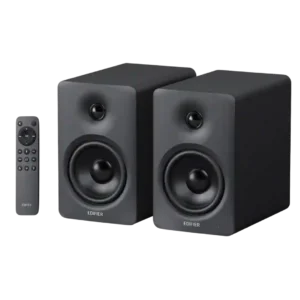
Choose the M90 for powerful, spacious sound, exceptional connectivity, and easy TV integration in a compact desktop-friendly pair. Skip it if you need Wi-Fi or AirPlay, front-mounted controls, or deep...
Pros: HDMI ARC, Low-volume performance
Cons: AirPlay compatibility, Wi-Fi streaming reliability
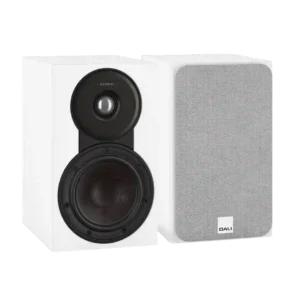
Choose the Sonik 1 for compact-room hi-fi with vivid vocals, punchy bass and precise imaging. Skip it if you need deep sub-bass, dislike forward treble, or cannot justify the steep...
Pros: Distortion at high volume, Dynamic headroom
Cons: Warranty support, Included accessories
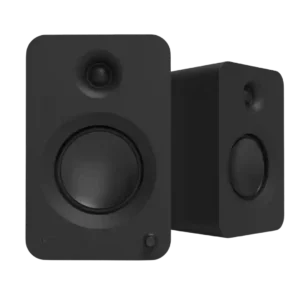
Choose the Kanto REN if you want stylish powered stereo speakers with HDMI ARC, strong imaging, easy setup, and flexible inputs. Skip them if you need Wi-Fi, surround/Atmos, maximum SPL,...
Pros: HDMI ARC, Stereo imaging accuracy
Cons: Surround sound simulation, Bluetooth codec support
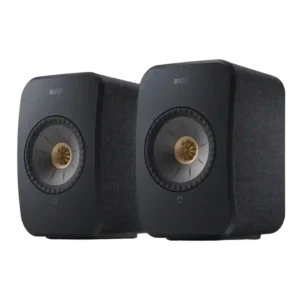
Choose the KEF LSX II if you want compact wireless speakers with sharp imaging, easy setup, strong streaming, and stylish design. Skip it if you need theater-style surround, deepest bass...
Pros: Soundstage height, Amplifier power requirements
Cons: On-device controls, Surround sound simulation