#1
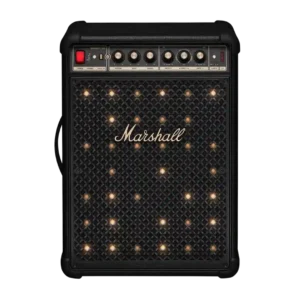
The physical controls are a major strength, with clear source selection and dedicated knobs for volume, tone, instruments, and effects. They are quicker and more satisfying than relying on the...
Pros: Stereo imaging accuracy, Multi-speaker pairing reliability
Cons: Remote control usability, Bluetooth codec support
#2

On-device playback controls are praised as working perfectly.
Pros: Dust resistance rating, Low-volume performance
Cons: Speakerphone quality, Backwards compatibility
#3

On-device controls were praised for covering core playback, Bluetooth, XBass, and TWS functions without always needing the app.
Pros: Stereo imaging accuracy, Setup simplicity
Cons: Wired input, Backwards compatibility
#4

The physical playback, volume, Bluetooth, and Auracast controls are straightforward and dependable. Familiar JBL layouts help returning users operate it immediately.
Pros: Google, Latency with TV (lip sync)
Cons: Charging cable inclusion, Chromecast compatibility
#5

Physical controls are straightforward and convenient for volume, input, playback, and switching speaker modes. They reduce dependence on the app for basic operation.
Pros: Chromecast compatibility, Spotify Connect reliability
Cons: Rear speaker cable length, Gaming HDMI passthrough
#6
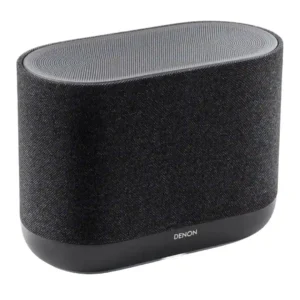
Physical controls are practical and generally well received, with side buttons for playback, volume, presets, Bluetooth, and voice-related functions. They make the speaker easier to use without digging through HEOS...
Pros: Dialogue clarity (for TV/soundbar use), Setup simplicity
Cons: Battery life (if portable), Water resistance rating
#7
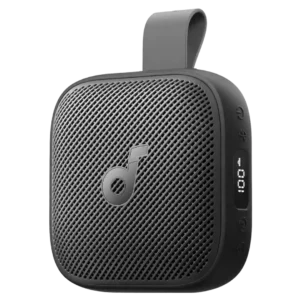
On-device controls were considered adequate to strong, especially when they let the user manage music or lights without pulling out a phone.
Pros: Smart features, Lighting effects
Cons: Speakerphone quality, Microphone
#8
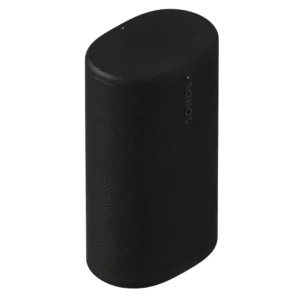
Physical controls are a mixed experience. Some reviewers prefer the tactile buttons, while others find the top controls visually disguised or dislike having the power/wake button on the back.
Pros: Dialogue clarity (for TV/soundbar use), Multi-speaker pairing reliability
Cons: Surround sound simulation, Protective case inclusion
#9

Play, pause, volume, and separate assistant-volume options are useful, but the invisible touch targets make the controls less intuitive than physical buttons.
Pros: Wi-Fi streaming reliability, Inter-speaker connectivity
Cons: Wired input, Frequency response balance
#10
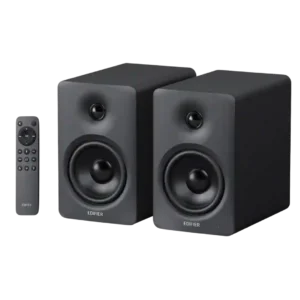
The only physical knob and power control sit on the rear of the active speaker, making direct adjustments awkward. Most users will rely on the remote, app, or TV remote...
Pros: HDMI ARC, Low-volume performance
Cons: AirPlay compatibility, Wi-Fi streaming reliability