#1
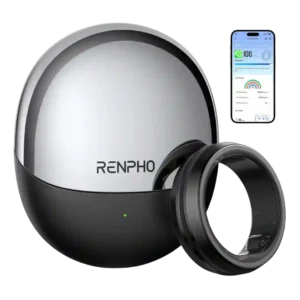
Resting heart rate tracking received positive evidence in one comparison-heavy review, where the reviewer said the tracked metrics were extremely close to reference devices.
Pros: activity reminders, charging speed
Cons: swimming tracking, workout mode variety
#2
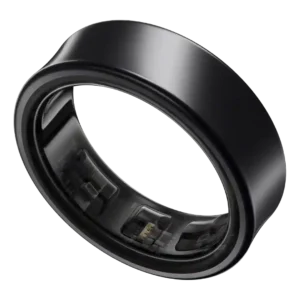
Resting and sleeping heart-rate tracking generally scored well, with reviewers finding it close to baselines, chest straps, Oura, or Whoop during sleep.
Pros: weight, charging convenience
Cons: sleep apnea monitoring, calorie tracking usefulness
#3
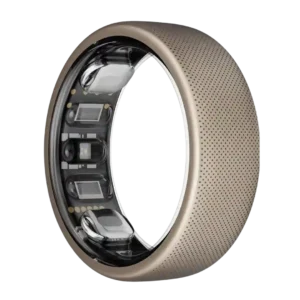
Resting heart-rate and HRV tracking were consistently praised or found close to comparison devices, making this one of the more reliable health metrics.
Pros: distance tracking accuracy, pairing reliability
Cons: automatic workout detection, activity reminders
#4
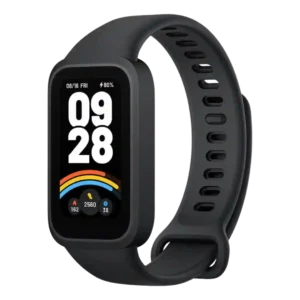
Resting heart rate tracking had one positive review, with Wareable finding the resting heart rate trends pretty in tune with rival devices.
Pros: alarm function, data syncing reliability
Cons: connected GPS reliability, GPS accuracy
#5
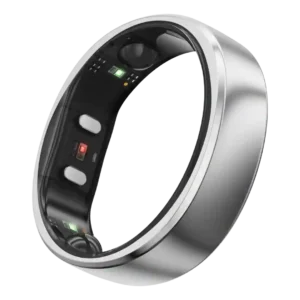
Resting heart rate tracking was one of the safer metrics, with reviewers saying overnight resting heart rate matched closely or was probably still decent.
Pros: subscription value, weight
Cons: Strava compatibility, third-party app compatibility
#6
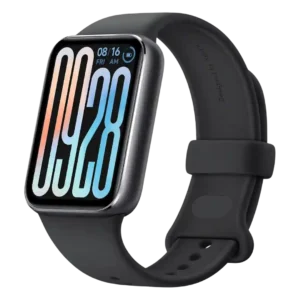
Resting heart-rate tracking was mixed, with one review finding it close to another reliable watch and another saying readings wandered while idle.
Pros: workout mode variety, durability
Cons: activity reminders, calorie tracking usefulness
#7
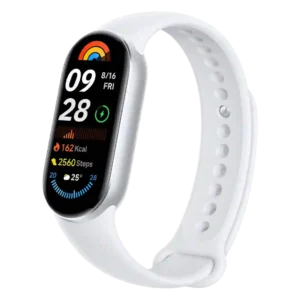
Resting heart rate had limited but negative evidence, with one reviewer finding readings higher than comparison trackers.
Pros: subscription value, cadence tracking
Cons: fit, GPS accuracy