If you want better pairing reliability
Choose Xiaomi Smart Band 10. It scores 4.5 vs 2.8 for pairing reliability, with a 4.0 overall score.
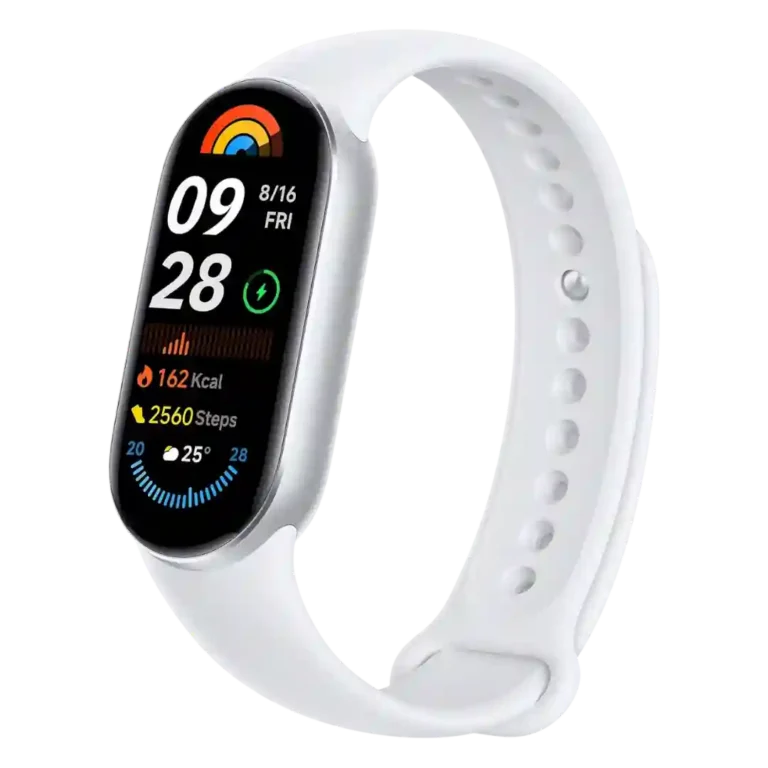
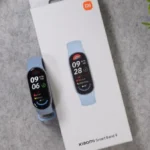
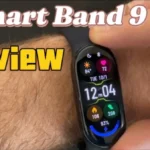
Choose the Xiaomi Smart Band 9 for a cheap, light tracker with great battery life, a bright display, and solid basic fitness data. Skip it if you need built-in GPS, advanced smartwatch features, or consistently reliable sleep-stage and health insights.
Best for casual users who want an affordable, light fitness tracker with long battery life, a bright screen, and enough health and workout data for daily awareness. It also suits first-time wearable buyers who do not need a full smartwatch.
Not for serious runners, cyclists, or athletes who need built-in GPS, dependable route and distance data, or sports-watch-grade analysis. It is also not ideal for users who rely heavily on replies, apps, payments, or advanced sleep/health insights.
The review consensus paints the Xiaomi Smart Band 9 as a standout budget tracker because it combines a bright AMOLED screen, unusually long battery life, light comfort, and enough workout/health tracking to satisfy casual users. The biggest tradeoff is that its price-friendly simplicity shows up in several places: no built-in GPS, limited notification interaction, mixed connected-GPS results, and sleep-stage or SpO2 readings that some reviewers found unreliable. Heart-rate and workout tracking often impressed for the money, especially in easier activities, but more demanding sports and serious training exposed accuracy gaps. Its value is strongest when treated as a lightweight basics-first wearable rather than a miniature premium smartwatch.
Compared with other Activity & Fitness Trackers, this product is above average in pace tracking, timer function, music controls, near average in battery life, sleep tracking accuracy, below average in fit, pairing reliability, resting heart rate tracking.
| Attribute | This product | Category average | Difference |
|---|---|---|---|
| pace tracking | 4.8 | 2.9 | +1.9 |
| timer function | 4.8 | 3.0 | +1.8 |
| fit | 2.0 | 3.7 | -1.7 |
| music controls | 4.4 | 2.8 | +1.6 |
| cadence tracking | 4.9 | 3.4 | +1.5 |
| pairing reliability | 2.8 | 4.3 | -1.5 |
| data syncing reliability | 4.8 | 3.3 | +1.5 |
| text alerts | 4.2 | 2.7 | +1.5 |
Choose Xiaomi Smart Band 10. It scores 4.5 vs 2.8 for pairing reliability, with a 4.0 overall score.
Choose Samsung Galaxy Fit3. It scores 4.5 vs 2.8 for health trend insights, with a 4.0 overall score.
Choose Fitbit Charge 6. It scores 4.1 vs 3.0 for button controls, with a 3.7 overall score.
Choose Fitbit Inspire 3. It scores 3.9 vs 2.0 for fit, with a 3.9 overall score.
Products reviewers directly compared with this model, grouped into quick takeaways.
Yes. Reviewers repeatedly called value its strongest point, praising the low price alongside a bright display, long battery life, and broad basic tracking.
No. Reviews consistently noted that it depends on a phone for location data, and connected GPS results ranged from acceptable to overreported, dropped, or inconvenient.
Battery life was one of the most praised attributes. Many reviewers got around a week or much longer, but always-on display and heavier health tracking reduced runtime.
Sleep and wake times were often considered useful or accurate, but sleep stages were much more disputed. Several reviewers reported exaggerated deep sleep, poor REM agreement, or unreliable stage data.
It can show notifications, texts, calls, and app alerts, but the experience is basic. Reviewers liked reliability in some cases but criticized bugs, read-only alerts, narrow display limits, and limited interaction.
It is better for casual fitness tracking. Reviewers found heart-rate and workout data good for the price, but GPS dependence, mixed accuracy, and limited advanced analysis make it weaker for serious training.
Outdoor visibility was widely praised thanks to the brighter AMOLED display. One reviewer found the always-on display dim in sunlight, but most said normal viewing was easy outdoors.
These are a few of the reviews included in our analysis.

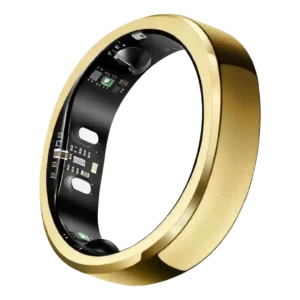
Best for long battery life, comfort, sleep/apnea insights, haptic health nudges, and no subscription. Skip it for serious workout heart-rate accuracy, full phone notifications, or a true silent alarm.
Pros: pairing reliability, charging speed
Cons: alarm function, Strava compatibility
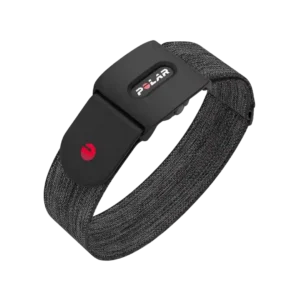
Best for chest-strap-like heart-rate data in a comfortable armband with long battery life. Skip it if you need smartwatch features, effortless app guidance, built-in GPS, or flawless high-intensity lifting response.
Pros: charging speed, subscription value
Cons: size options, data syncing reliability
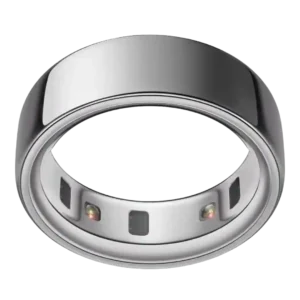
Best for comfortable, screen-free sleep and recovery insight with a polished app. Skip it if you want subscription-free value, serious training metrics, or a ring that stays pristine.
Pros: GPS accuracy, swimming tracking
Cons: alarm function, calorie tracking usefulness
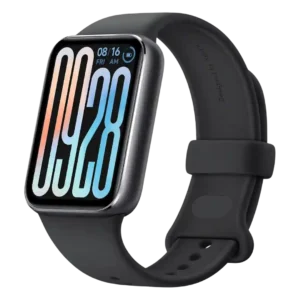
Best for a bright screen, long battery life, strong value and casual fitness tracking. Skip it if you need dependable sports-watch accuracy, richer smartwatch replies, or polished sleep-stage data.
Pros: workout mode variety, durability
Cons: activity reminders, calorie tracking usefulness