If you want better RGB lighting customization
Choose Razer Barracuda X. It scores 4.3 vs 2.8 for RGB lighting customization, with a 3.9 overall score.
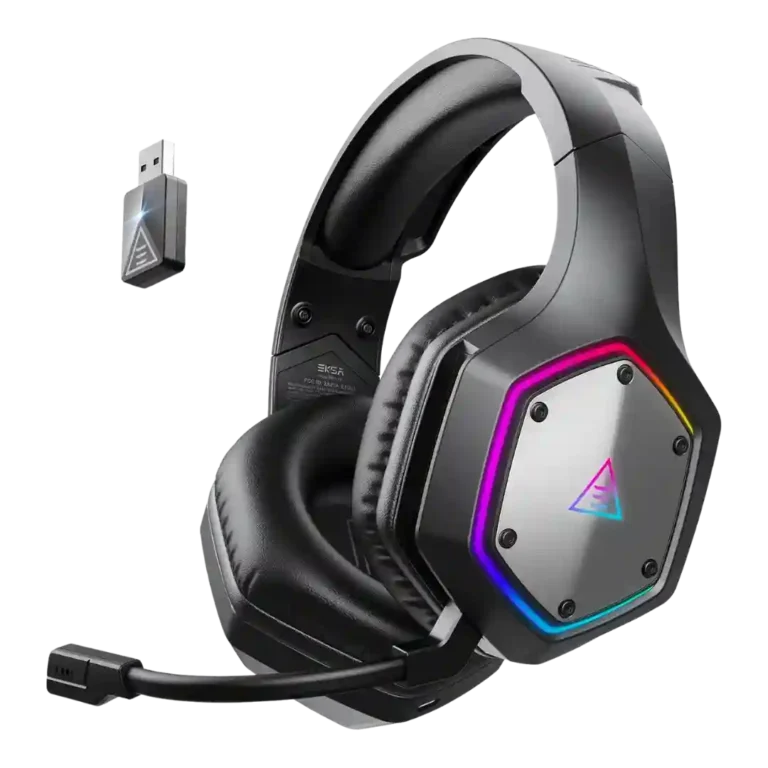
Choose the EKSA E1000 if you want cheap gaming sound, usable mic quality, and easy setup. Skip it if comfort, refined music detail, full RGB control, or wireless Xbox use matters most.
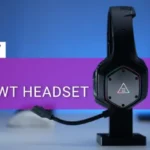
Best for budget gamers who mostly play on PC or PlayStation and want simple setup, surround-style immersion, and a usable chat mic without paying much. The WT evidence is strongest for people who value wireless convenience and low latency.
Not for listeners who want refined music fidelity, premium materials, or consistent long-session comfort. Xbox users who want wireless dongle support and RGB users who want full lighting customization should be cautious.
The EKSA E1000 family lands as a budget-first gaming headset with real strengths in easy setup, chat usability, and immersive game sound. Several reviewers praised its surround effect, positional cues, bass impact, and low-latency wireless performance on the WT version. The tradeoff is inconsistency: comfort ranged from all-day wearable to tight or fatiguing, and sound quality ranged from crystal clear to muffled depending on reviewer and use case. Build and aesthetics also split opinion, with sturdy-enough plastic for some and cheap-feeling gamer styling for others. RGB lighting helped the look, but limited customization was a repeated frustration. Overall, the evidence supports it most as an affordable gaming headset, not a refined all-purpose audio product.
Compared with other Headsets, this product is above average in Sound leakage, Carry case quality, Cable quality, near average in Microphone, Spatial audio, below average in Midrange clarity, Instrument separation, Ear cup swivel/rotation range.
| Attribute | This product | Category average | Difference |
|---|---|---|---|
| Midrange clarity | 2.0 | 4.1 | -2.1 |
| Instrument separation | 2.5 | 4.3 | -1.8 |
| Ear cup swivel/rotation range | 2.0 | 3.7 | -1.7 |
| Clamping force comfort | 2.5 | 3.8 | -1.3 |
| RGB lighting customization | 2.8 | 3.8 | -1.1 |
| Frequency response accuracy | 2.6 | 3.8 | -1.2 |
| Sound leakage | 4.0 | 2.7 | +1.3 |
| Carry case quality | 4.1 | 3.0 | +1.1 |
Choose Razer Barracuda X. It scores 4.3 vs 2.8 for RGB lighting customization, with a 3.9 overall score.
Choose HyperX Cloud Alpha. It scores 4.9 vs 2.5 for Instrument separation, with a 4.1 overall score.
Choose HyperX Cloud III. It scores 4.6 vs 2.5 for Clamping force comfort, with a 3.8 overall score.
Choose Cherry XTRFY H3 Wireless Gaming Headset. It scores 4.3 vs 3.5 for Ear cup padding quality, with a 3.9 overall score.
Products reviewers directly compared with this model, grouped into quick takeaways.
Yes, many reviewers found it enjoyable for gaming, especially for surround effects, loud action, and positional cues. The evidence is weaker for serious FPS players who need more precise directional depth.
The mic evidence is mixed but mostly usable for game chat and calls. Some reviewers praised clarity and noise reduction, while others called the mic scratchy, tinny, or low in volume.
Comfort is one of the most divided areas. Some reviewers wore it for hours without problems, while others reported tight clamping, hard pads, pressure, or awkward earcup positioning.
Gaming sound was usually received better than music. Several reviewers liked the bass and immersive profile, but others heard muffled playback, missing detail, limited highs, or boxy sound.
RGB customization is limited. Reviewers often liked the look, but several noted fixed colors, no programmability, or no way to turn lighting off on some versions.
Yes, WT reviewers consistently reported little to no noticeable latency during gaming. That wireless strength was one of the clearer positives in the review evidence.
It works with multiple platforms, but the connection method matters. Reviews noted strong PC and PlayStation support, while Xbox use may require the 3.5 mm cable instead of the wireless dongle.
These are a few of the reviews included in our analysis.

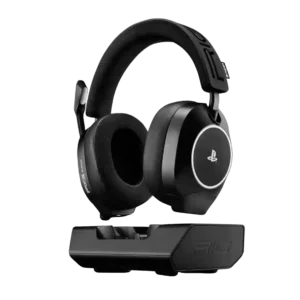
Best for sharp gaming audio, long battery life, an excellent dock, and strong value. Skip it if you need ANC, a detachable mic, maximum console volume, or seamless PS5/Xbox switching.
Pros: Spatial audio, Positional audio accuracy
Cons: Carry case quality, Detachable microphone convenience
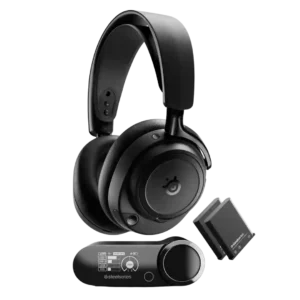
Choose the Arctis Nova Elite if you want top-tier wireless sound, ANC, hot-swap batteries, and multi-device mixing. Skip it if $600 feels excessive, you game on one console, or tight/heavy...
Pros: Maximum volume clarity, Multipoint connectivity reliability
Cons: Portability/foldability, USB-C
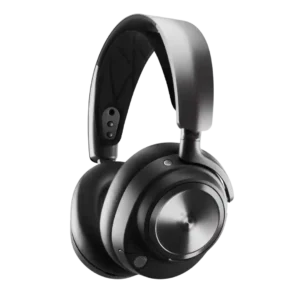
Choose the Arctis Nova Pro Wireless for premium gaming audio, hot-swappable batteries, broad device support, and deep EQ control. Skip it if the high price, mixed mic quality, or uneven...
Pros: Charging, Spatial audio
Cons: Hinge durability, Smudge resistance
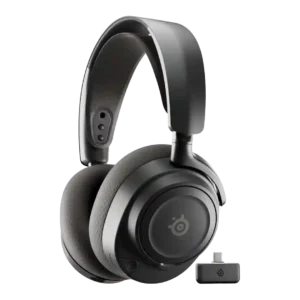
Best for long sessions, strong battery, customizable EQ, and easy dual-device gaming. Skip it if you need ANC, a slimmer dongle, premium mic fidelity, or the best value outside a...
Pros: Connectivity versatility, Multi-platform compatibility
Cons: Transparency mode quality, Active noise cancellation