Best for Connectivity versatility
ASUS ROG Kithara
4.9 feature score
Highest scored product for this feature based on supporting review evidence.
Highest scored product for this feature based on supporting review evidence.
Balances feature score, supporting reviews, and overall product strength.
Has the broadest review evidence for this feature.
Strongest overall product among items with scored evidence for this feature.
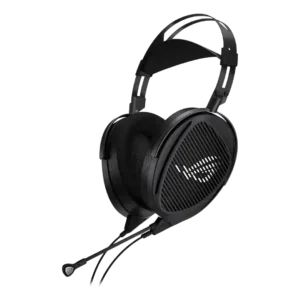
Connectivity versatility is a major strength thanks to the cable bundle, swappable plugs, balanced option, USB-C adapter, and broad desk-device support.
Pros: Maximum volume clarity, Connectivity versatility
Cons: Carry case quality, Xbox compatibility
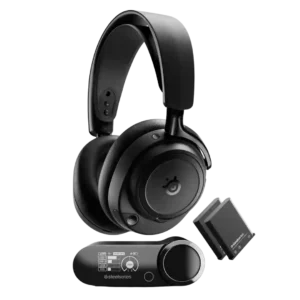
Connectivity versatility is the clearest consensus strength: reviewers repeatedly praise multi-device support, four-source mixing, and broad setup flexibility.
Pros: Maximum volume clarity, Multipoint connectivity reliability
Cons: Portability/foldability, USB-C
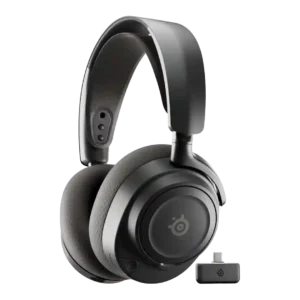
Connectivity versatility was a major strength, with reviewers praising dual wireless, analog fallback, and broad device coverage.
Pros: Connectivity versatility, Multi-platform compatibility
Cons: Transparency mode quality, Active noise cancellation
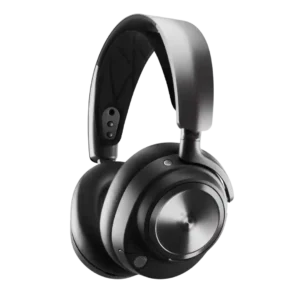
Connectivity versatility is a defining strength, especially for desk setups and users who switch between PC, console, Bluetooth, and mobile sources.
Pros: Charging, Spatial audio
Cons: Hinge durability, Smudge resistance
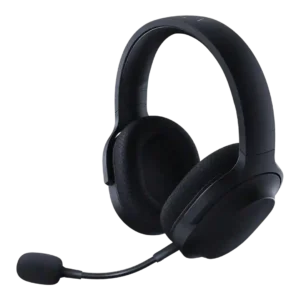
Connectivity versatility was one of the clearest strengths, with reviewers praising the ability to use the headset across many devices and connection types.
Pros: Cable quality, Hinge durability
Cons: aptX, Active noise cancellation
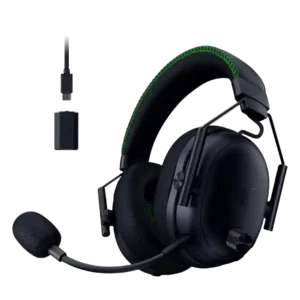
Connectivity versatility was a major selling point because reviewers valued Bluetooth, 2.4GHz, USB, analog, simultaneous audio, and broad device flexibility.
Pros: Audio-video sync accuracy, Multi-platform compatibility
Cons: Cable quality, Preset EQ profile quality
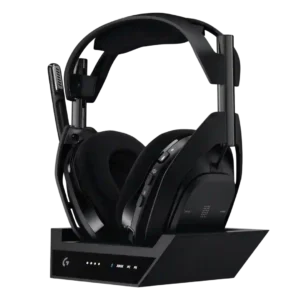
Connectivity versatility is the headline strength, with reviewers praising fast console/source switching when the setup matches the headset’s assumptions.
Pros: Positional audio accuracy, Soundstage width
Cons: Active noise cancellation, Hinge durability
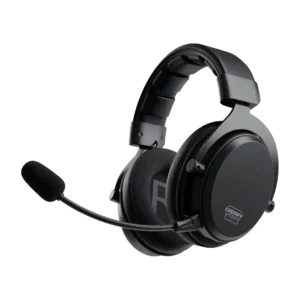
Connectivity versatility was a strength, with reviewers praising smooth switching, dual wireless modes, and broad device usefulness.
Pros: Volume output, Audio-video sync accuracy
Cons: Xbox compatibility, Equalizer customization
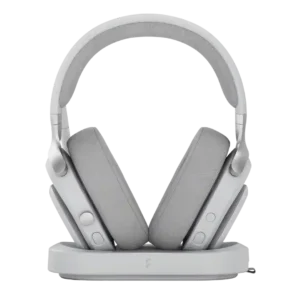
Connectivity versatility was praised because reviewers liked having wired, Bluetooth, and 2.4GHz options.
Pros: Spatial audio, Software/setup simplicity
Cons: Xbox compatibility, Sidetone adjustment quality
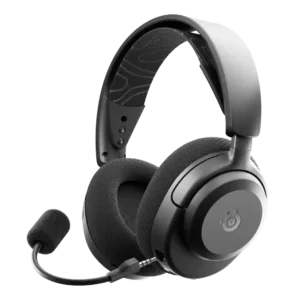
Connectivity versatility was a clear strength, with reviewers praising broad platform use, USB-C, Bluetooth, 2.4GHz, and wired options depending on model.
Pros: Charging, Weight comfort
Cons: Sound leakage, Cable quality
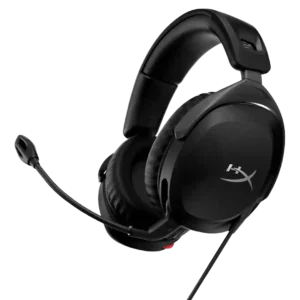
Connectivity versatility was a strength for wired models through 3.5mm use across many devices and for simple wireless dongle setup.
Pros: Multi-platform compatibility, Dongle
Cons: Replaceable earpads, Preset EQ profile quality
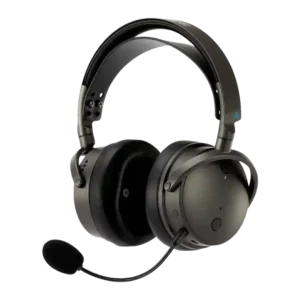
Connectivity versatility is a major strength because reviewers value Bluetooth, dongle, USB-C, analog, and broad platform support, despite switching caveats.
Pros: Instrument separation, Maximum volume clarity
Cons: Hinge durability, Carry case quality
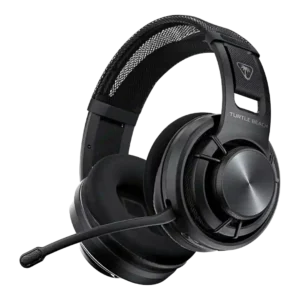
Connectivity is versatile across dongle, Bluetooth, wired use, and quick switching, though some reviewers want simultaneous source mixing.
Pros: Weight comfort, Cable quality
Cons: Active noise cancellation, Noise isolation (passive)
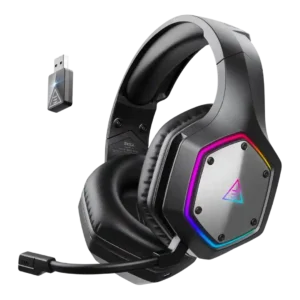
Connectivity versatility was praised on the WT model for combining wireless and wired options across different devices.
Pros: Audio-video sync accuracy, Wireless latency
Cons: Midrange clarity, Ear cup swivel/rotation range
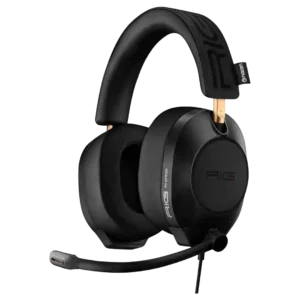
Connectivity versatility was a strength because reviewers valued the port flexibility and easy movement among PC, console, mobile, and wired setups.
Pros: Audio-video sync accuracy, Battery
Cons: Bluetooth, Active noise cancellation
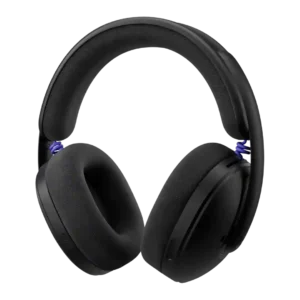
Connectivity versatility was praised for easy switching and multiple modes, though the strongest praise came from casual multi-device use rather than power-user features.
Pros: Wireless latency, Weight comfort
Cons: Microphone noise reduction, Multipoint connectivity reliability
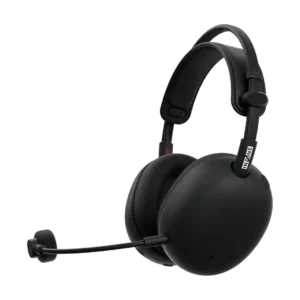
Connectivity was versatile across dongle, Bluetooth, and wired use, though one reviewer found the platform behavior finicky.
Pros: Weight comfort, Comfort during long use
Cons: Xbox compatibility, Smudge resistance
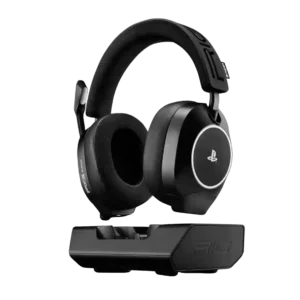
Connectivity versatility was useful for console/PC and calls, but manual dongle swapping and partial Bluetooth mixing kept it from being seamless.
Pros: Spatial audio, Positional audio accuracy
Cons: Carry case quality, Detachable microphone convenience
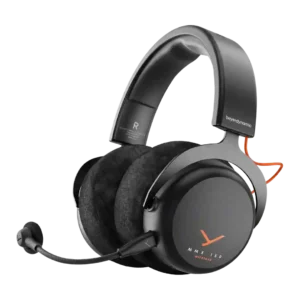
Connectivity is versatile across USB, 3.5mm, Bluetooth, and dongle use, but reviews repeatedly note that some features depend on USB or platform.
Pros: Battery, Audio-video sync accuracy
Cons: Xbox compatibility, Volume output
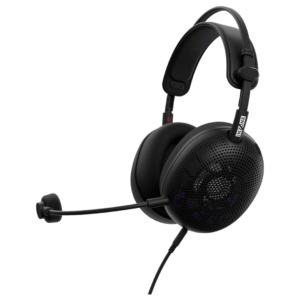
Connectivity versatility was a tradeoff: wired simplicity and broad device support helped, but desk tethering and app limits reduced flexibility.
Pros: Weight comfort, Battery
Cons: Noise isolation (passive), Sound leakage
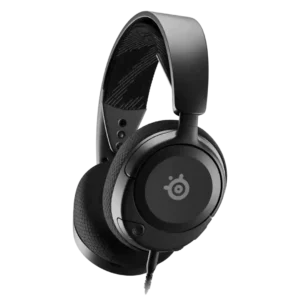
Connectivity versatility is mixed: analog 3.5mm works well in many setups, but mobile, docked, or modern-device limitations reduce flexibility.
Pros: Earpad replacement ease, Weight comfort
Cons: Sidetone adjustment quality, USB-C
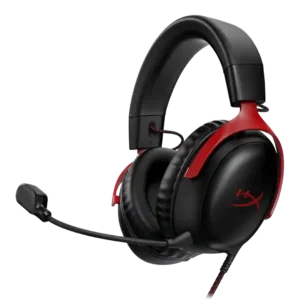
Connectivity versatility was polarized: wired models were flexible, but wireless dongle-only limits and missing wired/Bluetooth options hurt versatility.
Pros: Hinge durability, Wireless latency
Cons: Preset EQ profile quality, Xbox compatibility
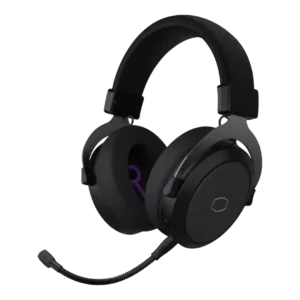
Connectivity is mixed: the headset supports multiple connection options, but the reviewer says its strengths work best over aux.
Pros: Microphone noise reduction, Spatial audio
Cons: App, Equalizer customization
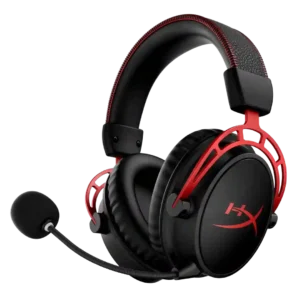
Connectivity versatility is split by version: the wired model is highly versatile via 3.5mm, while wireless versions are criticized for limited USB dongle-only use.
Pros: Maximum volume clarity, Earpad replacement ease
Cons: Bluetooth, Xbox compatibility