Best for Microphone noise reduction
Cooler Master CH351 Gaming Headset
5.0 feature score
Highest scored product for this feature based on supporting review evidence.
Highest scored product for this feature based on supporting review evidence.
Balances feature score, supporting reviews, and overall product strength.
Has the broadest review evidence for this feature.
Strongest overall product among items with scored evidence for this feature.
Showing Headsets only. Switch back to all Headphones & Earbuds anytime.
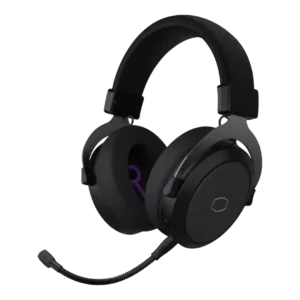
Microphone noise rejection is a strength because nearby background noise was not picked up.
Pros: Microphone noise reduction, Spatial audio
Cons: App, Equalizer customization
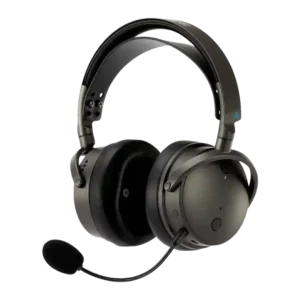
Microphone noise reduction is one of the most praised non-audio features, repeatedly removing keyboard, fan, vacuum, and ambient noise effectively.
Pros: Instrument separation, Maximum volume clarity
Cons: Hinge durability, Carry case quality
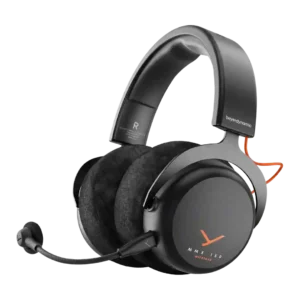
Mic noise reduction is repeatedly praised for suppressing typing, ambient sound, music, and surrounding noise while keeping the voice clear.
Pros: Battery, Audio-video sync accuracy
Cons: Xbox compatibility, Volume output
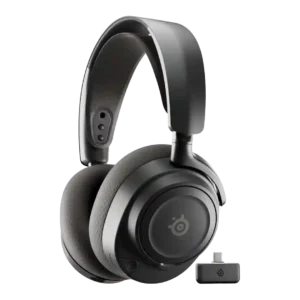
Noise reduction was praised when using ClearCast or Sonar processing, though baseline mic performance still varied.
Pros: Connectivity versatility, Multi-platform compatibility
Cons: Transparency mode quality, Active noise cancellation
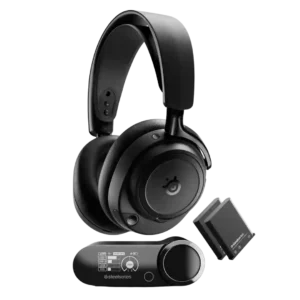
Microphone noise reduction is praised for suppressing hiss, vacuums, washing machines, and background noise, with only minor processing caveats.
Pros: Maximum volume clarity, Multipoint connectivity reliability
Cons: Portability/foldability, USB-C
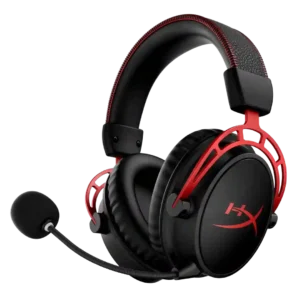
Noise reduction is often effective for voice clarity, but keyboard suppression and wireless mic behavior are not flawless in every review.
Pros: Maximum volume clarity, Earpad replacement ease
Cons: Bluetooth, Xbox compatibility
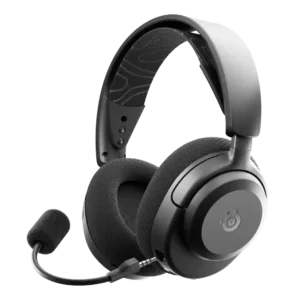
Microphone noise reduction was one of the stronger mic-related areas, with multiple reviewers praising barking, room, episode, keyboard, or background-noise suppression.
Pros: Charging, Weight comfort
Cons: Sound leakage, Cable quality
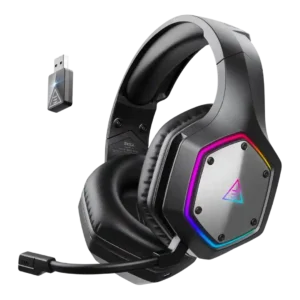
Microphone noise reduction was generally praised, with reviewers reporting good background filtering and cleaner voice pickup.
Pros: Audio-video sync accuracy, Wireless latency
Cons: Midrange clarity, Ear cup swivel/rotation range
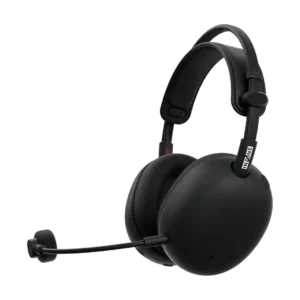
Microphone noise reduction was usually strong, especially for isolating voice and rejecting background noise, but not perfect in a loud event setting.
Pros: Weight comfort, Comfort during long use
Cons: Xbox compatibility, Smudge resistance
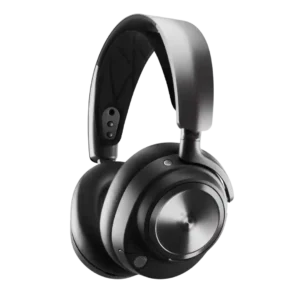
Microphone noise reduction is often praised when Sonar/ClearCast tools are enabled, but some reviewers note unwanted pickup or stock limitations.
Pros: Charging, Spatial audio
Cons: Hinge durability, Smudge resistance
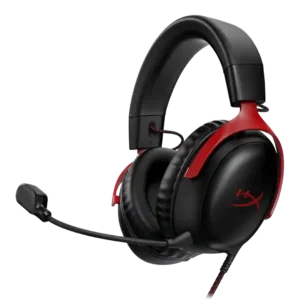
Microphone noise reduction was a strength overall, with several reviewers saying background noise, keyboard sounds, or distractions were reduced well.
Pros: Hinge durability, Wireless latency
Cons: Preset EQ profile quality, Xbox compatibility
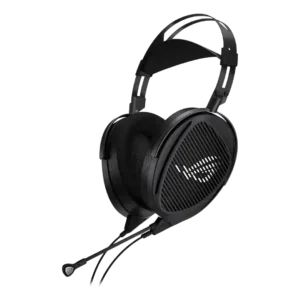
Microphone noise handling is better than many headset mics, with several reviewers noting low background pickup despite limited or no digital processing.
Pros: Maximum volume clarity, Connectivity versatility
Cons: Carry case quality, Xbox compatibility
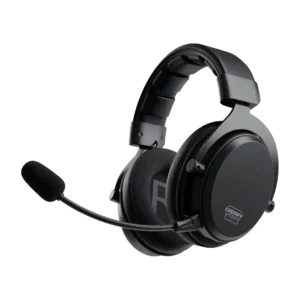
Microphone background rejection was generally useful, filtering keyboard noise or reducing background media, but not always dramatically.
Pros: Volume output, Audio-video sync accuracy
Cons: Xbox compatibility, Equalizer customization
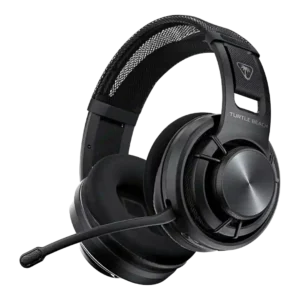
Microphone noise reduction is useful and often effective, but not perfect; reviewers mention compression dips, artifacts, and background noise limits.
Pros: Weight comfort, Cable quality
Cons: Active noise cancellation, Noise isolation (passive)
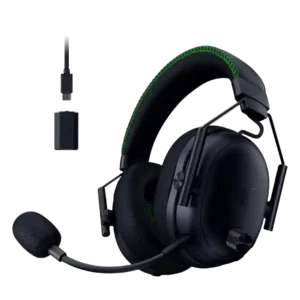
Mic noise reduction was highly variable, from excellent background suppression to complaints about weak rejection or EQ/noise tools changing the voice tone.
Pros: Audio-video sync accuracy, Multi-platform compatibility
Cons: Cable quality, Preset EQ profile quality
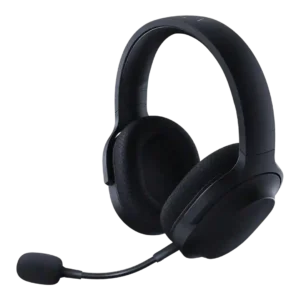
Microphone noise handling was mixed-positive: several reviewers praised voice focus or rejected background noise, while others heard background noise or quality drops with processing.
Pros: Cable quality, Hinge durability
Cons: aptX, Active noise cancellation
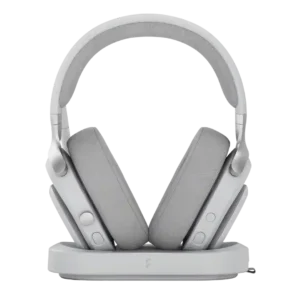
Microphone noise reduction was divisive: it could suppress background clutter, but some reviewers found it blunt or damaging to voice quality.
Pros: Spatial audio, Software/setup simplicity
Cons: Xbox compatibility, Sidetone adjustment quality
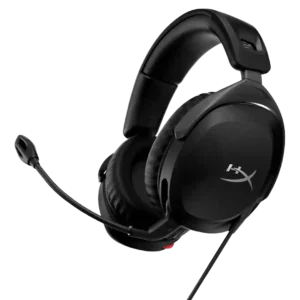
Microphone noise reduction received mixed marks: some reviewers said it blocked keyboards or room noise well, while others heard breathing, keyboard sound, or remaining background noise.
Pros: Multi-platform compatibility, Dongle
Cons: Replaceable earpads, Preset EQ profile quality
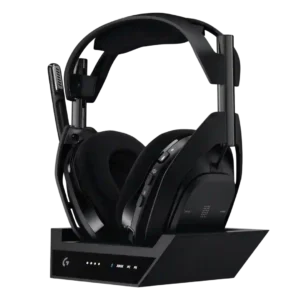
Microphone noise handling is mixed: one review praises clarity in loud conditions, while others find background suppression only decent or too aggressive.
Pros: Positional audio accuracy, Soundstage width
Cons: Active noise cancellation, Hinge durability
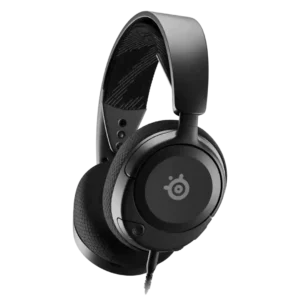
Noise reduction is mixed: several reviewers praise background-noise suppression, while others report hiss, weak isolation, or background noise still coming through.
Pros: Earpad replacement ease, Weight comfort
Cons: Sidetone adjustment quality, USB-C
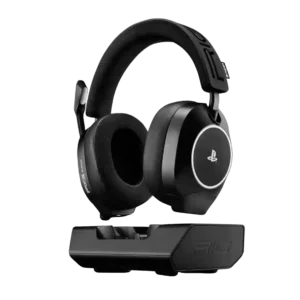
The mic isolates by directional pickup rather than AI noise cancellation, so boom position matters.
Pros: Spatial audio, Positional audio accuracy
Cons: Carry case quality, Detachable microphone convenience
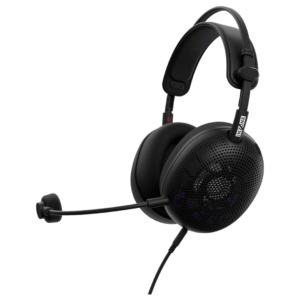
Microphone noise handling was mixed: some reviews praised decent rejection, while others said it picked up environmental noise easily.
Pros: Weight comfort, Battery
Cons: Noise isolation (passive), Sound leakage
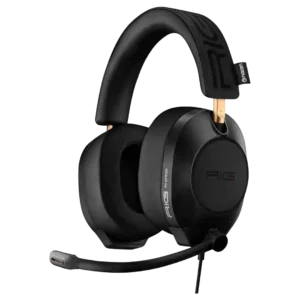
Microphone noise handling was a recurring weakness because background noise could be picked up, though one reviewer credited the mic design with some analog reduction.
Pros: Audio-video sync accuracy, Battery
Cons: Bluetooth, Active noise cancellation
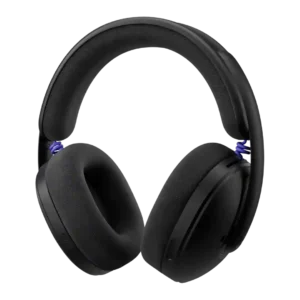
Microphone noise reduction disappointed reviewers who noted background noise or said software could not fix the low-quality mic.
Pros: Wireless latency, Weight comfort
Cons: Microphone noise reduction, Multipoint connectivity reliability