If you want better haptic feedback integration
Choose Kingdom Come: Deliverance II. It scores 4.7 vs 1.0 for haptic feedback integration, with a 4.3 overall score.
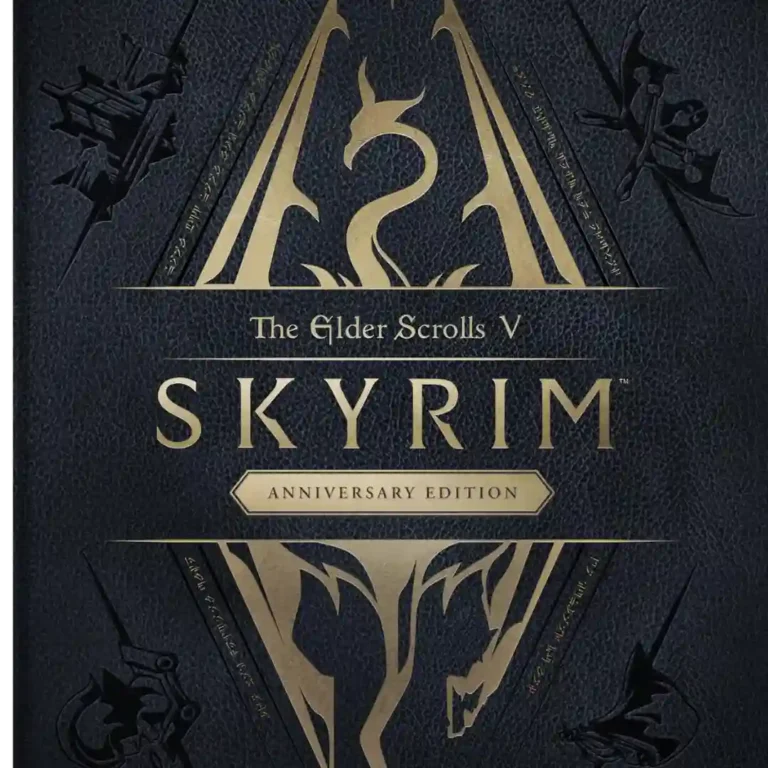
Choose it for extraordinary exploratory freedom, flexible character builds, and hundreds of hours of replayable fantasy. Skip it if dated melee combat, recurring bugs, or limited modern accessibility and port polish are deal-breakers.
Open-world RPG players who want to wander, role-play flexible character builds, discover side stories, and keep returning through expansions or mods.
Players who prioritize modern melee responsiveness, consistently polished technical performance, deep companion writing, or comprehensive accessibility settings may find the game’s age hard to overlook.
Skyrim remains exceptional because its open world consistently turns curiosity into memorable play. Exploration, sandbox freedom, progression, questing, soundtrack, world-building, and replay value earn broad praise across original, remastered, portable, VR, and modern retrospective coverage. Its weaknesses are just as persistent: melee combat often feels floaty or dated, AI and companion pathfinding can be clumsy, animations show their age, and bugs range from amusing physics failures to broken quests and crashes. Later editions improve loading, visuals, portability, bundled content, and mod access, but not every re-release feels like a meaningful modernization. The result is an RPG whose individual systems can look old while the combined freedom, density, and sense of discovery remain unusually compelling.
Compared with other Video Games, this product is above average in menu usability, quest design, open-world design, near average in graphics quality, load times, below average in haptic feedback integration, animation quality, family friendliness.
| Attribute | This product | Category average | Difference |
|---|---|---|---|
| haptic feedback integration | 1.0 | 3.9 | -2.9 |
| animation quality | 1.7 | 4.1 | -2.4 |
| family friendliness | 1.0 | 3.4 | -2.4 |
| camera behavior | 1.0 | 2.9 | -1.9 |
| menu usability | 4.8 | 3.0 | +1.8 |
| quest design | 4.8 | 3.5 | +1.3 |
| crash stability | 1.6 | 3.1 | -1.5 |
| bug frequency | 1.9 | 3.1 | -1.2 |
Choose Kingdom Come: Deliverance II. It scores 4.7 vs 1.0 for haptic feedback integration, with a 4.3 overall score.
Choose Ghost of Yōtei. It scores 4.7 vs 3.0 for combat system, with a 4.4 overall score.
Choose Tales of Berseria Remastered. It scores 5.0 vs 1.7 for animation quality, with a 3.7 overall score.
Choose Donkey Kong Bananza. It scores 5.0 vs 1.0 for family friendliness, with a 4.5 overall score.
Products reviewers directly compared with this model, grouped into quick takeaways.
Yes for players who value open-ended exploration, role-playing freedom, build variety, and a huge amount of content. Its combat, animation, and technical roughness feel older than the world design.
Exploration, sandbox freedom, progression, world-building, soundtrack, and replayability are the clearest strengths. The world constantly gives players reasons to wander away from the main quest.
It is mixed. Magic, archery, Shouts, dual-wielding, and hybrid builds add variety, but melee is repeatedly criticized as floaty, clunky, or shallow by modern standards.
Yes. Sources across multiple editions mention physics glitches, stuck NPCs, broken quests, crashes, and other quirks, although some newer versions improve stability and loading.
Very high. Alternate builds, faction paths, hundreds of quests, expansions, portable play, and especially mods keep many players returning for dozens or hundreds of hours.
It adds bundled Creation Club content and can improve visuals, loading, framerate, and convenience depending on platform, but several sources feel it does not modernize enough of the underlying game to justify another purchase.
These are a few of the reviews included in our analysis.


Joshua
Like adding icing to an already delicious cake, The Elder Scrolls V: Skyrim Anniversary Edition is an even better version of a modern-day...
Go to GamingNexus.com for news and reviews on video games, consoles, and PCs.
Summary Pros Includes all DLC packs Portability only makes the game better Skyrim hasn’t aged a day Skyrim in all its glory with no...
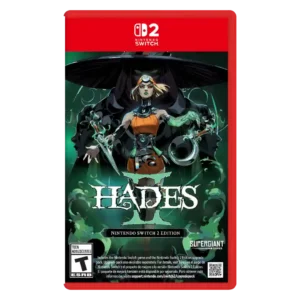
Good if you want fast, tactical roguelite combat with huge progression depth, striking art, and standout music. Skip it if repetition, resource micromanagement, or a less emotionally satisfying sequel story...
Pros: skill tree depth, dialogue quality
Cons: emotional impact, economy and resource balance

Best for joyful destruction, dense exploration, and a charming DK-Pauline adventure. Skip it if camera quirks, frame-rate dips, easy bosses, or premium Switch 2 pricing are dealbreakers.
Pros: gameplay mechanics, world interactivity
Cons: economy and resource balance, enemy variety
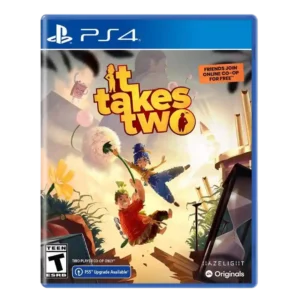
Best for joyful, inventive co-op with a partner, especially on couch. Skip it if divorce themes, uneven story tone, or Switch visual compromises would distract you.
Pros: core gameplay loop, movement feel
Cons: character development, dialogue quality
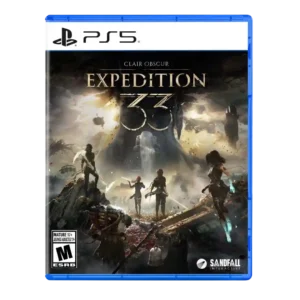
Choose Clair Obscur if you want a story-rich RPG with thrilling timed combat, gorgeous art, and standout music. Skip it if poor maps, tight parry timing, or occasional bugs and...
Pros: monetization fairness, microtransaction impact
Cons: platforming precision, menu usability