If you want better movement feel
Choose Ghost of Yōtei. It scores 5.0 vs 2.5 for movement feel, with a 4.4 overall score.
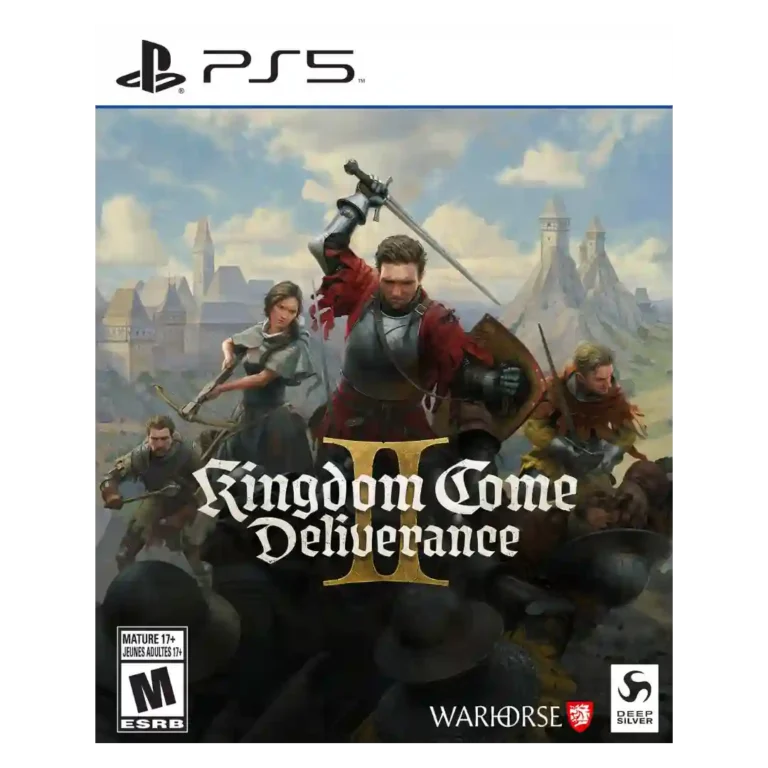
Choose it for a huge, immersive medieval RPG with standout quests, writing, and music. Skip it if harsh saves, slow onboarding, offensive content, or simulator-like friction will ruin the experience.
Best for patient RPG players who want a huge, reactive medieval simulation with strong quests, historical atmosphere, and meaningful progression. It especially fits fans of systems-driven role-playing and slow-burn immersion.
Not for players who need frictionless combat, generous saving, quick pacing, or a broadly comfortable tone. Several reviewers warn that profanity, sexism, racism, and mature situations may be too much for some audiences.
Kingdom Come: Deliverance II comes through in the reviews as a rare systems-heavy RPG whose strengths are deeply connected: quest design, crime reactions, progression, historical world-building, writing, voice work, and music all reinforce the fantasy of living in medieval Bohemia. The tradeoff is that the same commitment to friction makes the opening hours, save system, stealth, menus, and some scripted missions difficult to love. Most reviewers still found the payoff worth it, especially once Henry’s skills, gear, and reputation improved, but the evidence also shows a game that demands patience and tolerance for occasional bugs, abrasive difficulty, and mature or offensive material.
Compared with other Video Games, this product is above average in AI behavior, crash stability, mission variety, near average in combat system, menu usability, below average in checkpoint system, family friendliness, movement feel.
| Attribute | This product | Category average | Difference |
|---|---|---|---|
| AI behavior | 4.7 | 2.9 | +1.8 |
| checkpoint system | 2.0 | 3.8 | -1.8 |
| family friendliness | 2.0 | 3.6 | -1.6 |
| crash stability | 4.6 | 3.2 | +1.5 |
| mission variety | 4.9 | 3.5 | +1.4 |
| movement feel | 2.5 | 3.9 | -1.4 |
| horror tension | 2.7 | 4.0 | -1.3 |
| narrative quality | 4.7 | 3.7 | +1.1 |
Choose Ghost of Yōtei. It scores 5.0 vs 2.5 for movement feel, with a 4.4 overall score.
Choose Saros. It scores 4.6 vs 2.0 for checkpoint system, with a 4.3 overall score.
Choose Death Stranding 2: On the Beach. It scores 5.0 vs 2.8 for load times, with a 4.3 overall score.
Choose Cabernet. It scores 5.0 vs 2.6 for protagonist appeal, with a 4.0 overall score.
Products reviewers directly compared with this model, grouped into quick takeaways.
Several reviewers say the sequel catches new players up well, but others still found the opening hours overloaded, slow, or frustrating. It is playable first, but patience helps.
Most reviewers describe combat as smoother, more readable, or more rewarding than before. The same evidence also shows it remains demanding, realistic, and divisive.
Quest and narrative quality are among the strongest review themes. Reviewers praised memorable side quests, emotional main-story moments, strong writing, and meaningful consequences.
Bugs appear in the review evidence, including graphical glitches and technical blemishes, but most reviewers said they were minor or rarely disruptive. Crash stability was generally praised.
Yes, for many reviewers. Some adapted to it or found it manageable, but several criticized the limited saves and checkpointing for causing lost progress or discouraging experimentation.
Reviewers repeatedly point to the game’s enormous length, dense side content, and post-launch additions as strong value. One review cited well over 100 hours for fuller completion.
These are a few of the reviews included in our analysis.
!['Kingdom Come: Deliverance II' Is Fantastic [REVIEW]](https://servicedig.com/wp-content/uploads/2026/05/35189_thumb-150x150.webp)


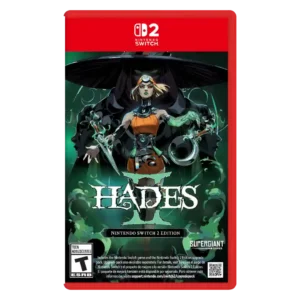
Good if you want fast, tactical roguelite combat with huge progression depth, striking art, and standout music. Skip it if repetition, resource micromanagement, or a less emotionally satisfying sequel story...
Pros: skill tree depth, dialogue quality
Cons: emotional impact, economy and resource balance
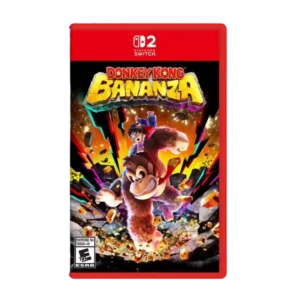
Best for joyful destruction, dense exploration, and a charming DK-Pauline adventure. Skip it if camera quirks, frame-rate dips, easy bosses, or premium Switch 2 pricing are dealbreakers.
Pros: gameplay mechanics, world interactivity
Cons: economy and resource balance, enemy variety
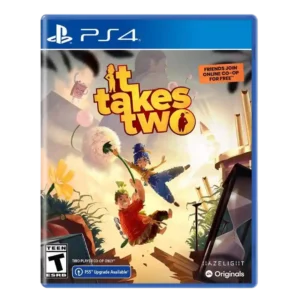
Best for joyful, inventive co-op with a partner, especially on couch. Skip it if divorce themes, uneven story tone, or Switch visual compromises would distract you.
Pros: core gameplay loop, movement feel
Cons: character development, dialogue quality
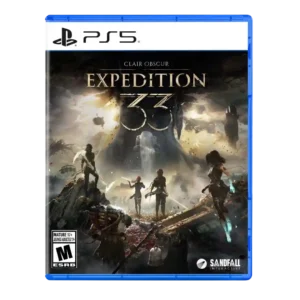
Choose Clair Obscur if you want a story-rich RPG with thrilling timed combat, gorgeous art, and standout music. Skip it if poor maps, tight parry timing, or occasional bugs and...
Pros: monetization fairness, microtransaction impact
Cons: platforming precision, menu usability