If you want better pace tracking
Choose Fitbit Charge 6. It scores 4.5 vs 2.2 for pace tracking, with a 3.7 overall score.
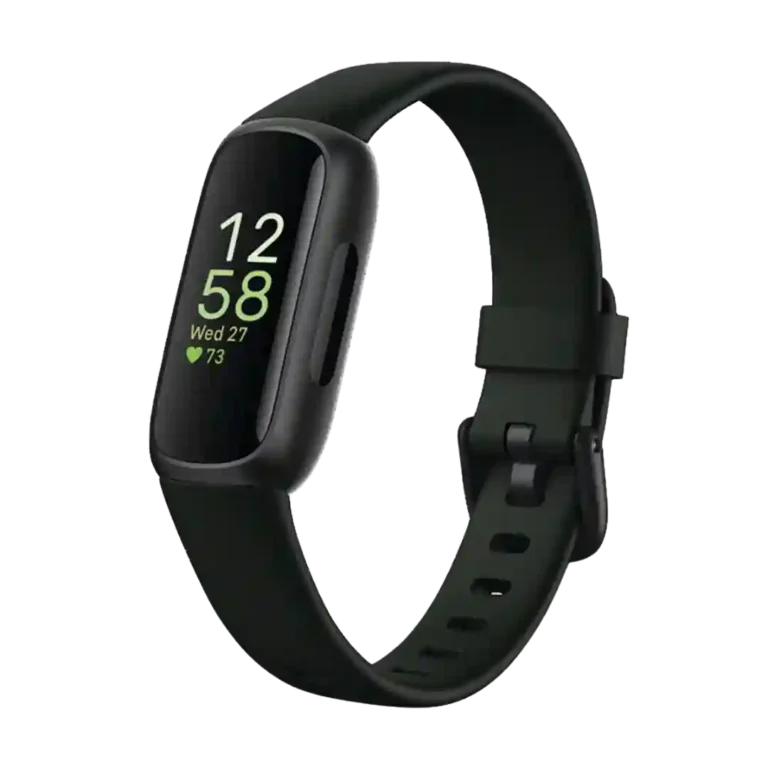
Choose the Fitbit Inspire 3 if you want a light, comfortable tracker with long battery life and strong sleep/activity basics. Skip it if you need built-in GPS, a larger screen, advanced training data, or dislike Premium paywalls.
Best for beginners or casual health trackers who want a discreet, comfortable band for steps, sleep, heart rate trends, reminders, and long battery life.
Not for serious runners, cyclists, swimmers, or athletes who need built-in GPS, larger on-wrist metrics, precise workout heart-rate data, or subscription-free advanced insights.
Reviewers frame the Fitbit Inspire 3 as a strong entry-level tracker built around comfort, battery life, sleep tracking, and a clear Fitbit app. The tradeoff is that its small screen and limited smart features keep it from feeling like a smartwatch, while connected GPS and mixed exercise heart-rate accuracy make it less convincing for serious outdoor training. The color display and lightweight body are meaningful upgrades, and casual users get plenty of passive health data. However, Fitbit Premium repeatedly weakens the value story because deeper sleep, readiness, stress, trend, and workout insights can sit behind a monthly cost.
Compared with other Activity & Fitness Trackers, this product is above average in timer function, size options, fitness coaching, near average in display quality, battery life, below average in third-party app compatibility, subscription value, music controls.
| Attribute | This product | Category average | Difference |
|---|---|---|---|
| third-party app compatibility | 1.5 | 3.7 | -2.2 |
| subscription value | 2.3 | 4.2 | -1.9 |
| music controls | 1.5 | 3.2 | -1.7 |
| timer function | 4.5 | 3.0 | +1.5 |
| touchscreen responsiveness | 2.9 | 4.2 | -1.3 |
| size options | 4.5 | 3.1 | +1.4 |
| fitness coaching | 4.8 | 3.4 | +1.4 |
| readiness score | 4.7 | 3.3 | +1.4 |
Choose Fitbit Charge 6. It scores 4.5 vs 2.2 for pace tracking, with a 3.7 overall score.
Choose Samsung Galaxy Fit3. It scores 5.0 vs 2.3 for subscription value, with a 4.0 overall score.
Choose Xiaomi Smart Band 10. It scores 3.9 vs 1.5 for music controls, with a 4.0 overall score.
Choose Xiaomi Smart Band 9. It scores 4.5 vs 2.9 for touchscreen responsiveness, with a 3.9 overall score.
Products reviewers directly compared with this model, grouped into quick takeaways.
Yes. Reviewers repeatedly described it as light, comfortable, and easy to forget on the wrist, especially for sleep tracking.
Battery life was one of the strongest points. Many reviewers reported around a week or more, with several praising the 10-day-class battery life when always-on display was off.
No. Reviews repeatedly noted that outdoor route, distance, and pace tracking require a connected phone, which is a drawback for runners or cyclists who want to leave the phone behind.
Yes. Reviewers consistently praised Fitbit sleep tracking, with several calling it accurate, comprehensive, useful, or among the best in the business.
It depends on the activity. Steady workouts and resting readings were often acceptable, but harder workouts, cycling, intervals, and some exercise sessions produced mixed or inaccurate results.
The tracker works without Premium, but reviewers often criticized the subscription because deeper sleep, readiness, stress, trend, and workout insights can require the monthly plan.
These are a few of the reviews included in our analysis.

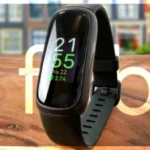
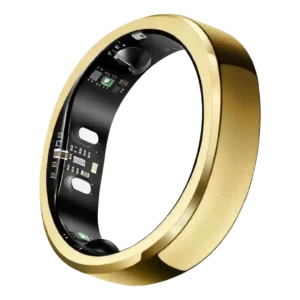
Best for long battery life, comfort, sleep/apnea insights, haptic health nudges, and no subscription. Skip it for serious workout heart-rate accuracy, full phone notifications, or a true silent alarm.
Pros: pairing reliability, charging speed
Cons: alarm function, Strava compatibility
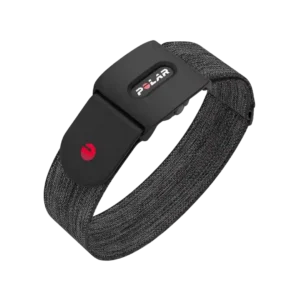
Best for chest-strap-like heart-rate data in a comfortable armband with long battery life. Skip it if you need smartwatch features, effortless app guidance, built-in GPS, or flawless high-intensity lifting response.
Pros: charging speed, subscription value
Cons: size options, data syncing reliability
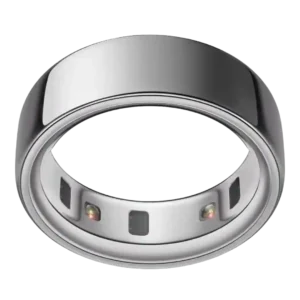
Best for comfortable, screen-free sleep and recovery insight with a polished app. Skip it if you want subscription-free value, serious training metrics, or a ring that stays pristine.
Pros: GPS accuracy, swimming tracking
Cons: alarm function, calorie tracking usefulness
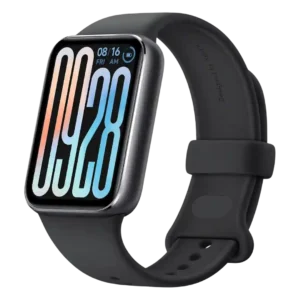
Best for a bright screen, long battery life, strong value and casual fitness tracking. Skip it if you need dependable sports-watch accuracy, richer smartwatch replies, or polished sleep-stage data.
Pros: workout mode variety, durability
Cons: activity reminders, calorie tracking usefulness