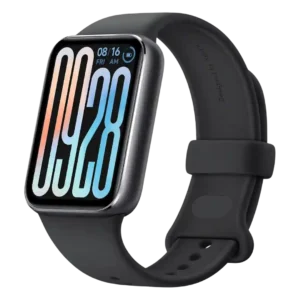
- Better: advanced fitness watch needs The reviewer says people wanting more than a minimalist tracker may prefer an Apple Watch.
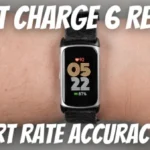
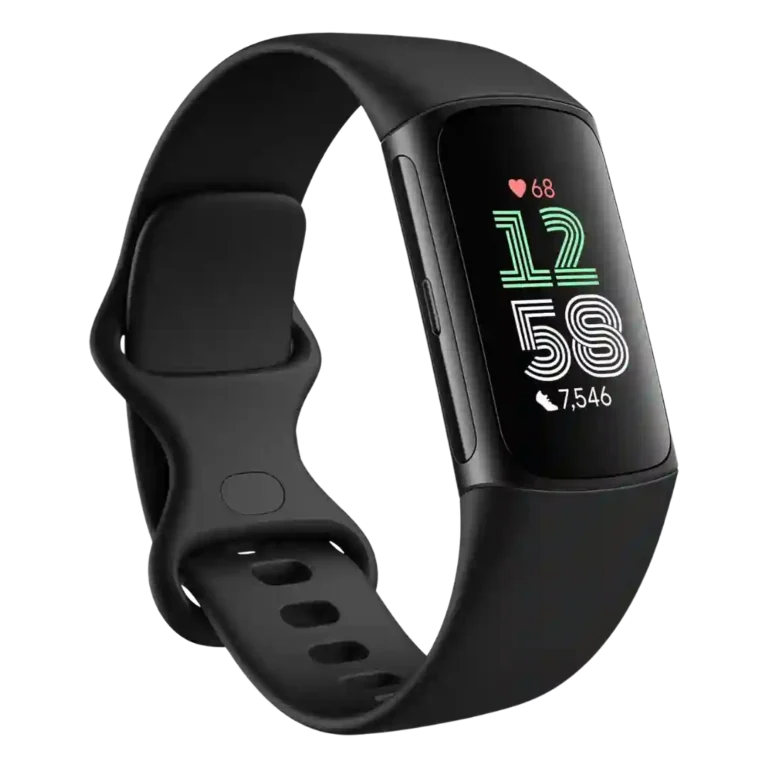
Fitbit Charge 6 Review
Bottom Line
Choose the Fitbit Charge 6 for a comfortable, affordable tracker with strong battery life, sleep tracking and everyday health stats. Skip it if you need dependable built-in GPS, advanced running metrics, broad music controls or dislike subscriptions.
Best for casual users who want a slim daily tracker for steps, sleep, heart rate, notifications, battery life, and basic health trends without buying a full smartwatch.
Not for runners, hikers, or serious athletes who need reliable built-in GPS, rich on-watch metrics, precise interval heart-rate tracking, broad music controls, or subscription-free advanced insights.
The Fitbit Charge 6 comes across as a strong everyday fitness band rather than a serious sports watch. Reviewers repeatedly praised its comfort, light weight, battery life, sleep tracking, simple interface, useful side button, and broad health-tracking package for the price. The tradeoff is that several advanced or sporty features are less dependable than the core tracking experience: built-in GPS drew frequent criticism, workout accuracy was uneven, music controls are mostly tied to YouTube Music, and Fitbit Premium affects deeper sleep, readiness, workout, and stress insights. It works best when treated as a casual daily tracker with smartwatch extras, not as a runner-focused device.
Compared in Reviews
Products reviewers directly compared with this model, grouped into quick takeaways.
- More expensive: price The reviewer says the Charge 6 can be found cheaper than the Fitbit Air.
- Better: on-watch data visualization The reviewer points users wanting easier on-watch visualization to the Garmin Forerunner 165.
Feature Scorecards
Summary
62 reviewed features- Very positive 4.5-5.0 13% 8 features
- Positive 3.5-4.4 52% 32 features
- Neutral 2.5-3.4 27% 17 features
- Negative 1.5-2.4 8% 5 features
- Very negative below 1.5 0% 0 features
Pros
-
Strava compatibility had one strong positive report, with heart rate broadcasting to Strava working seamlessly.
-
Workout mode variety was strongly praised because the Charge 6 exposes a broad set of sport modes on the device instead of forcing a narrow selection.
-
Weight was strongly praised, with reviewers repeatedly describing the tracker as light, slim, and barely noticeable on the wrist.
-
Outdoor visibility was a strength in supporting reviews, with the screen described as easy to see in bright conditions.
-
Blood oxygen tracking had limited but positive support from a reviewer who found the health sensors comparable to more expensive devices.
-
Call alerts had limited positive support from one reviewer who said enabled call-related notifications reliably arrived on the tracker.
-
Goal tracking had limited positive evidence, with Active Zone Minutes and weekly targets motivating one reviewer to keep moving.
-
Pace tracking had limited positive evidence from one reviewer who found pace more accurate when GPS connected.
-
Comfort was a major strength, with many reviewers calling it lightweight, unobtrusive, and comfortable enough for daily wear or sleep.
-
Design and appearance were widely praised for the slim, sleek, neutral, stylish, or unobtrusive look.
-
Value for money was broadly positive; nearly every review considered the Charge 6 a strong or reasonable buy for casual tracking despite its GPS and subscription tradeoffs.
-
Reviewers generally found daily activity tracking reliable for casual use, with several saying the Charge 6 gave accurate general activity or fitness readouts.
-
Battery life was one of the strongest consensus positives, often lasting several days to a week, though always-on display, GPS, and HR broadcasting reduced it sharply.
-
Sleep tracking was one of the clearest strengths, with many reviewers finding sleep time, sleep scores, or overall sleep data accurate or useful.
-
Build quality was generally positive where discussed, with reviewers calling it well-made, polished, or solid for the price.
-
Step counting was mostly viewed positively, with counts lining up well in several reviews, though one reviewer noted occasional over-counting or swim-related false steps.
-
Touchscreen responsiveness was mostly good, especially in wet use, though wake delay kept it from being flawless.
-
The user interface was usually described as simple and easy, but some reviewers found parts clunky, confusing, or harder with gloves or wet fingers.
-
Button controls were a broadly praised upgrade, making navigation easier, although a few reviewers found the haptic button inconsistent or awkward.
-
Health trend insights were generally useful when reviewers discussed explanations, guidance, and interpretable health data, though some basic-data limitations remained.
-
Activity reminders were positively received, with reviewers appreciating nudges to move and reminders when they had not been active.
-
App alerts were generally useful in the supporting reviews, especially when phone and tracker dismissals worked together or notifications appeared on wrist.
-
Pairing reliability had limited positive support from a reviewer who found initial app setup and pairing simple.
-
Recovery insights had limited positive evidence, with one reviewer noting the device emphasizes recovery through sleep and stress tracking.
-
Water resistance had limited positive support, with one reviewer stating it was good for showering and swimming.
-
The companion app was mostly useful and well-designed, but a few reviewers disliked the redesign or found the Today layout confusing.
-
Display quality was mostly positive for color and readability, but the small screen made workouts, notifications, and longer information harder to view.
-
Charging speed was acceptable rather than exceptional, with reviewers commonly reporting roughly 1.5 to 2 hours for a full or near-full recharge.
-
Customization options were useful but limited, with some praise for configurable displays and faces but fewer deep customization options than larger watches.
-
Heart rate accuracy was one of the most-tested areas: reviewers often found it good for casual or steady exercise, but lag, high readings, and hard-interval issues kept it from elite-watch accuracy.
-
Screen brightness was mixed-positive: outdoor brightness was praised, but always-on or raise-to-wake behavior could cut battery or feel slow.
-
Watch face options were adequate-to-good, with reviewers noting multiple choices but also limited customization on many faces.
-
Smartphone notifications were useful but limited by the narrow display, setup friction, sync gaps, and limited reply or action options.
-
Sleep stage tracking was more mixed: some reviews found it useful or close to comparison devices, while others warned that stages were not exact or hard to fully trust.
-
Charging convenience was mixed: the cradle was easy for one reviewer, but others disliked the loose proprietary or non-USB-C charging setup.
-
Menstrual cycle tracking was mixed: reviewers liked pattern and prediction support, but one found the on-device view very basic.
-
Calorie tracking received limited mixed evidence: one comparison found Fitbit calorie burn close but still lower than another tracker.
-
Fitness coaching evidence was limited and mixed-positive, with one reviewer seeing the workout content as worthwhile for some people.
-
Guided workout evidence was limited and mixed-positive, with one reviewer saying the follow-along workout library could be worth it for some users.
-
Resting heart rate evidence was limited, but one reviewer found the related continuous heart-rate data generally consistent across devices.
Cons
-
Automatic workout detection was mixed: several reviewers liked automatic logging, but others said SmartTrack failed to notify, started incorrectly, or missed shorter activity.
-
Connected GPS was generally more dependable than built-in GPS, but evidence also noted dynamic GPS could lose connection or rely heavily on the phone.
-
Route tracking was useful for simple turn prompts and phone-based navigation, but reviewers also saw limitations, finicky connections, and weak off-trail or activity-navigation support.
-
Text alerts worked, but reviewers highlighted Android-only quick replies and limited ability to respond directly from the wrist.
-
The readiness score was mixed: some reviewers found it correlated with how they felt or helped pick effort levels, while others called it wonky or not very useful.
-
Third-party app compatibility was split: Strava and some gym equipment worked well, but encrypted HR broadcasting and limited platform support caused failures elsewhere.
-
Band quality was mixed: some liked the comfortable, durable, swappable band, while another reported a broken clasp and another warned about skin irritation.
-
Stress tracking was divisive: some reviewers valued stress-management insights, while others found EDA scans awkward, unclear, or of limited usefulness.
-
Overall reliability was mixed, with useful core performance offset by flakiness, connectivity annoyances, and occasional feature limitations.
-
Swimming tracking was mixed: one reviewer was impressed it counted swim work, while others complained about no open-water support or difficulty stopping swims.
-
Durability was mixed: one reviewer liked the protective glass, while another found scratches and damage quickly.
-
Fit had limited mixed evidence, with one reviewer saying it could feel both too tight and too loose despite making sensor contact.
-
Workout tracking accuracy was uneven, with acceptable results for some workouts but repeated concern that sports tracking and fast intervals were not a strength.
-
Subscription value was one of the most contested areas: free basics were often enough, but reviewers disliked Premium paywalls and added YouTube Music or Fitbit costs.
-
Built-in GPS accuracy was the most repeated weakness, with many reviews describing dropouts, slow locks, messy tracks, or poor performance unless using a phone.
-
Distance tracking drew mixed-to-negative evidence because GPS and route errors could make walking or workout distances approximate rather than consistently precise.
-
Alarm function had limited negative evidence tied to weak haptics, which one reviewer said affected alarms and notifications.
-
Music controls were consistently limited, mainly because controls center on YouTube Music, often require a subscription, and do not replace general music controls.
-
Bluetooth reliability was a recurring concern, with phone connection, broadcasting, and sync-related flakiness appearing across several reviews.
-
Find my phone had limited negative evidence: one reviewer said it often failed because the phone had to be open in the Fitbit app.
-
Data syncing reliability was a weak spot, with reviewers reporting delayed sleep processing, afternoon sync failures, and notification dropouts after missed syncs.
-
Elevation tracking was a clear weak spot because reviewers criticized the missing altimeter and the resulting lack of stair or climbing detail.
FAQ
Is the Fitbit Charge 6 accurate for everyday tracking?
Reviewers generally found everyday activity, sleep, step, and heart-rate tracking good enough for casual use, with stronger praise for sleep and daily health data than for sports performance.
Is the built-in GPS reliable?
No, built-in GPS was the most repeated weakness. Reviews reported slow locks, dropouts, messy routes, or better results when using the phone-connected GPS option.
How good is the battery life?
Battery life was widely praised, often lasting several days and sometimes close to a week. Always-on display, built-in GPS, and heart-rate broadcasting reduced it significantly.
Do you need Fitbit Premium?
You can use the basics without Premium, but reviewers noted that deeper sleep data, readiness, stress details, guided workouts, or wellness reports may require or benefit from the subscription.
Is it comfortable to wear all day and night?
Yes. Comfort and low weight were among the strongest positives, though a few reviewers mentioned silicone-band irritation, odd fit, or band quality issues.
Are music controls good?
Music controls were a frequent limitation because they mainly work with YouTube Music, often require a subscription, and do not provide broad generic music control.
Sample Expert Reviews We Analyzed
These are a few of the reviews included in our analysis.
Video Reviews
- Review score
- 3.8/5
- Review score
- 3.7/5
Article Reviews
- Review score
- 3.4/5
- Review score
- 4.5/5
- Review score
- 3.5/5
Consider This Instead
If you want better Bluetooth reliability
Choose Fitbit Inspire 3. It scores 4.8 vs 2.2 for Bluetooth reliability, with a 3.9 overall score.
Overall Top Activity & Fitness Trackers Alternatives
Good if you want a light, comfortable tracker with long battery life and strong sleep/activity basics. Skip it if you need built-in GPS, a larger screen, advanced training data, or...
Pros: fitness coaching, Strava compatibility
Cons: music controls, third-party app compatibility
Best for a comfortable, affordable tracker with strong battery life, sleep tracking and everyday health stats. Skip it if you need dependable built-in GPS, advanced running metrics, broad music controls...
Pros: Strava compatibility, workout mode variety
Cons: elevation tracking, data syncing reliability
Best for a light, comfortable, low-cost tracker with strong sleep and battery life. Skip it if you need built-in GPS, live smartwatch tools, or fully reliable AI coaching.
Pros: weight, step counting accuracy
Cons: cadence tracking, elevation tracking