
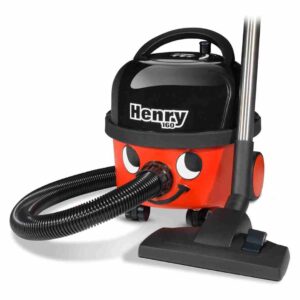
Review: NaceCare Henry HVR160 Compact Vacuum
Updated: 2 months ago
4.2
Based on methodology below
300
Insights analyzed
53
Grouped by key features
12
From expert reviews
Scores below reflect consolidated expert coverage across these features.
Bottom Line
Choose the Henry HVR160 for tough, bagged, low-mess cleaning that handles everyday dirt and DIY dust; Skip it if you want a slim cordless vacuum or you mostly need deep-grooming on plush, high-pile carpet.
Best for
Homes that want a durable, bagged canister for hard floors, area rugs, and everyday carpets, plus occasional DIY dust or car detailing; the large capacity and long reach suit bigger weekly cleans and allergy-conscious emptying.
Not for
Anyone who prioritizes cordless speed, ultra-light stair carrying, or consistently deep agitation on thick/high-pile carpet without buying a turbo or brush head.
Verdict
Henry HVR160 is a classic, commercial-leaning canister that focuses on fundamentals: strong suction, a huge 6L bag, and a long 10m cord that covers multiple rooms or a car without constant unplugging. Reviewers praise its robust build, simple maintenance, and self-sealing bags that keep dust contained, which can be helpful for allergy-prone homes and DIY cleanup. The tradeoff is convenience and storage: the 7.5kg canister can feel bulky, the cord and hose can snag around corners, and you will keep buying replacement bags. Thick, high-pile carpet can also require more effort or a turbo/brush head upgrade.
Pros
-
4.8based on 9 reviewsEmptying and Mess Control: 4.8, based on 9 reviewsBag changes are described as quick and low-mess thanks to self-sealing tabs, with dust kept out of the air during disposal. The main downside is that you must replace bags rather than empty a bin.
-
4.8based on 4 reviewsOverall durability/longevity: 4.8, based on 4 reviewsLongevity is a recurring theme: multiple sources reference years of use and commercial-hour ratings, and expect the machine to last a long time with basic upkeep.
-
4.7based on 2 reviewsCrevice / Groove Pickup (Hard Floors): 4.7, based on 2 reviewsCrevice performance is frequently highlighted as a strength for corners, stair edges, skirting gaps, and car-seat seams, with focused suction making detailing faster.
-
4.7based on 2 reviewsSuitability for heavy-duty use: 4.7, based on 2 reviewsHenry is repeatedly used for dry DIY and renovation mess (fine dust to small rubble/wood shavings) and is described as resilient for deep cleans. Reviews still caution it is not for liquid pickup.
-
4.7based on 1 reviewSuitability for small spaces: 4.7, based on 1 reviewThe compact HVR160 can suit apartments and smaller homes, but you still need somewhere to store the wand and hose; several reviews describe storage as the main small-space challenge.
-
4.7based on 11 reviewsCord length: 4.7, based on 11 reviewsCord length is repeatedly praised (often cited as ~10m/30ft), giving a long cleaning reach that reduces outlet swapping and is helpful for car detailing and multi-room cleans.
-
4.7based on 11 reviewsBin and Bag: 4.7, based on 11 reviewsThe 6L bagged system is highlighted as a major advantage: large capacity, easy swaps, and no messy dust-cloud emptying. Several reviewers note the high-flow bags don’t noticeably choke suction as they fill.
-
4.6based on 12 reviewsSuction and Airflow: 4.6, based on 12 reviewsReviews repeatedly praise very strong suction and practical airflow, with some noting it can feel almost too grippy on thicker rugs unless you use the suction relief. Multiple sources report suction stays steady even as the bag fills.
-
4.6based on 9 reviewsBuild quality and durability: 4.6, based on 9 reviewsBuild quality is widely praised as robust and durable, with commercial heritage, simple construction, and parts that feel made to take knocks. A few note it’s not a sleek, lightweight design, but it feels solid.
-
4.6based on 6 reviewsHard Floor — Fine Dust Pickup: 4.6, based on 6 reviewsFine dust pickup on hard floors is consistently strong in tests (e.g., flour and DIY dust), often clearing in a pass and keeping debris contained in the bag.
-
4.6based on 8 reviewsPrice and Value: 4.6, based on 8 reviewsMost reviewers frame Henry HVR160 as strong value: commercial-leaning build, big capacity, and high suction for a relatively modest price, especially compared with premium canisters and many cordless vacuums.
-
4.6based on 6 reviewsFiltration / Dust Containment: 4.6, based on 6 reviewsBagged filtration and the main filter are repeatedly called good for dust containment and allergy-prone homes; one test showed minimal visible exhaust even without a separate exhaust HEPA stage.
-
4.6based on 1 reviewEnergy efficiency (kWh): 4.6, based on 1 reviewSome reviews call out the newer ~620W motor as more energy-efficient than older high-wattage Henry models, with lower running costs, though older versions may have higher headline power.
-
4.6based on 1 reviewSurface safety with attachments: 4.6, based on 1 reviewRubber bumpers and coated wheels are noted as helping protect floors, and soft dusting tools make it easier to clean delicate items. Like any canister, it can still bump walls or trim when pulled around corners.
-
4.6based on 5 reviewsClogging and debris prevention: 4.6, based on 5 reviewsThe tapered hose and simple airflow path are repeatedly praised for easy blockage removal and low clogging, though a minority of user reports mention occasional hose/floorhead blockages depending on debris type.
-
4.6based on 3 reviewsUnder-Furniture Pickup: 4.6, based on 3 reviewsReaching under beds and low furniture is frequently praised thanks to the long wand and angled/pivoting heads; under-furniture access is a notable strength for a canister.
-
4.5based on 10 reviewsAccessories and Tools: 4.5, based on 10 reviewsIncluded tools (combi floorhead, crevice, dusting, upholstery/mattress-style tools) are generally considered useful, and some reviews note compatibility with additional or aftermarket heads. A common gripe is storage for all tools at once.
-
4.5based on 6 reviewsSupport and Reliability: 4.5, based on 6 reviewsReliability reputation is strong, with mentions of long warranties, readily available spares, and a design that’s easy to troubleshoot. Reviewers generally expect low repair risk thanks to the simple build.
-
4.5based on 9 reviewsCord management: 4.5, based on 9 reviewsThe wind-in/rewind dial is generally liked for fast, tidy storage, but several reviewers mention the long cord can tangle with the hose or get under the canister while moving around.
-
4.5based on 3 reviewsComparative performance: 4.5, based on 3 reviewsCompared with many cordless sticks and some cheaper shop-style vacs, Henry is often described as a big jump in real suction and capacity. It’s also framed as a lower-tech but more durable alternative to feature-heavy competitors.
-
4.5based on 12 reviewsOverall opinion: 4.5, based on 12 reviewsAcross sources, Henry HVR160 is consistently described as a dependable workhorse with strong cleaning results and good value; most criticisms focus on bulk, cord management, and the ongoing need for bags.
-
4.5based on 8 reviewsVersatility: 4.5, based on 8 reviewsVersatility is a consistent strength: users describe swapping between floors, upholstery, stairs, ceiling edges, tight gaps, and car interiors using the supplied tools and different wand configurations.
-
4.5based on 6 reviewsMaintenance requirements: 4.5, based on 6 reviewsMaintenance is described as low-effort: replace bags, occasionally refresh the filter, and check for blockages; the simple design makes clearing clogs and replacing parts straightforward.
-
4.5based on 2 reviewsEdge and Baseboard Cleaning (Hard Floors): 4.5, based on 2 reviewsEdge and baseboard cleaning is generally effective when using the crevice tool or positioning the head carefully, with some reviews specifically calling out good skirting-board results. Floorhead wheels can slightly limit how close the main head gets.
-
4.4based on 5 reviewsUpholstery / Above-Floor Pickup: 4.4, based on 5 reviewsAbove-floor cleaning (sofas, mattresses, stairs, shelves, car interiors) is repeatedly rated highly, especially with the crevice tool and upholstery nozzle; one reviewer notes the upholstery nozzle’s larger opening can dilute focused suction.
-
4.4based on 3 reviewsAesthetic design and finish: 4.4, based on 3 reviewsThe iconic smiling design is widely recognized and often considered charming; those who dislike it can remove the face. Finish is generally described as practical and sturdy rather than sleek.
-
4.3based on 3 reviewsArea Rug Handling: 4.3, based on 3 reviewsArea rugs are a good match for Henry’s strong suction, especially low/medium pile; thicker rugs may require lowering suction to keep the head moving smoothly.
-
4.3based on 1 reviewHair Pickup — Hard Floors: 4.3, based on 1 reviewHard-floor hair pickup is good, but some reviewers mention hair can catch on the floor tool brush and may need a quick clean-off after use.
-
4.3based on 4 reviewsHair Pickup — Carpets: 4.3, based on 4 reviewsCarpet hair pickup is generally strong, with several sources saying it can lift long hairs and pet hair; however, without a powered brush, embedded hair may take extra passes or benefit from a turbine/turbo tool.
-
4.3based on 4 reviewsCarpet — Low-Pile Pickup: 4.3, based on 4 reviewsLow-pile carpet pickup is widely described as very good even without an electric brush roll, benefiting from strong suction and the carpet setting on the combi head.
-
4.2based on 5 reviewsAssembly and Setup: 4.2, based on 5 reviewsSetup is typically described as quick: connect the hose, assemble wand sections, and go. The main friction point is that the instructions are mostly pictorial and some fittings can feel stiff until you learn the system.
-
4.2based on 4 reviewsPackaging quality: 4.2, based on 4 reviewsPackaging is generally described as protective and straightforward (cardboard inserts, clearly branded box), with some appreciation for recyclable materials and limited plastic.
-
4.2based on 1 reviewPet-Ready Features: 4.2, based on 1 reviewMultiple reviews report strong results on pet hair (carpet and upholstery) even without extra brushes, though heavy pet households may prefer a turbo/brush tool or a pet-focused Henry variant for maximum lift.
-
4.2based on 6 reviewsHose length: 4.2, based on 6 reviewsThe hose is commonly cited around ~2.2m: enough for stairs and cars, but a few users wish it were longer for reaching the far side of larger vehicles or awkward areas (aftermarket options exist).
-
4.1based on 9 reviewsNoise level: 4.1, based on 9 reviewsNoise impressions vary by measurement and use case (often cited roughly in the 70–90dB range), but several reviewers find the motor tone less intrusive than some competitors. It’s not silent, especially under load.
-
4.1based on 5 reviewsEase of use: 4.1, based on 5 reviewsDay-to-day use is simple and effective for thorough cleans, but it can feel less convenient than cordless vacs for quick tidy-ups due to towing the canister, bending to reach controls, and managing a long cord and hose.
-
4.1based on 9 reviewsTool-change simplicity: 4.1, based on 9 reviewsTool changes are mostly straightforward, but several reviews mention tight press-fit connections or needing to push wand sections firmly to prevent loosening. Overall, it’s functional rather than premium quick-release.
-
4.1based on 10 reviewsDried-On Stain Removal: 4.1, based on 10 reviewsHandling is mixed: the castors/wheels roll smoothly and the compact 160 balances better than larger models, but the round canister can snag corners, bump trim, and feel cumbersome compared with cordless designs.
-
4.1based on 6 reviewsStair Cleaning: 4.1, based on 6 reviewsStairs are workable but not Henry’s easiest job: the compact model can sit on some steps and the long hose/cord helps, yet multiple reviewers still describe stair cleaning as awkward in tight stairwells and prefer carrying or leaving the canister on a landing.
-
4.1based on 10 reviewsOngoing ownership costs (bags, filters, batteries): 4.1, based on 10 reviewsReplacement bags are an ongoing cost, but most reviews characterize them as inexpensive multipacks and infrequent to change because of the large capacity. Filters are occasional maintenance rather than frequent consumables.
-
4.0based on 4 reviewsCarpet — Medium-Pile Pickup: 4.0, based on 4 reviewsOn medium-pile carpet, reviews generally report excellent pickup, but note increased push effort and that a turbo/air-driven brush can improve agitation and hair lift.
-
4.0based on 9 reviewsControls and UI: 4.0, based on 9 reviewsControls are intentionally simple (on/off plus a suction relief/bleed valve and a manual floorhead switch). Reviewers note the suction adjuster can feel stiff at first and the power switch placement requires bending down.
-
3.9based on 8 reviewsOnboard tool storage: 3.9, based on 8 reviewsOn-board storage helps keep some tools attached, but multiple sources note it can’t hold every attachment simultaneously, so one tool often needs separate storage.
-
3.9based on 5 reviewsHard Floor — Large Debris Intake: 3.9, based on 5 reviewsLarge-debris pickup on hard floors is good overall (cat litter, leaves, small stones), but multiple reviews note oats/cornflakes can be pushed forward by the combi head in the hard-floor brush position, requiring technique changes or a different tool.
-
3.9based on 8 reviewsWeight: 3.9, based on 8 reviewsAt roughly 7.5kg with kit, Henry is manageable for many but still heavy compared with cordless sticks, and gets heavier as the bag fills. Carrying it up stairs is doable for some but not effortless.
-
3.9based on 4 reviewsHair‑Wrap / Tangle Resistance: 3.9, based on 4 reviewsBecause the standard HVR160 setup lacks an electric brush roll, there’s less classic brush-roll tangling, but hair can still build up on bristles or turbo heads and needs occasional de-hairing.
-
3.8based on 8 reviewsFloorhead design: 3.8, based on 8 reviewsThe combi floorhead is seen as a capable all-rounder with a foot switch for hard floors vs carpet, but it’s also the source of most complaints: limited articulation, can be hard to push on thicker rugs, and can push larger debris ahead on hard floors.
-
3.8based on 1 reviewWool carpet compatibility: 3.8, based on 1 reviewOn wool carpets, some users report fluff building up on the floor tool, requiring occasional stops to clear the head; otherwise, cleaning performance is generally solid with suction adjustments.
-
3.5based on 8 reviewsStorage footprint and upright-stand stability: 3.5, based on 8 reviewsThe canister body is relatively compact, but storage can feel bulky once the long wand and hose are clipped on; several reviews say it needs a decent cupboard footprint. Hose storage can look messy if wrapped, and upright docking can feel flimsy.
-
3.5based on 5 reviewsCarpet — High-Pile Pickup: 3.5, based on 5 reviewsHigh-pile and plush carpet results are mixed: some users get good cleaning with suction turned down, while others say it’s hard to push and doesn’t deep-groom thick rugs without a turbo/brush head upgrade.
Cons
-
3.3based on 1 reviewAirflow blowback: 3.3, based on 1 reviewA few tests note that some larger debris can drop back out of the nozzle when the vacuum is switched off, suggesting occasional backflow in the hose/head rather than fully reaching the bag.
-
1.1based on 6 reviewsCordless convenience: 1.1, based on 6 reviewsThis is a corded vacuum, so it lacks cordless freedom; several reviews note that the long reach makes it feel less restrictive, but it’s still not ideal for quick grab-and-go cleans.
-
1.0based on 1 reviewBag-full indicator: 1.0, based on 1 reviewReviewers note there is no bag-full indicator, so you need to check bag fullness manually; some consider this the kind of feature Henry intentionally skips to stay simple and affordable.
FAQ
Does the Henry HVR160 lose suction as the bag fills?
Several reviews say suction stays strong until the bag is very full, and some testers saw little or no drop even at partial fill. The large, high-flow bags help keep airflow consistent.
How often do you need to replace the bags and are they expensive?
Most reviewers report weeks of use per bag thanks to the 6L capacity (often around a month for average cleaning). Bag multipacks are commonly described as affordable, but they are an ongoing cost.
Is it good for pet hair on carpets and sofas?
Reviews generally report strong pet-hair pickup on carpets and upholstery, though embedded hair in thicker carpet can take extra passes. A turbo or brush head upgrade is often suggested for heavy-pet homes.
Can it handle renovation or DIY debris?
Yes for dry debris: reviewers mention fine dust, plaster, insulation, wood shavings, and small rubble being picked up reliably. It is not a wet-and-dry vacuum, so avoid liquids.
Is it loud?
Noise reports vary, with measurements commonly cited in the roughly 70–90dB range depending on load and surface. Many still describe the sound as less harsh than some competitors, but it is not quiet enough to be unnoticed.
Reviews we analyzed
Video Reviews


Article Reviews

Yourhomestyle


Real Homes

Best Canister Vacuums
#1
4.3
Choose if you want a powerful bagged canister with a motorized head, long cord, and strong filtration; Skip if you dislike cords/canisters or...
Pros: Dual motors, Suitability for small spaces, Hard Floor — Large Debris Intake, Emptying & Mess Control, Suction & Airflow, Comparative performance, Price &...
Cons: None
#2
4.3
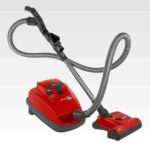
Choose if you want a compact, premium canister that shines on carpet and filtration; Skip if you have mostly hardwood floors or heavy-shedding...
Pros: Overall durability/longevity, Build quality & durability, Aesthetic design & finish, Floorhead design, Filtration / Dust Containment, Under-Furniture Pickup, Support & Reliability
Cons: Comparative performance, Pet-Ready Features, Hair‑Wrap / Tangle Resistance, Hair Pickup — Carpets
#3
4.3
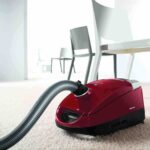
Choose the Miele C2 if you want a compact, quiet canister with strong suction and genuinely clean, bagged filtration; Skip it if you...
Pros: Assembly and Setup, Suitability for small spaces, Surface safety with attachments, Crevice / Groove Pickup (Hard Floors), Build quality & durability, Edge &...
Cons: Headlight & LED lights, Hose length
#4
4.3
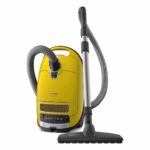
Choose the Miele C3 if you want a premium sealed-bag canister that keeps dust contained and reaches far without moving outlets. Skip if...
Pros: Stair Cleaning, Overall durability/longevity, Onboard tool storage, Upholstery / Above-Floor Pickup, Airflow blowback, Filtration / Dust Containment, Emptying & Mess Control
Cons: Cordless convenience, Packaging quality