If you want better Headband adjustability
Choose Meze Audio 105 Silva Headphones. It scores 4.8 vs 3.1 for Headband adjustability, with a 4.5 overall score.
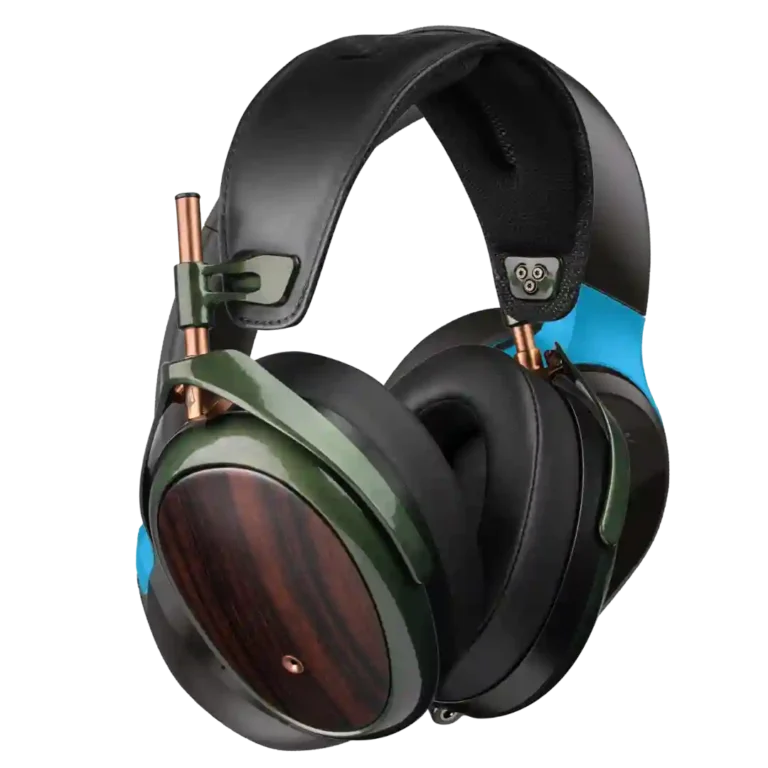
Choose the Strada for premium build, long-session comfort, strong isolation and an unusually spacious closed-back presentation. Skip it if you have a small head, dislike energetic treble, or want consistently full mid-bass without EQ or careful amplification.
Listeners wanting a premium, serviceable wired closed-back with strong isolation, low weight and an expansive presentation will benefit most. It also suits immersive music, film and gaming use.
Treble-sensitive listeners, strict neutral-reference seekers and people with smaller heads should be cautious. Bass lovers wanting consistently heavy mid-bass may also prefer another tuning.
Meze Audio Strada earns its strongest consensus around craftsmanship, comfort, repairability and an unusually open closed-back presentation. The light magnesium-and-wood chassis, magnetic pads, useful cable package, passive isolation and precise separation receive repeated praise. Sound impressions are much less uniform. Many listeners hear deep controlled sub-bass, natural vocals and smooth non-fatiguing highs; others find the lower mids thin, upper treble elevated, or the tonal balance dependent on pad seal, source matching and EQ. The headphones are easy to drive, yet several sources report tighter bass and smoother treble from better amplification. At $799, the flagship-like build and broad usability are compelling, but treble-sensitive listeners and smaller-headed buyers should audition first.
Compared with other Over-Ear Headphones, this product is above average in Xbox compatibility, Sustainability and repairability, Earpad noise, near average in Instrument separation, Overall satisfaction, below average in Ear cup swivel/rotation range, Aesthetics / discreet profile, Portability/foldability.
| Attribute | This product | Category average | Difference |
|---|---|---|---|
| Ear cup swivel/rotation range | 2.0 | 4.1 | -2.1 |
| Aesthetics / discreet profile | 2.0 | 4.1 | -2.1 |
| Xbox compatibility | 5.0 | 3.3 | +1.8 |
| Sustainability and repairability | 5.0 | 3.5 | +1.4 |
| Portability/foldability | 2.0 | 3.6 | -1.6 |
| Earpad noise | 4.0 | 2.5 | +1.5 |
| Workout heat and sweat buildup | 4.0 | 2.7 | +1.3 |
| Replaceable pads/headband | 5.0 | 3.6 | +1.4 |
Choose Meze Audio 105 Silva Headphones. It scores 4.8 vs 3.1 for Headband adjustability, with a 4.5 overall score.
Choose Sendy Audio Apollo Pro. It scores 5.0 vs 4.3 for Overall satisfaction, with a 4.4 overall score.
Choose Audio-Technica ATH-ADX7000. It scores 4.5 vs 2.0 for Aesthetics / discreet profile, with a 4.3 overall score.
Choose Audio-Technica ATH-R70XA Headphones. It scores 4.6 vs 4.1 for Sound quality, with a 4.0 overall score.
Products reviewers directly compared with this model, grouped into quick takeaways.
Yes. Its unusually wide, airy presentation is one of the most consistent strengths, although depth and scale can still vary by recording and listener.
It can deliver deep, controlled sub-bass and satisfying impact, but bass quantity depends on seal, amplification, and the recording. Some listeners want more upper-bass weight.
Opinions split sharply. Many find it smooth, detailed, and non-fatiguing, while treble-sensitive listeners report peaks, glare, or fatigue around the upper mids and lower treble.
Usually yes, thanks to low weight, soft pads, and even pressure distribution. Small-headed users may not achieve a secure fit at the minimum adjustment.
No; portable DACs and dongles can drive it to useful levels. Better-matched amplification can still tighten bass and smooth the tonal balance.
Yes. Its modular, screwed construction and tool-free magnetic earpads make maintenance and component replacement unusually straightforward.
These are a few of the reviews included in our analysis.


First, the STRADA unlike Meze’s planar headphones will need, at least, 50 hours and nearly 100 hours to sound their best. The initial...
Live from Romania, comes a pair of $800 audiophile grade headphones that suit the needs of music lovers and deliver true luxury
Experience the Meze Audio Strada’s lush green design and impressively wide soundstage in this detailed review.
In my latest tech review, I explore the advantages of the premium Meze Strada Headphones and report on their design, sound quality, and value...
Elements from pricier models, elements from similarly priced models, but definitely no Frankenstein’s monster-style outcome…
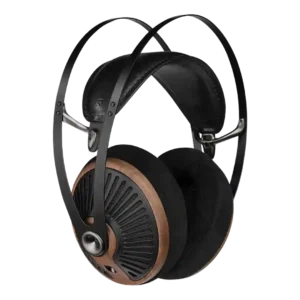
Choose the 105 Silva for beautiful, repairable construction, superb comfort, easy driveability, and an engaging spacious sound. Skip it if you need isolation, balanced connectivity, heavy sub-bass, or consistently smooth...
Pros: Volume output, Carry case quality
Cons: Connectivity options, Noise isolation (passive)
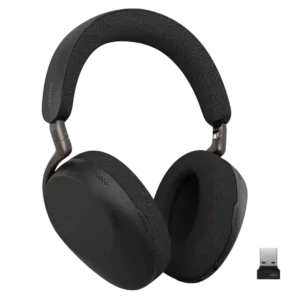
Choose it if your workday revolves around calls and you want exceptional mic isolation, huge battery life, all-day comfort, and a slim travel-friendly design. Skip it if music fidelity, class-leading...
Pros: Frequency response accuracy, Clamping force comfort
Cons: Volume output, aptX
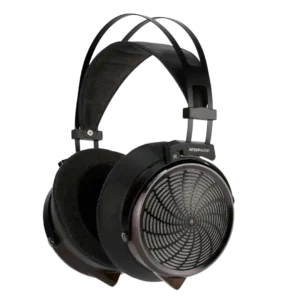
Best for spacious, detailed home listening, excellent comfort, and premium construction. Skip it for commuting, private shared-space use, built-in voice chat, or subwoofer-like bass impact.
Pros: Overall satisfaction, Glasses and hat compatibility
Cons: Travel friendliness, Sound leakage
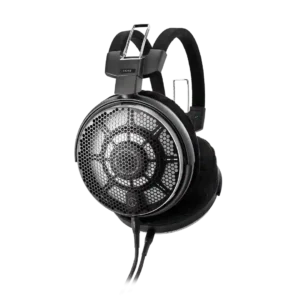
Best for huge open-back bass, spacious imaging, and featherweight comfort with a serious amplifier. Skip it if $3,499, proprietary cables, or headband hotspots outweigh its rare bass-and-space combination.
Pros: Instrument separation, Weight comfort
Cons: Travel friendliness, Sound leakage