If you want better Sidetone adjustment quality
Choose JBL Vibe Beam. It scores 4.5 vs 1.5 for Sidetone adjustment quality, with a 3.7 overall score.
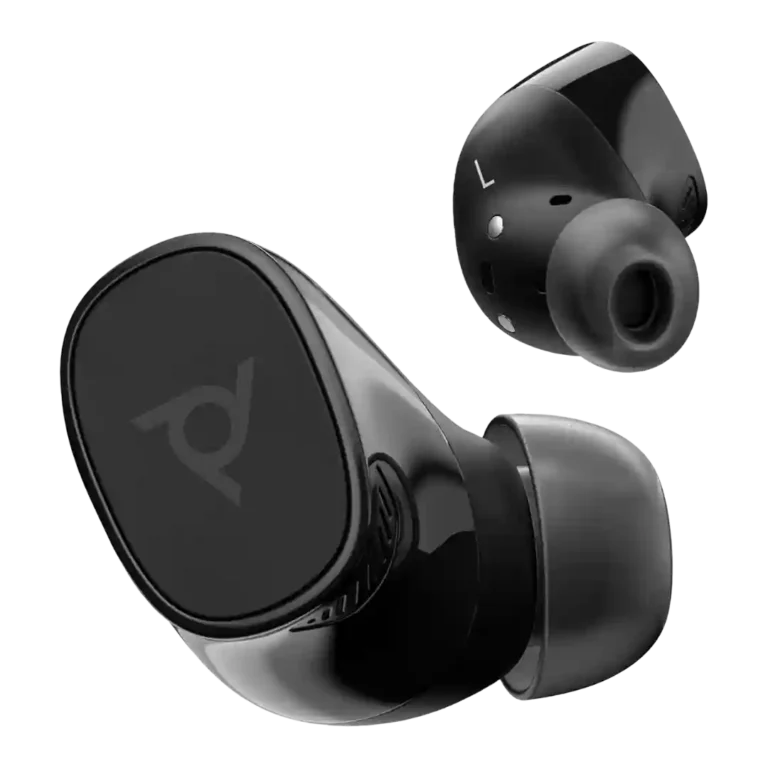
Choose the Poly Voyager Free 20 for comfortable workday earbuds with strong ANC, calls, and battery. Skip them if you want deep music tuning, spatial audio, or a sturdier case.
Best for professionals, commuters, and hybrid workers who prioritize all-day comfort, clear calls, reliable ANC, multipoint use, and long battery life over deep audio customization.
Not for buyers who want rich bass tuning, spatial audio, advanced codec certainty, touch controls, or a premium-feeling case at full price.
The Poly Voyager Free 20 earns its strongest praise as a work-focused earbud: reviewers repeatedly liked the comfort, call clarity, ANC, battery life, and multipoint convenience. The tradeoff is that its professional strengths do not always translate into enthusiast audio value. Some reviewers found the sound excellent, with clear vocals and controlled bass, while others described the music presentation as shallow or timid compared with similarly priced earbuds. The app is useful, but limited EQ control, uneven desktop support, frustrating physical buttons, and a glossy, fragile-feeling case hold the product back. Sale pricing makes the package much more compelling than full retail.
Compared with other Earbuds, this product is above average in Sensors, Charging, Volume output, near average in App, Sound quality, below average in Hinge durability, Sidetone adjustment quality, Dongle.
| Attribute | This product | Category average | Difference |
|---|---|---|---|
| Hinge durability | 2.0 | 4.0 | -2.0 |
| Sidetone adjustment quality | 1.5 | 3.4 | -1.9 |
| Dongle | 2.0 | 3.8 | -1.8 |
| Spatial audio | 1.5 | 3.1 | -1.6 |
| Smudge resistance | 1.7 | 3.2 | -1.5 |
| Maximum volume clarity | 2.5 | 4.1 | -1.6 |
| Equalizer customization | 2.4 | 3.8 | -1.4 |
| Preset EQ profile quality | 2.7 | 3.8 | -1.1 |
Choose JBL Vibe Beam. It scores 4.5 vs 1.5 for Sidetone adjustment quality, with a 3.7 overall score.
Choose JBL Tour Pro 3 Earbuds. It scores 4.9 vs 2.0 for Dongle, with a 4.4 overall score.
Choose Sony WF-C710N Earbuds. It scores 4.3 vs 2.7 for Preset EQ profile quality, with a 3.9 overall score.
Choose Nothing Ear (a) Earbuds. It scores 4.4 vs 2.0 for Hinge durability, with a 4.1 overall score.
Products reviewers directly compared with this model, grouped into quick takeaways.
Yes. Reviewers repeatedly described call quality as clear or great, with microphone noise reduction helping minimize background noise.
ANC was generally praised as effective for office chatter, engines, fans, and commuting noise. It was not always class-leading, but reviewers usually considered it strong for the price.
Most reviewers found them very comfortable, including one who wore them for eight hours without discomfort. One reviewer did report ear soreness after a couple of hours, so fit still depends on the user.
They can sound good, especially for vocals and general listening, but opinions were mixed. Several reviewers wanted stronger bass, more depth, or a custom EQ.
The main drawbacks are limited EQ customization, frustrating physical buttons, mixed transparency mode quality, and a glossy charging case that can feel flimsy or show fingerprints.
Yes, the app helps with settings, fit testing, battery status, updates, and customization. However, desktop support and EQ control were recurring limitations.
Reviewers were more enthusiastic when the earbuds were discounted. At full price, several noted that the competition is strong and the Free 20 has less room for flaws.
These are a few of the reviews included in our analysis.



Best for detailed, natural wired sound, three connector options, and standout value around $99. Skip it if you need wireless features, stronger bass, softer treble, or a compact fit for...
Pros: Sound quality, Midrange clarity
Cons: Software/setup simplicity, Portability/foldability
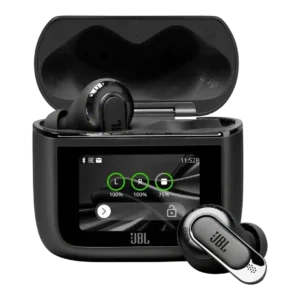
Choose the JBL Tour Pro 3 if you want feature-packed earbuds with strong sound, ANC, LDAC and a genuinely useful smart case. Skip them if you have smaller ears, want...
Pros: Codec support, Dongle
Cons: Sound leakage, Find My
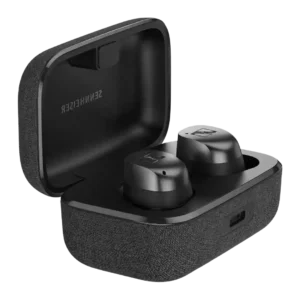
Choose these for excellent sound, deep app control, strong codec support, and a premium true-wireless package. Skip them if call quality, best-in-class ANC, iPhone integration, or a compact case matters...
Pros: Maximum volume clarity, Stability
Cons: Spatial audio, Microphone noise reduction
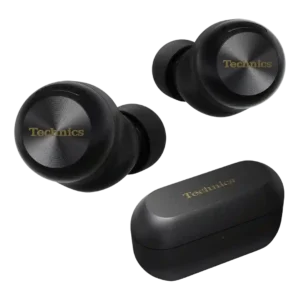
Choose the Technics EAH-AZ100 if sound quality, bass, ANC, battery life, and multipoint matter most. Skip them if you need flawless calls, Bose-level ANC, the most natural transparency, or a...
Pros: Volume output, Maximum volume clarity
Cons: aptX, Auracast support