Best for directing quality
The Furious
5.0 feature score
Highest scored product for this feature based on supporting review evidence.
Highest scored product for this feature based on supporting review evidence.
Balances feature score, supporting reviews, and overall product strength.
Has the broadest review evidence for this feature.
Strongest overall product among items with scored evidence for this feature.
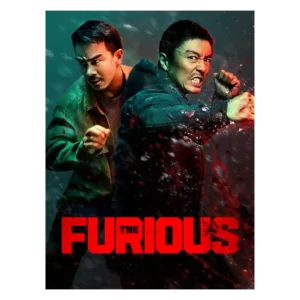
Kenji Tanigaki’s direction is a major strength, presenting complicated movement with confidence and clarity. He turns a basic premise into a showcase for world-class physical filmmaking.
Pros: directing quality, suspense
Cons: family friendliness, age appropriateness

Andrew Stanton grounds the spectacle in Bonnie’s loneliness and Jessie’s fear of abandonment. His handling of those emotions gives the sequel more purpose than its premise alone might suggest.
Pros: lead performance, directing quality
Cons: originality, romance quality
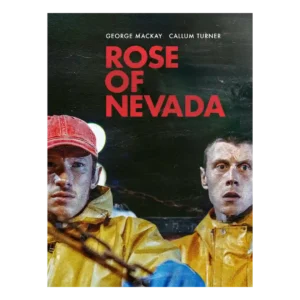
Mark Jenkin’s control of image, sound, rhythm, and regional detail gives the film a singular identity. The uncompromising vision is a major strength, though the expanded time-travel plot occasionally feels...
Pros: plot originality, lead performance
Cons: runtime, screenplay quality

Avalon Fast’s direction is bold, personal, and visually assured, with a clear willingness to reject conventional structure. The rawness can become disjointed, but the creative control and singular voice are...
Pros: world-building, emotional impact
Cons: dialogue quality, ending satisfaction
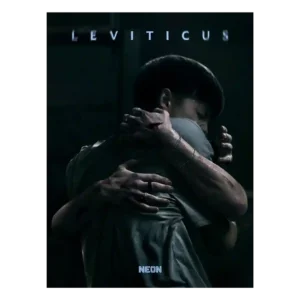
Adrian Chiarella’s debut is widely regarded as assured, sensitive, and controlled. He handles intimacy and dread especially well, even when the screenplay’s rules or side characters are less polished.
Pros: cultural representation, critic appeal
Cons: humor, world-building

Carla Simón handles painful autobiographical material with patience, restraint, and visual confidence. The late fantasy turn is bold, though not everyone found it fully integrated.
Pros: ending satisfaction, acting performance
Cons: character development, score quality
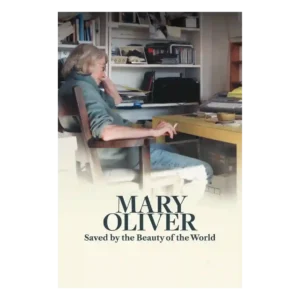
Sasha Waters’ direction is widely praised as thoughtful, gentle, and attentive to Oliver’s voice. The approach is emotionally effective, though occasionally conventional and restrained.
Pros: romance quality, faithfulness to source material
Cons: none
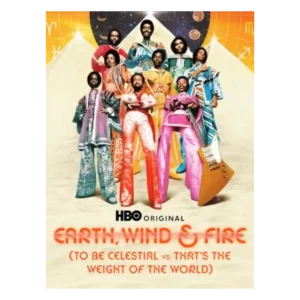
Questlove’s musical knowledge, enthusiasm, and archival instincts make the film vivid and accessible. The main reservation is that his attempt to balance celebration with reappraisal can sometimes feel unfocused.
Pros: ending satisfaction, drama quality
Cons: runtime, originality
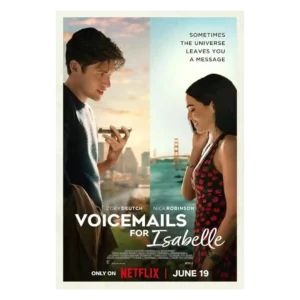
The direction handles grief, comedy, and romance with confidence and sells individual emotional moments. Polished cuteness occasionally blunts the darker implications of Wes’s behavior.
Pros: dialogue quality, production design
Cons: age appropriateness, sexual content level
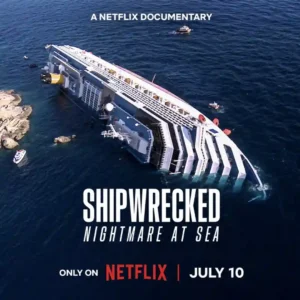
The direction turns survivor testimony, surveillance material, and recorded audio into a coherent, immersive reconstruction. It balances factual detail with strong emotional weight.
Pros: suspense, scares
Cons: pacing, character development
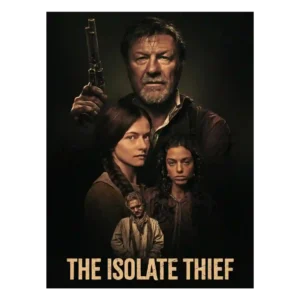
John Suits uses confinement, withheld violence, and the frozen location to build sustained unease. The direction is repeatedly praised for making modest resources feel purposeful.
Pros: ending satisfaction, soundtrack quality
Cons: family friendliness, age appropriateness
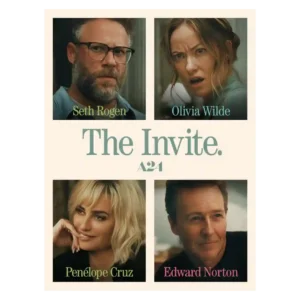
Olivia Wilde’s control of performance, space, and comic escalation is frequently called her strongest directing work. A few early choices feel fussy or overemphatic, but the overall staging is confident...
Pros: plot originality, lead performance
Cons: runtime, score quality
McElwee is widely praised for shaping an enormous personal archive into a searching, emotionally devastating film. One critic sharply questions the ethics of turning family life into public art.
Pros: plot originality, ending satisfaction
Cons: runtime, pacing
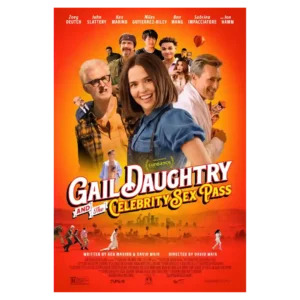
David Wain’s commitment to absurdity, fast comic rhythm, and playful celebrity cameos is widely admired, though some felt the film shows less control than his best work.
Pros: plot originality, dialogue quality
Cons: language level, story quality
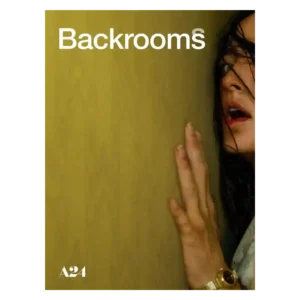
Kane Parsons is widely praised for remarkably assured control of mood, spatial tension, and visual horror in his feature debut. Criticism centers on later over-explanation and a few overreaching narrative...
Pros: emotional impact, CGI quality
Cons: action sequences, dialogue quality
John Early’s debut shows a distinct, confident visual voice and an ambitious command of camp, sincerity, and emotional escalation. Some critics still found the later storytelling uneven.
Pros: chemistry between characters, production design
Cons: plot clarity, audio description accessibility
Spielberg’s command of staging, camera placement, suspense, and visual storytelling remains the film’s most broadly admired strength.
Pros: cinematography, lead performance
Cons: plot clarity, tonal consistency
The directors turn private family material into formally daring, emotionally intimate cinema. Their ambition and sensitivity are widely admired, though the layered construction sometimes overwhelms the story’s clarity.
Pros: plot originality, score quality
Cons: family friendliness, editing quality
Frith handles the self-aware documentary with confidence, balancing production chaos, humor, and personal stakes. A few structural gaps keep the final stretch from feeling fully polished.
Pros: supporting cast performance, plot originality
Cons: plot clarity, pacing
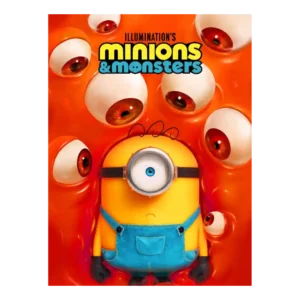
Direction is praised for connecting Minion slapstick to early cinema and for giving the franchise a more purposeful frame. The old-Hollywood affection feels intentional rather than pasted on.
Pros: ending satisfaction, acting performance
Cons: sexual content level, plot clarity
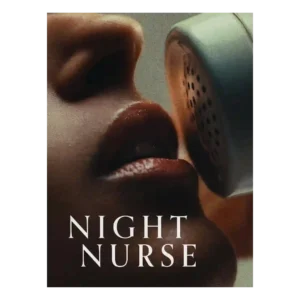
Georgia Bernstein shows confident control of mood, framing, performance, and erotic unease in her feature debut. The direction is widely admired even when the screenplay’s logic and character development draw...
Pros: plot originality, drama quality
Cons: realism, violence level
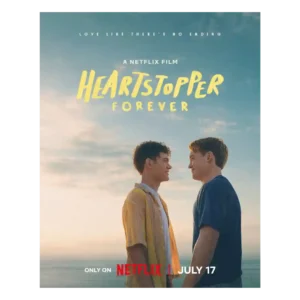
Wash Westmoreland handles the characters’ maturation gently and preserves the series’ familiar visual and emotional language rather than imposing a jarring new style.
Pros: lead performance, theme depth
Cons: plot originality, originality
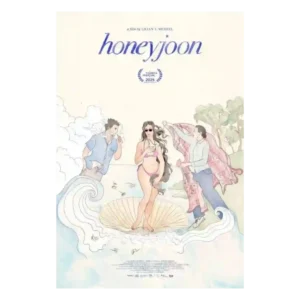
Direction is usually praised for actor work, restraint, emotional honesty, and the intelligent use of setting. Dissenters describe the framing as overly cautious or the style as effective but visually...
Pros: supporting cast performance, realism
Cons: romance quality, originality
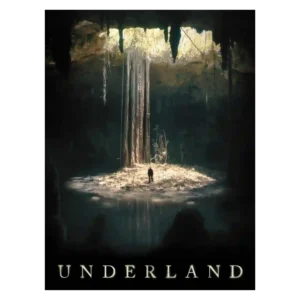
Petit’s direction is visually confident, sensorial, and unusually ambitious for a documentary adaptation. He succeeds at creating wonder, though the three-part structure sometimes limits depth and cohesion.
Pros: suspense, cinematography
Cons: character development, animation quality

Hayley Kiyoko shows a strong eye for intimacy, mood, and emotional detail in her feature debut. Reactions split over whether the music-video sensibility fully sustains a feature-length narrative.
Pros: plot clarity, soundtrack quality
Cons: supporting cast performance, suspense
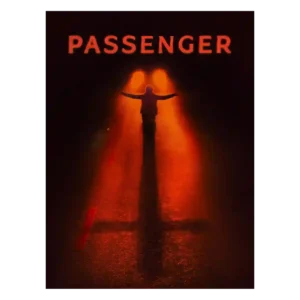
André Øvredal’s command of light, timing, camera movement, and spatial tension repeatedly elevates the material. Even negative reviews tend to find his set-piece direction more accomplished than the script.
Pros: directing quality, score quality
Cons: drama quality, value for money
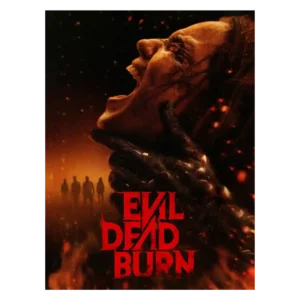
Sébastien Vaniček shows real command of claustrophobic action, gruesome choreography, and energetic camera movement. His handling of tone is less consistent, especially when bleak family drama, comedy, and franchise mayhem...
Pros: acting performance, supporting cast performance
Cons: rewatch value, emotional impact
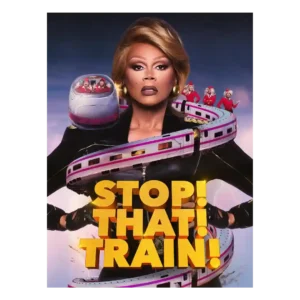
Adam Shankman generally keeps the sprawling cast and relentless gag flow under control, though the rushed production limits visual invention and polish.
Pros: makeup quality, chemistry between characters
Cons: value for money, CGI quality
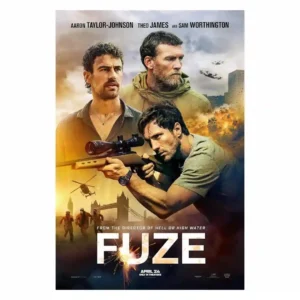
Direction is generally seen as controlled and efficient, with praise for Mackenzie's tension-building and urgency. The weaker reviews argue that he cannot overcome the script's flatness or lack of personality.
Pros: soundtrack quality, special effects quality
Cons: production design, character development

Ryuya Suzuki’s direction is bold, personal, and visually assured, especially in montages and composition. The main weakness is his difficulty integrating every chapter and idea into a fully coherent whole.
Pros: sound design, soundtrack quality
Cons: romance quality, dialogue quality
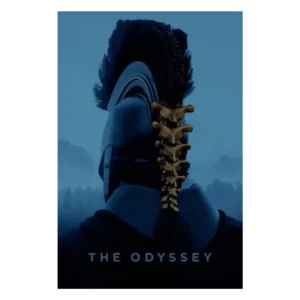
Christopher Nolan’s direction is admired for its ambition, control, and physical scale, but critics of the film see self-seriousness and emotional distance.
Pros: character development, world-building
Cons: pacing, sound design

Direction is another split area. Admirers credit Jon Erwin with clarity, scale, and graceful handling of faith themes, while detractors saw a lack of creative point of view.
Pros: rewatch value, language level
Cons: CGI quality, plot originality
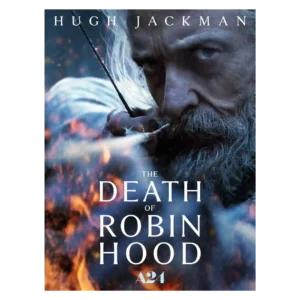
Michael Sarnoski’s direction is bold, visually controlled, and committed to deconstructing the legend. Reactions split over whether that restraint creates profundity or an overly severe, underpowered drama.
Pros: lead performance, plot originality
Cons: humor, family friendliness
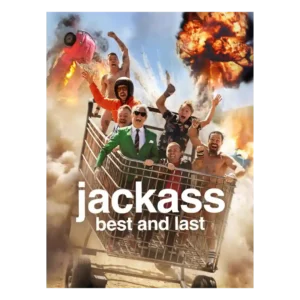
Jeff Tremaine gives the archival material thoughtful layering and the bookends a polished cinematic finish. The overall farewell can still feel hastily assembled and less inspired than earlier entries.
Pros: chemistry between characters, visual style
Cons: critic appeal, supporting cast performance
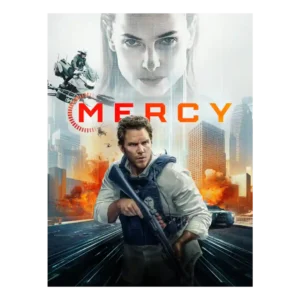
Direction is mixed: Bekmambetov’s screenlife instincts and momentum earn some credit, but many reviewers felt the film lacks control, nuance, or payoff.
Pros: rewatch value, sound design
Cons: family friendliness, production design
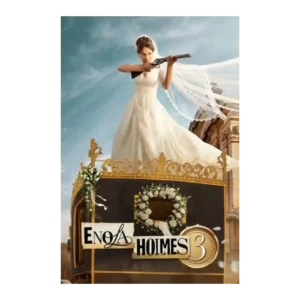
Direction draws mixed notices. Admirers like the brisk, kinetic handling and more mature polish, while critics point to flat filmmaking, clumsy flow, or less dynamic staging.
Pros: production design, score quality
Cons: realism, originality
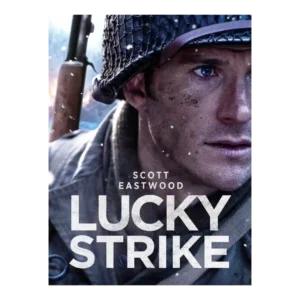
Rod Davis Lurie’s direction splits reviewers almost down the middle. Admirers praise his command of combat staging and survival tension, while critics call the film unfocused, inert, or anonymous.
Pros: violence level, practical effects quality
Cons: special effects quality, realism
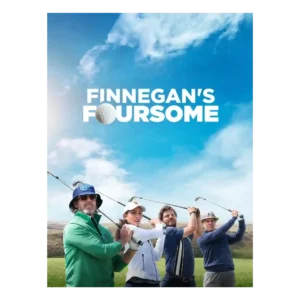
Edward Burns creates an easygoing ensemble atmosphere and occasionally handles the family material with care. The direction is also criticized for weak tension, repetitive golf staging, and a lack of...
Pros: score quality, soundtrack quality
Cons: plot originality, suspense
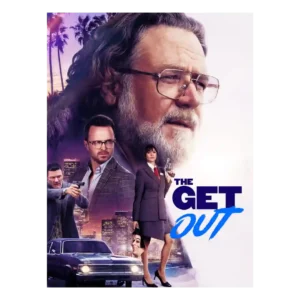
The direction earns occasional praise for brisk movement and a light crime-story tone, but more often struggles to unify the humor, violence, and crowded plotting.
Pros: soundtrack quality, lead performance
Cons: world-building, plot clarity
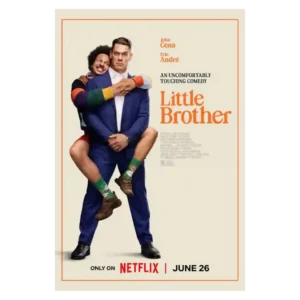
Matt Spicer earns praise for staging individual visual gags and building certain jokes efficiently. The larger film is more often criticized for lifeless stretches and an inability to balance sweetness...
Pros: chemistry between characters, visual style
Cons: language level, age appropriateness
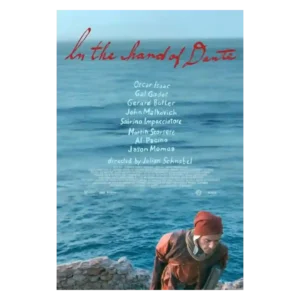
Julian Schnabel takes a fearless, highly personal swing, but the freedom becomes self-indulgence. His visual confidence is clear, while narrative control, tone, and restraint are much less reliable.
Pros: plot originality, suspense
Cons: realism, critic appeal
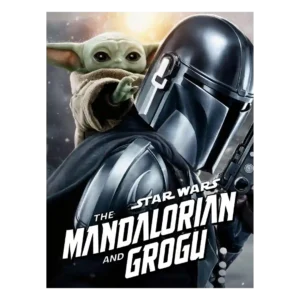
Jon Favreau handles several action beats and creature moments with energy, but the feature often lacks cinematic shape and escalation. The direction feels more comfortable delivering television-style missions than a...
Pros: soundtrack quality, practical effects quality
Cons: plot originality, drama quality
The direction is usually competent and star-friendly, but often described as workmanlike, visually flat, or unable to unify the movie’s competing tones.
Pros: cinematography, costume design
Cons: sexual content level, story quality
Alice Winocour’s sensitive intentions and eye for quiet connection are clear, but the direction often spreads attention too thin. The restrained style works in isolated moments more than across the...
Pros: costume design, sound design
Cons: family friendliness, age appropriateness

Thomas Kail handles some musical and village scenes with energy, but the broader direction is often described as anonymous, stagebound, and overly dependent on the animated blueprint.
Pros: ending satisfaction, romance quality
Cons: plot originality, originality

Direction receives scattered praise for competence or prior promise, but several viewers blame the film's uneven tone and blockbuster execution. It is not one of the better-supported strengths.
Pros: makeup quality, practical effects quality
Cons: editing quality, CGI quality
Michael Tiddes keeps the references visually legible but struggles to impose rhythm, focus, or connective tissue on the overloaded material.
Pros: lead performance, chemistry between characters
Cons: theme depth, message quality