Best for writing quality
Dark Winds, Season 4
4.8 feature score
Highest scored product for this feature based on supporting review evidence.
Highest scored product for this feature based on supporting review evidence.
Balances feature score, supporting reviews, and overall product strength.
Has the broadest review evidence for this feature.
Strongest overall product among items with scored evidence for this feature.
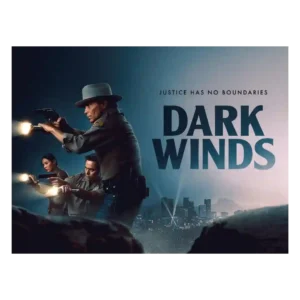
The writing is generally praised as smart, sharp, and emotionally grounded. Positive reviews credit the scripts with keeping the noir mystery human even as the season expands in scope.
Pros: costume design, directing quality
Cons: family friendliness, age appropriateness

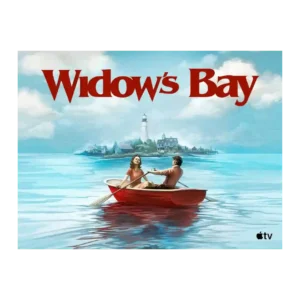
The writing is praised for warmth, empathy, humor, and thematic reach. It balances class, sex work, trauma, and trans identity without sanding off the characters’ rough edges.
Pros: genre satisfaction, main cast performance
Cons: family friendliness, violence level
The writing is praised for sharpness and for holding together scares, jokes, mystery, and character work.
Pros: episode structure, main cast performance
Cons: family friendliness, language level

Writing is repeatedly praised as beautiful, humane, and emotionally layered, with faith and family issues woven together naturally. A few critics call it sappy, shallow, or clichéd.
Pros: season finale quality, screenplay quality
Cons: character consistency, continuity

The writing successfully juggles comedy, melodrama, romance, satire, and character depth. Occasional overcrowding and rushed subplots are the main weaknesses.
Pros: score quality, critic appeal
Cons: character consistency, plot clarity

The writing is praised most when it avoids sensationalism and lets Alex’s childlike reactions stay ordinary and believable. Its restraint helps the drama feel more respectful than manipulative.
Pros: screenplay quality, critic appeal
Cons: plot twists, season pacing

The writing is praised for layering compromise, fear, stress, and small mistakes into larger crises. It gives the oppressive setting texture rather than relying only on big plot turns.
Pros: cliffhanger effectiveness, main cast performance
Cons: humor, family friendliness

Writing is admired for its structure, empathy, and smart second-season choices, but not without caveats. Several reviewers mention occasional didacticism, heavy-handedness, or melodramatic lines.
Pros: episode structure, main cast performance
Cons: age appropriateness, plot clarity
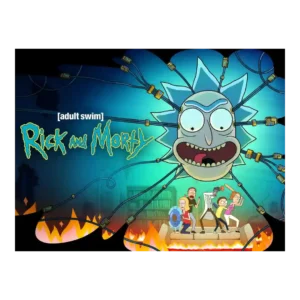
Writing quality trends positive, with praise for less pretentious plotting, brilliant execution, and smart serialized development. The scripts are strongest when balancing character work with inventive sci-fi chaos.
Pros: critic appeal, genre satisfaction
Cons: family friendliness, age appropriateness

Writing reactions range from positive course correction to complaints about past excess. Reviewers who liked Season 5 praise its stripped-down focus, while others still notice overly self-conscious storytelling.
Pros: directing quality, cinematography
Cons: dialogue quality, plot originality
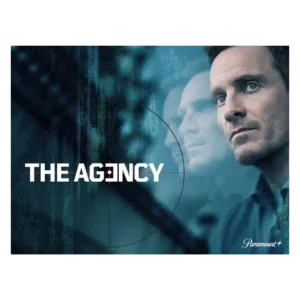
The writing is praised for consistency, intelligence, and bringing multiple spy threads together without losing the show’s adult tone. A few reviewers point to exposition, predictable villains, or overextended subplots...
Pros: directing quality, bingeability
Cons: none
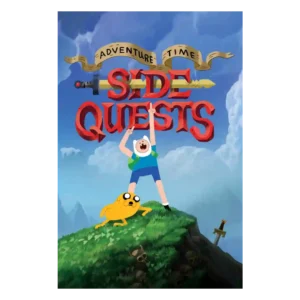
The writing is praised for balancing simple adventures with danger and jokes, but not every critic found the new comic rhythm fully compatible with Adventure Time. The result is strong...
Pros: production design, animation quality
Cons: pilot episode quality, score quality
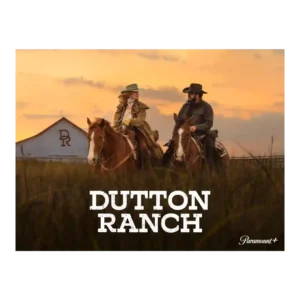
Writing quality is viewed as sturdy but familiar. Positive reviews like the more grounded drama and character focus, while negative ones see a greatest-hits version of Yellowstone in a new...
Pros: cast chemistry, acting quality
Cons: continuity, cultural representation
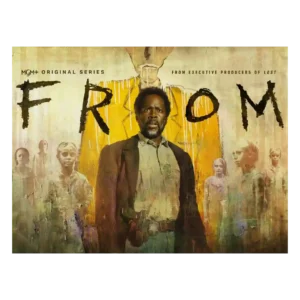
Writing reactions swing from admiration to frustration. The season’s best moments are called clever and even diabolical, but slow setup and repeated stalling make other viewers impatient.
Pros: directing quality, rewatch value
Cons: value for money, makeup quality

Writing reactions are mostly strong, especially around audience trust, sharper themes, and carefully planted answers. The main criticisms involve contrivances, urgency dips, and occasional table-setting.
Pros: drama quality, finale satisfaction
Cons: character development, season pacing
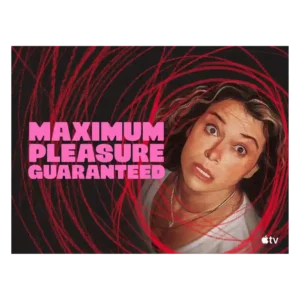
Writing quality is hotly debated. Positive reviews praise a tight, refreshing, genre-aware script, while negative reviews fault clunky conventions, unclear purpose, and arcs that needed stronger support.
Pros: acting quality, main cast performance
Cons: family friendliness, age appropriateness
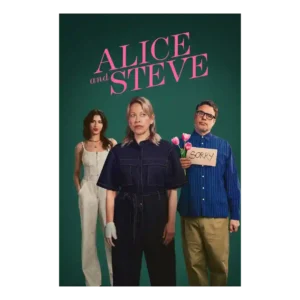
The writing is deeply split: admirers call it funny, emotionally alert, and bold, while detractors find it lax, overstuffed, or unwilling to fully interrogate the premise. Its best moments come...
Pros: directing quality, cast chemistry
Cons: family friendliness, language level
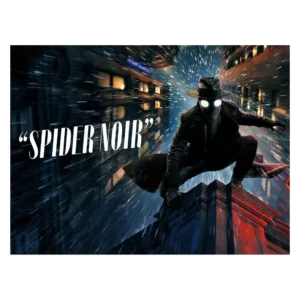
Writing quality is mixed-positive overall. Admirers like the sharp banter, humor, and genre control; harsher critics hear cliché, thinness, and imitation where the show wants hard-boiled snap.
Pros: plot twists, cliffhanger effectiveness
Cons: family friendliness, age appropriateness

Writing and storytelling are split between praise for clarity and criticism of messiness. Some found the material well unpacked; others felt it skipped past the hardest explanatory questions.
Pros: bingeability, critic appeal
Cons: editing quality, accountability handling
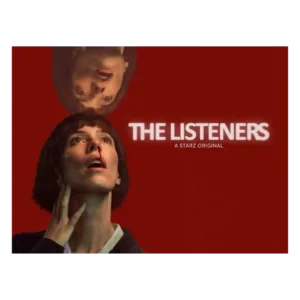
The writing is the main battleground. At its best it feels nuanced and carefully ambiguous; at its weakest it becomes mechanical, pretentious, didactic, or too vague.
Pros: main cast performance, critic appeal
Cons: character consistency, finale satisfaction

The writing can be witty, emotional, and smartly escapist, but contrived plot armor, crowded subplots, and repetition create an uneven result.
Pros: main cast performance, bingeability
Cons: realism, season length
Writing quality is split: some reviews praise the script as witty or character-focused, while others call it sub-standard or below the cast’s level. The writing is most liked in character...
Pros: main cast performance, acting quality
Cons: cancellation satisfaction, plot clarity
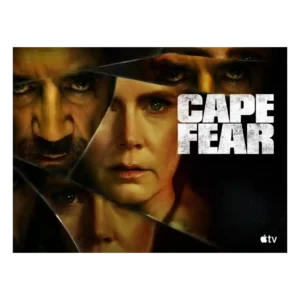
Writing reactions are sharply mixed: some reviewers praised the intense conflict and clever reframing, while others found the scripts redundant, clunky, or too obvious.
Pros: directing quality, cinematography
Cons: realism, character consistency
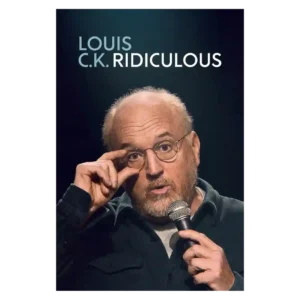
The writing ranges from polished, observational craft to material some critics call lazy or underdeveloped. Aging and elder-care bits get the most credit, while repeated shock turns weaken the overall...
Pros: main cast performance, dialogue quality
Cons: accountability handling, family friendliness

Writing quality swings between sharp, character-led sitcom craft and tired joke construction. The strongest praise goes to punchy character-driven writing, while the harshest criticism calls the punchlines flavorless or the...
Pros: renewal interest, bingeability
Cons: plot clarity, soundtrack quality
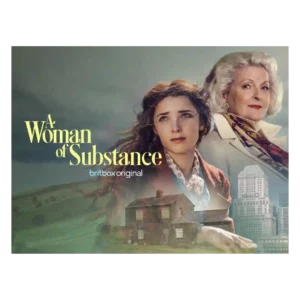
The writing can slip into telling rather than showing. Still, the broader adaptation is often credited with sincerity and momentum.
Pros: season finale quality, main cast performance
Cons: humor, plot clarity

Writing reactions are mixed. Some reviewers liked the added plot and energetic setup, while the most negative take criticized the characters and plotting as recycled crime-drama material.
Pros: plot originality, emotional impact
Cons: humor, writing quality
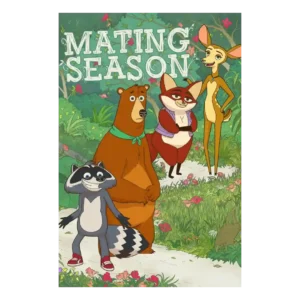
Writing quality is uneven across the response. Some praise the later-season voice and relationship dynamics, while critics complain about surface-level jokes, lazy lessons, and weak commentary.
Pros: realism, cultural representation
Cons: age appropriateness, violence level
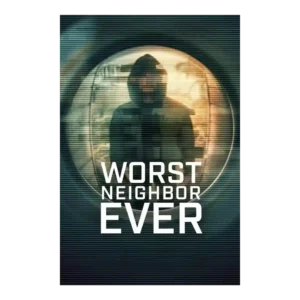
The writing and overall framing are serviceable but not especially ambitious. One critic felt the familiar Worst Ever approach leaves these serious stories wanting more effort.
Pros: finale satisfaction, season finale quality
Cons: violence level, writing quality
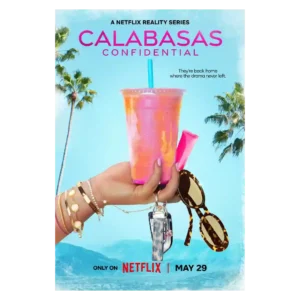
Narrative construction is shaky. K-waves faults the cheap dialogue and superficial relationship dynamics, while Bingebaaz finds the show only moderately sharp.
Pros: world-building, costume design
Cons: family friendliness, age appropriateness
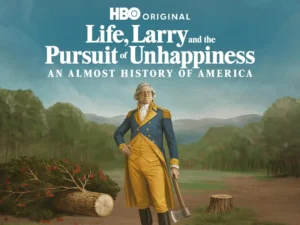
Writing is the most persistent weakness. Reviews repeatedly cite recycled Curb bits, stale sketches, thin material, and jokes that do not build far enough.
Pros: realism, costume design
Cons: editing quality, episode length
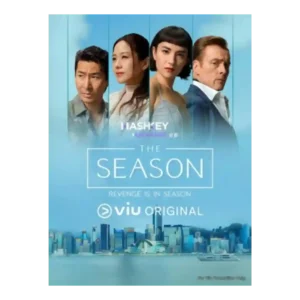
The writing is one of the show’s main liabilities. Critics point to clunky names, exposition-heavy scenes, and a script that does not do enough underneath the glossy surface.
Pros: world-building, cinematography
Cons: finale satisfaction, season finale quality
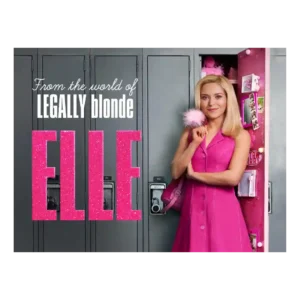
Writing quality drags down much of the package. The scripts can feel tropey, surface-level, or overstuffed, even when individual jokes and teen-drama beats are serviceable.
Pros: cast chemistry, bingeability
Cons: episode length, episode pacing

Writing quality is a repeated concern in the harsher reviews. Critics complain about thin details, predictable plotting, and a story that needed more substance.
Pros: directing quality, cinematography
Cons: character consistency, writing quality
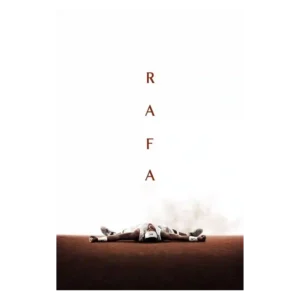
One critic found the storytelling too plain, arguing that the series leaves little subtext beneath its champion-and-sacrifice thesis. That makes the documentary clear, but not especially layered in its writing.
Pros: genre satisfaction, soundtrack quality
Cons: writing quality, plot clarity
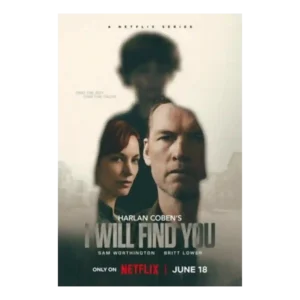
Writing quality is a weak spot for skeptical reviewers. The script is described as flimsy and artificial, even when the show remains watchable.
Pros: cinematography, drama quality
Cons: writing quality, plot clarity