Best for dialogue quality
The Pitt, Season 2
5.0 feature score
Highest scored product for this feature based on supporting review evidence.
Highest scored product for this feature based on supporting review evidence.
Balances feature score, supporting reviews, and overall product strength.
Has the broadest review evidence for this feature.
Strongest overall product among items with scored evidence for this feature.

Dialogue is praised for helping the season stay grounded. Reviewers describe the conversation and medical exchanges as convincing rather than artificially melodramatic.
Pros: episode structure, main cast performance
Cons: age appropriateness, plot clarity
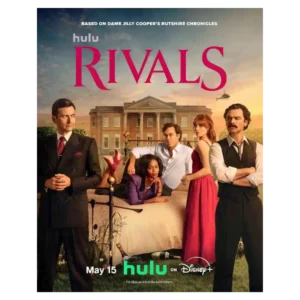
The dialogue is consistently witty, cheeky, and packed with knowingly outrageous period jokes.
Pros: score quality, critic appeal
Cons: character consistency, plot clarity

Dialogue is a clear comedic asset, with reviewers calling it laugh-out-loud funny rather than broad spoof writing.
Pros: episode structure, main cast performance
Cons: family friendliness, language level

Individual lines and punchlines are often singled out as sharp, sometimes even layered. The best bits stick with viewers, though that precision is not consistent across the whole hour.
Pros: main cast performance, dialogue quality
Cons: accountability handling, family friendliness

Dialogue gets narrower but positive support through scenes where Leaphorn’s quiet monologues carry emotional weight. The season’s talkier moments work best when tied to violence, guilt, or cultural responsibility.
Pros: costume design, directing quality
Cons: family friendliness, age appropriateness
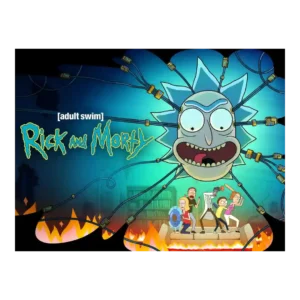
Dialogue is praised when it turns small domestic details, like the Smith family pool, into running comedy. The season’s talky bits work best when everyday details collide with sci-fi stakes.
Pros: critic appeal, genre satisfaction
Cons: family friendliness, age appropriateness

Dialogue-heavy scenes are praised for crackling with energy, with pauses and unspoken tension doing as much work as the spoken lines.
Pros: main cast performance, critic appeal
Cons: character consistency, finale satisfaction
The dialogue lands best when it fuels fast, bizarre cartoon comedy. Reviewers point to the show’s goofy one-liners and committed absurdity as part of its charm.
Pros: production design, animation quality
Cons: pilot episode quality, score quality
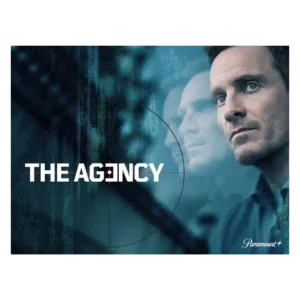
The dialogue is often framed as smart, sharp, and central to the show’s appeal, especially in interrogation and office scenes. The caveat is that the dialogue-heavy style may be too...
Pros: directing quality, bingeability
Cons: none

The dialogue is sharp, sarcastic, and often caustically funny, with savage put-downs adding bite. The main drawback is audibility, as at least one viewer had to rewind to decipher lines.
Pros: genre satisfaction, main cast performance
Cons: family friendliness, violence level

The dialogue has a sharp, comic edge when the show leans into banter, zingers, and awkward social collisions. Even mixed takes often singled out the writing’s individual lines and exchanges...
Pros: directing quality, cast chemistry
Cons: family friendliness, language level

The strongest responses call the dialogue realistic and human, especially around grief and family conflict. One critic found it too close to sentimental or unnatural.
Pros: season finale quality, screenplay quality
Cons: character consistency, continuity

Dialogue gets a modestly positive response when it relies on charged looks and well-crafted exchanges. Some lighter lines and exposition were less convincing.
Pros: directing quality, cinematography
Cons: realism, character consistency

Dialogue has flashes of sharp banter and above-average thriller exposition. It is not universally praised, though, because a few moments come off forced or overly TV-ish.
Pros: acting quality, main cast performance
Cons: family friendliness, age appropriateness

Dialogue splits reviewers. Some hear the expected terse Western wisdom and enjoy the combative lines, while others find the writing flat or pseudo-profound.
Pros: cast chemistry, acting quality
Cons: continuity, cultural representation
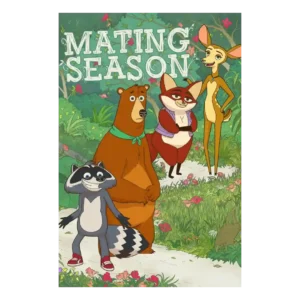
Dialogue swings between polished, quick, and conversational for fans and gratingly crude for detractors. The best-liked lines are smaller throwaways, while the most disliked ones spell out jokes too aggressively.
Pros: realism, cultural representation
Cons: age appropriateness, violence level

Dialogue lands best when it has Kaling’s quick, aspirational bite. The weaker responses argue that some scripts sound oblivious or too dependent on familiar quippy rhythms.
Pros: renewal interest, bingeability
Cons: plot clarity, soundtrack quality

Dialogue is more mixed than the broader writing. One review notes that the show still leans on cryptic half-truths, which suits the mystery but can make motivations demanding to follow.
Pros: drama quality, finale satisfaction
Cons: character development, season pacing

Witty banter lands well in stronger scenes, but exaggerated romantic dialogue can become heavy and slow the pace.
Pros: main cast performance, bingeability
Cons: realism, season length

Dialogue gets limited but mixed attention. One reviewer mocked the villain’s enigmatic speeches, while another found UTA’s soft, slow delivery eerie and effective.
Pros: plot originality, emotional impact
Cons: humor, writing quality
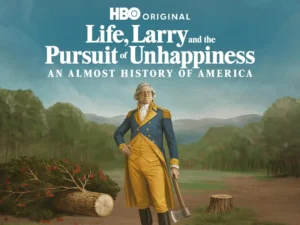
The dialogue has the loose, improvised rhythm associated with Curb. That can create sparks with longtime partners, though it also contributes to a shaggy feel.
Pros: realism, costume design
Cons: editing quality, episode length

Dialogue is highly polarized. Admirers enjoy the rat-a-tat banter and hard-boiled quips, while detractors hear clunky, phony noir imitation that cannot match the classics it references.
Pros: plot twists, cliffhanger effectiveness
Cons: family friendliness, age appropriateness
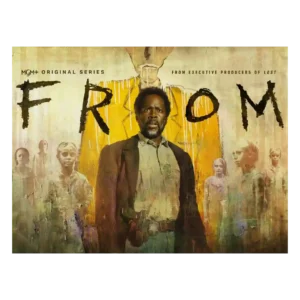
Dialogue is sharply split. At its best, the exchanges feel unusually strong for modern TV; at worst, they turn into repetitive arguing, exposition, and momentum-draining conversations.
Pros: directing quality, rewatch value
Cons: value for money, makeup quality

Dialogue is one of the more mixed traits. Some lines are called cliched, duff, or too explanatory, even when the performers sell the melodrama around them.
Pros: season finale quality, main cast performance
Cons: humor, plot clarity

Dialogue draws frequent criticism for sounding cheesy, unrealistic, or too exposition-heavy. A few moments still work for viewers, especially when the reunion banter or heightened romance fits the genre.
Pros: directing quality, cinematography
Cons: character consistency, writing quality
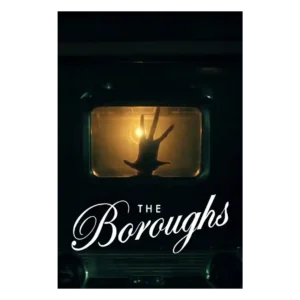
Dialogue quality drew criticism in the cited review, which found some exchanges stilted and awkward. The complaint suggests the dialogue sometimes fails to match the complexity of the cast or...
Pros: main cast performance, acting quality
Cons: cancellation satisfaction, plot clarity

Dialogue is a recurring weak point. Wooden exchanges, weak wordplay, and missed joke opportunities keep the show from matching the sharpness associated with Legally Blonde.
Pros: cast chemistry, bingeability
Cons: episode length, episode pacing

Dialogue gets dinged when the season states themes too directly. One critic felt staff conversations sometimes sounded more like therapy explanations than natural conflict.
Pros: directing quality, cinematography
Cons: dialogue quality, plot originality

Dialogue is a repeated weak point. The show is described as leaden, stiff, and overwritten, with characters often sounding like they are explaining the world instead of speaking naturally.
Pros: world-building, cinematography
Cons: finale satisfaction, season finale quality

Dialogue is a consistent complaint when it comes up. Critics call it leaden, blunt, perfunctory, and overloaded with exposition.
Pros: cinematography, drama quality
Cons: writing quality, plot clarity

Dialogue and speech patterns draw criticism for sounding cheap, annoying, or superficial, making confrontations feel smaller rather than sharper.
Pros: world-building, costume design
Cons: family friendliness, age appropriateness