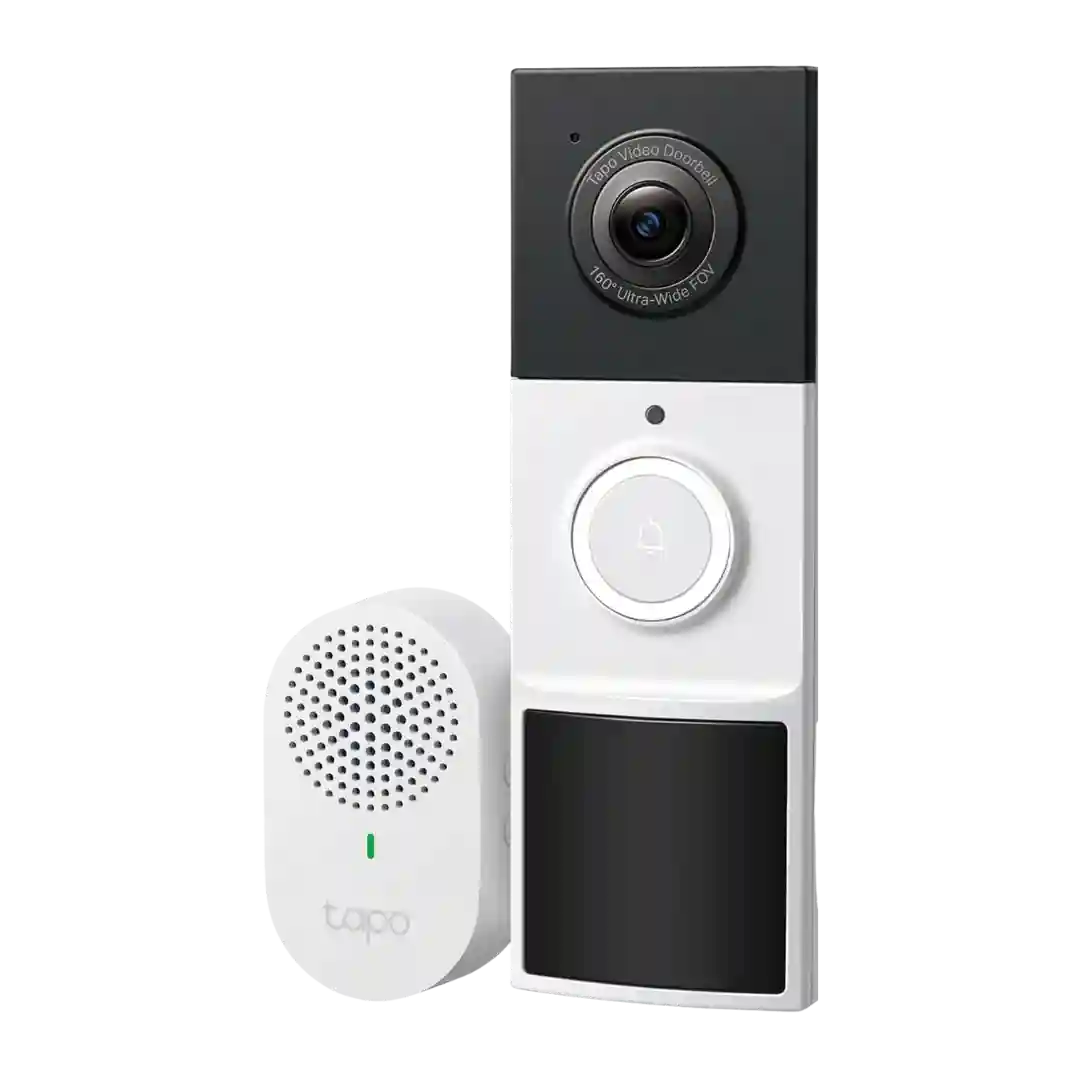
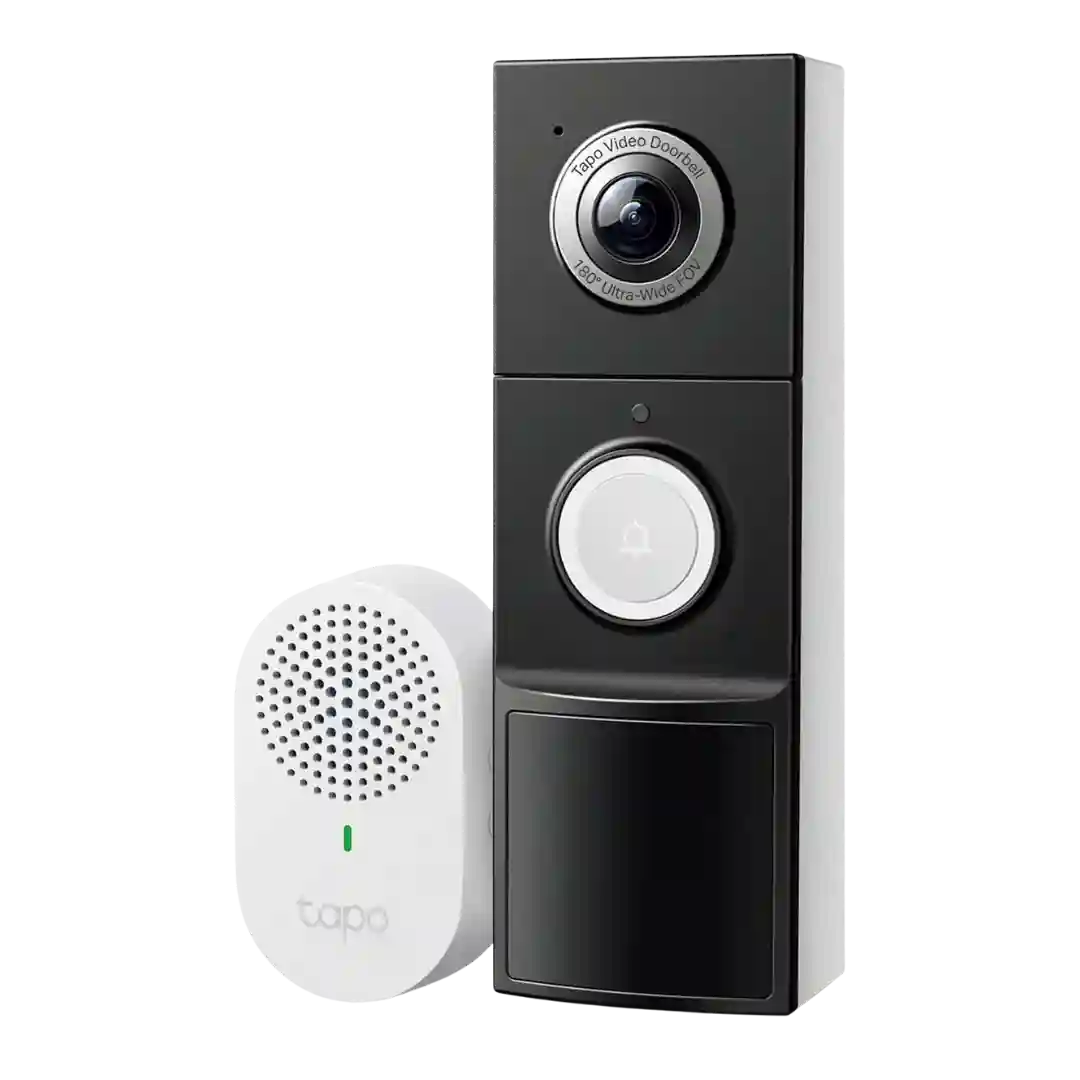
The Tapo app is repeatedly praised for straightforward setup, fast live view access, rich settings, and good device management. Reviewers also note firmware updates, SD-card formatting, and scheduling are handled clearly inside the app.
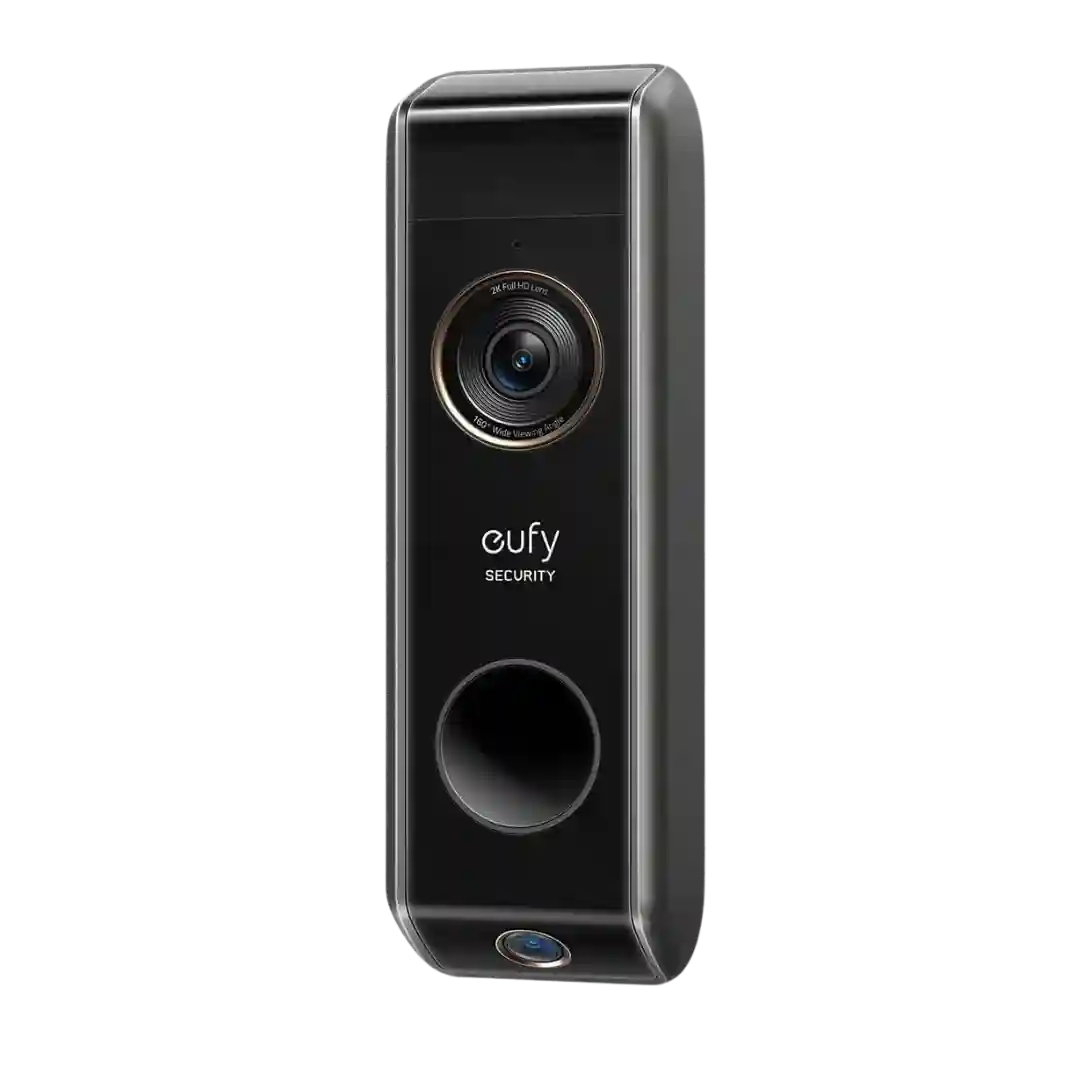
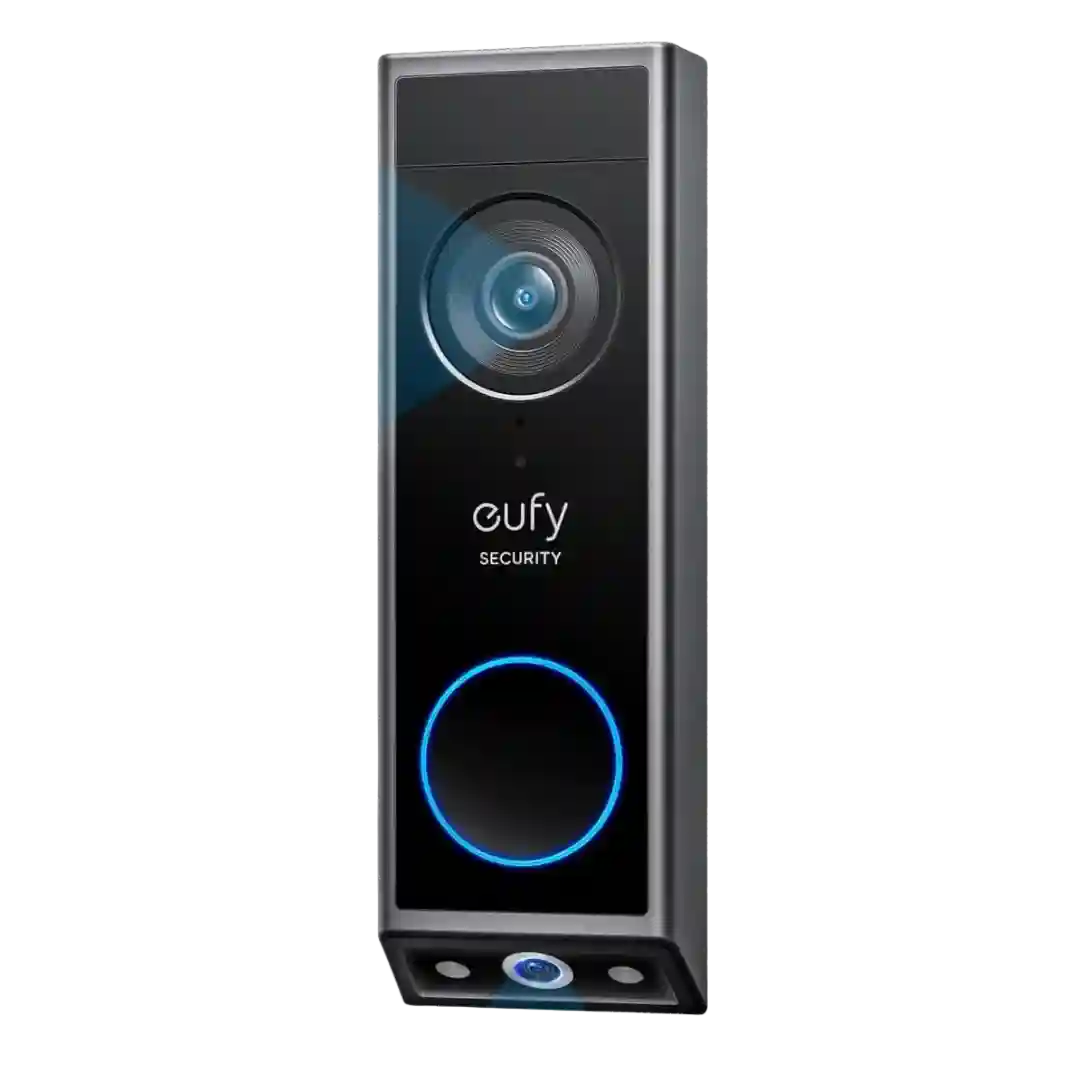
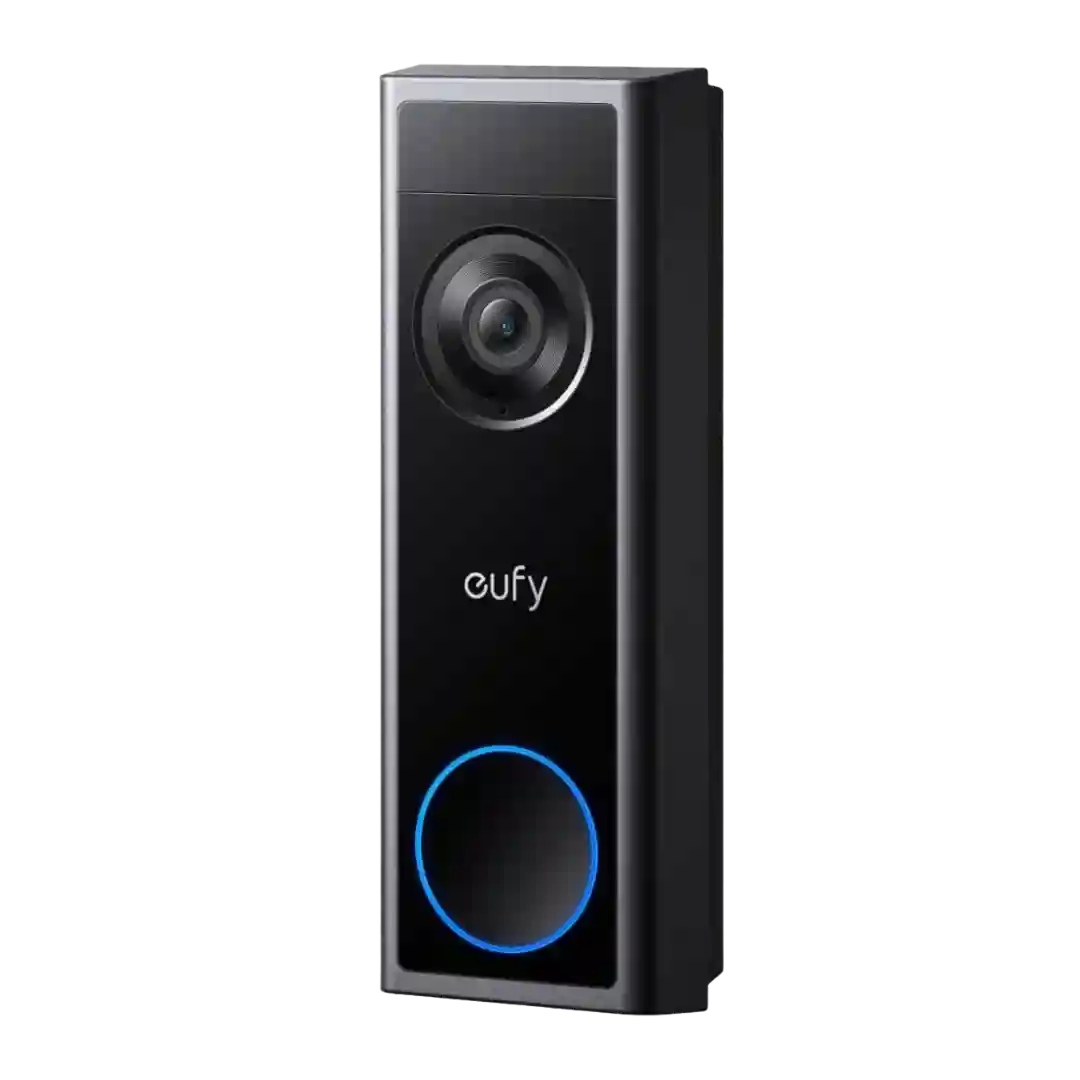
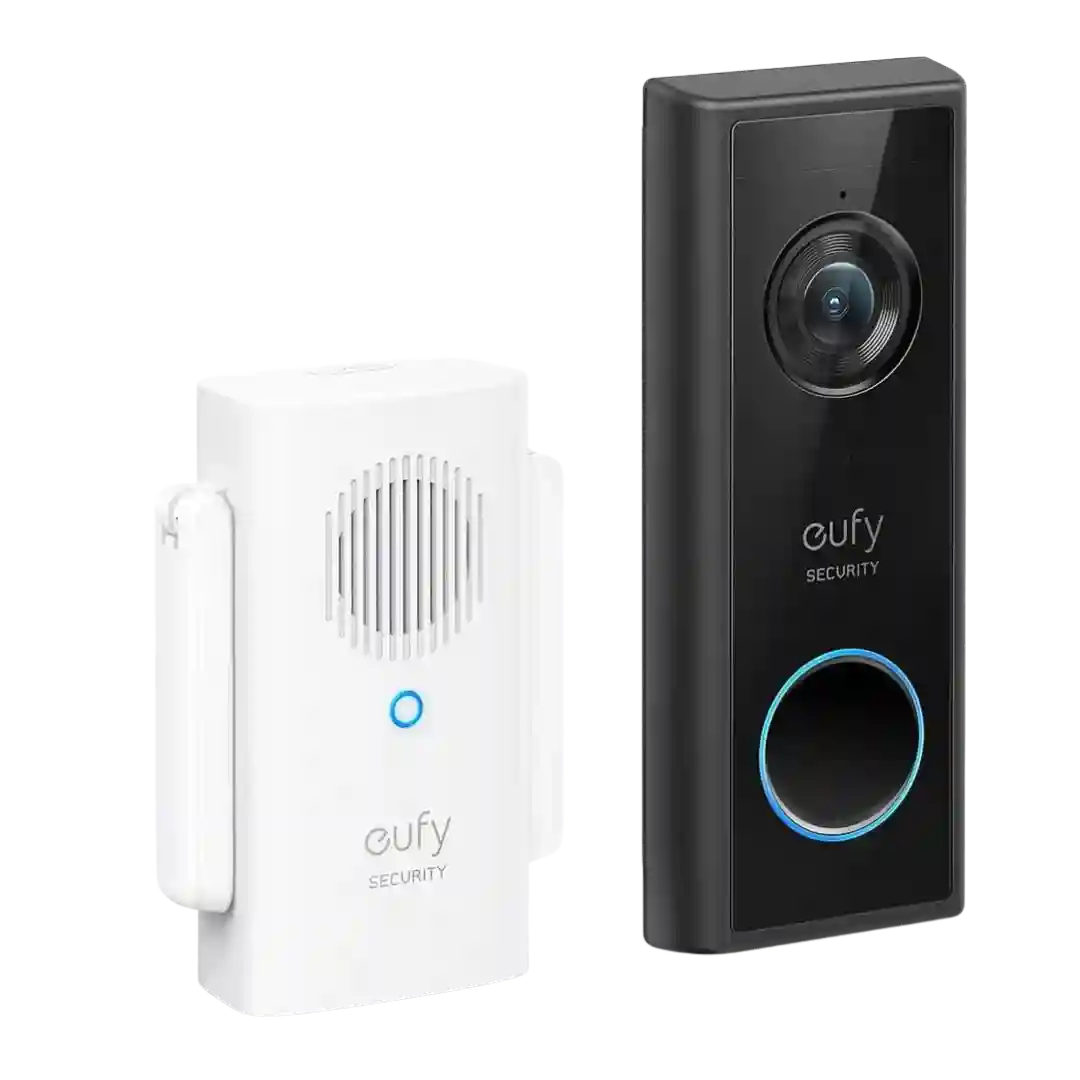
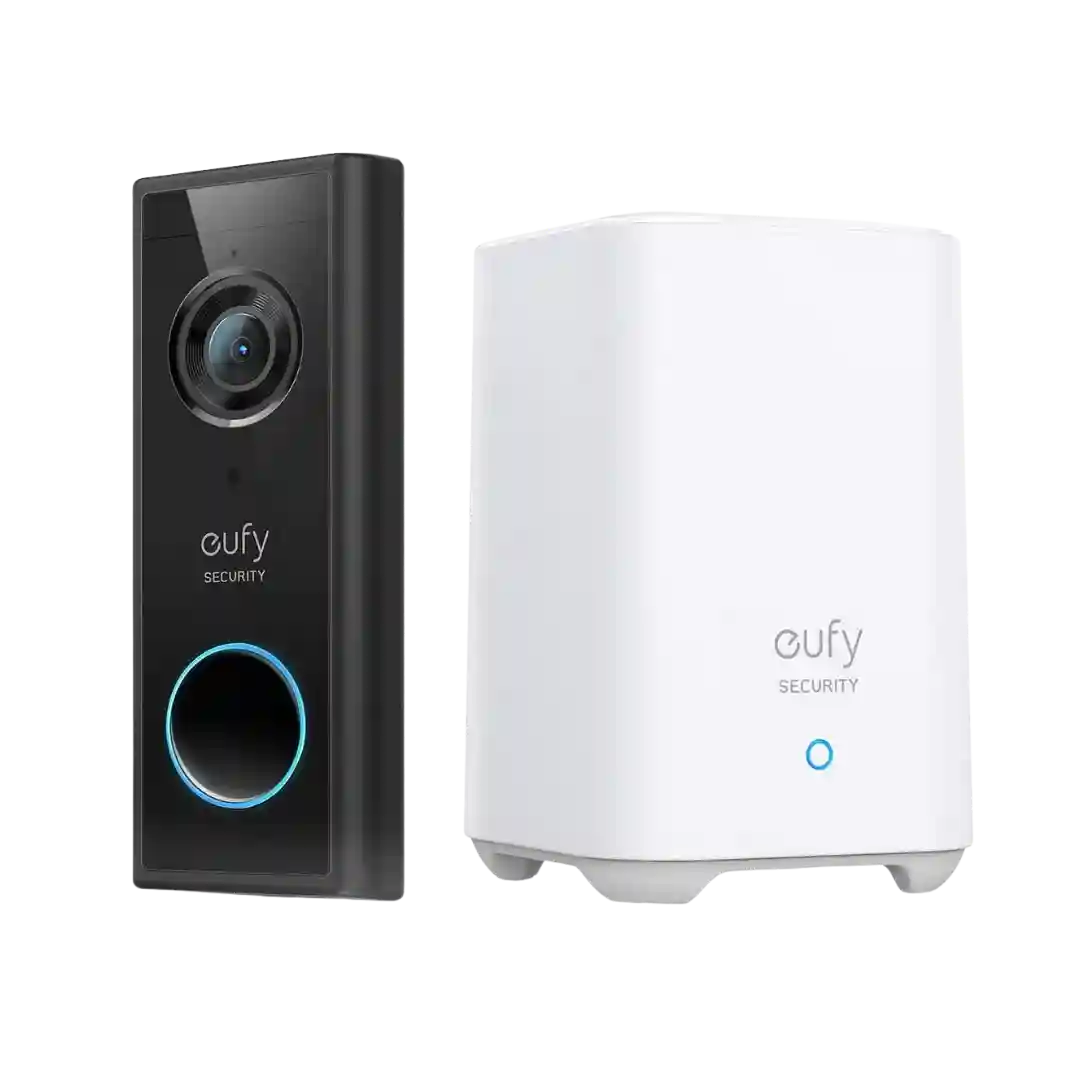
The Eufy Security app is generally considered intuitive and feature-rich, though a few reviewers mention firmware quirks, notification sound bugs, and the need to tune settings for best results.
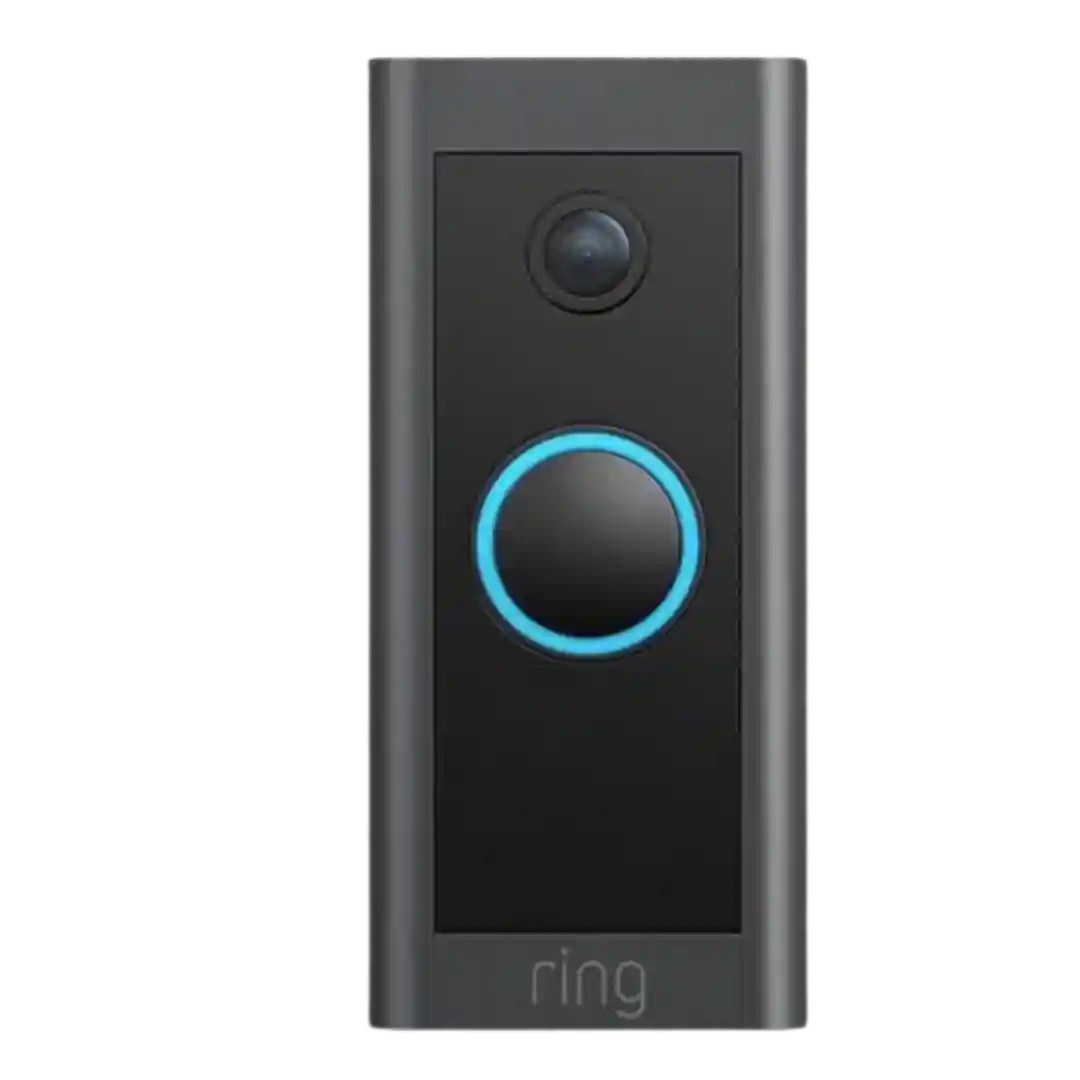
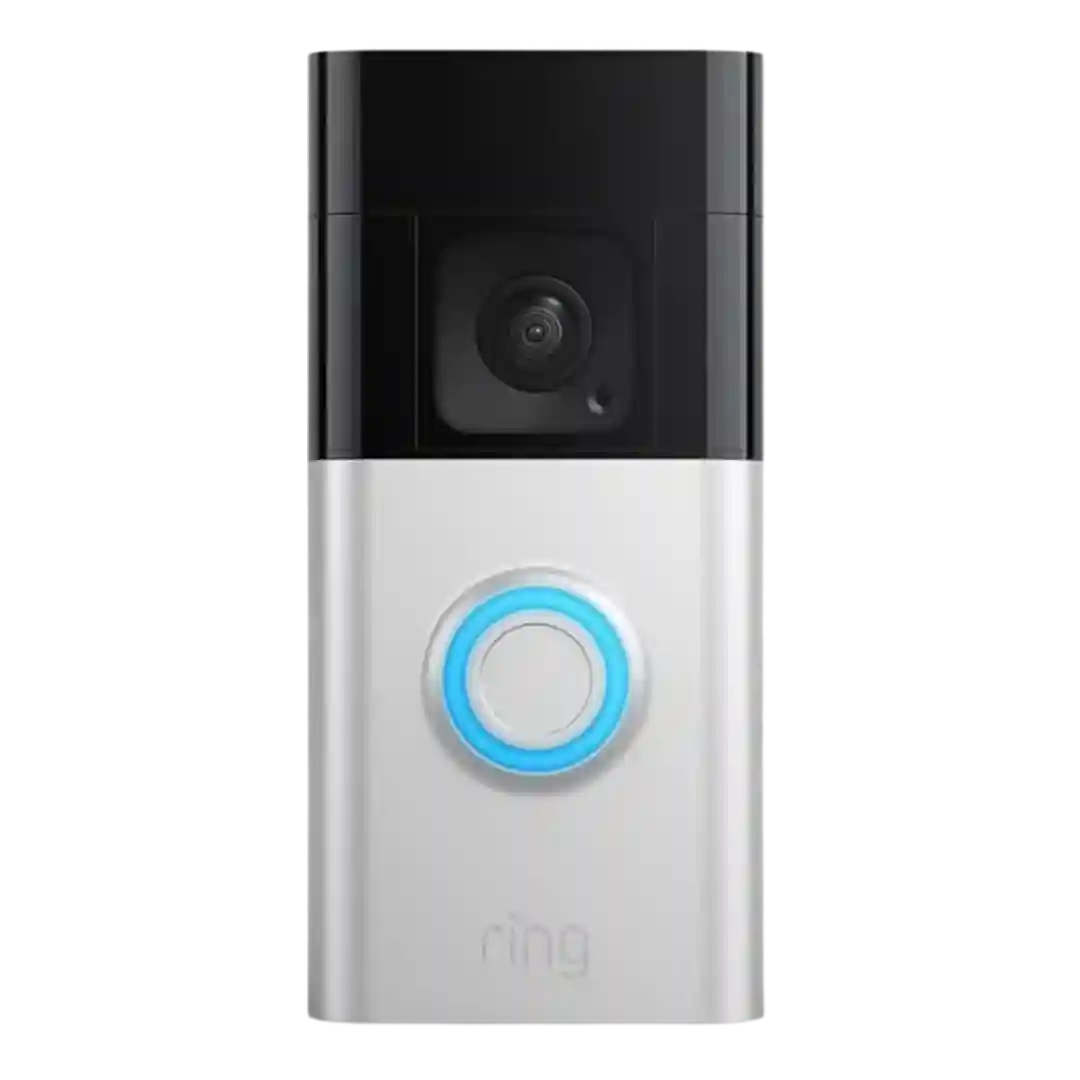
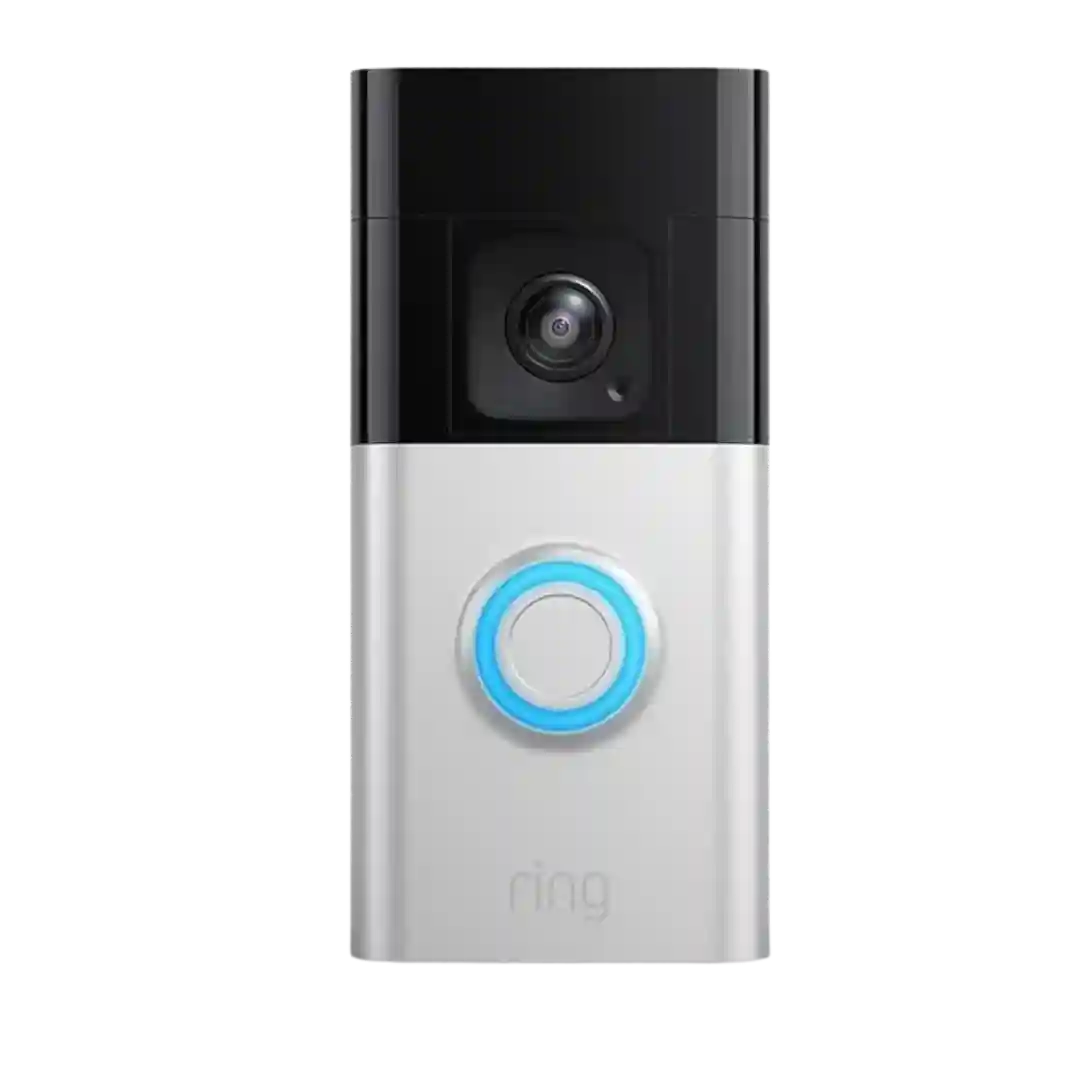
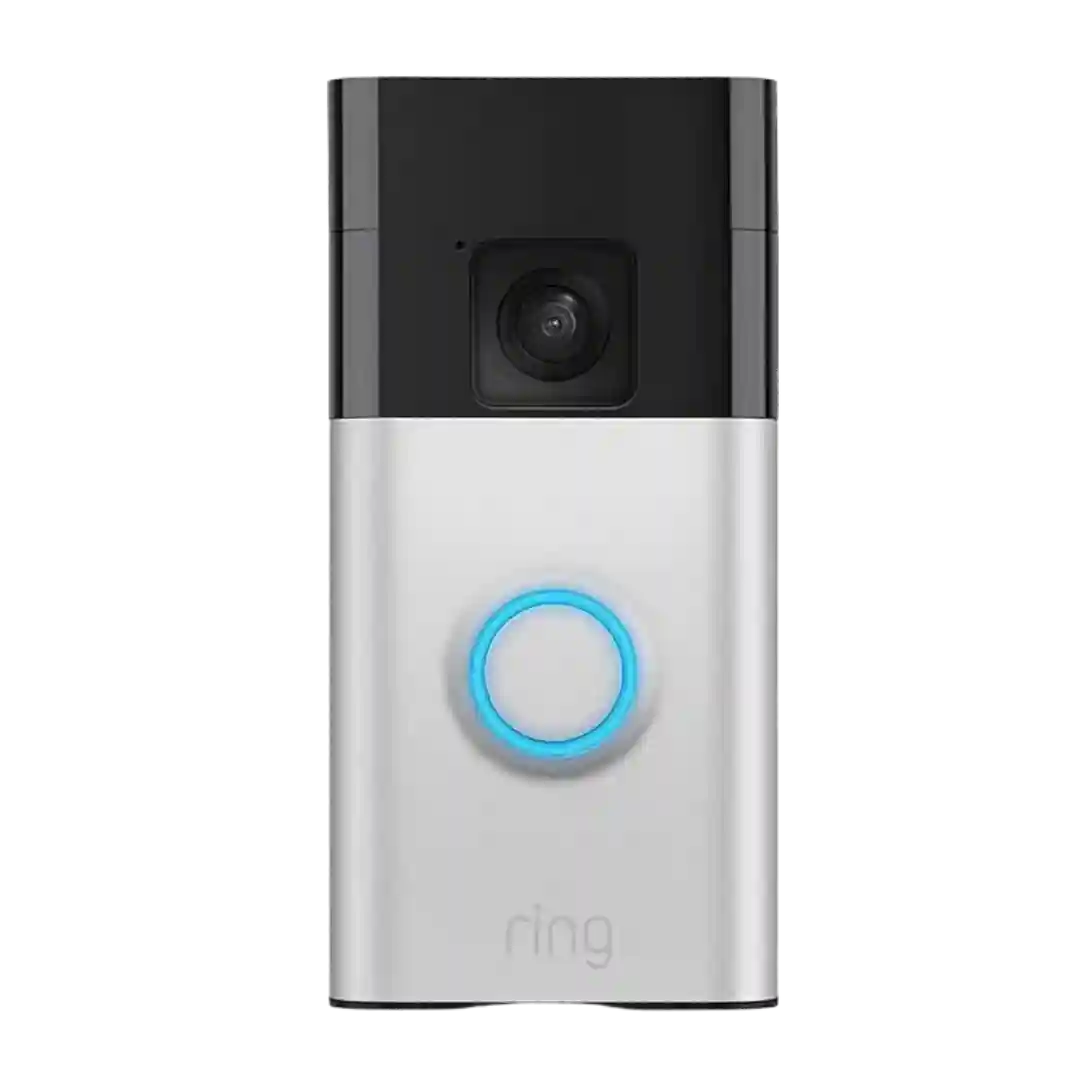
The Ring app is widely praised as robust and easy to navigate, with lots of settings for zones, sensitivity, and history. A recurring complaint is that browsing events can be tedious without better thumbnails or a grid view.
The Ring app is consistently described as polished, fast and feature-rich, with an easy timeline/history experience and lots of settings. Criticisms include paywalled features and occasional quirks like lower-quality downloaded clips or firmware/setting limitations on older models.
The Tapo app is described as fast to load live and recorded video and packed with settings, though initial setup can feel old-school and some minor firmware or app quirks are mentioned.
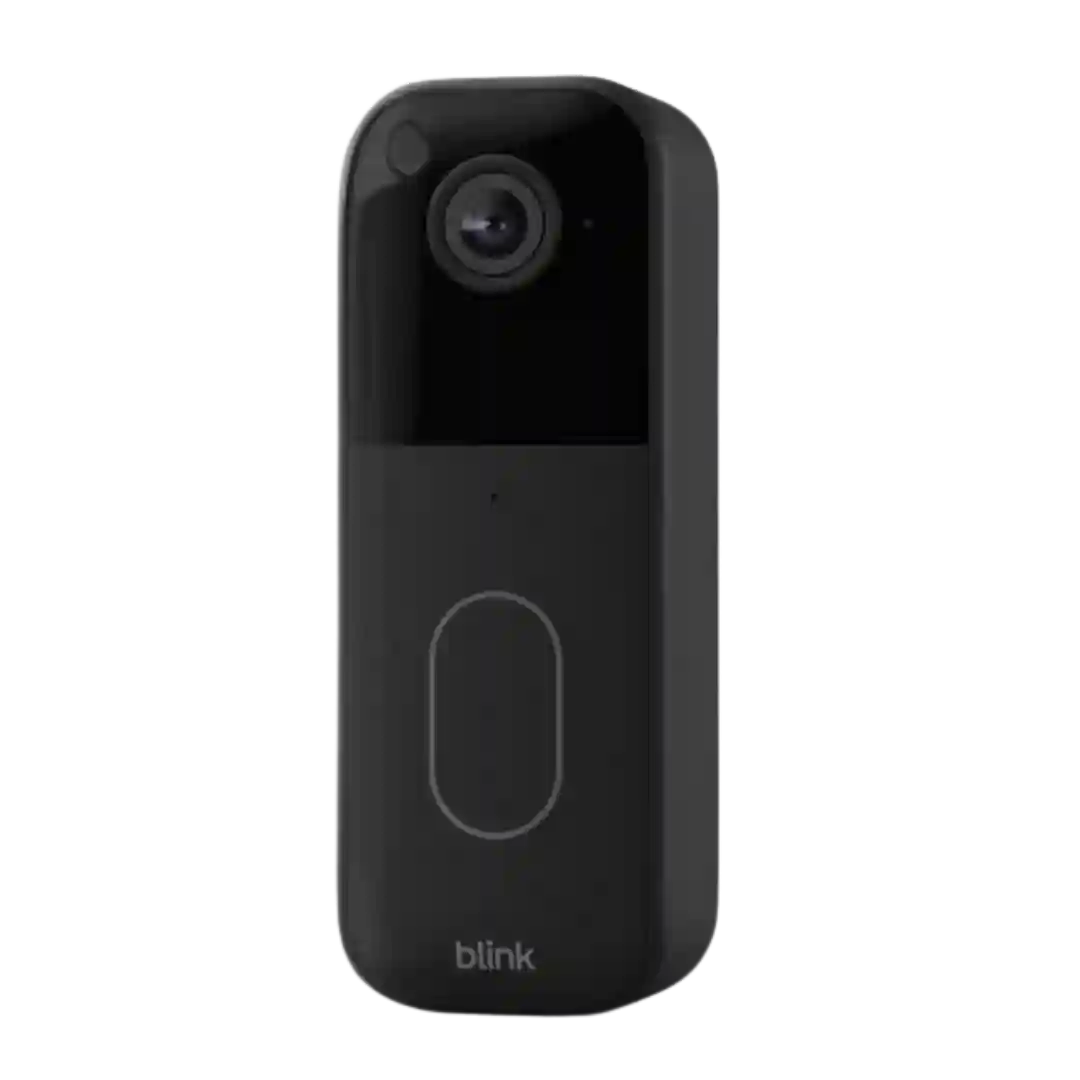
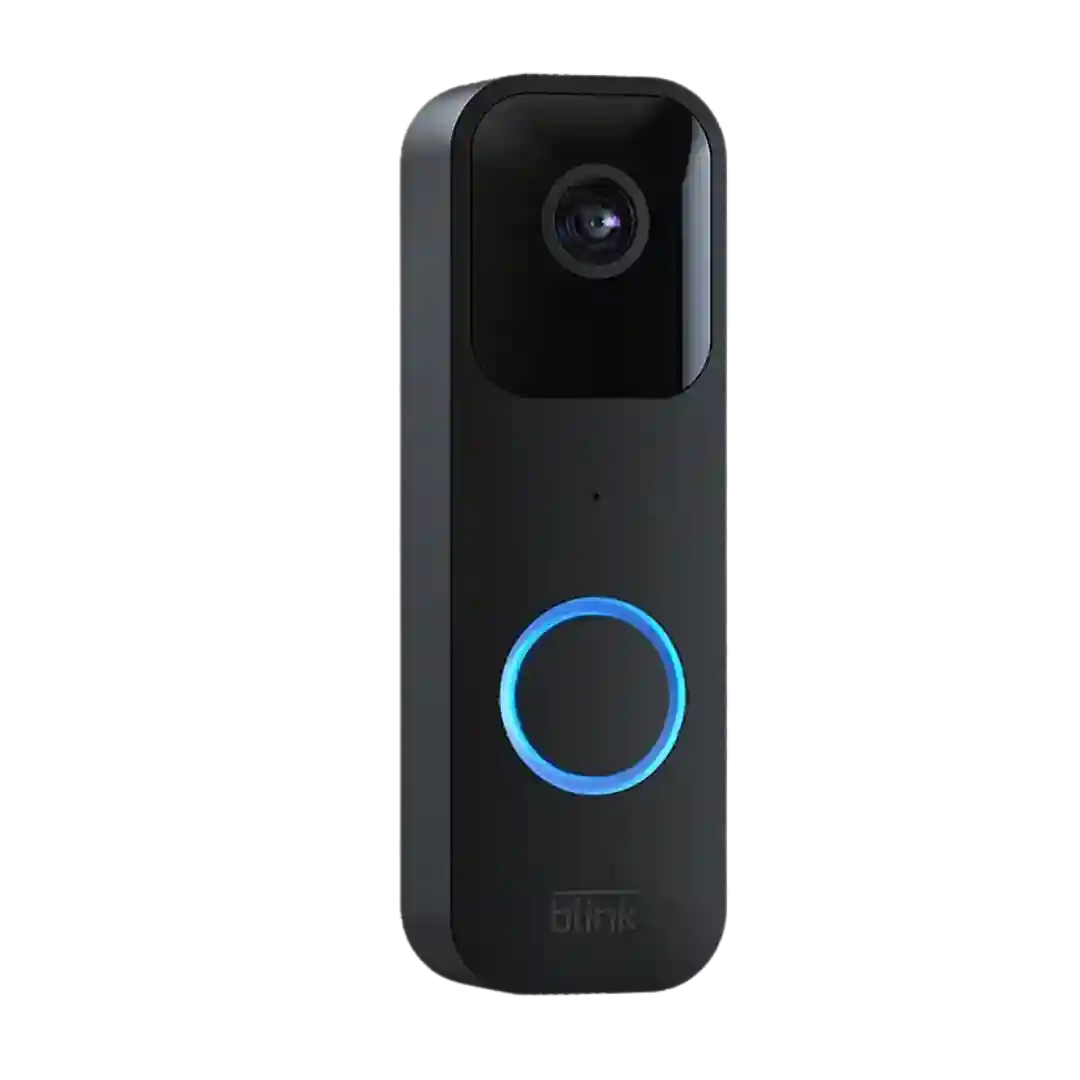
The Blink app is usually described as streamlined and beginner-friendly, with controls for video quality, IR intensity, clip length, and motion settings. Some reviewers mention that certain settings are a bit hidden or the UI could be more intuitive.
Reviewers generally describe the Eufy Security app as feature-rich and straightforward to set up, with lots of toggles for alerts, zones, lighting, and responses. A minority reported UI complexity or occasional stutters/freezes when opening live view, suggesting the experience can vary by device/network.
Setup is repeatedly described as simple (QR-based pairing) and the app as feature-rich with many settings. Most reviewers find it easy to use, while one notes the depth of menus can feel less user-friendly because there are so many submenus and options.
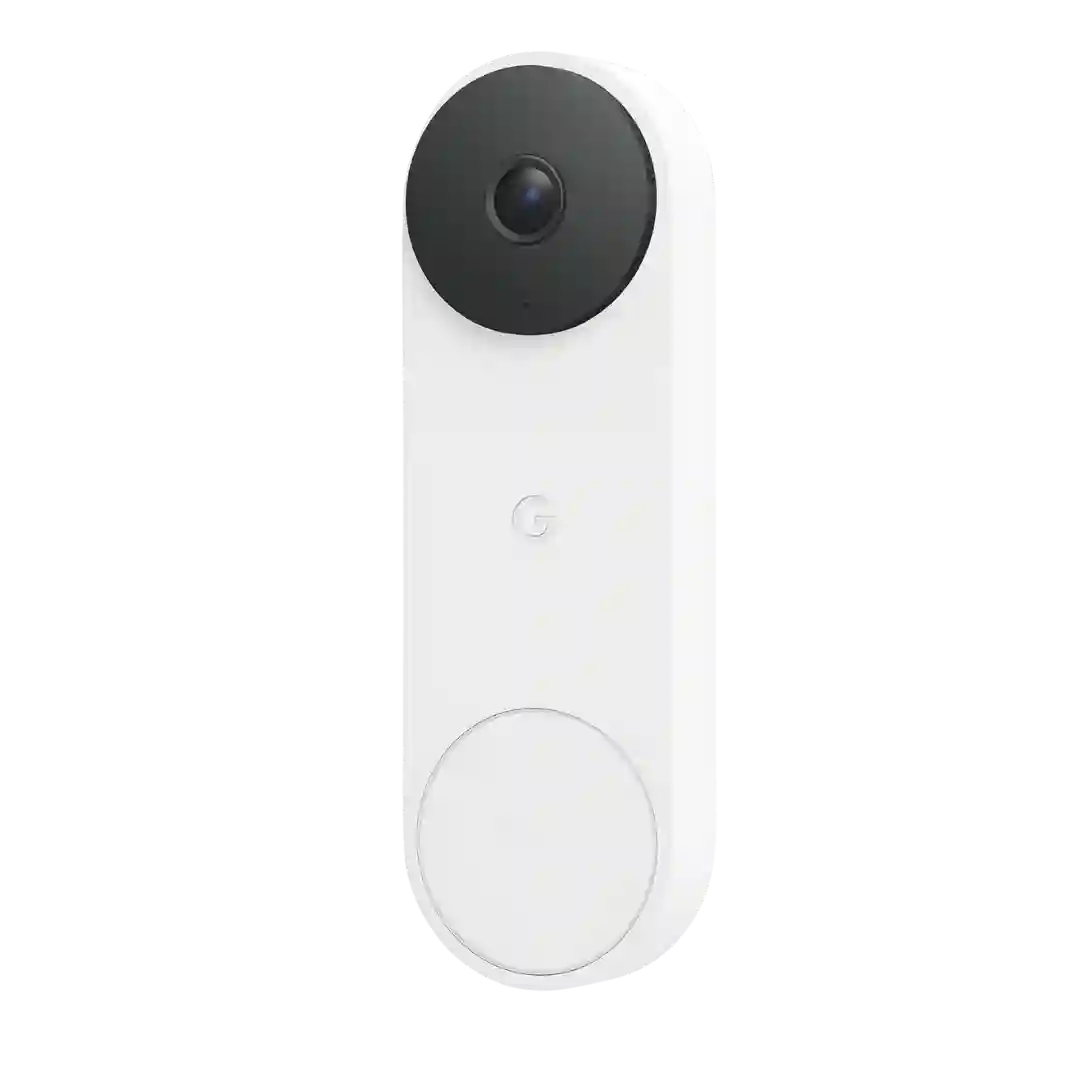
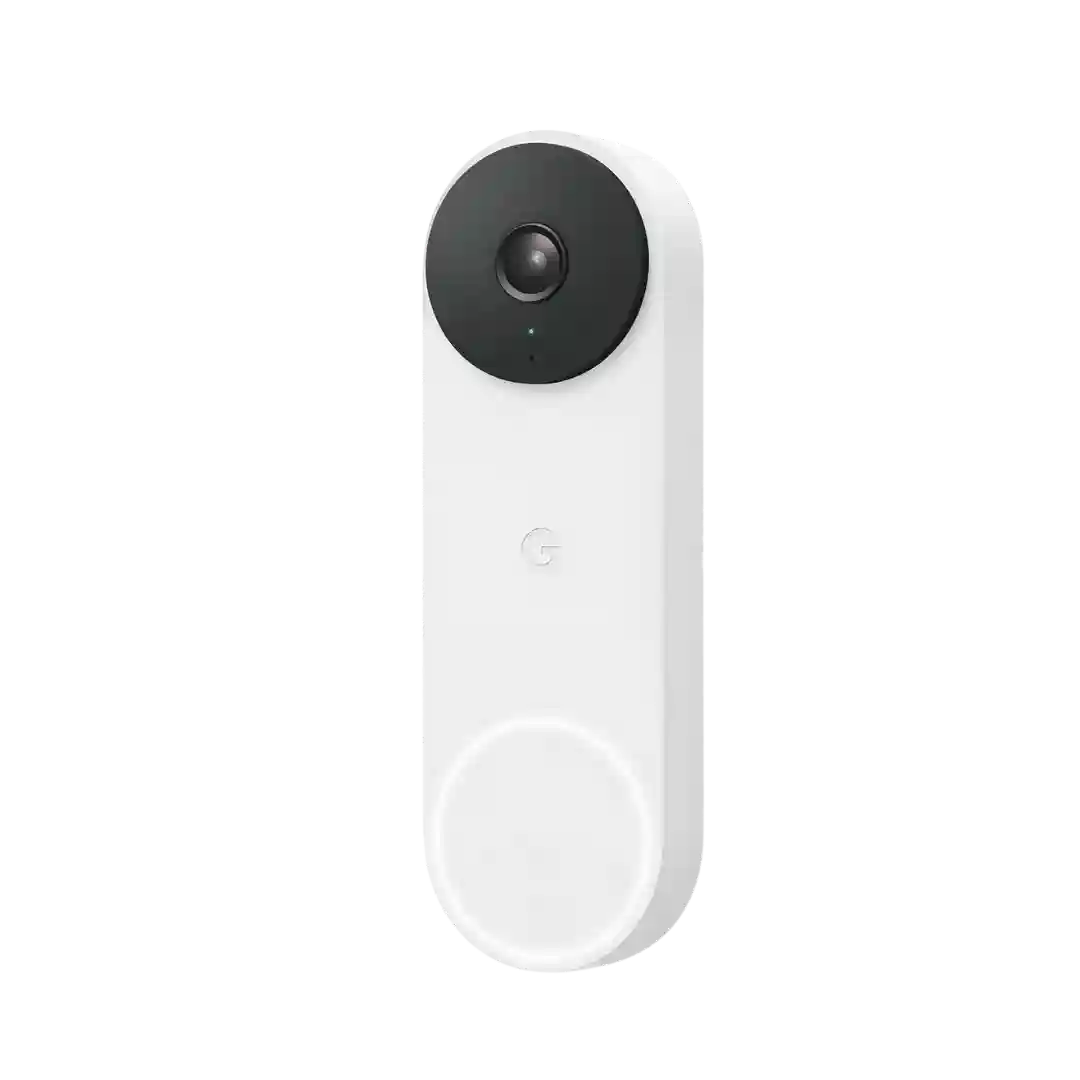
Setup and daily use in the Google Home app are generally easy, but several reviewers call out that some settings are nested or confusing and that automation/routine capabilities can be limited depending on platform.
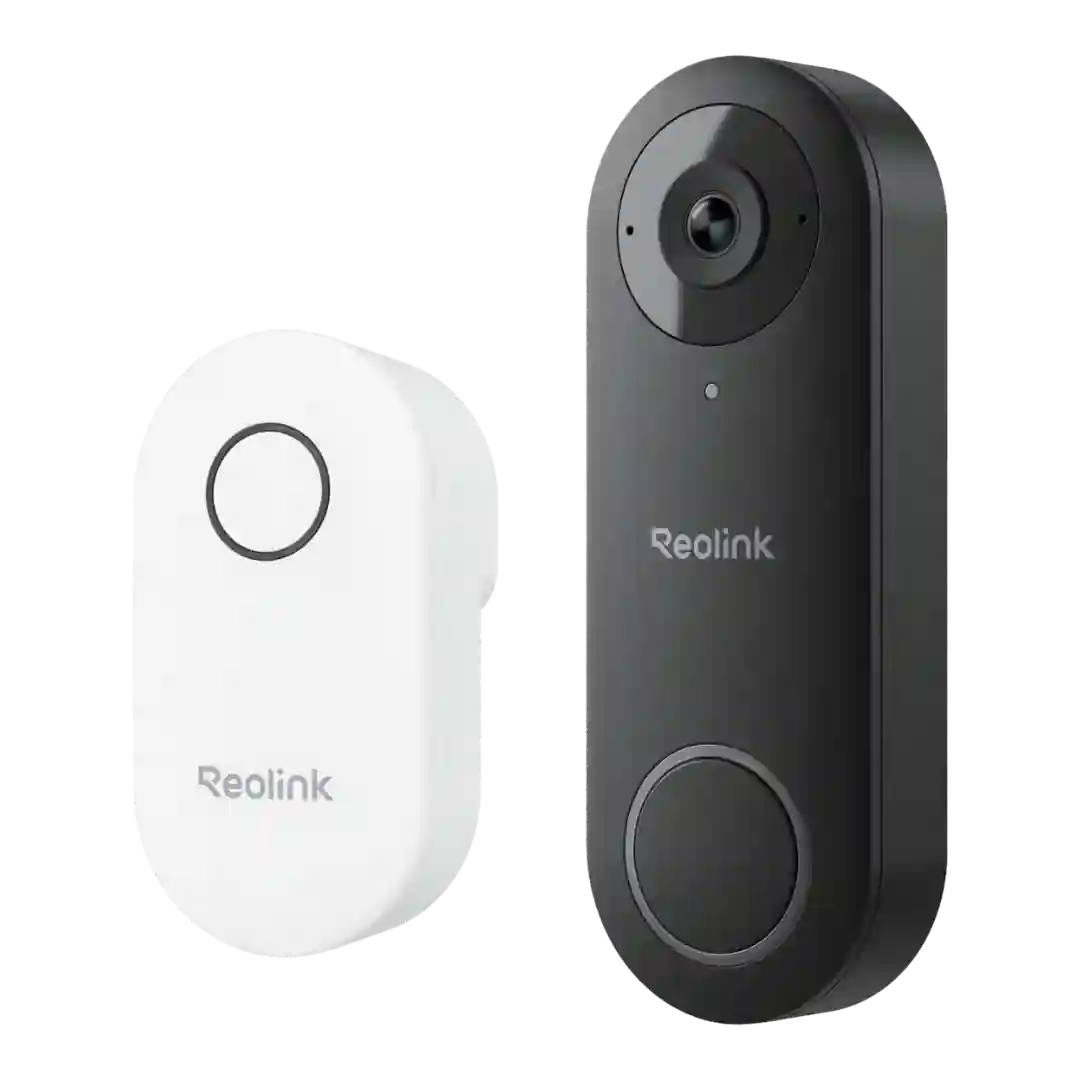
Across sources, the Reolink app is described as straightforward and feature-rich (live view, playback, zones, schedules, quick replies), with many reporting stable performance; a few mention minor UX quirks such as confusing flows, slow loads in some conditions, or a doorbell-press screen that should jump to live view.
The Eufy Security app is described as straightforward to set up and feature-rich (modes, recording length, zones, tones). A recurring theme is that settings choices (especially notification style) materially change responsiveness.
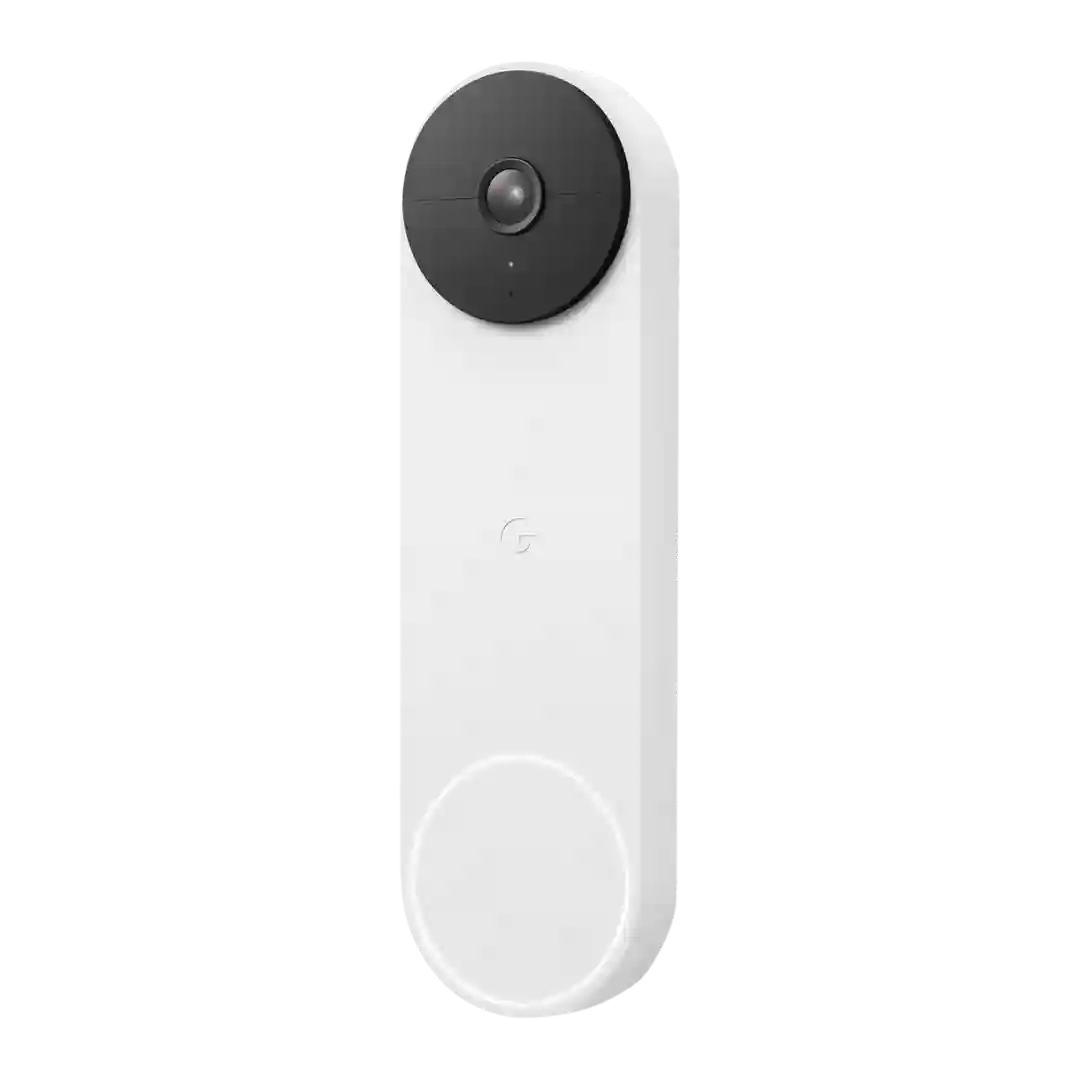
The experience is centered on the Google Home app (not the Nest app). Most reviewers like the cleaner UI and setup flow, but some criticize missing customization (like notification tones) and occasional app hiccups or reconnect delays.
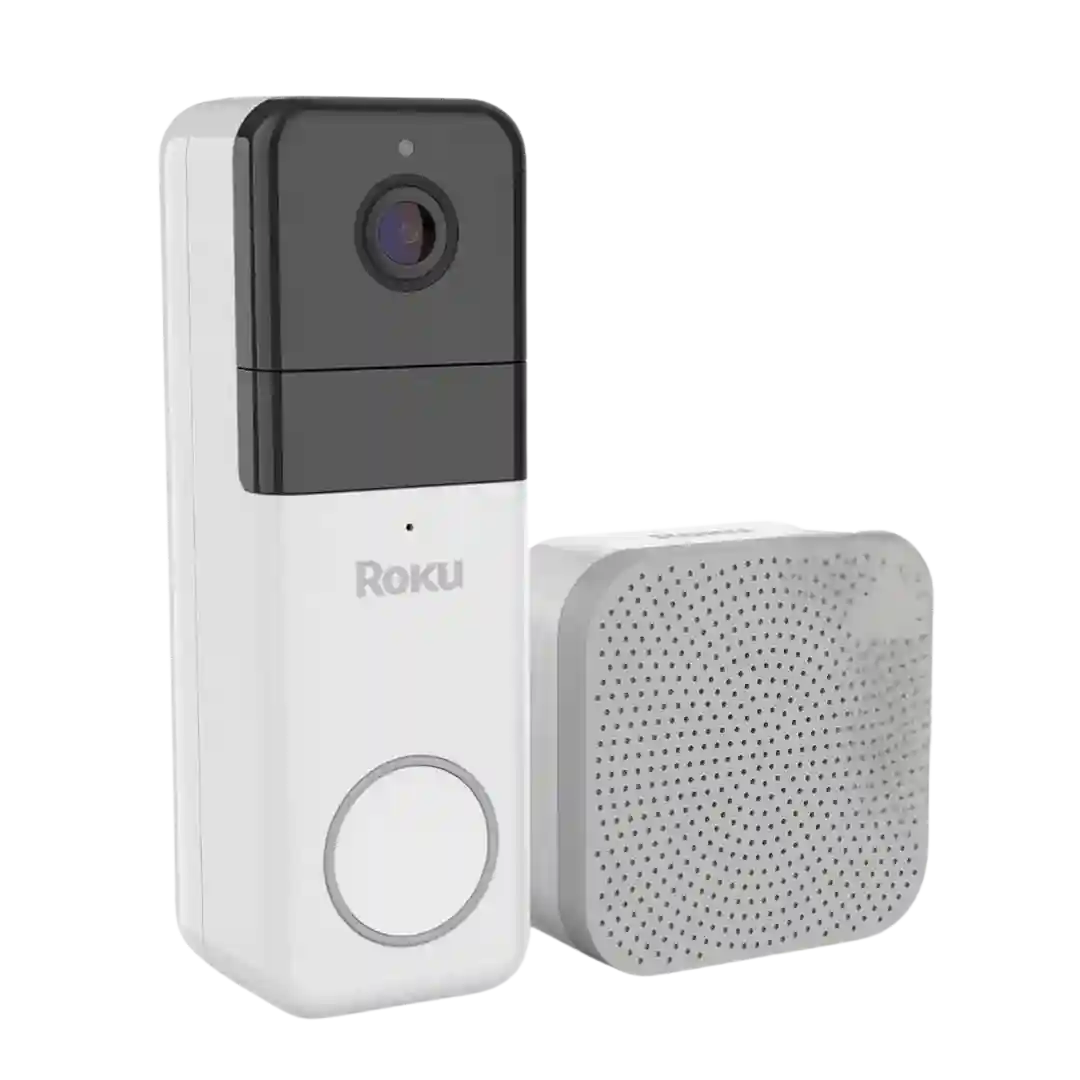
The Roku Smart Home app is described as guided and easy for setup, with clear access to live view, events, and many settings. One review notes some setup guides miss minor details, but overall usability is praised.
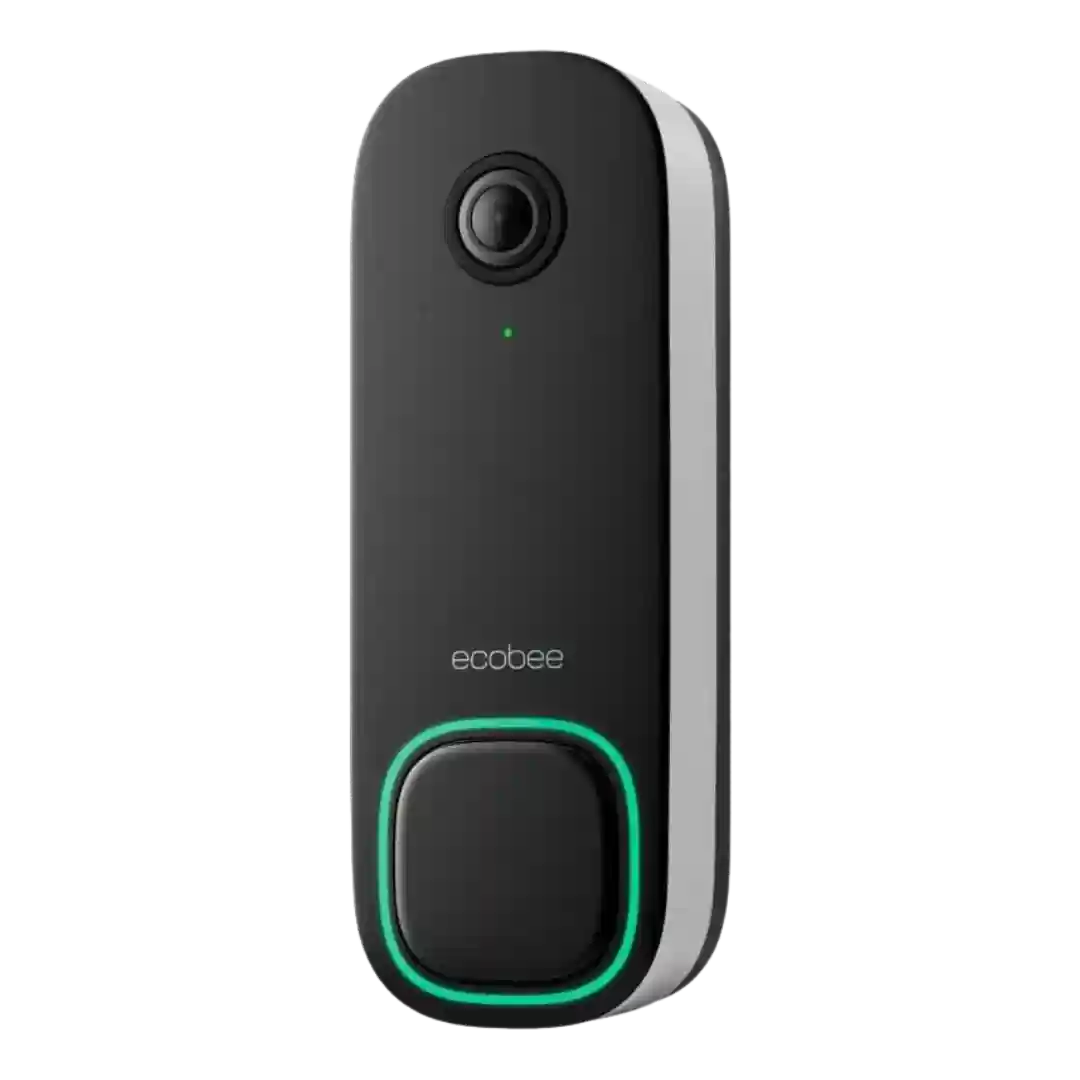
The Ecobee app is generally described as clean, easy to navigate, and helpful during setup, with strong device controls. However, a few reviewers report occasional live-view loading errors, slow clip downloads, or Apple Home preview quirks.
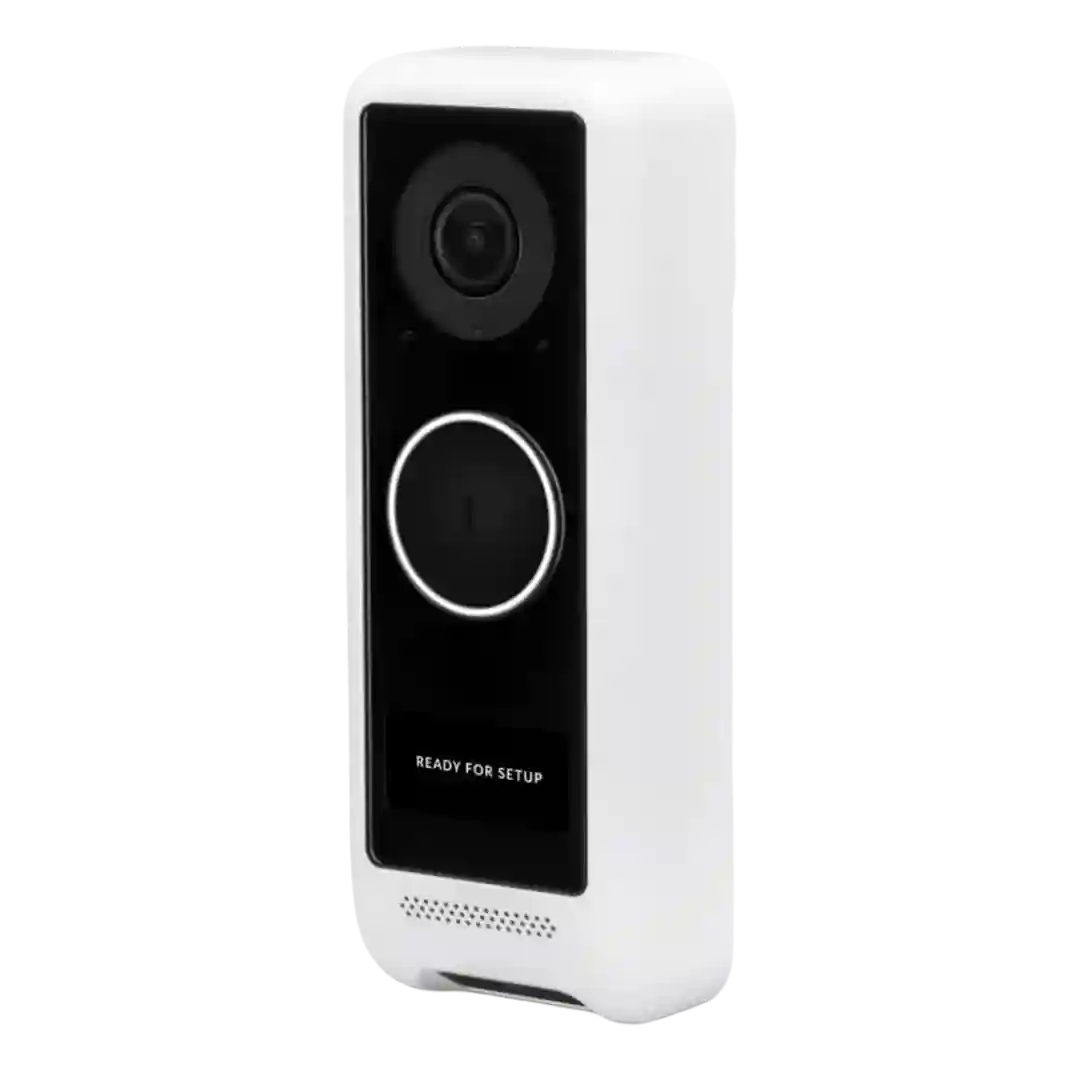
UniFi Protect is praised for enterprise-style controls, responsive timeline scrubbing (especially with SSD storage), and robust camera settings. Critiques include missing or inconsistent features across versions, occasional bugs, and limitations like talkback not being available in the web interface in some experiences.
Ring app offers deep controls, timelines, filters, and device linking; power users like it, while newcomers may find it busy and zone editing can feel fiddly.
The Ring app is widely described as intuitive and feature-rich, with clear setup and deep settings (modes, zones, schedules). A minority complaint is extra friction versus simpler ecosystems and occasional UX annoyances around how live view is accessed.
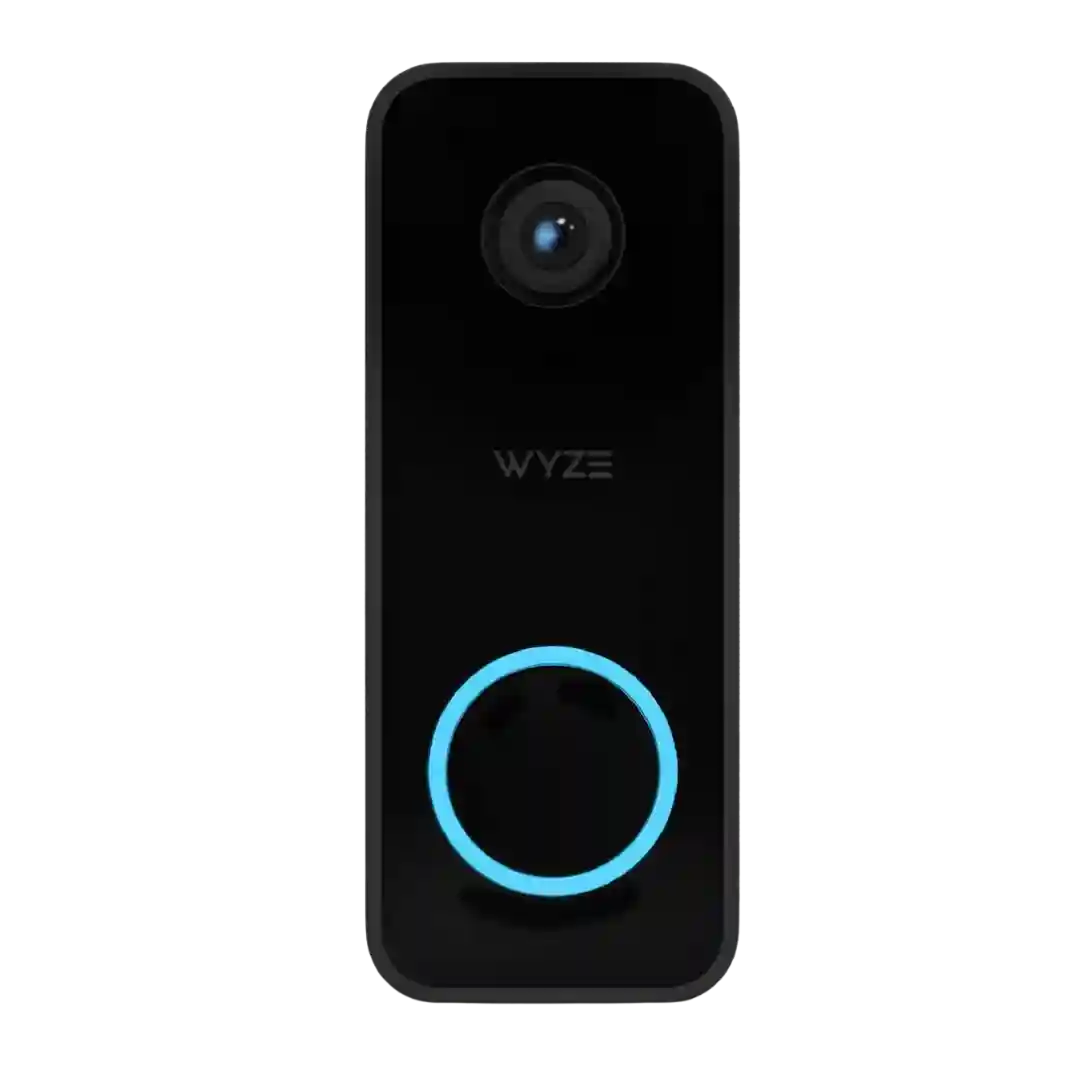
The Wyze app is widely described as feature-rich and easy to navigate, but some reviewers report firmware/app quirks, hidden controls, or occasional glitchiness.
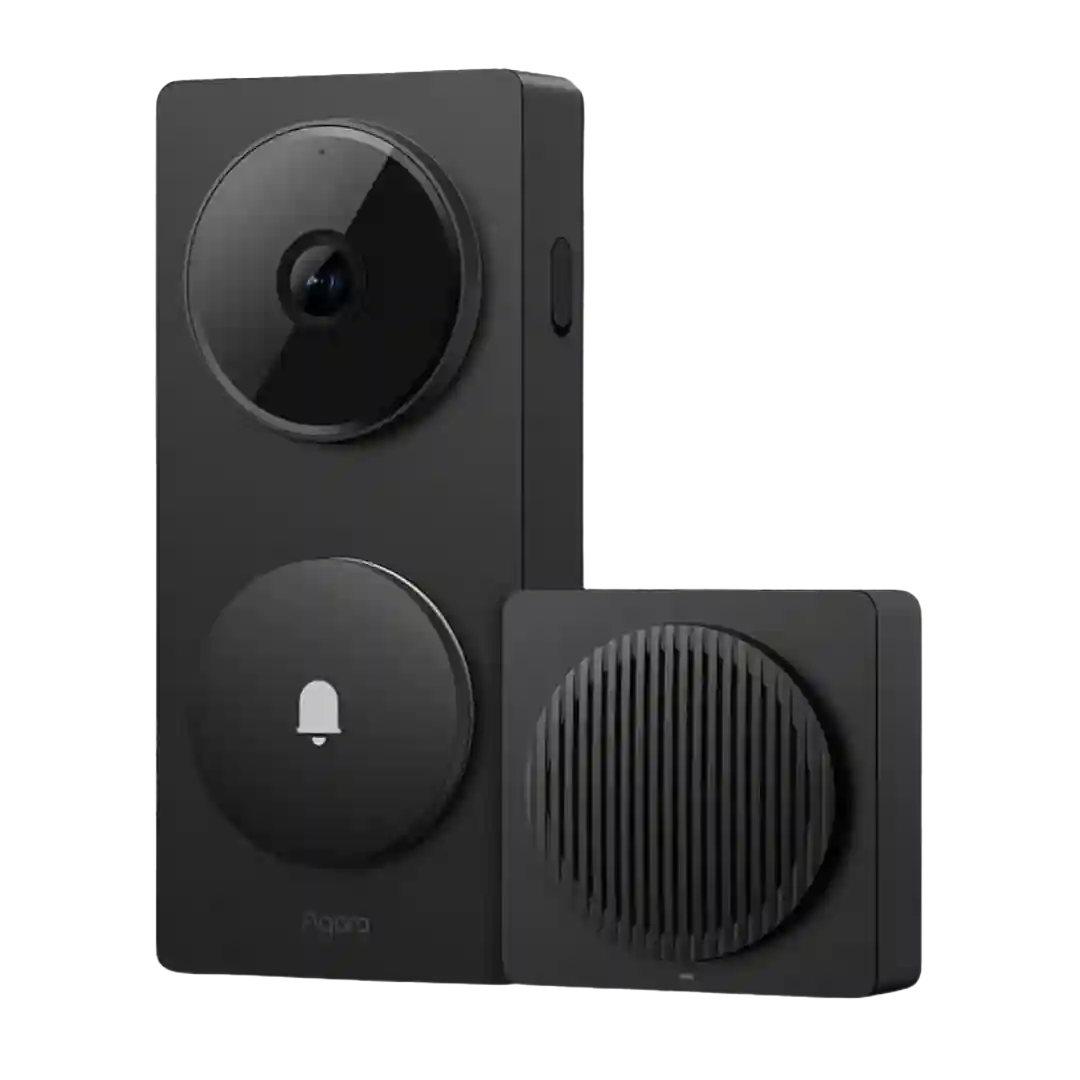
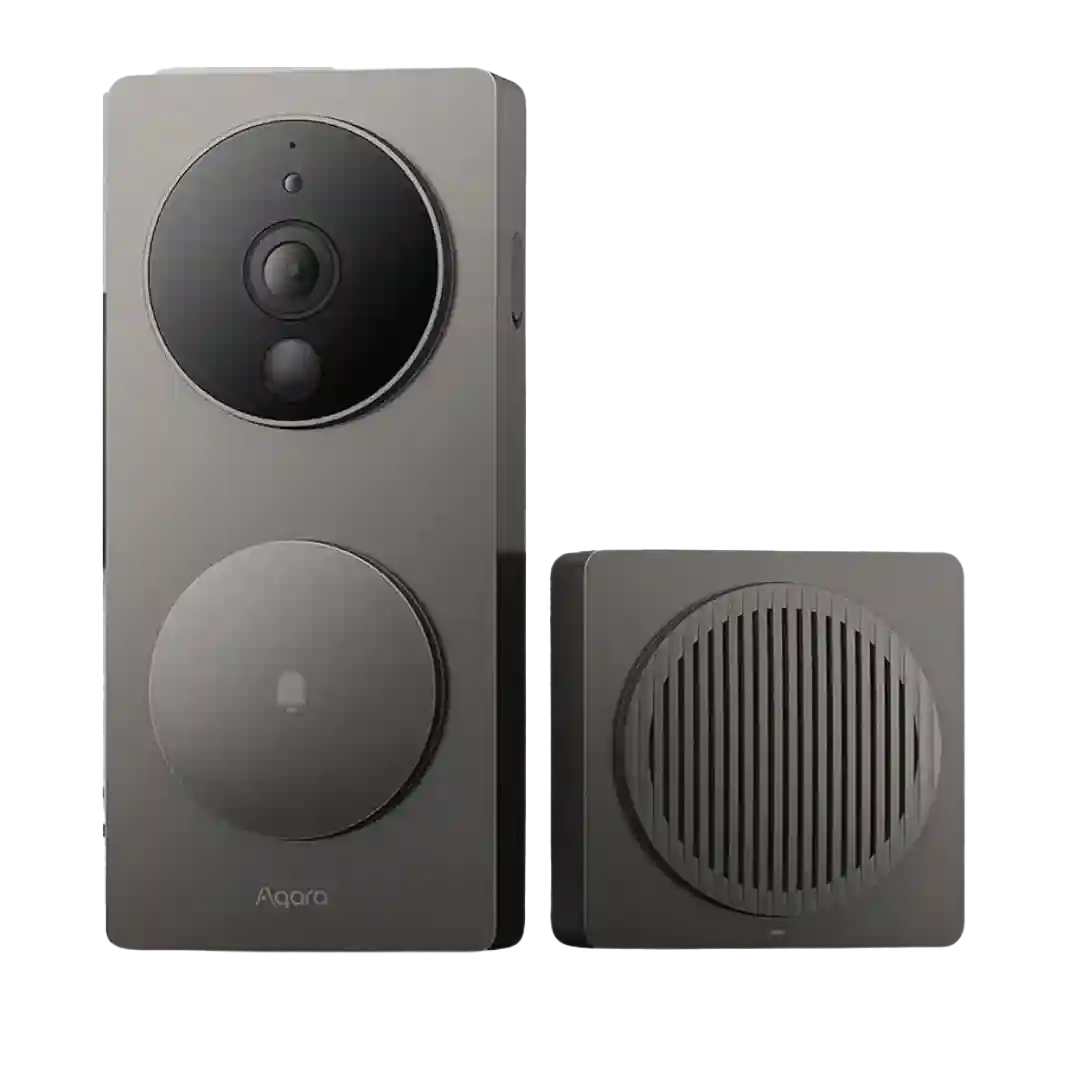
The Aqara app is frequently described as feature-rich with deep settings, storage controls, and automation tools. Opinions diverge on usability: some call it smooth and responsive, while others criticize cluttered menus, inconsistent gestures, and a steeper learning curve for advanced features like face training.
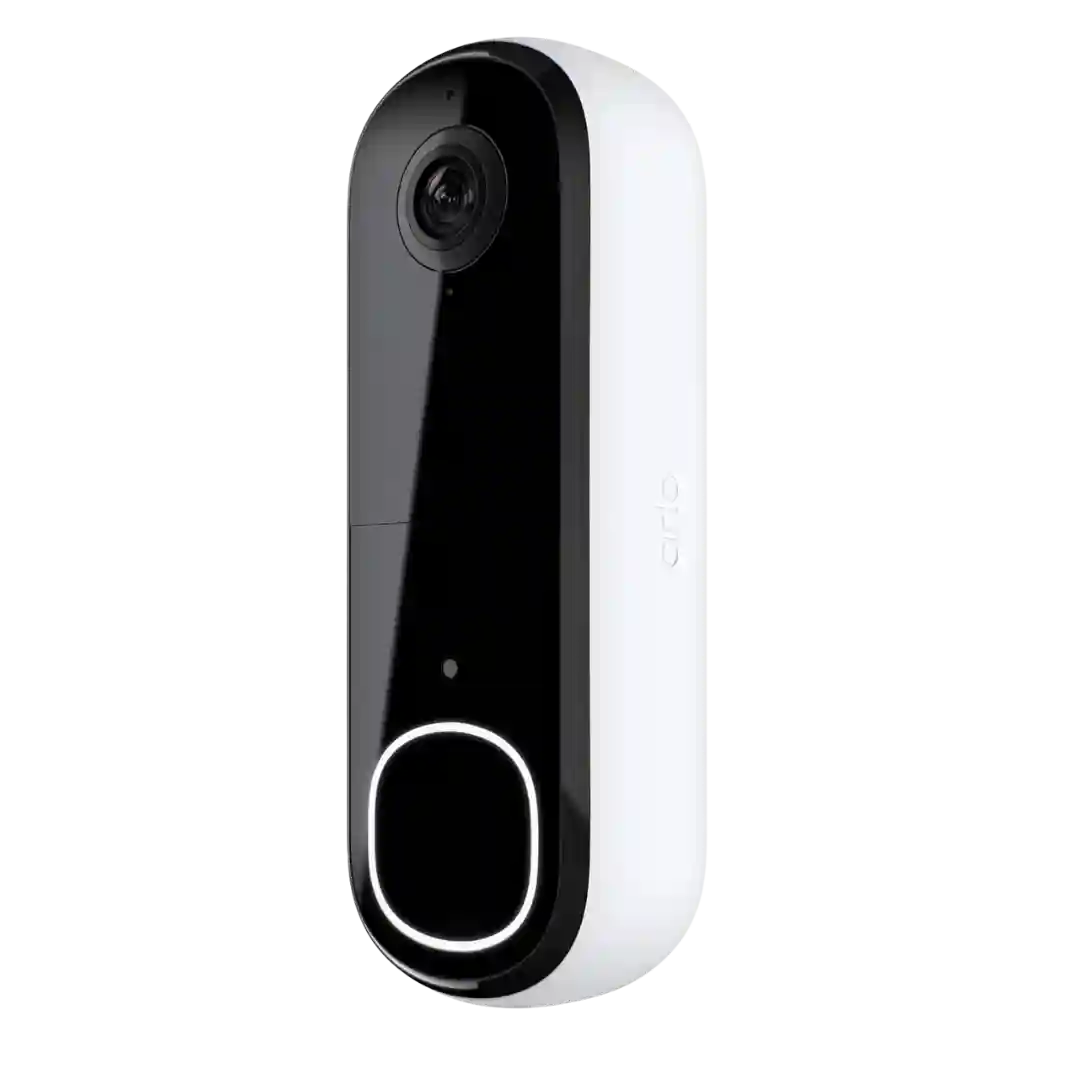
The Arlo Secure app is feature-rich (modes, settings, live view, snapshots), but it can have a learning curve and some reviewers report occasional hangs or glitches.
The app is often described as user-friendly with a dashboard, event history, and easy controls. However, some reviewers report quirks such as playback scrubbing glitches or being logged out, which can temporarily stop notifications until you sign back in.
Because everything runs through the Apple Home app, the experience is clean for HomeKit users, but reviewers miss richer playback management, sorting, and deeper controls found in dedicated doorbell apps.
The Wyze app is widely seen as straightforward with useful settings (timeline, zones, responses, DND), though SD playback navigation can feel quirky and some features are subscription-gated.
The Aqara app is feature-rich, but reviews are split on polish. Some like the timeline and settings depth, while others report pairing friction with HomeKit, confusing playback management, and occasional connectivity or recording quirks.
The Blink app offers straightforward controls for zones, sensitivity, clip length, and night vision, and setup often includes automatic firmware updates. Some bugs or UI limitations are noted, such as inconsistent settings saves or limited battery status detail.