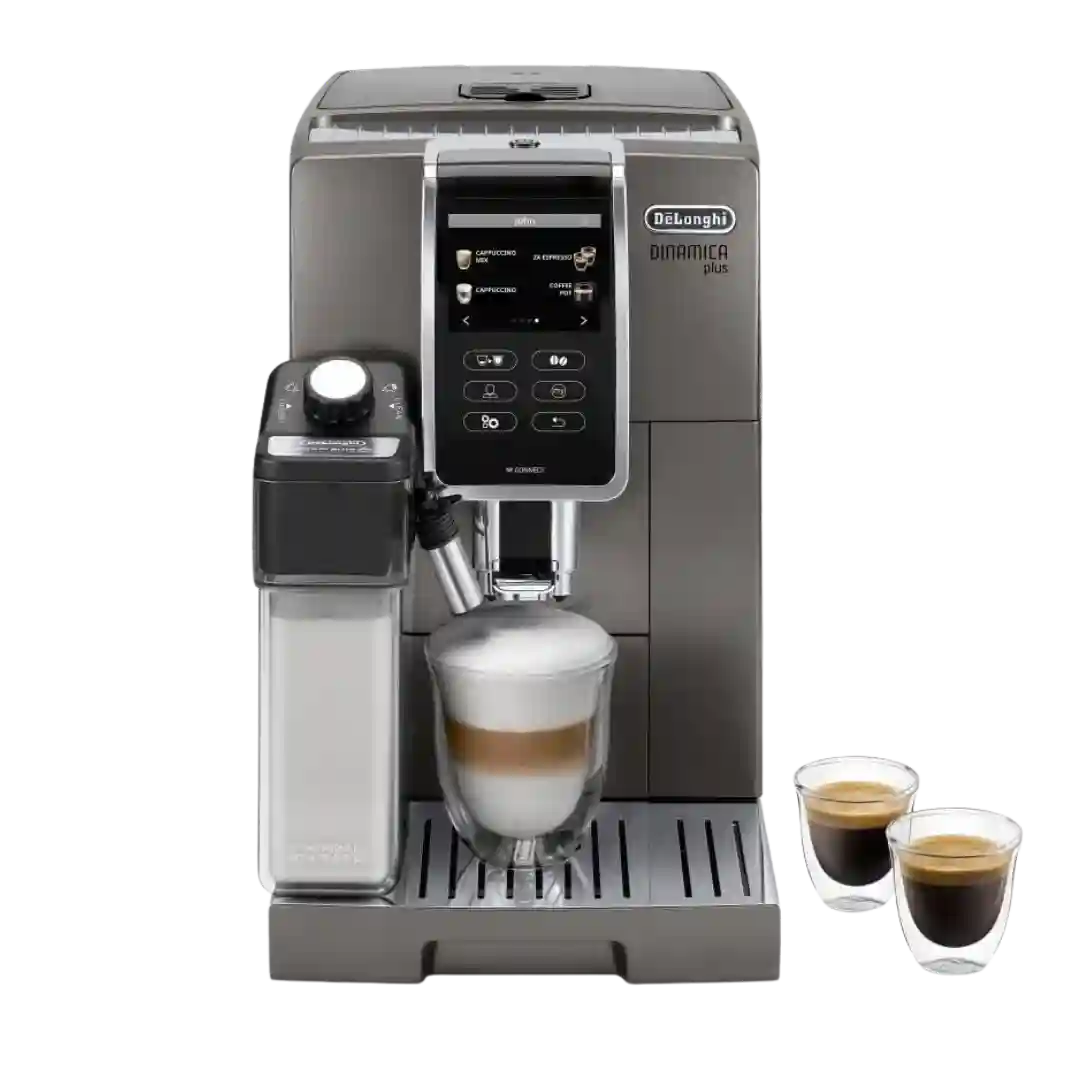
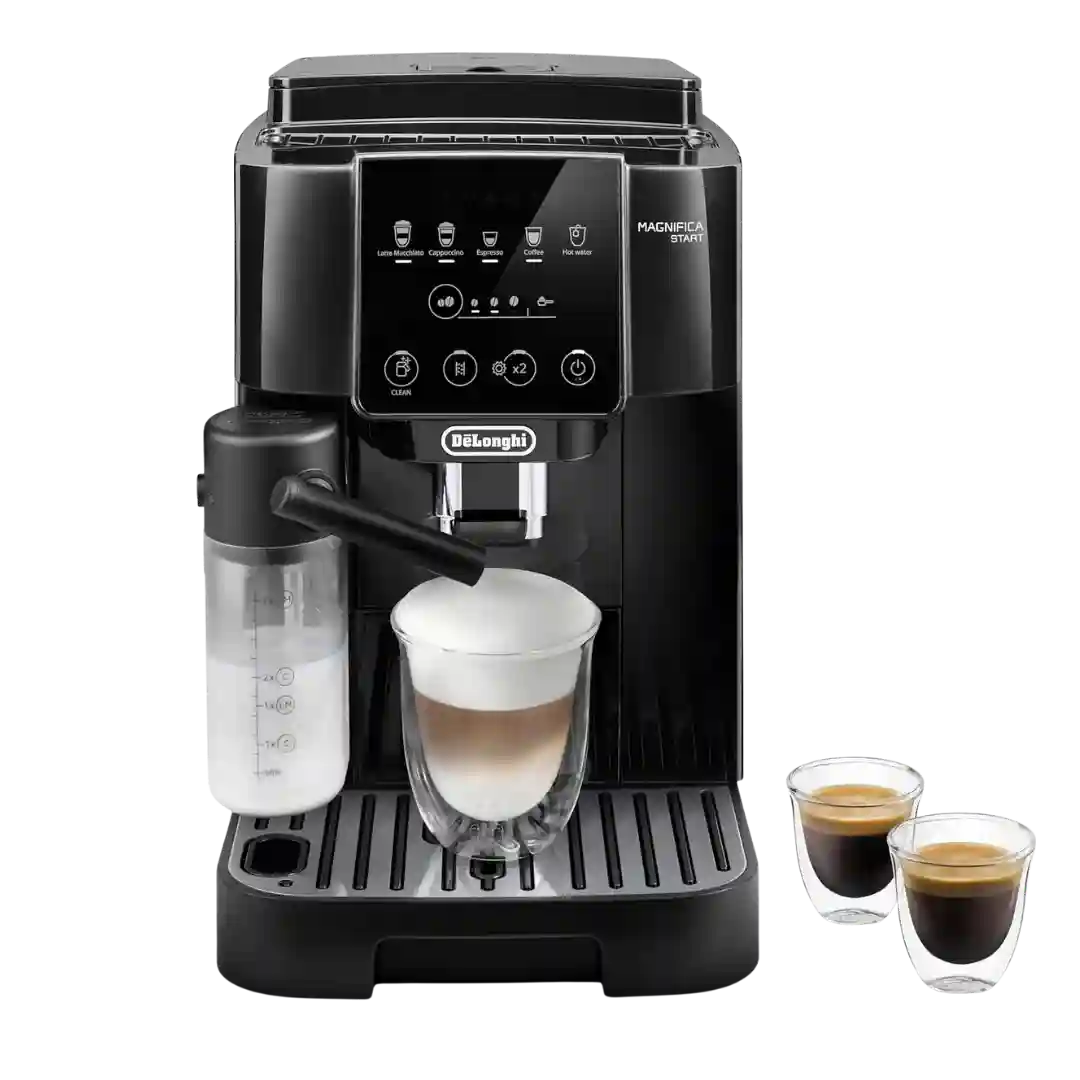
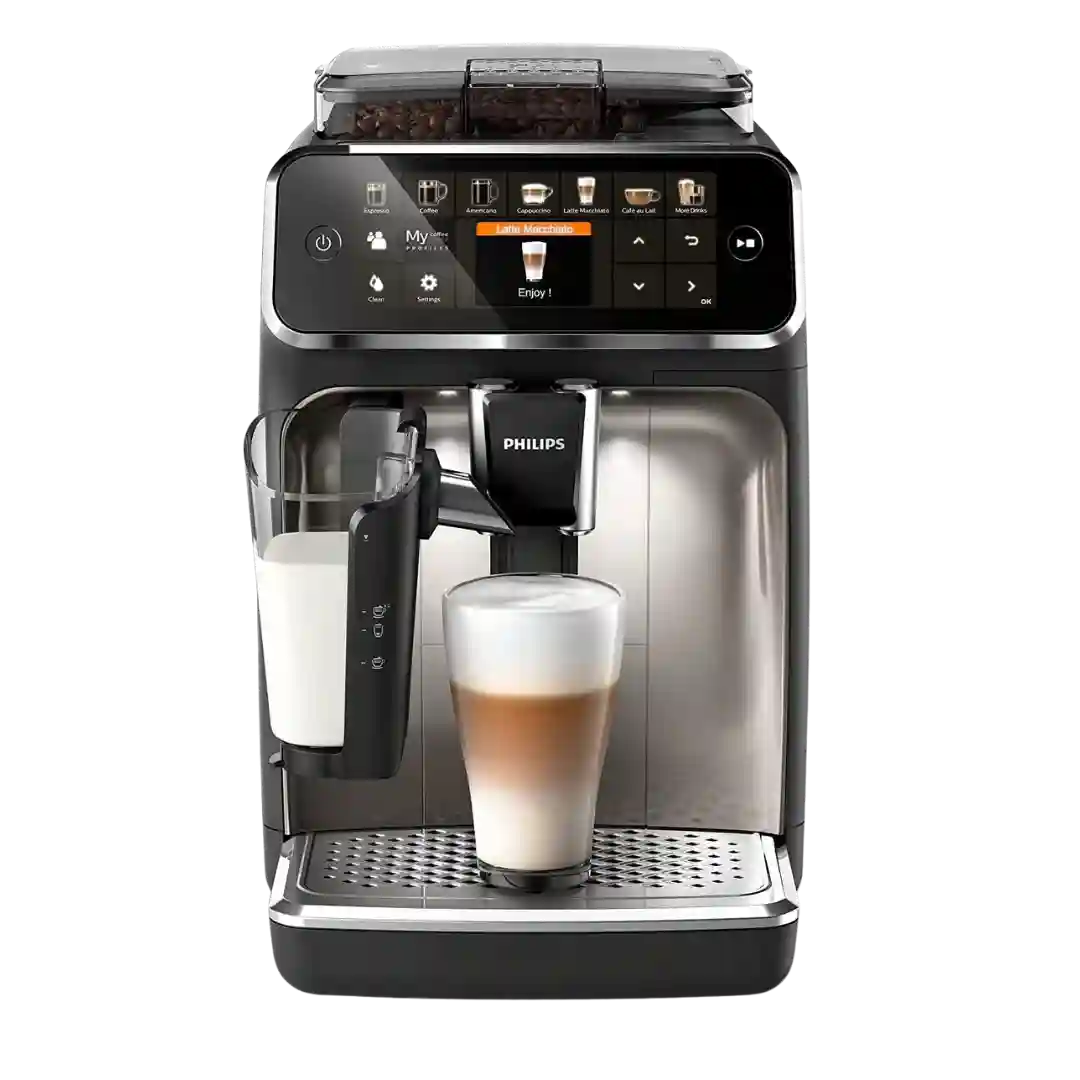
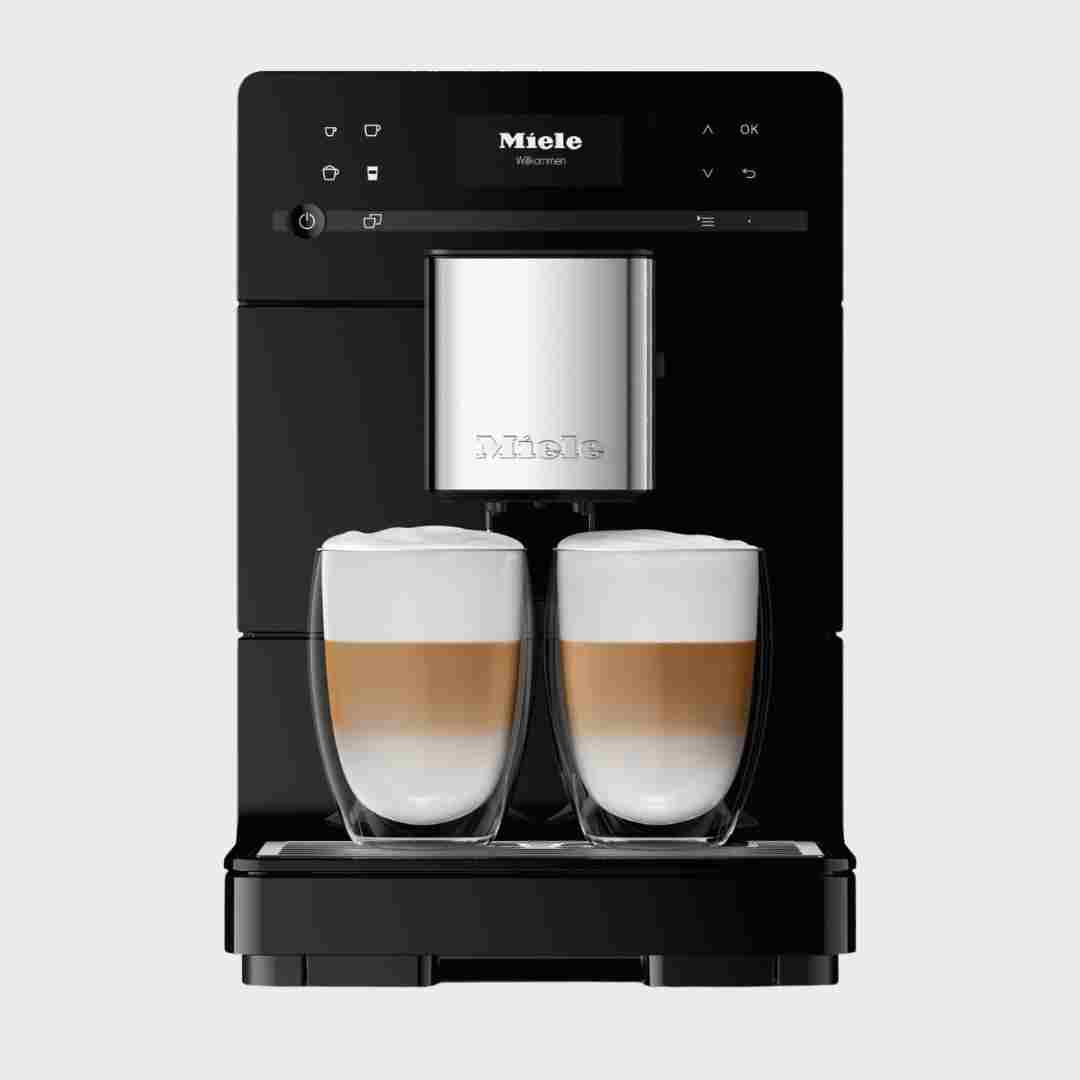
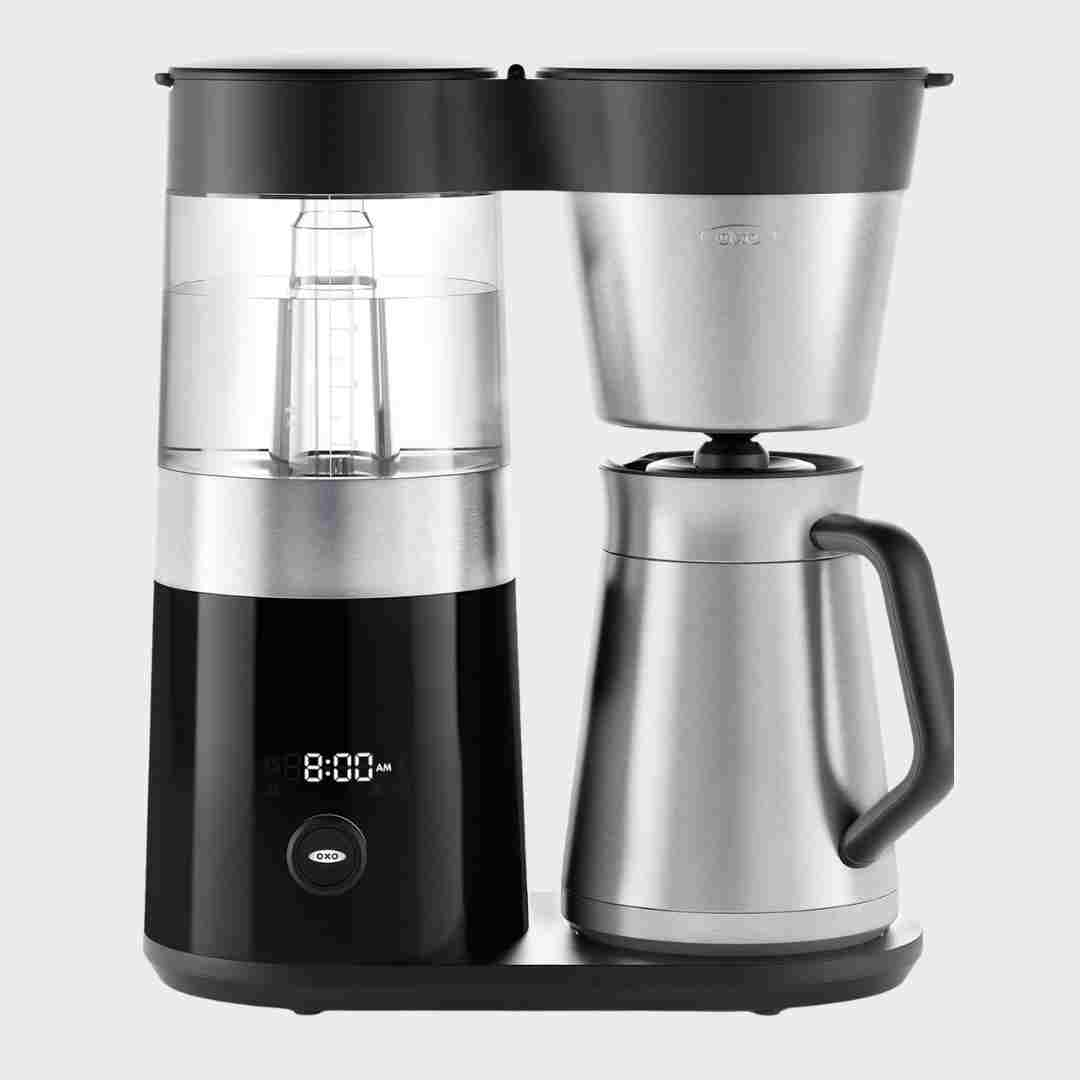
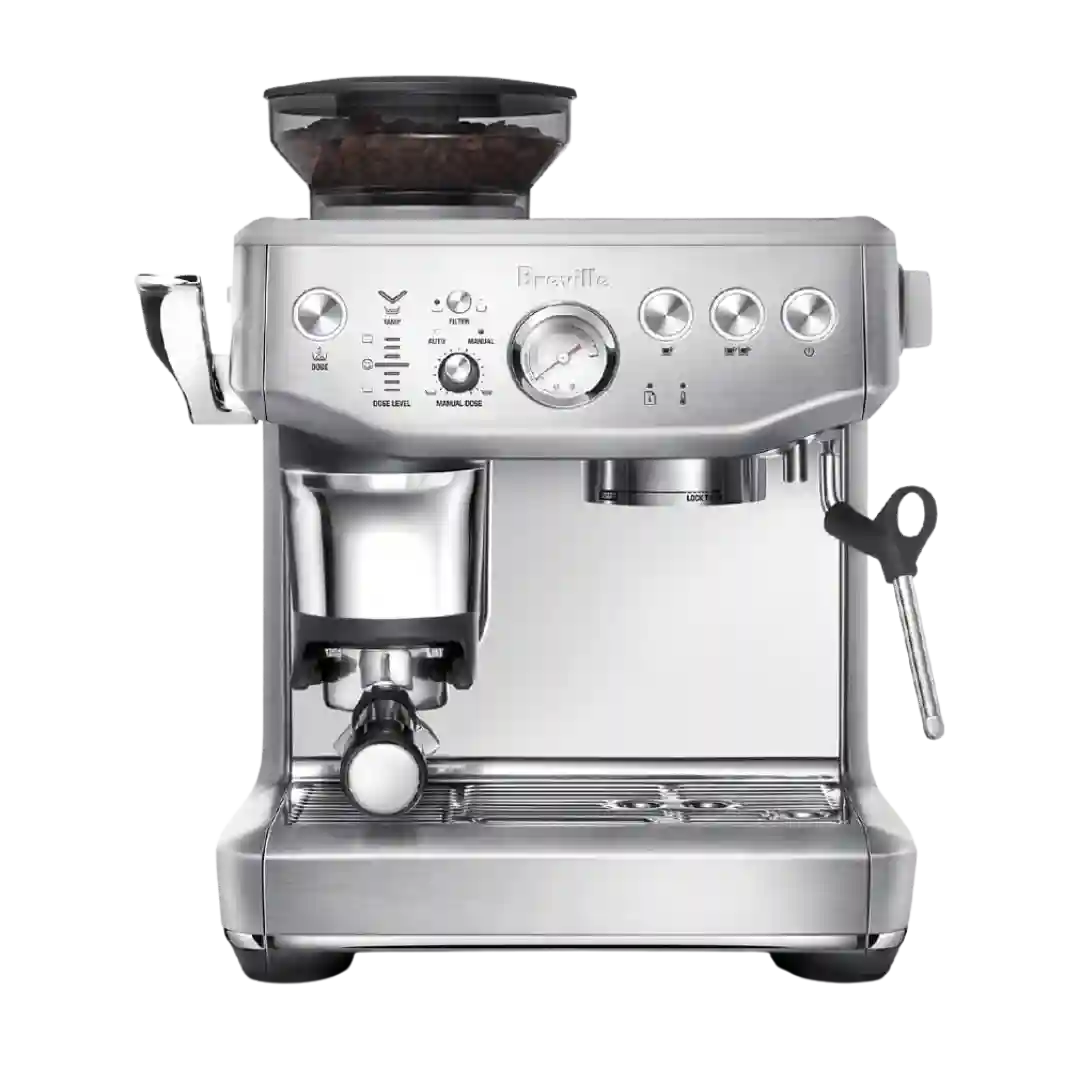
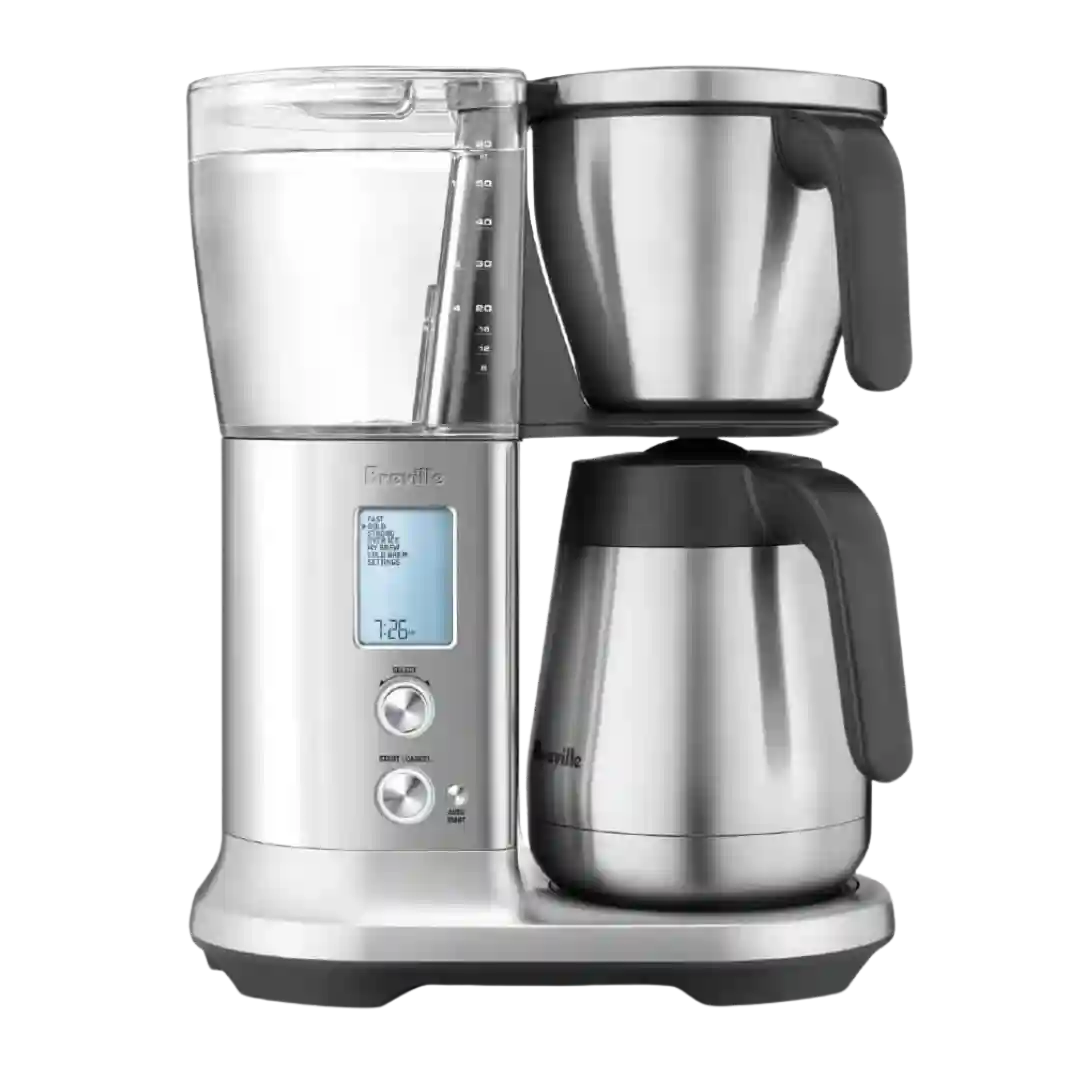
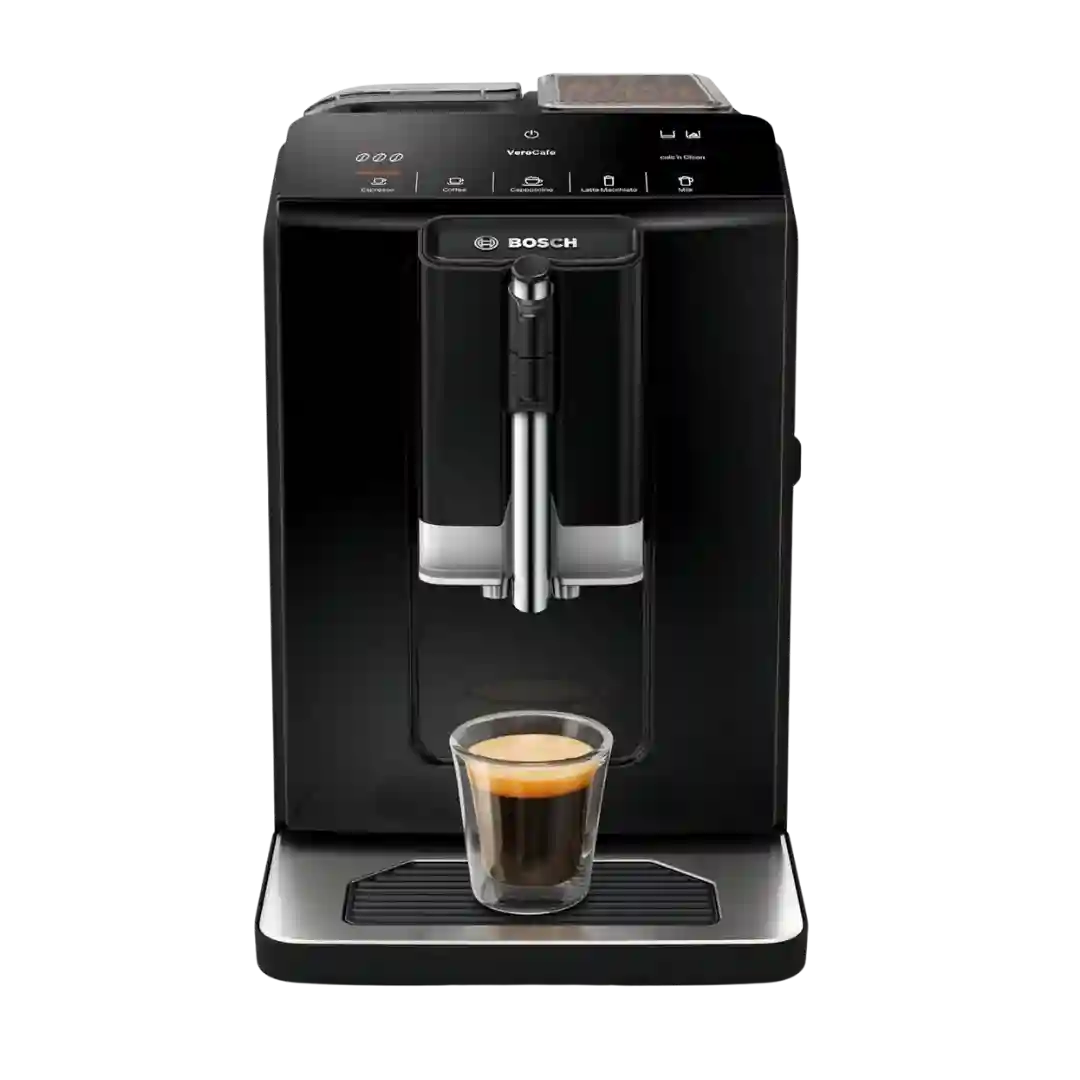
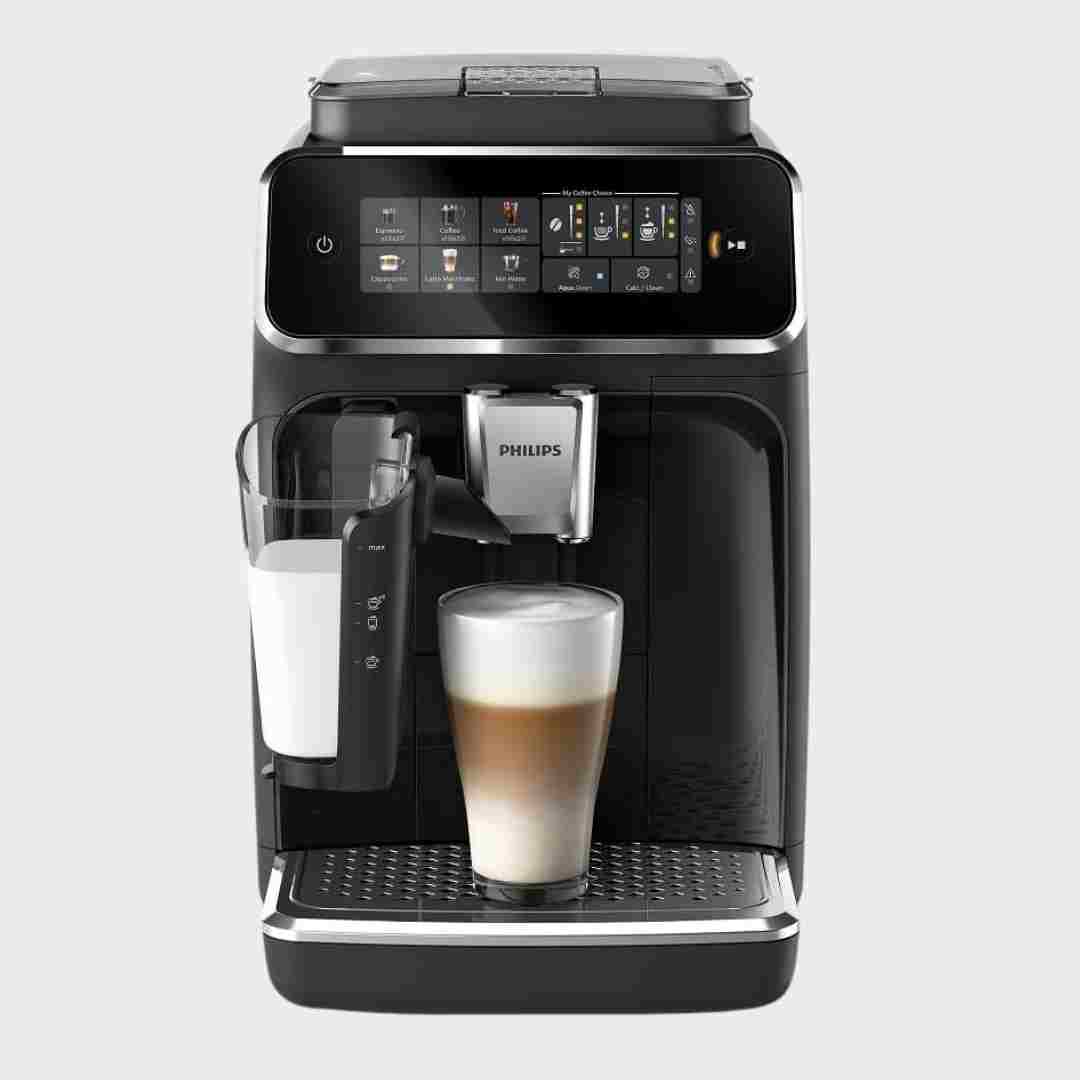
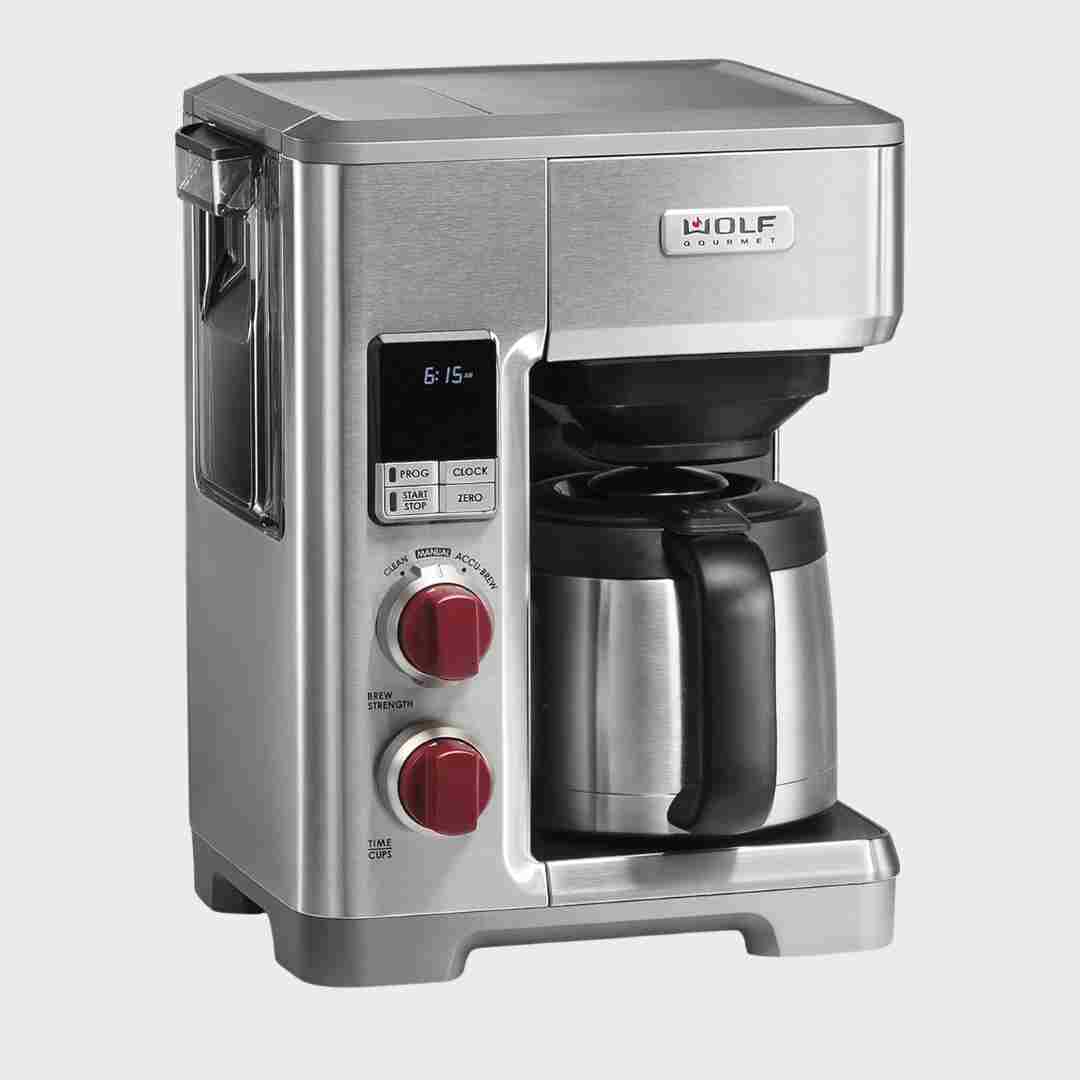
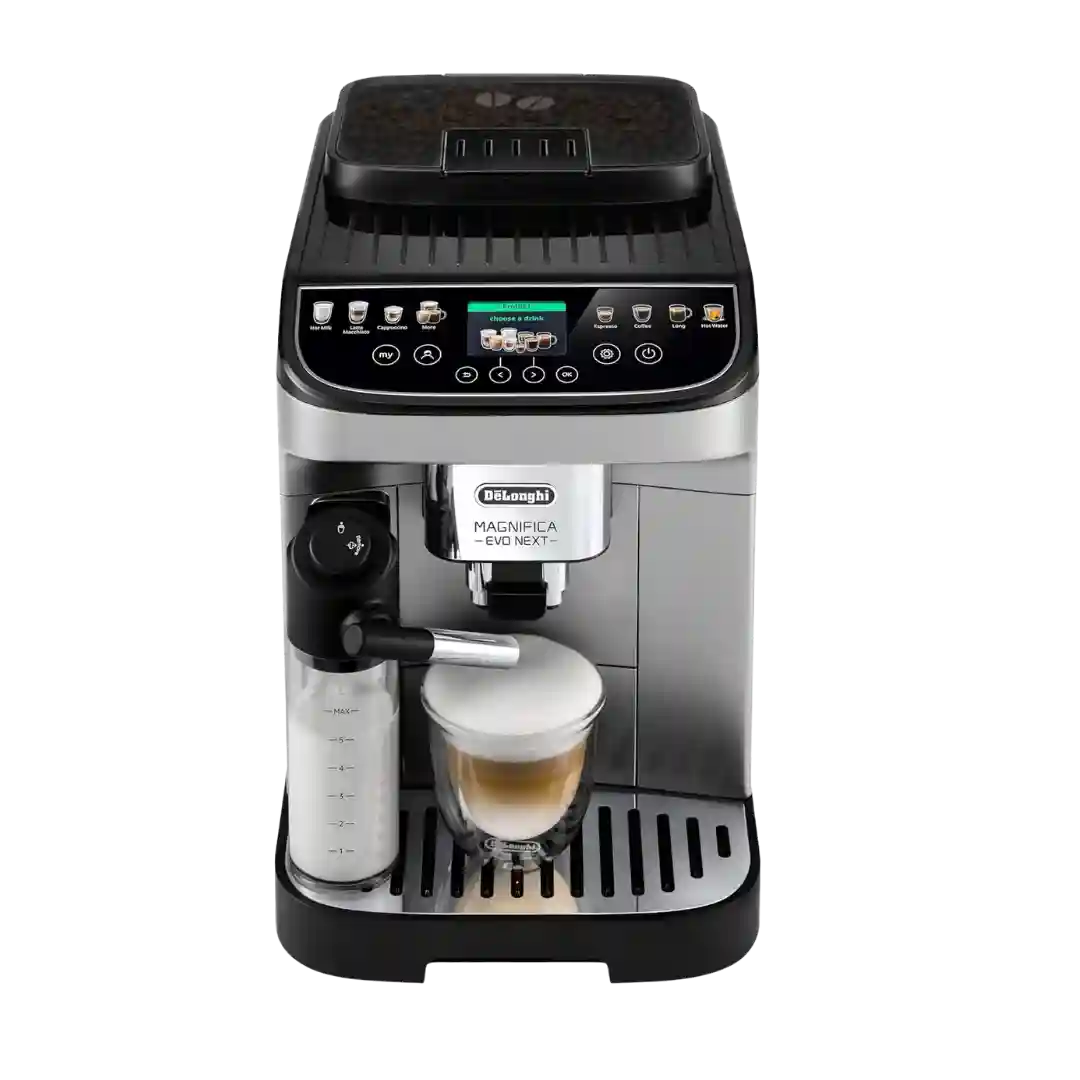
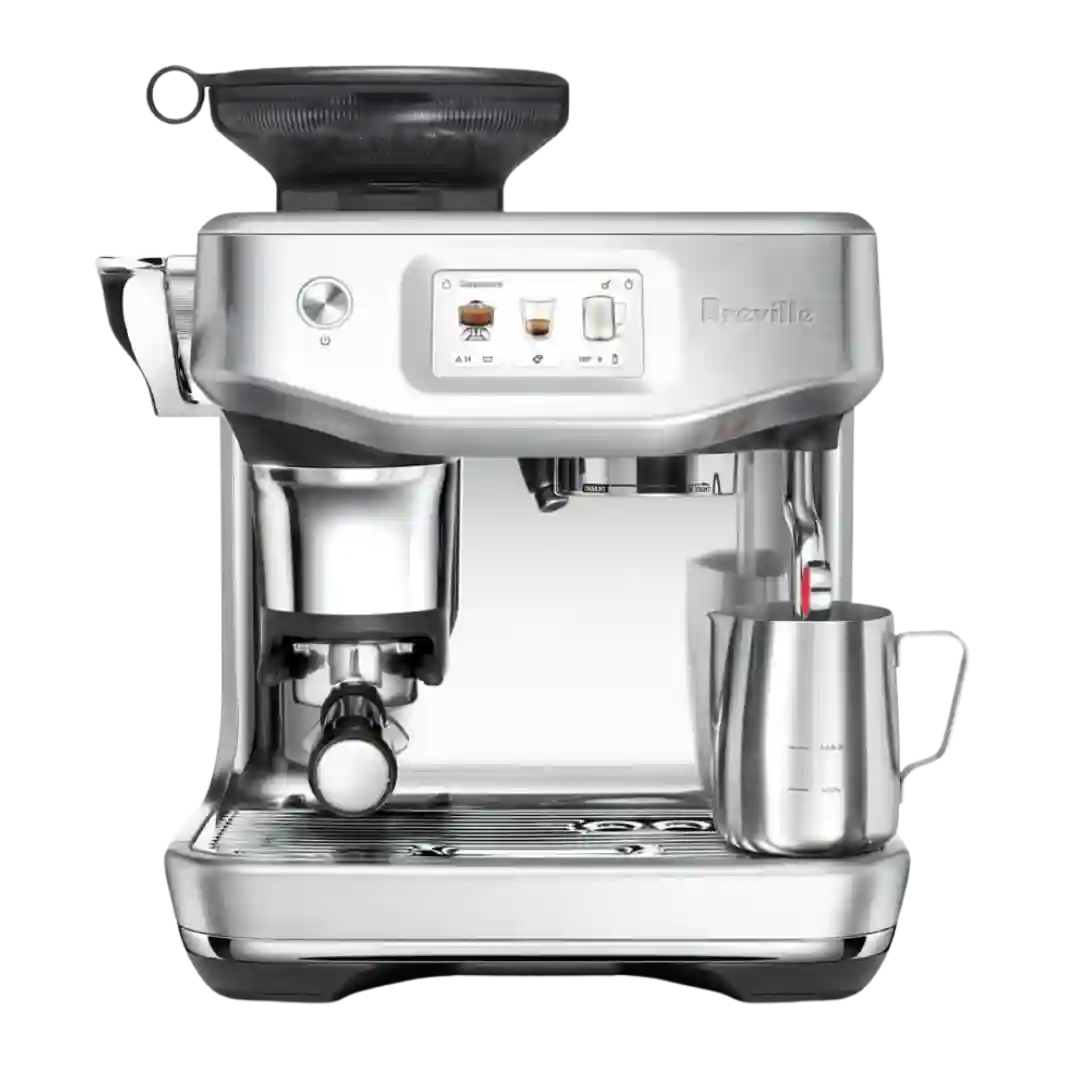
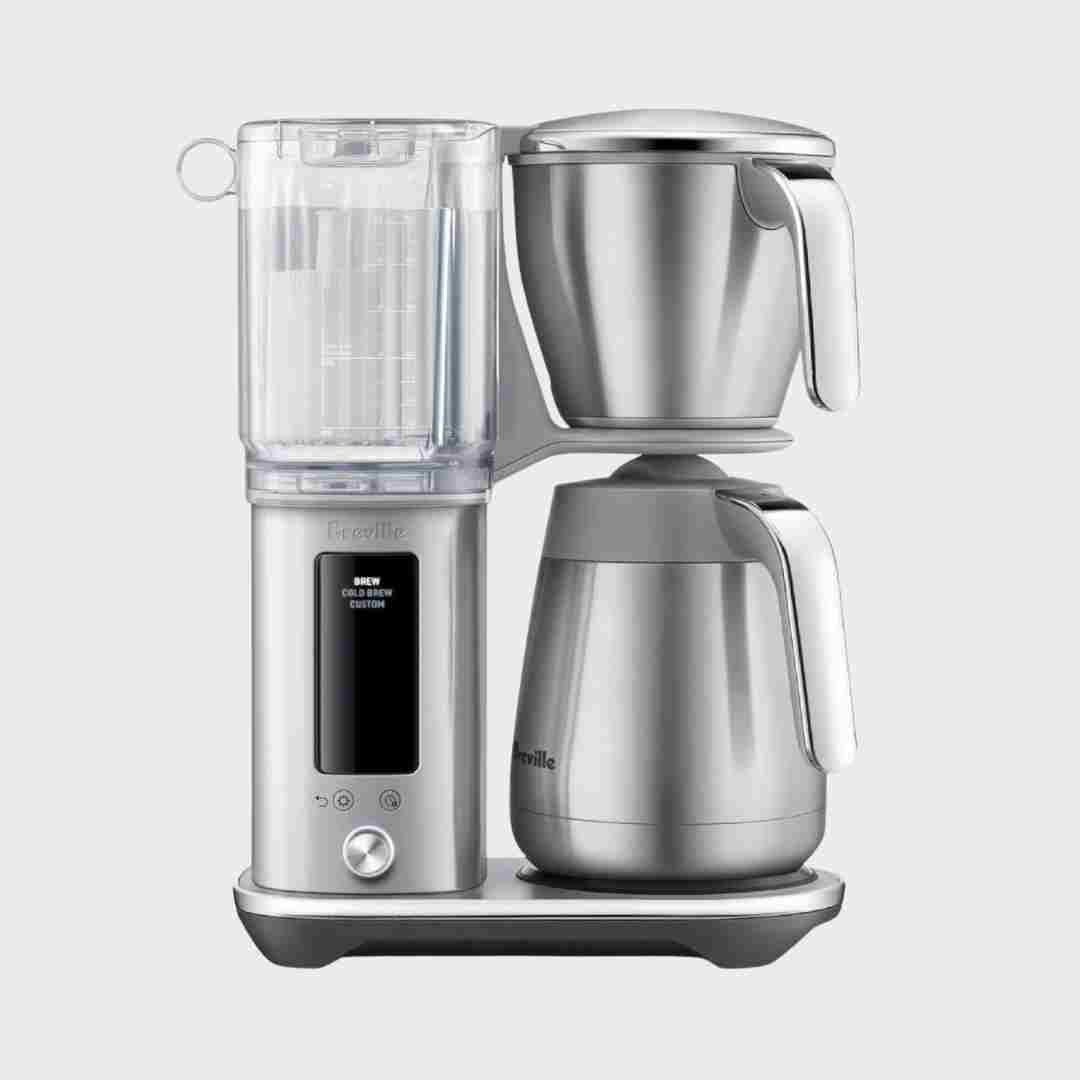
Setup is widely described as straightforward and guided, with the touchscreen walking you through first use. Reviewers generally report being able to start making drinks quickly without a steep learning curve.
Setup is commonly described as straightforward, with clear on-screen guidance and an approachable first-drink experience. Most reviewers treat it as easier than more manual machines, though espresso still rewards some learning.
Setup is repeatedly described as straightforward: fill the tank, add grounds or a pod, insert a battery, press start. Cleaning and packing away are also commonly described as easy.
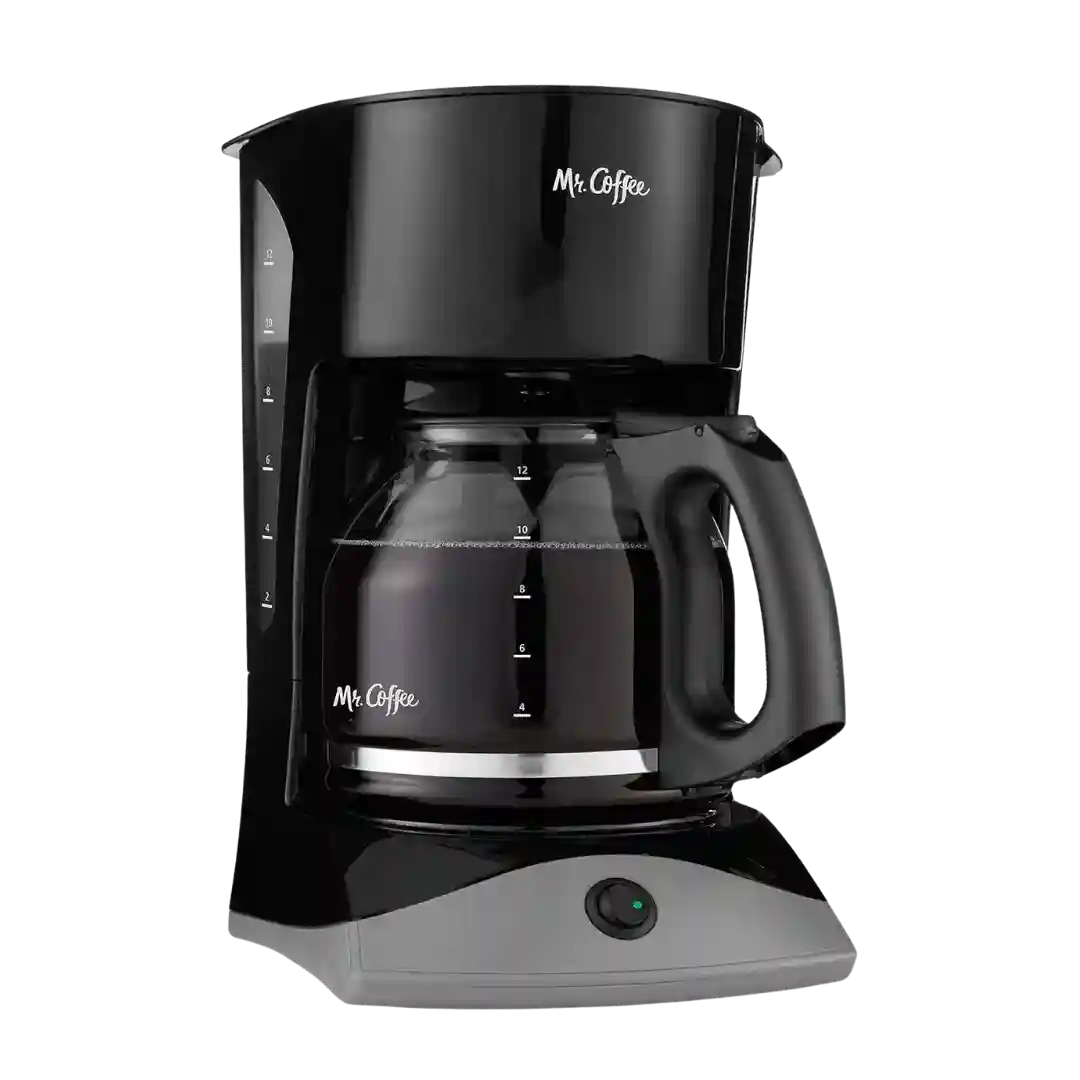
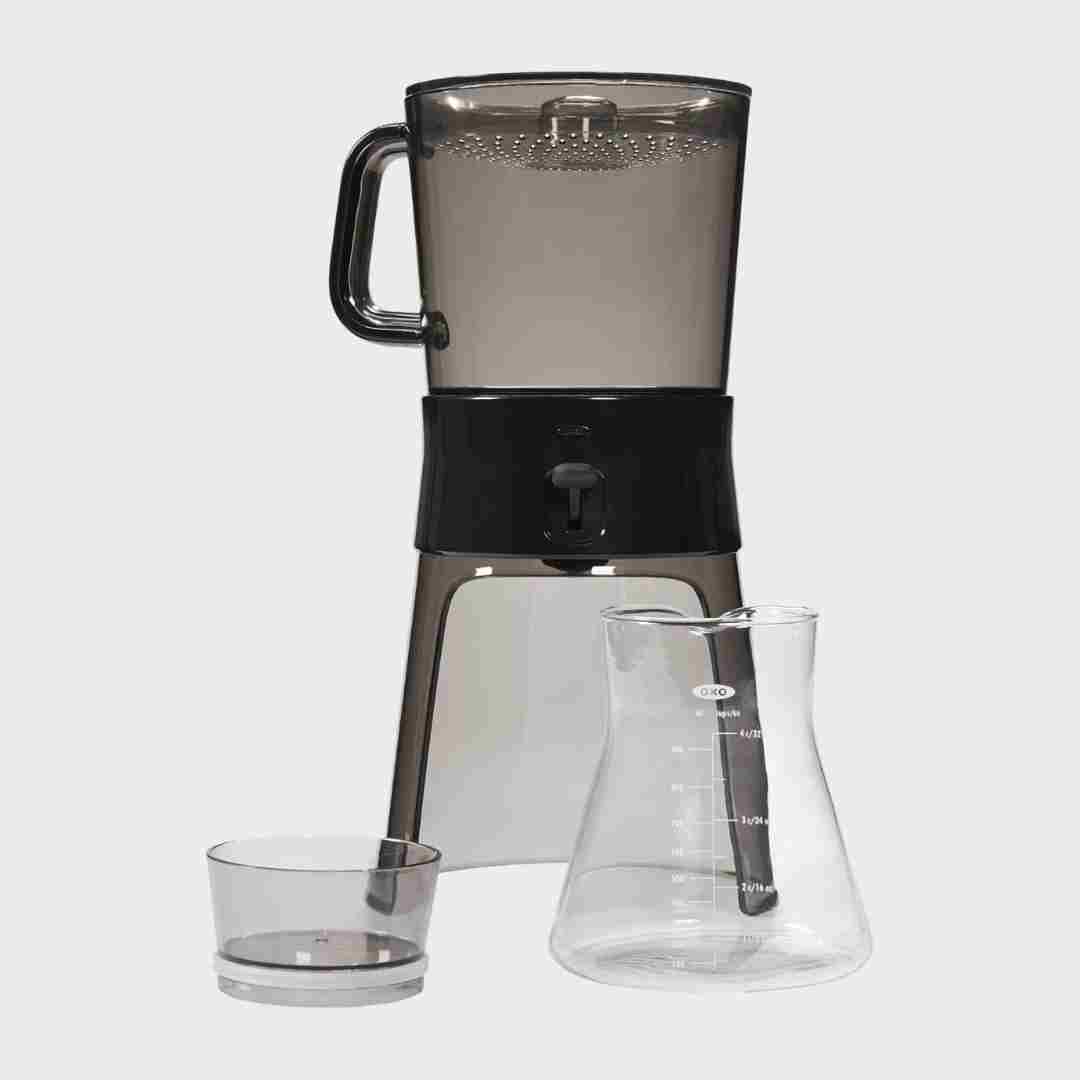
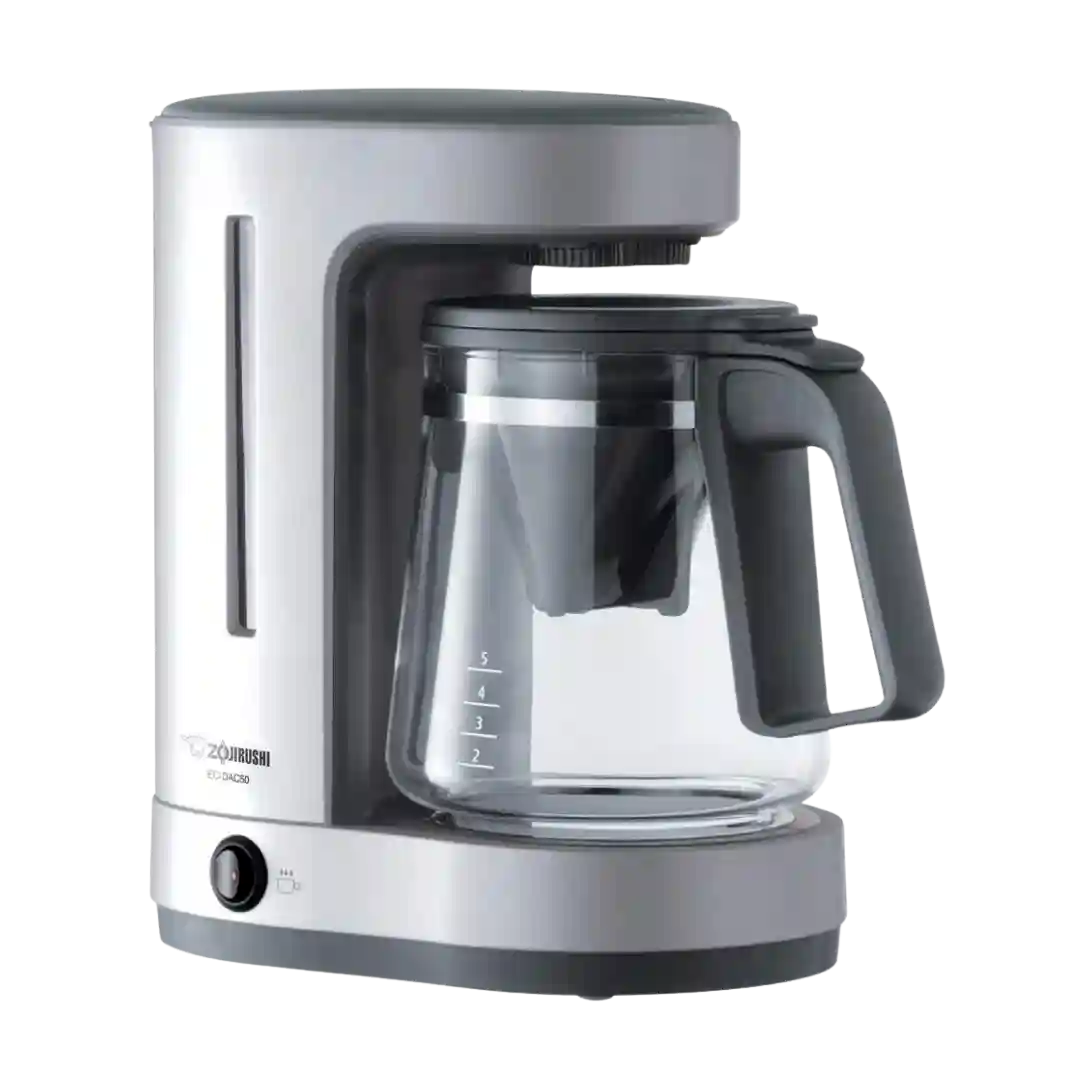
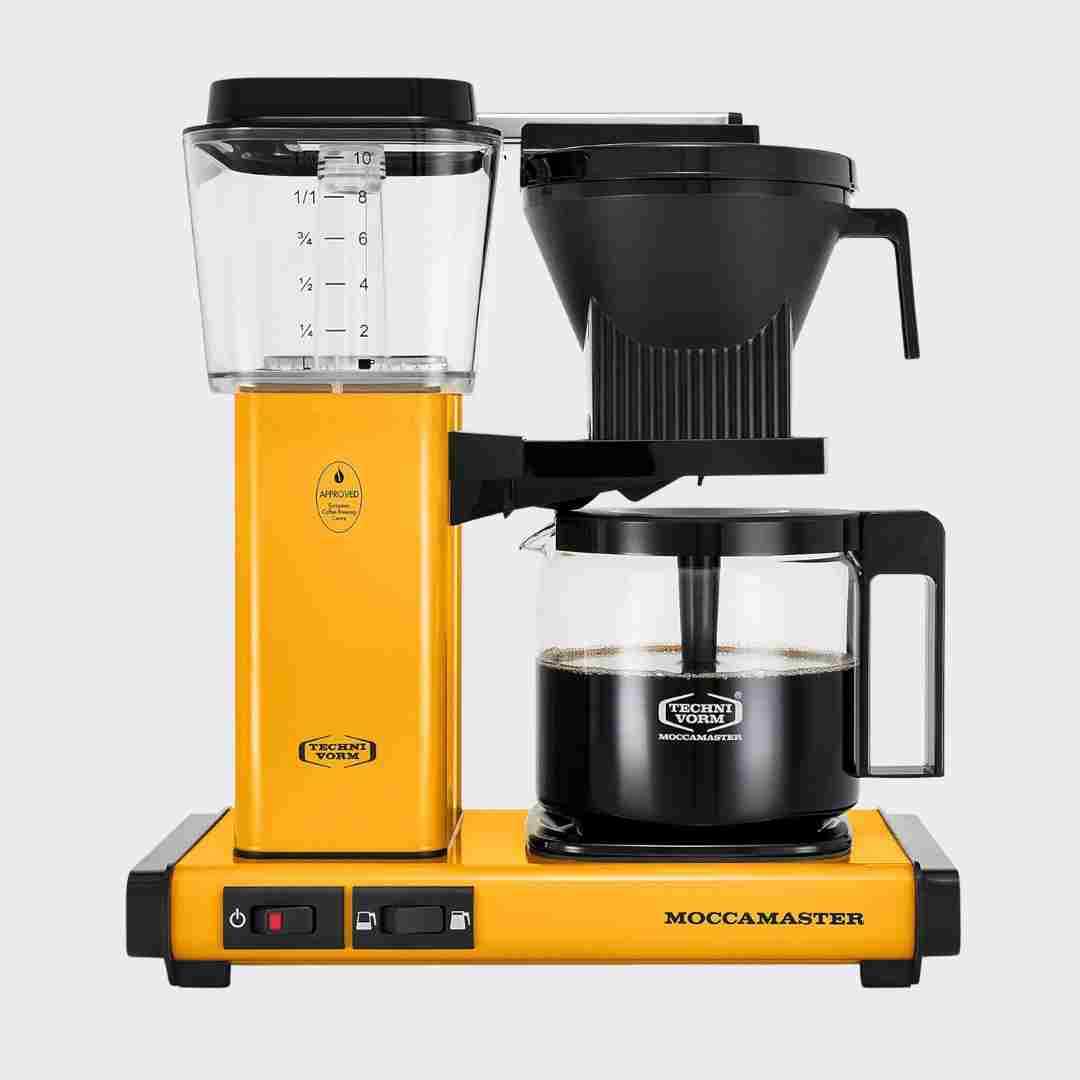
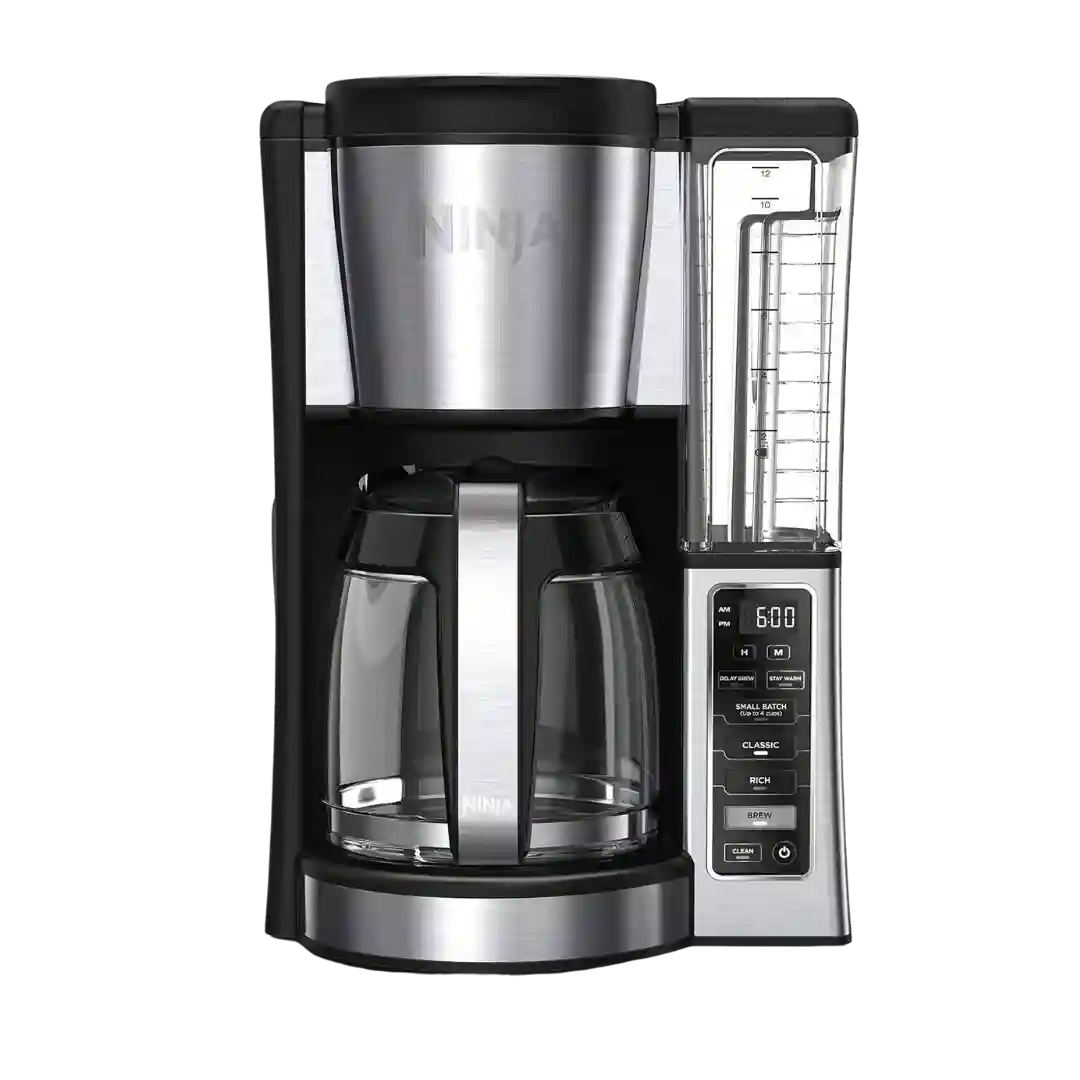
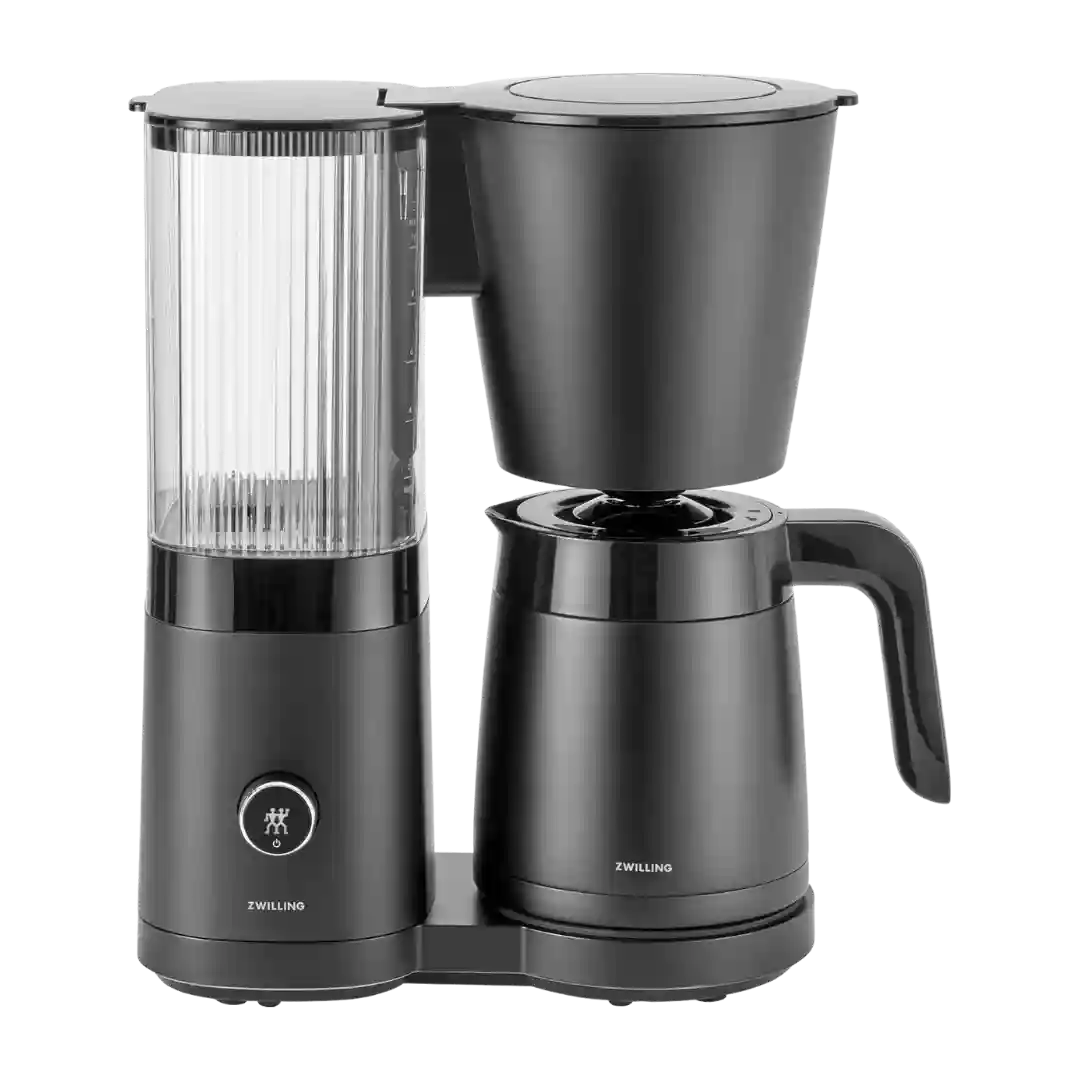
Setup is consistently described as simple: add water, add a filter and grounds, place the carafe, and flip the switch. There are few parts and little to learn.
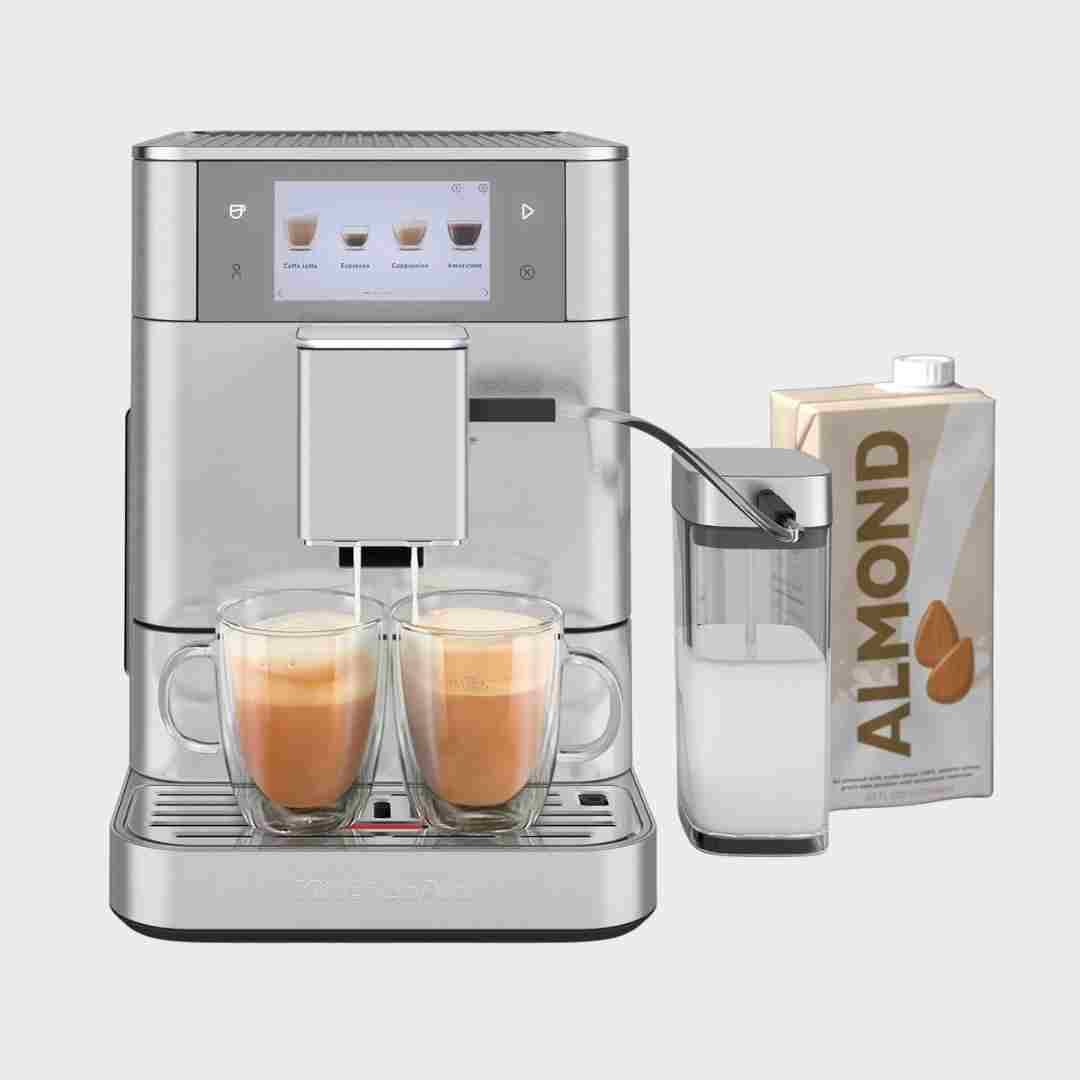
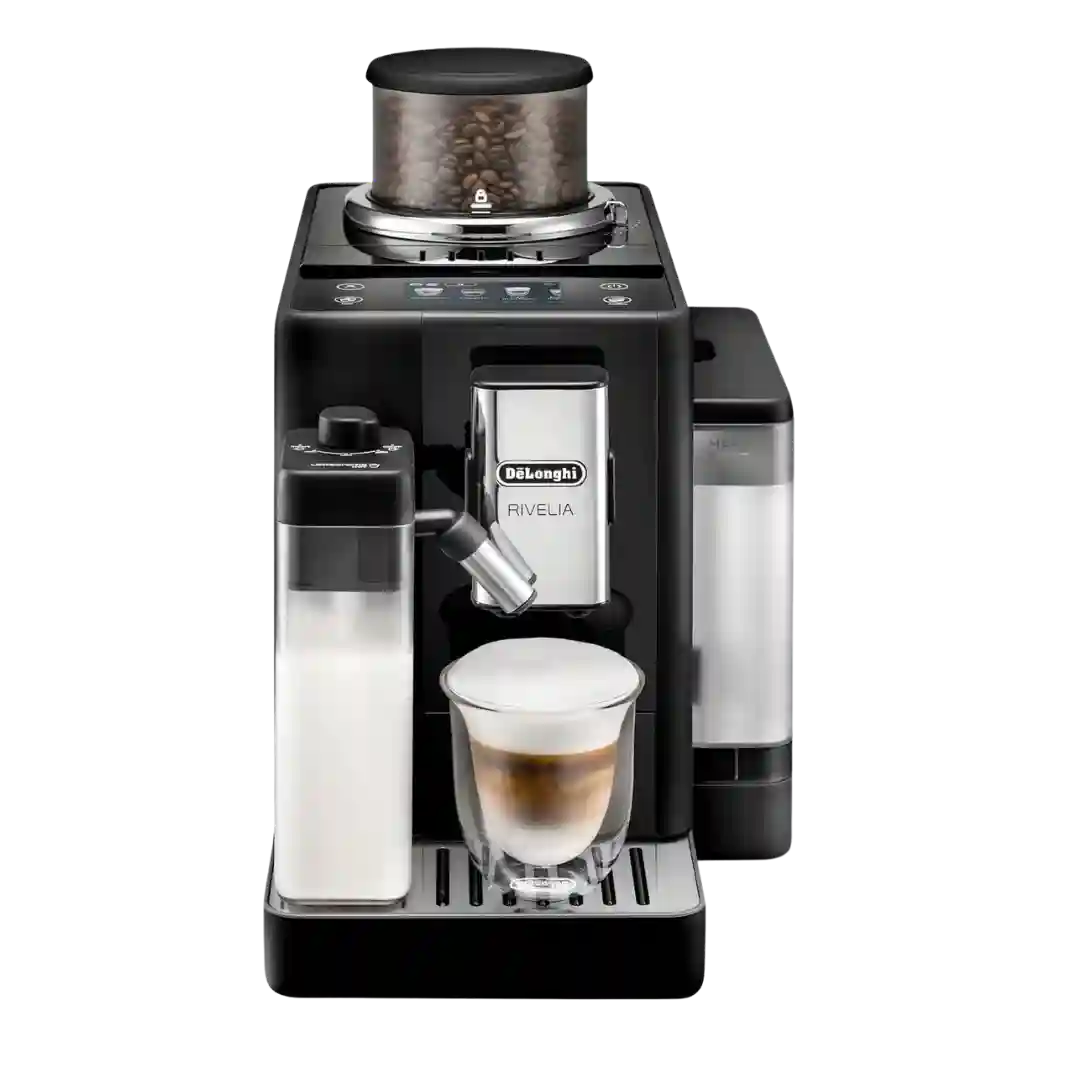
Setup is described as straightforward, with guided touchscreen steps and easy-to-slot components. Most reviews imply a low learning curve for first-time super-automatic owners.
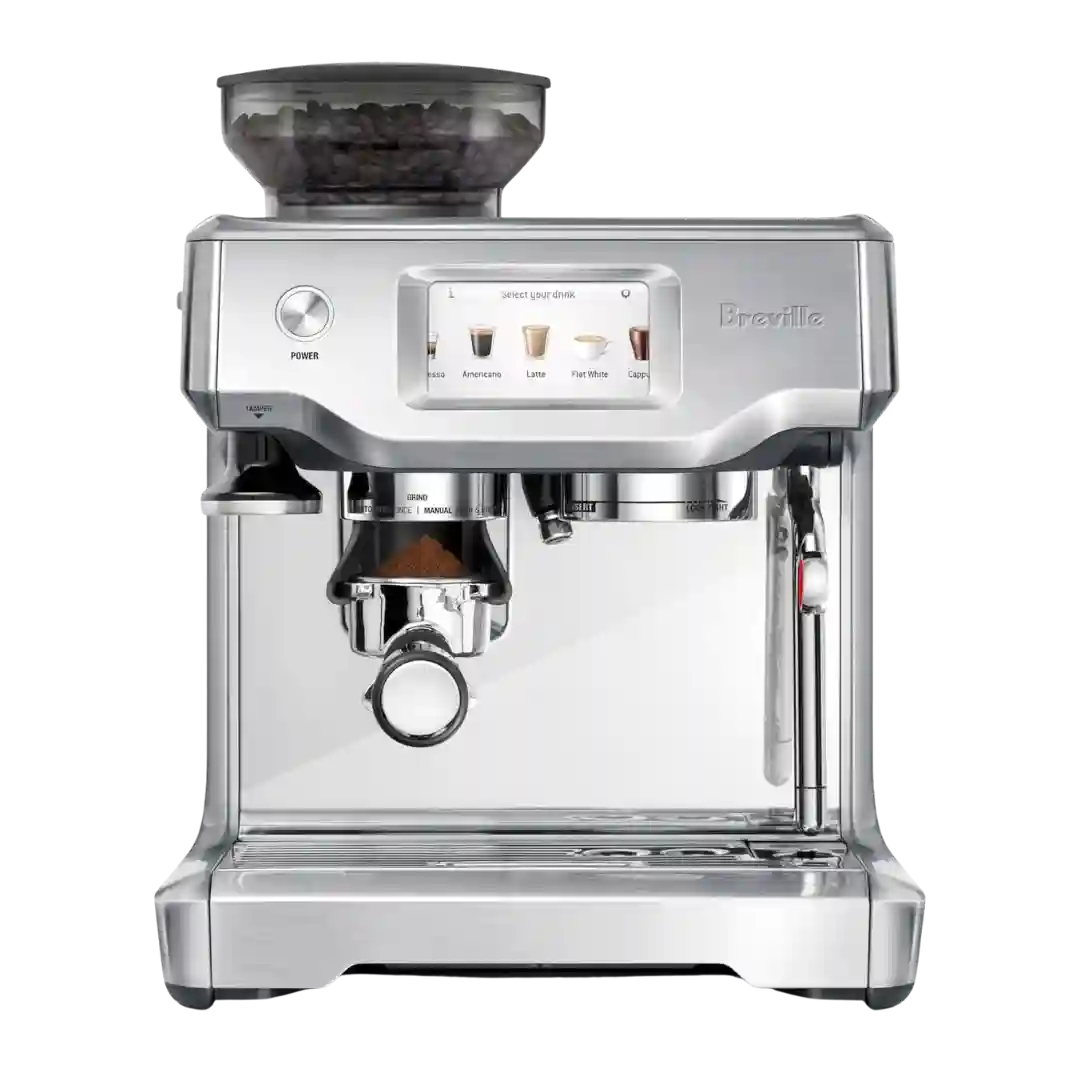
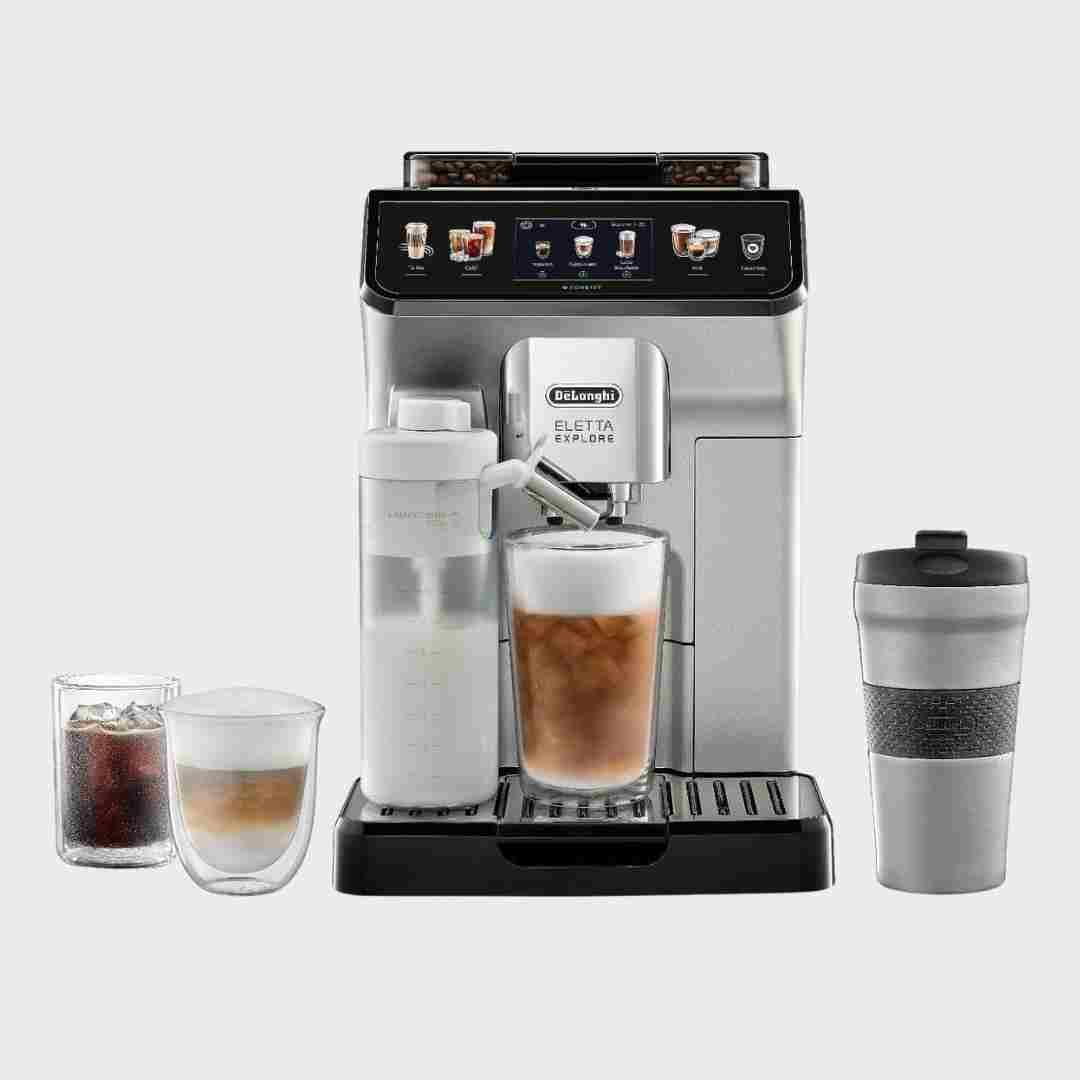
Setup is repeatedly described as guided and quick, with the touchscreen walking through basics like language and water hardness. Physical ergonomics (weight, no handles, screen angle) are the main setup-related gripes.
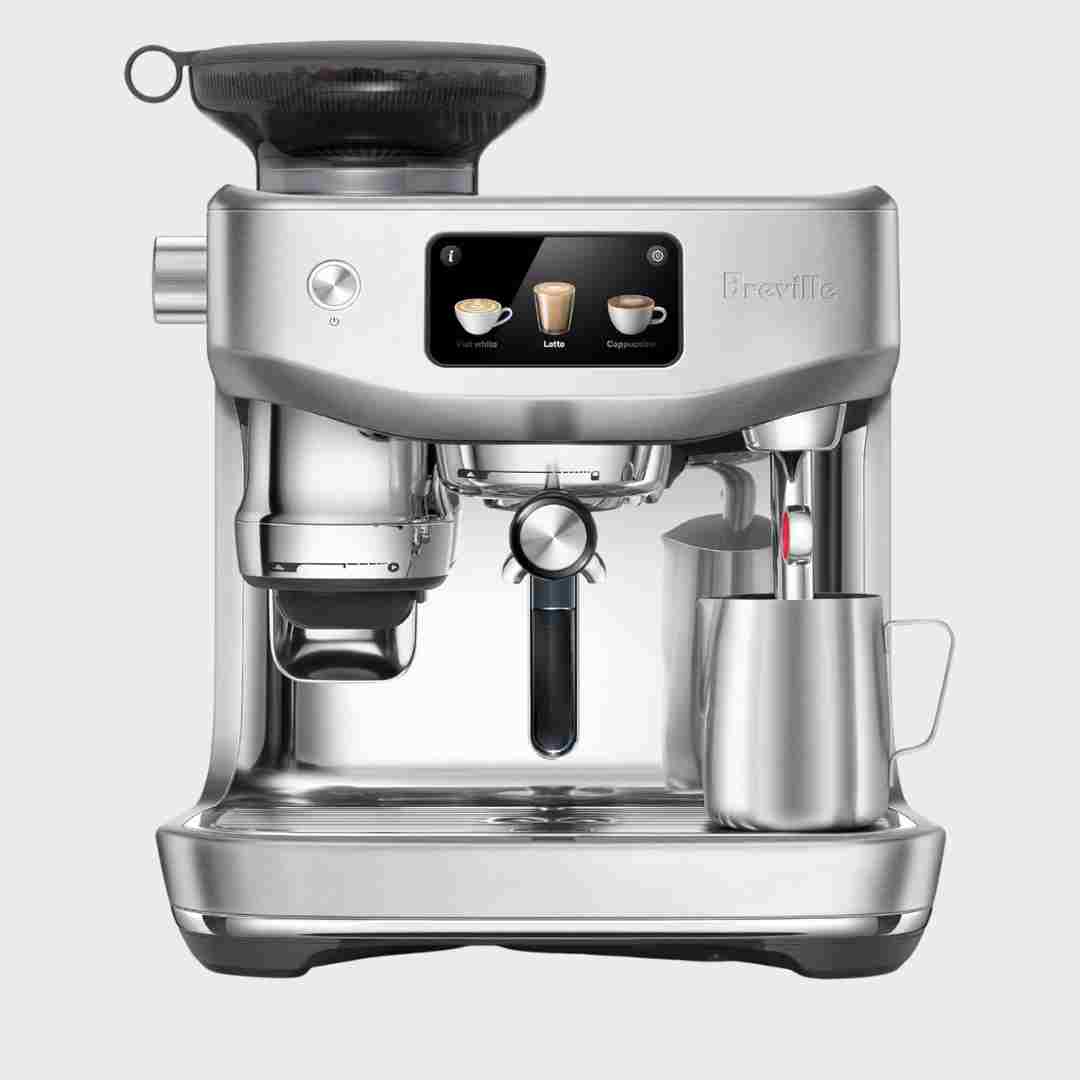
Setup is widely described as quick and guided, with touchscreen onboarding and step-by-step prompts getting most users brewing fast. Some calibration and dialing-in is still required, but the process is generally presented as approachable for beginners.
Setup is generally praised: the touchscreen walks you through priming and first-run steps and reduces guesswork. Reviewers highlight that it is hard to skip important steps, which helps beginners.
Most reviewers say assembly is straightforward with clear directions, though a few mention initial confusion because the parts ship nested together or that setup takes a bit of patience the first time.
Setup is typically described as beginner-friendly and quick, with minimal assembly and clear first-use steps. The learning curve shows up more in dialing espresso and interpreting button behaviors than in initial installation.
Setup and everyday startup look straightforward: Tom’s Guide describes the brew process as simple, and the unboxing review says initial clock setup is easy.
Setup and first-time use are generally described as straightforward, with clear instructions and an intuitive toggle between carafe and small-batch modes. The simplicity is frequently highlighted as a morning-friendly design choice.
Setup is repeatedly framed as easy and fast, with the touchscreen walking users through first-time steps like water hardness and dialing in. Reviewers generally present it as approachable for beginners without feeling overly fiddly once learned.
Setup is generally described as simple and beginner-friendly, but the initial rinse/clean cycle can be surprising because it may use most or all of the tank if you do not place a large container.
Setup is straightforward: add water, insert basket and filter, add grounds, and start. Programming is frequently described as easy, with a minor emphasis on properly seating the basket and snapping the lid closed.
Setup and daily use are described as straightforward, with physical buttons, beginner-friendly prompts, and clear preheat/flush guidance. Several reviewers highlight the included instructions and cleaning/flush routines as helpful for new users.
Setup is mostly plug-and-brew with clear on-screen guidance and basket prompts. Connectivity can be optional, but a few people reported pairing or syncing hiccups depending on the app and firmware state.
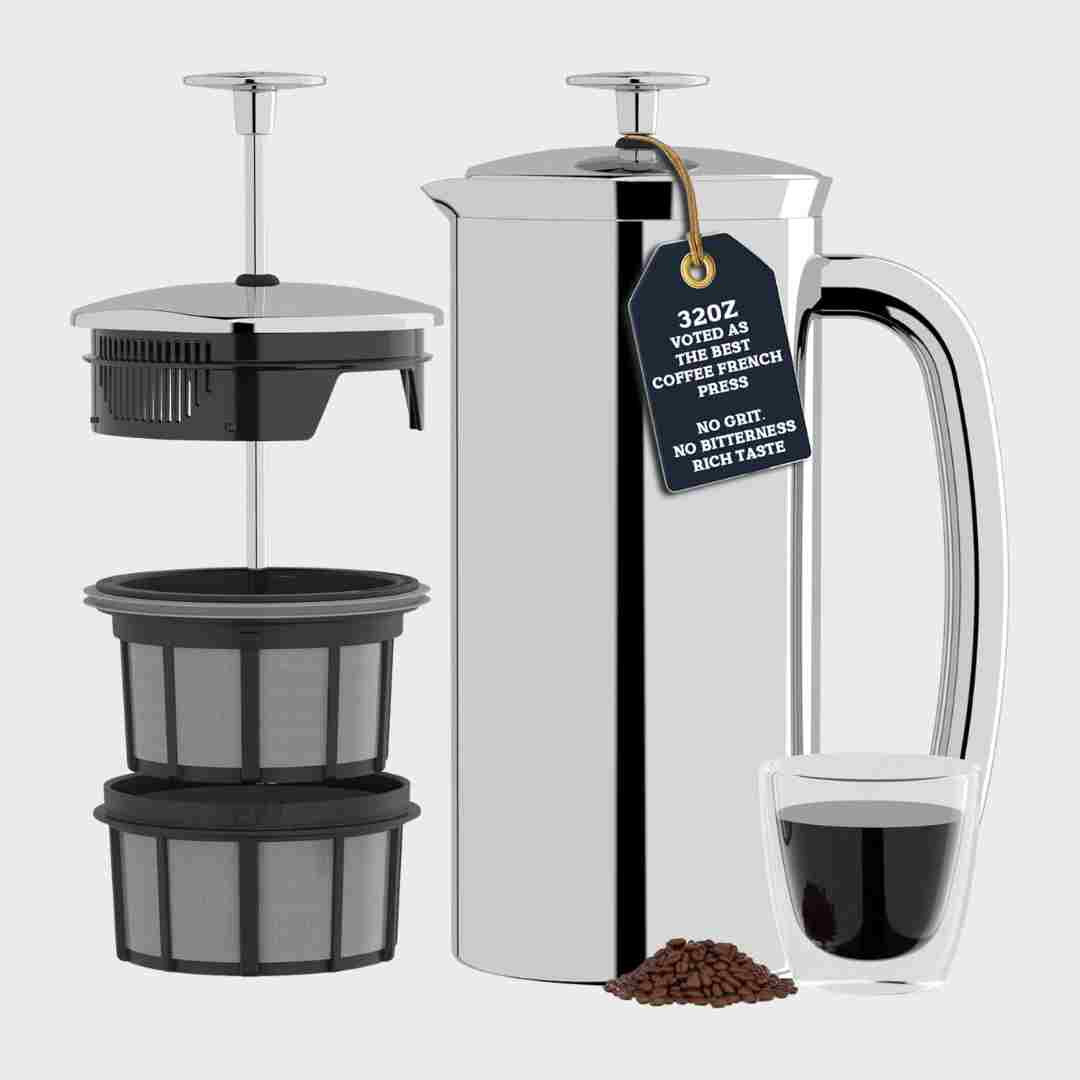
Setup is generally described as easy and quick, with clear assembly and intuitive use for anyone familiar with French press brewing. One user notes that overloading grounds can prevent proper latching/assembly, and official guidance emphasizes correct filter installation and not overfilling.
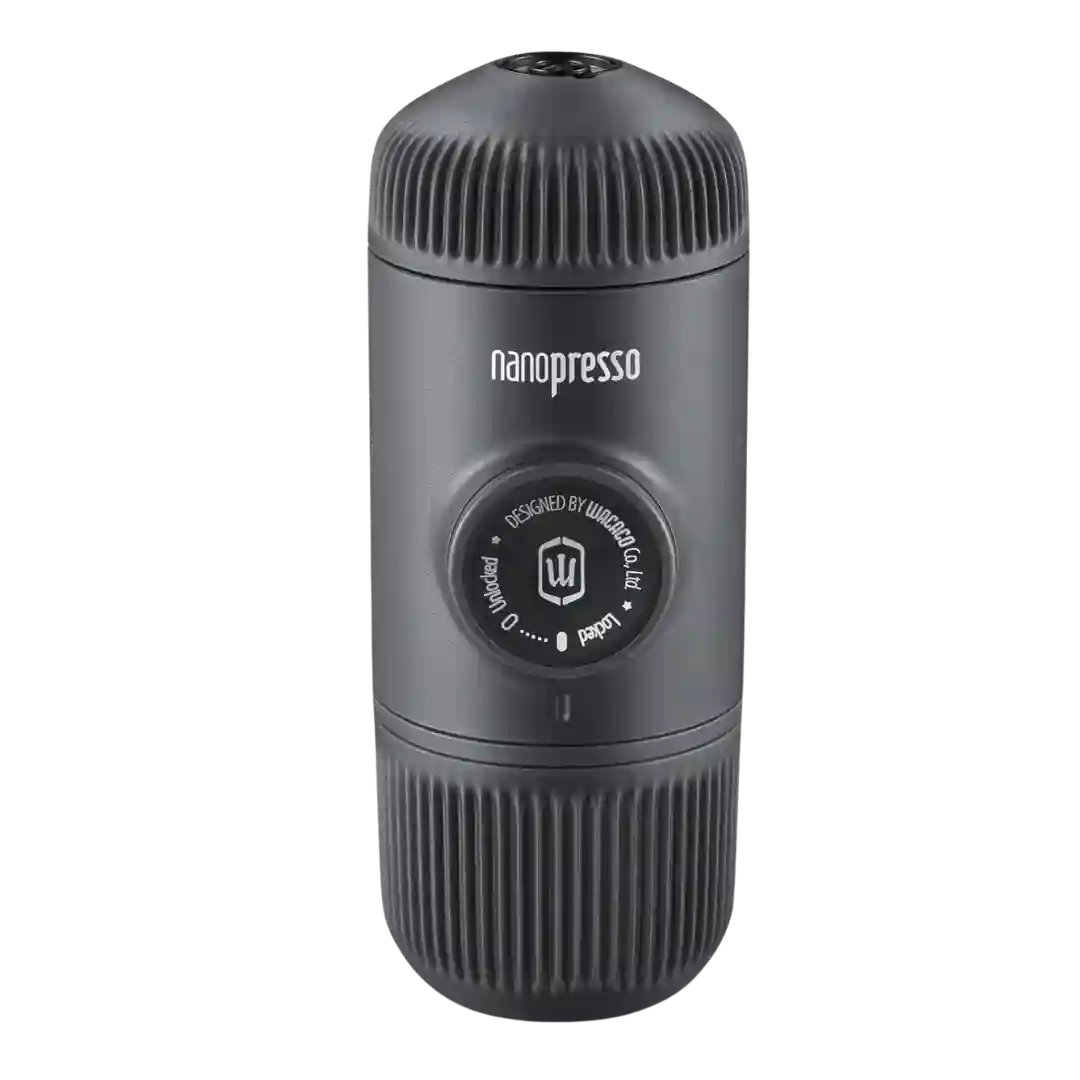
Most reviewers describe setup as easy or straightforward once you learn the basic steps, though it still involves manual prep like filling, tamping, and pumping.
Setup is generally minimal and guided via the touchscreen (and sometimes the app), with a few complaints about initial rinse/setup being loud or wasteful but still easy to follow.
Setup is described as beginner-friendly, with quick-start guidance, simple programming, and a workflow that can be usable right out of the box after priming/rinsing.
Setup is straightforward: add water, a No. 2 cone filter, grounds, then flip the single switch. Several reviewers recommend running water-only cycles at first to reduce an initial plastic smell and following the manual’s folding and ratio guidance for best results.
Controls are widely described as straightforward with large, well-lit buttons and simple 24-hour programming. Setup and daily use are generally easy, though some reviewers find filling the reservoir awkward without a separate pitcher depending on layout.
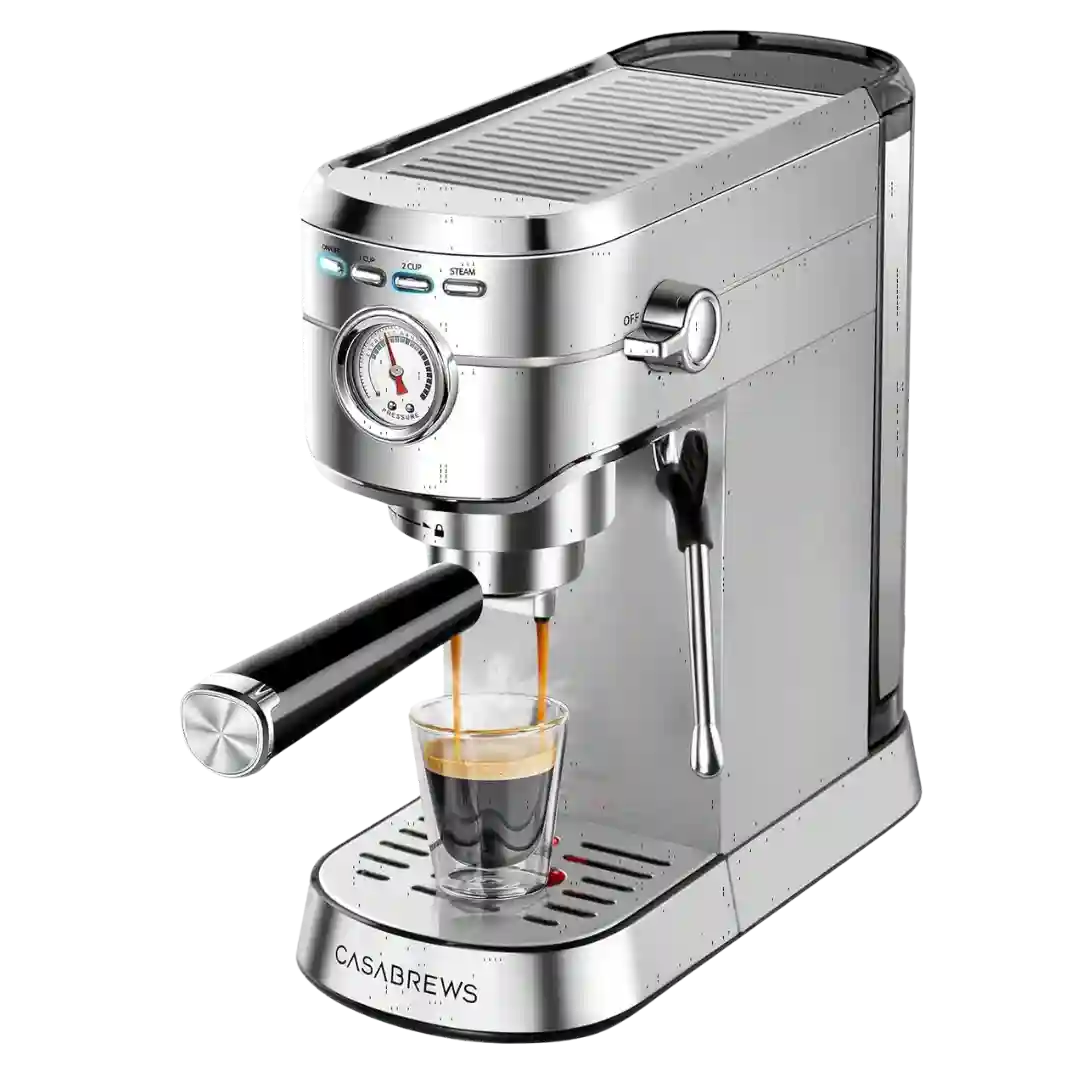
Setup is described as beginner-friendly: fill the tank, run water, and start brewing quickly. A common recommendation is a blank shot to preheat the group and cup.
Setup is generally described as beginner-friendly: attach tanks, run a first-use flush/clean cycle, and pull a preheat shot. A minor recurring hiccup is small first-use details (like removing a tank seal or learning the preheat and cooldown rhythm).
Setup is widely described as straightforward: fill the rear reservoir, run an initial prime/flush, and we are pulling shots quickly. The bigger learning curve is dialing in grind, dose, and prep rather than assembling the machine.
Setup is generally described as quick: rinse/wash the removable parts, run one or two water-only cycles, set the clock, and start brewing. Most users find the controls intuitive without much manual reading.
Setup and learning curve are repeatedly framed as beginner-friendly, with simple buttons and programmable shot volumes. A few reviews still emphasize you’ll get better results by learning prep basics (dose, distribution, grind) rather than expecting push-button perfection.
Setup is generally guided and straightforward once you follow the prompts, but first-time owners may find the manual/parts and initial priming intimidating. After the learning curve, daily use becomes quick and routine.
Setup is generally quick: wash removable parts, run a water-only cycle, set the clock, and brew. The main friction point is learning the dial-and-button interface for auto-brew programming the first time.
Setup is commonly described as beginner-friendly, with clear prompts and included tools for first use. Filling the tank, soaking the filter, and initial priming are straightforward even for first-timers.
Setup is not difficult, but it is longer and more involved than a basic drip machine because of initial cleaning, water-hardness setup, and learning the controls.
Setup is straightforward, but dialing in settings like clock, auto-brew, water hardness, and auto-off timing can feel a bit fiddly until we learn the button holds and sequences.
Setup is typically described as straightforward, including assembling the milk carafe, with some noting a one-time, guided setup period before daily use becomes simple.
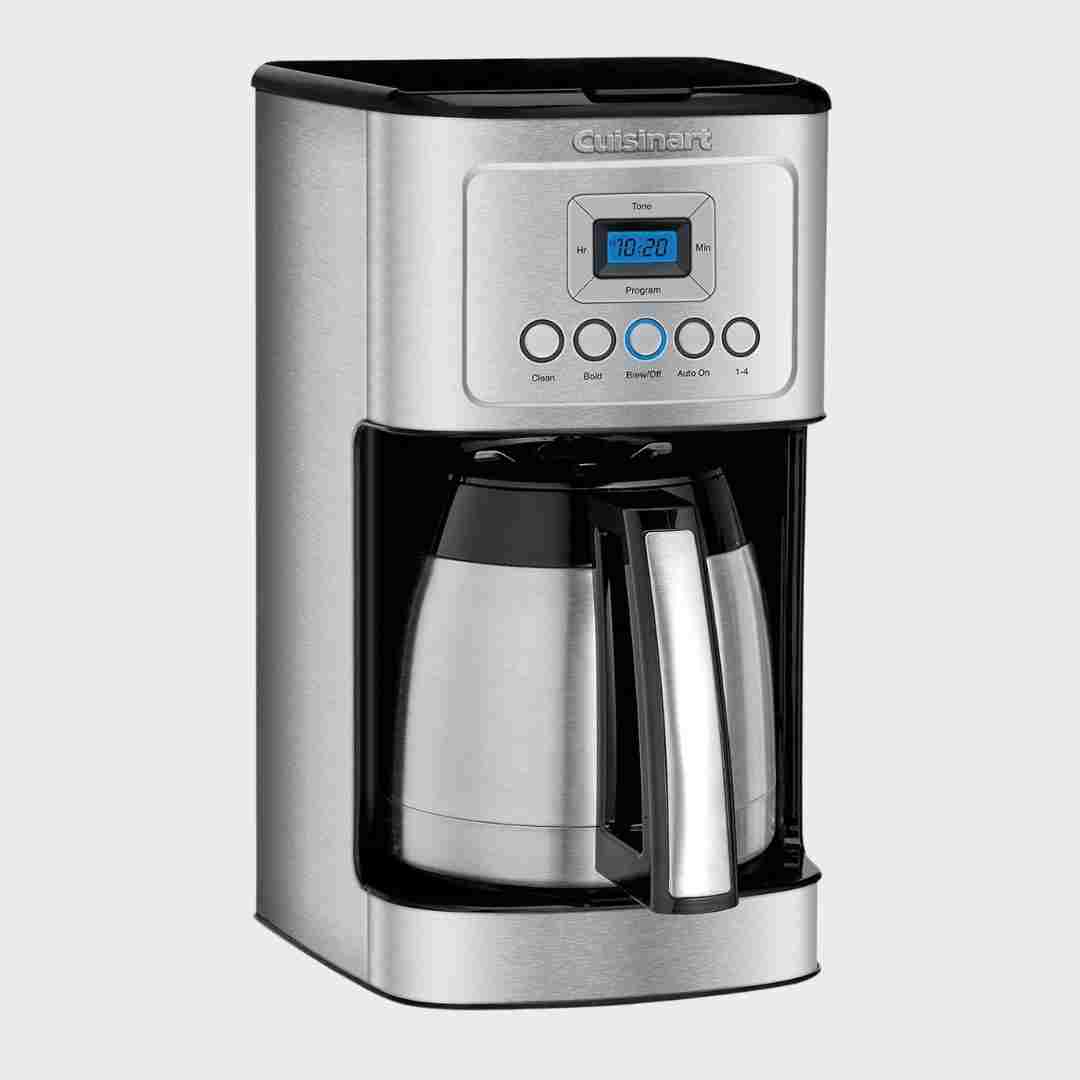
Setup and daily use are usually described as straightforward: fill the tank, add a filter and grounds, position the carafe, and flip the switch. A small learning point is ensuring the carafe and lids are seated properly to avoid drips or interlock issues.
Setup is usually described as quick, with clear basic programming once we learn the buttons. The recurring caveat is that the interface has a learning curve at first, so the manual can matter for the initial setup.
Setup is typically described as quick and straightforward, with light assembly like placing the outlet arm/spray arm, basket, lids, and carafe. Users report little to no learning curve beyond getting used to how parts slide and seat.
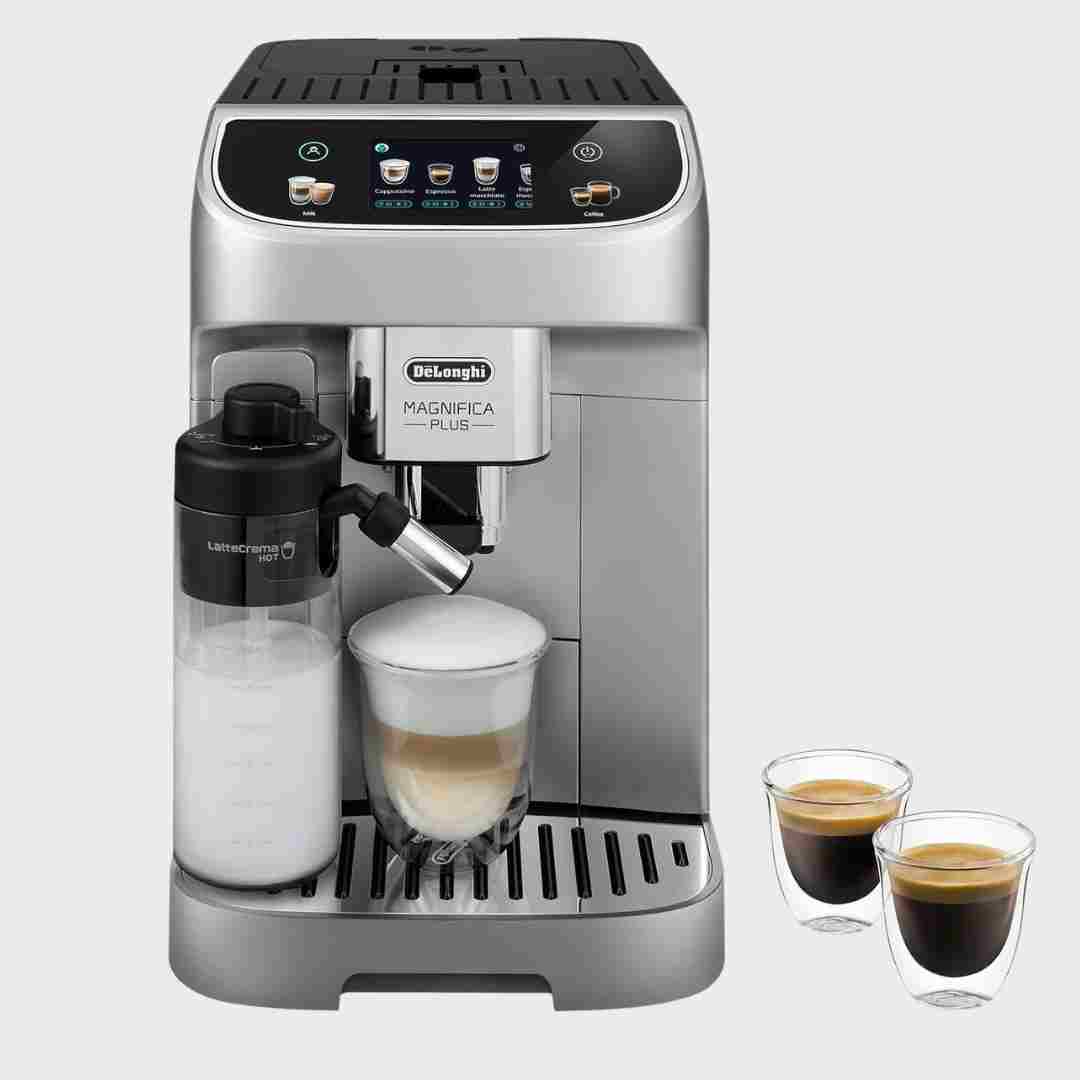
Setup is described as straightforward, with prompts for language/water hardness and included basics like a water hardness strip and filter; most reviewers estimate about a short, under-30-minute first-time setup.
Setup is repeatedly described as simple: fill the front reservoir, run initial priming, set water hardness, and install the AquaClean filter early for fewer descales.
Setup is typically described as simple: unbox, wash parts, and soak/install the reservoir water filter before brewing. The main setup friction is learning the AccuBrew workflow and button logic, which some reviewers say requires a quick read of the manual.
Setup is generally straightforward, but several reviewers note the initial rinse or priming steps can feel long. Once dialed in, daily operation is simple.
Setup is mostly described as straightforward, but a few reviews warn about a learning curve for newcomers to bean-to-cup machines. On-screen prompts and tutorials help, yet dialing in strength and grinder settings can take some trial and error.
Setup is simple (initial water-only cycle, set clock, choose water hardness), but multiple reviewers note missing basics like a hardness test strip or clearer first-run guidance.
Setup is generally portrayed as beginner-friendly, with the touchscreen walking us through priming, filters, and first-run steps. Unboxing and initial prep are easy, though the machine’s size and packing materials get mentioned.
Setup is generally straightforward: rinse the parts, choose a basket, fill the tank, and start brewing. The quick-start materials are described as helpful, though the depth of modes means some users may need a short learning period to get the most from it.