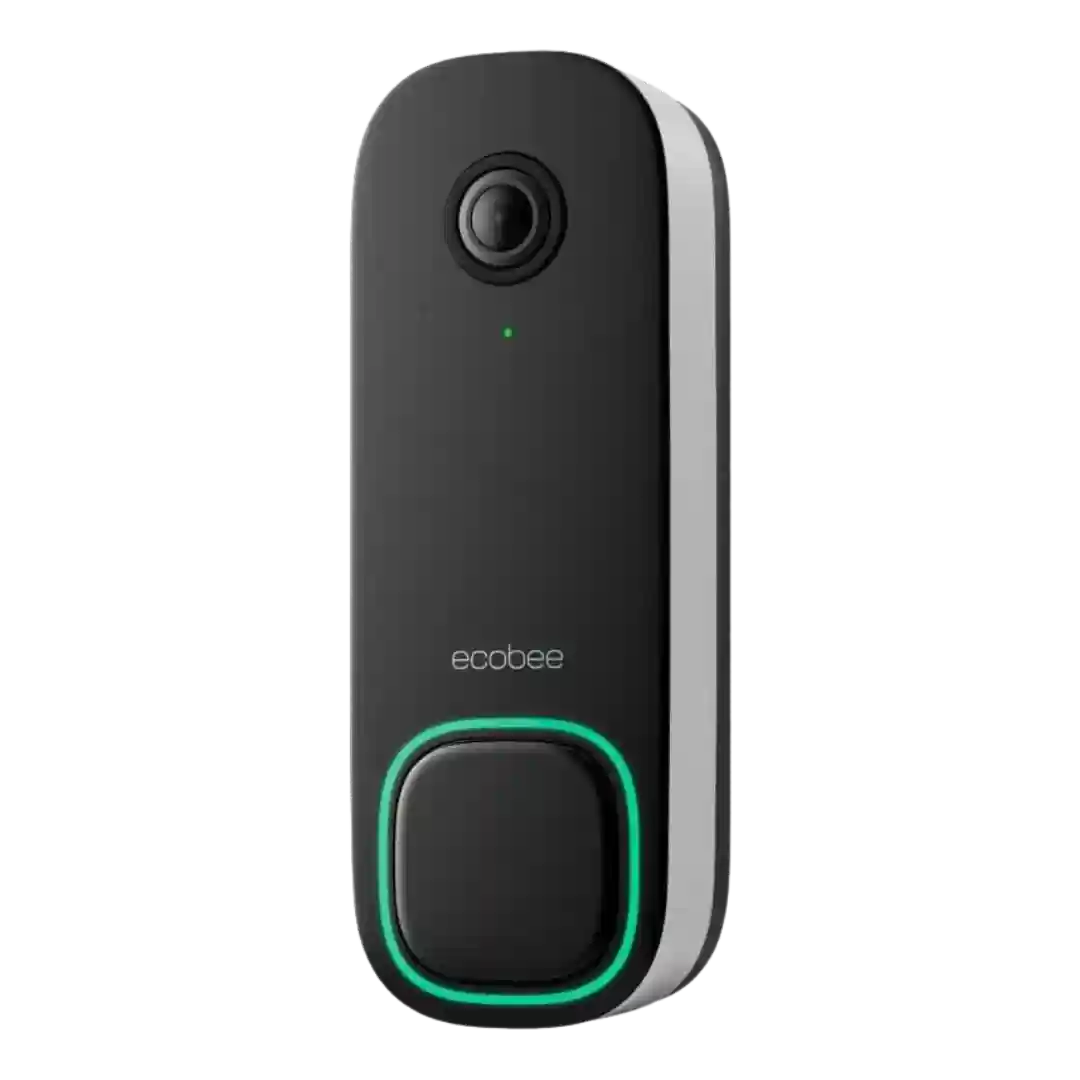
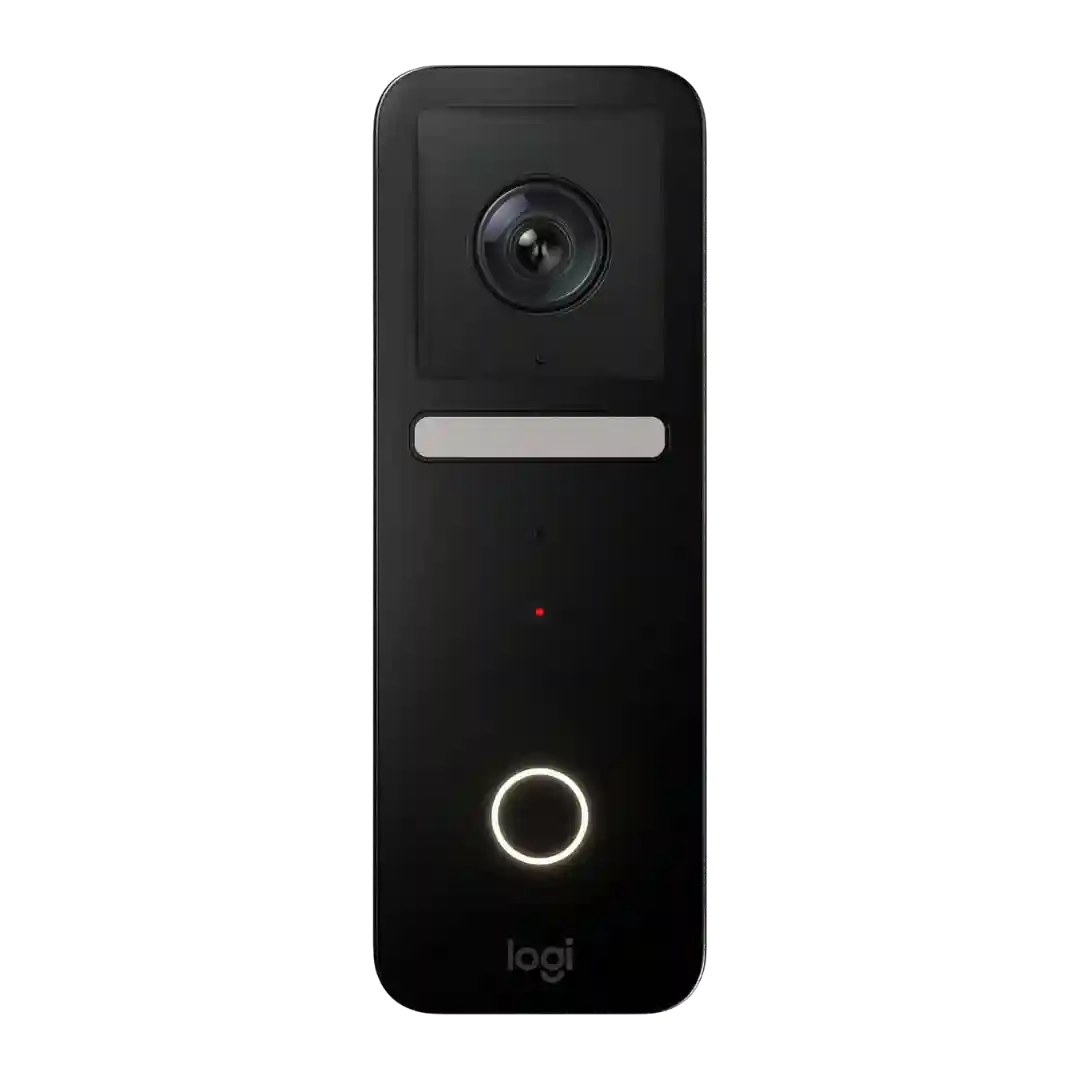
Thermostat Premium integration is repeatedly framed as the standout: doorbell press and live view can appear on the thermostat, and it can function as an extra chime and talk-back endpoint.
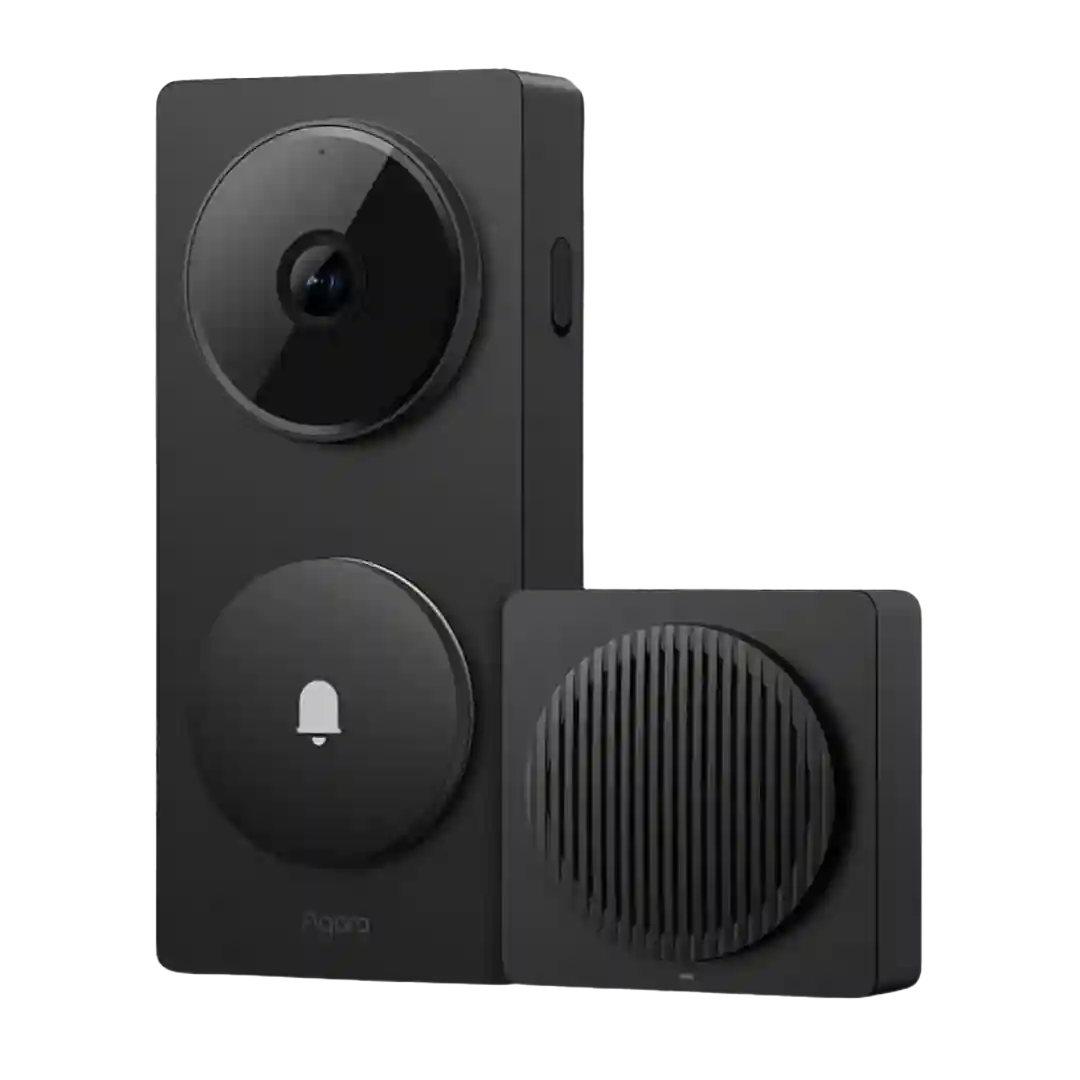
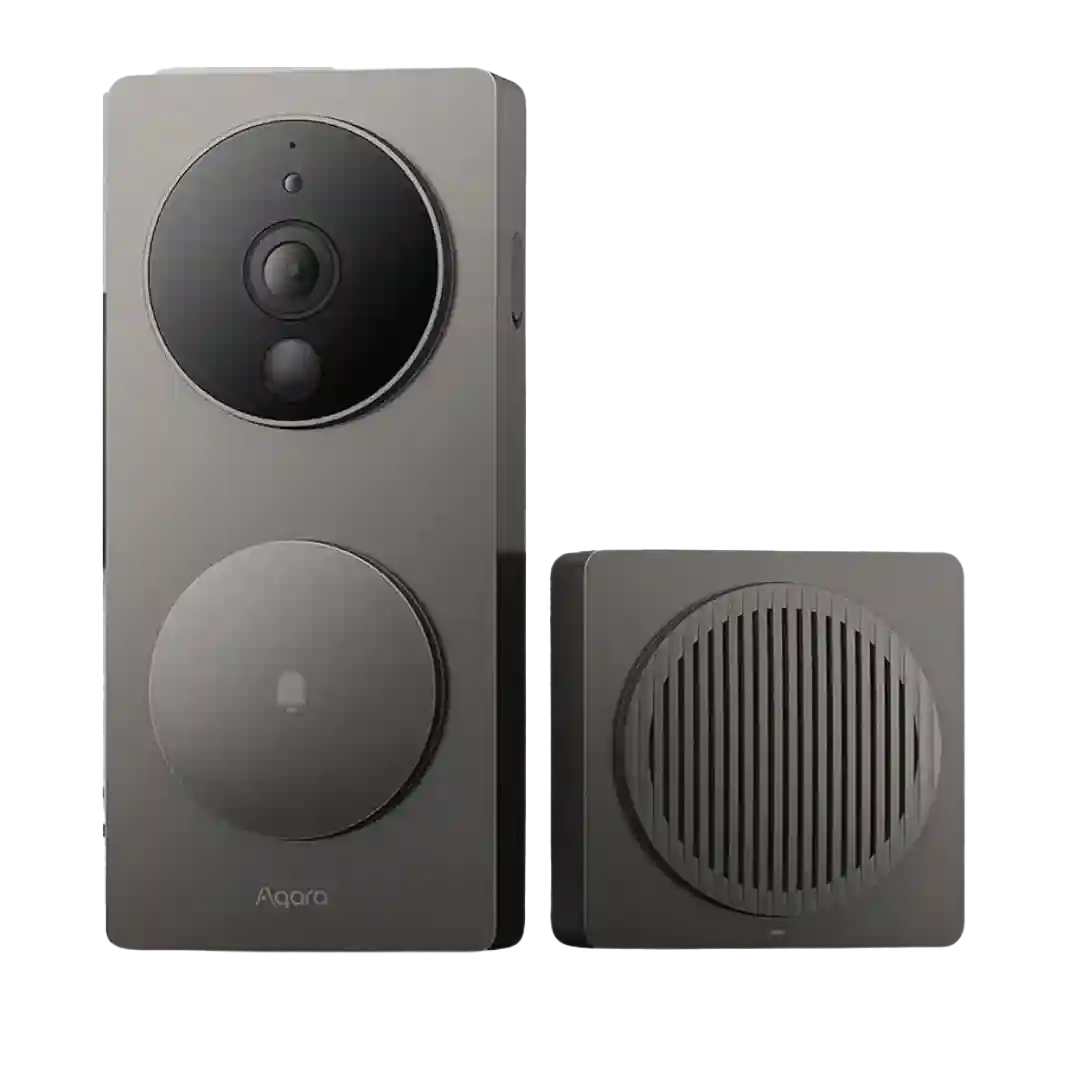
The hub functionality is repeatedly highlighted as the most differentiating feature: Matter controller/bridge behavior, Thread border routing, and Zigbee hub capabilities are cited as major perks. Multiple reviewers also caution that Zigbee support focuses on Aqara devices and that the camera feed itself is not delivered over Matter today.
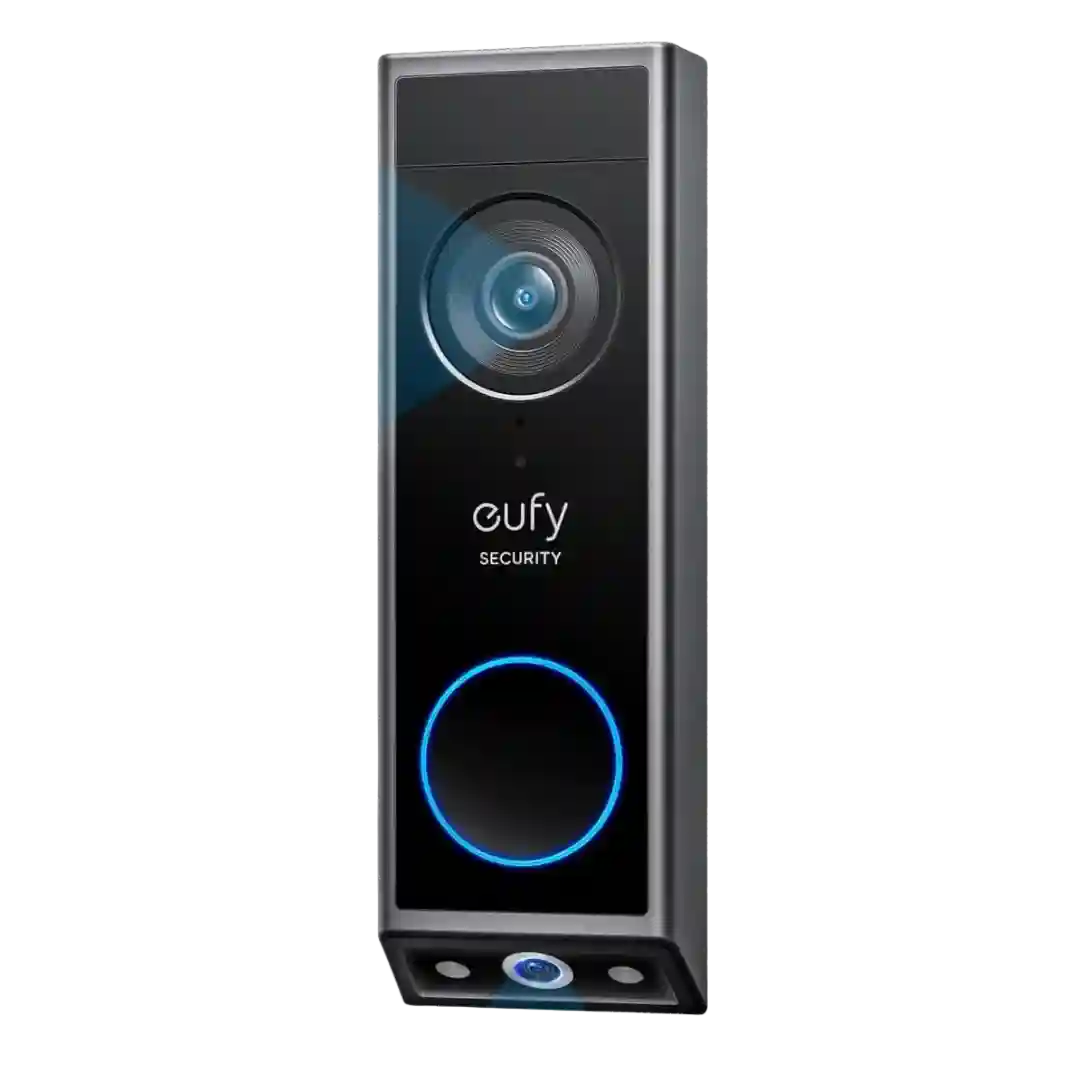
The D225 is highlighted as not needing a separate hub for core features; the included plug-in chime is optional and the camera can operate standalone with Wi-Fi and microSD.
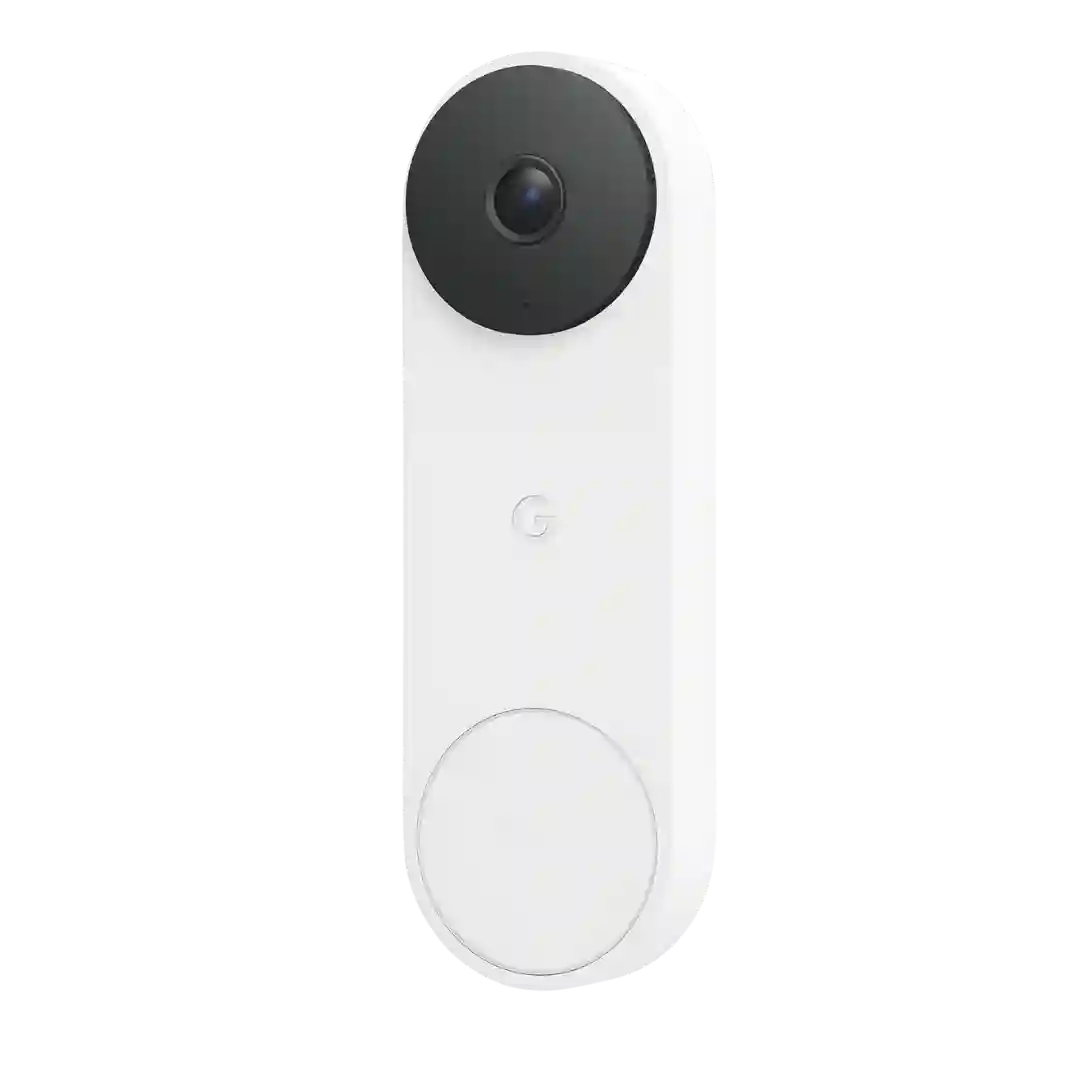
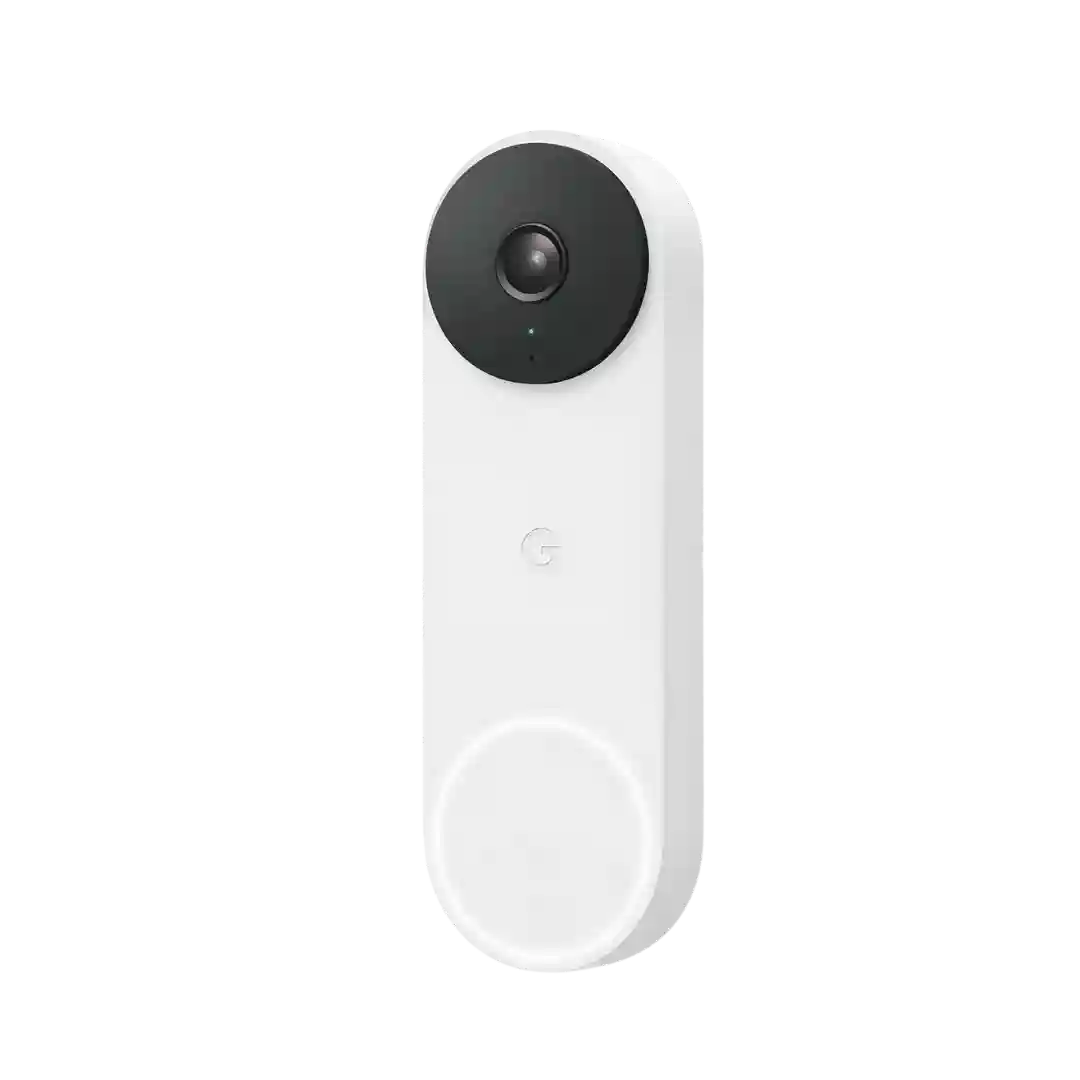
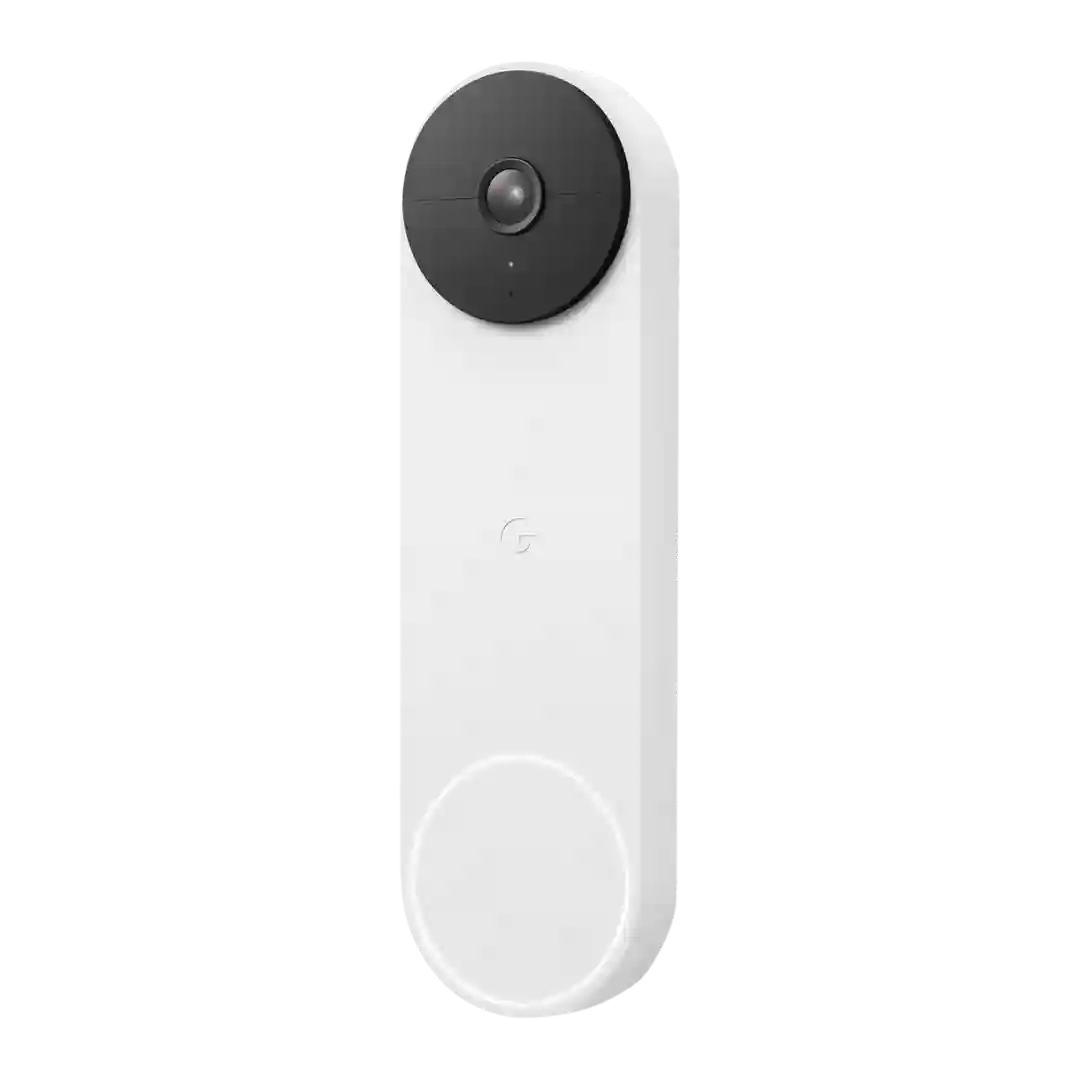
Integration with Nest/Google hubs and speakers is repeatedly cited as a major benefit, including announcements and quick viewing on compatible displays.
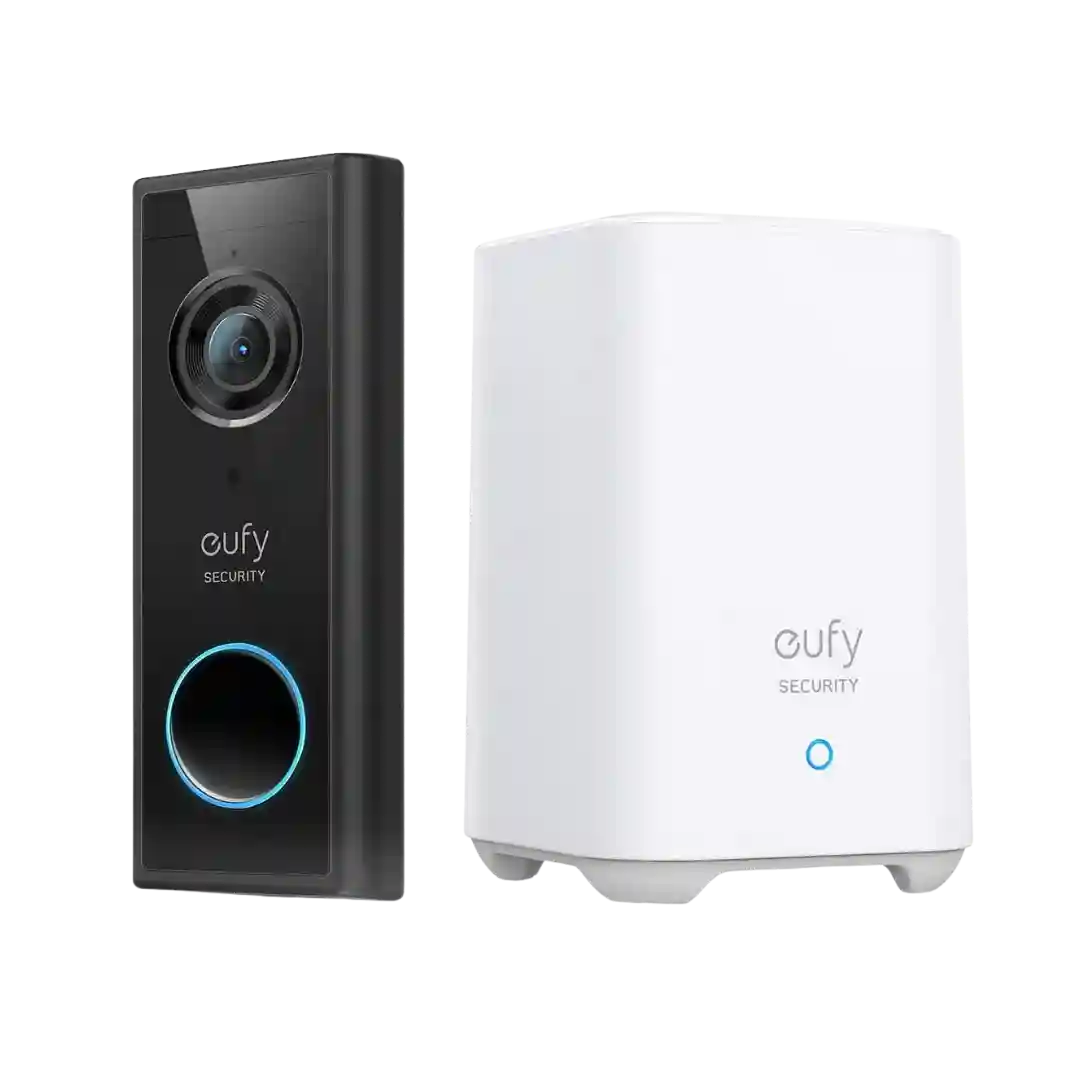
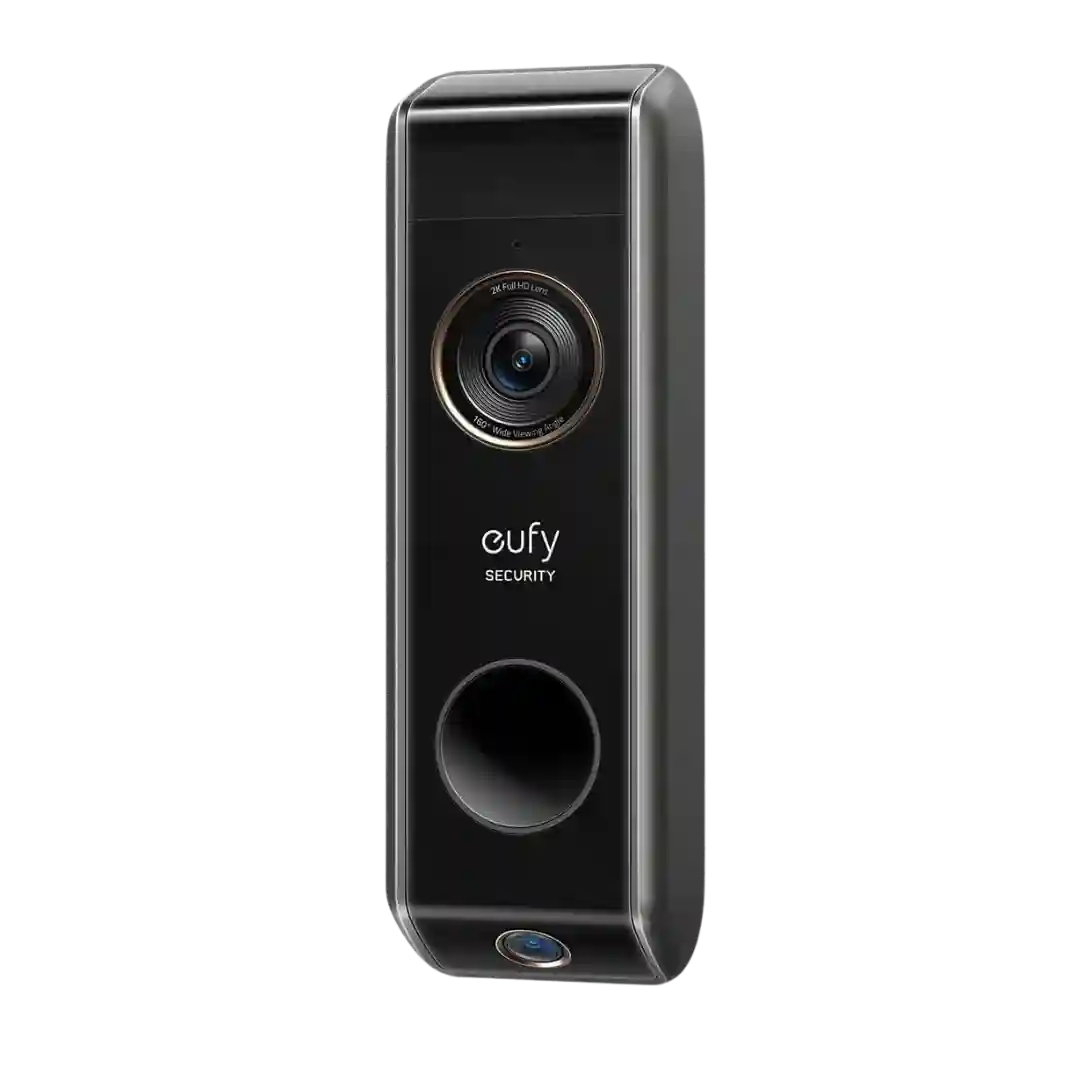
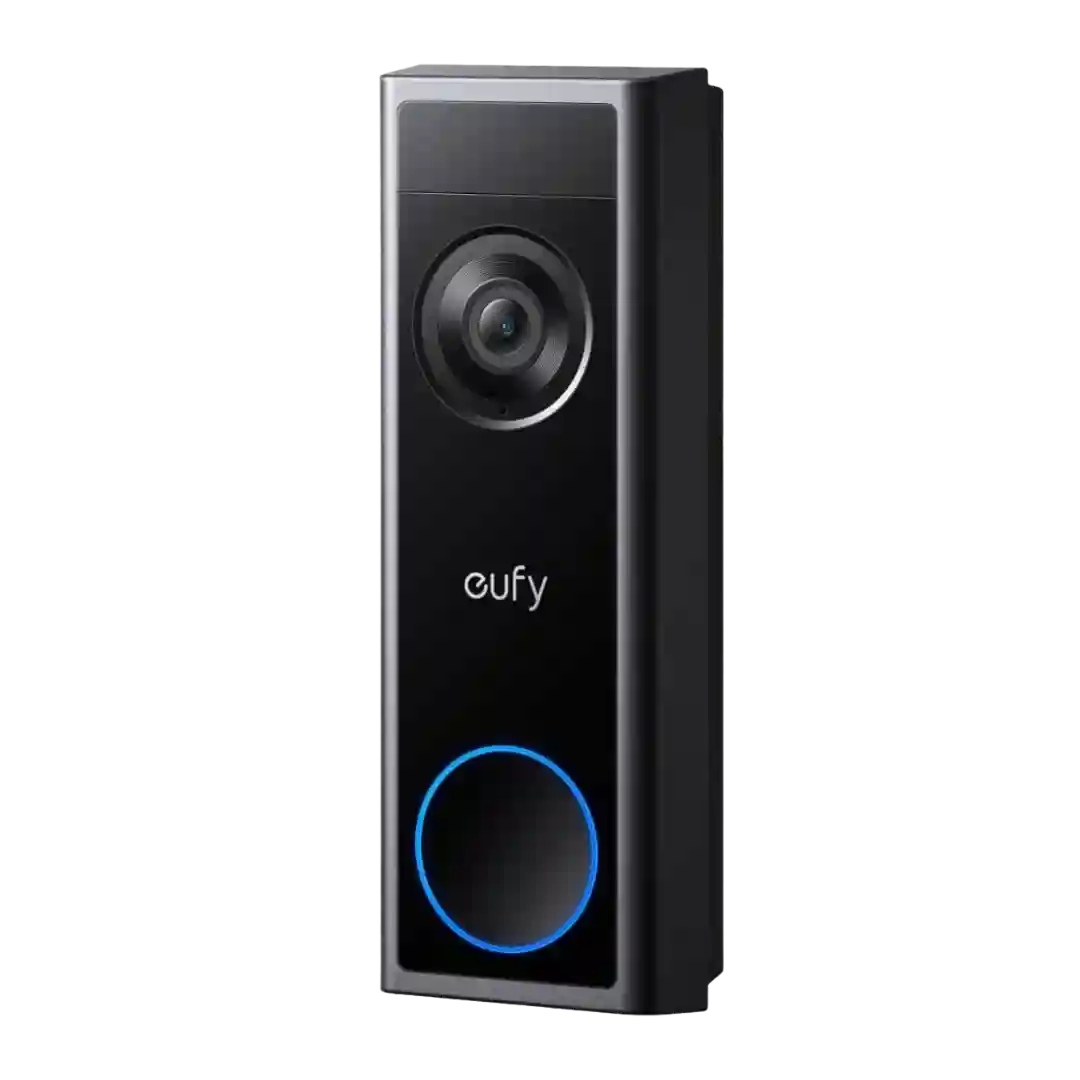
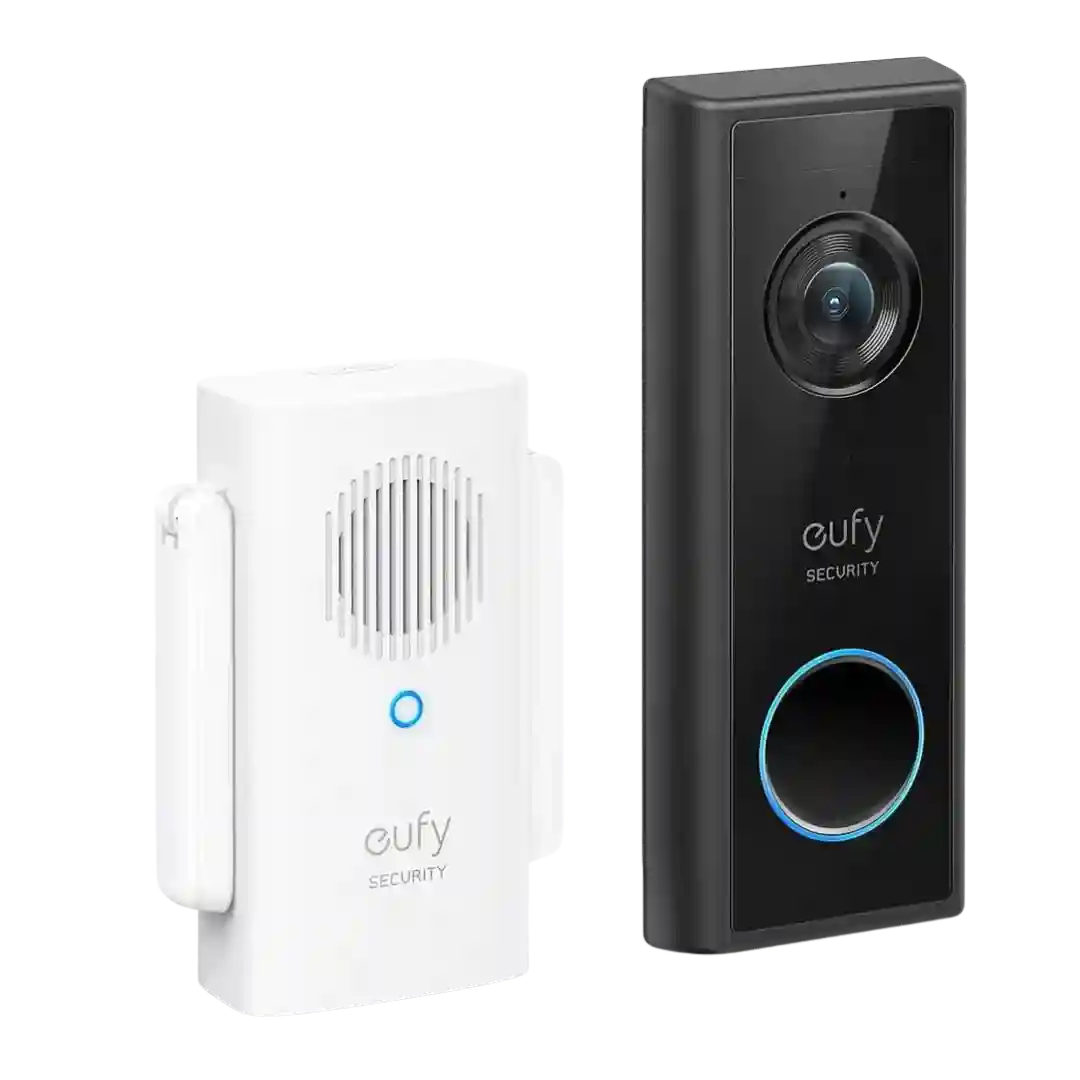
The doorbell works standalone, but optional HomeBase integration is frequently praised for expanding storage and adding/boosting AI features. Multiple reviews frame HomeBase 3 as a nice upgrade path for Eufy ecosystem owners rather than a requirement for basic operation.
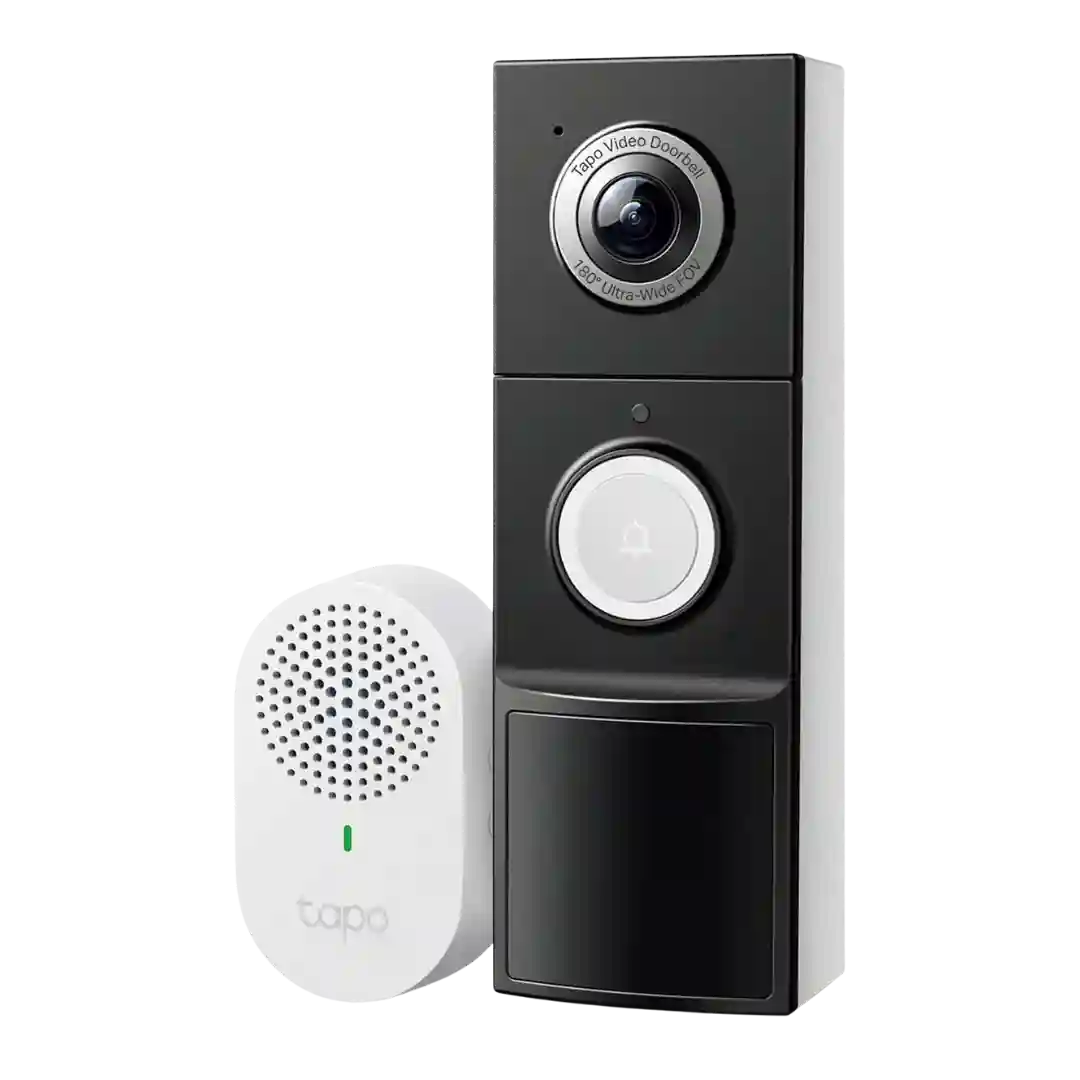
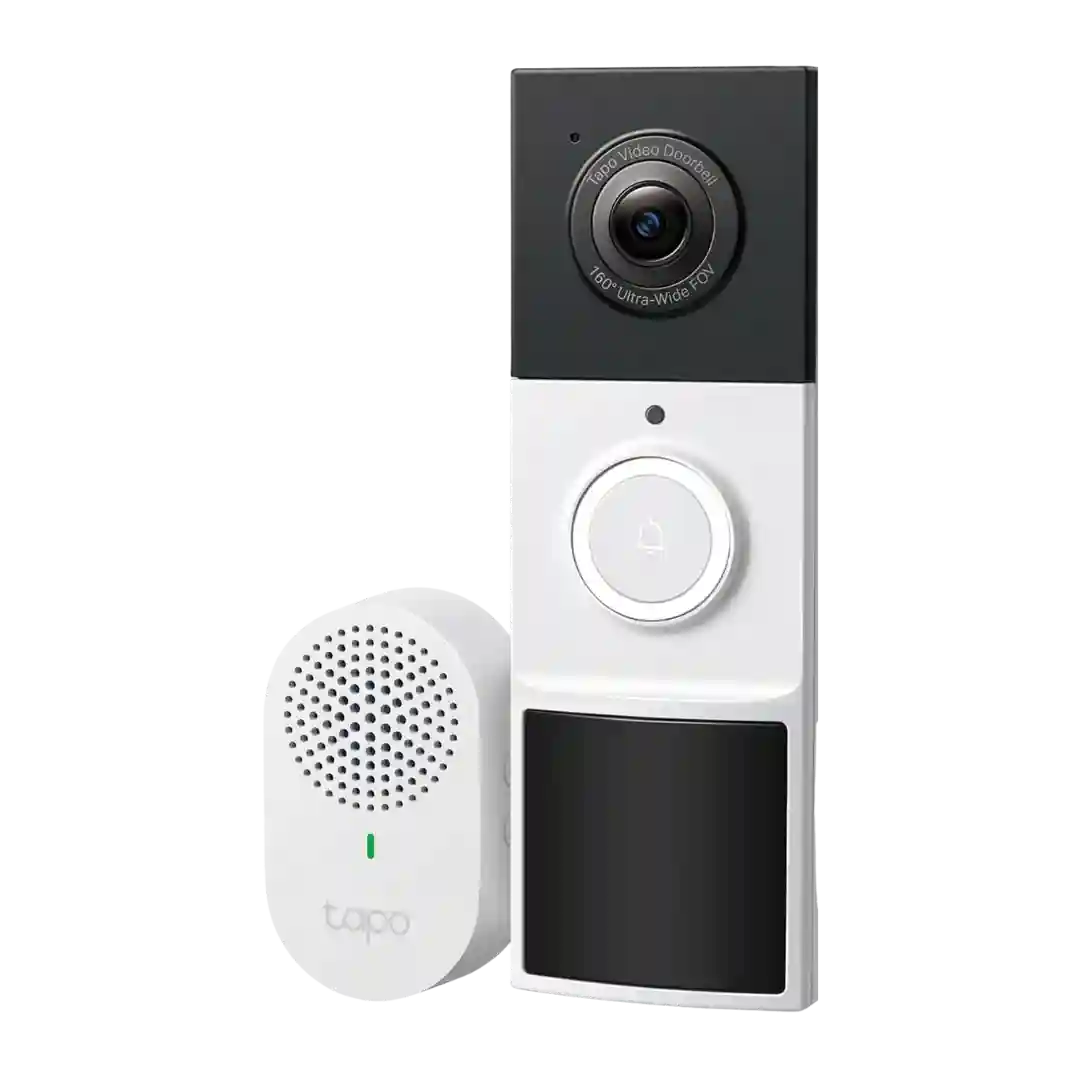
The D210 can work as a standalone doorbell and also pair with the included chime, Tapo Hub, or wider Tapo setup. That makes it easier to fit into an existing Tapo security stack without requiring a separate sync module.
HomeBase integration is central to the experience, handling connectivity, alert routing, and local storage. Setup commonly starts with Ethernet to the router, and some reviewers note you can later operate with Wi-Fi depending on configuration.
Most configurations rely on a HomeBase hub that acts as both chime and storage; setup is usually straightforward but often requires an Ethernet connection to the router during pairing.
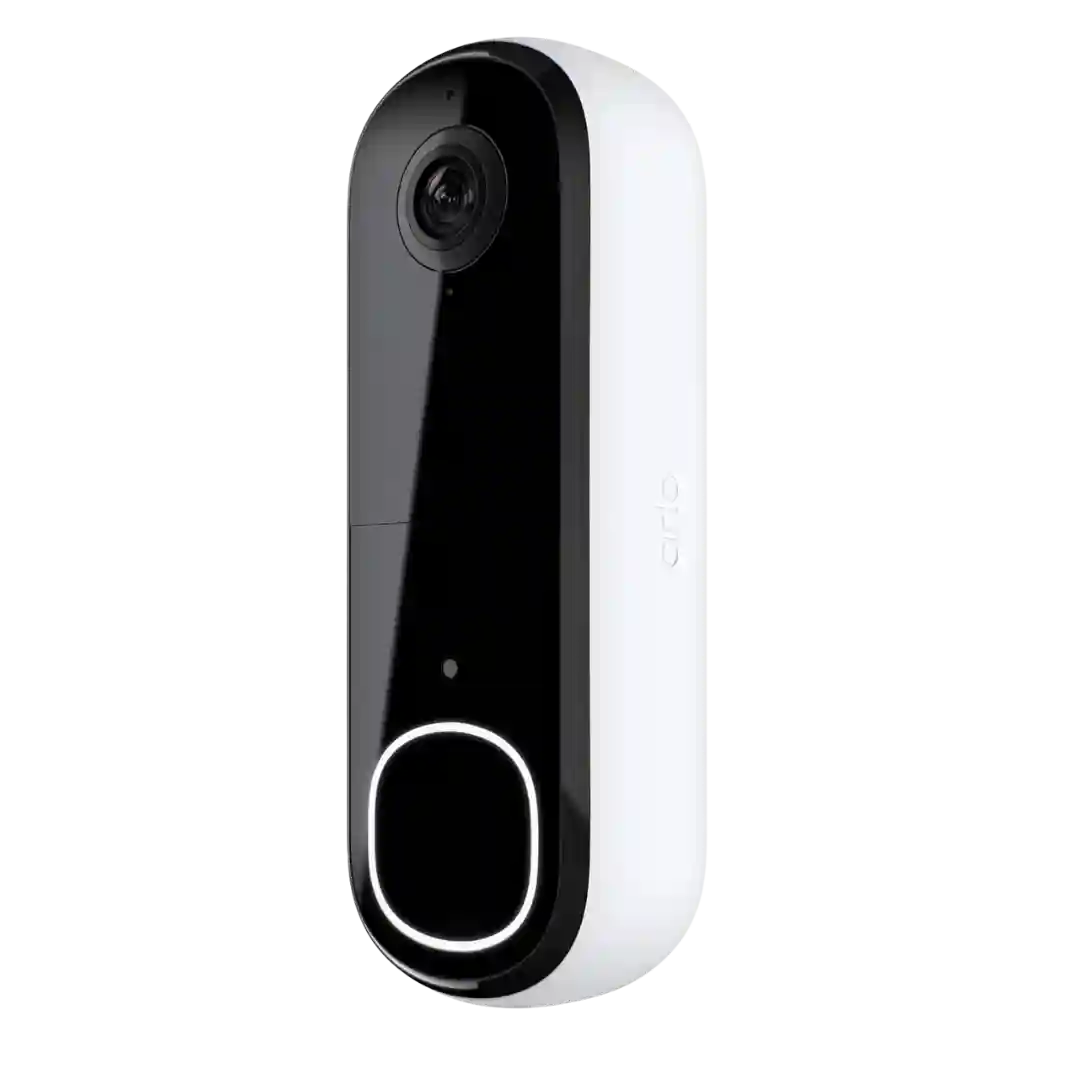
The required indoor chime acts as the hub and Wi-Fi bridge/repeater, which improves stability and keeps storage indoors. Placement matters: multiple sources note the chime should be relatively close to the doorbell for best performance.
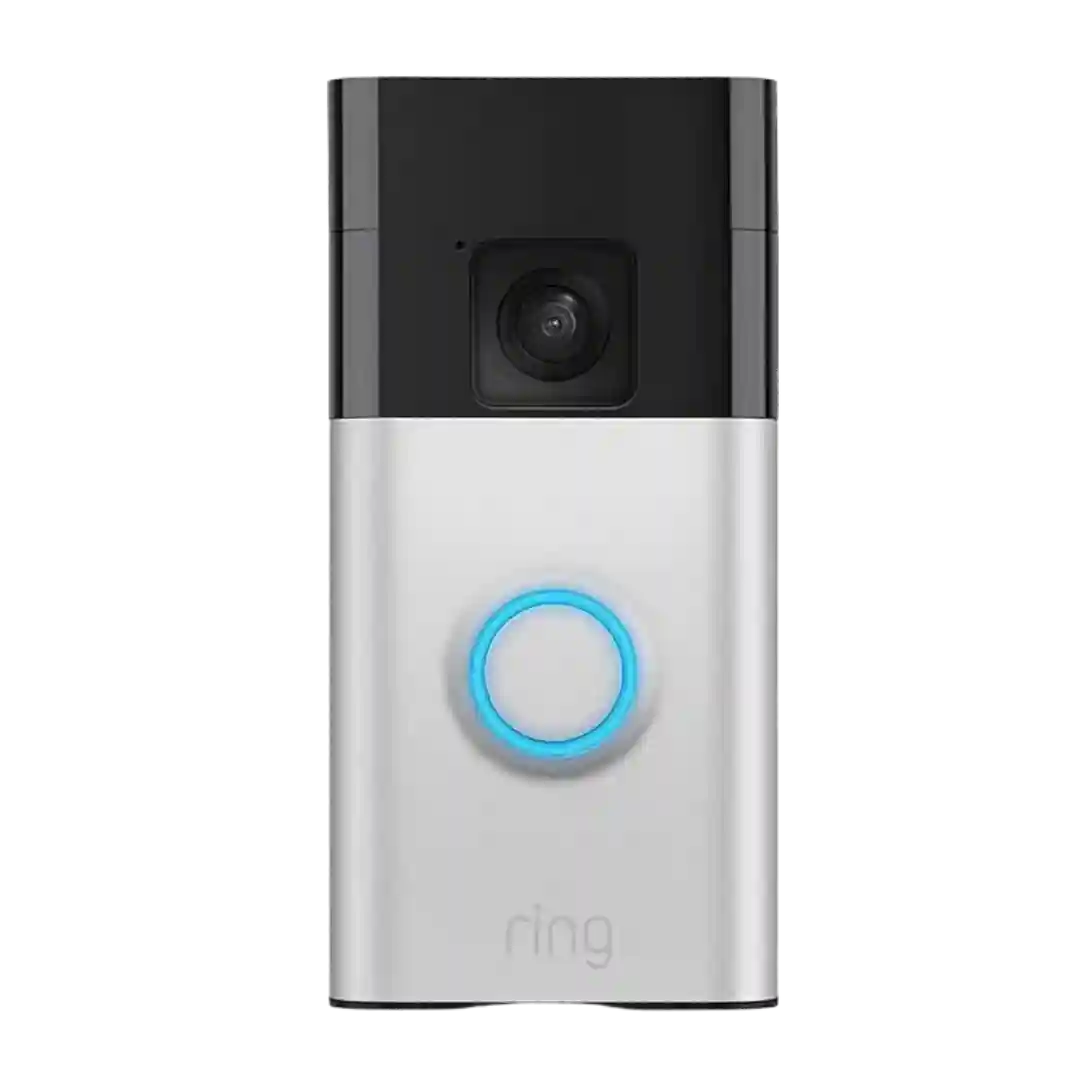
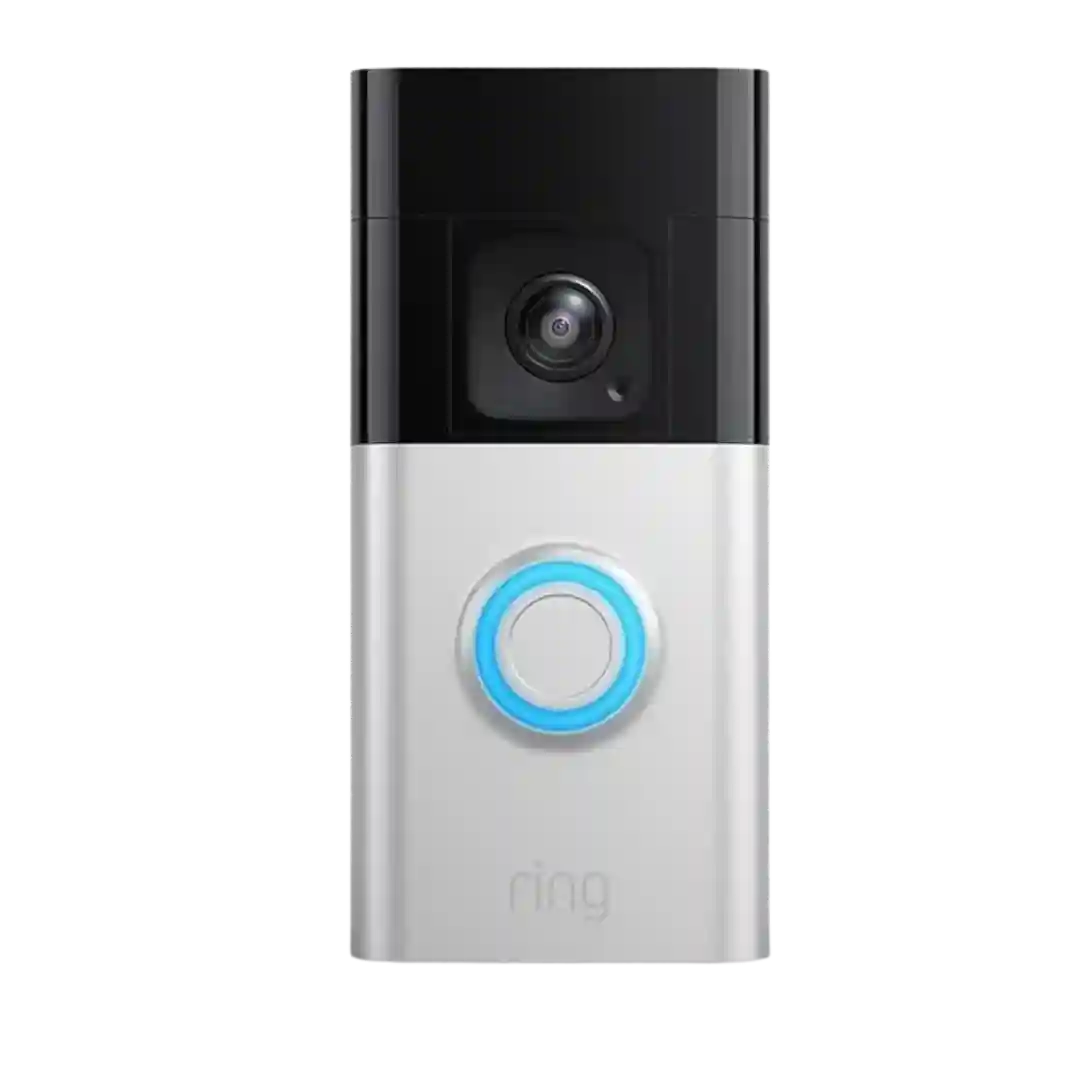
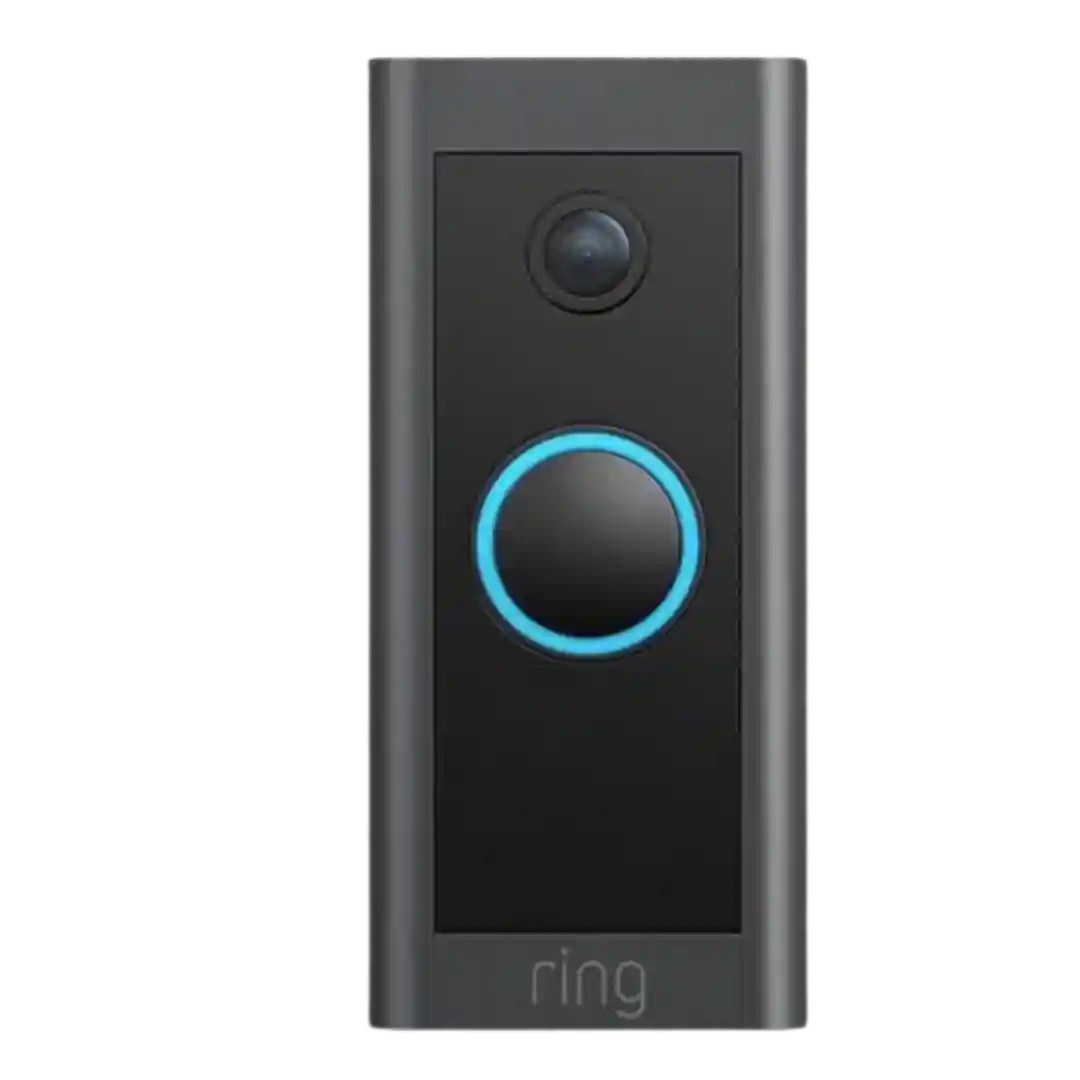
Integration with Ring accessories (Chime/Chime Pro) and Ring Alarm-style hubs is repeatedly emphasized as a practical advantage, especially for extending Wi-Fi to the doorbell and coordinating recordings across devices.
HomeBase pairing is presented as a way to add a chime function, centralize storage, and unlock more AI/recognition features. A key nuance is that not all continuous recording behaviors carry over identically when recording to HomeBase versus local storage.
The included Wi-Fi chime can act like a mini hub for local storage, and some reviewers compare it to (or pair with) HomeBase-style hubs. A consistent caution is that multiple hubs or standalone devices can feel cluttered if you already own other Eufy bases.
Reviewers note it fits well into the wider Ring ecosystem, including linking devices so other Ring cameras can record on triggers. Bundles and higher-tier plans can make sense if you already use multiple Ring products.
No dedicated hub is required to operate the doorbell, but Nest speakers/displays can act as the chime and viewing endpoint, making the system feel more complete in a Google-centric setup.
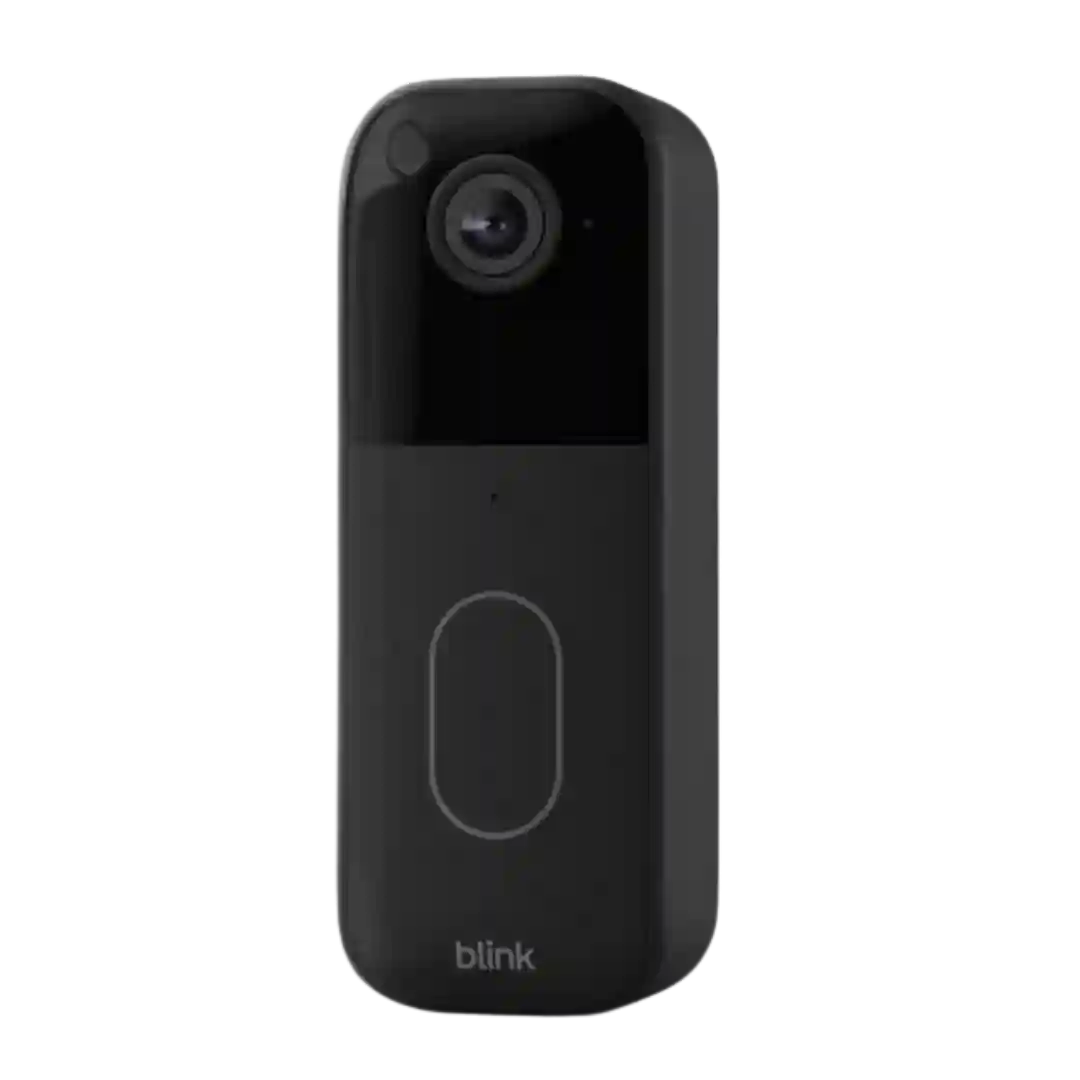
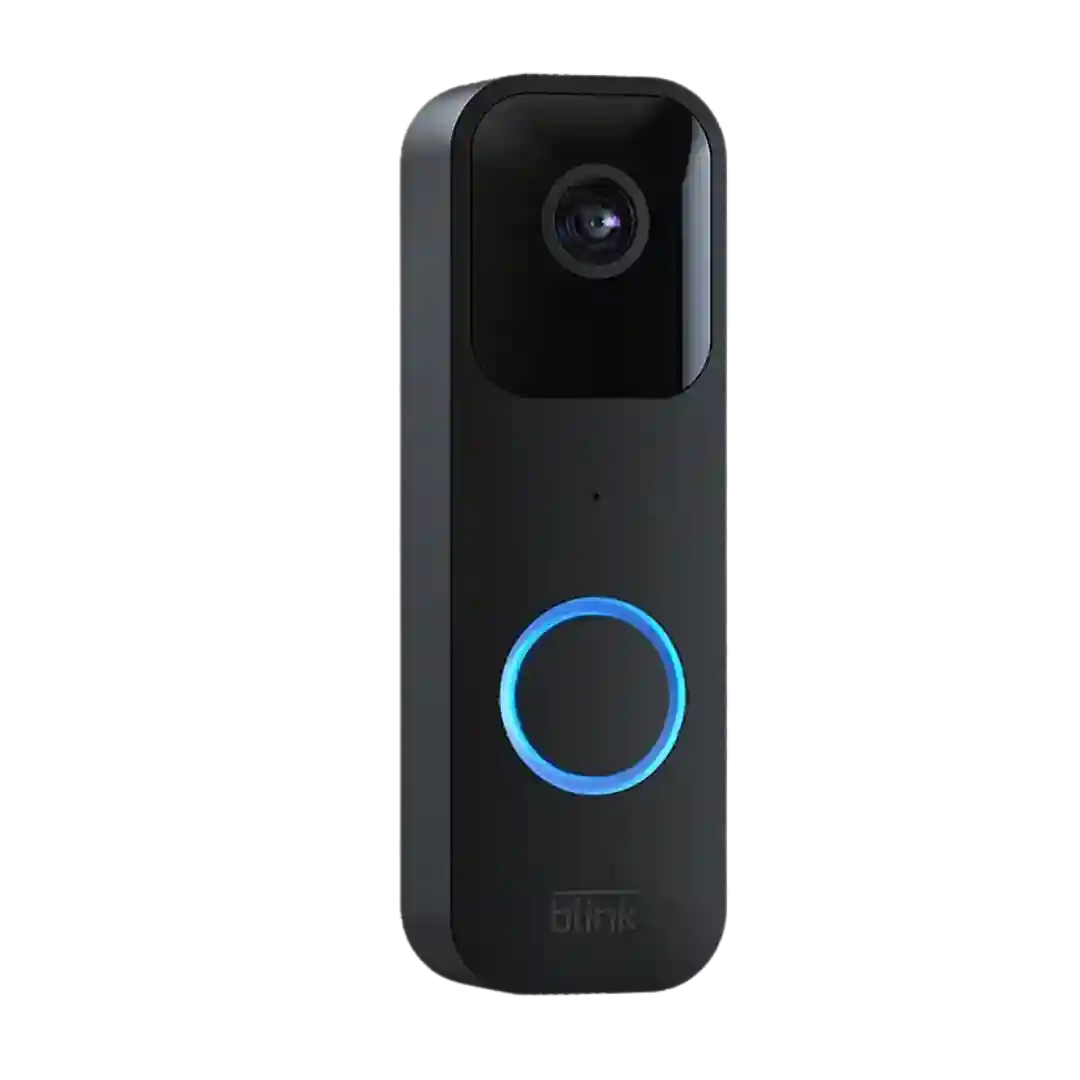
A Sync module is required to connect the doorbell, and it can also act as a hub for multiple Blink devices. Several reviews criticize the included Sync Module Core for lacking local-storage ports, pushing buyers toward cloud plans or higher-end Sync modules.
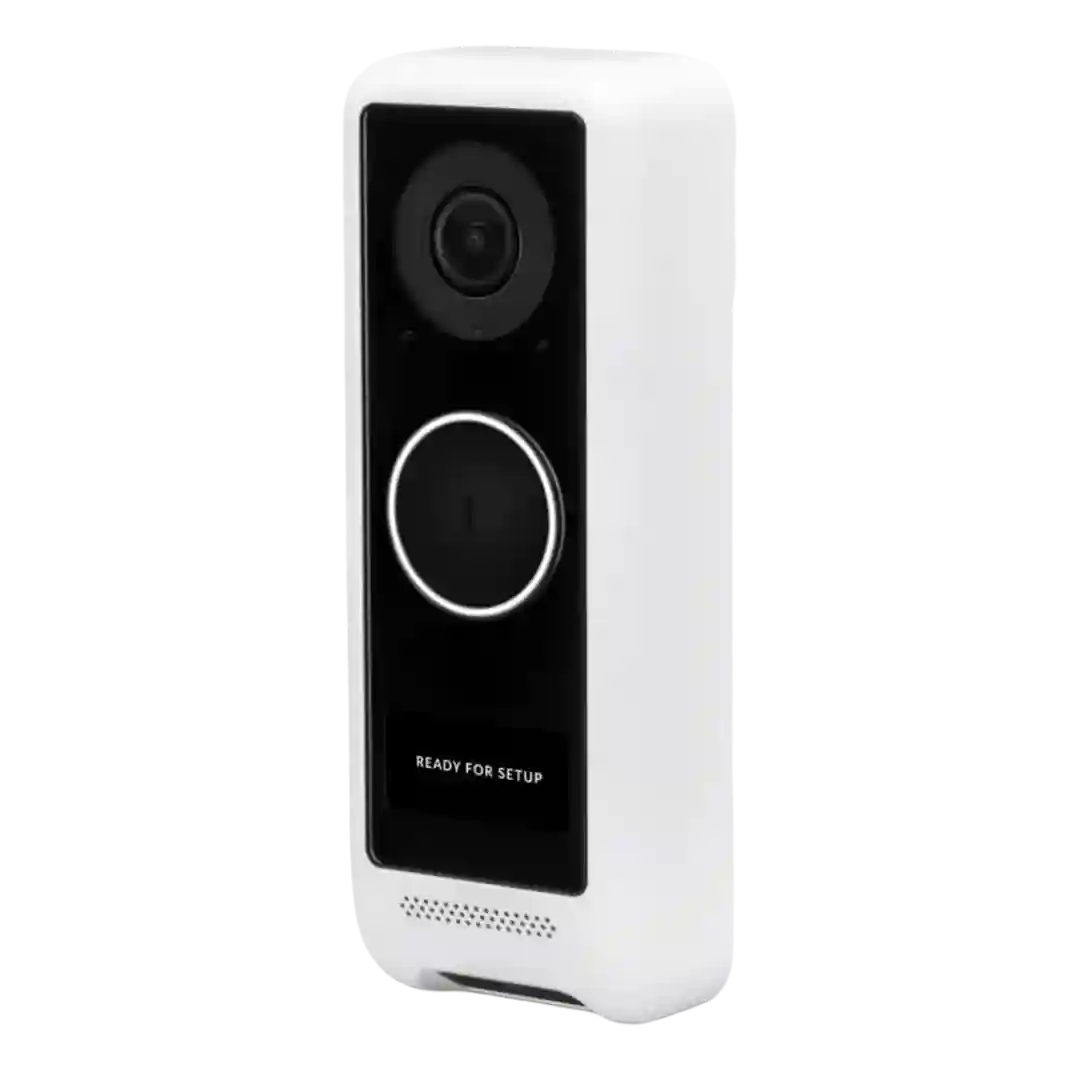
Integration with UniFi Protect hardware is a defining requirement and benefit: it behaves like a first-class Protect camera, and can be used alongside other UniFi devices and displays. The dependency is also a barrier for buyers who want a standalone doorbell.
Sync Module 2 meaningfully expands the system with on-demand live view and local USB storage, and it can support multiple Blink devices. The downside is extra cost and, in some setups, limited range to the doorbell.
The doorbell can run directly on Wi-Fi, but hub/base station integration may be required for certain setups (for example, Apple Home or local storage) and this varies by configuration and model notes.
A HomeKit hub (Apple TV, HomePod, etc.) is commonly required for remote access and full HomeKit Secure Video functionality, making hub ownership an important part of the setup.