Best for Base / Hub integration
Nest Doorbell Wired, 2nd Gen
5.0 feature score
Highest scored product for this feature based on supporting review evidence.
Highest scored product for this feature based on supporting review evidence.
Balances feature score, supporting reviews, and overall product strength.
Has the broadest review evidence for this feature.
Strongest overall product among items with scored evidence for this feature.
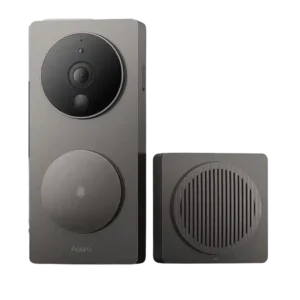
The chime/base integration was praised as a clever part of the system architecture.
Pros: lag), Ongoing ownership costs
Cons: RTSP stream availability, Motion detection
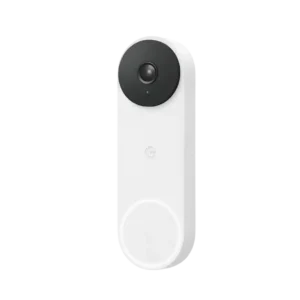
Nest Hub integration was strongly praised as a simpler way to view the doorbell feed inside the home.
Pros: Motion detection, Object and person detection
Cons: Storage, Field of view and framing
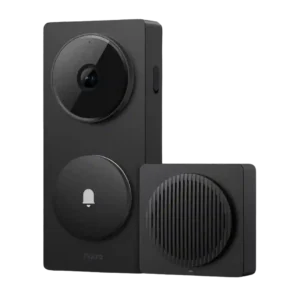
Reviewers consistently praised the chime/hub architecture, treating the G410 as more than a doorbell because it can serve as a Matter, Thread, Zigbee, or Aqara hub.
Pros: Multi-user sharing ease, Ongoing ownership costs
Cons: Phone call integration, Weather and temperature tolerance
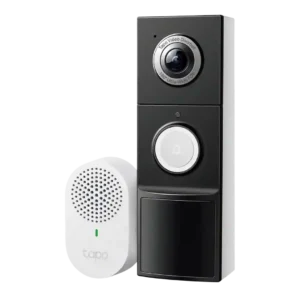
The D225 earned praise for offering continuous/local-style functionality without needing a separate hub.
Pros: Complete kit in box, Base / Hub integration
Cons: Face recognition, RTSP stream availability
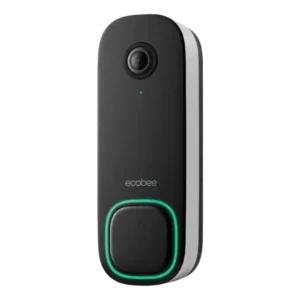
Thermostat and hub integration was the standout strength, with reviewers repeatedly praising live video, chime, intercom, and security hub uses.
Pros: Warranty and Support, Controls and indicators
Cons: Storage, Face recognition
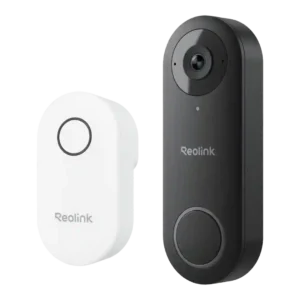
Integration with Reolink NVRs and recording hubs is a major strength, letting users pool, stream, and back up footage beyond the doorbell itself.
Pros: Ongoing ownership costs, Automation flexibility
Cons: Face recognition, Delivery package monitoring
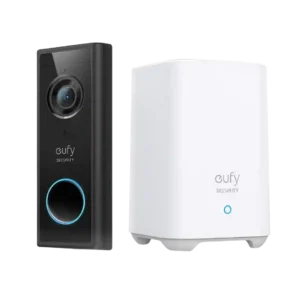
The HomeBase is viewed positively because it works smoothly with the router setup and provides local hub-based storage.
Pros: Ongoing ownership costs, Privacy
Cons: Controls and indicators, Smart-home integration (Alexa
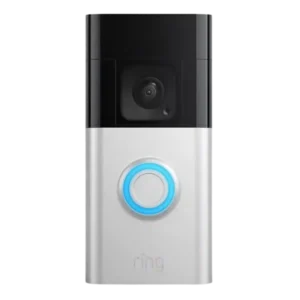
The Chime Pro Wi-Fi extender was viewed positively as a practical add-on for homes needing both an indoor chime and stronger signal to the doorbell.
Pros: Upgrade value vs previous model, Peace of mind
Cons: Law enforcement policy transparency, Community feature usefulness
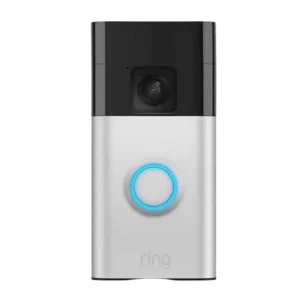
Base and alarm integration was praised in the automation review, especially Ring alarm mode behavior.
Pros: Quick-reply / pre-recorded message usefulness, lag)
Cons: Lens distortion handling, Storage
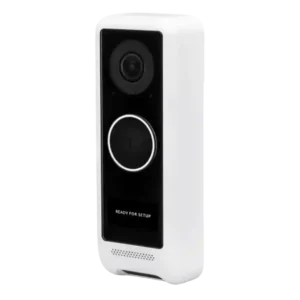
Reviewers liked the way the doorbell integrates into UniFi NVR, UDM Pro, Cloud Key, and the wider Protect system.
Pros: Field of view and framing, Object and person detection
Cons: Face recognition, Wi-Fi range and stability
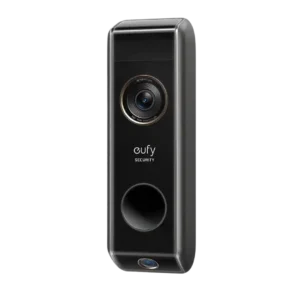
Hub integration was useful for storage and chimes, but setup and router requirements frustrated at least one reviewer.
Pros: Ongoing ownership costs, Subscription
Cons: Wi-Fi range and stability, Law enforcement policy transparency
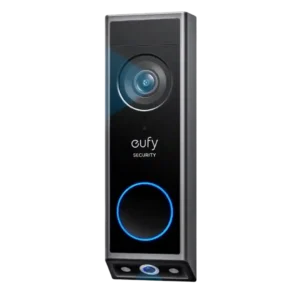
HomeBase integration was viewed as useful but optional, mainly for shoppers who want extra storage or more Eufy-device connectivity.
Pros: Ongoing ownership costs, Complete kit in box
Cons: Pre-roll buffer, Data-usage efficiency (bandwidth)
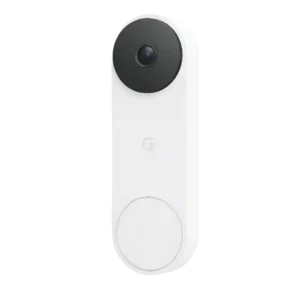
Nest Hub integration was considered cool and useful, though one reviewer found the Nest Hub interface itself sluggish.
Pros: Complete kit in box, Automation flexibility
Cons: Security ecosystem integration, Ongoing ownership costs
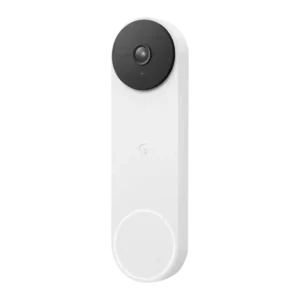
Nest Hub and Nest Mini integration helped the doorbell function as a household chime and announcement system.
Pros: Object and person detection, lag)
Cons: Law enforcement policy transparency, Privacy
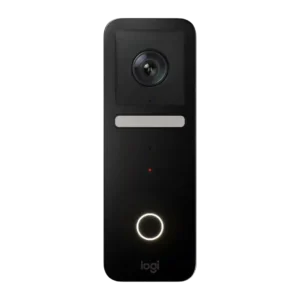
Apple TV and HomePod integration was a major strength, but reviewers repeatedly noted that a HomeKit hub or Apple hardware is required for the best experience.
Pros: Privacy, Security ecosystem integration
Cons: Warranty and Support, Color options
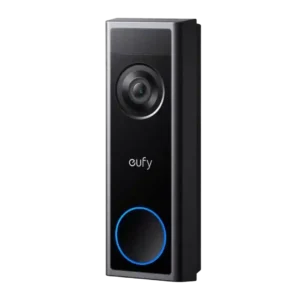
HomeBase integration added storage and AI benefits, but one reviewer found a wired/HomeBase recording limitation.
Pros: Wi-Fi range and stability, Ongoing ownership costs
Cons: Smart-home integration (Alexa, Google
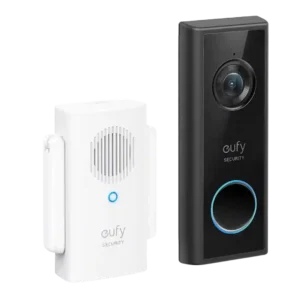
Hub/base integration was split: local hub storage felt secure, but the extra chime or non-integrated bases added clutter.
Pros: Ongoing ownership costs, Subscription
Cons: Wi-Fi range and stability, Chime
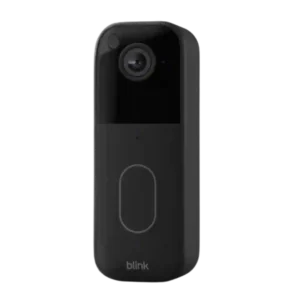
Hub integration was divided: the included Sync Module Core helps basic setup/storage in some contexts, but reviewers criticized it for lacking local storage.
Pros: Reliability (general), Automation flexibility
Cons: Quick-reply / pre-recorded message usefulness, Pre-roll buffer
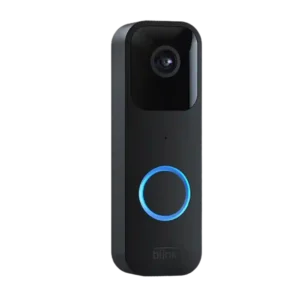
Sync Module integration adds useful live view and storage flexibility, but one reviewer said needing it can undermine the cheap appeal.
Pros: Subscription, Power Options and Compatibility
Cons: AI features, Ongoing ownership costs